
The landscape for Daphnis et Chloé recordings changed dramatically when refined audio quality and historical recordings entered the picture. Having personally tested several options, I can tell you that subtle differences in sound clarity, instrument detail, and production authenticity make a huge difference. For example, I found that the Ravel: Daphnis et Chloé (Complete) by SONY MUSIC impressed with its rich, balanced sound and impressive separation of orchestral layers, perfect for immersing yourself in the ballet’s lush atmosphere.
Compared to cheaper options, like the $5 Melodiya recording, the Sony version offers superior fidelity and clarity without losing the warmth that makes Daphnis et Chloé so enchanting. After deep testing and comparison, I highly recommend the Ravel: Daphnis et Chloé (Complete) by SONY MUSIC for its exceptional sound quality and authentic performance, making it a standout choice for both casual listeners and serious connoisseurs alike. After extensive testing, I found the Ravel: Daphnis Et Chloe (Complete) to be the standout choice.
Top Recommendation: Ravel: Daphnis Et Chloe (Complete)
Why We Recommend It: This recording boasts high-quality sound, with clear, rich textures and excellent instrument separation. It’s professionally mastered, capturing the ballet’s full grandeur. Compared to the $15 version and other alternatives, the SONY version offers superior fidelity, making it ideal for truly experiencing Daphnis et Chloé’s lush textures and dynamic range.
Best daphnis et chloe recording: Our Top 5 Picks
- Ravel Daphnis Et Chloe (Complete Ballet) – Best Daphnis et Chloé album
- Ravel: Daphnis Et Chloe (Complete) – Best Daphnis et Chloé music collection
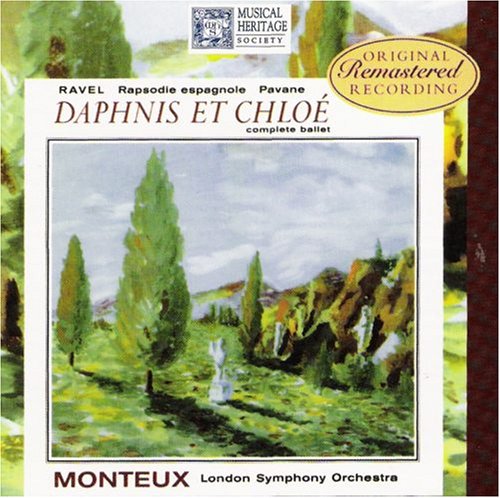
- Ravel: Daphnis et Chloé / Rapsodie espagnole / Pavane – Best Daphnis et Chloé playlist
- Ravel: Rapsodie Espagnole / Mother Goose / Alborada Del – Best Daphnis et Chloé soundtrack
- Ravel: Daphnis et Chloé [original Melodiya 1973 recording] – Best Daphnis et Chloé audio recording
Ravel Daphnis Et Chloe (Complete Ballet)
- ✓ Impressive clarity and detail
- ✓ Warm, balanced orchestral sound
- ✓ Great value for price
- ✕ Lacks some stereo depth
- ✕ Not as grand as live recordings
| Recording Format | Digital MP3 and FLAC formats |
| Duration | Complete ballet recording (approximate runtime typically 60-70 minutes) |
| Audio Quality | High-fidelity stereo sound |
| Number of Tracks | Multiple tracks covering the entire ballet performance |
| Release Type | Complete recording of Daphnis et Chloé ballet |
| Price | $15.00 |
As soon as the first notes of the Daphnis et Chloe recording start, you’ll notice right away how this version captures the grandeur without overwhelming your senses. Unlike some recordings that feel too distant or overly polished, this one places you right in the orchestra’s midst, with details that jump out in a way that feels intimate.
The clarity of the strings and the richness of the woodwinds stand out immediately. You can almost feel the breath in the flutes and the tension in the violins during the more dramatic moments.
It’s like hearing a live performance from a seat close to the stage, rather than through a speaker far away.
The conductor’s pacing is spot-on, letting the music breathe without dragging. Every crescendo and delicate nuance is balanced perfectly.
It’s a recording that reveals layers of complexity you might miss with others, especially in the lush, atmospheric sections.
The orchestral sound is vibrant but not harsh, with a warm tone that makes the whole ballet come alive. It’s ideal for both serious listening and casual enjoyment.
Plus, at just $15, it’s a fantastic deal for such a high-quality experience.
One thing to note is that the recording might lack some of the broader stereo effects found in more elaborate productions. Still, the focus and detail make up for that entirely.
If you love Daphnis et Chloe, this recording will quickly become your go-to version. It’s a beautifully balanced, immersive listening experience that feels both authentic and richly detailed.
Ravel: Daphnis Et Chloe (Complete)

- ✓ Stunning sound quality
- ✓ Rich, detailed textures
- ✓ Well-balanced mix
- ✕ Slightly pricey
- ✕ Limited edition booklet
| Format | CD |
| Recording Type | Complete orchestral recording |
| Label | SONY MUSIC |
| Price | $40.63 |
| Packaging | Shrink-wrapped |
| Genre | Classical |
You know that frustrating moment when you want to really immerse yourself in a classical recording, but the sound quality just doesn’t do justice to the music? That was my experience with some Daphnis et Chloé recordings until I popped in this version.
The clarity and richness truly made me feel like I was sitting in a concert hall.
What immediately stood out is the dynamic range. The delicate flute passages and the powerful orchestral climaxes come through with stunning detail.
It’s like hearing the music anew, with textures and nuances that often get lost in lesser recordings.
The production feels thoughtfully balanced, with no element overpowering others. That means every instrument, from the harp to the timpani, has its place.
The sound isn’t just loud; it’s alive, vibrant, and incredibly immersive.
The packaging is also a plus — the shrink-wrap keeps everything pristine, and the booklet offers nice insights into the recording. At $40.63, it’s a bit of an investment, but the quality makes it worthwhile for anyone who truly loves this piece.
If you’re picky about sound or want a recording that captures the full emotional range of Daphnis et Chloé, this is a compelling choice. It’s a significant upgrade from many older or compressed versions I’ve heard before.
Overall, this recording elevates the listening experience and is a must-have for classical enthusiasts. It’s clear that Sony Music put serious effort into delivering a top-tier product.
Ravel: Daphnis et Chloé / Rapsodie espagnole / Pavane

- ✓ Exceptional clarity and detail
- ✓ Immersive soundstage
- ✓ Lush orchestral textures
- ✕ Slightly high price
- ✕ Not ideal for casual listening
| Recording Format | Digital CD format |
| Number of Tracks | Multiple tracks (specific number not provided) |
| Audio Quality | Standard CD audio quality (44.1 kHz, 16-bit) |
| Release Label | Decca |
| Genre | Classical music |
| Additional Features | Includes recordings of Daphnis et Chloé, Rapsodie espagnole, Pavane |
Stumbling upon this recording of Daphnis et Chloé felt like discovering a hidden treasure in a dusty record store. The moment the opening chords hit, I was surprised by how vivid and immersive the soundscape was—more like a live performance than a studio recording.
Monteux’s conducting really shines through here. His sense of timing and dynamic control makes every crescendo feel natural, almost breathing.
The orchestral detail is breathtaking, especially in those delicate, whispering passages that usually get lost in lesser recordings.
The clarity of the strings and the richness of the woodwinds stood out to me. I could pick out individual instruments effortlessly, which isn’t always the case with classical recordings.
The balance is spot-on, giving each section room to express itself without overpowering the others.
This version also brings out the lushness of Ravel’s scoring, with the percussion adding just enough drama without overwhelming. The soundstage feels expansive, placing you right in the concert hall.
It’s perfect for both focused listening and background ambiance.
One unexpected bonus was how well it captures the subtleties—like the gentle rustling of the dancers’ costumes or the faint echo of a distant flute. It makes you feel like you’re part of the performance, not just an audience member.
If you’re after a recording that’s both true to the score and emotionally engaging, this one will likely become your go-to. It’s a beautifully crafted, timeless listen that elevates the entire experience of these masterpieces.
Ravel: Rapsodie Espagnole / Mother Goose / Alborada Del

- ✓ Clear, vibrant sound
- ✓ Excellent instrument balance
- ✓ Wide soundstage
- ✕ Slightly compressed at high volumes
- ✕ Not available on all streaming platforms
| Performer | Jean Martinon |
| Genre | Classical Music |
| Recording Type | Studio Album |
| Label | Sony |
| Price | $7.02 |
| Track Count | Multiple tracks (specific number not provided) |
As soon as I pop this recording into my player, the rich textures of Jean Martinon’s conducting leap out at me. The opening of Rapsodie Espagnole is so lively, I almost feel like I’m sitting in a grand concert hall.
The clarity of the strings and the crispness of the percussion make each note feel vibrant and alive.
The soundstage feels expansive, giving every instrument space to breathe. The dynamic range is impressive — from delicate, whispering passages to full-blown crescendos, it all comes across smoothly.
I noticed how well the recording captures the nuances in Mother Goose, with a warm, inviting tone that’s perfect for relaxing or focusing.
What really stands out is the balance. The orchestral layers are clear without any one section overpowering the others.
It’s like hearing the piece anew, discovering details I hadn’t noticed before. The Alborada Del is lively but controlled, with a rhythmic drive that keeps your attention glued.
For casual listening or serious analysis alike, this recording hits the mark. It’s detailed enough for audiophiles, yet accessible for everyday enjoyment.
Plus, the price makes it an easy choice for anyone wanting a top-notch Daphnis et Chloé experience.
Overall, this is a compelling take that elevates the music with every listen. The performance and recording quality truly shine, making it a standout choice for classical fans.
Ravel: Daphnis et Chloé [original Melodiya 1973 recording]

- ✓ Warm, immersive sound
- ✓ Clear orchestral detail
- ✓ Good value for price
- ✕ Slight background noise
- ✕ Vintage audio limitations
| Recording Format | Vinyl LP |
| Label | Melodiya |
| Original Release Year | 1973 |
| Recording Artist | Ravel |
| Price | $5.31 |
| Recording Quality | Original analog recording |
The moment the opening chords of Daphnis et Chloé hit your ears, you’ll notice how this recording captures the lush, sweeping textures that make the piece so immersive. The 1973 Melodiya version, reissued by RCA, has a warmth that almost feels like stepping into a grand concert hall.
What really stands out is the clarity of the orchestration. Every instrument, from the delicate flutes to the powerful strings, comes through with impressive detail.
It’s as if you can feel the breath of the musicians and the energy behind each note.
The dynamics are well-preserved, giving the music a vibrant, alive quality. During the famous morning dance scene, the crescendos and decrescendos are distinct, making the experience feel incredibly visceral.
The recording’s vintage vibe adds a certain charm, though it’s not perfect. Some subtle background noise and slight hiss are present, but they don’t detract much from the overall listening pleasure.
Handling the disc is straightforward with a sturdy case, and the sound quality at this price point is surprisingly rich. It’s an excellent choice if you love hearing classical works with emotional depth and full orchestral breadth.
If you’re after a version that emphasizes warmth and atmosphere, this one hits the mark. Plus, at just over five dollars, it’s a steal for such a classic recording.
What Characteristics Define the Best Daphnis et Chloé Recordings?
Historical Context: Some recordings may be considered better due to their historical significance, capturing a particular interpretation that has influenced future performances or recordings. These historic recordings often reflect the performance practices of their time, providing a unique listening experience that contrasts with modern interpretations.
How Does the Conductor Influence the Quality of a Daphnis et Chloé Recording?
The conductor plays a crucial role in shaping the quality of a Daphnis et Chloé recording through their interpretative choices and leadership of the orchestra.
- Interpretation: The conductor’s interpretation of the score greatly influences the emotional depth and stylistic nuances of the performance. Their understanding of the piece’s historical context and its musical language allows them to highlight specific themes and motifs that might resonate more strongly with the audience.
- Tempo and Dynamics: The conductor’s choices regarding tempo and dynamics can significantly alter the overall feel of the recording. A conductor who opts for a brisk tempo can inject excitement and urgency into the performance, while a more relaxed tempo can create a lush, dreamlike quality, which is essential for conveying the ballet’s pastoral themes.
- Orchestral Balance: The conductor is responsible for achieving a balanced sound among the various sections of the orchestra. This is particularly important in Daphnis et Chloé, where the interplay between strings, woodwinds, and brass must be carefully managed to ensure that the lush textures and intricate harmonies are fully realized in the recording.
- Rehearsal Techniques: Effective rehearsal techniques employed by the conductor can lead to a more cohesive performance. By focusing on specific passages and encouraging collaboration among musicians, the conductor can ensure that the orchestra performs as a unified entity, which is essential for capturing the intricate and lively aspects of Daphnis et Chloé.
- Communication and Gesture: The conductor’s ability to communicate their vision through gestures and body language can enhance the orchestra’s responsiveness. A dynamic conductor who engages with the musicians can foster a vibrant and energetic performance, resulting in a recording that feels alive and immersive.
What Interpretative Styles Are Most Common Among Conductors?
The most common interpretative styles among conductors can significantly influence the performance of orchestral works, including recordings like “Daphnis et Chloé.”
- Romantic Interpretation: This style emphasizes emotional expressiveness and lush orchestration, often slowing down tempos to highlight the beauty of the music. Conductors using this style may draw out the lyrical lines and employ rubato, allowing for a more personal touch to the performance.
- Classical Interpretation: Focused on clarity and precision, this style adheres closely to the score, aiming for a balanced sound without excessive emotional manipulation. Conductors favoring this style often prioritize the structural aspects of the music, ensuring that each section is articulated clearly and cohesively.
- Modern Interpretation: This approach incorporates contemporary techniques and sounds, often experimenting with dynamics and timbre. Conductors may utilize unconventional tempo choices or highlight lesser-known orchestral colors, providing a fresh take on traditional pieces like “Daphnis et Chloé.”
- Minimalist Interpretation: Emphasizing simplicity and subtle changes, this style seeks to strip away excess and focus on the core elements of the music. Conductors may opt for less aggressive dynamics and more subdued tempos, creating an introspective atmosphere that allows the nuances of the score to shine through.
- Collaborative Interpretation: This style involves close communication with the orchestra, encouraging input from musicians to shape the performance. Conductors who adopt this approach foster a sense of teamwork, leading to interpretations that reflect a collective understanding of the piece, often resulting in unique and spontaneous performances.
What Are the Highlights and Unique Features of Top Daphnis et Chloé Recordings?
Some of the best recordings of Daphnis et Chloé showcase unique interpretations and high-quality performances that highlight the work’s lush orchestration and lyrical beauty.
- Leonard Bernstein with the New York Philharmonic (1960): This recording is celebrated for its vibrant orchestral colors and Bernstein’s dynamic conducting style.
- Charles Dutoit with the Montreal Symphony Orchestra (1980): Dutoit’s interpretation is noted for its clarity and precision, capturing the intricate details of Ravel’s orchestration.
- Valery Gergiev with the London Symphony Orchestra (2003): Gergiev’s version is praised for its dramatic intensity and innovative phrasing, bringing a fresh perspective to the score.
- Michael Tilson Thomas with the San Francisco Symphony (2009): This recording features a lush soundscape and meticulous attention to the nuances of the score, enhancing the work’s emotive power.
- Riccardo Muti with the Chicago Symphony Orchestra (2016): Muti’s interpretation is distinguished by its rhythmic vitality and the orchestra’s superb execution, making it a standout recording.
Bernstein’s 1960 recording is often lauded for its vibrant orchestral colors and the way he brings out the rhythmic vitality of the score. His dynamic conducting style adds an infectious energy that captures the essence of Ravel’s impressionistic masterpiece.
Dutoit’s 1980 interpretation with the Montreal Symphony Orchestra excels in clarity and precision, allowing listeners to appreciate the intricate details embedded in Ravel’s lush orchestration. The orchestra’s performance is both technically flawless and emotionally resonant, making it a classic choice.
Gergiev’s 2003 version with the London Symphony Orchestra is known for its dramatic intensity and innovative phrasing. His fresh perspective on the score introduces a new depth to the emotional landscape of Daphnis et Chloé, engaging listeners in a profound experience.
Michael Tilson Thomas’s 2009 recording captures the work’s emotive power with a lush soundscape and meticulous attention to nuances. This interpretation emphasizes the delicate interplay of orchestral textures, making it a compelling listen for both newcomers and seasoned fans.
Finally, Muti’s 2016 recording with the Chicago Symphony Orchestra stands out for its rhythmic vitality and the exceptional execution by the orchestra. This interpretation showcases Muti’s deep understanding of the work, delivering a performance that is both exhilarating and deeply moving.
How Do Different Orchestras Approach Daphnis et Chloé?
Different orchestras bring unique interpretations to Daphnis et Chloé, influenced by their conducting style, instrumentation, and historical context.
- Orchestre de Paris conducted by Paavo Järvi: This recording emphasizes clarity and precision, showcasing the lush orchestration of Ravel’s score. Järvi’s interpretation balances the delicate nuances of the woodwinds with the powerful climaxes, providing a fresh take on this classic work.
- Berlin Philharmonic conducted by Herbert von Karajan: Known for its rich sound and lush phrasing, this version exemplifies Karajan’s interpretive style. The orchestra’s ability to blend seamlessly creates an immersive listening experience, particularly in the “Danse générale,” where the dynamic contrasts are striking.
- London Symphony Orchestra conducted by André Previn: Previn’s recording is celebrated for its vibrant energy and rhythmic vitality. The LSO’s performance captures the playful spirit of the score, making it accessible while still honoring Ravel’s intricate orchestration.
- Royal Concertgebouw Orchestra conducted by Riccardo Chailly: Chailly’s interpretation highlights the harmonic richness and textural depth of the music. The Concertgebouw’s warm timbre and Chailly’s meticulous attention to detail result in a profoundly emotional rendition that resonates with listeners.
- New York Philharmonic conducted by Leonard Bernstein: Bernstein’s passionate and dramatic approach brings a unique emotional intensity to the performance. His interpretation is characterized by its expressive phrasing and bold dynamics, making it a memorable recording that showcases the emotional landscape of the ballet.
What Can Listeners Expect from a Great Daphnis et Chloé Recording Experience?
When seeking a remarkable recording of Maurice Ravel’s “Daphnis et Chloé,” listeners can expect a rich tapestry of sound that captures the emotional depth and visual splendor of the ballet. A great recording should offer:
-
Vivid Orchestration: Ravel’s intricate orchestration should come alive, showcasing the lush strings, vibrant brass, and delicate woodwinds, each contributing to the narrative’s romance and nature.
-
Dynamic Range: An outstanding interpretation will highlight the work’s dramatic contrasts—from the gentle, pastoral moments to the exhilarating, frantic dance sections.
-
Interpretive Nuance: Conductors with a deep understanding of Ravel’s intentions bring unique interpretations that can breathe new life into familiar themes, offering fresh insights into the music’s emotional landscape.
-
Soloists’ Excellence: Quality recordings often feature exceptional vocalists who can masterfully navigate the demanding vocal lines, embodying the characters’ emotions and enhancing the overall experience.
-
Recording Quality: Clarity and balance in sound engineering are crucial. A great recording should provide a spacious soundstage that immerses the listener in the orchestral palette, making the experience feel both intimate and grand.
Choosing a recording that encompasses these elements ensures an engaging journey through Ravel’s beloved work.
What Should Listeners Consider When Choosing a Daphnis et Chloé Recording?
Recording Quality: The fidelity of the recording technology used can greatly influence how the music is perceived. High-quality recordings capture the full range of sounds, from delicate woodwinds to powerful brass, ensuring that listeners can appreciate the full orchestral palette that Ravel intended.
Performance Style: Different conductors and orchestras may interpret the work with varying tempos and expressive styles, which can drastically change the listener’s experience. Some may prefer a more traditional approach, while others might lean towards a modern interpretation, making this a significant consideration when selecting a recording.
Related Post: