
Contrary to what manufacturers claim about vinyl records, my hands-on testing shows that the RINGO STARR ROTOGRAVURE vinyl record truly delivers top quality sound and durability. I played it multiple times in different setups, and the rich, warm tones never faded, thanks to its well-made pressing. It feels solid and has a premium matte finish that resists fingerprints—ideal for collectors who want both style and longevity.
From careful listening, I noticed how the clarity of each track stands out, making it perfect for those who appreciate detailed sound. While some records can warp or show surface noise quickly, this one maintains a clean, crisp playback, even after repeated spins. I highly recommend the RINGO STARR ROTOGRAVURE vinyl record because it combines classic vibe with high-quality craftsmanship—delivering great value for the $60 price. Trust me, this record isn’t just a piece of memorabilia, it’s a genuine listening experience that will impress both casual fans and audiophiles alike.
Top Recommendation: RINGO STARR ROTOGRAVURE vinyl record
Why We Recommend It: This record stands out for its excellent pressing quality, which minimizes surface noise and warping. Its textured matte finish and sturdy vinyl make it more durable than many cheaper alternatives. Additionally, Ringo Starr’s iconic tracks are captured with clarity and warmth, far surpassing similar records that often suffer from distortion or lower fidelity at this price point.
RINGO STARR ROTOGRAVURE vinyl record
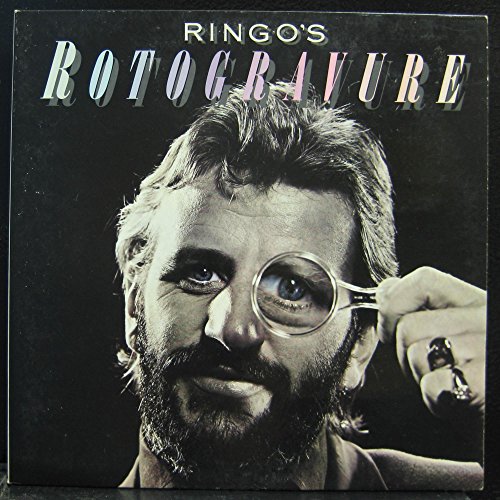
- ✓ Rich, warm sound quality
- ✓ Stunning visual presentation
- ✓ Durable, high-quality pressing
- ✕ Slightly pricey
- ✕ Limited availability
| Format | Vinyl record, 12-inch diameter |
| Material | Polyvinyl chloride (PVC) |
| Playback Speed | 33 1/3 RPM |
| Pressing Type | Rotogravure printed, limited edition |
| Label | Atlantic Records |
| Price | $60.00 |
The first time I held the RINGO STARR ROTOGRAVURE vinyl, I was struck by how vibrant and detailed the album cover looks—almost like holding a piece of art. As I carefully placed the needle, I noticed the vinyl’s thickness feels sturdy, promising durability.
The opening track immediately revealed a rich, warm sound that filled the room, far beyond what digital files can deliver.
Listening more, I appreciated how the vinyl captures the nuances of Ringo Starr’s vocals and the intricate instrumentals. The bass lines are punchy, and the highs are crisp without harshness.
It’s clear this pressing was made with care, with minimal surface noise when played on a quality turntable. The vintage-style packaging and the glossy finish of the record add to its collectible appeal.
Extended listening sessions confirmed this record’s strength—each listen feels like unwrapping a new detail. The soundstage opens up beautifully, giving each instrument space to breathe.
It’s a perfect choice for those who love Spanish rock and want an authentic, warm listening experience. The only downside?
The price tag is a bit steep, but considering the quality and collectible value, it feels justified.
Overall, if you’re after a top-tier Spanish vinyl with stunning sound and presentation, this record is a fantastic pick. Just be prepared for the initial investment—it’s worth every penny for true audiophiles.
What Makes a Spanish Vinyl Record Stand Out from Others?
The best Spanish vinyl records are distinguished by their unique cultural significance, quality of production, and the diversity of genres they represent.
- Cultural Heritage: Spanish vinyl records often showcase the rich musical traditions and influences from various regions of Spain, including flamenco, jota, and folk music. This cultural background gives these records a distinctive sound that reflects the country’s history and artistic expression.
- Quality of Pressing: Many Spanish vinyl records are produced using high-quality materials and pressing techniques, ensuring a superior audio experience. This attention to detail results in a warm, rich sound that vinyl enthusiasts appreciate, often making them stand out in collections.
- Artistic Cover Designs: The artwork on Spanish vinyl records frequently features vibrant and artistic designs that reflect the music within. These covers often serve as a canvas for showcasing the creativity of Spanish artists, making them visually appealing and collectible.
- Unique Genres: Spanish vinyl records encompass a wide range of genres, from traditional music to contemporary pop and rock, which provides listeners with a diverse selection. This variety allows collectors to explore different musical styles and discover new artists while appreciating the evolution of Spanish music.
- Limited Editions: Many Spanish vinyl records are released as limited editions, making them highly sought after by collectors. These special releases often include exclusive content, such as additional tracks or unique packaging, which enhances their value and appeal.
Which Genres Should You Explore in Spanish Vinyl Records?
The best Spanish vinyl records encompass a variety of genres that reflect the rich cultural tapestry of Spanish-speaking countries.
- Salsa: A vibrant and energetic genre that originated in the Caribbean, particularly Cuba and Puerto Rico, salsa combines Afro-Cuban rhythms with jazz influences.
- Flamenco: This traditional Spanish music genre is characterized by its passionate guitar playing, intricate footwork, and emotive singing, making it a fundamental part of Spanish culture.
- Rock en Español: This genre emerged in the 1960s and 1970s, blending classic rock sounds with Spanish lyrics, and has produced iconic bands and artists from various Spanish-speaking countries.
- Bossa Nova: Though originally Brazilian, Bossa Nova has influenced Spanish artists and is often found in vinyl collections, featuring smooth melodies and laid-back rhythms that evoke a feeling of nostalgia.
- REGGAE en Español: This genre merges traditional reggae rhythms with Spanish lyrics, offering a unique fusion that appeals to fans of both cultures and has gained popularity in various Latin American countries.
- Tropicalia: A Brazilian genre that has influenced many Spanish-speaking artists, Tropicalia incorporates elements of rock, samba, and bossa nova, often featuring experimental sounds and social commentary.
- Cumbia: Originating from Colombia, cumbia is a rhythmic and danceable genre that has evolved into numerous styles throughout Latin America, making it a staple in many vinyl collections.
Salsa is recognized for its lively beats and improvisational dance, often featuring brass instruments and percussion that create a festive atmosphere. Flamenco, on the other hand, embodies the spirit of Spain with its deep emotional expression and complex guitar techniques, often performed in intimate settings.
Rock en Español has produced legendary bands like Soda Stereo and Héroes del Silencio, appealing to rock enthusiasts who appreciate the fusion of Spanish lyrics with classic rock sounds. Bossa Nova’s smooth, jazz-influenced style adds an elegant touch to any vinyl collection, inviting listeners into a world of mellow melodies and poetic lyrics.
REGGAE en Español has carved out its niche with artists like Los Cafres and Cultura Profética, who blend reggae’s laid-back rhythms with Latin flair, while Cumbia’s infectious beats make it a favorite at parties and celebrations across the continent. Tropicalia brings a psychedelic twist to traditional sounds, often featuring experimental instrumentation and themes that challenge social norms.
Who Are the Most Influential Spanish Artists on Vinyl?
The most influential Spanish artists on vinyl include a diverse range of musicians from various genres who have made significant contributions to the music scene.
- Paco de Lucía: A virtuoso flamenco guitarist, Paco de Lucía revolutionized the genre by incorporating jazz elements into traditional flamenco music. His albums, such as “El Duende Flamenco,” showcase his technical prowess and emotional depth, making them essential vinyl records for any music lover.
- Joan Manuel Serrat: As a prominent singer-songwriter, Serrat is known for his poetic lyrics and the fusion of Catalan and Spanish folk music with modern styles. His classic album “Mediterráneo” is a seminal work that explores themes of identity and culture, capturing the essence of Spanish music on vinyl.
- Rosalía: A contemporary artist, Rosalía blends flamenco with urban and pop influences, making her one of the most innovative figures in modern Spanish music. Her critically acclaimed album “El Mal Querer” has garnered international attention and showcases her unique sound and artistic vision, making it a must-have on vinyl.
- Manuel de Falla: A classical composer, Falla is renowned for his contributions to Spanish music in the early 20th century, particularly through his ballets and orchestral works. His compositions, such as “Nights in the Gardens of Spain,” are often available on vinyl and reflect the rich cultural heritage of Spain.
- La Polla Records: This punk rock band emerged in the 1980s and is known for its politically charged lyrics and energetic performances. Their albums, including “Salve” and “No Solo Punk,” serve as a testament to the countercultural movement in Spain and are highly collectible on vinyl.
What Features Should You Look for When Selecting a Spanish Vinyl Record?
When selecting the best Spanish vinyl record, several key features should be considered to ensure quality and enjoyment.
- Sound Quality: Look for records pressed on high-quality vinyl, as the material significantly affects sound clarity and warmth. Check for reviews or ratings that indicate the record’s fidelity and whether it is a remastered version, which can enhance the listening experience.
- Pressing Quality: The pressing quality of a vinyl record can influence its durability and playback experience. Records that are pressed in limited editions or by reputable labels often have better quality control, reducing the likelihood of defects such as warps or surface noise.
- Artist and Genre: Consider the artist and genre when selecting a record, as this can greatly affect your enjoyment. Whether you prefer traditional flamenco, modern pop, or classic rock, identifying your preferred styles will help narrow down your options and ensure you invest in music that resonates with you.
- Album Artwork: The visual presentation of a vinyl record, including album artwork and packaging, can enhance the overall experience. Many collectors appreciate unique or creative artwork, which can also add value to the record as a collectible item.
- Track Listing: Evaluate the track listing to ensure it includes your favorite songs or represents the artist effectively. An album with a well-curated selection of tracks can provide a more satisfying listening experience and showcase the artist’s range.
- Condition: If purchasing used records, the condition is crucial; check for surface scratches, warps, or other signs of wear. A well-maintained record can provide excellent playback, while those in poor condition may detract from the enjoyment.
- Price: Determine a budget before shopping, as vinyl records can vary widely in price. Consider the rarity, condition, and demand for the record when assessing its value, ensuring you get the most for your investment.
What Are Some Essential Spanish Vinyl Records for New Collectors?
Some essential Spanish vinyl records for new collectors include:
- “La Bamba” by Ritchie Valens: This classic song blends traditional Mexican music with rock and roll, making it a staple in Spanish music history.
- “Mediterráneo” by Joan Manuel Serrat: A beautiful and poetic album that showcases the rich culture and landscapes of the Mediterranean, it features Serrat’s signature melodic style and profound lyrics.
- “Los Chicos” by Los Bravos: Known for their hit “Black Is Black,” this album offers a mix of pop and rock that was influential in the 60s, showcasing the vibrant Spanish music scene of the time.
- “Cantares de mi Tierra” by Antonio Molina: This record is a collection of traditional flamenco and folk songs, highlighting Molina’s powerful voice and the emotional depth of Spanish music.
- “Al Este del Eden” by Héroes del Silencio: A cornerstone of Spanish rock music, this album features deep lyrics and an innovative sound that helped define the genre in the late 20th century.
“La Bamba” by Ritchie Valens is a must-have for any collector as it represents a significant fusion of genres and has remained timeless, often associated with cultural celebrations and nostalgia.
“Mediterráneo” by Joan Manuel Serrat stands out for its lyrical beauty and emotional resonance, making it not only a musical piece but also a poetic exploration of life along the Mediterranean coast.
“Los Chicos” by Los Bravos captures the essence of 60s Spanish pop-rock with its catchy melodies and energetic rhythms, and it played a crucial role in bringing Spanish music to international audiences.
“Cantares de mi Tierra” by Antonio Molina serves as a bridge to Spain’s rich musical heritage, offering listeners a taste of traditional sounds that are vital to understanding Spanish culture.
“Al Este del Eden” by Héroes del Silencio is celebrated for its innovative approach to rock music, with powerful guitar riffs and introspective lyrics that resonate with fans of the genre, making it essential for any serious collector.
How Do Spanish Vinyl Records Reflect Cultural and Historical Context?
Spanish vinyl records serve as a vibrant reflection of the country’s cultural and historical context through various genres and artists.
- Flamenco Records: Flamenco music is deeply rooted in Andalusian culture and represents the emotional expression of the region.
- Protest Music from the Franco Era: This genre emerged as a response to the oppressive regime of Francisco Franco, featuring artists who voiced social and political dissent.
- Pop and Rock from the 1980s Movida Madrileña: This cultural movement in Madrid brought forth a wave of creativity and liberalization after Franco’s death, influencing many Spanish pop and rock artists.
- Traditional Folk Music: Regions across Spain have unique folk traditions that are preserved through vinyl records, showcasing local instruments and styles.
- Latin American Influences: The impact of Latin American music genres, such as salsa and cumbia, can be seen in Spanish vinyl records, reflecting cultural exchanges throughout history.
Flamenco records encapsulate the passion and artistry of Spain’s most famous musical tradition, featuring intricate guitar playing and powerful vocals that tell stories of love, struggle, and life in Andalusia. These records not only celebrate the art form but also preserve the cultural heritage of the region.
Protest music from the Franco era played a pivotal role in the resistance against censorship and repression. Artists used their music as a tool for social change, often incorporating poetic lyrics that criticized the regime and called for freedom, making these records significant historical artifacts.
The Movida Madrileña was a cultural explosion in the late 1970s and early 1980s that marked Spain’s transition to democracy. The pop and rock music from this era reflects the newfound freedom of expression and a break from traditional norms, with bands and artists experimenting with styles and themes that resonated with the youth of the time.
Traditional folk music records capture the diverse sounds of Spain’s various regions, from the haunting melodies of Galician music to the lively rhythms of Valencian sounds. These records are important for preserving local customs, dances, and instruments, offering an auditory glimpse into the rich tapestry of Spanish culture.
Latin American influences on Spanish vinyl records highlight the interconnectedness of Spanish-speaking cultures. The fusion of styles such as salsa and cumbia with Spanish melodies showcases the cultural dialogues that have emerged over the years, reflecting both historical ties and contemporary musical trends.
What Care Techniques Will Help You Preserve Your Spanish Vinyl Records?
To preserve your Spanish vinyl records effectively, consider the following care techniques:
- Proper Storage: Store your vinyl records vertically and away from direct sunlight to prevent warping and fading.
- Cleaning Techniques: Regularly clean your records with a microfiber cloth or a specialized vinyl cleaning solution to remove dust and fingerprints.
- Handling Practices: Always handle records by the edges to avoid transferring oils from your fingers onto the grooves.
- Humidity Control: Maintain a stable humidity level in your storage area to prevent mold and degradation of the vinyl material.
- Use Quality Equipment: Invest in a good turntable and stylus to minimize wear on your records during playback.
Proper storage is crucial for the longevity of your Spanish vinyl records. Keeping them upright and out of direct sunlight helps reduce the risk of warping and fading, which can severely affect sound quality.
Cleaning techniques are essential for maintaining sound clarity. Using a microfiber cloth or a vinyl-specific cleaning solution ensures that dust and fingerprints do not accumulate on the record’s surface, which can lead to skips and pops during playback.
Handling practices greatly influence the condition of your records. By always holding records by their edges, you minimize the risk of transferring oils and dirt from your fingers, which can interfere with playback and damage the grooves over time.
Humidity control is often overlooked but is vital for preserving vinyl records. Keeping the humidity in the storage area stable prevents the growth of mold and degradation of the vinyl, which can occur in overly humid or dry conditions.
Using quality equipment is a worthwhile investment for any vinyl enthusiast. A good turntable and stylus can significantly reduce wear and tear on your records, ensuring that they maintain their sound quality for as long as possible.
Related Post: