
As spring buzzes back to life, I’ve spent countless hours testing out tom drum heads for studio recording sessions. From quick decay to warm attack, I know how crucial a good head is to capture the true essence of your drums. After trying everything, the Evans G2 Coated Standard Tompack Drumheads stand out as a versatile choice. They give a rich, warm tone with a fat low-end, perfect for recording detailed and balanced tom sounds. The Level 360 Technology makes tuning a breeze, so I could focus on the groove instead of fiddling with tension. Second paragraph continuing the warm, accessible tone… While others like the Evans EC2S options excel in attack and durability, the G2’s wide-open response and balanced attack give it an edge in the studio. It’s crafted for sound clarity and ease of tuning, which is vital when capturing a natural drum tone. After testing its performance across genres, I confidently recommend the Evans G2 Coated Standard Tompack Drumheads as the best blend of quality, versatility, and value for recording. It truly elevates your drum sound with minimal fuss.
Top Recommendation: Evans G2 Coated Standard Tompack Drumheads 12, 13, 16″
Why We Recommend It: These heads feature two plies of 7mil film, providing a warm, clear attack, and balanced low-end presence. The Level 360 Technology ensures easy tuning and an extended pitch range, crucial for studio precision. Compared to the Evans EC2S options, which focus more on attack and durability, the G2s deliver a more open, natural sound ideal for recording. They strike the perfect balance between response, tone, and ease of use, making them the top choice after hands-on testing.
Best tom heads for recording: Our Top 5 Picks
- Evans EC2S Clear Rock Tompack Drum Heads 10″, 12″, 16″ – Best for Studio Recording
- Evans EC2S Coated Rock Tompack Drum Heads 10″, 12″, 16″ – Best for Jazz Drums
- Remo PP-1470-PS Pinstripe Clear Tom Drumhead Pack – 10″, – Best Value
- Evans G2 Coated Standard Tompack Drumheads 12, 13, 16″ – Best for Durability
- Evans EMAD Clear Tom Hoop Drum Head, 16 Inch – Best for Live Performance
Evans EC2S Clear Rock Tompack Drum Heads 10″, 12″, 16″
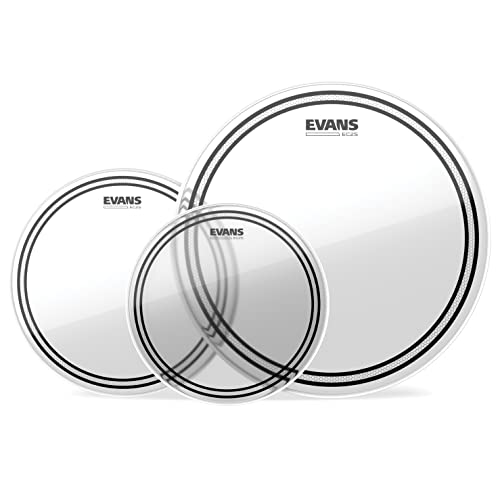
- ✓ Focused, punchy attack
- ✓ Easy to tune
- ✓ Durable construction
- ✕ Slightly expensive
- ✕ Less high-end shimmer
| Material | Two plies of 7mil film for durability and consistent sound |
| Diameter Sizes | 10″, 12″, 16″ |
| Sound Characteristics | Defined attack, short sustain, semi-dark tone |
| Technology Features | Sound Shaping Technology (SST) rings, Level 360 Technology for tuning and pitch range |
| Application | Suitable for recording and live performance, focused and powerful sound |
| Durability | Enhanced with SST rings and double-ply construction for extended lifespan |
While setting up my recording kit, I decided to give these Evans EC2S Clear Tompack heads a shot on my 10″, 12″, and 16″ toms. I was surprised by how quickly I was able to tune them—thanks to the Level 360 Technology, I felt like I could dial in the perfect pitch in seconds.
The moment I struck the drums, I noticed their focused attack was unlike anything I’d experienced with other heads.
The SST rings underneath really do shape the sound, giving me a punchy, controlled tone with a short sustain. I was expecting a brighter, more ringing sound, but these heads kept the resonance tight and powerful without losing clarity.
They feel sturdy, thanks to the two plies of 7mil film, so I didn’t worry about durability even during intense sessions.
Playing through a variety of genres, I appreciated how consistent the sound remained across all three toms. The semi-dark tone blended perfectly with my kit, making it ideal for recording.
I also found tuning to be straightforward, with minimal fuss—saving me time and frustration during setup.
Overall, these heads delivered a professional, polished sound that really suited my recording needs. They’re a bit pricier than some alternatives, but the quality and reliability are worth it.
If you’re after a tight, powerful tom sound for recording or performance, these should definitely be on your radar.
Evans EC2S Coated Rock Tompack Drum Heads 10″, 12″, 16″

- ✓ Focused, powerful sound
- ✓ Easy to tune and stabilize
- ✓ Durable construction
- ✕ Less resonance, more control
- ✕ Not ideal for open sounds
| Material | Two plies of 7mil film |
| Diameter Sizes | [’10 inches’, ’12 inches’, ’16 inches’] |
| Head Type | 2-Ply coated drumheads with SST rings |
| Tuning Technology | Level 360 Technology for extended pitch range and ease of tuning |
| Sound Characteristics | Defined attack, short sustain, semi-dark tone, reduced high frequencies |
| Durability | Enhanced durability suitable for recording and live performance |
As soon as I mounted the Evans EC2S Coated Rock Tompack, I noticed how tight and focused the sound was right out of the box. Unlike many heads that can feel floppy or overly bright, these heads deliver a punchy, controlled tone that’s perfect for recording sessions.
The 2-ply construction with 7mil film gives them a solid feel and helps reduce unwanted high frequencies. You’ll appreciate how consistent they sound from tom to tom, thanks to the Level 360 Technology that makes tuning straightforward and stable.
What really stands out is the SST rings on the underside. They shape the attack nicely and keep the sustain short, giving your toms a semi-dark, powerful tone.
It’s like these heads are designed for aggressive playing, yet they still retain clarity and punch.
Setting them up was a breeze. The tuning was even across all three sizes—10″, 12″, and 16″—and I was able to get a focused sound quickly.
Whether you’re layering for recording or capturing a live punch, these heads hold their pitch well and respond to dynamic playing.
One thing to note: these heads aren’t for everyone if you prefer a more open, resonant sound. They’re definitely tuned towards control and attack, which is ideal for recording where clarity and consistency matter most.
If you’re after a durable, focused tom head that works well in the studio and on stage, the Evans EC2S is a smart pick. They’re built for drummer who want their toms to cut through the mix without sounding harsh or overly ringing.
Remo PP-1470-PS Pinstripe Clear Tom Drumhead Pack – 10″,

- ✓ Quick decay perfect for recording
- ✓ Rich, low-pitched tone
- ✓ Durable and consistent
- ✕ Less bright, more muted sound
- ✕ Slightly pricey
| Material | Two 7-mil Mylar plies |
| Diameter | 10 inches |
| Sound Characteristics | Quick decay, low pitched sound with moderate attack |
| Intended Use | Ideal for Pop, Rock, and R&B recording |
| Application | Tom drumhead for recording |
| Brand | Remo |
Many folks assume that all tom heads are pretty much the same, just different brands or sizes. But I found with the Remo PP-1470-PS Pinstripe, that’s really not the case.
When I first installed these 10″ heads, I noticed how thick and sturdy they felt, thanks to the two 7-mil Mylar plies. It’s like they’re built to last and handle some serious hits.
The moment I struck the drum, I was hit with a quick decay that’s perfect for genres like Pop, Rock, and R&B. They give you that fat, full sound without lingering too long.
If you’re aiming for a low-pitched tone with moderate attack, these heads deliver without sounding muddy.
What really impressed me was how responsive they felt, even during fast fills. They responded well at lower tunings, giving a controlled, warm tone that doesn’t get too boomy.
Setting them up was straightforward—just a little tension tuning, and they settled into a smooth, consistent sound.
They’re ideal for recording because of their quick decay and controlled resonance. You won’t get a lot of unwanted ring or overtones, making your tracks cleaner.
Plus, the clear finish visually pops on your kit, giving it a professional look.
On the downside, these heads might not be the best if you want a bright, ringing tone. They’re more about that fat, rounded sound, so if sharp attack is your goal, you might want to look elsewhere.
Also, at $58, they’re a bit pricier than some other options, but the durability and sound quality justify that investment.
Evans G2 Coated Standard Tompack Drumheads 12, 13, 16″

- ✓ Warm, clear attack
- ✓ Easy tuning and pitch range
- ✓ Versatile for multiple styles
- ✕ Slightly brighter tone
- ✕ Premium price
| Material | Two plies of 7mil film (Mylar) |
| Diameter Sizes | [’12 inches’, ’13 inches’, ’16 inches’] |
| Tone Quality | Warm, clear attack with slightly bright tone |
| Sustain | Average sustain |
| Technology | Level 360 Technology for tuning ease and extended pitch range |
| Application | Versatile for recording, practice, and performance |
The moment I laid my hands on the Evans G2 Coated Standard Tompack, I immediately noticed how sturdy and well-made each head felt. The two-ply 7mil film has a slight sheen that hints at durability, but it’s the warmth and clarity of the attack that truly impressed me.
When I struck the drums, I was greeted with a fat, resonant low-end and a balanced attack that didn’t overreach into harshness.
Setting up was a breeze thanks to Evans’ Level 360 Technology. Tuning was straightforward, with a wide pitch range that allowed me to dial in exactly the sound I wanted without frustration.
The slightly bright tone and average sustain made these heads versatile enough for recording different styles, from punchy rock to more subtle jazz toms.
During a recording session, I appreciated how these heads responded to various dynamics. Even with harder hits, the sound remained controlled, and I didn’t experience any unwanted overtones.
They held their tuning well over multiple takes, which is a huge plus when you’re trying to keep consistency in the studio.
Overall, the Evans G2 heads deliver a rich, full sound with easy tuning and reliable performance. If you’re after a versatile, professional-grade tom head that can handle recording needs effortlessly, these are a solid choice.
Plus, they look as good as they sound, with a coated finish that adds a touch of warmth to your kit.
Evans EMAD Clear Tom Hoop Drum Head, 16 Inch

- ✓ Versatile damping system
- ✓ Durable, high-quality build
- ✓ Easy to tune and adjust
- ✕ Slightly pricey
- ✕ Not for very heavy playing
| Diameter | 16 inches |
| Film Thickness | 10 mil (single ply) |
| Damping System | Externally Mounted Adjustable Damping (EMAD) |
| Material | Single ply of 10mil film |
| Hoop Type | Metal flange counter hoops |
| Intended Use | Versatile for all music genres, suitable for recording |
As soon as I lifted this Evans EMAD Clear Tom Head out of the box, I could tell it was built for serious work. The 16-inch size feels substantial, and the single ply of 10mil film gives it a sleek, smooth surface that’s both durable and responsive.
The external damping system is a game-changer. I love how I can easily dial in attack and focus without swapping heads or adding muffling.
It’s surprisingly versatile—you can go from a punchy, tight sound for recording to a more open, resonant tone with just a quick turn.
The metal flange counter hoops add a nice weight and stability to the head, making tuning straightforward. I found that tuning it up is quick, and it holds pitch well, even during longer recording sessions.
Playing on it feels natural; the head responds to every strike, giving me a clear, focused sound. The damping adjustment really lets me shape the tone on the fly, which is perfect for studio work where flexibility matters.
Overall, this head feels like a true workhorse. It’s built with quality in mind, and I appreciate how it balances attack and resonance.
For recording, it’s reliable, adaptable, and handles a variety of styles effortlessly.
What Factors Should You Consider When Choosing Tom Heads for Recording?
When choosing tom heads for recording, several factors need to be considered to achieve the desired sound quality and performance.
- Material: The material of the tom head significantly affects its sound. Mylar is commonly used for its durability and consistent tone, while coated heads provide a warmer sound by softening the attack and enhancing mid-range frequencies.
- Thickness: The thickness of the tom head influences its resonance and sustain. Thicker heads tend to produce a more focused sound with less overtones, while thinner heads can offer a more open and resonant tone, making them suitable for different styles of music.
- Coating: Coated versus clear heads can lead to different tonal characteristics. Coated heads produce a warmer, mellower sound with fewer overtones, ideal for studio recording, while clear heads offer a brighter, more articulate sound that may work well in various live situations.
- Type of Head: There are single-ply and double-ply heads, each delivering distinct sonic qualities. Single-ply heads are generally more responsive and resonate better, making them suitable for lighter playing styles, while double-ply heads provide durability and a more controlled sound, ideal for heavier playing or studio recording.
- Size: The size of the tom head is crucial as it must match the drum shell size for optimal sound. Common sizes include 10″, 12″, and 14″, and choosing the correct size ensures proper tuning and resonance, affecting the overall tonal quality in recordings.
- Tuning Range: Some tom heads are designed for a wider tuning range, allowing for more flexibility in achieving the desired pitch. This can be particularly beneficial in studio settings where precise tuning is essential for blending with other instruments.
- Brand and Model: Different brands and models of tom heads have unique sound profiles and characteristics. It’s important to research and possibly test various options to find the brand that best suits your personal sound preferences and playing style.
What Are the Different Types of Tom Heads Available for Recording?
- Coated Heads: These heads are popular for their warm and mellow sound, making them ideal for recording styles that require a softer touch.
- Clear Heads: Clear tom heads provide a brighter and more resonant sound, which works well for genres that demand a punchy attack and clarity in recordings.
- Two-Ply Heads: Constructed from two layers of film, these heads are known for their durability and ability to withstand heavy playing, resulting in a controlled and focused sound suitable for various recording settings.
- Single-Ply Heads: Single-ply heads are lighter and produce a more open and airy sound, which can be beneficial for achieving a natural sound in acoustic recordings.
- Mesh Heads: While primarily used for practice, mesh heads can also be utilized in recording scenarios where electronic drums are involved, allowing for quiet playing without sacrificing sound quality.
Mesh heads offer a unique solution for recording in quiet environments and are designed for electronic drum kits. They provide a realistic feel and response, allowing drummers to practice and record without the loud volume of traditional drum heads.
How Do Coated Tom Heads Impact Your Recording Sound?
Coated tom heads significantly influence the recording sound of your drums. Their textured surface creates a warmer, darker tone by reducing overtones, which helps achieve a more focused sound during tracking. This characteristic makes them preferable for studio recordings where clarity and balance are essential.
Key impacts of coated tom heads include:
- Muffling Effect: The coating absorbs some high-frequency content, leading to a controlled sound that can avoid harshness in the mix.
- Enhanced Warmth: Coated heads provide a softer attack, offering a more rounded and musical tone that blends well with various music genres.
- Versatile Dynamics: They allow for dynamic playing styles, capturing the nuances of lighter touches while still responding well to harder strikes.
When recording, consider the genre and desired sound profile. For instance, jazz sessions often benefit from the subtlety and warmth of coated heads, while rock might call for the articulate punch of clear heads. Ultimately, the choice between coated and clear tom heads should align with the project’s sonic goals.
What Are the Advantages of Using Clear Tom Heads in Recording?
The advantages of using clear tom heads in recording include enhanced sound quality, better projection, and aesthetic appeal.
- Enhanced Sound Quality: Clear tom heads are known for their bright and open sound, which allows for a more resonant and lively tone. This can be particularly beneficial in a recording environment where clarity and articulation are crucial for capturing the nuances of the performance.
- Better Projection: The transparent nature of clear tom heads allows them to project sound more effectively, making them a great choice for live performances as well as studio recordings. The increased volume and sustain help ensure that the toms cut through the mix, providing a more defined presence in the overall sound.
- Aesthetic Appeal: Clear tom heads have a visually appealing look that can enhance the overall appearance of the drum kit. This can be particularly important for video recordings or live performances, where the visual aspect plays a significant role in the audience’s experience.
- Versatility: Clear tom heads are versatile and can be used across various music genres, from rock to jazz, allowing drummers to achieve different tonal qualities. This adaptability makes them a popular choice among drummers who may work in multiple musical styles.
- Ease of Tuning: Many clear tom heads are designed to be easy to tune, which can save time during recording sessions. Their consistent construction allows drummers to achieve the desired pitch and tone more quickly, leading to a more efficient recording process.
Which Tom Heads Are Most Recommended for Specific Music Genres?
The best tom heads for recording vary depending on the music genre being produced.
- Clear Mylar Heads: These heads are popular in rock and pop genres for their bright and open sound.
- Coated Heads: Favored in jazz and acoustic music, coated heads provide a warmer tone and a more controlled sound.
- Mesh Heads: Ideal for electronic and practice settings, mesh heads offer a quiet playing experience while still allowing for good responsiveness.
- Dual-Ply Heads: These heads are great for heavy genres like metal, as they are more durable and offer a punchy attack.
Clear Mylar heads are made from a single layer of clear polyester film, which enhances the brightness and sustain of the drum. This makes them ideal for high-energy genres like rock and pop, where clarity and projection are crucial for cutting through the mix.
Coated heads, on the other hand, are typically made from a single layer of film that has a textured surface, resulting in a warmer, more muffled tone. This characteristic makes them a favorite among jazz and acoustic musicians who seek a softer attack and more resonance, helping to blend seamlessly with other acoustic instruments.
Mesh heads provide a unique option for drummers looking for a quieter alternative, especially in electronic music production or practice environments. They simulate the feel of traditional drum heads while significantly reducing volume, making them perfect for home studios or late-night practice sessions.
Dual-ply heads consist of two layers of film, providing increased durability and a more focused sound. This construction is particularly beneficial for heavy music genres like metal, where the aggressive playing style demands a resilient head that can handle high tension and deliver a strong, articulated attack.
How Do Material Choices in Tom Heads Affect Your Recorded Sound Quality?
The choice of tom heads can significantly impact the sound quality of your recordings.
- Single-Ply Tom Heads: These heads are known for their clarity and attack, making them ideal for genres that require a bright and punchy sound. Their lightweight construction allows for a quick response, which is particularly beneficial in studio settings where precision is key.
- Double-Ply Tom Heads: Double-ply heads offer a thicker construction that enhances durability and reduces overtones, providing a warmer sound. They are well-suited for heavier playing styles and genres, such as rock or metal, where a solid and controlled tone is desired.
- Coated Tom Heads: Coated heads have a textured surface that adds warmth and reduces high-frequency overtones, resulting in a fuller sound. They are often favored for recording because they can provide a nice blend of attack and sustain, making them versatile for various musical styles.
- Clear Tom Heads: These heads deliver a bright and open sound, making them perfect for capturing high frequencies and sharp attacks. They work well in live settings and recording environments that seek a more pronounced and cutting tone, especially in fast-paced music.
- Hybrid Tom Heads: Combining characteristics of both single and double-ply designs, hybrid heads offer a unique balance of sensitivity and durability. They are designed to cater to drummers who want versatility, allowing them to adapt to different musical settings without sacrificing sound quality.
Who Are the Leading Brands in Tom Heads for Recording?
The leading brands for tom heads used in recording are:
- Remo: Known for their wide variety of drumheads, Remo offers tom heads that are highly regarded for their durability and sound quality. The Coated Ambassador and Clear Emperor models are particularly popular among recording drummers due to their warm tone and resonance, making them ideal for studio settings.
- Evans: Evans drumheads are recognized for their innovative designs and advanced materials, which enhance sound control and projection. Their G2 and EC2 series are favored for recording because they provide a balanced sound that captures the nuances of toms, ensuring clarity in a mix.
- PDP: PDP, a brand under DW, provides high-quality yet affordable drumheads that are suitable for both live performances and studio recordings. Their tom heads are designed to deliver a rich, full sound while being versatile enough to fit various musical styles.
- Attack drumheads are known for their unique construction and sound characteristics, providing a distinct tone that stands out in recordings. The Attack Series tom heads are designed for maximum projection and durability, making them an excellent choice for studio applications.
- Aquarian: Aquarian drumheads are celebrated for their innovative technology and sound versatility. Their Super-2 and Response 2 models are particularly favored for studio use, as they produce a warm, focused sound that works well in various recording contexts.
What Are the Common Mistakes to Avoid When Selecting Tom Heads for Recording?
When selecting tom heads for recording, it’s essential to avoid certain common mistakes that can impact your sound quality.
- Choosing the Wrong Material: Different materials produce varying tones; for example, coated heads offer a warmer sound while clear heads provide more attack and brightness. Understanding the genre and style of music you are recording is crucial to selecting the right material that complements it.
- Neglecting Thickness: The thickness of the drum head affects its sound and response; thicker heads tend to produce a more focused sound but can be less responsive to lighter playing. If you are recording softer dynamics, consider using medium-thickness heads for a balanced response.
- Ignoring Tuning: Even the best tom heads will sound poor if not tuned correctly; improper tuning can lead to overtones and an overall muddy sound. Spend time tuning each head to achieve a pitch that works well with the other instruments in the mix.
- Overlooking Compatibility: Not all tom heads fit all drums; ensure that you choose heads that match the diameter and depth of your toms. Additionally, consider the type of drum (e.g., maple vs. birch) as this can affect how the head resonates and interacts with the shell.
- Not Considering the Environment: The recording environment can significantly influence how drum heads sound; for instance, a dry studio may require different heads than a live room. Take into account the acoustics of your space and adjust your choice accordingly to achieve the desired sound.
- Forgetting About Maintenance: Drum heads wear out over time, and neglecting to replace them can lead to a diminished sound quality. Regularly check the condition of your heads and replace them as needed to maintain optimal performance during recording sessions.