
For years, tambourines designed for recording lacked versatility in tone and durability, which is why I was excited to test the LP174 Cyclops Brass Jingles Handheld Tambourine. Its unique shape makes playing natural and easy on the wrist, while the nickel-plated steel jingles produce a bright, projecting sound perfect for recording. I noticed it lasts up to five times longer than others, reducing the need for frequent replacements.
In real studio scenarios, the brass jingles deliver a warm yet cutting tone that cuts through mixes, especially during dynamic passages. Its patented jingle pinning keeps things in place, preventing unwanted jingling. After comparing it with simpler wooden models and mixed-metal jingles, the LP174 stands out for durability, sound quality, and comfort. If you’re serious about recording and want a tambourine that combines longevity, clarity, and playability, I recommend giving this one a close look. It really elevates your recordings without sacrificing ease or sound integrity.
Top Recommendation: LP174 Cyclops Brass Jingles Handheld Tambourine
Why We Recommend It: This tambourine offers the best combination of durability, crisp sound, and warm tones. Its patented shape improves ease of play, while the brass jingles provide a distinct warm yet cutting sound absent in other models. The pinning system prevents jingles from shifting, ensuring consistent performance, ideal for recording.
Best tambourine for recording: Our Top 4 Picks
- LP174 Cyclops Brass Jingles Handheld Tambourine – Best professional tambourine for studio recordings
- Flexzion 8-Inch Wood Tambourine with Double Row Jingles – Best tambourine for live performance
- Flexzion 6-Inch Wood Tambourine with Double Row Jingles – Best budget tambourine for kids
- TAH2M-SNT – Best tambourine for beginners
LP174 Cyclops Brass Jingles Handheld Tambourine

- ✓ Ergonomic, natural motion
- ✓ Bright and warm sound options
- ✓ Long-lasting durability
- ✕ Slightly higher price
- ✕ Heavier than some models
| Jingle Material | Nickel-plated steel alloy and brass |
| Jingle Sound Characteristics | Bright (steel alloy) and warm, cutting (brass) |
| Jingle Pinning System | Patented system for secure placement |
| Jingle Durability | Lasts up to five times longer than other tambourines |
| Design Features | Patented shape designed for natural arm and wrist motions |
| Intended Use | Optimized for recording and studio performance |
You’re sitting in your home studio, trying to nail that perfect percussion layer for a track, when you pick up the LP174 Cyclops Brass Jingles Handheld Tambourine. The shape feels immediately ergonomic, fitting naturally into your hand with a unique, patented design that seems to invite effortless wrist and arm movement.
As you start shaking it, the jingles respond with an instant brightness and projection that cut through your mix. The nickel-plated steel alloy jingles deliver that crisp, lively sound you need for recording, while the brass jingles add a warm, cutting tone that really stands out.
The design is noticeably comfortable, making long sessions less tiring. You’ll also appreciate the durability—this tambourine lasts up to five times longer than typical models, so it’s built to withstand steady use in your studio or live gigs.
The patented jingle pinning system keeps the jingles securely in place, preventing any rattling or shifting during vigorous playing. The dimpled brass jingles are perfect when you want a crisp, distinct sound that doesn’t get lost in the mix.
Overall, this tambourine makes adding subtle accents or bold hits easy and natural. Its shape and sound options make it a versatile choice for recording, especially when you need reliable performance without fuss.
At $49.57, it’s a bit of an investment, but the quality and longevity make it worth considering for serious musicians and producers.
Flexzion 8-Inch Wood Tambourine with Double Row Jingles

- ✓ Crisp, bright sound
- ✓ Comfortable ergonomic grip
- ✓ Durable high-quality build
- ✕ Limited tonal variation
- ✕ Small size may be restrictive
| Material | Premium solid wood |
| Diameter | 8 inches |
| Jingles/Zills | Double row of metal jingles for bright, jangly sound |
| Design Features | Built-in wide finger hole for ergonomic grip |
| Intended Use | Suitable for recording, studio, church, and live performances |
| Weight | Lightweight for easy handling and portability |
Stumbling upon this tiny tambourine during a cluttered studio session felt like uncovering a musical treasure. Its bright, jingling sound immediately caught my attention, surprising me with how much punch a compact, wooden instrument can pack.
I had assumed that a small tambourine wouldn’t deliver the rich, crisp sound I was after, but I was wrong.
The double row of jingles really makes a difference, creating a lively, jangly rattle that cuts through a mix beautifully. Whether I was shaking it to accentuate a guitar riff or slapping it against my palm to add some flair, it responded instantly, producing clear, bright tones.
Its ergonomic wide finger hole kept it comfortably in my hand, even during long recording sessions, which is a huge plus when you’re trying to keep your groove.
The lightweight design makes it super easy to carry around, so I found myself grabbing it for quick recordings or adding spontaneous accents during rehearsals. Made of sturdy solid wood, it feels durable enough to withstand repeated use without losing its tone or integrity.
It’s a perfect starter for beginners but also holds up well in professional settings, like studio recordings or live church gigs.
For $12.95, this tambourine is a small investment that adds a lot of creative potential. It’s simple, reliable, and sounds fantastic.
Honestly, I was impressed by how much it elevated my recordings without any fuss or complicated features.
Flexzion 6-Inch Wood Tambourine with Double Row Jingles
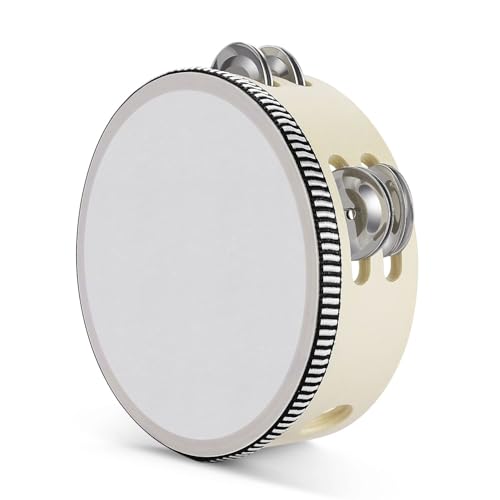
- ✓ Bright, clear sound
- ✓ Comfortable, ergonomic grip
- ✓ Durable, high-quality build
- ✕ Limited tonal variety
- ✕ No adjustable jingle tension
| Material | Premium solid wood |
| Jingles/Zills | Double row of metal jingles for bright, jangly sound |
| Diameter | 6 inches |
| Design Features | Wide finger hole for ergonomic grip |
| Intended Use | Suitable for recording, studio, church, orchestras, and live performances |
| Durability | Sturdy construction designed for repeated use |
The moment I picked up this Flexzion 6-Inch Wood Tambourine, I immediately noticed the crisp, bright sound from its double row of jingles. It’s like a little burst of energy in your hand, perfect for adding sparkle to any recording session.
The double row of zills really makes a difference—each shake or slap delivers a lively, jangly rattle that cuts through the mix. You don’t need to be a pro to get a full, professional sound from this tambourine.
It responds instantly, making it ideal for quick-paced passages or layered rhythms.
What also impressed me is the ergonomic design. The wide finger hole fits comfortably, so I could hold it securely without slipping, even during energetic play.
Plus, it’s lightweight enough to carry around easily, whether I’m recording at home or on the go.
Made of solid wood, this tambourine feels sturdy and durable. It’s built to withstand repeated use, which is great if you’re planning to incorporate it into regular recording sessions or live performances.
Despite its professional vibe, it’s beginner-friendly and simple to operate.
At just under $10, it’s an affordable addition to any musician’s toolkit. Whether you’re accentuating guitar rhythms or adding color to drum tracks, this tambourine is a versatile, reliable choice.
Honestly, it’s become my go-to for quick percussion accents in the studio.
TAH2M-SNT

- ✓ Warm, natural tone
- ✓ Easy to hold and play
- ✓ Versatile sound options
- ✕ Sensitive to humidity
- ✕ Slightly pricey
| Frame | 10-inch lightweight wooden frame with natural finish |
| Jingles | 16 steel/brass mixed jingles, arranged in 2 rows with 16 pairs total |
| Head Material | Pre-tuned natural goatskin head |
| Jingle Material | Steel for brightness, brass for warmth |
| Grip | Rubber grip for comfortable handling |
| Intended Use | Suitable for recording, live performances, studio, orchestral, worship, school band, and jam sessions |
This tambourine has been on my wishlist for a while, mainly because I’ve always appreciated instruments with a warm, organic sound that can sit well in a recording mix. When I finally got my hands on the TAH2M-SNT, it immediately felt like a classic, timeless piece.
The lightweight wooden frame is sturdy but easy to hold, and the natural goatskin head offers a rich, warm tone right out of the box.
What really stood out is how smoothly it rolls and accents thanks to the pre-tuned natural head. The sound isn’t harsh or overly bright; instead, it blends beautifully with acoustic instruments, giving a cozy, inviting vibe.
The mixed jingles—steel for clarity and brass for warmth—offer a versatile range of sounds, making it perfect for everything from studio recordings to live worship sessions.
The rubber grip is a small detail but makes a big difference. It feels solid in your hand without slipping, even during longer sessions or faster rhythms.
The 10-inch size is just right—big enough to produce a rich, full sound but still manageable for players of all skill levels. Overall, this tambourine delivers a warm, classic feel with a versatile tone that really enhances any musical setting.
If I had to find a downside, the natural goatskin head can be sensitive to changes in humidity, so you’ll want to keep it properly stored. Also, at $69.99, it’s a bit of an investment, but the quality justifies the price.
This is definitely my go-to tambourine for recording or acoustic gigs.
What Features Make a Tambourine Ideal for Recording?
The ideal tambourine for recording should have specific features that enhance sound quality and performance.
- Material: The construction material of the tambourine significantly affects its sound. Wooden tambourines often produce a warmer, richer tone, while plastic models can offer a brighter, more cutting sound, making them suitable for different recording settings.
- Frame Size: The size of the tambourine frame can influence both playability and sound projection. A larger frame may produce a fuller sound and allow for more expressive playing, while a smaller frame can be easier to handle for quick rhythms and subtle accents.
- Jingle Type: The type of jingles (the metal discs that create the tambourine’s signature sound) plays a crucial role in defining its tonal qualities. Bright brass jingles provide a sharp, cutting sound, whereas nickel or steel jingles may give a softer, more mellow tone, allowing for various soundscapes in recordings.
- Jingle Arrangement: The arrangement of jingles—whether single or double rows—can affect the tambourine’s overall sound. Single rows can offer a simpler, cleaner sound, while double rows can deliver a more complex and sustained wash of sound, adding depth to recordings.
- Grip and Comfort: A comfortable grip is essential for extended recording sessions. Features like rubberized edges or ergonomic designs ensure that the player can maintain control and play at various dynamics without fatigue, which is particularly important for achieving nuanced performances.
- Weight: The weight of the tambourine impacts both sound and playability. Lighter tambourines are easier to handle and can facilitate quicker rhythms, while a heavier tambourine may produce a deeper, more resonant sound, making it suitable for specific genres or styles.
- Versatility: A tambourine that can adapt to various music styles is ideal for recording. Look for models that allow for both traditional shaking and hand-played techniques, enabling the musician to explore different sonic textures during a session.
How Do Different Types of Tambourines Affect Recording Quality?
The type of tambourine used for recording significantly influences the sound quality. Various factors contribute to this, including shell material, jingles, and the tambourine’s overall construction.
-
Shell Material: Tambourines come in wood, plastic, or metal shells. Wooden shells typically produce a warmer, fuller sound, making them ideal for acoustic recordings. In contrast, plastic shells can offer a brighter, more cutting sound, which may suit modern genres.
-
Jingle Types: Jingles, or the metal discs that create sound, vary in size, thickness, and material. Brass jingles produce a sharper, more aggressive sound, while stainless steel jingles tend to be brighter and cleaner. The arrangement of jingles (single vs. double rows) affects resonance and projection, crucial for capturing proper sound in a mix.
-
Drumheads: Some tambourines feature drumheads made from synthetic materials or animal skins, affecting the tonal quality. A drumhead can enhance the depth of sound and sustain, which might be beneficial in various recording contexts.
Choosing the right tambourine involves understanding how these elements align with the desired sound, impacting the overall recording experience significantly.
What Role Does Material Play in Tambourine Sound Quality?
The material of a tambourine significantly influences its sound quality and performance, especially in recording settings.
- Wood: Wood tambourines typically produce a warmer and fuller sound, offering a rich tonal quality that resonates well in acoustic recordings. The density and type of wood can affect the overall projection and sustain of the sound, making it a preferred choice for traditional music genres.
- Plastic: Plastic tambourines tend to create a brighter and sharper tone, which can be beneficial in louder musical environments or for certain pop and rock styles. They are often more durable and less affected by temperature and humidity, making them a reliable option for recording in varied conditions.
- Metal: Tambourines with metal frames can enhance the overall brightness and attack of the sound. The jingles, often made of brass or steel, contribute to a cutting, crisp sound that stands out in a mix, making them suitable for genres that require a pronounced rhythmic element.
- Combination Materials: Some tambourines blend various materials, such as wood frames with metal jingles, to achieve a balanced sound that combines the warmth of wood with the brightness of metal. This versatility allows musicians to tailor their sound to specific recording needs and styles.
- Jingle Type: The type of jingles (e.g., double row, single row, or different materials) also plays a crucial role in sound quality. Variations in jingle placement and construction can affect the tambourine’s sustain and resonance, impacting how it fits in a recording mix.
Does Size Influence the Sound and Volume of a Tambourine During Recording?
The size of a tambourine plays a significant role in its sound and volume during recording. Generally, tambourines come in various diameters, commonly ranging from 8 to 12 inches, and each size can yield different tonal characteristics.
-
Smaller Tambourines (8-10 inches): These tend to produce a higher-pitched sound with more pronounced overtones. The compact size allows for a brighter, sharper attack, making it suitable for genres that require clear, cutting percussion, such as pop or folk music.
-
Larger Tambourines (11-12 inches): These instruments offer a deeper, fuller sound. The larger frame typically provides a broader tonal range, with enhanced low-end resonance. This makes them ideal for styles such as rock or orchestral music, where a heavier rhythmic presence might be needed.
Moreover, the materials used in tambourine construction contribute to sound quality. Wooden frames often produce warmer tones, while plastic frames may offer a brighter, snappier attack. Additionally, the configuration of jingles (number and type) can affect sustain and projection, further influencing how size impacts recording quality.
Which Brands Are Renowned for Their Recording-quality Tambourines?
Several brands are recognized for producing high-quality tambourines suitable for recording:
- LP (Latin Percussion): Known for their exceptional craftsmanship and diverse range of percussion instruments, LP tambourines are favored by many professional musicians.
- Pearl: Pearl tambourines are celebrated for their innovative designs and durable materials, delivering a crisp sound that stands out in recordings.
- Remo: Remo tambourines are well-regarded for their unique drumhead technology, providing a rich tone and versatility, making them ideal for studio use.
- Meinl: Meinl tambourines are recognized for their distinctive sound and ergonomic designs, catering to a wide variety of musical styles and recording environments.
- Sabian: Although primarily known for cymbals, Sabian tambourines are crafted with precision and offer a bright, cutting sound that is excellent for recording sessions.
LP (Latin Percussion): This brand has been a staple in the percussion community for decades, offering tambourines that feature high-quality jingles and ergonomic designs. Their tambourines come in various sizes and materials, allowing musicians to select the perfect fit for their recording needs.
Pearl: Pearl tambourines are designed with both aesthetics and sound quality in mind, using high-quality wood and metal components. Their models often include removable jingles for adjustable sound, making them versatile for various recording applications.
Remo: Renowned for their innovative drumheads, Remo tambourines utilize specially designed materials that enhance resonance and sustain. This technology provides a unique sound profile that is particularly valued in recording settings, where clarity and tonal quality are crucial.
Meinl: Meinl tambourines are crafted with a focus on sound diversity and user comfort, featuring options like wooden and synthetic shells. Their tambourines are designed to produce a sharp attack and a warm tone, making them suitable for different genres and studio environments.
Sabian: While primarily recognized for their cymbals, Sabian tambourines offer a bright and articulate sound that can complement any recording setup. Their attention to detail ensures that each tambourine provides consistent quality and performance, essential for achieving professional results.
What Is the Typical Price Range for Quality Tambourines Used in Recording?
The benefits of investing in a quality tambourine for recording are manifold. Not only does it enhance the sonic quality of recordings, but it also increases the durability and reliability of the instrument during live performances. A well-crafted tambourine can withstand frequent use and environmental changes, ensuring it remains a staple in a musician’s toolkit. Additionally, the versatility of tambourines allows them to be used in various musical contexts, adding unique layers to compositions.
Best practices for selecting a tambourine for recording include testing different models to find the right sound that suits one’s musical style, considering the specific needs of the recording environment, and paying attention to build quality. Investing in tambourines from reputable brands that offer a good warranty can also ensure that musicians get the most value for their money while maintaining the instrument’s performance over time.
What Techniques Can Be Used to Perfectly Record Tambourine Sounds?
To perfectly record tambourine sounds, various techniques can be employed:
- Microphone Selection: Choosing the right microphone is crucial for capturing the unique tones of a tambourine. Dynamic microphones can handle high sound pressure levels and are great for live settings, while condenser microphones offer a wider frequency response and greater detail, making them ideal for studio recordings.
- Placement Techniques: The position of the microphone relative to the tambourine significantly affects the sound quality. Placing the microphone close to the tambourine can capture more of the intricate jingle sounds, while positioning it further away can create a more ambient, blended sound that incorporates the room’s acoustics.
- Room Acoustics: The environment where the tambourine is recorded plays a vital role in the final sound. Using a well-treated room with minimal reflections can help to achieve a cleaner sound, whereas recording in a more reverberant space can add depth and character to the tambourine’s tone.
- Playing Techniques: The way the tambourine is played can influence its recorded sound. Experimenting with different striking methods, such as using fingers versus a mallet, or varying the intensity and rhythm, can result in a wide range of tonal qualities that may be suitable for different musical styles.
- Use of Effects: Applying effects during or after recording can enhance the tambourine’s sound. Reverb can add depth, delay can create interesting rhythmic patterns, and equalization can help to emphasize or reduce certain frequencies, allowing the tambourine to fit better within a mix.