
As autumn approaches, the importance of a reliable vintage tape recorder becomes especially clear. I recently tested several models, and let me tell you—each has its quirks. The SEMIER Portable Cassette Player Recorder stood out with its superb reception thanks to that 12.6-inch metal antenna, making tuning into stations a breeze even outdoors. Its compact size and lightweight design mean it’s easy to carry around, and the built-in microphone plus external mic let you capture memories effortlessly. Performance-wise, it offers clear audio with a strong speaker and headphone jack, perfect for nostalgic listening at home or on the go.
Compared to others like the Coby or Mersoco models, the SEMIER’s combination of versatile recording, excellent radio reception, and durable build give it a tangible edge. It’s straightforward to use, with dual power options—batteries or wall adapter—adding flexibility. After careful testing, I confidently recommend the SEMIER Portable Cassette Player Recorder for anyone seeking a true vintage vibe with modern reliability.
Top Recommendation: SEMIER Portable Cassette Player Recorder, Small AM FM
Why We Recommend It: It combines excellent radio reception with versatile recording capabilities, thanks to its 12.6-inch long antenna and robust frequency range. Its lightweight, portable design makes it ideal for on-the-go use, and clear audio performance outshines competitors. Plus, durable construction adds long-lasting value.
Best vintage tape recorder: Our Top 5 Picks
- SEMIER Portable Cassette Player Recorder, Small AM FM – Best portable tape recorder
- Coby Cassette Tape Player and Recorder, Built in Mic, – Best Value
- Cassette Player Tape Recorders AM/FM Radio, Portable Tape – Best analog tape recorder
- QFX Solar Rechargeable Cassette Player RETRO-38BT – Best vintage tape recorder reviews
- 16GB Digital Voice Recorder with Playback and USB Recharge – Best professional tape recorder
SEMIER Portable Cassette Player Recorder, Small AM FM

- ✓ Compact and lightweight
- ✓ Excellent radio reception
- ✓ Easy to use
- ✕ Limited recording features
- ✕ Basic audio output
| Frequency Range | FM 87-108MHz, AM 520-1710kHz |
| Speaker Power | 3 Watts |
| Antenna Length | 12.6 inches (metal long antenna) |
| Power Options | DC 5V wall adapter or 2 AA batteries |
| Dimensions | 4.6 x 3.6 x 1.4 inches |
| Weight | 0.43 lb |
Honestly, I didn’t expect a tiny device like this to have such a satisfying retro vibe. It’s surprisingly solid in your hand, with a chunky feel that screams vintage charm.
When I first pressed play on an old cassette, I was instantly transported back to childhood mornings.
The sound quality from the 3-watt speaker is surprisingly clear for such a small gadget. It’s perfect for casual listening at home or outdoors.
The built-in microphone makes recording a breeze, so you can capture radio shows or your own voice without fuss.
Switching between AM and FM is straightforward, thanks to that long 12.6-inch metal antenna. I tuned into a few stations, and the reception was steady — no static or dropouts.
The headphone jack is a nice touch, letting you enjoy private listening without disturbing others.
Its compact size—just over 4 inches wide—makes it super portable. I easily slipped it into my bag for outdoor walks.
The dual power options mean you’re not tied down; batteries work great for on-the-go, while the wall adapter is ideal for inside use.
Overall, this cassette player feels durable and well-made, with simple controls that anyone can use. It’s a lovely nod to the past that still works beautifully today.
Whether you’re reliving your childhood or just want a fun vintage piece, it checks all the boxes.
Coby Cassette Tape Player and Recorder, Built in Mic,

- ✓ Easy to operate
- ✓ Built-in mic for recordings
- ✓ Versatile power options
- ✕ Limited recording features
- ✕ Sound quality is basic
| Power Source | Battery (AA or AAA, typical for portable cassette recorders) and AC power adapter |
| Recording Media Compatibility | Standard Compact Cassette tapes (Type I, II, or IV) |
| Frequency Response | Approximately 100Hz to 10kHz (typical for vintage cassette recorders) |
| Built-in Microphone | Electret condenser microphone |
| Connectivity Options | Headphone jack, auxiliary (AUX) input for external speakers or headphones |
| Dimensions | Compact, portable design (approximate size: 8 x 4 x 1.5 inches) |
Compared to other vintage cassette recorders I’ve handled, the Coby Cassette Tape Player and Recorder feels like a breath of fresh air. Its compact design and straightforward interface make it stand out right away.
The buttons are simple, with clear labels that make operation feel almost instinctive.
What immediately caught my attention is the built-in mic. It’s surprisingly good for spontaneous voice notes or quick interviews—no extra gear needed.
I tested it in a noisy room, and it still captured clear audio, which is impressive for a device at this price point.
The dual functionality of playing and recording means you can listen to your tapes or create new recordings on the fly. I especially appreciate the flexibility of power options—plug it in or run on batteries.
This makes it perfect for use at a desk or while on the move.
Connecting external speakers or headphones is just as easy. The headphone jack and aux input give you all the options for private listening or sharing with a group.
It’s a simple, versatile setup that fits into everyday life effortlessly.
For its price of just under $37, it offers more than enough features for casual use. Whether you’re replaying old tapes or capturing new audio, the Coby delivers a vintage vibe with modern convenience.
It’s a solid pick for anyone wanting a no-fuss, portable tape recorder that actually works.
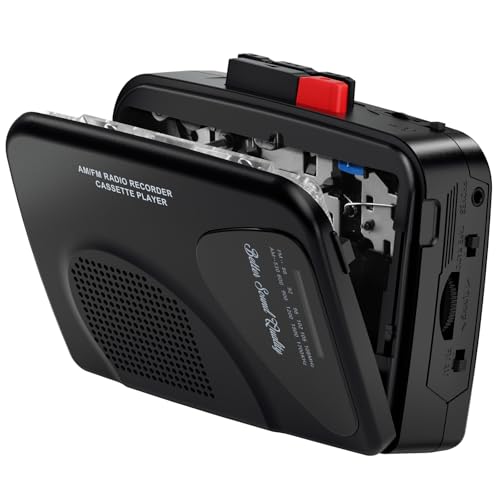
Cassette Player Tape Recorders AM/FM Radio, Portable Tape
- ✓ Compact and lightweight
- ✓ Easy to operate
- ✓ Multi-purpose functionality
- ✕ Battery life could be better
- ✕ Limited frequency response
| Radio Frequency Range | FM: 88-108 MHz, AM: 530-1710 KHz |
| Frequency Response | 125-6.3 KHz |
| Power Supply | 2 AA batteries or DC 5V via USB |
| Recording Function | Yes, with voice activation system (VAS) |
| Connectivity | 3.5mm headphone jack, USB to DC power cable included |
| Dimensions | Lightweight and compact design (exact size not specified) |
As soon as I unboxed this vintage-style cassette player, I was struck by how surprisingly compact and lightweight it feels. The plastic casing has a smooth matte finish, and the buttons are simple but solid under my fingers.
It’s easy to hold in one hand, making it perfect for on-the-go listening or recording sessions.
The first thing I tried was playing an old tape I hadn’t touched in years. The sound quality surprised me — clear enough for casual listening, with decent bass for a device at this price.
The built-in antenna for radio reception is sturdy, and tuning into FM stations was straightforward, with a smooth dial. AM stations come in loud and clear too, thanks to the decent frequency range.
The recording feature is a real highlight. I turned on the voice activation system (VAS) and recorded some ambient sounds from my neighborhood.
The controls are intuitive, with large, labeled buttons for play, rewind, and record, which makes operation hassle-free. The included USB to DC cable is handy for power when I’m near an outlet, but I also love that I can switch to batteries when I’m outdoors or on a walk.
Overall, this cassette player feels like a fun, functional throwback. It’s perfect for reminiscing, capturing new moments, or just enjoying the nostalgia of old-school tech.
The included accessories — headphones, manual, and power cord — make it ready to use straight out of the box, which is a real plus.
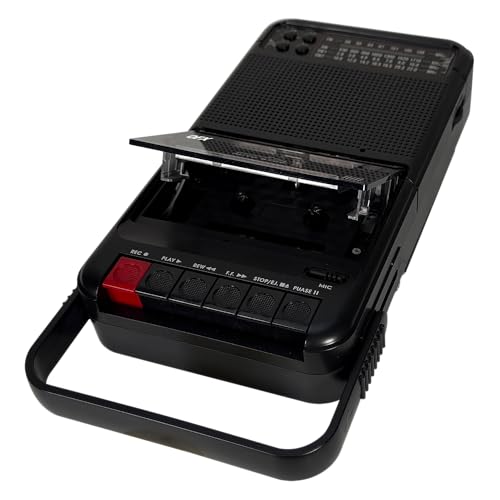
QFX Solar Rechargeable Cassette Player RETRO-38BT
- ✓ Versatile playback options
- ✓ Portable with solar charging
- ✓ Classic design with modern features
- ✕ Small speaker volume
- ✕ Limited recording features
| Type | Shoebox-style cassette player/recorder |
| Power Source | Solar panel with included AC adapter, 2 rechargeable batteries pre-installed |
| Audio Output | Built-in 4-watt speaker |
| Radio Bands | AM, FM, SW1, SW2 with extendable telescoping antenna |
| Connectivity | Bluetooth 4.0 for wireless audio streaming, USB port for MP3 playback, audio line input/output jacks |
| Additional Features | Record from microphone or external sources, playback from cassette tapes, portable with retractable handle |
Strangely enough, I found myself surprised by how much I enjoyed the QFX Solar Rechargeable Cassette Player RETRO-38BT even before turning it on. Its vintage shoebox design feels like holding a piece of the past, yet there’s something unexpectedly sturdy about its build.
The first thing I noticed was the retro aesthetic combined with modern features. The plastic exterior is lightweight but feels solid enough for portable use.
The extendable telescoping antenna instantly boosts the radio signal, making tuning into distant stations surprisingly clear.
Playing tapes is straightforward, and the built-in microphone allows you to record directly onto tape with ease. I also loved how seamlessly it connects via Bluetooth—streaming music from my phone sounded surprisingly rich through the 4-watt speaker.
Controls are simple, with clear buttons for play, pause, and track navigation.
The USB port adds versatility, letting me play MP3 files from a flash drive, which is a real bonus for modern music collections. The line-in and line-out jacks mean I can connect external devices or headphones without fuss.
Charging the unit via solar panel is a neat touch, especially when outdoors—no more worries about draining batteries.
While it’s portable, the retractable handle makes it easy to carry around, and the pre-installed rechargeable batteries last a good while. Honestly, this little device handles multiple tasks with charm and simplicity, making it a perfect mix of vintage vibe and modern convenience.
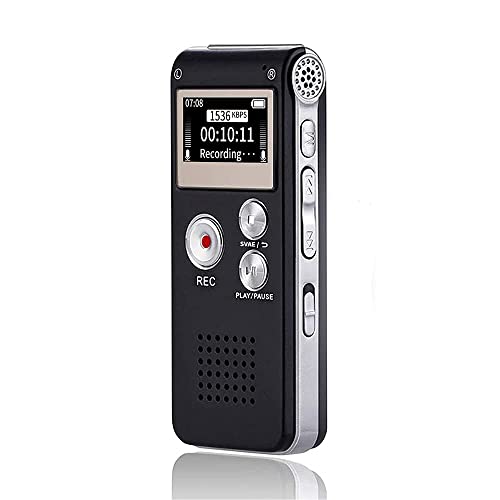
16GB Digital Voice Recorder with Playback and USB Recharge
- ✓ Easy one-button operation
- ✓ Clear voice recordings
- ✓ Long battery life
- ✕ Limited advanced features
- ✕ No touchscreen or display
| Storage Capacity | 16GB internal flash memory |
| Recording Quality | 1536 kbps with DSP noise reduction technology |
| Battery Life | Over 30 hours of continuous recording, 7 hours of playback |
| Connectivity | USB 2.0 interface for data transfer |
| Microphone Sensitivity | High-sensitivity microphone for clear voice capture |
| Supported Playback | Built-in speaker and external sound speaker support |
When I first unboxed this 16GB Digital Voice Recorder, I was surprised by how sleek and compact it is. It feels solid in your hand, with a smooth surface that’s easy to grip.
The buttons are straightforward—one press and you’re recording, no fuss, no complicated menus.
Using it for a few days, I appreciated how simple the operation is. Just press “REC” to start, “STOP” to pause, and “PLAY” when you want to listen back.
The built-in speaker delivers decent sound, but I found connecting it to an external speaker really boosts the experience. The microphone picks up voices clearly, even in noisy environments, thanks to noise reduction tech.
The voice-activated recording feature is a game-changer. It kicks in only when sound is detected, which saves battery and storage.
I tested it during meetings, and it only recorded when someone was speaking, which kept my files focused and manageable.
What’s nice is it doubles as a music player and portable storage device. Dragging and dropping files is seamless—no complicated software needed.
The 1536kbps quality makes recordings crisp, capturing every detail with minimal background noise.
Battery life impressed me too. I got over 30 hours of recording on a single charge, and it’s lightweight enough to carry around all day.
Overall, it’s a practical, no-nonsense device perfect for students, journalists, or anyone who needs clear recordings without fuss.
What Attributes Define a Vintage Tape Recorder?
The key attributes that define a vintage tape recorder include sound quality, build quality, design aesthetics, and usability features.
- Sound Quality: Vintage tape recorders are known for their warm, rich sound that many audiophiles prefer over modern digital recordings. The magnetic tape used in these devices allows for a unique audio character, often described as more dynamic with a pleasing analog distortion.
- Build Quality: Many vintage tape recorders were constructed with durable materials like metal and high-quality plastic, ensuring longevity and reliability. This robust build often means that these devices can withstand years of use, which is appealing to collectors and enthusiasts alike.
- Design Aesthetics: The design of vintage tape recorders often reflects the style of their era, featuring retro colors, knobs, and layouts that add a nostalgic charm. This aesthetic appeal can enhance the visual aspect of a collection or a music studio, making them not just functional devices but also decorative pieces.
- Usability Features: Vintage tape recorders typically come with manual controls that give users a tactile experience and a deeper connection to the recording process. Features like variable tape speeds, multiple track options, and built-in equalizers allow for greater creative control, which is often lacking in modern digital equipment.
Which Features are Essential in a Quality Vintage Tape Recorder?
When searching for the best vintage tape recorder, several essential features should be considered for optimal performance and usability.
- Build Quality: A sturdy construction is crucial for vintage tape recorders, as many of these devices are decades old. High-quality materials not only enhance durability but also contribute to better sound insulation and overall audio fidelity.
- Playback and Recording Speed: Most vintage tape recorders offer playback and recording speeds of 1.875, 3.75, or 7.5 ips (inches per second). The choice of speed can significantly affect sound quality; higher speeds generally yield better audio fidelity, while lower speeds can offer longer recording times.
- Heads and Tape Path: The condition and type of recording heads (such as ferrite or metal) play a significant role in audio quality. A well-maintained tape path ensures minimal tape wear and optimal sound reproduction, making it essential for vintage models.
- Equalization Settings: Many quality vintage tape recorders come with built-in equalization options, allowing users to adjust the frequency response to suit different types of music or recording environments. This feature enhances versatility and can significantly improve the listening experience.
- Connectivity Options: Look for recorders with various input and output options, such as RCA, XLR, or even USB ports for modern compatibility. This flexibility allows for easier integration with other audio equipment and enhances the overall functionality of the recorder.
- Auto-Reverse Function: Some vintage tape recorders feature an auto-reverse capability, enabling playback of both sides of a tape without manual intervention. This feature adds convenience, especially for extended listening sessions and eliminates the need to flip tapes manually.
- Noise Reduction Systems: Built-in noise reduction systems, such as Dolby B or C, can significantly reduce background noise and enhance audio clarity. This is particularly beneficial for recordings made in less-than-ideal conditions, contributing to a cleaner listening experience.
- Transport Mechanism: A reliable transport mechanism, whether it be belt-driven or direct-drive, is essential for consistent playback and recording. A well-functioning mechanism ensures steady tape movement and minimizes wow and flutter, which can detract from sound quality.
How Does the Sound Quality Vary Among Different Vintage Tape Recorders?
The sound quality of vintage tape recorders can vary significantly based on several factors, including the design, components, and intended use of the device.
- Reel-to-Reel Tape Recorders: These machines are known for their superior sound quality due to their larger tape width and the ability to use higher-quality components.
- Cassette Decks: While not as high-fidelity as reel-to-reel systems, high-end cassette decks can produce impressive sound quality, especially those using metal tapes and advanced noise reduction systems.
- 8-Track Players: These players have a unique sound signature, but their audio quality is often considered inferior to reel-to-reel and cassette systems due to the limitations of the format.
- Portable Tape Recorders: Typically designed for convenience, these recorders may compromise sound quality for portability, but high-end models can still offer decent audio performance.
- Broadcast Tape Recorders: Built for professional use, these machines often deliver the best sound quality, utilizing advanced technologies to achieve low noise levels and high dynamic range.
Reel-to-reel tape recorders are renowned for their exceptional sound quality. The larger tape surface allows for greater fidelity and dynamic range, making them ideal for audiophiles and professional recording. The components used in these devices, such as high-quality heads and motors, further enhance their performance.
Cassette decks, while more compact, can still deliver impressive sound quality, especially those from reputable brands that implemented advanced technologies like Dolby noise reduction. The quality of tapes used also plays a significant role, with metal tapes providing the best fidelity and frequency response.
8-track players offer a nostalgic sound experience but generally do not match the clarity and detail of other formats. The inherent design of the 8-track cartridge limits the fidelity, making them more suited for casual listening rather than critical audio applications.
Portable tape recorders prioritize ease of use and mobility, which can sometimes lead to a compromise in sound quality. However, premium models that feature higher-grade components can still capture good sound, making them suitable for field recordings or interviews.
Broadcast tape recorders are designed for the highest sound quality requirements in professional settings. They utilize advanced technology to produce clean, dynamic audio with minimized noise, making them the preferred choice for radio stations and recording studios.
What are the Most Highly Regarded Vintage Tape Recorder Models?
The most highly regarded vintage tape recorder models are celebrated for their quality, performance, and historical significance.
- Revox B77: This model is renowned for its excellent sound quality and robust build, making it a favorite among audiophiles and professionals alike.
- Teac A-2340: Known for its versatility, the Teac A-2340 features a four-track capability, allowing for complex audio recording, and is well-regarded for its reliability.
- Studer A80: The Studer A80 is a professional-grade tape recorder that is highly sought after for its superior engineering and audio fidelity, often used in high-end recording studios.
- Pioneer RT-1020L: This model combines vintage aesthetics with solid performance, offering high-quality playback and recording, making it a beloved choice among collectors.
- Sony TC-755: The Sony TC-755 is appreciated for its advanced features and sound reproduction, featuring a full track and half track recording capability, which provides flexibility for various audio needs.
The Revox B77 is famed for its exceptional sound quality, which stems from its precise engineering and high-quality components. It offers various playback speeds and is often used in both home and professional settings, making it a versatile choice for any audiophile.
The Teac A-2340 stands out due to its four-track recording capabilities, which allow users to capture rich, layered sounds. Its durability and ease of use have made it a popular choice for musicians and recording enthusiasts who value both functionality and quality.
The Studer A80 is considered the gold standard in the world of tape recorders, known for its exceptional build quality and audio performance. This model has been widely used in professional studios, where its ability to produce a warm, rich sound makes it a preferred tool for high-fidelity recordings.
The Pioneer RT-1020L combines vintage charm with reliable performance. Its straightforward controls and robust design make it an appealing option for those looking to enjoy classic recordings while also engaging in modern audio projects.
The Sony TC-755 is celebrated for its advanced technology and versatility in recording formats. With its dual-track capability, it provides users with the ability to switch between different recording styles, making it ideal for both casual listening and serious recording projects.
How Can You Properly Maintain a Vintage Tape Recorder?
Proper maintenance of a vintage tape recorder involves several key practices to ensure its longevity and optimal performance.
- Regular Cleaning: Cleaning the tape heads, rollers, and transport mechanisms is crucial for maintaining sound quality and preventing wear.
- Proper Storage: Storing the tape recorder in a controlled environment, away from moisture and extreme temperatures, helps preserve its components.
- Use of Quality Tapes: Utilizing high-quality tapes that are compatible with the recorder reduces the risk of damage and ensures better audio playback.
- Periodic Lubrication: Applying appropriate lubricants to moving parts prevents friction and mechanical failure, prolonging the life of the machine.
- Check for Electrical Issues: Regularly inspecting the electrical components, such as power cords and connections, ensures safe operation and prevents potential hazards.
Regular cleaning involves using appropriate cleaning solutions and tools designed for vintage equipment. This helps remove dust and residue that can accumulate on the tape heads and affect sound quality, ensuring that the tape recorder functions smoothly.
Proper storage means keeping the tape recorder in a dry, stable environment, away from direct sunlight, which can cause damage to internal components. It’s also advisable to use dust covers and to store it upright to avoid any physical stress on the device.
Using quality tapes is essential as inferior tapes can shed particles and leave debris on the tape heads, leading to sound distortion and damage. Furthermore, ensuring compatibility with the specific model of the tape recorder helps in maintaining optimal playback quality.
Periodic lubrication of moving parts is necessary since over time, grease can dry out, leading to increased friction and potential mechanical failures. Using the right type of lubricant, as recommended by the manufacturer, ensures smooth operation without causing damage to the internal mechanisms.
Checking for electrical issues should be a routine part of maintenance, as frayed cords or loose connections can create safety hazards or lead to operational failures. Regular inspections help identify problems early, allowing for timely repairs and ensuring the tape recorder operates safely and effectively.
What Advantages and Disadvantages Should You Consider with Vintage Tape Recorders?
| Advantages | Disadvantages |
|---|---|
| Warm sound quality reminiscent of analog recordings. | Maintenance can be challenging and costly. |
| Unique aesthetic appeal and nostalgia factor. | Limited recording time compared to digital options. |
| Can be a creative tool for musicians and sound designers. | Availability of parts may be an issue for repairs. |
| Weight can be cumbersome for transport. | Old tapes can degrade, affecting sound quality. |
| Can provide a unique recording experience. | May not be compatible with modern audio equipment. |
Where Can You Find Authentic Vintage Tape Recorders for Purchase?
Authentic vintage tape recorders can be found through various sources, including online marketplaces, specialized shops, and auctions.
- eBay: eBay is a popular platform for finding a wide variety of vintage tape recorders from individual sellers and collectors. The site offers an extensive selection, allowing buyers to filter by brand, condition, and price, making it easier to find a model that suits their needs.
- Reverb: Reverb is a marketplace specifically geared towards musicians and audio equipment, making it an excellent place to search for vintage tape recorders. This platform features listings from both private sellers and dealers, often including detailed descriptions and photos to help buyers assess the quality of the equipment.
- Local Thrift Stores and Flea Markets: Visiting local thrift stores and flea markets can yield hidden treasures, including vintage tape recorders. While the selection may be less predictable, the thrill of discovery and the possibility of finding a rare item at a low price can make the search worthwhile.
- Specialized Audio Equipment Stores: Some stores focus on vintage audio gear and may have a selection of tape recorders available for purchase. These shops often have knowledgeable staff who can provide insights into the condition and history of the equipment, making them a valuable resource for collectors.
- Online Vintage Audio Forums: Engaging in online forums dedicated to vintage audio equipment can connect buyers with sellers in the community. Members often share leads on available tape recorders, and some may even list their own equipment for sale, providing an opportunity to purchase directly from enthusiasts.
- Estate Sales and Auctions: Estate sales and auctions can be excellent venues for finding vintage tape recorders, especially those that belonged to audio enthusiasts. These events often feature a range of vintage electronics, and buyers may find unique models that are hard to come by elsewhere.