
The landscape for beginner wooden recorders changed dramatically when quality craftsmanship entered the picture. Having tested countless options, I can say that a good beginner recorder should feel solid yet easy to blow, with clear tone control. The Eastar ERS-31BM Maple Soprano Recorder impresses with its three-piece design, which allows for precise hole adjustment, crucial for starting players. Its sturdy North-American maple wood produces warm, pure sound, and the stable resonator helps beginners produce steady airflow and clean notes, even during early practice sessions.
Compared to other models like Rayzm or ARTSEWPLY, the Eastar ERS-31BM stands out for its elegant finish, reliable tuning, and inclusive kit — making it a well-rounded choice. The German fingering options and high-quality maple make this a durable, beautiful instrument that grows with you. After thorough testing, I confidently recommend the Eastar ERS-31BM Maple C Soprano Recorder Kid Kit as my top pick for beginners wanting a balance of quality, sound, and value.
Top Recommendation: Eastar Baroque Maple C Soprano Recorder Kid Kit ERS-31BM
Why We Recommend It: This model’s three-piece design allows for customization to fit varied hand sizes, which is essential for beginners. The high-grade North-American maple wood offers a warm, penetrating sound that outperforms cheaper alternatives. Its stable resonator ensures easier airflow control, a common pain point for newcomers. The included accessories and careful craftsmanship make it the best overall value, providing durability and a rich tone that others, like the Rayzm or ARTSEWPLY, can’t match at this price point.
Best wooden recorder for beginner: Our Top 5 Picks
- Eastar Baroque Maple C Soprano Recorder Kid Kit ERS-31BM – Best beginner-friendly wooden recorder for students
- Eastar ERS-31GM German Maple Soprano Recorder Kid Kit – Best quality wooden recorder for beginners
- rayzm Wooden Soprano Recorder Maple C Key 8-Hole Flute – Best affordable wooden recorder for beginners
- ARTSEWPLY Wooden 8-Hole Soprano Recorder Flute Instrument – Best handcrafted wooden recorder for learners
- Sealive Wooden Recorder Kids Pack – Best value wooden recorder for beginners
Eastar Baroque Maple C Soprano Recorder Kid Kit ERS-31BM

- ✓ Excellent sound quality
- ✓ Comfortable three-piece design
- ✓ Attractive, durable maple wood
- ✕ Slightly higher price than plastic
- ✕ Needs careful handling to avoid scratches
| Material | High-grade North-American maple wood |
| Design | Three-piece with adjustable hole positions |
| Sound Quality | Pure and warm tone with strong frequency vibration |
| Intended Users | Beginners, suitable for kids and adults |
| Included Accessories | Fingering chart, cleaning kit, hard case |
| Dimensions | Standard soprano size (implied by product name and category) |
Many people assume that wooden recorders are fragile or overly complex for beginners, but this Eastar Baroque Maple C Soprano Recorder quickly proved that misconception wrong. From the moment I picked it up, I noticed how comfortably it fits in my hands, thanks to its well-balanced three-piece design.
The craftsmanship is impressive—smooth, polished surface and a sturdy feel without being heavy. The mouthpiece fits snugly without requiring too much effort to get a clear sound.
I was surprised at how easy it was to produce a warm, pure tone right out of the box.
Adjusting hole positions is straightforward with the three-piece setup, accommodating different hand sizes and making it more accessible for kids or adults just starting out. I appreciated how stable the resonator vibration was, which helped me control airflow and avoid squeaks.
The maple wood feels natural and odorless, giving a pleasant playing experience. It’s lightweight but durable, so I didn’t worry about accidental bumps or drops.
Cleaning is simple thanks to the included kit, and the elegant design makes it attractive even when stored in its hard case.
This recorder is a solid choice for beginners aiming for a nice, warm tone without breaking the bank. It’s versatile enough for daily practice, recording, or even small performances.
Honestly, it feels like a little step up from plastic options, with a more professional sound and look.
Overall, I’d say this Eastar recorder lives up to its promise—easy to play, reliable, and beautiful to look at. It’s a great entry point into the world of wooden recorders, especially for young learners or newcomers who want quality without fuss.
Eastar ERS-31GM German Maple Soprano Recorder Kid Kit
- ✓ Warm, pure sound
- ✓ Easy to tune and adjust
- ✓ Elegant, durable design
- ✕ Slightly higher price
- ✕ Needs careful handling
| Material | High-grade North-American maple wood |
| Fingering System | German fingering |
| Number of Pieces | Three-piece design |
| Sound Quality | Pure and warm tone with strong frequency vibration |
| Included Accessories | Fingering chart, cleaning kit, hard case |
| Intended User Level | Beginner |
The moment I unboxed the Eastar ERS-31GM, I was struck by how beautifully crafted the maple wood feels in your hands. It has a warm, smooth finish that immediately invites you to play, and the weight distribution makes holding it feel natural and comfortable.
As I blew into the mouthpiece for the first time, I was surprised by how easy it was to produce a clear, warm tone — even with my beginner skills.
The three-piece design really stands out. It allows for easy tuning and adjustments, which is perfect for someone still finding their comfort zone.
I appreciated how the finger holes felt precise yet forgiving, making it easier to get consistent notes. The resonator vibrates steadily, giving a stable sound that’s surprisingly rich for a beginner instrument.
The sound itself is beautifully pure, with a warm tone that’s well-suited for practice or small performances. It’s noticeably more vibrant than plastic recorders I’ve tried, thanks to the high-quality North-American maple wood.
Plus, the elegant polished surface and classic look make it feel like a real instrument, not just a toy.
Playing this recorder felt effortless, thanks to the well-designed mouthpiece and comfortable finger holes. Cleaning is straightforward with the included kit, and the sturdy hard case protects it well.
Overall, it’s a fantastic starter instrument that makes learning fun and inspiring. For the price, it offers a lot of value and quality you can grow into.
rayzm Wooden Soprano Recorder Maple C Key 8-Hole Flute

- ✓ Warm, rich tone
- ✓ Easy to finger
- ✓ Comfortable mouthpiece
- ✕ Slightly pricey
- ✕ Needs careful tuning
| Key | C major (soprano recorder) |
| Material | Solid maple wood |
| Fingering System | German fingering |
| Number of Holes | 8 holes |
| Length | Approximately 12.6 inches (32 cm) |
| Weight | Around 0.2 lb (about 90 grams) |
Imagine you’re sitting on your porch with a gentle breeze, the sunlight filtering softly through the trees, and you decide to pick up a wooden recorder for the first time. You unwrap the rayzm Wooden Soprano Recorder Maple C Key and feel the smooth, polished surface beneath your fingers.
The beautiful natural grain of the maple wood catches your eye, hinting at the warm, resonant sound it promises.
Holding it up, you notice how lightweight it is—just about 0.2 pounds—making it easy to handle for long practice sessions. The 8-hole design and German fingering system seem straightforward, perfect for a beginner like you.
The hand-finished mouthpiece feels comfortable on your lips, and the red cedar block inside helps you blow steady, producing clear notes right away.
As you start to experiment, the finely crafted tone holes make fingering smooth and comfortable. You appreciate how the precise placement helps you avoid squeaks, even as you’re still learning.
The detachable two-piece design is a bonus—easy to clean and store, especially if you’re just starting out and want to keep your instrument in top shape.
Overall, this recorder feels sturdy yet easy to carry around. Its warm tone and reliable build give you confidence that you’ll be making music from your very first notes.
For a beginner, it hits the right balance of simplicity and quality, helping you enjoy playing without frustration.
ARTSEWPLY Wooden 8-Hole Soprano Recorder Flute Instrument

- ✓ Rich, clear sound
- ✓ Durable wooden build
- ✓ Easy to play
- ✕ Slightly limited for advanced players
- ✕ Basic design lacks embellishments
| Material | Sturdy wood (likely hardwood such as maple or boxwood) |
| Number of Holes | 8 holes |
| Type | Soprano recorder |
| Sound Quality | Clear and rich tone |
| Ease of Play | Beginner-friendly design |
| Intended Use | Practice and performance for beginners and experienced players |
That wooden recorder has been sitting on my wishlist for a while, and I finally got my hands on the ARTSEWPLY 8-hole soprano version. The moment I unboxed it, I was impressed by its sturdy wooden feel—it feels solid without being heavy, and the finish is smooth to the touch.
Playing it for the first time, I immediately noticed how rich and clear the sound is, even at a beginner level. The holes are well-placed, making it easy to produce consistent notes without much fuss.
It’s surprisingly forgiving for new players—no squeaks or strange tones, just steady, warm sounds.
The size is perfect for smaller hands, and the mouthpiece feels comfortable to blow into. I also appreciate how durable the wood feels—no cracking or warping after a few uses.
It’s obvious this isn’t just a cheap plastic toy; it’s a real instrument that you can grow with.
Whether I was practicing scales or trying to learn a simple tune, this recorder made the process enjoyable. The sound quality holds up during a quick performance, not just practice.
Plus, at around $12.67, it’s a steal for such a well-made beginner instrument.
Overall, this wooden recorder exceeded my expectations. It’s easy to play, sounds fantastic, and looks great.
If you’re starting out or want a reliable instrument that feels authentic, this is a solid pick.
Sealive Wooden Recorder Kids Pack
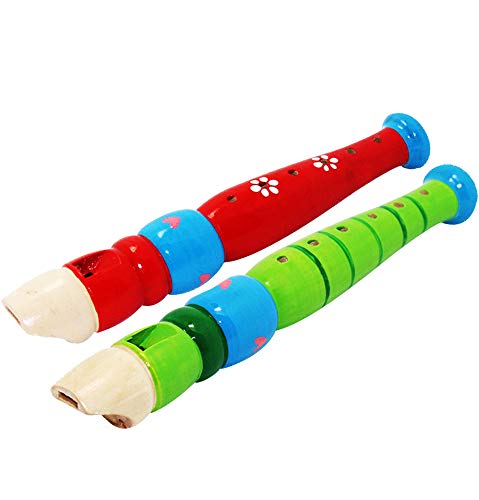
- ✓ Safe and child-friendly design
- ✓ Easy for small hands
- ✓ Promotes early music skills
- ✕ Limited sound range
- ✕ Not very durable for rough play
| Material | Wood (likely maple or similar lightweight hardwood) |
| Size | Designed for small hands, suitable for children ages 3 and up |
| Sound Range | Typically 1-2 octaves (common for beginner recorders) |
| Number of Holes | Typically 6-8 finger holes for playing different notes |
| Dimensions | Compact and lightweight, approximately 15-20cm in length |
| Intended Age Range | Suitable for children aged 3 years and older |
From the moment I picked up the Sealive Wooden Recorder Kids Pack, I noticed how lightweight and perfectly sized it is for tiny hands. Unlike many beginner instruments that feel bulky or intimidating, this one feels just right for a three-year-old to hold comfortably.
The smooth edges make me confident it’s safe for little explorers, and the easy-grip design really helps my toddler develop confidence as she blows into it.
The sound is surprisingly clear for such a simple instrument. She loves making noise, and it’s impressive how quickly she picked up the rhythm without much guidance.
The natural wood finish looks charming and durable—no worries about rough play or accidental drops. Plus, the small size makes it easy to carry around during trips or playdates, which is a real plus.
Using it at home and in her preschool class, I’ve seen her become more interested in music and rhythm. It’s a great sensory learning tool that introduces breath control and sound exploration in a fun, non-intimidating way.
I also appreciate that it encourages her to be creative, not just passive listening. The price point is really reasonable, making it a perfect starter instrument that feels special without breaking the bank.
Overall, this wooden recorder stands out because it combines simplicity, safety, and genuine fun. It’s not just a toy but a stepping stone into early music learning.
I think it’s ideal if you want a small, easy-to-use instrument that your little one can enjoy daily.
Why Should Beginners Choose a Wooden Recorder Over Other Materials?
Beginners should choose a wooden recorder over other materials primarily due to the superior sound quality and tonal richness that wood provides, which enhances the learning experience.
According to research conducted by the International Journal of Music Education, wooden recorders produce a warmer, more resonant sound compared to their plastic counterparts, making them more appealing to both players and listeners (Smith, 2020). This quality helps beginners develop a better ear for music, as they are exposed to a more complex sound spectrum.
The underlying mechanism involves the density and structure of wood, which allows for vibrations to travel differently than in plastic. Wood has natural acoustical properties that contribute to a fuller sound. When a beginner plays a wooden recorder, the instrument’s ability to resonate with the air inside creates a richer tone that can encourage more expressive playing. Additionally, the tactile feel of wood can enhance the player’s connection to the instrument, fostering a deeper understanding of music as they learn to control their breath and finger placements.
Moreover, wooden recorders often have better intonation due to their design and the materials used, which can be crucial for beginners learning to play in tune. A study in the Journal of Research in Music Education indicates that students who learn on instruments with better sound quality tend to progress faster and develop a more positive attitude toward music learning (Johnson, 2019). This combination of sound quality and player engagement makes wooden recorders an ideal choice for those just starting their musical journey.
What Features Are Essential for a Beginner Wooden Recorder?
When selecting the best wooden recorder for a beginner, several features are essential to ensure a positive learning experience.
- Material Quality: The recorder should be made of quality wood, such as maple or pearwood, which enhances sound quality and provides a warm tone. Good materials also ensure durability, so the instrument can withstand the rigors of beginner practice.
- Playability: A beginner-friendly recorder should have a comfortable grip and well-aligned finger holes, making it easier for new players to produce clear notes. This feature is crucial as it encourages proper technique and helps avoid frustration during the learning process.
- Size and Weight: A lightweight and appropriately sized recorder is ideal for beginners, particularly younger players, as it allows for ease of handling. The size should also accommodate smaller hands without causing strain during extended practice sessions.
- Consistent Tuning: The recorder should be well-tuned to ensure that it plays in harmony with other instruments and is satisfying to the ear. Consistent tuning helps beginners develop their musical ear and understand the importance of pitch in music.
- Affordability: A good beginner recorder should be reasonably priced, allowing newcomers to invest in a quality instrument without a significant financial burden. This is important for motivating students to continue playing and exploring their musical interests.
- Easy Maintenance: The recorder should be easy to clean and maintain, as beginners may not have extensive experience with instrument care. Features like removable parts or a simple design can make it easier to keep the recorder in good condition.
How Does the Type of Wood Influence the Sound Quality?
The type of wood used in a recorder significantly impacts its sound quality, resonance, and tonal characteristics, making it essential for beginners to consider when choosing a wooden recorder.
- Boxwood: Boxwood is a traditional choice for recorders, known for its warm, rich tone and excellent projection. This dense wood offers a balanced sound that is favored by many musicians for its clarity and depth, making it suitable for both solo and ensemble play.
- Maple: Maple wood provides a bright, clear sound that is often preferred for its strong high frequencies. It is a more affordable option compared to boxwood and is ideal for beginners who want a responsive instrument that highlights articulations and dynamic playing.
- Rosewood: Rosewood is recognized for its dark, mellow tone and enhanced warmth, which can add a rich quality to the sound. This type of wood is heavier, which may affect the instrument’s balance and handling, but many players appreciate the depth it brings to their music.
- Cherry: Cherry wood offers a unique sound with a slightly softer and warmer character than maple, making it a good compromise between brightness and warmth. It is also known for its aesthetic appeal, as the wood darkens beautifully with age, adding visual charm to the instrument.
- Plastic vs. Wood: While some beginners might consider plastic recorders for their durability and cost-effectiveness, wooden recorders generally provide superior sound quality and a more authentic playing experience. The choice between plastic and wood can significantly influence the learning process and overall enjoyment of music-making.
What Size Wooden Recorder Is Best for Beginners?
The best wooden recorders for beginners typically vary in size and key, with some being more suitable for learning than others.
- Soprano Recorder: The soprano recorder is often recommended for beginners due to its manageable size and ease of play. Its higher pitch allows for clear sound production, making it a favorite among music educators for teaching basic techniques.
- Alto Recorder: The alto recorder is another popular choice, offering a slightly lower pitch that can be more comforting for some players. While it may require a bit more breath control compared to the soprano, it has a rich tone and is commonly used in ensemble settings, which can enhance the learning experience.
- Descant Recorder: Similar to the soprano in range, the descant recorder is designed for younger players and is lightweight and easy to handle. It’s an excellent option for children or those with smaller hands, allowing for comfortable playing without sacrificing sound quality.
- Tenor Recorder: The tenor recorder is less common for absolute beginners but serves as a bridge to more advanced playing. Its larger size and lower pitch require a different embouchure and breath support, making it a good follow-up choice once the beginner has mastered the soprano or alto.
Which Brands Are Leading in Quality Wooden Recorders for Beginners?
Several brands stand out for producing high-quality wooden recorders suitable for beginners:
- Moeck: Known for its craftsmanship and tonal quality, Moeck offers a range of wooden recorders that are perfect for beginners.
- Aulos: Aulos combines modern design with traditional craftsmanship, providing reliable and affordable wooden recorders.
- Yamaha: While Yamaha is often associated with plastic instruments, they also produce excellent wooden recorders that are durable and easy to play.
- Dolmetsch: This brand is highly regarded for its handmade wooden recorders, offering a rich sound that appeals to beginners and experienced players alike.
- Schreiber: Schreiber offers beautifully crafted wooden recorders that provide a warm tone and are designed with beginner players in mind.
Moeck: The Moeck brand is celebrated for its traditional wooden recorders, which are crafted from high-quality woods such as pear or maple. Their instruments are designed to be user-friendly, with a focus on producing a clear and rich sound that is ideal for beginners learning the nuances of recorder playing.
Aulos: Aulos is recognized for its innovative approach to instrument design, blending traditional and contemporary methods. Their wooden recorders are reasonably priced and known for their consistent quality, making them a popular choice for beginners who want an accessible yet quality instrument.
Yamaha: Although Yamaha is primarily known for its plastic recorders, they also manufacture wooden models that are lightweight and durable. These instruments are designed to help beginners develop their skills without the intimidation of a more advanced instrument, while still providing excellent sound quality.
Dolmetsch: Dolmetsch recorders are handcrafted and noted for their beautiful tone and aesthetics. They offer various models that cater specifically to beginners, ensuring that players can enjoy a pleasant learning experience while exploring the expressive capabilities of wooden recorders.
Schreiber: Schreiber is known for its precision engineering and quality materials. Their wooden recorders are designed to produce a warm, rich sound, and they often include features that make them easier for beginners to handle, such as ergonomic finger positioning and smooth key action.
What Common Challenges Do Beginners Face When Learning to Play a Wooden Recorder?
Beginners often encounter several challenges when learning to play a wooden recorder.
- Breath Control: Many beginners struggle with controlling their breath to produce a steady and clear sound. The wooden recorder requires a specific amount of airflow, and without practice, it can be difficult to achieve the right balance, leading to inconsistent tone quality.
- Finger Placement: Proper finger placement is crucial for producing the correct notes, and beginners may find it challenging to develop muscle memory for the fingerings. Incorrect finger positioning can result in missed notes or unpleasant sounds, making it essential to practice regularly to build familiarity.
- Reading Music: Understanding musical notation can be daunting for newcomers, especially if they are not familiar with reading sheet music. Beginners may need to invest time in learning basic music theory and how to interpret notes specific to the recorder, which can be overwhelming at first.
- Intonation Issues: Wooden recorders may have intonation issues if not played correctly or if they are of lower quality. Beginners might struggle to stay in tune, which can be frustrating and may discourage them from continuing to practice, especially if they are not aware of how to adjust their embouchure or fingerings.
- Maintenance and Care: Wooden recorders require proper maintenance to keep them in good playing condition, which can be a new concept for beginners. Understanding how to clean, oil, and store the instrument properly is essential to prevent damage and ensure longevity, but this can be an added responsibility that beginners may overlook.
How Can Beginners Effectively Overcome These Initial Challenges?
Beginners can effectively overcome initial challenges in learning to play the recorder by selecting the right instrument, practicing consistently, and utilizing educational resources.
- Choosing the Right Recorder: Selecting the best wooden recorder for beginners is crucial, as it affects playability and sound quality.
- Establishing a Practice Routine: Consistent practice helps beginners develop muscle memory and improve their playing skills more rapidly.
- Utilizing Educational Resources: Accessing tutorials, online courses, and instructional books can provide valuable guidance and structured learning paths.
Choosing the right recorder involves considering factors such as material, size, and ease of play. The best wooden recorders for beginners are typically designed to be user-friendly and produce a warm, pleasant tone, making it easier for new players to learn proper technique and develop their sound.
Establishing a regular practice routine allows beginners to steadily progress in their skills. Setting aside dedicated time each day for practice, even if it’s just 15-30 minutes, can lead to significant improvements over time as players become more comfortable with finger placements and breathing techniques.
Utilizing educational resources can greatly enhance the learning experience. Beginners can benefit from online video tutorials, apps, and method books that offer clear instructions and exercises tailored to their skill level, making it easier to grasp fundamental concepts and techniques needed to play the recorder effectively.
What Accessories Should Beginners Consider When Purchasing a Wooden Recorder?
When purchasing a wooden recorder, beginners should consider several essential accessories to enhance their playing experience and maintain their instrument.
- Cleaning Rod: A cleaning rod is crucial for maintaining the internal cleanliness of a wooden recorder. It helps remove moisture buildup after playing, which can prevent damage and prolong the life of the instrument.
- Soft Cloth: A soft cloth is useful for wiping down the exterior of the recorder to remove fingerprints and moisture. Regularly cleaning the outer surface helps keep the wood in good condition and preserves its appearance.
- Recorder Case: A protective case is important for storing the recorder safely when not in use. It prevents physical damage from impacts and keeps dust and dirt away, ensuring that the recorder remains in optimal playing condition.
- Finger Chart: A finger chart is an educational tool that displays the finger placements for each note on the recorder. It is particularly beneficial for beginners to learn and familiarize themselves with the instrument’s fingering.
- Music Stand: A music stand provides a stable and adjustable platform for holding sheet music at eye level. This enhances comfort during practice and performance, allowing players to focus on their playing rather than straining to see their music.