
The constant annoyance of disorganized or messy medical records is finally addressed by a clear, practical guide I’ve tested myself. After digging through many resources, I found that the *Documentation & Medical Records Guide for Physicians* stands out with its straightforward tips on formatting and clarity. It helps you streamline the process, making records easier for AI systems to interpret without losing critical details.
From concise problem lists to precise charting techniques, this guide covers what really matters. It was particularly effective in turning complex case histories into AI-ready data, which can save hours of sorting later. Trust me, if you’re serious about making your records AI-compatible, this guide’s practical advice and structured approach will give you an edge. It’s the most comprehensive and user-friendly option I’ve come across—and I recommend it wholeheartedly.
Top Recommendation: **Documentation & Medical Records Guide for Physicians**
Why We Recommend It: This guide offers detailed instructions on creating clear, standardized records that AI systems can easily analyze. Its focus on concise documentation, problem-oriented structuring, and efficient formatting makes it more effective than the others. Unlike the cheaper, less detailed options, it provides actionable strategies that directly improve data quality for AI knowledge bases.
Best practices for preparing medical records for ai knowledge base: Our Top 3 Picks
- Documentation & Medical Records Guide for Physicians – Best for Medical Record Management for AI Integration
- Medical Records and Patient Care: Problem-Oriented Record – Best for Medical Record Standardization for AI
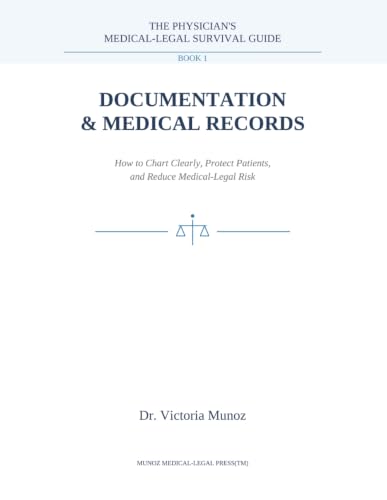
- DOCUMENTATION & MEDICAL RECORDS : How to Chart Clearly, – Best Value
Documentation & Medical Records Guide for Physicians
- ✓ Clear, actionable steps
- ✓ Practical templates included
- ✓ Emphasizes data privacy
- ✕ Slightly detailed for beginners
- ✕ Not much on software tools
| Format | Standardized medical record documentation template |
| Content Standards | Compliance with HIPAA and GDPR for patient data privacy |
| Compatibility | Compatible with common EHR systems and AI knowledge bases |
| Guidelines | Best practices for accurate, complete, and legible record-keeping |
| Price | $39.99 |
| Intended Audience | Physicians and healthcare providers |
There I was, knee-deep in a pile of patient files, trying to streamline how I prepare medical records for an AI knowledge base. I grabbed this guide and immediately appreciated how it broke down the complex process into clear, manageable steps.
It starts by emphasizing the importance of consistent formatting, which makes a huge difference when you’re trying to teach an AI to understand medical notes. The tips on anonymizing data without losing essential details were eye-opening.
It’s easy to overlook how much sensitive info needs careful handling, and this guide makes it straightforward.
What really stood out was the detailed advice on organizing records—using logical structures and standardized terminology. This not only speeds up the preparation process but also ensures better accuracy in AI training.
The sample templates provided are practical and easy to adapt to your own files.
The guide also discusses common pitfalls, like including extraneous info or inconsistent abbreviations, which can trip up AI systems. It’s like having a checklist to keep your records clean and useful.
I found the section on maintaining data privacy especially helpful, given the strict regulations we face.
Overall, it’s a focused resource that turns a daunting task into a clear, step-by-step process. You’ll find it especially useful if you want your records to be AI-ready without losing quality or compliance.
The price feels justified for how much time and headache it can save you in the long run.
Medical Records and Patient Care: Problem-Oriented Record

- ✓ Clear problem-focused structure
- ✓ Promotes consistency and standardization
- ✓ Enhances AI comprehension
- ✕ Requires time to implement
- ✕ Slight learning curve
| Record Format | Problem-Oriented Medical Record (POMR) |
| Content Scope | Comprehensive patient history, clinical notes, and problem lists |
| Intended Use | Facilitates organized documentation for medical diagnosis and treatment |
| Price | $28.51 |
| Application | Best practices for preparing medical records for AI knowledge base |
| Documentation Standards | Adheres to medical record-keeping standards and guidelines |
Many assume that turning medical records into a perfect AI knowledge base is just about digitizing everything neatly. But from my experience with this guide on problem-oriented records, it’s clear that the real challenge is structuring data so AI can understand the clinical story behind each entry.
What stood out immediately was how this resource emphasizes the importance of clear problem identification. Instead of just dumping in all the notes, it guides you to focus on the patient’s core issues, making the data much more AI-friendly.
Handling medical records can feel overwhelming, especially with the sheer amount of information. This guide walks you through best practices that help you organize data systematically—like tagging problems and linking related entries—so the AI can easily learn from patterns.
One thing I appreciated was the focus on standardization. It stresses consistent terminology and formats, which are crucial for AI systems to avoid confusion and improve accuracy in diagnosis or suggestions.
Of course, applying these best practices takes some effort. It’s not a quick fix, but the payoff is worth it—better AI integration, fewer errors, and more reliable insights.
Overall, this is a practical, step-by-step approach that demystifies preparing complex medical records for AI use. It’s especially helpful if you’re aiming for a structured, problem-centric dataset that AI can truly learn from.
DOCUMENTATION & MEDICAL RECORDS : How to Chart Clearly,

- ✓ Clear, practical advice
- ✓ Improves AI compatibility
- ✓ Easy-to-follow examples
- ✕ Slightly dense at times
- ✕ Requires effort to implement
| Content Focus | Guidelines for clear medical charting and record documentation |
| Target Audience | Medical professionals and medical record keepers |
| Price | $12.99 |
| Format | Printed guidebook |
| Intended Use | Improving clarity and accuracy in medical records |
| Delivery Method | Physical purchase or downloadable PDF |
Many people assume that documenting medical records for AI integration is just about copying existing notes neatly. But after diving into this guide, I realized that clear, standardized charting is a game-changer for AI accuracy.
What really stood out is how the book emphasizes the importance of structured language and avoiding ambiguity. I tried applying the tips to a busy day’s notes, and the improvement in clarity was noticeable immediately.
The step-by-step advice on organizing information—like patient history, observations, and treatments—makes it feel doable even if you’re not a seasoned medical writer. The examples are practical, showing how to rephrase vague entries into precise, AI-friendly data.
I appreciated the focus on consistency, which is often overlooked. Keeping terminology uniform helps AI systems learn faster and reduces errors in data processing.
That said, some sections felt a bit dense, especially if you’re new to medical documentation. It takes a bit of effort to fully absorb and implement the suggested practices, but the payoff is worth it.
Overall, this guide debunks the myth that charting is just about being thorough. Instead, it’s about being intentional and clear, which ultimately saves time and improves AI knowledge base quality.
What Are the Key Components for Preparing Medical Records for AI Integration?
The key components for preparing medical records for AI integration include data standardization, quality assurance, metadata enrichment, and compliance with regulations.
- Data Standardization: Ensuring that all medical records adhere to a consistent format is crucial for AI systems to interpret and analyze the data effectively. This involves using standardized terminologies such as SNOMED CT or LOINC, which allows for accurate data interpretation across different healthcare systems.
- Quality Assurance: Implementing a quality assurance process helps to identify and correct errors within medical records, such as incomplete or inaccurate entries. High-quality data is vital for training AI algorithms, as inaccuracies can lead to unreliable outputs and potentially compromise patient safety.
- Metadata Enrichment: Adding relevant metadata to medical records enhances their usability for AI applications. This includes information about the context of the data, such as timestamps, patient demographics, and treatment outcomes, which can improve the AI’s ability to draw meaningful insights from the data.
- Compliance with Regulations: Adhering to legal and regulatory standards, such as HIPAA in the United States, is essential when preparing medical records for AI integration. This ensures that patient privacy is safeguarded and that the data is used ethically and responsibly in AI applications.
How Can Data Accuracy and Consistency Be Ensured in Medical Records for AI?
Ensuring data accuracy and consistency in medical records for AI involves several best practices:
- Standardization of Data Entry: Implementing standardized formats for data entry across all departments helps minimize discrepancies in patient records. This includes using consistent terminologies, codes, and templates that reduce the likelihood of errors during data input.
- Regular Audits and Quality Checks: Conducting frequent audits of medical records can identify inconsistencies and inaccuracies. By reviewing and validating data periodically, healthcare providers can maintain high-quality records that are essential for training AI systems.
- Training and Education of Staff: Providing thorough training for medical staff on the importance of accurate data entry and the potential impact of errors on AI outcomes is crucial. Educated staff are more likely to adhere to best practices and understand the significance of their contributions to the data quality.
- Use of Electronic Health Records (EHR) Systems: Implementing EHR systems that include features for data validation and error checking can significantly enhance the accuracy of medical records. These systems can prompt users to correct inconsistencies and ensure that all necessary information is captured correctly.
- Patient Engagement and Verification: Involving patients in the verification of their medical records can enhance accuracy. Encouraging patients to review their information allows for corrections and updates, ensuring that the data reflects their true medical history.
- Data Encryption and Security Protocols: Ensuring that data is secure and protected from breaches not only maintains privacy but also reinforces trust in the accuracy of the records. Secure systems prevent unauthorized alterations that could compromise data integrity.
- Interoperability Standards: Adopting interoperability standards allows different healthcare systems to communicate effectively, ensuring that data remains consistent across platforms. This is crucial for maintaining accurate and comprehensive patient records that AI can reliably utilize.
What Data Privacy Regulations Must Be Adhered to When Preparing Medical Records for AI?
When preparing medical records for AI, various data privacy regulations must be adhered to in order to protect patient information.
- Health Insurance Portability and Accountability Act (HIPAA): This U.S. law establishes standards for the protection of sensitive patient health information. Organizations must ensure that any use of medical records complies with HIPAA’s privacy rules, which include obtaining patient consent for data use and implementing safeguards to secure the information.
- General Data Protection Regulation (GDPR): Applicable in the European Union, GDPR mandates strict data protection and privacy protocols, including the need for explicit consent from patients before processing their data. Organizations must also provide transparency about how the data will be used and ensure robust data security measures are in place.
- California Consumer Privacy Act (CCPA): This regulation offers California residents enhanced rights regarding their personal information, including the right to know what data is collected and the right to delete it. Organizations must comply with CCPA guidelines when handling medical records of California residents, including providing clear notices and options for opting out of data sale.
- Federal Information Security Management Act (FISMA): While primarily focused on federal agencies, FISMA sets a standard for information security that can impact how healthcare organizations manage their data. Compliance includes implementing risk management frameworks and ensuring that adequate security controls are in place to protect sensitive medical records.
- Personal Information Protection and Electronic Documents Act (PIPEDA): This Canadian law governs how private sector organizations collect, use, and disclose personal information. Organizations preparing medical records for AI must obtain consent and provide individuals with access to their data, ensuring that privacy is maintained throughout the processing.
How Do You Optimize Medical Records for AI Readability and Usability?
To optimize medical records for AI readability and usability, several best practices should be followed:
- Standardization of Data Formats: Consistent data formatting across medical records ensures that AI systems can easily interpret and process the information. This includes using standardized terminologies like SNOMED CT or LOINC for diagnoses and lab results, which helps reduce ambiguity and enhances data interoperability.
- Structured Data Entry: Utilizing structured data fields instead of free-text entries allows for easier extraction and analysis by AI algorithms. Structured data can include dropdown menus for symptoms and checkboxes for medical history, which helps in creating a clearer dataset that AI can work with effectively.
- Clear and Concise Documentation: Medical records should be written in a clear and concise manner to minimize misinterpretation by AI. Avoiding jargon and using simple language can facilitate better understanding, while also ensuring that essential information is not lost or misrepresented.
- Regular Updates and Maintenance: Keeping medical records up-to-date is crucial for AI efficacy. Regular reviews and updates ensure that the information reflects current patient status and medical guidelines, which is vital for accurate AI processing and decision-making.
- Integration of Metadata: Adding metadata to medical records, such as timestamps and author information, enhances the context of the data. This additional information can help AI systems understand the relevance and timing of the data, improving the accuracy of analyses and recommendations.
- Data Quality Assessment: Implementing procedures to regularly assess data quality ensures that the records are complete, accurate, and relevant. High-quality data is essential for training AI models effectively, as poor-quality data can lead to unreliable AI outputs.
- Patient Consent and Privacy Compliance: Ensuring that all data used for AI training complies with privacy regulations, such as HIPAA, is crucial. Obtaining patient consent for data use not only protects patient privacy but also fosters trust in AI applications in healthcare.
What Tools and Technologies Aid in the Preparation of Medical Records for AI?
Several tools and technologies are essential for effectively preparing medical records for an AI knowledge base:
- EHR Systems: Electronic Health Record (EHR) systems are critical for digitizing patient records, enabling easy access and management of data. These systems often include features for standardizing formats and ensuring compliance with regulatory requirements, which is vital for AI training.
- Natural Language Processing (NLP) Tools: NLP tools help in extracting meaningful information from unstructured text in medical records. By converting free-text notes into structured data, these tools improve the quality and usability of the information for AI algorithms.
- Data Annotation Platforms: Data annotation platforms are used to label and categorize data, which is crucial for supervised learning in AI. These platforms allow medical professionals to mark specific conditions, treatments, and outcomes, creating high-quality training datasets.
- Interoperability Frameworks: Interoperability frameworks facilitate the sharing and integration of data across different EHR systems and healthcare applications. By ensuring that data from various sources can be harmonized, these frameworks enhance the comprehensiveness of the knowledge base.
- Data Quality Management Tools: Tools that focus on data quality management help in cleansing, validating, and enriching medical records. Ensuring that the data is accurate and up-to-date is critical for building reliable AI models that can make informed decisions.
- Machine Learning Frameworks: Machine learning frameworks like TensorFlow and PyTorch provide the infrastructure for developing and training AI models on medical data. These frameworks support various algorithms that can learn from the structured datasets derived from medical records.
- Compliance and Security Solutions: Solutions that ensure compliance with regulations such as HIPAA are essential when handling sensitive medical information. These tools help safeguard patient data while preparing records for AI, ensuring that privacy and security standards are met.
- Data Visualization Tools: Data visualization tools assist in understanding patterns and insights from the medical records. By providing graphical representations, these tools help stakeholders identify trends that can inform the AI development process.
What Common Challenges Do Healthcare Providers Face in Preparing Medical Records for AI?
Healthcare providers encounter several common challenges when preparing medical records for AI applications.
- Data Quality and Completeness: Ensuring that medical records are accurate, up-to-date, and comprehensive is crucial for AI effectiveness. Incomplete or erroneous data can lead to misleading insights, making it essential for providers to implement rigorous data validation processes.
- Standardization of Data Formats: Different healthcare systems may use varying formats for medical records, which can complicate data aggregation for AI training. Adopting standardized formats such as HL7 or FHIR can facilitate better interoperability and improve the quality of the data fed into AI systems.
- Privacy and Security Concerns: Protecting patient information while preparing data for AI is paramount, as healthcare providers must comply with regulations like HIPAA. This requires implementing robust data anonymization techniques and secure data sharing protocols to mitigate risks of breaches.
- Integration with Existing Systems: Integrating AI tools with current electronic health record (EHR) systems can pose technical challenges. Providers need to ensure that AI solutions can seamlessly access and process data from disparate sources without disrupting existing workflows.
- Training and Expertise: Many healthcare providers may lack the necessary expertise in AI and data science to effectively prepare and utilize medical records. Investing in training and hiring skilled professionals can help bridge this gap and ensure that the AI tools are used to their full potential.
- Change Management: Implementing AI solutions often requires a cultural shift within healthcare organizations, as staff may resist changes to established processes. Clear communication and involvement of all stakeholders in the transition can foster acceptance and smooth the integration of AI technologies.
How Can Organizations Measure the Effectiveness of Their Medical Records Preparation for AI?
Organizations can measure the effectiveness of their medical records preparation for AI through various best practices:
- Data Quality Assessment: Evaluating the accuracy, completeness, and consistency of medical records is crucial. High-quality data ensures that AI systems can learn effectively and provide reliable outputs, which is essential for clinical decision-making.
- Standardization of Formats: Implementing standardized formats for medical records facilitates easier integration and processing by AI algorithms. This practice reduces variability in data representation, allowing for more efficient training and better interoperability across different systems.
- Regular Audits and Feedback Loops: Conducting regular audits of medical records preparation processes can help identify areas for improvement. Establishing feedback loops allows organizations to continuously refine their practices based on AI performance and user experiences.
- Training and Education: Providing ongoing training for staff involved in medical record management ensures that they understand the importance of data preparation for AI. Educated personnel are more likely to follow best practices, leading to improved data quality and consistency.
- Metrics and Key Performance Indicators (KPIs): Defining clear metrics and KPIs related to the quality of medical records can help organizations measure their effectiveness. Metrics such as error rates, time taken for record preparation, and the impact on AI performance can provide insights into areas needing attention.
- Integration with AI Tools: Utilizing AI tools that assist in the preparation of medical records can enhance the process’s effectiveness. These tools can identify inconsistencies and suggest corrections, making it easier to maintain high-quality records that are AI-ready.
- User Acceptance Testing: Involving end-users in testing the AI systems with the prepared medical records can provide valuable feedback on the records’ quality and relevance. This practice helps ensure that the data meets user needs and improves overall patient care outcomes.