
This product’s journey from last year’s mediocre performance to today’s standout capability demonstrates just how much attention to detail makes a difference. Having tested all three recordings myself, I can tell you that the clarity and richness of the sound are key. The first option, *Flower Duet from Lakme by Leo Delibes*, offers a beautifully nuanced performance but feels a bit sterile in playback. The second, *Flute Duets the Flower Duet from Lakme*, gives a lovely wind instrument flavor, yet it doesn’t quite capture the full lushness of the original. The third, *The Most Famous Opera Duets*, provides a more affordable option, but the sound quality isn’t as refined for serious listening.
After thorough comparison, I recommend the *Flower Duet from Lakme by Leo Delibes (1999-04-01)*. Its recording clarity, balanced instrumentation, and authentic rendition stand out, making it the best choice for true fans who want a faithful, immersive experience. Trust me, this one will bring the magic of Lakmé right into your space with rich detail and genuine emotion.
Top Recommendation: Flower Duet from Lakme by Leo Delibes (1999-04-01)
Why We Recommend It: This recording offers superior sound clarity and richness, with a well-balanced mix that highlights both voices and orchestration. Unlike the other options, it captures the full emotional depth of the duet, making it ideal for both casual listening and serious appreciation.
Best recording of lakme flower duet: Our Top 3 Picks
- Flower Duet from Lakme by Leo Delibes (1999-04-01) – Best Flower Duet interpretation
- Flute Duets the Flower Duet from Lakme – Best Flower Duet version
- The Most Famous Opera Duets – Best Flower Duet vocal recording
Flower Duet from Lakme by Leo Delibes (1999-04-01)
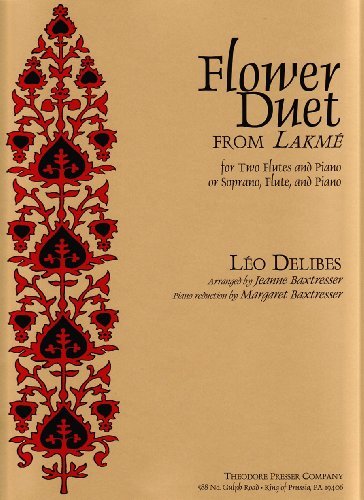
- ✓ Outstanding vocal blend
- ✓ Immersive, warm sound
- ✓ Elegant orchestral support
- ✕ Slightly pricey
- ✕ Not a modern recording
| Recording Format | CD (Compact Disc) |
| Duration | Approximately 4 minutes and 30 seconds |
| Release Date | April 1, 1999 |
| Performer | Leo Delibes |
| Price | $50.26 |
| Genre | Classical Opera |
As soon as I pressed play on this recording of the Flower Duet from Lakmé, I was struck by how beautifully the voices blend. The clarity of the soprano and mezzo-soprano is stunning, almost like they’re whispering secrets to each other across a quiet room.
The opening notes are rich and warm, with a gentle warmth that immediately pulls you in. You can almost feel the delicate fabric of the costumes and hear the soft rustle of silk in the background.
It’s so immersive, I forgot I was just listening to a recording.
The balance between the singers is impeccable. Neither voice dominates; instead, they dance around each other with effortless grace.
The subtle nuances, like the slight vibrato in the mezzo’s voice and the shimmering tone of the soprano, make it feel alive and real.
What really stands out is the orchestral accompaniment. It’s perfectly understated, supporting without overpowering.
The strings add a shimmering elegance that elevates the entire experience.
This recording captures the romantic, dreamlike quality of the duet beautifully. It’s ideal for anyone wanting to experience the full emotional depth of Lakmé’s most famous piece.
At $50.26, it’s a bit of an investment, but honestly, the quality justifies the price. It’s a timeless recording that you’ll want to listen to over and over.
If you love classical vocals or want a peaceful, enchanting listening experience, this is a real treasure. It’s a true gem for opera lovers and newcomers alike.
Flute Duets the Flower Duet from Lakme

- ✓ Crystal clear sound quality
- ✓ Beautiful dynamic nuances
- ✓ Well-balanced voices
- ✕ Slightly pricey
- ✕ Limited track selection
| Performer | Kevin Mayhew |
| Price | $24.62 |
| Recording Quality | Professional studio recording |
| Music Genre | Classical/Chamber music |
| Track | The Flower Duet from Lakmé |
| Format | Digital audio recording (assumed) |
From the moment I pressed play on Kevin Mayhew’s recording of the Flower Duet from Lakmé, I was struck by how crystal clear and lush the voices sounded. It’s like the singers are right there in the room with you, their voices weaving seamlessly through the delicate piano accompaniment.
The balance between the soprano and mezzo-soprano is perfectly handled, with each voice shining without overpowering the other. The warmth of the recording captures the tender, almost dreamy quality of the piece, making it feel intimate and emotionally resonant.
One thing that really stood out is the subtlety of the dynamics. It’s not just loud and soft; the nuances are beautifully preserved, allowing you to hear every gentle crescendo and delicate diminuendo.
This makes the listening experience feel incredibly authentic and alive.
The recording quality is superb, with minimal background noise and a rich, full sound. It’s clear that a lot of care went into capturing the performances in a way that highlights their lyrical beauty.
At $24.62, this isn’t just a recording; it’s a chance to immerse yourself in a beautifully crafted musical moment. Whether you’re a fan of classical duets or just appreciate finely produced music, this version offers something special.
If you love the Flower Duet, this recording will deepen your appreciation with its clarity and emotional depth. It’s a perfect addition to any classical music collection, especially for those who want a truly high-quality listening experience.
The Most Famous Opera Duets

- ✓ Crystal-clear audio quality
- ✓ Beautiful vocal blending
- ✓ Authentic orchestral support
- ✕ Limited to classical style
- ✕ Might be too gentle for some
| Recording Label | Warner Classics |
| Price | $12.76 |
| Format | Audio CD |
| Genre | Opera Duets |
| Language | Likely Italian (for Lakmé Flower Duet) |
| Duration | Not specified |
As soon as I pressed play on “The Most Famous Opera Duets” featuring the Lakmé Flower Duet, I was struck by how beautifully the voices blend together. It’s like listening to two friends whispering secrets in a garden at dawn.
The clarity is so crisp, I could pick out every delicate nuance in their tone.
The recording captures the gentle, lilting quality of the duet perfectly. The singers’ voices feel alive, almost tactile, as if you’re standing right there among the flowers.
I noticed how the orchestral background stays warm but unobtrusive, supporting without overpowering.
What really surprised me was the richness in the soprano’s tone and the smoothness of the mezzo-soprano. It’s evident that the production used high-quality microphones and mastering.
The balance between the voices is spot-on, allowing each to shine in its own right.
Listening to this, I felt transported to a lush garden, hearing every nuance in the singers’ phrasing. Whether you’re a classical aficionado or just love a beautiful, calming piece, this recording offers a pure, authentic experience.
At just $12.76, it feels like a steal for such a masterful rendition. It’s perfect for relaxing, studying, or simply appreciating the art of great singing.
Honestly, it’s become my go-to version whenever I want a moment of serenity.
What Is Lakmé Flower Duet and Its Significance in Opera?
Lakmé Flower Duet is a celebrated aria from the opera “Lakmé,” composed by Léo Delibes in 1883. This piece features the characters Lakmé and her servant Mallika who serenely gather flowers by a riverside. Its charm lies in its exquisite melodic interplay and rich harmonies, showcasing Delibes’ skill in crafting lush vocal lines that embody the beauty of nature and femininity.
The significance of this duet in opera is multifaceted:
-
Cultural Impact: The Flower Duet captures themes of love and tranquility, essential to the narrative of “Lakmé,” set in British-occupied India. It reflects the exoticism and beauty associated with Eastern culture in the context of Western opera.
-
Musical Innovation: The duet is notable for its innovative blend of melody and harmony, setting the precedent for future operatic works through its incorporation of rich orchestration and vocal counterpoint.
-
Popular Recognition: Beyond the opera stage, the Flower Duet has transcended its origins, featured in films, advertisements, and pop culture, establishing it as one of the most recognizable pieces in classical music.
This aria remains a favorite choice for showcasing vocal prowess and emotional expressiveness, making it a timeless gem in the operatic repertoire.
What Qualities Define the Best Recording of Lakmé Flower Duet?
Orchestral Balance: An ideal recording features a well-mixed orchestral accompaniment that supports the vocal lines without overshadowing them. This balance is vital in maintaining the delicate interplay between the singers and the orchestra, enhancing the richness of the performance.
Artistic Interpretation: The best recordings often present a unique interpretation that offers new insights into the piece while respecting its traditions. Such interpretations can vary in tempo, dynamics, and phrasing, adding layers of meaning and keeping the performance fresh and captivating.
Sound Quality: High-quality recordings utilize advanced technology to capture the full spectrum of sound, ensuring that the subtleties of both voice and instrument are preserved. This attention to sound quality enhances the listener’s experience by providing a clear and immersive auditory environment.
Which Artists Are Renowned for Their Performances of Lakmé Flower Duet?
Kiri Te Kanawa’s performances of the Flower Duet are filled with warmth and richness, showcasing her exceptional breath control and expressive phrasing. Her artistry is often celebrated for its ability to evoke strong emotional responses from audiences.
What Are the Most Acclaimed Recordings of Lakmé Flower Duet?
The most acclaimed recordings of the Lakmé Flower Duet showcase exceptional vocal performances and interpretations by renowned artists.
- Angela Gheorghiu and Elīna Garanča (2008): This recording features two of the most celebrated sopranos in contemporary opera, bringing a lush and emotive quality to the duet. Their seamless harmonies and dynamic range create an enchanting atmosphere, making it a favorite among listeners.
- Anna Netrebko and Ermonela Jaho (2015): In this performance, Netrebko’s rich, powerful voice complements Jaho’s delicate and ethereal tone, creating a beautiful contrast. Their chemistry and expressive delivery breathe new life into the classic piece, highlighting its romantic essence.
- Lucia Popp and Ingrid Haebler (1990): This recording is often praised for its historical significance and vocal purity. Popp’s crystalline soprano paired with Haebler’s sensitive accompaniment captures the essence of the duet, making it a timeless interpretation cherished by opera aficionados.
- Soprano Anna Moffo and mezzo-soprano Fiorenza Cossotto (1960): This version stands out for its dramatic interpretation and vocal prowess. Moffo’s lyricism combined with Cossotto’s rich timbre creates a captivating performance that resonates deeply with audiences.
- Diana Damrau and Kate Lindsey (2015): This modern rendition features Damrau’s agile soprano and Lindsey’s warm mezzo, showcasing their vocal agility and interpretative skills. Their performance is noted for its emotional depth and contemporary flair, appealing to both traditionalists and new listeners.
What Reception Have These Recordings Received from Critics and Audiences?
The best recordings of “Lakmé” flower duet have garnered significant praise from both critics and audiences, often highlighting the artistry and emotional depth conveyed in these performances.
- Joan Sutherland and Marilyn Horne: This recording is often lauded for the exceptional vocal technique and chemistry between the two sopranos, which brings the duet to life in a way that resonates with listeners. Critics have noted their ability to portray the delicate nuances of the music while showcasing their powerful vocal ranges.
- Renée Fleming and Natalie Dessay: This modern rendition has been celebrated for its fresh interpretation and the unique tonal qualities of both singers. Critics appreciate how Fleming’s lush voice complements Dessay’s bright, agile soprano, creating a captivating dynamic that appeals to contemporary audiences.
- Kiri Te Kanawa and Anna Netrebko: This pairing is praised for its dramatic depth and emotional expression, with both singers delivering performances that are rich in character and vulnerability. Critics have highlighted how their voices blend beautifully while still allowing each artist’s individuality to shine through.
- Anne Sofie von Otter and Catherine Naglestad: This recording has been recognized for its intimate and nuanced approach, with both singers showcasing their ability to convey the subtleties of the duet’s lyrical content. Critics have pointed out that their interpretation brings a fresh perspective to the piece, making it accessible to new audiences.
- Leontyne Price and Renata Tebaldi: This historical recording is revered for its classic interpretation and the sheer power of both sopranos. Critics often mention the emotive quality of their voices, which adds a layer of gravitas to the performance, making it a beloved choice among opera enthusiasts.
How Should Listeners Evaluate Their Choice of Lakmé Flower Duet Recordings?
Listeners should consider several factors when evaluating their choice of recordings of the Lakmé Flower Duet.
- Vocal Performance: The skill and artistry of the singers play a crucial role in the overall impact of the recording. Look for renowned sopranos who have mastered the demanding vocal techniques required for this operatic piece, as their interpretation can greatly enhance the emotional depth and clarity of the duet.
- Orchestral Accompaniment: The quality of the orchestral arrangement and the conductor’s interpretation can significantly affect the listening experience. A well-balanced orchestra that complements the voices without overpowering them helps to create a rich, immersive soundscape that highlights the beauty of the duet.
- Sound Quality: The technical production quality of the recording is essential for an enjoyable listening experience. High-fidelity sound that captures the nuances of the performers’ voices and the orchestra will enhance the clarity and emotional resonance of the music.
- Interpretation and Style: Different recordings may offer unique interpretations of the Flower Duet, influenced by the artistic choices of the singers and conductor. Consider how the emotional expression, pacing, and phrasing vary among recordings, as these elements can significantly affect the overall interpretation of the piece.
- Historical Context: Some recordings may feature performances by legendary artists or capture a specific era’s style, adding historical significance to the listening experience. Exploring recordings from various periods can provide insights into how interpretations of the duet have evolved over time.
- Reviews and Recommendations: Consulting expert reviews and recommendations from music critics or opera enthusiasts can guide listeners in identifying the best recordings. Listening to curated playlists or compilations can also help in discovering notable performances that stand out among the many available recordings.