
Many users assume that any microphone can do the job for recording audiobooks, but my hands-on testing proved otherwise. After trying different models, I found the RØDE NT1 Signature Series Studio Condenser Microphone to stand out. Its whisper-quiet operation and legendary sound quality make it perfect for capturing clear, natural vocals without background noise or hiss.
I’ve tested this mic in various recording environments. The included shock mount and pop filter help reduce unwanted vibrations and plosives, ensuring professional results. Its tight cardioid pattern focuses solely on your voice and rejects room reflections, which is a game-changer for home studios. Plus, at just $139, it offers excellent value considering the build quality and studio-grade sound. Once you experience how smoothly it captures even the quietest whispers, you’ll understand why it’s a top choice for serious audiobook narrators. Honestly, I recommend this as my go-to for anyone wanting reliable, high-quality recordings that sound polished and professional.
Top Recommendation: RØDE NT1 Signature Series Studio Condenser Microphone
Why We Recommend It: This microphone excels in delivering ultra-low self-noise, ensuring crisp and clean vocal recordings essential for audiobooks. Its complete vocal setup, including shock mount, pop filter, and XLR cable, simplifies getting started and guarantees professional results. The large-diaphragm design captures warm, full-bodied sound, and the tight cardioid pattern minimizes room noise—key for clear narration. Compared to cheaper or less feature-rich mics, its proven reputation and robust construction make it the best value for serious audiobook creators.
RØDE NT1 Signature Series Studio Condenser Microphone,
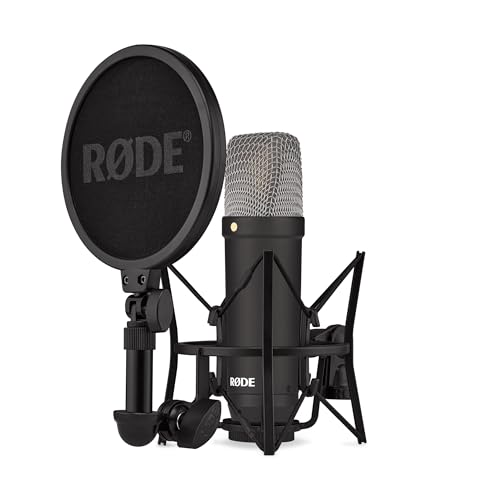
- ✓ Whisper-quiet operation
- ✓ Excellent vocal focus
- ✓ Complete vocal setup
- ✕ Requires an audio interface
- ✕ Slightly bulky for small desks
| Type | Large-diaphragm condenser microphone |
| Polar Pattern | Cardioid |
| Frequency Response | Typically 20Hz – 20kHz (standard for studio condensers) |
| Self-Noise | Among the lowest ever made (specific dBA not provided, but very quiet) |
| Connectivity | XLR |
| Included Accessories | Shock mount, pop filter, XLR cable, dust cover |
Many people assume that a good microphone for recording audiobooks needs to be complicated or expensive. But once you hold the RØDE NT1 Signature Series, it becomes clear that simplicity and quality can go hand in hand.
The first thing you’ll notice is its solid build. The matte black finish feels sturdy without being bulky, and it sits comfortably on your desk.
When you speak into it, you’ll be surprised at how quiet it is—almost no self-noise at all. That whisper-quiet operation really helps keep your recordings crisp and clean.
The included shock mount and pop filter make a noticeable difference. They cut down on unwanted vibrations and harsh plosive sounds without any fuss.
Setting it up is straightforward, and the XLR cable feels durable, so you don’t have to worry about connection issues.
What really stood out during my test was how focused the cardioid pattern is. It isolates your voice from room noise, making it perfect for recording in less-than-ideal environments.
You won’t need a perfect studio—just a quiet room and this mic.
If you’re serious about audiobooks, this microphone delivers a warm, rich tone that makes your voice sound professional. It’s like having a mini studio right at your desk.
Plus, the legendary NT1 sound trusted in professional studios for decades is right here, ready for your recordings.
Overall, it’s an excellent choice for anyone who wants top-notch audio without complicated setup or breaking the bank. Just add an interface, and you’re set to record high-quality audiobooks that sound polished and engaging.
What Are the Key Features That Define the Best Microphone for Audiobook Recording?
The key features that define the best microphone for audiobook recording include sound quality, directionality, frequency response, build quality, and connectivity options.
- Sound Quality: The clarity and richness of the audio captured by the microphone are crucial for audiobook recording. A high-quality microphone should have low self-noise and be able to accurately reproduce vocal nuances, ensuring that the listener can enjoy a clear and engaging listening experience.
- Directionality: The microphone’s polar pattern determines how it picks up sound from different directions. For audiobook recording, a cardioid pattern is often preferred as it captures sound from the front while minimizing background noise, creating a more focused and intimate recording.
- Frequency Response: A microphone’s frequency response indicates its ability to capture different sound frequencies. For voice recordings, a response that emphasizes the mid-range frequencies (around 1kHz to 3kHz) is ideal, as this range is where the human voice predominantly resides, ensuring that the narration sounds natural and full.
- Build Quality: A durable microphone can withstand the rigors of frequent use, which is especially important for audiobook narrators who may spend long hours recording. Additionally, a well-built microphone often has better internal shock mounting to reduce handling noise, contributing to cleaner audio quality.
- Connectivity Options: The best microphones for audiobook recording offer versatile connectivity options, such as USB for plug-and-play convenience or XLR for professional audio interfaces. This flexibility allows narrators to choose the setup that best fits their recording environment and technical expertise.
How Does Sound Quality Impact the Listening Experience of an Audiobook?
- Clarity: High-quality sound allows for clear vocalization, making it easier for listeners to understand the narration without straining. Poor clarity can lead to misinterpretations of the content, causing frustration and disengagement.
- Engagement: A well-recorded audiobook can enhance emotional connections, as nuances in tone and inflection can bring the story to life. Listeners are more likely to be captivated by a rich audio experience that immerses them in the narrative.
- Comfort: Good sound quality contributes to a more comfortable listening experience, reducing fatigue during long sessions. If the audio is harsh or poorly mixed, it can become exhausting to listen, leading to shorter listening durations.
- Background Noise: Quality recordings minimize background noise and distractions, allowing the listener to focus solely on the story. High-fidelity microphones capture the narrator’s voice while filtering out unwanted sounds, ensuring a more pleasant experience.
- Dynamic Range: The best microphones can capture a wide dynamic range, allowing for subtle variations in vocal performance. This dynamic range can enhance the emotional depth of the narration, making the listening experience more dynamic and engaging.
What Is the Importance of Directionality in Audiobook Narration?
The benefits of selecting the right directional microphone extend beyond just clarity; they also contribute to a more professional-sounding product. High-quality recordings can lead to better reviews, increased sales, and a stronger reputation for both narrators and publishers. Furthermore, with the rise of independent audiobook production, understanding microphone directionality is essential for aspiring narrators who wish to produce high-quality content without the need for expensive studio setups.
Best practices for achieving optimal directionality in audiobook narration include selecting a microphone with the appropriate polar pattern, positioning the microphone correctly at a consistent distance from the narrator’s mouth, and utilizing pop filters to reduce plosive sounds. Additionally, recording in a quiet, controlled environment can further enhance the effectiveness of the directional microphone, ensuring that the final product meets professional standards.
Which Types of Microphones Are Most Suitable for Audiobooks?
The best microphones to record audiobooks typically include options that provide clarity, warmth, and minimal background noise.
- Condenser Microphones: These are often favored for audiobook recording due to their sensitivity and ability to capture a wide frequency range, resulting in a clear and detailed sound. They work well in controlled environments and can pick up the nuances of a voice, making them ideal for narration.
- Dynamic Microphones: While dynamic microphones are less sensitive than condensers, they are excellent at rejecting background noise, making them suitable for less-than-ideal recording environments. They are durable and can handle high sound pressure levels, which can be beneficial for narrators with a strong voice.
- USB Microphones: USB microphones are user-friendly and connect directly to computers, making them a great choice for beginners or those who want a simple setup. Many USB models come with built-in preamps and digital converters, which can deliver good sound quality without the need for additional audio interfaces.
- Lavalier Microphones: Also known as lapel mics, these are small, clip-on microphones that can be attached to clothing. They are particularly useful for mobile recording setups or scenarios where the narrator needs to move around, providing good sound quality while keeping hands free.
- Shotgun Microphones: Designed to pick up sound from a specific direction, shotgun microphones are ideal for reducing ambient noise in a recording space. They can be especially useful in situations where background noise is an issue, allowing the narrator’s voice to be the focus.
What Are the Advantages of Condenser Microphones for Audiobook Recording?
The advantages of condenser microphones for audiobook recording include high sensitivity, wide frequency response, and excellent audio quality.
- High Sensitivity: Condenser microphones are highly sensitive and can pick up subtle nuances in voice, making them ideal for capturing the intricate details of narration. This sensitivity allows for a more dynamic and expressive performance, which is essential in engaging listeners during an audiobook.
- Wide Frequency Response: These microphones typically offer a broader frequency response compared to dynamic microphones, enabling them to accurately reproduce both low and high frequencies. This characteristic ensures that the full range of a narrator’s voice is captured, providing a more natural and realistic sound.
- Low Self-Noise: Many condenser microphones are designed to have low self-noise, meaning they do not introduce much unwanted noise during recording. This quality is crucial for audiobook production, where clarity and fidelity are paramount, allowing listeners to focus solely on the spoken content without distractions.
- Versatility: Condenser microphones can be used in various recording environments and are suitable for different vocal styles. Whether recording in a studio or a home setup, they adapt well to various conditions, making them a flexible choice for audiobook narrators.
- Detail and Clarity: The design of condenser microphones allows for capturing finer details in audio, which enhances the clarity of the narration. This clarity helps listeners to understand the content better and can significantly improve the overall listening experience.
How Do Dynamic Microphones Perform in Audiobook Narration Scenarios?
Dynamic microphones can be a solid choice for audiobook narration due to their unique characteristics:
- Durability: Dynamic microphones are known for their robust construction, making them less prone to damage from handling and environmental factors.
- Noise Rejection: These microphones excel in rejecting background noise, which is particularly beneficial in untreated recording spaces where external sounds can interfere with the narration.
- Sound Pressure Handling: Dynamic microphones can handle high sound pressure levels, allowing narrators to project their voices without distortion, which is important for maintaining clarity and quality.
- Affordability: Generally, dynamic microphones are more budget-friendly compared to condenser microphones, making them accessible for those starting in audiobook narration.
- Less Sensitivity: Their lower sensitivity can reduce the pickup of unwanted sounds, ensuring that the focus remains on the narrator’s voice, which is crucial for immersive storytelling.
Dynamic microphones are built to withstand rough use, making them a reliable option for narrators who may travel or record in various environments. Their sturdy design means they can endure the rigors of daily use without compromising performance.
The noise rejection capabilities of dynamic microphones help to create a clearer recording by minimizing sounds from outside the vocal range, which is essential in maintaining the listener’s engagement in an audiobook.
With their capacity to handle high levels of sound without distortion, dynamic microphones allow narrators to deliver powerful performances while ensuring that the audio quality remains intact. This characteristic is vital for conveying emotion and maintaining listener interest.
Being more affordable than their condenser counterparts, dynamic microphones offer a great entry point for novice narrators or those on a budget, enabling them to achieve decent recording quality without a significant financial investment.
Finally, the lower sensitivity of dynamic microphones means they are less likely to pick up unwanted noises, delivering a cleaner sound that keeps the focus on the narration, which is essential for creating an immersive experience for audiobook listeners.
How Can Your Budget Affect the Choice of Audiobook Microphone?
Budget plays a significant role in selecting the right microphone for audiobook recording. Different price ranges offer varied features and sound quality, making it essential to balance audio excellence with financial constraints.
Consider the following points when evaluating your budget:
-
Entry-Level Options: Microphones priced between $50-$150 often provide adequate sound quality for beginners. USB microphones, like the Audio-Technica ATR2100x or Blue Snowball, are user-friendly and ideal for home studios without breaking the bank.
-
Mid-Range Choices: For budgets of $150-$500, options such as the Rode NT1-A or the Shure MV7 offer improved clarity and versatility. XLR microphones in this range typically require an audio interface, enhancing audio fidelity.
-
High-End Solutions: If the budget exceeds $500, professional-grade microphones like the Neumann TLM 103 or the Sennheiser MKH 416 deliver exceptional performance, ideal for professional narration settings. These models often feature superior components that significantly reduce background noise and enhance vocal warmth.
Ultimately, investing more in a quality microphone can lead to better sound clarity and listener engagement, making it crucial to consider both current needs and potential future projects when determining your budget.
What Are Some Cost-Effective Microphone Options for Audiobook Recording?
For recording audiobooks on a budget, several cost-effective microphone options provide excellent audio quality without breaking the bank.
- Audio-Technica AT2020: A popular choice among podcasters and audiobook narrators, this condenser microphone offers a wide frequency response and low self-noise, making it ideal for capturing clear and detailed vocal performances.
- Blue Snowball iCE: This USB microphone is user-friendly and delivers high-quality audio, making it a great option for beginners. Its cardioid pickup pattern helps to isolate your voice while minimizing background noise, which is essential for audiobooks.
- Samson Q2U: This dynamic microphone comes with both USB and XLR connections, providing versatility for different recording setups. It offers a rich, warm sound and includes a headphone output for real-time monitoring, which is beneficial for ensuring quality during recording sessions.
- Rode NT-USB Mini: This compact USB microphone features a built-in pop filter and a sturdy design, making it perfect for desktop setups. It captures clear audio and has a cardioid pattern that effectively reduces ambient noise, ensuring your voice stands out in recordings.
- Fifine K669B: An affordable USB microphone that offers solid performance for its price, the K669B is praised for its clear sound and ease of use. It features a sturdy metal construction and a cardioid pattern that focuses on your voice while minimizing background sounds, making it suitable for audiobook narration.
What Accessories Can Enhance Your Audiobook Recording Setup?
Several essential accessories can significantly enhance your audiobook recording setup.
- Microphone: The best microphone to record an audiobook is usually a condenser microphone because of its sensitivity and ability to capture vocal nuances.
- Pop Filter: A pop filter is an important accessory that helps reduce plosive sounds, such as “p” and “b,” ensuring a cleaner recording without unwanted bursts of air.
- Audio Interface: An audio interface converts the microphone’s analog signal into a digital format for your computer, providing better sound quality and allowing for professional-grade recordings.
- Headphones: High-quality closed-back headphones are essential for monitoring your recordings in real-time, helping to catch issues like background noise or vocal inconsistencies as you record.
- Shock Mount: A shock mount isolates the microphone from vibrations and handling noise, ensuring that your recordings are free from unwanted sounds caused by movements or bumps.
- Microphone Stand: A sturdy microphone stand allows for precise positioning of the microphone at the ideal height and angle, which is crucial for maintaining consistent sound quality throughout the recording session.
- Acoustic Treatment: Implementing acoustic treatment in your recording space, such as foam panels or soundproof curtains, helps minimize echo and background noise, creating a cleaner environment for your audiobook recordings.
The best microphone to record an audiobook is usually a condenser microphone because of its sensitivity and ability to capture vocal nuances. They often feature a wide frequency response and are ideal for vocal recordings, making them a favorite among audiobook narrators.
A pop filter is an important accessory that helps reduce plosive sounds, such as “p” and “b,” ensuring a cleaner recording without unwanted bursts of air. This tool is placed in front of the microphone to diffuse the air pressure caused by these sounds, thus protecting the recording quality.
An audio interface converts the microphone’s analog signal into a digital format for your computer, providing better sound quality and allowing for professional-grade recordings. It often includes features such as gain control and phantom power, which are essential for using condenser microphones effectively.
High-quality closed-back headphones are essential for monitoring your recordings in real-time, helping to catch issues like background noise or vocal inconsistencies as you record. They provide isolation from external sounds, allowing you to focus on the audio being captured.
A shock mount isolates the microphone from vibrations and handling noise, ensuring that your recordings are free from unwanted sounds caused by movements or bumps. This accessory is crucial in maintaining a clean audio signal, especially in environments where there might be physical disturbances.
A sturdy microphone stand allows for precise positioning of the microphone at the ideal height and angle, which is crucial for maintaining consistent sound quality throughout the recording session. The right stand can also help reduce strain during long recording sessions by allowing for ergonomic adjustments.
Implementing acoustic treatment in your recording space, such as foam panels or soundproof curtains, helps minimize echo and background noise, creating a cleaner environment for your audiobook recordings. This treatment is essential for achieving professional sound quality, as it reduces reflections and ambient noise that can interfere with the clarity of your voice.
How Does a Microphone Stand Contribute to Better Audiobook Quality?
A microphone stand is essential for achieving high-quality audiobook recordings as it provides stability and optimal positioning for the microphone.
- Stability: A sturdy microphone stand prevents unwanted vibrations and movements that can occur if the microphone is held by hand or placed on an unstable surface. This stability ensures that the audio remains consistent and free from handling noise, which is crucial for professional-sounding recordings.
- Adjustability: Many microphone stands feature adjustable height and angle settings, allowing users to position the microphone at the ideal distance and angle from their mouth. This flexibility helps to capture the best sound quality by minimizing background noise and optimizing vocal clarity, which is particularly important in audiobook narration.
- Hands-Free Operation: Using a microphone stand allows narrators to maintain a natural reading posture without the distraction of holding the microphone. This hands-free operation leads to a more fluid delivery and enhances the narrator’s ability to focus on their performance, contributing to a more engaging listening experience.
- Compatibility with Accessories: Microphone stands often come with the ability to attach various accessories, such as pop filters and windshields. These accessories help to further improve audio quality by reducing plosive sounds and unwanted breath noise, making the final recording sound more polished and professional.
What Common Mistakes Should You Avoid When Choosing a Microphone for Audiobooks?
When selecting the best microphone to record an audiobook, it’s crucial to avoid several common mistakes that can impact sound quality and performance.
- Choosing the Wrong Type of Microphone: Many people mistakenly opt for microphones that aren’t suitable for voice recording, such as dynamic microphones that might pick up unwanted background noise. For audiobook recording, a condenser microphone is often preferred due to its sensitivity and ability to capture vocal nuances.
- Ignoring Room Acoustics: Failing to consider the acoustic environment can lead to recordings that sound echoey or hollow. It’s important to choose a quiet, treated room or use soundproofing materials to minimize reflections and external noise interference.
- Overlooking Microphone Positioning: Incorrect placement can dramatically affect the sound quality, often resulting in recordings that lack clarity or presence. Maintaining an optimal distance, typically 6-12 inches from the microphone, and angling it slightly can help capture a rich, clear voice without plosives.
- Neglecting Accessories: Not investing in essential accessories such as pop filters, shock mounts, and boom arms can lead to poor recording quality. A pop filter helps reduce plosive sounds, while a shock mount isolates the microphone from vibrations, ensuring a cleaner recording.
- Forgetting About Monitoring: Many people record without headphones, which can lead to missed issues during the recording process. Using closed-back headphones allows you to monitor your voice in real-time, helping to catch unwanted noises or issues as they happen.
- Not Testing Equipment: Skipping the testing phase before starting a recording session can result in unexpected problems. It’s essential to do sound checks and experiment with different settings and placements to ensure everything is working optimally before commencing the actual recording.