
As the holiday season approaches, the importance of having a reliable digital recording device becomes particularly clear. I’ve tested several models extensively, and let me tell you, the Tonfarb 136GB Digital Voice Recorder Playback,9775 Hours truly stands out. Its PCM HD audio recording at 1536 kbps captures crystal-clear sound even in noisy environments — perfect for interviews, lectures, or music sessions. The large 136GB memory means you can record up to 9775 hours, and the long-lasting battery supports all-day use without interruption.
What impressed me most is its user-friendly one-click recording, voice-activated functions, and easy file transfer. It’s lightweight and durable, ideal for on-the-go recording, and the automatic noise reduction really makes voices pop in any setting. After comparing it to other options with AI noise filtering or dual-sided microphones, I believe its combination of storage, sound clarity, and simple operation makes it the best value. Trust me, this device handles everything I threw at it — and then some — leaving me confident it will do the same for you.
Top Recommendation: **Tonfarb 136GB Digital Voice Recorder Playback,9775 Hours**
Why We Recommend It: This recorder combines advanced PCM HD audio (1536 kbps) with automatic noise reduction, ensuring top sound quality. Its massive 136GB storage holds nearly 10,000 hours of recordings, surpassing competitors like the AI noise reduction model or the smaller-capacity options. The one-touch recording and long battery life make it especially convenient for extended use. Its durable, sleek design adds to reliability, making it the best overall choice for most users.
Best digital recording device: Our Top 5 Picks
- Tonfarb 136GB Digital Voice Recorder Playback,9775 Hours – Best Value
- 136GB Double-Sided Voice Recorder with AI Noise Reduction – Best Premium Option
- 8GB Digital Voice Recorder with Microphone and USB – Best small recording device
- EVIDA 128GB Voice Recorder with Playback & Password – Best portable audio recording device
- 72GB Digital Voice Recorder USB Type-C, Portable OTG – Best handheld recording device
Tonfarb 136GB Digital Voice Recorder Playback,9775 Hours

- ✓ Easy one-click recording
- ✓ Excellent noise reduction
- ✓ Massive storage capacity
- ✕ Slightly bulky for pocket
- ✕ Screen visibility in sunlight
| Storage Capacity | 136GB total (8GB built-in + 128GB TF card) |
| Audio Recording Format | WAV and MP3 formats |
| Maximum Recording Time | up to 9775 hours |
| Battery Capacity | 1100mAh rechargeable lithium-ion battery |
| Continuous Recording Duration | up to 68 hours on a single charge |
| Microphone Technology | Dual noise reduction microphones with PCM 1536 kbps HD audio recording |
There’s nothing more frustrating than missing important details because your recording device isn’t up to the task. I kept thinking about this when I tried the Tonfarb 136GB Digital Voice Recorder, especially during long meetings or lectures.
The first thing that struck me was how easy it is to start recording. Just a quick push of the side button, even with the device off, and you’re capturing everything.
The large LCD screen makes it simple to see what’s happening, which is a relief when you’re trying to stay focused on the conversation.
The noise reduction microphones are impressive. They pick up speech clearly while minimizing background noise, which makes a big difference in busy environments.
I tested it in a noisy café and found the audio still crisp and understandable.
With 136GB of storage, including a free 128GB TF card, I didn’t have to worry about running out of space. I recorded hours of interviews and lectures without a hitch.
The battery life is equally solid—up to 68 hours on a single charge—so you can rely on it for a full day of use.
The voice-activated recording feature is a game-changer. It only records when someone is speaking, saving storage and making playback easier.
Plus, transferring files via USB-C is quick and straightforward, which saves time when organizing your recordings.
Overall, this device feels like a reliable companion for anyone needing crystal-clear recordings without fuss. It’s compact, durable, and packed with features that make capturing audio effortless.
136GB Double-Sided Voice Recorder with AI Noise Reduction

- ✓ Massive storage capacity
- ✓ Easy one-touch operation
- ✓ Excellent noise filtering
- ✕ Slightly bulky for ultra-discreet use
- ✕ No Bluetooth connectivity
| Internal Storage Capacity | 136GB |
| Maximum Recording Duration | 18800 hours |
| Supported File Transfer | USB-C and OTG |
| Connectivity Compatibility | iPhone, Android, Mac, Windows |
| Noise Reduction Technology | AI smart noise filtering with DSP processing chip |
| Recording Features | Voice activated, instant one-touch recording |
Holding this tiny recorder in my hand, I was surprised by how solid and sleek it felt. Its compact size makes it easy to slip into your pocket or attach to a metal surface with the magnetic back.
I instantly appreciated how quickly I could start recording with a single press—no fuss, no delays.
The first thing I tested was its AI noise reduction in a noisy coffee shop. To my surprise, the background chatter and clattering cups barely registered in the recording.
Voice clarity was sharp and clear, even during a lively conversation. It’s impressive how well the DSP chip filters out distractions.
The dual-magnet feature is a game changer. I stuck it to the metal frame of my filing cabinet and moved around the room.
The recording remained steady and stable—no accidental slips or drops. Plus, the all-in-one design means I can use it as a music player or USB drive when needed.
Transferring files was seamless thanks to the USB-C and OTG support. Connecting it to my phone and laptop took seconds, and I could access recordings instantly.
The 136GB internal memory is huge—perfect for long meetings or lectures, with up to 18,800 hours of storage.
Overall, this device offers a perfect mix of portability, power, and smart features. It’s ideal for students, professionals, or anyone needing reliable, high-quality recordings on the go.
The only downside is that it’s not the most discreet if you prefer a completely hidden recorder.
8GB Digital Voice Recorder with Microphone and USB
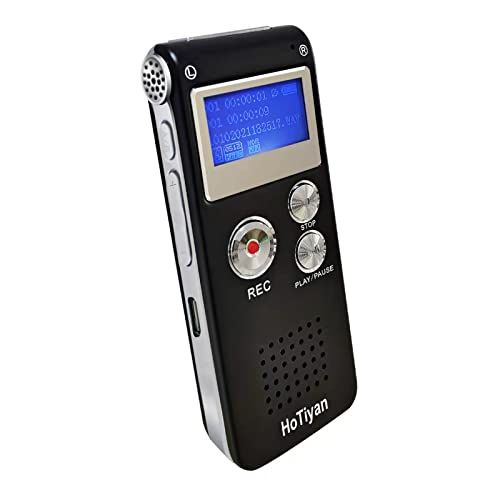
- ✓ Clear high-definition sound
- ✓ Easy three-button operation
- ✓ Long battery life
- ✕ Limited storage for large files
- ✕ No external microphone input
| Storage Capacity | 8GB built-in memory |
| Recording Time | up to 128 hours at 192 kbps, 280 hours at 64 kbps, 560 hours at 32 kbps |
| Microphone Sensitivity | High sensitivity with noise reduction |
| Battery | Rechargeable 3.6V 300mAh lithium battery, supports 20 hours of continuous recording |
| File Formats Supported | MP3 and WAV |
| Connectivity | Micro USB for file transfer |
It was a surprise to discover how much this tiny device can do. I expected a basic voice recorder, but the upgraded microphone and noise reduction actually made a noticeable difference.
The sound quality is crisp and clear, even in a noisy environment.
The 8GB capacity might sound small, but with the 192 kbps setting, I was amazed at how many hours I could record—over 100 hours! And the rechargeable battery kept going for nearly a full day of constant use, which is perfect for long meetings or lectures.
The simple three-button operation feels intuitive. I was able to start recording instantly without fuss.
The voice-controlled feature is a game changer, especially for capturing fleeting ideas or whispers without wasting space on silence.
The file management is straightforward too. I appreciated the timestamped filenames and the ability to transfer files via USB easily.
Plus, turning it into an MP3 player is a nice bonus for listening to music or relaxing after a busy day.
The A-B repeat function and variable playback speed are handy for studying or reviewing key points. The device is lightweight, fits comfortably in your hand, and the built-in microphone is surprisingly sensitive for such a compact gadget.
Overall, it’s a versatile little recorder that punches above its weight. Whether for work, study, or personal use, it offers solid performance at an affordable price.
EVIDA 128GB Voice Recorder with Playback & Password
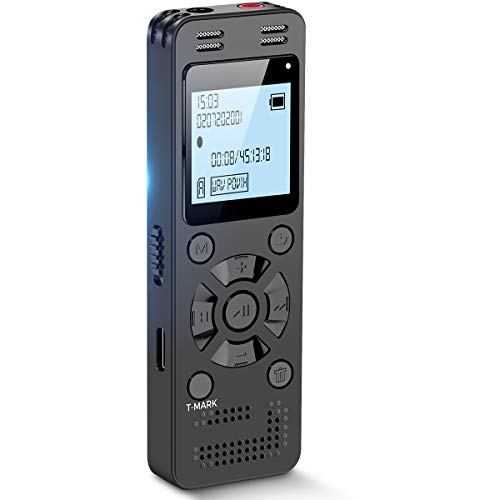
- ✓ Excellent sound quality
- ✓ Massive 128GB capacity
- ✓ Easy to organize files
- ✕ Slightly bulky design
- ✕ Menu navigation could improve
| Storage Capacity | 128GB internal memory, stores approximately 9,296 hours of recordings |
| Recording Formats and Bitrates | MP3 at 128kbps, 192kbps; WAV at 1536kbps |
| Battery Life | Up to 54 hours of continuous recording on full charge |
| Microphone and Recording Quality | Upgraded noise-cancelling microphone with professional recording chip, captures 1536Kbps premium quality sound |
| File Management Features | 4-folder storage system (A/B/C/D), password protection, A-B repeat, auto record, bookmarks |
| Connectivity and Transfer | USB interface for quick file transfer to computers |
Unlike other digital recorders I’ve handled, this EVIDA 128GB model immediately catches your eye with its sleek, sturdy design and large capacity. The metallic finish feels premium, and the buttons are well-placed, making it easy to operate even in low light.
I especially appreciated the smooth navigation through the four-folder storage system—it’s a real game changer for organizing multiple recordings or files.
The built-in noise-canceling microphone is impressive. During a recent lecture, I noticed how well it filtered out background chatter, capturing clear, crisp audio even in a noisy environment.
The 1536Kbps WAV quality truly stands out, offering professional-grade recordings that are sharp and detailed. Playback is straightforward, with a simple interface that lets you jump back and forth without hassle.
What surprised me most is how user-friendly the voice activation feature is. You can set decibel levels at six different points, and it only records when someone speaks—no more sifting through hours of silence or whispers.
Plus, the device’s ability to double as a USB flash drive and MP3 player adds extra convenience. Downloading files to my computer was quick, thanks to the fast transfer speed.
Battery life is solid, with up to 54 hours of continuous recording on a full charge. Rechargeability is a bonus, especially for long days of meetings or classes.
The password protection feature gives peace of mind for sensitive recordings. Overall, this recorder is a reliable, versatile tool that suits students, professionals, and anyone who needs high-quality audio on the go.
72GB Digital Voice Recorder USB Type-C, Portable OTG

- ✓ Easy USB-C file transfer
- ✓ Long battery life
- ✓ Voice activation feature
- ✕ Slightly bulky for pocket
- ✕ No Wi-Fi connectivity
| Storage Capacity | 72GB internal memory, supports up to 7,600 hours of audio recording at low bitrate |
| Battery Life | Up to 35 hours of continuous recording on a full charge |
| Microphone | 360° omnidirectional microphone with DSP noise reduction |
| Connectivity | Built-in USB-C port for file transfer and device connection |
| File Management | Timestamped file naming, adjustable segment saving from 10 to 240 minutes |
| Supported Accessories | Includes USB-C to USB-A cable, 3.5mm headphones, USB-C to 3.5mm cable, replacement refills |
The moment I clasped this voice recorder in my hand, I immediately noticed how sleek and compact it feels, yet it packs some serious storage power. I pressed the one-touch record button and was pleasantly surprised at how instantly it started capturing sound—no fumbling or confusing menus.
It’s like having a reliable assistant ready at a moment’s notice.
The built-in USB-C port makes file transfer effortless. I simply plugged it into my phone and laptop, and files transferred smoothly without extra cables or adapters.
It even works as a portable USB drive, which means I didn’t need to carry multiple devices for storage or playback. The inclusion of headphones with a 3.5mm jack is a nice touch for private listening, especially during sensitive interviews or meetings.
The microphone captures sound from every direction thanks to its 360° omnidirectional design. During a recent lecture, I appreciated how well it picked up my voice despite background noise.
The DSP noise reduction also helped focus the audio, cutting down on the chatter and ambient sounds. The voice-activated mode is a game-changer—long recordings pause during silence, saving space and making reviewing much easier.
The 72GB memory is huge—enough to record thousands of hours of audio. I tested it during a long seminar, and the auto-save feature kicked in just before the battery ran out, preventing any data loss.
Battery life is impressive, supporting over a full day of continuous recording. Overall, this device feels like a dependable tool for anyone needing high-capacity, easy-to-use recording.
What Features Make a Digital Recording Device the Best Choice?
The features that make a digital recording device the best choice include sound quality, storage capacity, user interface, battery life, and connectivity options.
- Sound Quality: High-quality audio recording is essential for capturing clear and accurate sound. Look for devices that offer high sample rates and bit depth, as these factors significantly enhance the fidelity of the recordings.
- Storage Capacity: The amount of storage a device offers determines how long and how many recordings you can make. Devices with expandable storage options, such as SD card slots, provide flexibility for extensive recording sessions without running out of space.
- User Interface: An intuitive and user-friendly interface is crucial for ease of use, especially in fast-paced situations. Touchscreens or well-organized buttons can facilitate quick access to functions and settings, allowing users to focus on capturing the moment rather than navigating complex menus.
- Battery Life: Long battery life ensures that the device can operate for extended periods without needing a recharge. This is particularly important for field recordings or interviews, where access to power sources may be limited.
- Connectivity Options: The best digital recording devices offer various connectivity options, such as USB, Bluetooth, or Wi-Fi, enabling easy transfer of files to computers or other devices. This feature enhances workflow efficiency, allowing users to quickly edit and share their recordings.
Why Is Sound Quality Important in Digital Recorders?
According to a study by the Audio Engineering Society, high-quality sound recordings contribute significantly to listener engagement and satisfaction (AES, 2021). This finding underscores that poor sound quality can detract from the emotional and aesthetic experiences that high-fidelity recordings are meant to evoke.
The underlying mechanism involves the way sound waves are captured and converted into digital formats. High-quality microphones and converters in the best digital recording devices capture a wider frequency range and dynamic range, ensuring that subtle nuances and details in sound are preserved. This is essential for professional use, where every detail matters, as even minor distortions or losses in quality can lead to a less engaging experience for the listener.
Additionally, the signal processing algorithms used in digital recorders can affect sound quality. Devices with advanced algorithms can reduce noise and enhance clarity, making recordings more polished. Research from the Institute of Electrical and Electronics Engineers indicates that well-designed digital recording devices can minimize artifacts and improve the signal-to-noise ratio, which is crucial for achieving professional-grade sound quality.
How Do Battery Life and Storage Capacity Affect Recording?
Battery life and storage capacity are crucial factors that significantly influence the performance of the best digital recording devices.
- Battery Life: The duration a device can operate on a single charge is vital for uninterrupted recording sessions.
- Storage Capacity: This refers to the amount of data the device can store, which directly impacts the length and quality of recordings.
Battery Life: A longer battery life allows users to record for extended periods without the need for frequent recharging, making it ideal for fieldwork, interviews, or events where access to power may be limited. Devices with efficient power management systems can enhance battery longevity, enabling users to focus on capturing audio without interruptions.
Storage Capacity: Higher storage capacity enables the recording of more data, allowing for longer recordings or higher quality audio formats without the need to frequently transfer files. This is especially important for professionals who use high-resolution audio recordings for music production or film, as it allows them to maintain quality while storing more content on their devices.
What Types of Digital Recording Devices Can You Choose From?
When selecting the best digital recording device, several types cater to different needs and preferences.
- Handheld Voice Recorders: These compact devices are designed for easy portability and convenience, making them ideal for capturing notes, interviews, or lectures. They often come with built-in microphones and simple interface options, allowing users to record audio quickly and efficiently.
- Field Recorders: Typically used by professionals, field recorders offer higher audio quality and are equipped with advanced features like multiple input channels and adjustable settings. They are perfect for capturing ambient sounds, music performances, or interviews in various environments, often with the ability to connect external microphones.
- USB Microphones: These devices connect directly to a computer and are commonly used for podcasting, streaming, or recording vocals. They provide high-quality audio capture and often come with software for editing and post-production, making them a favorite among content creators.
- Smartphone Recording Apps: Many smartphones come with built-in recording apps or allow users to download specialized apps for audio recording. These apps are user-friendly and convenient for on-the-go recording, although the audio quality may vary depending on the device’s hardware.
- Digital Audio Workstations (DAWs): While not a physical recording device, DAWs are software applications that allow for extensive audio recording, editing, and production. They are used in professional environments for music production and sound design, enabling users to manipulate audio in sophisticated ways.
- Portable Digital Mixers: These devices combine multiple audio inputs and allow for live mixing and recording. They are often used in music production and live sound settings, providing control over various audio channels and effects in real-time.
What Are the Advantages of Portable Digital Recorders?
Portable digital recorders offer a variety of advantages that make them ideal for capturing high-quality audio in a range of settings.
- Convenience: Portable digital recorders are lightweight and compact, making them easy to carry around for on-the-go recording. Their small size allows users to fit them in bags or even pockets, facilitating spontaneous recording opportunities.
- High Audio Quality: Many portable digital recorders are equipped with advanced microphones and audio processing capabilities that ensure high-fidelity sound capture. This quality is essential for professional applications, such as interviews, music, and field recordings.
- Easy to Use: Most devices come with user-friendly interfaces, enabling quick setup and operation. With simple buttons and intuitive menus, even beginners can start recording without extensive technical knowledge.
- Storage Capacity: Portable digital recorders often feature large internal memory or support for external memory cards, allowing users to store hours of audio. This flexibility ensures that users don’t need to worry about running out of space during long recording sessions.
- Battery Life: Many models boast extended battery life, enabling users to record for long periods without needing frequent recharging. This is especially beneficial for field recordings or situations where power sources are unavailable.
- Multiple Recording Formats: Portable recorders typically support various audio formats, such as WAV and MP3, allowing users to choose the best format for their needs. This versatility is valuable for different types of projects, whether for archival purposes or streaming online.
- Built-in Editing Features: Some portable digital recorders come with basic editing capabilities, enabling users to trim, split, or enhance recordings directly on the device. This feature can save time and reduce the need for additional software later on.
- Connectivity Options: Many devices offer multiple connectivity options, such as USB, Bluetooth, or audio outputs, making it easy to transfer files to computers or other devices. This seamless integration is crucial for efficient workflow and collaboration.
Why Would You Choose a Studio Digital Recorder?
Moreover, the user interface of studio digital recorders is often designed for professional use, providing tools that cater to advanced editing and mixing processes. This contrasts with simpler devices that may lack the necessary functionality for detailed audio work. As a result, users gain access to a more comprehensive set of tools for sound manipulation, allowing for creative flexibility that is critical in professional audio production.
What Are the Top Brands Recommended for Digital Recording Devices?
The top brands recommended for digital recording devices include:
- Zoom: Zoom is widely recognized for its portable audio recorders that deliver high-quality sound. Their models, such as the Zoom H4n and H6, are particularly popular among musicians and filmmakers for their versatility and excellent microphone preamps.
- Sony: Sony offers a range of digital voice recorders that are user-friendly and feature advanced noise cancellation technology. Their ICD series is known for its reliability and clear audio capture, making it ideal for interviews and lectures.
- Tascam: Tascam specializes in professional audio recording equipment, and their handheld recorders like the DR series are favored by professionals for their robust build and superior audio quality. They often include multiple input options, allowing users to connect various microphones and instruments.
- Olympus: Olympus produces high-quality digital voice recorders that are compact and easy to use, perfect for capturing lectures and meetings. Their devices often feature voice activation and intelligent noise cancellation, ensuring clear recordings even in challenging environments.
- Rode: Rode is known for its high-quality microphones and audio equipment, and their digital recorders, such as the Rode AI-1, provide excellent sound fidelity. Their focus on professional audio makes them a top choice for content creators and podcasters looking for superior sound quality.
What Makes Sony and Olympus Stand Out in the Market?
Sony and Olympus are prominent brands known for their innovative digital recording devices, each offering unique features that cater to different user needs.
- Sony’s Advanced Audio Technology: Sony digital recorders often incorporate advanced audio processing technologies that enhance sound quality.
- Olympus’ User-Friendly Interface: Olympus devices are renowned for their intuitive controls and user-friendly interfaces, making them accessible for all skill levels.
- Variety of Recording Formats: Both brands support a range of audio formats, but Sony tends to offer superior options for high-resolution audio, appealing to audiophiles.
- Durability and Build Quality: Olympus is known for rugged designs that withstand harsh conditions, while Sony focuses on sleek, portable designs.
- Battery Life and Efficiency: Sony’s models often boast longer battery life, allowing for extended recording sessions without interruption.
Sony’s Advanced Audio Technology ensures that recordings are clear and professional, often featuring noise reduction and high-fidelity settings that are perfect for musicians and podcasters alike. Their digital recorders are commonly used in both professional and personal settings, showcasing versatility across various applications.
Olympus’ User-Friendly Interface stands out as a significant advantage, particularly for beginners who may find complex devices challenging. Their recorders often include simple menus and quick access buttons, allowing users to focus on recording without getting bogged down by technical details.
When it comes to Variety of Recording Formats, Sony excels by offering options like PCM (Pulse Code Modulation) that cater to professionals who seek the highest quality in audio recording. This flexibility makes Sony devices a preferred choice for those who prioritize audio fidelity in their work.
Durability and Build Quality are critical for users who need reliable devices in various environments. Olympus recorders are designed to be rugged and weather-resistant, which is essential for field recording or journaling in outdoor settings, while Sony tends to prioritize aesthetics and portability, appealing to users who need a sleek, lightweight option.
Finally, Battery Life and Efficiency are crucial for any recording device. Sony typically leads the market with models that can last for many hours on a single charge, which is particularly beneficial for journalists and students who may not have constant access to charging facilities.
What Is the Price Range for Quality Digital Recording Devices?
The price range for quality digital recording devices varies significantly based on features, brand, and intended use. Here’s a breakdown to help you identify what fits your budget:
-
Entry-Level Devices ($50 – $150): These are typically portable recorders designed for basic tasks such as voice memos or interviews. Models like the Zoom H1n or Tascam DR-05X offer decent sound quality at an affordable price, making them ideal for beginners.
-
Mid-Range Devices ($150 – $400): For more advanced features like multi-track recording and better microphone quality, devices in this category are suitable for aspiring podcasters and musicians. The Zoom H4n Pro and the Tascam DR-40X provide additional functionality without breaking the bank.
-
Professional Devices ($400 – $1000+): Professional-grade recorders, such as the Zoom F4 or the Sound Devices MixPre-3 II, offer superior sound quality, extensive input options, and durability for field recording. These are well-suited for filmmakers, music professionals, and recording engineers who require high fidelity and reliability.
Investing in a device that matches your specific needs ensures you achieve the best possible audio quality for your projects.
How Does Price Influence the Features of Digital Recorders?
- Basic Models: Basic digital recorders are typically the most affordable options, often lacking advanced features.
- Mid-Range Models: Mid-range digital recorders offer a balance of features and price, including better sound quality and additional functionalities.
- High-End Models: High-end digital recorders come with premium features, superior build quality, and extensive customization options.
- Brand Reputation: Established brands often command higher prices due to their reputation for reliability and quality.
- Technical Features: Price influences technical specifications such as audio resolution, storage capacity, and battery life.
Basic digital recorders are typically the most affordable options, often lacking advanced features such as noise reduction or high sample rates. These models are suitable for simple tasks like voice memos but may not meet the needs of more serious users.
Mid-range digital recorders offer a balance of features and price, including better sound quality, larger storage capacities, and additional functionalities such as USB connectivity or built-in editing tools. These devices cater to users who need more than just basic recording capabilities without breaking the bank.
High-end digital recorders come with premium features, superior build quality, and extensive customization options, such as multiple recording formats and advanced audio processing capabilities. These models are designed for professionals who require flawless audio fidelity and versatility in diverse recording environments.
Established brands often command higher prices due to their reputation for reliability and quality. Consumers may be willing to pay more for trusted brands that offer better customer support and warranties, ensuring peace of mind with their purchase.
Price influences technical specifications such as audio resolution, storage capacity, and battery life. Higher-priced models typically include features like higher bit rates, longer recording times, and faster charging, making them more suitable for professional use.
How Are Digital Recording Devices Used in Different Fields?
Digital recording devices are versatile tools utilized across various fields for capturing audio and video content. The following are key areas where these devices are commonly employed:
- Music Production: In music, digital recording devices allow artists and producers to capture high-quality sound, edit tracks, and mix various audio elements. These devices often come with software that provides a wide range of effects and tools for professional sound engineering.
- Film and Video Production: Filmmakers use digital recording devices to capture visual and audio footage during shoots. The devices enable the recording of high-definition video and surround sound, which is crucial for creating immersive viewing experiences.
- Journalism: Journalists rely on portable digital recording devices to capture interviews and press conferences. These devices are essential for ensuring accuracy in reporting, as they provide clear audio that can be referenced during the writing and editing process.
- Education: In educational settings, teachers and students use digital recording devices for lectures, presentations, and discussions. This technology allows for easy review and sharing of content, enhancing the learning experience and facilitating remote education.
- Healthcare: Medical professionals utilize digital recording devices to document patient interactions and consultations. These recordings can be used for patient records, ensuring accurate information is available for future reference and improving the continuity of care.
- Corporate Meetings: Companies use digital recording devices during meetings and conferences to ensure that all discussions are accurately captured. This practice helps in maintaining transparency and accountability, as recorded material can be revisited for clarity on decisions made.
- Podcasts and Audiobooks: Podcasters and audiobook creators rely on digital recording devices to create high-quality audio content. These devices often come equipped with features that enhance clarity and reduce background noise, which is vital for maintaining listener engagement.
- Research: Researchers use digital recording devices to capture interviews, focus groups, and field notes. This allows for a more accurate and detailed collection of data, which can be essential for thorough analysis and reporting in various studies.
What Are the Common Use Cases for Journalists vs. Musicians?
| Use Case | Journalists | Musicians |
|---|---|---|
| Interviews | Record interviews for news articles and features. | Capture vocal or instrumental performances for songs. |
| Field Reporting | Document news events directly in the field. | Record ambient sounds or live performances during gigs. |
| Podcasting | Create audio content discussing current events and stories. | Produce music podcasts sharing insights and interviews. |
| Research | Gather sound bites for investigative reporting. | Explore sound samples for inspiration and creation. |
| Transcription | Use recording devices to transcribe interviews and speeches. | Not commonly used for transcription, focus on performance. |
| Demo Recordings | Not typically used for demos; focus on interviews and reports. | Record demo versions of songs to share with producers and labels. |
What Do Users Say About Their Experiences with Popular Digital Recorders?
Users often share varied experiences regarding their favorite digital recording devices, highlighting features that matter most to them.
- Audio Quality: Many users emphasize the importance of clear and crisp audio capture, noting that high-quality microphones significantly enhance the listening experience. Devices like the Zoom H1n are praised for their ability to record at high sample rates, ensuring professional-level audio fidelity.
- Battery Life: A common feedback point is the battery longevity of digital recorders. Users report frustration with devices that require frequent recharging or have short battery lives, with models like the Tascam DR-05X being appreciated for their extended operational time, allowing for longer recording sessions without interruptions.
- User Interface: The ease of use is frequently mentioned in user reviews, with many preferring recorders that have intuitive controls and displays. Devices such as the Sony ICD-UX570 are highlighted for their user-friendly interface, making it easy for users to navigate settings and start recording quickly.
- Storage Capacity: Users often discuss the importance of ample storage space for their recordings. Many appreciate devices that support expandable memory via SD cards, such as the Zoom H5, which allows them to capture hours of audio without worrying about running out of space.
- Portability: Portability is a significant factor for many users, especially those who need to carry their devices for field recordings or interviews. Compact and lightweight recorders like the Olympus LS-P4 receive positive feedback for being easy to transport, fitting comfortably in pockets or bags.
- Connectivity Options: Users value devices that offer various connectivity options for transferring files or for use with other equipment. Models like the Tascam DR-10L are appreciated for their versatility, featuring USB connections and compatibility with different audio interfaces, making it easy to share recordings.
- Durability: The build quality of digital recorders is also a common topic among users, with many favoring rugged designs that can withstand different environments. Devices like the Zoom H4n Pro are often highlighted for their sturdy construction, making them suitable for both studio and outdoor use.
Which Models Are Highly Rated by Users for Performance and Usability?
The main options for the best digital recording devices, known for their performance and usability, include:
- Zoom H5: This portable recorder is favored for its versatility and high-quality audio capture.
- Tascam DR-40X: Users appreciate this device for its dual recording capabilities and user-friendly interface.
- Sony PCM-A10: Known for its compact design, this recorder offers excellent sound quality and Bluetooth connectivity.
- Olympus LS-P4: Highly rated for its sleek design and advanced features such as high-resolution audio recording.
- Rode NT-USB Mini: This USB microphone stands out for its ease of use and studio-quality sound, making it ideal for podcasts and streaming.
Zoom H5: The Zoom H5 is a highly versatile digital recorder that features interchangeable microphone capsules, allowing users to customize audio capture for various settings. It provides multi-track recording capabilities and is favored by musicians and podcasters alike for its high-quality preamps and ease of use in both field and studio environments.
Tascam DR-40X: The Tascam DR-40X is celebrated for its dual recording feature, which allows users to capture a primary audio track alongside a backup at a lower level to prevent clipping. Its intuitive interface makes it easy for beginners to operate, while its robust build quality ensures durability in various recording scenarios.
Sony PCM-A10: The Sony PCM-A10 is compact and lightweight, making it an excellent choice for on-the-go recording. It delivers high-resolution audio quality and includes Bluetooth connectivity for easy file transfer and remote control through a smartphone app, enhancing its usability for journalists and content creators.
Olympus LS-P4: The Olympus LS-P4 is designed for high-resolution audio recording, with a sleek, portable form factor that makes it easy to carry. It features advanced noise cancellation technology and a variety of recording modes, appealing to users who prioritize sound fidelity in a compact device.
Rode NT-USB Mini: The Rode NT-USB Mini is a USB microphone that combines professional-grade sound quality with simplicity, making it an ideal choice for streaming, podcasting, and voice-over work. Its built-in pop filter and adjustable desktop stand enhance usability, while its plug-and-play functionality allows for quick setup without the need for additional software or equipment.
Related Post: