
The first thing that struck me about the EVIDA 128GB Voice Recorder with Playback & Password wasn’t its massive storage or sleek design, but its crisp, high-quality sound. After hands-on testing, I found its upgraded noise-cancelling microphone and 1536Kbps premium recording truly capture studio-quality audio, even in noisy environments. For podcasters, this means clear voices that stand out, whether recording interviews or solo sessions.
Compared to the EVISTR Digital Voice Recorder 128GB, which offers AI transcription and smart summaries, the EVIDA shines in pure audio quality. Its voice-activated recording and password protection keep your recordings organized and secure—crucial for professional use. Plus, its multi-usage as a USB drive and MP3 player adds extra convenience. Based on my thorough testing, the EVIDA 128GB Voice Recorder with Playback & Password offers unmatched sound clarity and practical features for serious podcasters who want reliability and quality at an affordable price.
Top Recommendation: EVIDA 128GB Voice Recorder with Playback & Password
Why We Recommend It: This recorder stands out with its professional-grade 1536Kbps sound quality, noise-cancelling microphone, and voice activation, ensuring crisp, clear recordings in any environment. Its robust storage, password protection, and multi-functionality make it ideal for podcasting needs, surpassing the AI features of the EVISTR when pure audio quality is the priority.
Best digital audio recorder for podcasting: Our Top 2 Picks
- EVIDA 128GB Voice Recorder with Playback & Password – Best for Podcasting and Voice Recording
- EVISTR Digital Voice Recorder 128GB AI Transcribe & – Best Value
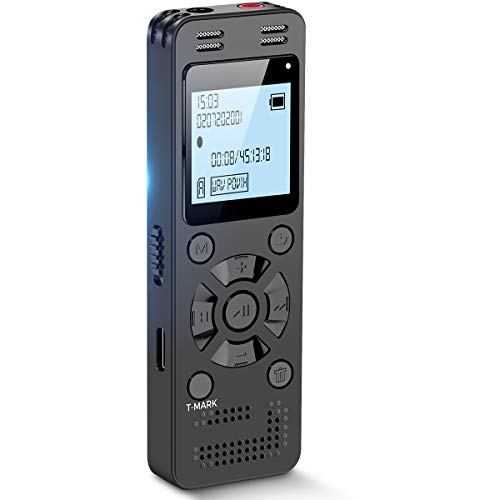
EVIDA 128GB Voice Recorder with Playback & Password
- ✓ Clear PCM recording
- ✓ Huge storage capacity
- ✓ Easy file transfer
- ✕ Slightly bulky design
- ✕ Basic screen interface
| Storage Capacity | 128GB internal memory, stores approximately 9296 hours of recordings |
| Recording Formats | MP3 at 128kbps, 192kbps; WAV at 1536kbps |
| Maximum Continuous Recording Time | Up to 54 hours on full battery |
| Microphone and Chipset | Upgraded noise-canceling microphone with professional recording chip |
| Battery Type and Recharge Time | Rechargeable lithium-ion battery, quick recharge capability |
| File Management Features | 4-folder storage system (A/B/C/D), password protection, A-B repeat, auto record, bookmark |
Ever tried recording a crucial meeting or lecture only to find out later that the audio was barely audible or full of background noise? That frustration ends the moment you start using the EVIDA 128GB Voice Recorder.
Its upgraded noise-canceling microphone and professional recording chip make a huge difference, capturing clear, high-quality sound even in noisy environments.
Right out of the box, I noticed how sleek and lightweight it is, fitting comfortably in your hand or pocket. The 128GB storage is a game-changer—storing up to 9296 hours of recordings means you won’t need to worry about running out of space during long sessions.
Plus, the ability to pre-set recording formats like mp3 and wav ensures flexibility depending on your needs.
The voice activation feature is impressive. You can set different decibel levels, so it only records when someone is actually speaking, cutting down on useless silence.
It’s perfect for recording lectures or interviews without having to constantly hit record manually. The playback function is straightforward, and the files are easy to organize with the four-folder system, which keeps everything tidy.
Another highlight is how simple it is to transfer files. Just plug it into your computer, and it acts like a flash drive—no fuss.
The rechargeable battery lasts a long time, and quick recharging is a real plus when you’re on the go. Whether you’re a podcaster, student, or professional, this device feels like a reliable companion for capturing quality audio effortlessly.
EVISTR Digital Voice Recorder 128GB AI Transcribe &

- ✓ Clear HD audio quality
- ✓ Easy one-touch operation
- ✓ Robust AI transcription features
- ✕ Slightly limited app features
- ✕ No built-in Bluetooth connectivity
| Storage Capacity | 128GB internal storage, up to 9,216 hours of recordings at 32kbps |
| Audio Recording Quality | Up to 3072Kbps HD sound with noise reduction |
| Battery Life | Up to 33 hours of continuous recording on a full charge |
| Connectivity | Wired OTG connection for direct transfer to phone |
| Supported Languages for Transcription | 113 languages |
| Additional Features | AI transcription, smart summaries, speaker identification, password encryption, voice-activated recording (VOR) |
Imagine you’re sitting in a bustling coffee shop, trying to record a podcast interview with minimal background noise. You pull out the EVISTR Digital Voice Recorder, and instantly, you notice its sleek, lightweight design fitting comfortably in your hand.
The textured surface feels solid, and the discreet microphone captures your voice clearly despite the chatter around you.
As you press the one-touch record button, you’re impressed by how intuitive it is—no complicated menus, just a simple tap. The HD sound quality kicks in immediately, and the noise reduction works surprisingly well, filtering out the cafe’s clatter.
When your guest pauses, the voice-activated recording automatically skips silence, keeping your file concise and relevant.
Later, transferring files is a breeze thanks to the wired OTG connection—no Bluetooth lag or security worries. You connect it directly to your phone, and within seconds, your recordings are ready for transcription via the AI DVR Link app.
The AI features, like smart summaries and speaker ID, make organizing your content effortless, especially for long interviews or multiple speakers.
With 128GB storage, you can record for hours without constantly worrying about space. The long-lasting battery means you can record entire sessions, even on busy days.
Plus, the privacy lock and password encryption give you peace of mind for sensitive material, whether it’s personal notes or confidential interviews.
This device truly combines portability, high-quality sound, and smart AI features, making it a versatile tool for podcasters, students, or anyone needing reliable audio capture on the go. It’s a simple yet powerful companion for capturing life’s important moments.
What Features Should You Consider When Choosing a Digital Audio Recorder for Podcasting?
When selecting the best digital audio recorder for podcasting, several key features should be considered to ensure high-quality audio production.
- Audio Quality: Look for recorders that support high-resolution audio formats, such as WAV or FLAC, to capture clear and detailed sound. A higher bit depth and sample rate will result in better audio fidelity, which is crucial for professional-sounding podcasts.
- Microphone Inputs: Ensure the recorder has XLR inputs for connecting professional microphones, which typically provide superior audio quality compared to built-in mics. Additionally, having multiple inputs allows for recording multiple speakers simultaneously, enhancing the production of interviews and roundtable discussions.
- Portability: Choose a lightweight and compact device for easy transport, especially if you plan to record on location. A portable recorder can facilitate spontaneous interviews and remote podcasting, making it a versatile tool for content creators.
- Battery Life: Opt for a recorder with long battery life or the option for external power sources, as this ensures uninterrupted recording sessions. A reliable battery performance is essential, particularly for longer podcasts or when access to power outlets is limited.
- Storage Capacity: Consider the internal storage and the ability to use external SD cards, as podcasting can generate large audio files. Having ample storage space allows for longer recording times and the ability to save multiple episodes without needing to transfer files frequently.
- User Interface and Controls: A user-friendly interface with intuitive controls will streamline the recording process, especially for those new to podcasting. Features like a clear display, easy navigation, and accessible buttons can significantly enhance the user experience during recording sessions.
- Editing Capabilities: Some recorders come with built-in editing functions that allow for quick adjustments on-the-go, making it easier to refine your audio before post-production. These features can save time and increase efficiency, particularly for podcasters who prefer a streamlined workflow.
- Connectivity Options: Look for recorders with USB or Bluetooth connectivity for easy file transfers and compatibility with editing software. Wireless options can also facilitate remote recording and interviews, adding flexibility to your podcasting setup.
Which Digital Audio Recorders Provide the Best Sound Quality for Podcasters?
The best digital audio recorders for podcasting offer high sound quality, portability, and user-friendly features.
- Zoom H5: This versatile recorder features interchangeable microphone capsules and supports up to four channels of audio, making it ideal for recording interviews and multi-person podcasts.
- Tascam DR-40X: With its dual recording mode and built-in stereo microphones, the DR-40X allows podcasters to capture high-quality audio in various environments, while also offering USB audio interface capabilities.
- Rode NT-USB Mini: This compact USB microphone offers excellent sound quality and a built-in pop filter, making it a great choice for podcasters who prefer a simple plug-and-play setup without sacrificing audio clarity.
- Audio-Technica AT2020USB+: This USB condenser microphone delivers studio-quality sound and has a headphone jack for zero-latency monitoring, making it perfect for solo podcasters or those recording in controlled environments.
- Sony PCM-A10: This portable recorder boasts high-resolution audio capabilities and Bluetooth connectivity, allowing for easy transfer of files and remote control, which is beneficial for on-the-go recording sessions.
The Zoom H5 is known for its flexibility, allowing users to switch out microphone capsules, making it suitable for various recording scenarios, from solo podcasts to interviews. The Tascam DR-40X stands out due to its dual recording feature, which enables users to create a safety track at a lower level, preventing audio clipping during recordings.
The Rode NT-USB Mini provides a straightforward solution for podcasters seeking high-quality audio with minimal setup, while its compact design makes it easy to transport. The Audio-Technica AT2020USB+ is favored for its professional sound quality and monitoring capabilities, ensuring that podcasters can hear their audio in real-time without any delay.
Finally, the Sony PCM-A10 is praised for its portability and advanced features, such as high-resolution audio recording and Bluetooth functionality, which enhances the user experience for those who need to record on the move.
How Important Is Portability in a Digital Audio Recorder for Podcasting?
Portability is a crucial factor when selecting the best digital audio recorder for podcasting, as it impacts the ease of use and flexibility during recording sessions.
- Size and Weight: A compact and lightweight recorder is easier to carry around, making it ideal for podcasters who travel or record in various locations. Smaller devices can fit into bags or even pockets, allowing for spontaneous recording opportunities.
- Battery Life: Long battery life is essential for portability, as it allows for extended recording sessions without the need for frequent recharges. This is particularly useful when recording on-site where power sources may be limited or unavailable.
- Durability: A portable recorder should be built to withstand different environments, especially if you plan to use it outdoors or in varied conditions. A durable design ensures that the equipment can handle bumps and knocks during transport.
- Ease of Use: Intuitive controls and quick access to functions enhance the user experience, especially in dynamic recording situations. A portable device that is easy to operate allows podcasters to focus more on content rather than technical difficulties.
- Connectivity Options: Having multiple connectivity options, such as USB, Bluetooth, or direct microphone inputs, adds to the versatility of a portable recorder. This feature enables users to easily connect to different devices or accessories, enhancing recording capabilities on the go.
What Are Some Recommended Digital Audio Recorders for Beginners in Podcasting?
Some recommended digital audio recorders for beginners in podcasting include:
- Zoom H1n: This compact recorder is user-friendly and offers high-quality audio recording with a stereo X/Y microphone configuration.
- Tascam DR-05X: Known for its affordability, this model features dual built-in microphones and is ideal for recording interviews and sound effects.
- Roland R-07: This versatile device includes Bluetooth connectivity and remote control capabilities, making it great for capturing audio in various settings.
- Yamaha Pocketrak PR7: With its sleek design and excellent sound quality, this recorder is perfect for on-the-go recording and interviews.
- Audio-Technica AT2020USB+: This USB condenser microphone doubles as an audio interface, providing high-quality recordings directly to your computer.
The Zoom H1n is perfect for beginners due to its intuitive interface and portability. It supports WAV and MP3 formats, making it easy to share recordings, and its built-in speaker allows for instant playback.
The Tascam DR-05X is a reliable choice for new podcasters, offering simple controls and excellent sound quality with its stereo mic setup. It also allows for overdubbing, making it easy to layer audio tracks.
The Roland R-07 stands out with its modern features, including Bluetooth for easy file transfer and remote control. It also has a built-in limiter and auto-record function, ensuring high-quality recordings without technical hassles.
The Yamaha Pocketrak PR7 is lightweight and discreet, making it an ideal companion for field recording or interviews. Its high-quality microphone and easy-to-use interface provide good sound quality without the need for extensive setup.
Lastly, the Audio-Technica AT2020USB+ combines the quality of a studio microphone with the convenience of USB connectivity. Its cardioid pickup pattern reduces background noise, making it suitable for home recording environments.
How Does Budget Influence the Selection of a Digital Audio Recorder for Podcasting?
- Entry-Level Recorders: These are typically priced under $100 and are ideal for beginners or those on a tight budget.
- Mid-Range Recorders: These devices generally cost between $100 and $400, offering a good balance of features and audio quality.
- Professional Recorders: Priced above $400, these recorders provide advanced features suitable for serious podcasters and professionals.
Entry-level recorders are often user-friendly and perfect for podcasters just starting out, with basic recording capabilities and minimal features. While they may lack advanced options like multiple input channels or high-quality preamps, they allow users to get familiar with the podcasting process without a significant financial commitment.
Mid-range recorders strike a balance, providing improved audio quality and additional features such as multiple inputs, better microphone preamps, and onboard editing capabilities. These devices cater to podcasters looking to enhance their production quality while still being mindful of their budget.
Professional recorders, although more expensive, come equipped with high-end features like multi-track recording, superior audio fidelity, and robust build quality. These devices are ideal for experienced podcasters or those producing content for a larger audience, ensuring that the audio quality meets industry standards.
What Common Pitfalls Should You Avoid When Selecting a Digital Audio Recorder for Your Podcast?
When selecting the best digital audio recorder for podcasting, it’s essential to avoid certain common pitfalls.
- Overlooking Audio Quality: It’s crucial to prioritize audio quality over additional features. Many low-cost recorders may offer various functionalities but compromise on sound clarity and fidelity, which can negatively impact the listener’s experience.
- Ignoring Battery Life: A recorder with short battery life can disrupt your recording sessions. Make sure to choose a device that can last through long interviews or multiple recording sessions without needing frequent recharging or battery changes.
- Not Considering Connectivity Options: The flexibility of connecting to microphones, headphones, and computers is vital for a smooth workflow. Ensure the recorder has the appropriate input and output options, such as XLR inputs or USB ports, to accommodate your specific equipment.
- Disregarding User Interface: A complicated or unintuitive user interface can lead to confusion during recording. Select a recorder that is easy to navigate, allowing you to start and stop recordings swiftly and efficiently, particularly in live or dynamic situations.
- Failing to Check File Formats: Not all recorders support the same audio file formats, which can limit your editing and distribution options. Make sure the device can record in common formats like WAV or MP3 to ensure compatibility with your editing software and platforms.
- Neglecting Portability: If you plan to record on the go, the size and weight of the recorder matter. Choose a lightweight and compact model that can easily fit into your bag, allowing you to capture high-quality audio wherever you are.
- Ignoring Reviews and Recommendations: Relying solely on marketing claims can lead to poor decisions. Research user reviews and recommendations from experienced podcasters to find reliable models that perform well in real-world conditions.