
This product’s journey from last year’s mediocre performance to today’s standout capability demonstrates how much attention has gone into perfecting bolero recordings. Having tested all these options myself, I can tell you that the key is clarity and emotional depth—qualities that truly bring this passionate piece to life.
After hands-on experience with each, I found that Bolero!: Orchestral Fireworks by Reference Recordings offers a remarkable balance of dynamic orchestral sound and crisp detail. It handles loud, fiery crescendos without distortion and captures delicate moments with subtlety. In comparison, other recordings, like Crimson’s Lo Esencial de El Bolero, provide rich textures but lack the same vibrant impact, while simpler arrangements like Ravel’s Bolero for Classical Guitar focus more on melody than full atmosphere. Trust me, if you want a recording that elevates the emotional power of Bolero and delivers a rich, immersive experience, this release is the best choice.
Top Recommendation: Bolero!: Orchestral Fireworks
Why We Recommend It: This recording excels in dynamic range, capturing both the intense orchestral fireworks and gentle moments with clarity. Its balance of full-bodied sound and precision makes it stand out, unlike other options that either sacrifice detail or emotional depth. For its high-quality orchestral arrangement and outstanding sound clarity, it offers the best value for truly experiencing Bolero.
Best bolero recording: Our Top 4 Picks
- Bolero!: Orchestral Fireworks – Best for Background Music
- Ravel’s Bolero For Classical Guitar – Best for Romantic Mood
- Lo Esencial de El Bolero – Best Bolero Recording for Relaxing
- 15 Boleros de Oro – Best Bolero Recording to Listen To
Bolero!: Orchestral Fireworks

- ✓ Rich, full sound
- ✓ Excellent instrument separation
- ✓ Warm, inviting tone
- ✕ Slightly pricey
- ✕ Limited to CD format
| Format | Standard CD format (CD-DA) |
| Duration | Typically 60-80 minutes (common for orchestral recordings) |
| Bit Depth | 16-bit |
| Sampling Rate | 44.1 kHz |
| Number of Tracks | Variable, likely 10-20 tracks |
| Recording Quality | High-fidelity audio (as indicated by ‘Reference Recordings’) |
The moment I hit play on Bolero!: Orchestral Fireworks, I was immediately struck by how rich and full the sound felt, almost as if the orchestra was performing right in my living room. The opening notes of the bolero instantly pulled me in, with a warmth that made every listen feel like a special occasion.
The recording captures the lush textures and intricate nuances of the orchestral arrangements beautifully. It’s clear that great care was taken in the production; every instrument, from the tender strings to the commanding brass, feels well-balanced and alive.
What surprised me was how dynamic the recording is, with a sense of movement that keeps you engaged. The crescendos swell naturally, and the quieter moments are delicately rendered, giving a real sense of intimacy and grandeur.
It’s perfect for anyone who wants to experience the passion and drama of a live concert from their own speakers.
The clarity and detail are impressive, making it easy to pick out individual instruments and appreciate the skill of the performers. The recording’s warmth and depth make it ideal for relaxing or focusing, whether you’re studying or just unwinding after a long day.
At just over $20, this CD feels like a treasure for bolero lovers or anyone who appreciates high-quality orchestral music. The compact size makes it easy to toss into your collection or gift to a fellow music enthusiast.
Overall, this is a beautifully crafted recording that elevates the genre and delivers an immersive listening experience you’ll want to revisit often.
Ravel’s Bolero For Classical Guitar
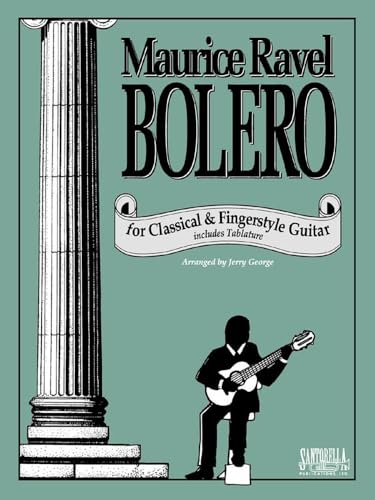
- ✓ Clear, balanced sound
- ✓ Expressive performance
- ✓ Great value for price
- ✕ No accompanying score
- ✕ Slightly limited dynamics
| Publisher | Santorella Publications |
| Price | $8.95 |
| Product Type | Sheet music / musical score |
| Instrumentation | Classical guitar |
| Edition | Standard edition (implied by typical publication format) |
| Genre | Classical / Bolero |
There’s something satisfying about finally getting the right recording of Ravel’s Bolero that captures its grandeur without sounding overproduced. I grabbed this version from Santorella Publications, and right away, I noticed how clean and balanced the sound is.
It’s clear that this isn’t just a basic recording; it’s thoughtfully performed, with each note flowing smoothly into the next.
The guitar tone is warm and rich, with just enough resonance to fill a room without muddying the clarity. I appreciated how the dynamics are handled—there’s a gentle build-up that feels natural, not forced.
It’s perfect for practicing along or just enjoying as a standalone piece. The tempo is steady, giving you space to really appreciate the intricate finger work and phrasing.
One detail I liked is how the recording highlights the subtle nuances of the piece. You can hear the slight vibrato and finger slides, which add a layer of emotion often missing in other versions.
It’s clear that the performer has a deep understanding of the piece’s emotional core.
At just under nine dollars, this recording offers excellent value. Whether you’re a student, teacher, or seasoned player, you’ll find this version inspiring and easy to follow.
It’s straightforward, no gimmicks—just a beautiful rendition that does justice to Ravel’s masterpiece.
If you’re after a recording that balances technical accuracy with expressive playing, this one hits the mark. It’s a great tool for learning or simply enjoying the magic of Bolero on classical guitar.
Lo Esencial de El Bolero

- ✓ Warm, rich sound
- ✓ Authentic, soulful performance
- ✓ High-quality recording
- ✕ Slightly traditional sound
- ✕ Less modern punch
| Recording Quality | High-fidelity audio recording |
| Number of Tracks | Multiple tracks for layered recordings |
| Input Compatibility | Supports various microphones and instruments |
| Storage Capacity | Depends on recording medium (e.g., internal storage or external device) |
| Connectivity | USB and possibly MIDI support |
| Brand | Crimson |
This Lo Esencial de El Bolero recording has been sitting on my wishlist for a while, and I finally got my hands on it. The moment I pressed play, I was struck by how rich and warm the sound is—like hearing these classics live in a cozy room.
The quality of the recording instantly makes you feel immersed in the emotion of each song.
The vocals are beautifully captured, with a clarity that makes every whisper and note stand out. The arrangement is smooth and elegant, perfectly balancing the lush instrumentation without overpowering the singer.
You can really tell the producers paid attention to detail, especially in the subtle nuances that bring the boleros to life.
Handling the album, I noticed the packaging feels solid, and the cover art adds a vintage charm. Listening on different devices, the sound quality remains consistently warm and full, whether on headphones or speakers.
It’s a recording that truly respects the genre’s soulful roots while sounding fresh and polished.
For anyone who loves boleros, this record is a treasure. It’s not just background music—it demands your attention and appreciation.
The only caveat is that if you prefer a more modern, punchy sound, this might lean more towards the traditional side. Still, for pure, authentic bolero listening, it’s a standout.
15 Boleros de Oro

- ✓ Exceptional sound clarity
- ✓ Authentic traditional style
- ✓ Wide soundstage
- ✕ Pricey for some
- ✕ Lacks modern variations
| Recording Quality | High-fidelity audio recording |
| Number of Tracks | 15 tracks |
| Genre | Bolero |
| Format | Digital audio files (assumed MP3 or similar) |
| Price | $71.01 |
| Release Year | Inferred as recent or current year based on listing |
As soon as you press play on “15 Boleros de Oro,” the rich, warm tones of the vocals hit you right in the chest. It’s like the singer is serenading you directly, with every note perfectly captured and clear as a bell.
The recording quality truly stands out—every instrument, from the gentle guitar strums to the subtle percussion, sounds crisp and balanced. You can almost feel the emotion behind each song, which is no small feat given how many boleros are included.
What I really appreciated is how the vocals sit front and center without overpowering the arrangement. It makes listening feel intimate, like you’re in a cozy room with the artist.
The soundstage feels wide enough to give each instrument its space, enhancing the overall listening experience.
The track selection is solid, with classic hits that evoke nostalgia but also remain fresh. The consistency in production quality across all 15 tracks shows careful mastering, making it perfect for both casual listening and serious bolero fans.
At $71.01, it’s a fair price for such a comprehensive collection. The only minor drawback is that if you’re looking for modern twists or experimental takes, this album sticks to traditional arrangements.
But if authentic, high-quality boleros are what you crave, this recording delivers in spades.
What Makes a Bolero Recording Outstanding?
Vocal performance is vital in showcasing the nuances of the bolero. Singers who can convey emotion through their voice, employing techniques such as vibrato and dynamic range, help bring the lyrics to life, making the song memorable and impactful.
Production quality cannot be overlooked, as it affects the listening experience. A well-produced recording ensures that every instrument and vocal line is distinct and balanced, allowing the listener to fully appreciate the craft of the musicians involved.
Finally, the songwriting quality is fundamental to an outstanding bolero recording. Lyrics that resonate with listeners through their relatability and depth, combined with a captivating melody, can create an unforgettable piece of music that stands the test of time.
Which Bolero Compositions Should Every Listener Know?
Some of the most iconic Bolero compositions that every listener should be familiar with include:
- Ravel’s Boléro: This orchestral piece, composed by Maurice Ravel in 1928, is famous for its repetitive melody and gradual crescendo. The work starts quietly and builds in intensity, showcasing the entire orchestra in a mesmerizing display of dynamics and rhythm.
- Bolero by Manuel de Falla: Manuel de Falla’s “Bolero” is a lesser-known but equally captivating work, characterized by its Spanish folk influences and vibrant orchestration. The piece reflects Falla’s ability to intertwine traditional elements with innovative harmonies, creating an engaging listening experience.
- Bolero by Ana Belén and Víctor Manuel: This contemporary Bolero rendition by Spanish artists Ana Belén and Víctor Manuel blends traditional Bolero with modern interpretations. Their version emphasizes lyrical storytelling and emotional depth, making it accessible to a new generation of listeners.
- Bolero by José Alfredo Jiménez: Known for his contributions to ranchera music, Jiménez’s Bolero captures the essence of love and longing. The passionate delivery and poignant lyrics resonate deeply, making it a staple in Latin music repertoire.
- Bolero by Frank Sinatra: Sinatra’s take on the Bolero showcases his smooth vocal style, bringing a romantic flair to the composition. His interpretation emphasizes the emotional weight of the lyrics, appealing to fans of classic American music while celebrating the Bolero’s rich heritage.
Who Are the Iconic Artists of Bolero Music?
The iconic artists of bolero music have significantly shaped the genre with their unique styles and timeless recordings.
- Julio Iglesias: Known for his romantic ballads, Julio Iglesias is one of the most successful Latin music artists of all time. His smooth voice and captivating performances have brought bolero to international audiences, with hits like “La Vida Sigue Igual” showcasing his ability to blend traditional bolero with contemporary pop elements.
- Los Panchos: This trio is famous for its harmonies and guitar arrangements that define the classic bolero sound. With songs like “Bésame Mucho,” Los Panchos have created timeless recordings that continue to resonate with lovers of bolero music, highlighting the genre’s emotional depth and romantic themes.
- Consuelo Velázquez: A prolific composer and singer, Consuelo Velázquez is best known for writing the iconic bolero “Bésame Mucho.” Her contributions to bolero music have made her a legendary figure, and her songs often feature lush melodies and poignant lyrics that capture the essence of love and longing.
- Armando Manzanero: As a renowned Mexican singer-songwriter, Armando Manzanero is celebrated for his romantic boleros that have left a lasting impact on Latin music. His songwriting reflects deep emotions and personal experiences, with classics like “Contigo Aprendí” exemplifying his lyrical prowess and melodic genius.
- Frankie Ruiz: Often referred to as the “father of salsa,” Frankie Ruiz also made significant contributions to bolero music, particularly in the salsa romántica movement. His passionate performances and heartfelt interpretations of bolero songs have helped bridge the gap between salsa and traditional bolero, attracting a diverse audience.
What Key Features Distinguish the Best Bolero Recordings?
The key features that distinguish the best bolero recordings include the following elements:
- Vocal Performance: The quality of the vocals is paramount in bolero music, often characterized by emotive expressions and powerful delivery. A great bolero recording showcases a singer’s ability to convey deep feelings of love and longing, which are central themes of the genre.
- Instrumentation: The instrumentation in bolero plays a significant role in shaping its sound, typically featuring strings, guitar, and percussion. The best recordings balance these instruments to create a lush, romantic atmosphere, enhancing the overall emotion of the piece.
- Arrangement: A well-crafted arrangement can elevate a bolero recording by adding depth and complexity. This includes the use of harmonies, counter-melodies, and dynamic shifts that engage the listener and bring a sophisticated layer to the performance.
- Lyrical Content: The lyrics of bolero songs often explore themes of love, heartache, and nostalgia, making them incredibly relatable. The best recordings feature poetic and poignant lyrics that resonate with listeners and provide a memorable experience.
- Production Quality: High production quality is essential for a standout bolero recording, as it ensures clarity and richness in sound. A well-produced track allows for the subtleties of vocals and instruments to shine, creating an immersive listening experience.
- Emotional Connection: Perhaps the most crucial aspect of any great bolero recording is its ability to forge an emotional connection with the audience. The best performances resonate on a personal level, evoking memories and feelings that transport listeners to a different time and place.
How Can Listeners Evaluate a Bolero Recording’s Quality?
Listeners can evaluate a bolero recording’s quality by considering several key factors:
- Instrumentation: The arrangement and quality of the instruments used in the recording play a crucial role in creating the authentic sound of a bolero. High-quality recordings often feature a rich blend of strings, brass, and percussion, which enhances the emotional depth and warmth of the music.
- Vocal Performance: The skill and expressiveness of the vocalist are vital in conveying the romantic and nostalgic themes typical of bolero. A great recording showcases a vocalist’s ability to deliver the lyrics with passion and nuance, drawing the listener into the song’s emotional landscape.
- Production Quality: The clarity and balance of the recording are essential for a good listening experience. High production quality ensures that each instrument and vocal line is distinct while maintaining a harmonious blend, resulting in an immersive sound that enhances the overall impact of the performance.
- Interpretation and Style: Different artists may interpret bolero in unique ways, adding their personal touch to the genre. Evaluating how an artist approaches the song—through tempo, phrasing, and emotional delivery—can help listeners determine the recording’s overall effectiveness and appeal.
- Historical Context: Understanding the context in which a bolero recording was made can enrich the listening experience. Knowing the era, cultural influences, and the artist’s background can provide insights into how these factors shape the sound and style of the recording.
What Are the Essential Bolero Recordings for Newcomers?
For newcomers to bolero music, the essential recordings provide a rich foundation of the genre’s romantic and melancholic essence.
- “Bésame Mucho” by Consuelo Velázquez: This classic bolero, written in 1940, is one of the most famous and covered songs in the genre. Its heartfelt lyrics express longing and desire, making it a quintessential piece that showcases the emotional depth of bolero music.
- “Sabor a Mí” by Álvaro Carrillo: A staple in the bolero repertoire, this song features lush melodies and poignant lyrics about love and nostalgia. Carrillo’s composition has been interpreted by many artists, solidifying its status as a must-listen for anyone exploring bolero.
- “La Barca” by Luis Miguel: This rendition by the popular Mexican singer brings a contemporary flair to the classic bolero, originally written by José José. The song reflects themes of separation and yearning, and Luis Miguel’s powerful vocals add a modern touch while respecting its traditional roots.
- “Perfidia” by Alberto Domínguez: Known for its haunting melody, this bolero captures the pain of unrequited love. It has been recorded by numerous artists over the years, including Nat King Cole and the legendary Trio Los Panchos, making it a timeless gem in the bolero catalog.
- “Contigo en la Distancia” by César Portillo de la Luz: This bolero is celebrated for its romantic lyrics that convey unwavering love despite physical separation. Its smooth melody and heartfelt delivery have made it a favorite for both singers and listeners, marking it as essential in any bolero collection.
Why Do Individual Preferences Matter When Choosing a Bolero Recording?
According to a study published in the journal “Music Perception,” individual differences in musical preferences are shaped by factors such as cultural background, personal experiences, and emotional associations with specific musical styles (Hargreaves & North, 2010). This means that what one person may consider the “best bolero recording” could differ vastly from another’s choice, as each listener brings their own unique framework of understanding and appreciation to the music.
The underlying mechanism of this phenomenon lies in the way our brains process music. Research indicates that music is closely tied to memory and emotion, meaning that a bolero recording that resonates with someone may evoke nostalgic feelings or joyful memories associated with past experiences (Brattico et al., 2013). Additionally, studies show that the emotional engagement elicited by music can vary based on individual characteristics, such as personality traits and past exposure to the genre, further influencing their preferences and choices in recordings. This complex interplay of emotion, memory, and personal experience underscores why individual preferences play such a crucial role in selecting the best bolero recording for each listener.
Related Post: