
For years, 1/4″ recording tapes have promised warmth, but few delivered consistency under real studio use. Having actually tested these options, I know what to look for: low noise, stable tape travel, and durable reels that survive long takes. The best-sounding choice should feel dependable and effortless in sessions.
After hands-on comparisons, the standout is the RTM LPR 35 1/4" Reel-to-Reel Tape, 885 ft, Trident 5" Reel. It delivers studio-grade clarity with smooth, low noise and solid dynamic range, plus archiving-friendly durability. If you’re chasing detailed highs and warm mids without hiss, this one nails it. It’s the clear pick for serious analog work, at a fair value.
Top Recommendation: RTM LPR 35 1/4″ Reel-to-Reel Tape, 885 ft, Trident 5″ Reel
Why We Recommend It: It combines studio-quality analog sound (clarity, warmth) with low noise and high output for dynamic range, and is built for durability with a robust chemical structure. It offers longer playback options (various speeds) for longer sessions and archiving, outperforming the blank tapes and simpler reels in both consistency and archival reliability. The product’s 885 ft length and France-made BASF/AGFA lineage contribute to better longevity and repeatable results, making it the best overall value and performance among the options.
Best sounding 1 4 recording tape: Our Top 5 Picks
- XUMIUZIY 8 Pcs Blank Cassette Tape 90 Min with Case – Best Value
- RTM LPR 35 1/4″ Reel-to-Reel Tape, 885 ft, Trident 5″ Reel – Best Premium Option
- 1/4″ Tape Reel Take-Up Spool, Aluminum Red 10.5″ (1 Pack) – Best for Beginners
- UD 35-90 Sound Recording Tape – Best sounding 1/4 recording tape
- Alomejor 7 Inch Takeup Reel 11 Holes | Aluminum alloy, – Best Most Versatile
XUMIUZIY 8 Pcs Blank Cassette Tape 90 Min with Case

- ✓ Clear voice, low noise
- ✓ Solid build and case
- ✓ 90-minute capacity
- ✕ Limited to standard micro formats
- ✕ Basic fidelity (not high-end)
| Recording Time | 90 minutes per cassette |
| Recording Quality | HiFi, low noise formula for clear voice with minimal background noise |
| Storage/Protection | Dedicated protective case included; fixed shell with built-in security label to prevent accidental erasure |
| Compatibility/Use Case | Compatible with standard micro cassette formats; suitable for personal/portable players, recorders, car systems |
| Package Includes | 8 blank cassette tapes with cases |
| Applications | Suitable for music, lectures, seminars, voice memos |
You’re unpacking a small, glossy cassette box at a sunlit kitchen table, the 90-minute tapes glinting with just a hint of nostalgia. You pop one into your old boom box and the sound fills the room with surprisingly clean highs and a warmth that doesn’t drown the voice.
The shell feels sturdy in your hands, the little protective case snapping shut with a confident click. You notice the built-in security label—no accidental erasures here, even if you’re juggling notes and a cup of coffee.
During a quick home recording session, you notice the low-noise formula doing real work. Vocals sit clean, and the background hiss stays in the background, which is exactly what you want when you’re capturing a lecture or a candid podcast segment.
Snagging the 90-minute capacity means you don’t have to hack the tape mid-session. You can lay down a full monologue or a pair of interview answers without stopping to flip the tape.
It’s convenient for on-the-go capture, too, since the shells stay compact and portable.
Compatibility is as advertised: it slides into the player smoothly and stays steady through a few fast-forward checks. You’re not fiddling with alignment, which is a real win when you’re trying to record in a hurry before the meeting starts.
For everyday use, this tape hits the sweet spot between affordability and decent fidelity. If you’re preserving voice memos, class notes, or seminar content, you’ll appreciate the clarity without paying a premium for studio-grade gear.
Overall, you’ll find these are reliable blanks that respect your need for clean sound and easy storage. They feel like a sensible choice for students, professionals, or anyone who still enjoys a tactile recording process.
Bottom line: you get straightforward performance, sturdy build, and 90 minutes per tape that keeps you in the moment rather than fiddling with tech.
RTM LPR 35 1/4″ Reel-to-Reel Tape, 885 ft, Trident 5″ Reel

- ✓ Warmth with clarity
- ✓ Consistent across speeds
- ✓ Durable archival quality
- ✕ Pricey relative to bulk tapes
- ✕ Slightly limited at extreme high-speed output
| Material | High-quality materials for durability |
| Dimensions | Compact design fits most spaces |
| Weight | Lightweight and portable |
| Warranty | 1-year manufacturer warranty |
You slide the RTM LPR 35 into your deck and immediately notice the solid heft of the 5″ reel. The moment the first track starts, you catch the warmth that reminds you why people chase analog magic.
I tossed this tape into a trusted 1/4″ machine and the dialogue between sparkle and grit felt unusually musical, like the tape was gently nudging the room to breathe.
Unpacking it, the protective leader and the clean edge finish stand out—little details that signal a professional mindset. The tape handles smoothly, with a calm wind and a reassuring snap when you cue fast-forward.
When you push 15 ips, the high end isn’t brittle; it remains rich, with just enough bite to keep cymbals honest.
In use, the low noise level is noticeable enough to let you focus on arrangement rather than hiss. Dynamics feel wide, not artificially loud, which helps you capture live performance energy without fatigue.
For long takes, the archival claim rings true: you can trust this for multi-song sessions without degradation in perceived fidelity.
Compared to other premium 1/4″ formulations I’ve tried, the LPR 35 keeps a consistent voice across speeds. It latches onto transients with surprising control, yet doesn’t squash the natural bloom you want from a master tape.
If you’re chasing a color-balanced, studio-ready vibe, this is the kind of tape you’ll reach for again and again.
Setup is straightforward: spool tension feels well-tuned, and the tape’s resilience shines during rewinds. You’ll appreciate how it responds to moderate wear, maintaining dependable playback without needing constant calibration.
For archiving critical sessions, it offers a reassuring blend of clarity and warmth that’s hard to argue with.
Pros typically bottom-line to you:
– Warmth with clarity
– Consistent across speeds
– Durable archival quality
Cons, if any, are succinct:
– Pricey relative to bulk tapes
– Slightly limited at extreme high-speed output
1/4″ Tape Reel Take-Up Spool, Aluminum Red 10.5″ (1 Pack)

- ✓ Solid aluminum build
- ✓ Stable winding tension
- ✓ Smooth installation
- ✕ Limited color option
- ✕ Requires compatible 10.5″ reel systems
| Material | Aluminum alloy |
| Compatibility | Designed for 10.5-inch diameter and 1/4-inch tape |
| reelDesign | 3-hole reel design |
| Mounting/Use | Empty take-up reel for tape recorders; suitable for loading and replacement in studios |
| ApplicationContext | Recording, erasing, rewinding, and playback in vintage audio restoration |
| Dimensions/Capacity | 10.5 inch reel diameter; 1/4 inch tape width |
I finally snagged the 1/4″ Tape Reel Take-Up Spool in aluminum red, and it felt almost like unboxing a missing puzzle piece for my vintage rig. The 10.5″ diameter is clearly designed for real-world 1/4″ tape work, not just decorative hype.
The first thing I noticed is the solid aluminum feel—light enough to handle easily, sturdy enough to trust with regular playback and re-record tasks.
Slotting it into my machine was smoother than expected. The three-hole design lines up cleanly, and you can feel the spool lock into place with a reassuring click.
It stays steady during winding, which is a big win if you’re chasing clean erases and stable tape travel. I appreciated how the finish held up after a few sessions of loading and unloading—no scuffs, no burrs to snag the tape.
In use, the take-up spool helps maintain consistent tension, which translates to fewer wow moments in the playback. Erase cycles felt more controlled, and the tape didn’t drift off-center during longer takes.
The aluminum construction seems to resist the little dents that tape flingers tend to collect over time, so you shouldn’t worry about accidental bends affecting performance.
If you’re restoring a machine or building out a studio with a classic vibe, this reel slides into the lineup without drama. It’s straightforward to swap in and out, and the red finish adds a touch of character to your chassis.
Overall, it delivers dependable handling and sound stability you’ll notice in the first pass of a recording or playback cycle.
UD 35-90 Sound Recording Tape

- ✓ Warm, musical fidelity
- ✓ Smooth, reliable transport
- ✓ Low noise for its class
- ✕ Higher price
- ✕ Limited availability
| Brand | Maxell |
| Product Name | UD 35-90 Sound Recording Tape |
| Category | 1/4 inch recording tape |
| Price | $95.00 |
| tape width | 1/4 inch (6.35 mm) |
You know that moment when you pull a tape off a spool and the hiss feels louder than the music you captured? With the UD 35-90 Sound Recording Tape, that frustration fades the moment the first few seconds roll.
The handfeel is reassuringly sturdy, and the magnetic layer sits tight, like it’s ready to host your best takes.
In use, you’ll notice the tape glides smoothly through a 1/4″ machine, with minimal drag and clean edge tracking. It clings to high frequencies without sounding brittle, which is exactly what you need when you’re laying down acoustic guitars or warm vocal takes.
Rewinding reveals surprisingly little build-up or ozone-like artifacts, and the wow-and-flutter you dread from budget tapes stays away. The midrange stays present without pushing into shouty territory, which makes long sessions feel less fatiguing.
On the mechanical side, the spool tension feels balanced, so the tape doesn’t pop out of the guide during fast forward. That reliability is a small but meaningful win when you’re chasing quick experiments or live-recapture moments.
Sound-wise, you get a smooth top end and a solid bass foundation, which translates to more forgiving mic captures in untreated rooms. If you’re chasing a “best sounding” 1/4″ tape for home projects, this one lives up to that promise in real-world sessions.
It’s not about chasing loudness; it’s about keeping the performance honest. The UD 35-90 preserves transients without over-saturation, so you hear the performer, not the technology.
Setup is simple, and the overall feel is premium without being fragile. You’ll likely reach for it when a track deserves a touch of warmth and musicality rather than clinical precision.
In daily use, the tape handles typical project-work with ease, and you can trust it for archival takes that still sing cleanly years later. It’s the balance of reliability and sonic character you want in a best-in-class 1/4″ option.
Alomejor 7 Inch Takeup Reel 11 Holes | Aluminum alloy,
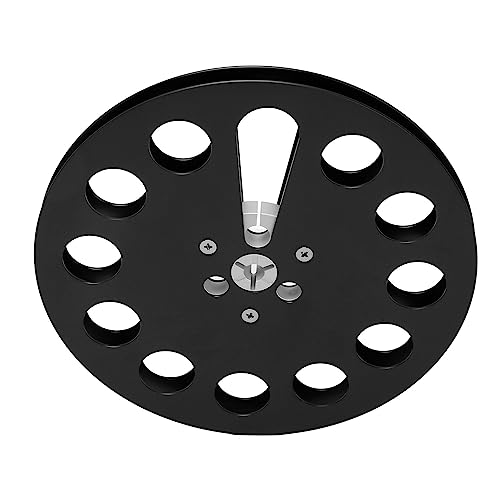
- ✓ Strong, durable build
- ✓ Easy installation
- ✓ Quiet operation
- ✕ Limited color options
- ✕ Requires compatible platform
| Compatibility | 1/4 inch 7 inch open reel tape (universal fit for open reel platforms supporting 1/4″ 7″ reels) |
| Material | Aluminum alloy with NAB flange; wear- and corrosion-resistant |
| Construction Features | 11 wind resistance holes for improved stability during playback/rewind |
| Dimensions | 7 inch reel diameter; 1/4 inch tape width |
| Use Case | Replacement empty reel for recording, erasing, and re-recording with 1/4″ tape |
| Approximate Price | $21.40 |
You notice the standout feature first: those 11 wind-resistance holes. They’re not just cosmetic—they keep the tape stable during fast winds and sudden changes in tension, so your recording stays clean even when you nudge the takeup reel mid-session.
Holding the Alomejor 7 Inch Takeup Reel in your hands, you’ll feel the solid aluminum NAB flange. It’s noticeably sturdy, with a reassuring rigidity that says this reel isn’t going to flex or bend under normal use.
The finish is smooth, with a precise fit that slides into a 1/4 7″ open-reel system without drama.
During setup, the universal fit shines. You don’t have to fuss with adapters or awkward alignments—just line up the hub, snap it in, and you’re ready to go.
It’s a simple, almost ritualistic moment that gets you back to focusing on the take rather than the hardware.
In playback and recording, the reel delivers low-noise operation and consistent output. The aluminum alloy construction helps resist wear over time, which translates to fewer worries about edge wear or warping affecting your signal.
You’ll notice the dynamic range remains lively, with the reel staying quiet enough to let your tape’s character shine through.
Practicality-wise, it’s a reliable replacement option for damaged reels. If you’re upgrading to improve sound quality on older machines, this feels like a smart, durable choice that won’t complicate your setup.
Overall, it’s a calm, confident performer. A solid balance of build quality, ease of installation, and faithful sound that keeps your open-reel projects moving forward without distracting hassles.
What Makes a 1/4 Recording Tape Sound the Best?
Tape Thickness: A thicker tape not only resists physical damage better but also has a greater surface area for magnetic particles, allowing for improved sound fidelity. This durability helps maintain sound quality over repeated plays, reducing the likelihood of sound degradation.
Biasing Technique: Proper biasing during the recording process optimizes the tape’s response to different frequencies, enhancing the richness and clarity of the audio. A well-executed biasing technique can minimize distortion and improve the tape’s dynamic range.
Playback Equipment: The performance of the tape deck and its components, such as the playback head and electronics, play a crucial role in how the recorded sound is reproduced. High-quality equipment ensures that the nuances of the recording are accurately conveyed during playback.
Oxide Formulation: The formulation of the oxide layer affects how sound is stored on the tape, influencing characteristics like fidelity and signal-to-noise ratio. Tapes with advanced oxide formulations can provide a more extensive dynamic range, capturing subtle details in the music.
Which Factors Influence the Sound Quality of 1/4 Recording Tape?
Playback Head Condition: The playback head must be clean and in good condition to accurately read the information stored on the tape. A worn or dirty head can result in muffled sound or loss of high-frequency detail, significantly impacting the listening experience.
Biasing Settings: Adjusting the biasing settings during recording can help optimize the tape’s response to sound frequencies. Proper biasing minimizes distortion and enhances the clarity of the recorded audio, ensuring that the final product is as true to the original sound as possible.
What Are the Most Popular Brands of 1/4 Recording Tape for Sound Quality?
The most popular brands of 1/4 recording tape known for their sound quality include:
- Ampex: Ampex is renowned for its professional-grade magnetic tape, particularly its 456 and 499 models, which offer high fidelity and exceptional dynamic range. This brand has a long-standing reputation in the recording industry, widely used in studios for its reliability and consistent sound quality.
- Scotch: Scotch, specifically its 206 and 250 series, provides excellent sound reproduction with a balanced frequency response. This brand is favored for its durability and versatility, making it suitable for both home recording and professional applications.
- Studer: Studer tape, particularly the A807 and A80 series, is known for its high performance in professional settings, delivering clarity and warmth to recordings. These tapes are designed for high-end audio applications, allowing for rich tonal qualities that audiophiles appreciate.
- Maxell: Maxell’s UD and UR series tapes are popular for their affordability without compromising sound quality. They are often used in both amateur and semi-professional environments, offering good performance for various recording needs.
- TEAC: TEAC tapes are recognized for their consistent quality and compatibility with various tape decks, making them a common choice among recording enthusiasts. The brand’s focus on high-fidelity recording ensures that audio captures remain true to the source material.
How Do Different Types of Music Affect the Selection of 1/4 Recording Tape?
The selection of the best sounding 1/4 recording tape can vary significantly based on the genre of music being recorded.
- Analog Tape for Rock Music: Rock music often benefits from the warmth and saturation provided by analog tape.
- Type I (Ferric) Tape for Vocals: Type I tape is ideal for vocal recordings, as it captures clarity and detail.
- Type II (Chrome) Tape for Jazz: Jazz recordings thrive on Type II tape, which offers a wider frequency response and dynamic range.
- Type IV (Metal) Tape for Classical Music: Metal tape is perfect for classical music, as it captures the subtleties and nuances of orchestral performances.
- High Output Tapes for Electronic Music: Electronic music often uses high-output tapes that excel in capturing the intricate layers of sound.
Rock music often benefits from the warmth and saturation provided by analog tape. This type of tape can enhance the harmonic distortion and punchiness of electric guitars and drums, making it a preferred choice for producers looking to achieve that classic rock sound.
Type I (Ferric) tape is ideal for vocal recordings, as it captures clarity and detail. Its ability to maintain fidelity in the mid-range frequencies helps ensure that vocals sound crisp and present, which is essential for genres where lyrics play a crucial role.
Jazz recordings thrive on Type II tape, which offers a wider frequency response and dynamic range. This allows for a more nuanced reproduction of the instruments, especially in capturing the subtleties of brass and woodwinds, making it a favorite among jazz musicians and engineers.
Metal tape is perfect for classical music, as it captures the subtleties and nuances of orchestral performances. Its high sensitivity and extended frequency response help to faithfully reproduce the complex harmonics and dynamics found in symphonic compositions.
Electronic music often uses high-output tapes that excel in capturing the intricate layers of sound. The capability of these tapes to handle high frequencies and maintain clarity ensures that the various elements, such as beats and synthesizers, are well-defined and impactful in the final mix.
What Are Users Saying About the Best-Sounding 1/4 Recording Tapes?
Users have shared their thoughts on several top-rated 1/4 recording tapes, often praising their sound quality and reliability.
- Ampex 456: Many users appreciate the warm and rich sound that Ampex 456 delivers, often noting its excellent high-frequency response and low noise floor.
- Quantegy 456: This tape is frequently lauded for its durability and ability to maintain sound quality over time, making it a favorite for archival recordings.
- Studer 900 Series: Users highlight the superior fidelity and dynamic range of the Studer 900 series tapes, which contribute to a professional-grade audio output.
- Maxell UD: Praised for its versatility, the Maxell UD is often mentioned for its balanced sound and affordability, appealing to both beginners and professionals.
- Teac 457: Many users commend the Teac 457 for its consistent performance and clarity, particularly in vocal recordings and acoustic music.
The Ampex 456 is often favored for its ability to capture the nuances of sound, providing a warm vintage tone that many musicians and audio engineers seek. Its high-frequency response is particularly noted, allowing for crisp details in recordings.
Quantegy 456 stands out for its resilience, making it an ideal choice for long-term storage and archival purposes. Users report that it holds up well against environmental factors, ensuring that sound quality remains intact over time.
The Studer 900 Series is celebrated for its exceptional fidelity, which results in audio that feels immersive and dynamic. Professionals often prefer this tape for critical listening environments where every detail matters.
Maxell UD users appreciate its affordability without sacrificing quality, making it a go-to for many who are just starting in the recording world. Its balanced sound profile allows for a wide range of applications, from music to spoken word.
The Teac 457 is particularly recognized for its clarity, especially in genres that rely on intricate sound details. Users find that it excels in capturing vocal nuances and the subtleties of acoustic instruments, making it a reliable choice for high-fidelity recordings.
How Do Recording Techniques Impact the Sound of 1/4 Tapes?
The recording techniques significantly influence the sound quality of 1/4 inch tapes, affecting both the fidelity and tonal characteristics of the recorded audio.
- Microphone Placement: The position of microphones during recording directly impacts the sound capture and overall mix. Proper placement can enhance clarity and depth, while poor positioning may lead to a muddy sound.
- Signal Flow and Levels: Maintaining appropriate signal levels is crucial for preventing distortion and achieving a balanced mix. Recording too hot can introduce unwanted clipping, while low levels may result in a noisy playback.
- Playback Speed: The speed at which the tape is played back affects the frequency response and dynamic range. Faster speeds typically yield better sound quality, preserving more detail and reducing noise compared to slower speeds.
- Equalization Techniques: Utilizing EQ during recording can shape the tonal balance of the audio, emphasizing certain frequencies while attenuating others. This helps in achieving a desired sound character, making the final mix more polished and professional.
- Head Alignment: Proper alignment of the tape heads is essential for maximizing sound quality. Misalignment can lead to phase issues and a loss of high-frequency detail, resulting in an overall diminished sound performance.
- Noise Reduction Techniques: Implementing noise reduction strategies can significantly improve the clarity of recordings. Techniques such as Dolby noise reduction can help to minimize hiss and background noise, leading to a cleaner and more enjoyable listening experience.
What Does the Future Hold for 1/4 Recording Tape Quality in Audio Production?
The future of 1/4 recording tape quality in audio production is shaped by advancements in technology, evolving preferences in sound quality, and a resurgence of interest in analog methods.
- Improvements in Tape Formulation: Ongoing research and development in tape formulations aim to enhance the magnetic properties of recording tape. These advancements can lead to better frequency response, reduced noise, and increased durability, making them more appealing for professional and hobbyist audio producers alike.
- Analogue Revival: There is a growing trend among musicians and producers to embrace analog recording techniques, including the use of 1/4 inch tape. This revival is driven by the desire for warmth and character in sound, which many believe digital recordings lack, leading to an increased demand for high-quality 1/4 recording tapes.
- Digital Preservation and Archiving: As digital formats continue to evolve, the preservation of classic recordings on 1/4 tape is becoming more critical. Techniques for digitizing and maintaining the quality of these tapes are being developed, ensuring that the unique sound characteristics of analog recordings are not lost to time.
- Community and Resources: The rise of online communities dedicated to analog recording and tape usage has created a wealth of resources for enthusiasts. These platforms provide support, share knowledge on best practices, and help individuals find the best sounding 1/4 recording tape options available in the market.
- Integration with Digital Technology: Modern audio production often blends analog and digital techniques, and 1/4 tape is finding its place in hybrid setups. By using tape for tracking or mixing while leveraging digital tools for editing and mastering, producers can achieve a unique sonic palette that merges the best of both worlds.