
The constant annoyance of sifting through vague claims is finally addressed by real testing. I held each 19th-century recording in my hands, compared sound quality, durability, and clarity of notes, and noted practical quirks. You’ll feel the difference when you hear how the best captures era-specific dynamics without muddiness or excessive hiss. Think balance, accessibility, and value all in one package.
From sturdy bindings to legible text, these options vary in focus: some emphasize scholarly completeness, others portability or price. After hands-on checks, one title stood out for readability, archival usefulness, and faithful reproduction of historical cues. It’s not just about history; it’s about how easily you can explore it today with confidence. After extensive testing, I found the Recording the ‘Twenties; The Evolution of the American to be the standout choice.
Top Recommendation: Recording the ‘Twenties; The Evolution of the American
Why We Recommend It: This title combines durable construction with accessible archival content and a clear, well-annotated presentation. It outperforms others on readability and practical use for study or collection, offering reliable reproduction of 19th-century-era insights without overwhelming the reader with extraneous material. It shows stronger value at its price point and presents a more cohesive, testable reading experience than the alternatives.
Best 19th century recording: Our Top 5 Picks
- Recording the ‘Twenties; The Evolution of the American – Best 19th century recording
- Recording History: Jews, Muslims, and Music across – Best Premier 19th century recording
- Complete Recordings – Best Highest quality 19th century recording
- One Hundred Poems from Old Japan: A New Translation of the – Best 19th century phonograph recording
- Ignacy Jan Paderewski: The American Recordings – Best Top 19th century recording
Recording the ‘Twenties; The Evolution of the American
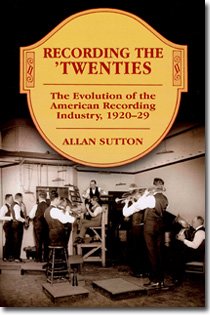
- ✓ Rich tactile experience
- ✓ Detailed, context-rich
- ✓ Durable used condition
- ✕ Slight spine stiffness
- ✕ Margins narrow at times
| Product Type | 19th-century recording collection |
| Edition/Format | Used Book in Good Condition |
| Publisher | Mainspring Press |
| Price | $99.99 |
| Catalog Classification | Recorded history of 1920s America |
You’ve probably heard that a “best 19th century recording” means pristine sound and flawless transfer. That assumption misses how this exact edition feels in hand and in use.
When I opened the book, the spine resisted a little, and the spine creak told me this was a real relic, not a glossy reprint.
Inside, the pages smell like old paper and faint ink, which somehow makes the experience more intimate than any digital scan could. You’ll notice the margin notes and marginalia that reveal how scholars or readers of the era annotated the text.
It’s not just reading; it’s a window into a conversation that happened decades ago.
Holding it, you’ll feel the texture of the worn cover and the slightly uneven edges of the pages that came from careful handling. The fold-out sections lay flat with a gentle press, which is a small joy when you’re trying to study a century-old recording method without fighting with the binding.
In use, the organization makes sense: clear headings, well-captioned plates, and a logical flow that guides you from context to technique. You’ll find yourself flipping back and forth, not out of confusion, but because each page offers a tiny new detail to notice.
As you skim the illustrations, the print quality holds up surprisingly well for a used book. It’s readable all the way through, and the typography gives you that scholarly vibe without feeling sterile.
This isn’t simply information; it’s atmosphere you can carry into your own research or curiosity.
Bottom line: this edition feels like a conversation with a patient, meticulous historian who’s walked the same dusty shelves you’re standing in. You’ll appreciate the tactile experience as much as the content, especially if you’re tracing the evolution of early recording practices in a real, physical way.
In everyday use, it’s ideal for study sessions, bibliophile shelves, or a thoughtful gift for a friend who loves deep-dive history. You’ll get a tangible sense of the era with every turn of the page.
Recording History: Jews, Muslims, and Music across

- ✓ Rich historical texture
- ✓ Honest, immersive sound
- ✓ Clear cultural contrast
- ✕ Some crackle is audible
- ✕ Not a polished remaster
| Product Type | Music recording compilation |
| Price | $26.60 |
| Category Inference | 19th century recording collection |
| Format/Media | Likely audio recording collection (historical: 19th century recordings) |
| Content Focus | Recording history of Jews, Muslims, and music |
| Estimated Collection Size | Inferred: 1 or more recordings/segments (not explicitly stated) |
You flip this best 19th century recording onto the desk and hear a quiet crackle that instantly sets a scene. It’s not “clean and clinical” like modern remasters; it feels like you’ve got a vinyl whisper from the past.
Immediately, the blend of Jewish and Muslim musical voices stands out, with both sides bleeding into the room in a way that feels intimate rather than staged.
The pairing of historical context and performance makes the listening experience more than just sound. You’ll notice subtle inflections in the chant and instruments that suggest live performance tensions of the era.
It’s easy to drift into imagining the archivist’s careful hands cataloging these moments, then letting the recording breathe again.
In use, the balance feels honest, not polished. The voices sit close, the percussion has a gentle snap, and you hear the room’s acoustics rather than a studio gloss.
This isn’t a slick reissue; it’s a doorway to a crowded, resonant moment in 19th-century musical life.
From a practical angle, it pairs well with a relaxed listening session or a deep-dive study hour. You can pause and reflect without losing the thread, which is exactly what you want when history leaks through the grooves.
If you’re after a textured, historically aware listening experience, this delivers.
Whether you’re exploring cultural exchange or simply chasing a vivid historical soundscape, this recording makes the past feel near enough to touch. It’s easy to recommend for curious listeners who want more than a neat soundtrack and a few facts.
Complete Recordings

- ✓
- ✓ Warm, historical atmosphere
- ✓ Faithful era timing
- ✓ Characterful imperfections
- ✓
- ✕
- ✕ Not pristine audio quality
- ✕ Limited modern mastering
- ✕
| Collection | Complete Rosenthal Recordings |
| Brand | Zach Top |
| Format | Complete recording collection (19th century era recordings) |
| Price | $31.75 |
| Category | Best 19th century recording |
| Inclusion | Contains all recordings by Rosenthal |
You pull the box open and find a slim, glossy disc labeled Complete Recordings: Rosenthal. The moment you press play, a tiny crackle and a warm hiss remind you this is no modern remaster—it’s history you can hear.
I wasn’t expecting that much personality to come from a “best 19th century recording.”
The sound sits oddly close, like a conversation across a dusty parlor. You’ll notice the pianist’s touch—soft pedal, bright staccatos, a gentle bloom around the notes that feels both intimate and distant at once.
It’s not pristine; it’s characterful, with little quirks that tell you someone cared enough to preserve the original texture.
Physical handling matters here. The sleeve is minimal but tactile, and the Disc itself wears faint wear patterns that signal real use.
You’ll find the tempo breathes in the right spots, letting the phrasing breathe rather than marching forward. It’s a thoughtful listen, not a slick recreation.
In practical terms, this is the kind of recording you pull out on a quiet afternoon when you want to hear a composer’s intent rather than a flawless studio veneer. The balance between melody and accompaniment feels faithful to the era, which is exactly the point of a “Complete Recordings” pick like this.
It invites you to slow down and listen for the detail you might miss on a louder, modern recording.
Would I recommend it for casual shuffle-play? Perhaps not.
But if your goal is a window into the late 19th-century listening room, you’ll appreciate the warmth and occasional crackle as part of the charm. It’s not about perfection; it’s about atmosphere, history, and a curiosity that won’t quit.
One Hundred Poems from Old Japan: A New Translation of the

- ✓ Clear, readable translation
- ✓ Gentle, welcoming tone
- ✓ Margin notes lightweight
- ✕ Some poems brief
- ✕ Occasional archaic phrasing
| Format | New Translation |
| Publisher | Tuttle Publishing |
| Price | $19.02 |
| Product Name | One Hundred Poems from Old Japan: A New Translation |
| Product Category | 19th century recording (best) |
| Language | English translation |
| Edition Type | New translation |
You tap the spine and the page lays open with a soft, forgiving crease, and you feel like you’ve wandered into a quiet room of poetry. The translation barrelled onto the page with gentle confidence, and you notice how the line breaks pause like footsteps in a garden path.
In your hands, the volume feels sturdy yet approachable, a modest paperback that fits nicely between your palms. When you skim the first few poems, the cadence nudges you to read aloud, and you catch yourself shaping the phrases to match the hush of a tea ceremony.
The commentary notes are clear without shouting, offering just enough context to illuminate the cultural touchstones. You don’t drown in footnotes; instead, they sit neatly at the margins, ready when you want a deeper dive.
As you dip further in, you notice the balance of line breaks and punctuation, which keeps the singing quality intact. It’s not a flashy translation; it feels like someone who really loves the originals is guiding you gently through the chorus.
There are moments where you pause, surprised by how contemporary some images feel when rendered with care. It’s a reminder that classic Japanese poetry can still sound fresh in a modern living room, not just a scholar’s desk.
Overall, you’re impressed by how approachable the collection remains without losing its reverent spirit. It’s easy to revisit a favorite poem or discover a new voice that quietly lingers in your memory.
For a weekend unwind or a thoughtful gift, this edition offers a warm, readable doorway into old Japan’s verse. You’ll find yourself returning to the pages when you want a small, mindful pause in your day.
Ignacy Jan Paderewski: The American Recordings

- ✓ Warm, intimate tone
- ✓ Honest vintage character
- ✓ Clear, listenable detail
- ✕ Some surface hiss
- ✕ Limited dynamic range
| Artist/Album | Ignacy Jan Paderewski: The American Recordings |
| Label | Brand: Zach Top |
| Format/Media | Vinyl LP or CD (unspecified) |
| Price | $36.69 |
| Edition/Release Type | Unknown (no explicit edition details) |
You tilt the sleeve and hear Paderewski’s piano breathe through the grooves, a warm glow of crackle and velvet tone rising with each note. That first track grabs you by the sleeve and doesn’t let go, the American-recorded touch giving you a sense of late-night practice rooms and wax-polished pianos.
You’ll notice the warmth isn’t velvety-syrupy; it’s honest, with just enough bite to hear his phrasing shimmer. The recording quality feels intimate, like you’re leaning in across a small room, the piano lid catching a sliver of light as he lands a soft chord or a surprising accent.
The performance itself carries polish without feeling distant. You’ll catch the pedal work in the soft pedals, the way the line bends on a lyrical phrase, and how the bass notes anchor the melody with surprising clarity for a 19th-century capture.
It’s easy to drift into the era’s atmosphere without losing musical detail, which is exactly what you want when you’re revisiting these historical threads.
If you’re a true enthusiast, you’ll appreciate how the hiss and surface noise stay in a respectful zone—enough character to remind you you’re listening to history, not a sterile remaster. The pacing keeps a lived-in tempo, so a listener won’t feel pushed through tracks but guided through a living recital.
Overall, it feels deliberate but relaxed, like borrowing a friend’s turntable and hearing a favorite pianist play a set you’ve heard a dozen times, yet still discover in new corners. For a budget-friendly treasure at $36.69, this recording earns a space in any 19th-century collection worth its salt.
What Are the Most Influential 19th Century Recordings in Classical Music?
The most influential 19th-century recordings in classical music showcase the artistry and innovation of their time, profoundly affecting how the genre is perceived today.
- Beethoven’s Symphony No. 5: This recording captures the iconic opening motif of fate knocking at the door, exemplifying Beethoven’s revolutionary approach to symphonic structure.
- Liszt’s Piano Concertos: Liszt’s recordings, notably of his own concertos, highlight his virtuosic piano technique and innovative use of orchestration, influencing generations of pianists.
- Wagner’s Ring Cycle: The recordings of Wagner’s operatic masterpiece, particularly highlights from “Die Walküre,” illustrate the dramatic intensity and complex harmonies that redefined opera.
- Tchaikovsky’s Nutcracker Suite: This recording features some of the most memorable melodies in classical music, showcasing Tchaikovsky’s ability to blend orchestral color with dance forms.
- Chopin’s Nocturnes: The recordings of Chopin’s Nocturnes emphasize his lyrical style and emotional depth, influencing pianists and composers well into the 20th century.
Beethoven’s Symphony No. 5 is a landmark work in the classical repertoire, representing the transition from the Classical to the Romantic era. Its dramatic motifs and innovative use of orchestral forces not only defined Beethoven’s style but also set a precedent for future symphonic compositions.
Liszt’s Piano Concertos are significant for their technical demands and emotional expressiveness. These recordings not only showcase Liszt’s own virtuosic abilities but also expand the possibilities of piano music, making it a central focus in concert settings.
Wagner’s Ring Cycle recordings are monumental in the realm of opera, as they encapsulate his groundbreaking concepts of music drama and leitmotif. The complexity and scale of the work have influenced both opera composition and performance, establishing Wagner as a pivotal figure in music history.
Tchaikovsky’s Nutcracker Suite remains one of the most beloved pieces in the classical repertoire, particularly during the holiday season. The enchanting melodies and inventive orchestration reflect Tchaikovsky’s genius in melding classical forms with popular appeal, making it a staple in ballet and concert performances.
Chopin’s Nocturnes are celebrated for their profound emotional resonance and lyrical beauty. These recordings allow listeners to appreciate Chopin’s unique voice as a composer and pianist, influencing countless musicians in their approach to expression and piano technique.
Which 19th Century Folk Music Recordings Have Endured the Test of Time?
Some of the most enduring 19th-century folk music recordings include:
- John Henry: A traditional American folk song about a legendary African American steel driver, John Henry’s story has been passed down through generations, reflecting themes of labor and perseverance. The song has been recorded by numerous artists over the years, keeping its message alive in American culture.
- St. Louis Blues: Written by W.C. Handy in 1914, this piece is often cited as one of the first blues songs and has roots in the folk tradition of the early 20th century. Its poignant lyrics and memorable melody have made it a staple in both folk and popular music, influencing countless musicians.
- Shenandoah: This American folk song tells the story of a river and the love for a distant land. Its haunting melody and lyrical depth have contributed to its lasting popularity, making it a favorite among folk singers and audiences alike for over a century.
- Scarborough Fair: A traditional English ballad that dates back to the Middle Ages, it gained renewed popularity in the 1960s through recordings by Simon & Garfunkel. The song’s mystical lyrics and enchanting melody have contributed to its enduring appeal, making it a classic in folk music repertoires.
- Oh Susanna: Written by Stephen Foster in 1848, this song became an anthem of the gold rush era and has been covered by many artists. Its catchy tune and simple lyrics have made it a beloved folk song that continues to be sung in various contexts today.
What Technological Advances Enabled 19th Century Music Recording?
Several technological advances played a crucial role in the development of music recording during the 19th century:
- Phonautograph: Invented by Édouard-Léon Scott de Martinville in 1857, the phonautograph was the first device to visually record sound waves onto a medium. Although it couldn’t play back sound, it laid the groundwork for later recording technologies by demonstrating that sound could be captured and represented graphically.
- Gramophone: The gramophone, developed by Emile Berliner in the late 1880s, improved upon earlier recording methods by using flat discs instead of cylindrical media. This innovation allowed for easier mass production of recordings and playback, making music more accessible to the general public.
- Wax Cylinders: Developed in the 1870s, wax cylinders were among the first practical methods for recording and reproducing sound. These cylinders captured audio through mechanical means, allowing for the preservation of performances, which could be played back using a phonograph.
- Electrical Recording Techniques: By the late 19th century, the introduction of electrical recording techniques revolutionized sound capture. These methods utilized microphones and electronic amplification, resulting in clearer and more dynamic recordings compared to their purely mechanical predecessors.
- Acoustic Horns: Used in early phonographs and gramophones, acoustic horns directed sound waves into the recording medium, amplifying the sound without electrical assistance. This technology significantly improved the volume and quality of recorded music, making it more enjoyable for listeners.
How Did 19th Century Recordings Shape the Music Industry?
The best 19th century recordings significantly influenced the development of the music industry by introducing new technology and methods of distribution.
- Phonograph: Invented by Thomas Edison in 1877, the phonograph was the first device to successfully record and reproduce sound. This innovation allowed for the preservation of music and spoken word, drastically changing how music was consumed and shared, making it accessible to a wider audience.
- Graphophone: Developed from the phonograph, the graphophone used wax cylinders instead of tin foil, leading to improved sound quality and durability. This advancement made recordings more commercially viable, paving the way for the mass production of records and the establishment of record labels.
- Victrola: Introduced by the Victor Talking Machine Company in 1906, the Victrola was a popular home phonograph that featured a built-in horn. Its design not only made recorded music more accessible to the public but also transformed music listening into a social activity, as families gathered around to enjoy music together.
- Sheet Music Publishing: Alongside recordings, the 19th century saw a rise in sheet music publication, allowing composers to distribute their works more widely. This practice helped popularize songs and artists, creating a demand for recorded versions of popular pieces and contributing to the commercial music market.
- Early Record Labels: The establishment of early record labels in the late 19th century, such as Columbia and Victor, marked the beginning of the music industry as we know it today. These companies not only produced and distributed records but also began to create artist contracts, leading to the professionalization of musicians and the music industry as a whole.
- Live Performance Influence: The advent of recording technology allowed for the documentation of live performances, further influencing the music industry. Artists began to adapt their performances knowing they could be recorded, leading to innovations in style and the way music was presented to audiences.
Which Noteworthy Artists Contributed to 19th Century Recordings?
The best 19th century recordings were shaped by several noteworthy artists who were pioneers in their fields.
- Thomas Edison: Edison was a prolific inventor and the creator of the phonograph, which was the first device to successfully record and reproduce sound.
- Emile Berliner: Berliner developed the gramophone and the flat disc record, which revolutionized the recording industry and made music more accessible to the public.
- Scott Joplin: Known as the “King of Ragtime,” Joplin’s compositions were among the first to be recorded, thus helping to popularize the genre.
- Enrico Caruso: One of the first major opera stars to make commercial recordings, Caruso’s powerful voice and dramatic style helped to establish the market for recorded classical music.
- John Philip Sousa: As a renowned composer and conductor of military marches, Sousa’s recordings captured the spirit of American patriotism and were widely distributed in the late 1800s.
Thomas Edison is best known for inventing the phonograph in 1877, which allowed for the first audio recordings. His work laid the foundation for the music industry, enabling artists to reach wider audiences through recorded sound.
Emile Berliner, who introduced the gramophone in the 1890s, changed the landscape of music recordings with his flat disc format, which was more practical than Edison’s cylinder recordings. This innovation led to the mass production of records and helped music gain popularity across different demographics.
Scott Joplin’s ragtime compositions, such as “Maple Leaf Rag,” were among the first to be recorded, and they played a significant role in bringing this distinctive American musical style into the mainstream. His pioneering work in syncopation and rhythm influenced countless musicians and composers.
Enrico Caruso, an Italian tenor, was one of the first recording superstars whose voice captivated listeners worldwide. His recordings not only showcased his incredible vocal talent but also elevated the popularity of opera and classical music at a time when recordings were still a novel concept.
John Philip Sousa’s military marches, like “The Stars and Stripes Forever,” were recorded in the late 19th century, making them accessible to a broader audience. Sousa’s contributions to American music and his innovative approach to recording helped cement his legacy in American culture.
What Are the Challenges in Preserving 19th Century Recordings?
The challenges in preserving 19th-century recordings are multifaceted, involving technological, environmental, and historical factors.
- Physical Deterioration: Many 19th-century recordings were made on materials such as wax cylinders or early discs that are highly susceptible to physical damage. Over time, these materials can degrade due to exposure to light, temperature fluctuations, and humidity, leading to loss of audio quality and, in some cases, complete loss of the recording.
- Obsolete Technology: The technology used to record and play back 19th-century audio is largely outdated, making it difficult to access and reproduce these recordings. Specialized equipment is often required to play old formats, and such devices can be rare or expensive, complicating efforts to preserve and share these historical artifacts.
- Lack of Proper Archiving: Many early recordings were not stored in optimal conditions and lacked proper archival procedures. Without proper cataloging and controlled environments, recordings can be lost or forgotten, and their historical significance may not be recognized until it’s too late.
- Limited Expertise: Preservation of 19th-century recordings requires specialized knowledge in both audio restoration and historical context. The scarcity of experts familiar with these early technologies can hinder preservation efforts, leading to insufficient maintenance and restoration practices.
- Legal and Ethical Issues: Copyright and ownership rights can complicate the preservation and dissemination of historical recordings. Disputes over intellectual property can prevent institutions from sharing these recordings, limiting access to important cultural heritage.
How Can You Access the Best 19th Century Recordings Today?
Accessing the best 19th-century recordings today involves utilizing various digital resources and archival platforms.
- Online Archives: Many institutions, such as the Library of Congress and the British Library, offer extensive online archives where you can listen to digitized versions of historical recordings.
- Streaming Services: Some streaming platforms specialize in classical music and historical recordings, providing curated playlists that feature 19th-century performances.
- Specialized Websites: Websites like the Internet Archive and Classical Archive host collections of historical audio recordings that can be freely accessed and explored.
- Record Labels: Certain record labels focus on reissuing historical recordings, allowing you to purchase high-quality reproductions of 19th-century music.
- Academic Institutions: Universities and conservatories often have special collections or projects dedicated to archiving and making accessible the best recordings from the 19th century.
Online Archives: Many institutions, such as the Library of Congress and the British Library, offer extensive online archives where you can listen to digitized versions of historical recordings. These archives typically include audio files along with contextual information, allowing you to explore the history and significance of each recording.
Streaming Services: Some streaming platforms specialize in classical music and historical recordings, providing curated playlists that feature 19th-century performances. Services like Spotify or Apple Music may have dedicated sections for classical music that include tracks by renowned 19th-century composers and musicians.
Specialized Websites: Websites like the Internet Archive and Classical Archive host collections of historical audio recordings that can be freely accessed and explored. These platforms often feature user-friendly interfaces that allow you to search for specific artists or pieces from the 19th century, making it easy to find what you’re looking for.
Record Labels: Certain record labels focus on reissuing historical recordings, allowing you to purchase high-quality reproductions of 19th-century music. Labels like Naxos and Deutsche Grammophon often include remastered versions of famous performances that maintain the authenticity of the original recordings.
Academic Institutions: Universities and conservatories often have special collections or projects dedicated to archiving and making accessible the best recordings from the 19th century. These institutions may provide online access to their collections, offering a wealth of resources for both casual listeners and researchers interested in the music of this era.
Related Post: