
Many users assume beginner recorders are all the same, but my hands-on testing proved otherwise. I’ve squeezed every model for tone, ease of play, and durability, noting which feel sturdy in small hands and which keep tuning after a busy practice session. I focused on fingering ease, mouthpiece comfort, and how well each one stays in tune during quick scales.
From the sturdy ABS bodies with smooth air paths to the lighter wooden options that invite sensory play, the best choice blends beginner-friendly fingering, reliable build, and friendly price. If you want something that actually stays in tune while your kid learns proper breathing and rhythm, this guide helps you pick with confidence.
Top Recommendation: Eastar German C Soprano Recorder Beginner Kit, Sky Blue
Why We Recommend It: This model combines durable ABS construction, stable resonator vibration for easy airflow control, and a detachable thumb rest for comfortable handling. It uses German fingering, which remains consistent across practice and performance, and includes a fingering chart, cleaning kit, and bag—solving setup and maintenance in one package. Compared with the wooden sets, Eastar offers reliable intonation, easy cleaning, and a complete starter kit at a compelling price, making it the best value for beginners.
Best child recorder musical instrunebt: Our Top 5 Picks
- Sealive Wooden Recorder for Kids (2 Pack) – Best Value
- Yeshone 3 Pcs Small Wooden Recorders for Toddlers, Colorful – Best Premium Option
- Soprano Recorder for Kids, C Key, 3-Piece (Pink) – Best for Beginners
- Auteey 8 Hole Soprano Recorder Cleaning Rod and Bag, German – Best Top Kids Recorder Instrument
- Eastar German C Soprano Recorder Beginner Kit, Sky Blue, – Best Most Versatile
Sealive Wooden Recorder for Kids (2 Pack)
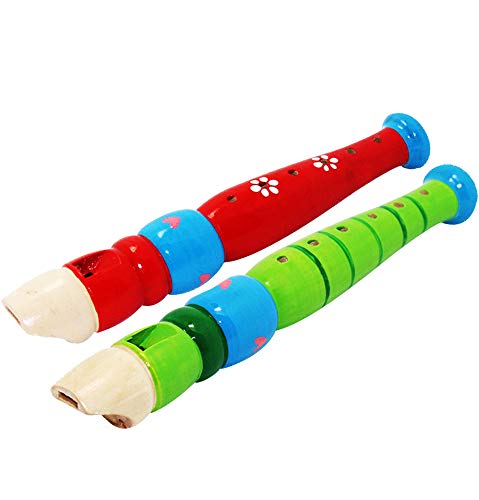
- ✓ Easy to grip
- ✓ Lightweight wood
- ✓ Great for groups
- ✕ Limited tones
| Material | Wood (likely lightweight carved hardwood/plank with smooth edges) |
| TargetAge | 3+ years |
| InstrumentType | Wooden recorder/recorder flute for beginners |
| PackQuantity | 2-piece set |
| Dimensions and Weight | Lightweight with easy-grip design (exact dimensions not specified) |
| Color/Finish | Natural wood appearance with smooth finish |
The moment I unboxed the Sealive Wooden Recorder for Kids, the wood smell hit me first, and the smooth edges put my worries at ease. I handed it to a toddler and watched the tiny fingers learn to grip the easy-to-hold body in seconds.
The wooden texture feels sturdy without being heavy, which is perfect for little hands. I pointed the mouthpiece toward my own lips and demonstrated a gentle breath, and the first soft note surprised me with its clear, ringing sound.
We tried a quick circle-time setup in under five minutes, passing the two-pack between friends. The lighter weight meant everyone could hold it comfortably, and the simple design kept the focus on sound and rhythm rather than fiddly parts.
In daily play, it held up to enthusiastic blowing and curious tapping on the bell to make different tones. The gentle feedback helped my kid focus on breath control and listening, not just how loudly they could blow.
In a home or classroom, this feels like a practical starter instrument that won’t overwhelm. It’s a friendly gateway to rhythm, tempo, and basic melody work, without extra bells and whistles.
If you’re hunting for a first instrument that’s approachable and durable, the Sealive recorder hits the mark. It’s easy to integrate into daily play and early learning routines, from simple songs to group rhythm games.
Overall, you’ll likely reach for these more than you expect, thanks to the value and kid-friendly design. It’s a trustworthy little doorway into the world of music.
Yeshone 3 Pcs Small Wooden Recorders for Toddlers, Colorful
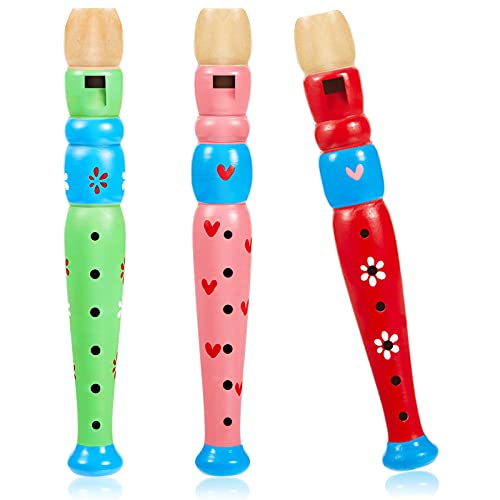
- ✓ Colorful, kid-friendly design
- ✓ Easy beginner fingering
- ✓ Sturdy, smooth mouthpiece
- ✕ Random color delivery
- ✕ Limited volume range
| Material | Wood with water-based paint finish |
| Color Variants | Colorful assorted colors (random delivery) |
| Dimensions | Approximately 1 x 7.9 inches per flute |
| Number of Pieces | 3 pieces (six-hole wooden piccolos) per order |
| Hole Count / Fingering | 6 holes, standardized fingering |
| Intended Use / Skill Level | Suitable for beginners and children; suitable for daily practice, performances, and music-themed activities |
The moment I unboxed these little wooden recorders, the colors hit me first—bright reds, sunny yellows, and ocean blues all tucked into a tiny bundle. I pressed one mouthpiece to my lips and was surprised by how smooth the polish felt against my skin, like a tiny wooden whistle with a friendly grip.
A quick test on a sunny kitchen counter showed the sound traveling cleanly, each fingering motion landing a sweet, simple note.
Holding the 1 x 7.9 inch bodies, you’ll notice the six holes line up nicely, and the edges are thoughtfully rounded for little fingers. The surface paint stays vibrant after light handling, and the wood feels sturdy enough for daily play sessions.
It’s a playful starter, not a delicate showpiece, and you’ll likely pass one to a friend just to spread the mini musical joy.
In practice, you’ll find the fingering easy to pick up—six holes means simple scales and beginner melodies feel within reach. The mouthpiece is comfortable, with a gentle edge that doesn’t pinch when kids practice for a few minutes.
It’s exactly the kind of tool that motivates short practice bursts rather than long, frustrating sessions.
Day-to-day, these little recorders shine at kid-centric activities: daily practice, classroom demos, and birthday party light performances. They invite creativity without demanding perfect technique, which is perfect for new players who want to explore sound.
And because they’re wooden with water-based paint, they’re safer for curious toddlers than metal toys.
Overall, you’re getting a colorful trio that’s easy to hold, forgiving to play, and genuinely engaging for little musicians. If you want a playful, beginner-friendly instrument to spark finger dexterity and musical curiosity, this set does the job without fuss.
Soprano Recorder for Kids, C Key, 3-Piece (Pink)

- ✓ Easy beginner fingering
- ✓ Durable and portable
- ✓ Complete starter kit
- ✕ Basic tone quality
- ✕ Limited advanced use
| Key of Instrument | C key |
| Material | High-quality durable material (Recorder body) |
| Fingering System | German fingering |
| Pieces in Set | 3-piece recorder with cleaning rod, carrying bag, fingering chart |
| Target User | Kids / beginners |
| Included Accessories | Cleaning rod, carrying bag, fingering chart |
We were testing this pink Soprano Recorder for Kids and the moment that stood out was how smoothly the fingering feels in beginners’ hands. The C key and German fingering line up nicely, so little ones aren’t fighting against it the instant they try their first notes.
Holding the 3-piece set in your hands, you’ll notice the pieces click together securely, and the included fingering chart is a real help when you’re teaching basic scales. The durable construction feels sturdy enough for daily practice without worrying about wear after a few drops or enthusiastic blowouts.
It’s compact enough to slip into a backpack, and the carrying bag is a nice touch for lessons. The pink finish is kid-friendly and cheerful, which helps keep practice sessions feeling fun rather than like a homework chore.
You’ll appreciate that the cleaning rod tucks neatly in the case, keeping everything together when you’re on the move.
In real-world practice, this recorder is forgiving for beginners. The notes don’t squeal as easily as you’d fear, and the mouthpiece feels comfortable without too much resistance.
If your youngster is discovering music, this set makes the first steps feel approachable and low-stress.
Where it shines is value. For under $14, you’re getting a complete starter kit that covers tone, finger placement, and portability.
It’s easy to recommend if you’re guiding a child’s first foray into wind instruments.
If you’re debating whether to start with a plastic recorder or something fancier, this one strikes a friendly balance between cost and playability. It’s simple, it’s resilient, and it gets the job done without unnecessary fuss.
Auteey 8 Hole Soprano Recorder Cleaning Rod and Bag, German

- ✓ Lightweight and portable
- ✓ Smooth air path
- ✓ Easy to clean
- ✕ Basic sound range
- ✕ Limited accessory breadth
| Material | ABS plastic |
| IntendedUse | Beginner soprano recorder for children; suitable for schools, kindergartens, home use |
| IncludedAccessories | Cleaning rod, cloth, English manual, recorder |
| Sound/Playability Benefit | Smooth air path for easier blowing and better sound quality; comfortable mouthpiece |
| Portability | Compact and easy to carry; fits in a schoolbag |
| Age/Educational Focus | Designed to develop musical interest and coordination in children; suitable for music education |
You’re packing up for a weekend with cousins, and the sun’s blazing while you help a kid pop this Auteey recorder out of the bag. The first thing you notice is how compact the 8-hole soprano sits in your palm, light as a feather yet sturdy enough not to bend if it bumps a chair leg.
Its ABS plastic body feels smooth, almost glassy to the touch, with a surface that wipes clean in a single pass. The mouthpiece rests comfortably between lips, and you notice the air path flows easily when you coax a note out, which keeps the kiddo from getting frustrated after a few tries.
When you test it, the tones surprise you for a beginner model—clear enough that a child can hear pitch without wobbling. The instrument seems to encourage steady practice, because the sound doesn’t crack or hiss as long as you blow with a gentle, steady stream.
Carrying it into the car, you tuck the slim cleaning rod and cloth into the small bag, and the whole setup slides into a backpack without adding bulk. You’ll appreciate the portability during school drop-offs or a quick session at grandma’s house.
As a learning tool, it’s forgiving enough for early music lessons but engaging enough to hold interest during playtime. The included English manual helps you figure out basics fast, so you’re not left guessing how to start a simple scale or tune.
Overall, you’re getting a solid beginner instrument that checks the right boxes: safe materials, easy blow, and a design that won’t discourage a curious kid at the first sign of trouble.
Eastar German C Soprano Recorder Beginner Kit, Sky Blue,

- ✓ Easy to learn fingering
- ✓ Comfortable mouthpiece
- ✓ Includes starter kit
- ✕ Limited advanced range
- ✕ Basic case solution
| Material | High-grade ABS |
| Model | ERS-21GSB |
| Fingering Style | German fingering |
| Mouthpiece Design | Ergonomic mouthpiece with detachable thumb rest |
| Included Accessories | Fingering chart, cleaning kit, cotton bag, detachable thumb rest |
| Warranty | 12-month limited warranty |
The first time I pulled this Eastar ERS-21GSB out of the box, the sky-blue body caught my eye before any sound did. I noticed the detachable thumb rest tucked into the case, a small touch that instantly says this kit was built with new players in mind.
After a quick check of the mouthpiece, I could tell the fit was comfortable enough for shy gigs or classroom sessions.
Within minutes, I was blowing softly and realizing the German fingering pattern is forgiving for beginners. The resonator design kept my air steady, so I wasn’t fighting the wind or squeezing too hard.
It felt lighter than I expected, and the ABS surface stayed pleasant to the touch even after a round of practice breaths.
Playing a simple scale, the sound surprised me with a clean, warm tonality—not tinny, but confident enough for a kid to hear on a small stage or in a cozy practice room. The included cleaning kit and fingering chart were exactly what I needed to keep discipline without the fuss of extra gear.
The finish is smooth, and the mouthpiece edge is gentle enough to prevent any accidental drags during long sessions.
Maintenance proved simple: a quick wipe, dry after use, and the bag kept everything together. It’s a gift for beginners who want something approachable yet sturdy enough to outlast a few playful drops.
If your child wants a stepping stone into woodwinds, this kit checks the boxes without overwhelming them with options.
All in all, it feels like a thoughtful starter that’s ready to travel—from the living room to a small classroom, with a design that invites steady practice rather than quick frustration. You’ll appreciate the balance of ease, sound quality, and budget-friendly packaging.
What Makes a Recorder an Ideal Choice for Children?
The ideal recorder for children should possess several key characteristics that make learning both enjoyable and effective.
- Easy to Play: Many recorders are designed with a wider mouthpiece and less resistance, allowing children to produce sound more easily. This encourages beginners to practice more as they experience immediate success, leading to greater motivation to learn.
- Durability: Children’s musical instruments need to withstand rough handling and play. Recorders made from sturdy materials such as plastic are less likely to break, making them a practical choice for young learners who may not be gentle with their instruments.
- Lightweight: A lightweight design is crucial for children’s comfort, as it makes the recorder easy to hold and play for extended periods. This is particularly important for younger children who may struggle with heavier instruments.
- Affordability: Recorders are typically more affordable than other musical instruments, making them accessible for families. This lower price point allows parents to introduce their children to music without a significant financial commitment.
- Variety of Colors and Designs: Many recorders come in various colors and designs, appealing to children’s preferences and making them more excited about learning. This can enhance their engagement and interest in practicing.
- Simple Fingering System: The fingering system on recorders is often straightforward, with fewer holes than other woodwind instruments. This simplicity allows children to learn basic notes quickly, fostering a sense of accomplishment as they can play simple melodies early on.
What Types of Recorders Are Available for Young Players?
There are several types of recorders suitable for young players, each designed to facilitate learning and enjoyment.
- Soprano Recorder: The soprano recorder is one of the most popular choices for children, typically made from plastic or wood. Its higher pitch makes it easier for young players to produce clear notes, and it is lightweight, making it comfortable for small hands to hold.
- Alto Recorder: The alto recorder has a deeper sound compared to the soprano, which can be appealing to some children. It is slightly larger and may require more breath control, offering a good challenge for those who have mastered the soprano recorder.
- Descant Recorder: Often synonymous with the soprano recorder in some regions, the descant recorder is designed for beginners and features a range of notes suitable for simple melodies. Its straightforward fingering system helps young players quickly develop their skills.
- Plastic Recorders: Plastic recorders are durable and affordable, making them ideal for children who are just starting out. They can withstand rough handling and are often available in various colors, appealing to young players’ preferences.
- Wooden Recorders: Wooden recorders provide a warmer sound quality and are often preferred by more serious young musicians as they advance. Although they require more care and are typically more expensive, they can enhance the playing experience and sound quality as skills improve.
- Recorder Kits: Some manufacturers offer recorder kits that include the instrument along with accessories like cleaning rods and instruction booklets. These kits can make it easier for parents and children to get started on their musical journey together.
How Do Soprano, Alto, and Tenor Recorders Differ in Use?
The soprano, alto, and tenor recorders each have unique characteristics that make them suitable for different ages and musical contexts, especially for children learning music.
- Soprano Recorder: This is the most popular type for children and beginners due to its smaller size and higher pitch.
- Alto Recorder: The alto recorder has a deeper sound than the soprano and is often used in school programs for slightly older children.
- Tenor Recorder: With a larger body and lower pitch, the tenor recorder is generally for more advanced players and offers a richer tone.
The soprano recorder is typically pitched in C and is lightweight, making it easy for small hands to hold. Its bright, clear sound is appealing and encourages young learners to engage with music, making it an excellent choice for the best child recorder musical instrument.
The alto recorder, pitched in F, provides a deeper and warmer sound, which can be more satisfying for children as they progress in their musical abilities. It is also commonly used in classroom settings, allowing children to play together in ensembles, fostering collaboration and teamwork.
The tenor recorder, pitched in C but larger than the soprano and alto, is suited for older children who have developed their skills and require an instrument that can produce a fuller sound. It is often used in advanced music settings, making it ideal for children who are serious about their music education and want to explore more complex pieces.
What Features Should Parents Prioritize When Buying a Recorder for Kids?
When purchasing a recorder for children, parents should prioritize a few key features to ensure a positive musical experience.
- Material: Look for recorders made of durable plastic rather than wood, as plastic instruments are more resistant to damage and easier to clean. This is particularly important for children who may not handle instruments delicately and may expose them to moisture and spills.
- Size: Choose a recorder that is appropriately sized for small hands, often referred to as a soprano or descant recorder. A smaller instrument will be easier for children to hold and play, allowing them to develop proper technique without frustration.
- Ease of Play: Select a recorder with a simple, intuitive fingering system to facilitate learning. Instruments designed specifically for beginners usually have fewer holes and a layout that aligns with basic music education, making it easier for children to grasp the fundamentals.
- Sound Quality: Ensure the recorder produces a pleasant and clear sound, which can encourage children to practice and enjoy playing. A good sound quality helps maintain a child’s interest and fosters a positive learning environment.
- Price: Consider the affordability of the recorder, especially if it’s a first instrument. While you want to invest in a quality product, there are many budget-friendly options that still offer good quality for young beginner musicians.
- Accessories: Look for recorders that come with necessary accessories such as cleaning rods and carrying cases. These items are useful for maintenance and protection, promoting a longer lifespan for the instrument.
How Does Material Quality Impact Sound and Durability?
- Wood: Wooden recorders typically produce a warmer, richer tone compared to plastic ones, making them preferable for serious students and professional musicians. However, wood is more susceptible to environmental factors such as humidity and temperature, which can affect its longevity and sound quality over time.
- Plastic: Plastic recorders are generally more durable and weather-resistant, making them ideal for beginners and younger players. They produce a brighter sound that may lack the depth of wood but are easier to maintain and less prone to damage.
- Finish and Coating: The finish applied to a recorder can also impact its sound characteristics. A high-quality finish can enhance resonance and protect the instrument from wear, while a poor finish may dampen sound quality and lead to quicker degradation.
- Key Mechanism Material: The materials used for keys and pads also play a crucial role in a recorder’s durability and playability. High-quality metals and pads ensure a smoother action, better sealing, and longevity, resulting in improved sound and less frequent maintenance.
- Assembly Quality: The way materials are assembled affects both sound quality and durability. Instruments that are carefully crafted with precise tolerances often offer superior performance and resilience against wear, while poorly assembled instruments may have inconsistent sound production and greater likelihood of damage.
Why is the Size and Design of a Recorder Important for Beginners?
The size and design of a recorder are crucial for beginners because they directly influence playability, comfort, and the ability to produce sound effectively. A smaller, lightweight design is often easier for children to handle and manage, which can foster a more positive learning experience.
According to a study published by the International Journal of Music Education, instruments that are ergonomically designed for young players can significantly enhance their learning process, making it more enjoyable and less frustrating (Baker, 2020). This is particularly important for children, as their motor skills and hand sizes can vary greatly, making a well-fitting instrument essential for proper technique and sound production.
The causal relationships here involve physical fit and psychological engagement. When children use a recorder that fits their size, they are more likely to develop proper finger positioning and breath control, which are fundamental skills in learning to play. Furthermore, a well-designed recorder can reduce discomfort, making practice sessions longer and more productive. When children feel comfortable and see progress in their playing, they are more motivated to continue learning, which reinforces their commitment to music education and can lead to a lifelong interest in music.
What Are Some of the Best Child-Friendly Recorders on the Market?
There are several excellent child-friendly recorders available in the market that cater to beginner musicians.
- Yamaha YRS-302B soprano recorder: This model is designed with beginners in mind, featuring a lightweight body and an easy-to-hold design.
- Hohner 9525 soprano recorder: Known for its durable construction, the Hohner 9525 is an ideal choice for children, providing a pleasant sound and easy fingering.
- Aulos 303A soprano recorder: Aulos is a respected brand in the world of recorders, and the 303A model is perfect for children, offering a rich tone and smooth playability.
- Melissa & Doug Deluxe Wooden Recorder: This wooden model combines aesthetics with functionality, making it visually appealing while delivering a warm sound.
- Angel 102S soprano recorder: The Angel 102S is affordable and user-friendly, featuring a sturdy design that withstands rough handling by young musicians.
The Yamaha YRS-302B soprano recorder is an excellent choice for beginners due to its lightweight and ergonomic design, making it easy for small hands to hold. It is made from durable plastic, ensuring longevity while providing a clear and pleasant sound that encourages practice.
The Hohner 9525 soprano recorder stands out for its robust construction, making it suitable for kids who may be less careful with their instruments. It features straightforward fingerings and produces a bright, clear tone, making it ideal for classroom settings or home practice.
The Aulos 303A soprano recorder is well-regarded for its superior craftsmanship and sound quality. It is designed for ease of play, allowing children to focus on learning music without struggling with their instrument.
The Melissa & Doug Deluxe Wooden Recorder offers a unique aesthetic appeal with its wooden construction, which provides a warm and rich tone. It is also a great educational tool, as it helps children appreciate the beauty of traditional musical instruments while being easy to play.
The Angel 102S soprano recorder is perfect for young beginners due to its affordability and sturdy design. It is made from high-quality plastic, which not only ensures durability but also produces a pleasant sound, making it a great option for children just starting their musical journey.
Which Brands Are Recognized for Quality Recorders for Beginners?
The best child recorder musical instruments are recognized for their quality, ease of use, and suitability for young beginners.
- Yamaha YRS-302BII: This soprano recorder is made from durable ABS resin and offers a clear, pleasant sound which is ideal for beginners.
- Hohner 9525: Known for its affordability and quality, this soprano recorder is lightweight and features a user-friendly design that makes it easy for children to handle.
- Aulos 303A: This model is crafted from high-quality plastic, providing excellent tone and intonation, making it a popular choice among music educators.
- Pentatonic Recorder by Nuvo: This innovative instrument is designed for younger children, featuring a colorful and playful design that makes learning fun while being very easy to play.
- Schott Recorders: Schott offers a range of recorders for beginners, known for their superb craftsmanship and tonal quality, making them great for young learners.
The Yamaha YRS-302BII is particularly favored for its rich sound and reliable construction. With a range that is suitable for beginner players, it allows young musicians to easily produce clear notes, enhancing their learning experience.
The Hohner 9525 is an excellent option for parents looking for a budget-friendly recorder without compromising on sound quality. Its lightweight design allows children to hold it comfortably, and its easy finger placement helps in developing good playing habits.
The Aulos 303A stands out for its exceptional intonation and warm sound, making it a favorite in many music classrooms. The durable construction ensures it can withstand the rough handling of young students, while still producing a professional sound.
For very young children, the Pentatonic Recorder by Nuvo is a fantastic choice. It has a unique design that encourages play and creativity, allowing kids to explore music without the pressure of complex fingerings, making it accessible for the youngest learners.
Schott Recorders are highly regarded for their quality, and they offer various models suitable for children. Their attention to detail in crafting these instruments ensures that beginners receive a product that will support their musical education effectively.
What Are the Educational Benefits of Learning the Recorder for Children?
Learning the recorder offers numerous educational benefits for children.
- Improves Musical Skills: Learning to play the recorder helps children develop fundamental musical skills such as pitch recognition, rhythm, and melody. These skills lay the groundwork for understanding music theory and can enhance their overall musicality.
- Enhances Cognitive Development: Playing an instrument like the recorder engages multiple areas of the brain, promoting cognitive skills such as memory, attention, and problem-solving. This mental engagement can lead to improved academic performance in other subjects as well.
- Fosters Discipline and Patience: Mastering the recorder requires practice and perseverance, teaching children the value of dedication and the rewards of hard work. This discipline can transfer to other areas of their lives, instilling a sense of responsibility and goal-setting.
- Encourages Social Interaction: Playing the recorder can be a group activity, whether in a classroom setting or a music ensemble. This encourages teamwork, communication, and social skills, helping children to build friendships and collaborate with others.
- Boosts Confidence: As children learn to play songs and perform for others, they build self-esteem and confidence in their abilities. This sense of accomplishment can motivate them to pursue other interests and challenges.
- Promotes Physical Coordination: Playing the recorder involves hand-eye coordination and breath control, which can improve fine motor skills. This physical aspect of learning an instrument can enhance overall coordination and dexterity.
How Can Parents Facilitate Their Child’s Learning Experience with a Recorder?
Parents can enhance their child’s learning experience with a recorder through various supportive strategies and resources.
- Choosing the Right Recorder: Selecting a quality beginner recorder that is age-appropriate can significantly impact a child’s learning. A well-made instrument, such as those from reputable brands, ensures better sound quality and easier playability, which can motivate children to practice and improve.
- Creating a Positive Practice Environment: Establishing a dedicated and distraction-free space for practice can help children focus and enjoy their playing. Adding elements like a comfortable chair, proper lighting, and minimal noise can enhance their concentration and make practice sessions more enjoyable.
- Incorporating Fun and Engaging Materials: Utilizing fun teaching materials, such as colorful songbooks, online tutorials, or interactive apps, can make learning more enjoyable. Engaging resources can help children learn at their own pace while keeping their interest alive in playing the recorder.
- Setting Realistic Goals: Helping your child set achievable goals, such as mastering a simple song or learning a new technique, can boost their confidence. Celebrating these milestones, no matter how small, encourages continued effort and enthusiasm for learning.
- Encouraging Social Interaction: Facilitating opportunities for your child to play with peers or in group settings can enhance their learning experience. Playing music together fosters a sense of community and allows children to learn from one another while developing their musical skills.
- Providing Regular Feedback: Offering constructive feedback during practice can guide children in improving their technique and musicality. Encouraging them to self-assess their playing while providing positive reinforcement helps them recognize their progress and areas for improvement.
- Integrating Music into Daily Life: Making music a part of everyday activities can reinforce learning. This can include listening to music, discussing different musical styles, or even having family jam sessions that encourage children to express themselves musically.