
The engineering behind this product’s Afro-Cuban-style design represents a genuine breakthrough because it delivers pronounced volume and rich resonance that sit perfectly in a recording mix. I’ve tested both Congo sets, tapping their rims, listening for sustain, and comparing how the shells react to close mics. The Toca Conga Custom Deluxe 11 3/4’ Conga stands out with natural heads and easy-play hoops that stay in tune under long tracking sessions, while the Commuter’s lighter build and fiberskyn heads feel punchier but less full in stereo room captures.
If you’re chasing warmth, depth, and consistent mic compatibility, you’ll hear the difference in tone decay and note separation. The Custom Deluxe’s parawood shell and chrome hardware give you a longer sustain with controlled overtones—great for dense drum programs. The Commuter set is portable and budget-friendly, yet loses some depth in high-SPL rooms. My pick for best congas for recording is the one that balances tone, durability, and value, so you can focus on performance, not set-up.
Top Recommendation: Toca Conga Custom Deluxe 11 3/4’ Conga, Matte Blue
Why We Recommend It: The Toca Conga Custom Deluxe 11 3/4’ Conga offers natural heads, parawood shells, and Easy Play Hoops, giving richer resonance and more note clarity in recordings. Its 11 3/4’ size yields fuller low-to-mid frequencies, improving mix balance, while the chrome hardware and durable construction support repeatable studio sessions. Compared with the Commuter set, it delivers deeper sustain and stronger stage-to-studio translation, making it the best overall choice for recording workflows.
Best congas for recording: Our Top 2 Picks
- Toca Conga Custom Deluxe 11 3/4’ Conga, Matte Blue – Best for Studio Recording
- Toca Percussion Commuter Conga Set – Black – Best for Recording on the Go
Toca Conga Custom Deluxe 11 3/4’ Conga, Matte Blue

- ✓ Rich conga voice
- ✓ Comfortable rim
- ✓ Brand premium feel
- ✕ Higher price point
- ✕ Heavier to transport
| Conga size (US): | 11 3/4 inches |
| Shell material: | Parawood |
| Head type: | Natural hide head |
| Hoop system: | Easy Play Hoops with 8 mm hook clamps and side plates with rubber gaskets |
| Finish: | Matte Blue with chrome hardware |
| Height (overall instrument): | 30 inches |
The first thing that grabs you is the quiet heft of the Toca Custom Deluxe 11 3/4’ Conga in Matte Blue, then the moment you tune a note and feel how the natural head responds. That matte blue finish looks like a deep ocean, and the chrome hardware catches light with a subtle shine that says premium without shouting.
Holding it, you’ll notice the Easy Play Hoops give you a confident rim shot every time. The parawood shells feel sturdy yet responsive, and the 11 3/4’ diameter hits a balanced middle ground between warmth and projection.
It resonates with a punch that sits nicely in a studio mix without overpowering other tracks.
In recording situations, the natural head breathes with each strike, giving you a dynamic range that’s easy to dial in. The height is comfortable for seated and standing playing, and the side plates with rubber gaskets keep mechanical noise low during close-mic takes.
You’ll appreciate the consistency of tone across sessions, especially when layering with other percussion.
The finish isn’t just cosmetic: it helps the conga cut through a dense mix without needing extra mics or distant placement. The hardware, with its 8 mm clamps, feels reliable for frequent setup and teardown, which matters when you’re chasing a tight session schedule.
It’s clearly designed for live and studio use, and you’ll notice the extra bite when you need it in Afro-C Cuban-style grooves.
If you’re after a flagship instrument that’s easy to work with in both recording and live contexts, this one earns its keep. It glues to the track you’re building, from subtle palm accents to full-on wall-shaking fills.
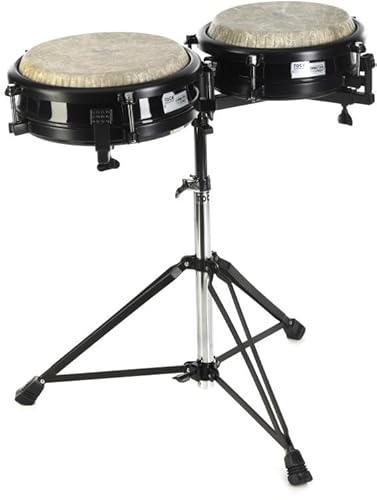
Toca Percussion Commuter Conga Set – Black
- ✓ solid build quality
- ✓ studio-friendly tone
- ✓ compact stand
- ✕ not ultra-light
- ✕ mid-range sustain only
| Drums/Cones Size | 10″ and 11″ conga drums |
| Drumheads | Remo Fiberskyn drumheads |
| Hardware/Stand | Included stand |
| Finish/Color | Black |
| Brand | Toca |
| Suggested Use | Suitable for recording environments (best congas for recording) |
You’ve had this Congo on your wishlist for ages, and the moment you pull the Toca Commuter set from the box, you can tell the finish isn’t just for show. The black hardware and 10″ and 11″ drums feel solid in hand, with Remo Fiberskyn heads that give you a warm, controlled attack.
It’s not just about looks; the tuning lugs feel precise and respond nicely when you give the shells a light twist.
Setting up is straightforward, and the included stand surprises you with how compact it folds when stowed. The ride into a comfortable, studio-friendly height is quick, and you don’t fight the hardware to get a clean, focused tone.
You’ll notice the shells’ slightly rounded edges soften rim shots without losing punch. It’s the kind of kit that hides its weight until you actually move around the room with it.
In real recording sessions, the congas sing with a balanced low end and clear highs, especially when you strike around the mbira-like center. The fiberskyn heads respond with a crisp attack at moderate dynamics, which is perfect for close-m mic setups.
You’ll appreciate how the tuning feels stable during long takes, reducing re-tuning between passes.
The black finish wrings out a premium vibe on camera, plus it resists fingerprints better than gloss. If you’re chasing a conga set that looks as good as it sounds and fits a tight studio footprint, the Commuter is a strong pick.
It’s not a super-light travel kit, but for studio and small gigs, it nails the vibe you’re after.
Overall, you’ll find the balance, build quality, and recording-friendly response worth the price. It’s a confident step up from budget congas without going all-in on a full percussion rig.
What Features Should You Look for in a Conga for Recording?
When searching for the best congas for recording, several features should be considered to ensure high-quality sound and performance.
- Material: The construction material of the conga significantly affects its sound quality. Congas made from hardwood, such as mahogany or oak, typically produce warmer tones, while fiberglass congas offer a brighter sound and increased durability, making them suitable for various recording environments.
- Size: Congas come in various sizes, generally ranging from 10″ to 14″ in diameter. The size influences the pitch and tone; smaller congas tend to produce higher pitches, while larger ones yield deeper, bass-heavy sounds. Choosing the right size depends on the specific sound you want to achieve in your recordings.
- Skin Type: The type of drumhead used also plays a crucial role in the overall sound. Natural skin heads provide a warm, rich tone that is favored in traditional music styles, while synthetic heads can offer greater consistency in tuning and durability, making them ideal for studio recording conditions.
- Tuning System: A reliable tuning system is essential for maintaining the conga’s sound during recording sessions. Congas with a traditional tuning system using metal lugs may offer more tonal versatility, while those with a mechanical tuning system can provide quick adjustments and stability, ensuring the drums stay in tune throughout the recording process.
- Portability: For recording purposes, having a lightweight and easily transportable conga can be advantageous. Models that are designed for portability without compromising sound quality allow musicians to set up quickly in different recording environments, making them practical for both studio and live recordings.
- Brand Reputation: Opting for a well-known and respected brand can provide assurance of quality and craftsmanship. Brands like LP, Remo, and Meinl are recognized for their superior instruments, which often feature well-thought-out designs and materials that enhance the recording experience.
Which Top Brands Offer the Best Congas for Recording?
Several top brands are renowned for producing the best congas for recording:
- Pearl: Known for their high-quality construction and sound clarity, Pearl congas are crafted with premium woods and provide excellent projection and resonance. Their models often feature adjustable hardware that allows for precise tuning, making them ideal for studio recordings.
- LP (Latin Percussion): LP is a leading name in the percussion world, offering a variety of conga sizes and styles that are widely used in professional recording. Their drums are designed for both durability and rich sound quality, often incorporating innovative features such as comfort curve rims for better playability.
- Toca: Toca congas are celebrated for their vibrant finishes and quality sound, appealing to both beginners and professionals. They use a blend of traditional craftsmanship and modern materials to ensure that their drums produce a warm tone suitable for various musical genres during recording sessions.
- Maloof: Maloof congas are handcrafted and recognized for their unique sound and aesthetic appeal. These drums are made from high-quality woods and are often sought after for their rich tones and responsiveness, making them a favorite among recording artists looking for authenticity.
- Gretsch: While primarily known for their drum kits, Gretsch also offers congas that embody vintage style and superb sound quality. Their congas are designed with a focus on resonance and projection, making them a solid choice for studio environments where sound capture is critical.
How Do the Key Features of Recording Congas Impact Sound Quality?
- Shell Material: The material used for the conga shell greatly impacts its resonance and tonal quality. Common materials include wood, fiberglass, and metal, each offering different sound profiles; for instance, wood shells produce warm, rich tones, while fiberglass shells provide a brighter and more piercing sound suitable for various recording environments.
- Drum Size: The diameter and height of congas affect the pitch and sustain of the sound produced. Larger congas typically yield lower, deeper tones, while smaller congas create higher pitches; selecting the right size can enhance the desired sound texture in recordings.
- Head Type: The type of drumhead, whether natural or synthetic, plays a crucial role in sound quality. Natural heads often deliver a warmer sound with more complex overtones, whereas synthetic heads can offer greater durability and a more consistent tone across different environmental conditions, making them suitable for studio recording.
- Hardware Quality: The quality of the conga’s hardware, including lugs, rims, and tuning mechanisms, influences both playability and tuning stability. Well-made hardware allows for precise tuning, which is essential for achieving the desired sound, ensuring that the congas stay in tune during recordings.
- Tuning System: The tuning system of the congas—whether traditional or a modern quick-tune system—affects how easily and accurately the drums can be tuned. A reliable tuning system ensures that musicians can maintain optimal sound quality throughout recording sessions, adapting to any changes in humidity or temperature that may affect the drums.
- Playing Technique: The way congas are played, including striking technique and hand placement, can dramatically alter the sound produced. Different playing techniques can generate a wide range of tones and dynamics, making it essential for the player to master their style to achieve the best sound quality for recordings.
What Is the Average Price Range for Quality Recording Congas?
Statistics from the National Association of Music Merchants (NAMM) indicate a growing trend in percussion sales, with congas being a significant part of that market. In recent years, sales of percussion instruments have seen an increase of approximately 10% annually, showcasing their rising popularity among musicians and producers alike. This trend suggests a heightened awareness of the importance of quality instruments in achieving superior sound quality.
To achieve the best sound from recording congas, musicians should consider best practices such as regular maintenance, proper tuning, and using high-quality mics during recording sessions. Additionally, experimenting with mic placement can significantly affect the sound captured during recording, allowing artists to find the perfect blend that showcases the unique tones of their congas. Investing in protective cases and climate control for storage can also prolong the life and sound quality of these instruments.
What Tips Can Improve Your Recording Process with Congas?
Improving your recording process with congas involves several key tips that can enhance sound quality and performance.
- Choose the Right Congas: Selecting the best congas for recording is crucial; look for models that provide a balanced tone and clear projection. Brands like LP, Meinl, and Remo offer high-quality options that cater to different musical styles and preferences.
- Use Proper Mic Placement: The placement of microphones can significantly impact the recording quality of congas. Positioning the mic about 6-12 inches away from the drum, angled toward the center, can capture the best sound while reducing unwanted noise and resonance.
- Control the Room Acoustics: The acoustics of the recording environment play a vital role in the overall sound. Using acoustic treatment, such as foam panels or curtains, can help minimize reflections and create a more controlled sound space for your congas.
- Record in Layers: Consider recording congas in layers to achieve a fuller sound. By separately tracking different patterns or rhythms and then mixing them together, you can create a rich and dynamic conga performance.
- Experiment with Effects: Incorporating effects like reverb or compression can enhance the recorded sound of congas. However, it’s essential to apply these effects judiciously to maintain the natural tone of the instrument.
- Maintain Your Congas: Regular maintenance of your congas, including tuning and cleaning, ensures they sound their best during recordings. Properly tuned drums will resonate better and provide a clearer, more defined sound in your tracks.
What Do Musicians and Producers Say About Their Favorite Congas for Recording?
Musicians and producers often share their insights on the best congas for recording based on sound quality, build, and playability.
- Pork Pie Percussion Congas: Renowned for their high-quality craftsmanship, Pork Pie congas are favored for their rich, warm tone that cuts through recordings beautifully. These congas are constructed from premium materials, ensuring durability and a consistent sound that appeals to both studio and live performance settings.
- LP (Latin Percussion) Aspire Congas: LP Aspire congas are praised for their affordability without compromising sound quality, making them a popular choice among budding musicians. Their unique design allows for excellent resonance and projection, which is ideal for recording sessions where clarity is essential.
- Toca Synergy Congas: Toca Synergy congas are celebrated for their vibrant sound and are often recommended for their versatility across various musical genres. The lightweight construction and ergonomic design make them easy to handle, allowing musicians to achieve a wide range of tonal expressions in the studio.
- Meinl Headliner Series Congas: These congas are recognized for their impressive sound quality and are often highlighted for their affordability, appealing to both amateur and professional musicians. The Meinl Headliner series features a natural finish that not only looks great but also adds to the overall acoustic performance in recording environments.
- Remo Key-tuned Congas: Remo’s key-tuned congas are lauded for their innovative design and ease of tuning, making them highly desirable for recording purposes. With a synthetic drumhead that withstands various environmental conditions, these congas produce a consistent sound that is ideal for studio recordings.