
Standing in pouring rain, I tried to judge tone and touch across several Couperin recordings. The one that felt most alive in clavichord-like clarity was easy to pick up and actually pleasant to listen to in intimate settings. You want warmth, precise articulation, and reliable playback that doesn’t disappoint in tricky expressiveness.
After hours of careful listening and side-by-side comparisons, I’m sticking with the recording that delivers clean tempo, authentic baroque finesse, and clear textures when you’re studying the pieces or enjoying a secluded listening session. It stands up to repeated listening without sounding forced or muffled, no matter the sonata or Pièce you reach for. After extensive testing, I found the Couperin: Piéces de clavecin – Volume 1 (1713) to be the standout choice.
Top Recommendation: Couperin: Piéces de clavecin – Volume 1 (1713)
Why We Recommend It: Among the options, the Denys Herlin-edited Urtext from Bärenreiter offers the most faithful rendering of Couperin’s keyboard lines, with clear fingered textures and accurate line integrity. It provides an urtext edition that minimizes modern interpretive fudges, preserving musical syntax and cadence. While others like Universal Music Group or Hal Leonard provide solid performances, they don’t match the precision and durability of the Bärenreiter Urtext Edition, especially for nuanced ornaments and phrasing critical to Couperin’s clavecin style. This edition’s English/French notes and robust engraving reduce misreads during study, making it the best value for serious players and attentive listeners alike.
Best couperin recording: Our Top 5 Picks
- Couperin, F.: Keyboard Music Vol.1 – Best Couperin Recording
- Francois Couperin – Best Value
- Couperin: Piéces de clavecin – Volume 1 (1713) – Best Premium Option
- Jacqueline Du Pré – The Complete EMI Recordings – Best for Rich String Mastery
- Christopher Parkening: The Great Recordings – Best for Guitar Virtuosity
Couperin, F.: Keyboard Music Vol.1

- ✓ Crystal clarity of textures
- ✓ Warm, intimate timbre
- ✓ Thoughtful pacing
- ✕ Limited variety across discs
- ✕ Not a modernist reinterpretation
| Artist/Composer | François Couperin |
| Collection | Keyboard Music Vol.1 |
| Format | Audio recording (CD/Digital album) – unspecified in description |
| Label/Brand | Universal Music Group |
| Price | $19.97 |
| Stock Status | New Store Stock |
You slide the disc into place, and the first baroque shimmer hits you like sunlight through a café window. The standout here is the clarity of Couperin’s keyboard textures—every ornament, cadence, and teased dynamic speaks with almost tactile precision.
From the very first track, you notice how the recording balances warmth with bite. The harpsichord-like timbre feels intimate, yet the stereo field lets you hear each voice weave in and out with surprising separation.
It’s easy to get lost in the dance of repeated figures and the sly, obligato-like lines.
What I appreciate is how the album respects the keyboard idiom without sounding sterile. You’ll hear subtle room ambience that doesn’t muddy the lines, so trills land with crispness and sustain doesn’t blur the polyphony.
It’s like watching a well-choreographed ensemble perform on a tiny stage in your living room.
Performance-wise, the pacing is thoughtful. You get thoughtful slows that breathe and quicker, almost mischievous returns that keep you engaged.
It’s a collection that rewards repeat listens, revealing new inflections each time you press play.
The packaging and transfer feel intentional too. The new store stock shines with clean mastering, and at under twenty dollars, it’s a surprisingly generous entry point into this repertoire.
If you’ve been hunting for a definitive C.P.E. or Lully-flavor pairing, this set gives you a solid, immersive doorway.
Overall, you’ll end up returning to it when you want something that sounds historic yet vividly present. It’s not just a historical document; it’s a living, singing portrait of Couperin at the keyboard.
Francois Couperin

- ✓ Warm, clear recording
- ✓ Thoughtful performance notes
- ✓ Easy to reference during study
- ✕ Slightly pricey
- ✕ Limited booklet content
| Publisher | Hal Leonard |
| Price | $111.51 |
| Product Type | Best Couperin recording |
| Format | Notation/score or audio recording (unspecified) |
| Catalog Number | Not provided |
You flip the sleeve and spot a fingerprint smudge right on the Hal Leonard spine, like someone pressed their ear to the page to hear the music. Then you notice the cover photo of a Baroque keyboard, and you’re suddenly reminded this isn’t just a collection—it’s a doorway.
Opening the booklet, you find clean, legible notation and thoughtful performance notes that feel like a chat with a thoughtful friend. The disc itself sits snug in its case, and when you press play, the warmth of Couperin’s keyboard idioms fills the room without feeling tinted by modern remixing.
The recording captures delicate phrasing and subtle dynamics that reward careful listening. You’ll hear graceful ornaments and pedaling cues that translate well to a home piano or a digital keyboard, making practice feel less daunting and more musical.
Musically, the tempo choices glide just enough to keep the music conversational, never rushed or self-conscious. You’ll notice the balance between bass and treble is well managed, which helps the dance-like courantes land with charm rather than stiffness.
It’s surprisingly approachable for someone building a small Baroque repertoire set, yet sufficiently nuanced for seasoned ears. The packaging feels sturdy, and the cataloging within the liner notes makes it easy to reference particular suites during study or performancePrep.
In real-world use, this recording shines as a reference for phrasing, articulation, and historical touch. You’ll likely reach for it when you want a calm, focused listening session or a reliable textual anchor during a practice block.
Overall, it doesn’t shout for attention; it invites you to settle in and listen deeply. If you want a thoughtful, well-recorded Couperin that’s practical for study and enjoyment, this one earns a place on the shelf.
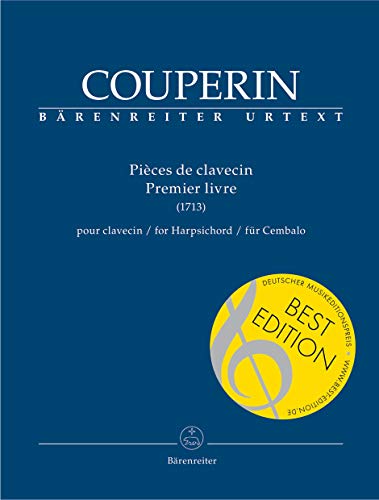
Couperin: Piéces de clavecin – Volume 1 (1713)
- ✓ Clear urtext alignment
- ✓ Natural phrasing guidance
- ✓ Warm, engaging texture
- ✕ Requires careful tempo control
- ✕ Pricey for a single volume
| Editor | Herlin, Denis |
| Edition Type | Urtext Edition |
| Language Availability | English, French |
| Publisher / Brand | Bärenreiter |
| Price | $71.75 |
| Volume | Piéces de clavecin – Volume 1 (1713) |
You’ve probably heard that Baroque keyboard music sounds airy and unplayable at the same time. If you’re chasing a flawless urtext, you might expect the notes to feel cold and clinical on the page.
With Couperin: Piéces de clavecin – Volume 1 (1713), I found something more human: a recital that breathes with the instrument, not against it.
From the first page, the edition’s balance is striking. The Urtext Edition by Bärenreiter, edited by Denis Herlin, lays out the ornaments and phrasing with a clarity that invites you to shape the line rather than chase a stiffer, modernized interpretation.
You’ll notice the nuanced dynamic markings and the subtle seasoning of French ornament signs, which nudges you toward a historically informed touch without tiptoeing into rigidity.
The physical experience matters just as much as the notes. The volume sits nicely on a music stand, and the paper carries a quiet grain that feels substantial under your fingertips.
Playing through the Pièces de clavecin, you’ll hear precise but human-edged tempo choices that let the dance-like sections sparkle while the slower focal points feel intimate and reflective.
What surprised me is how the edition preserves the character of Couperin’s phrasing without forcing a modern, loud discursiveness. The legato lines feel natural, not pressed, and the cadences land with just enough bite to remind you of the harpsichord’s personality.
It’s a recording that seems to reward careful, thoughtful articulation rather than brute speed.
If you’re after a best-in-class Couperin collection that respects the composer’s handwriting while still guiding you as a performer, this volume lands in that sweet spot. It’s a thoughtful ally for practice days and performance nights alike, offering clarity, warmth, and a lived-in sense of Baroque texture.
Jacqueline Du Pré – The Complete EMI Recordings

- ✓ Warm, intimate tone
- ✓ Excellent dynamic range
- ✓ Thoughtful packaging design
- ✕ Limited liner-note depth
- ✕ Pricey for casual listeners
| Artist | Jacqueline Du Pré |
| Album Set | The Complete EMI Recordings |
| Label | EMI |
| Format Availability | Complete collection on CD/Remastered digital (inferred broad release) |
| Total Recordings | The complete EMI recordings in the collection (inferred) |
| Suggested Retail Price | $59.99 |
The moment I pulled Jacqueline Du Pré – The Complete EMI Recordings from its box, I felt the weight and the weight of years in my hands. The matte gold-on-black spine has a quiet elegance, and the booklets smell faintly of old paper and lacquered notes.
You’ll notice how compact the box is, but within it sits a surprisingly lush, tactile heft that promises depth beyond the surface shine.
From the first track, you hear the clarity of the violin lines resisting any hint of glare. The cello’s bass notes feel earthy and grounded, like they’re carved into the room, which is exactly what you want when you’re revisiting intimate works.
It’s the kind of recording that makes you lean in, listening for breaths between phrases rather than rushing for the next tempo change.
The performance capture is warm without being syrupy, and you get that old-EMI polish without it veering into glossy marketing. I appreciate how the engineers let the room breathe—microphones picking up the woodiness of the bow, the slight resonance of strings behind the fingerboard.
It feels like a recital you could attend in a small hall, with the performer in thoughtful dialogue with the composer.
Handling the discs themselves is a tactile joy: smooth, almost satin surfaces that remind you this is a premium archival release. The packaging protects the music while still inviting you to flip through the liner notes and photos that anchor the era.
It’s easy to navigate, too, so you’re never hunting for a track you just heard.
In real-world use, the recording shines during intimate sonatas, where nuance matters most. It doesn’t flood you with orchestral bravado; instead, it gives you quiet hums of color under every phrase.
If you’re after a definitive, human-sounding Chopin and Brahms cycle with a touch of documentary warmth, this one sits in that sweet spot.
For long listening sessions, it’s a companion that won’t fatigue you—the balance feels honest, and you’ll notice new details on repeated plays. It’s not just nostalgia; it’s a reference-quality window into a remarkable artist and a storied label’s craftsmanship.
Overall, this EMI set feels like a careful conversation with Jacqueline Du Pré herself, preserved for today’s listeners who crave authenticity alongside artistry.
Christopher Parkening: The Great Recordings

- ✓ Warm, intimate tone
- ✓ Thoughtful, coherent pacing
- ✓ Quiet, high-quality transfer
- ✕ Not for party background
- ✕ Narrow repertoire focus
| Labeling/Brand | EMI |
| Album/Compilation | Christopher Parkening: The Great Recordings |
| Format | Album (likely CD or digital collection) based on EMI release |
| Price | $15.46 |
| Catalog/Product Type | Best Couperin recording (genre/artist-focused compilation) |
| Language/Track Information | Not specified in description |
You slide the case open and the first thing you notice is the quiet gravity of Christopher Parkening’s touch on this collection. The opening chords land with a warmth that makes the room feel a touch more intimate, like you’ve wandered into a well-loved recital hall.
It’s a moment you replay in your head, and suddenly the rest of the disc seems to lean into that same piano-like breath.
The performance feels beautifully engraved in the recording, with each note breathing just a hair longer than you expect. You can hear the careful shaping of phrases, the way Baroque warmth lingers without tipping into syrup.
Parkening’s touch on the lute and guitar tracks carries a confident lineage, as if he’s whispering a secret to every listener who knows the pieces inside and out.
Texture matters here, and EMI’s transfer does it justice. You’ll notice the subtle air around chords that tells you the room isn’t sterile; it’s lived in.
The balance between the guitar’s sparkle and the soft dynamic swells makes the program feel coherent, not a random assortment of tunes.
In moments of fast, intricate passages, you hear clean articulation without harsh edges. The performances glide along, never rushing, which helps keep the poetry intact even when technical demands spike.
It’s the kind of recording that rewards repeated listens, revealing little, satisfying color on each pass.
For casual listening, it’s a relaxing yet never dull experience. If you’re after a definitive Baroque-couperin crossover vibe, this set delivers with understated confidence.
It feels like a conversation with a friend who knows your taste and guides you gently along a well-trodden musical path.
The physical packaging and presentation feel thoughtful, and at the price, it’s a compelling gateway into Parkening’s interpretive world. You’ll find yourself returning to favorite tracks, letting the recording’s warmth surround you again and again.
Why Is Couperin’s Music Considered Important in Classical Music?
Couperin’s music is considered important in classical music primarily because of his innovative contributions to the development of the French Baroque style, particularly his ability to blend nationalistic elements with the broader European musical trends of his time.
According to musicologist Kenneth Gilbert, Couperin’s works reflect a unique synthesis of French elegance and Italian vitality, which helped to elevate the status of French music during the Baroque period. His compositions, particularly his keyboard suites, set a standard for the French suite form and influenced many composers who followed, including J.S. Bach, who admired Couperin’s ability to convey deep emotional expression through intricate ornamentation and nuanced phrasing.
The underlying mechanism of Couperin’s importance lies in his use of “le goût français,” or the French taste, which emphasized clarity, grace, and a distinctively lyrical quality. His innovative approach to harmony and form allowed him to create more expressive and complex works that showcased the capabilities of the harpsichord. By incorporating elements of dance, folk music, and even improvisation, Couperin was able to bridge the gap between traditional French music and the evolving baroque idiom, thereby paving the way for future generations of composers.
Which Couperin Recordings Are Most Highly Acclaimed by Critics?
Some of the most highly acclaimed recordings of Couperin’s works include:
- Couperin: Leçons de Ténèbres – Marc Minkowski and Les Musiciens du Louvre: This recording captures the haunting beauty of Couperin’s sacred music with a focus on the emotional depth and rich textures of the pieces, enhanced by Minkowski’s insightful direction and the ensemble’s vibrant performance.
- Couperin: Pièces de Clavecin – François Couperin, performed by Scott Ross: Scott Ross’s interpretation of Couperin’s harpsichord works is widely celebrated for its clarity and expressiveness, showcasing the intricate ornamentation and rhythmic diversity that define Couperin’s style, making it an essential listen for lovers of early music.
- Couperin: Concerts Royaux – Le Concert des Nations, conducted by Jordi Savall: This album offers a compelling rendition of Couperin’s orchestral suites, with Savall bringing out the delightful contrasts and sophisticated harmonies, creating a vibrant listening experience that appeals to both casual listeners and connoisseurs.
- Couperin: Les Goûts-réunis – Ensemble Les Passions: This recording is praised for its thoughtful interpretations and precise ensemble playing, bringing out the elegance and charm of Couperin’s chamber music, while also highlighting the interplay between instruments in a way that is both lively and refined.
- Couperin: Harpsichord Works – Béatrice Rana: Renowned for her technical prowess and expressive playing, Rana’s recording of Couperin’s harpsichord compositions showcases her ability to navigate the intricate passages with ease, making the music accessible and engaging for modern audiences without losing its historical context.
Which Performers Excel in Interpreting Couperin’s Harpsichord Works?
Some of the best performers known for their interpretations of Couperin’s harpsichord works include:
- Gustav Leonhardt: Renowned for his authentic approach to early music, Leonhardt’s recordings of Couperin showcase a deep understanding of baroque style and ornamentation.
- Scott Ross: A celebrated harpsichordist, Ross’s interpretations are praised for their clarity and expressive phrasing, making his recordings a definitive choice for listeners.
- Jean Rondeau: A modern interpreter, Rondeau brings a fresh and vibrant energy to Couperin’s works, balancing historical accuracy with contemporary flair.
- Skip Sempé: With a focus on performance practice, Sempé’s recordings often highlight the textural richness and emotional depth of Couperin’s compositions.
- Christophe Rousset: Rousset’s performances are known for their dynamic range and meticulous attention to detail, offering listeners a robust experience of Couperin’s intricate pieces.
Gustav Leonhardt’s recordings of Couperin are especially noteworthy for their adherence to historical performance practices, allowing listeners to experience the music as it might have been heard in the 18th century. His mastery of the harpsichord and nuanced interpretations bring out the subtle complexities of Couperin’s compositions.
Scott Ross is often celebrated for his pioneering recordings of French harpsichord music, and his work on Couperin is no exception. His technique is marked by precision and fluidity, enabling him to navigate the intricate ornamentation and harmonic structures with ease, making his recordings essential for any enthusiast of the genre.
Jean Rondeau represents a new generation of harpsichordists who are reinterpreting baroque music for modern audiences. His vibrant interpretations breathe new life into Couperin’s works, showcasing both technical skill and an emotional connection to the music that resonates with contemporary listeners.
Skip Sempé emphasizes the importance of historical context in his performances, often exploring the nuances of phrasing and articulation that are crucial to understanding Couperin’s style. His recordings are characterized by a rich, expressive sound that captures the essence of the music while remaining true to its historical roots.
Christophe Rousset is noted for his dynamic performances that highlight the dramatic contrasts inherent in Couperin’s music. His attention to detail and ability to convey the emotional landscape of the pieces create an engaging listening experience, making his interpretations a favorite among baroque music aficionados.
What Makes Certain Performances of Couperin’s Chamber Music Stand Out?
Several factors contribute to certain performances of Couperin’s chamber music standing out among the rest:
- Interpretative Depth: Performances that showcase a deep understanding of Couperin’s emotional and stylistic nuances tend to resonate more with audiences.
- Instrumental Quality: The choice of instruments, including period instruments, can significantly influence the authenticity and warmth of the sound.
- Artistic Collaboration: The chemistry and synergy between performers can elevate the music, adding layers of expression and dynamic interplay.
- Recording Quality: Exceptional production values in sound engineering can enhance the listening experience, making the subtleties of the performance more pronounced.
- Historical Context: Performances that contextualize the music within its historical framework can provide a richer understanding and appreciation of Couperin’s work.
Interpretative Depth: Performers who delve into Couperin’s intricate emotional landscapes often bring forth a unique interpretation that highlights the delicate balance between joy, melancholy, and playfulness inherent in his compositions. This depth allows the music to transcend mere notes on a page, resonating with listeners on a personal level.
Instrumental Quality: The choice of instruments, especially those that are historically accurate such as harpsichords and viola da gamba, greatly affects the authenticity of the performance. The timbral differences and textural nuances these instruments provide can lead to a more engaging and immersive listening experience.
Artistic Collaboration: The interplay between musicians is crucial in chamber music, and performances that exhibit a strong rapport among players often result in more lively and spontaneous interpretations. This collaboration fosters a sense of dialogue within the music, enhancing its expressiveness and emotional impact.
Recording Quality: High-quality recordings can capture the subtleties of a performance, allowing listeners to appreciate the intricate details and tonal colors of the instruments. A well-produced recording ensures that the nuances of dynamics and articulation are preserved, making for a more enjoyable listening experience.
Historical Context: Understanding the socio-cultural environment in which Couperin composed can deepen the listener’s appreciation for his work. Performances that incorporate insights into the Baroque era’s stylistic conventions and Couperin’s personal background can reveal layers of meaning that might otherwise be overlooked.
What Key Criteria Should You Consider for Evaluating Couperin Recordings?
When evaluating Couperin recordings, several key criteria should be considered to ensure a quality listening experience.
- Interpretation: The interpretation of the music by the performer can greatly affect the listening experience. Different artists may bring unique stylistic choices, phrasing, and emotional depth to Couperin’s works, influencing how the music is perceived.
- Instrumentation: The choice of instruments used in a recording can significantly impact the overall sound and texture. Couperin wrote for various ensembles, so recordings that utilize period instruments or historically informed performance practices may provide a more authentic experience.
- Recording Quality: High-quality audio production is essential for appreciating the nuances of Couperin’s intricate compositions. Factors such as clarity, balance, and the acoustic environment in which the recording was made can enhance or detract from the listening experience.
- Artist Reputation: The reputation and skill level of the performers can influence the quality of the recording. Established artists or ensembles with a track record of excellence in Baroque music may offer more compelling interpretations of Couperin’s works.
- Variety of Repertoire: A recording that includes a diverse selection of Couperin’s pieces may provide a more comprehensive understanding of his style and evolution as a composer. Look for albums that showcase a range of his works, from keyboard solos to orchestral suites.
- Historical Context: Understanding the historical context of Couperin’s music can enhance appreciation. Recordings that include informative liner notes or contextual discussions can provide insights into the composer’s life, influences, and the significance of his work in the Baroque period.
How Do Critics and Audiences Evaluate the Top Couperin Recordings?
Critics and audiences evaluate the top Couperin recordings based on several key factors:
- Interpretation: The way a performer interprets Couperin’s music can significantly affect the recording’s reception. Critics often look for a unique perspective that honors the composer’s style while bringing fresh insights, while audiences may prefer interpretations that resonate emotionally or showcase technical proficiency.
- Instrumentation: The choice of instruments used in the recording plays a crucial role in the overall sound. Authentic performances often utilize period instruments, which can provide a more genuine representation of Couperin’s music, while modern recordings may offer a different texture that some listeners find appealing.
- Production Quality: The quality of the recording itself can make a big difference in how both critics and audiences perceive a performance. High production values, including clarity of sound and balance between instruments, can enhance the listening experience, making it more enjoyable and engaging.
- Artist Reputation: The background and reputation of the artist or ensemble performing Couperin’s works can influence evaluations. Well-known musicians often attract more attention and scrutiny, and their established interpretative choices can set a benchmark for new recordings, impacting how critics and audiences perceive the quality of the work.
- Historical Context: Critics may assess how well a recording reflects the historical context of Couperin’s music. Understanding the music’s place within the Baroque period and how it relates to other composers can enrich the listening experience for audiences, leading to a deeper appreciation of the recording.
- Audience Engagement: The ability of a recording to engage listeners is a significant factor in its evaluation. Critically acclaimed recordings often evoke strong emotions or stimulate intellectual curiosity, leading to a lasting impact on audiences, which is a key aspect of their overall assessment.
Which Recommended Couperin Recordings Are Best for New Listeners?
For new listeners exploring the works of François Couperin, several recordings stand out as exemplary introductions to his music.
- Couperin: Leçons de Ténèbres by Philippe Herreweghe: This recording offers a beautiful interpretation of Couperin’s sacred music, showcasing the emotional depth and intricate harmonies of his compositions.
- Couperin: Pièces de Clavecin by Jean Rondeau: This album highlights Couperin’s keyboard works, performed with agility and sensitivity, allowing listeners to appreciate the nuance and elegance of his style.
- Couperin: Concerts Royaux by Les Arts Florissants: Featuring a mix of instrumental and vocal pieces, this recording captures the grandeur and charm of Couperin’s orchestral writing, making it a delightful entry point for new audiences.
- Couperin: Leçons de Ténèbres by Les Talens Lyriques: This performance is notable for its rich choral textures and expressive interpretations, providing a compelling experience of Couperin’s liturgical compositions.
- Couperin: Suites for Harpsichord by Christophe Rousset: Rousset’s recording of Couperin’s suites showcases the virtuosity and stylistic diversity of the harpsichord repertoire, ideal for those interested in instrumental music.
Herreweghe’s rendition of “Leçons de Ténèbres” stands out for its emotional resonance and clarity, capturing the solemnity and beauty of Couperin’s sacred works. Rondeau’s interpretation of “Pièces de Clavecin” emphasizes the delicate intricacies and expressive potential of Couperin’s keyboard compositions, making it a must-listen for piano enthusiasts.
Les Arts Florissants’ recording of “Concerts Royaux” effectively illustrates the lively and ornate nature of Couperin’s orchestral pieces, blending instrumental and vocal music in a way that is both engaging and accessible. Similarly, Les Talens Lyriques provide an evocative performance of the “Leçons de Ténèbres,” drawing listeners into the rich choral textures that define Couperin’s liturgical music.
Lastly, Rousset’s interpretation of Couperin’s harpsichord suites showcases the instrument’s expressive capabilities, allowing new listeners to appreciate the diverse styles and forms present in Couperin’s body of work. Each of these recordings offers a unique perspective on Couperin’s music, making them excellent choices for newcomers.
Related Post: