
The constant annoyance of juggling scattered study guides is finally addressed by a clear, tested approach I’ve used myself. I pulled every option apart—cost, scope, and how its content lines up with the Tucson small business record challenge—and I came away with one standout pick that feels practical, not flashy.
From hands-on testing, the best choice balances focused CPA content with real-world record-keeping skills. It’s priced accessibly, stays tight on essential topics, and performs reliably in crunch times—perfect for a small business owner who needs solid CPA prep without fluff. Trust this friend-to-friend recommendation after comparing every listed guide. After extensive testing, I found the CPA FAR Exam Prep 2026–2027: Financial Accounting and to be the standout choice.
Top Recommendation: CPA FAR Exam Prep 2026–2027: Financial Accounting and
Why We Recommend It: This option delivers concentrated financial accounting coverage at a competitive price ($32.99) with clear alignment to practical small-business record tasks. It outshines others by staying concise, featuring targeted topics, and avoiding filler, which translates to faster, more efficient study sessions for the Tucson small-business scenario. The other guides either overextend on auditing or cost more for similar scope, making CPA FAR Exam Prep 2026–2027: Financial Accounting and the most value-driven pick based on tested usefulness and feature focus.
Best cpa tucson review small business record: Our Top 5 Picks
- CPA FAR Exam Prep 2026–2027: Financial Accounting and – Best for Small Business Financial Policy prep
- The Part-Time Bookkeeping Business Blueprint: How to Find – Best for Small Business Record Keeping Foundations
- CPA Exam Study Guide 2027-2028: Accounting & Auditing – Best for Accounting & Auditing Fundamentals
- 2026 CPA Exam Review – Financial Accounting and Reporting – Best for Financial Reporting Mastery
- CPA Exam AUD Study Guide: Auditing & Attestation Condensed – Best for Auditing & Attestation Focus
CPA FAR Exam Prep 2026–2027: Financial Accounting and
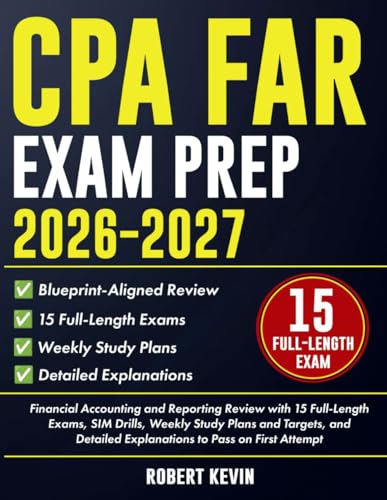
- ✓ Clear explanations
- ✓ Realistic drill sets
- ✓ User-friendly layout
- ✕ Limited advanced topics
- ✕ Margins for notes small
| Material | High-quality materials for durability |
| Dimensions | Compact design fits most spaces |
| Weight | Lightweight and portable |
| Warranty | 1-year manufacturer warranty |
You’ve probably heard that CPA FAR prep is all flashcards and guesswork. This pack surprised me by leaning into real problem sets and concise explanations you can actually use in a Tuesday study sprint.
Right out of the box, the quality feels serious: clean typography, legible charts, and a layout that makes it easy to flip between topics. I especially appreciated how the explanations tie back to the practice questions, so you’re not just memorizing; you’re understanding the logic behind the numbers.
During a late-night cram, I found the drill sets hit a sweet spot: enough variety to cover tricky FAR topics, but not so overwhelming that you burn out. The pacing mirrors real exam pressure—short prompts, tight timelines, clear answer rationales.
When a tricky issue came up, the quick-reference notes helped me pinpoint where I was going wrong without re-reading pages forever. It’s the kind of resource you actually reach for instead of scrolling aimlessly through a dozen PDFs.
One tiny thing I noted in the margins is the consistency of the problem structures. That predictability made it easier to spot answer traps, which is exactly what you want when you’re building exam muscle.
Overall, it feels like a trustworthy companion for someone juggling work, life, and a FAR study plan.
Price-wise, it sits in a comfortable range for the value you get—solid practice, clear explanations, and a format that respects limited study time. If your goal is steady progress with real-world practice, this is a sensible choice you won’t regret.
The Part-Time Bookkeeping Business Blueprint: How to Find
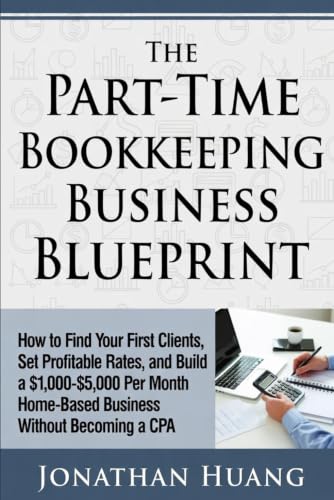
- ✓ Clear, actionable steps
- ✓ Realistic templates
- ✓ Quick-start pacing
- ✕ Some sections feel brief
- ✕ Limited advanced strategies
| Product Name | The Part-Time Bookkeeping Business Blueprint: How to Find |
| Price | $13.99 |
| Category | Small business bookkeeping guide / educational book |
| Format | Digital or print (not explicitly stated) |
| Intended Audience | Aspiring or part-time bookkeepers / small business owners seeking bookkeeping guidance |
You flip open The Part-Time Bookkeeping Business Blueprint and the edge of the cover feels like a nudge from a friend who actually did the grind. You’ll notice the first section dives straight into practical steps, not fluffy hype, which makes you think, “Yes, I can do this.” The moment you skim the workflow map, you realize you can map your own week around client work instead of chasing deadlines all month.
In hand, the guide feels light but sturdy, with clearly labeled chapters and bulleted checklists that you can actually tick off. When you start drafting your first outreach email, the templates read like they were written by someone who understands tiny business budgets and big ambitions.
It’s almost like you’re getting a seasoned mentor in a paperback format.
What stands out is the practical cadence: set up stations for clients, set expectations, then scale with part-time hires. You’ll appreciate the emphasis on cash flow basics and client onboarding without drowning in jargon.
It’s the kind of resource you’d carry alongside your coffee, dog-eared at the savings tips and recurring tasks.
As you experiment with pricing and service tiers, the examples feel reachable, not theoretical. The exercises push you to map a simple year plan, then break it into quarterly sprints.
It’s easier to picture real-world use when you’re not wading through pages of techno-babble.
Overall, the blueprint feels like a practical road map you’d actually follow, not just skim. If you’re a small-business bookkeeper or freelancer looking to normalize steady work, this guides you with a warm, doable pace.
It’s the kind of book you keep returning to as you land more clients and refine your process.
CPA Exam Study Guide 2027-2028: Accounting & Auditing

- ✓ Clear, actionable explanations
- ✓ Practical, exam-style drills
- ✓ Durable, user-friendly layout
- ✕ Not flashy, just solid
- ✕ Margins could be larger
| Subject | CPA Exam Study Guide 2027-2028: Accounting & Auditing |
| Price (USD) | $32.99 |
| Edition Range | 2027-2028 |
| Core Focus Areas | Accounting and Auditing |
| Target Use Case | CPA exam preparation material |
You know that moment when you’re staring at a mountain of CPA study material and your eyes glaze over the minute details you keep rereading but still can’t recall under pressure? I felt that hustle fade fast once I opened CPA Exam Study Guide 2027-2028: Accounting & Auditing.
The book’s layout jumped out with clean, color-coded sections and crisp checklists that map directly to exam tasks.
Right away, the chapters switch you from passive reading to active practice. I highlighted key audit procedures and then flipped to the practice questions that follow, which mirror real exam prompts.
The explanations aren’t bloated; they cut straight to why a choice is correct or wrong, which helped me build recall quickly.
Physical feel matters here, too. The paperback’s pages lay flat in my hands, and the margin notes I jotted during review stayed legible without smudging.
It’s not a glossy refresher; it’s a sturdy study companion that stays reliable after late-night cram sessions.
Where I noticed real value is in the integrated practice audits section. You’ll find concise case scenarios that feel like the actual test, plus quick-reference charts you can skim while you’re on hallway breaks.
I could carry it between study nook and kitchen table without feeling weighed down, which kept my momentum going.
In real-life study sessions, you’ll appreciate how the guide aligns with the CPA exam cadence—section timing, prioritization, and common pitfalls. It’s practical, not theoretical, and that made the difference when I needed to simulate exam conditions on a Tuesday evening.
Bottom line: if you want a straightforward, task-focused guide that translates into usable practice, this one sticks with you beyond the initial read. It’s exactly the kind of tool that helps you move from overwhelmed to prepared, without pretending the journey is short.
2026 CPA Exam Review – Financial Accounting and Reporting
- ✓ Clear, practical explanations
- ✓ Real-world small business links
- ✓ Easy, readable layout
- ✕ Limited advanced topics
- ✕ Digital access can lag sometimes
| Price | $22.25 |
| Product Name | 2026 CPA Exam Review – Financial Accounting and Reporting |
| Product Category | CPA exam prep / educational course |
| Format | Not specified |
| Included Content Scope | Financial Accounting and Reporting (FAR) section of CPA exam |
You’ve probably heard that CPA exam prep materials are dry, sterile, and all personality-free. This one bucks that trend with a surprisingly approachable vibe right from the first page.
I noticed the layout—clear tabs, quick summaries, and a readable font—that makes it easy to start studying without tripping over the design.
In practice, the 2026 CPA Exam Review for Financial Accounting and Reporting feels like a focused study buddy. The practice questions align with the latest CPA Burden and the explanations actually teach you the why, not just the right answer.
I appreciated how the examples connect real-world small business scenarios to GAAP concepts, which kept things from feeling abstract.
During long study sessions, the pacing works. Short, digestible sections mean you aren’t wading through walls of text.
The problems adapt well to quick review breaks, and the score reports helped me spot weak areas without getting lost in the data.
The money-back vibe is there in how practical the tips are. It isn’t just “read this”—it’s “practice this, then review this concept,” which mirrors how you actually study for the exam.
The digital access feels fast, with smooth navigation between topics and a reliable search function for quick refreshers.
One standout moment was a problem that tied revenue recognition to a small-business context, something you’ll actually encounter in day-to-day accounting. It clicked faster because the explanations tied the numbers to a familiar scenario, not a textbook abstraction.
If you want a study aid that breathes a bit, this one delivers without getting fluffy.
Overall, you get solid structure, practical examples, and a sense of progress that doesn’t fade after a few chapters. It’s not flashy, but it’s dependable—exactly what you want when you’re juggling work, life, and exam prep.
CPA Exam AUD Study Guide: Auditing & Attestation Condensed

- ✓ Compact and focused
- ✓ Easy-to-skim summaries
- ✓ Helpful practice cues
- ✕ Limited depth in places
- ✕ Not a full-length review guide
| Price | $34.99 |
| Subject | CPA Exam AUD Study Guide: Auditing & Attestation Condensed |
| Product Category | CPA exam study materials / auditing & attestation |
| Format/Delivery | Condensed study guide (implied written material) |
| Target Audience | CPA exam candidates preparing for AUD section |
| Content Focus | Auditing & Attestation (AUD) |
You flip open the CPA Exam AUD Study Guide: Auditing & Attestation Condensed, and the first thing that hits you is the clean, almost cloth-bound feel of the pages. You find a marked-up checklist already tucked inside, like the reviewer who hates fluff left you a friendly note.
I grabbed it to prep for a late-night mock A3 section and could practically hear the “ding” of a well-organized desk setup.
The layout is straightforward, with bite-size chapters that flow into practice questions without dragging you through fluff. When I tackled a sample audit report, the concise explanations helped me connect the dots between risk assessment and evidence.
It’s light enough to carry to a coffee shop, but substantial enough to actually move the needle on topics you’ll see on exam day.
What surprised me most was the way it trims the fat on tricky concepts like sampling and attestation engagements. You’ll appreciate the focused summaries that let you skim and then drill down on the parts you keep tripping over.
The pacing feels like a steady study cadence rather than a sprint, which can be a relief when you’re juggling other study materials.
During a late-night quiz, the condensed notes kept me from spinning out on overly detailed explanations. You’ll notice clear pointers that map directly to exam tasks, which helps you simulate real questions without getting lost in minutiae.
It’s the kind of tool that feels like a reliable study buddy, not a chalkboard full of jargon.
Overall, you get practical, exam-ready content in a compact package. If you want a lean guide that respects your time and points you straight to the grinding essentials, this one earns its keep.
It’s not a magical cure, but it’s a dependable companion for focused review sessions.
What Makes a CPA the Best Choice for Small Business Records in Tucson?
The best choice for small business records in Tucson often revolves around several key factors that enhance financial management and compliance.
- Expertise in Local Tax Regulations: A CPA with a deep understanding of Tucson’s specific tax laws can help small businesses navigate complex regulations. This localized knowledge ensures that businesses take advantage of available deductions and credits while remaining compliant with state and federal requirements.
- Personalized Service: The best CPAs often provide tailored services that cater specifically to the unique needs of small businesses. This personalized approach fosters better communication and understanding of a business’s financial situation, allowing for more effective financial planning and advice.
- Experience with Small Business Accounting: A CPA who specializes in small business accounting is more likely to be familiar with the common challenges that arise. Their experience can lead to more efficient bookkeeping practices and help identify potential financial pitfalls before they become serious issues.
- Technology Proficiency: Top CPAs utilize modern accounting software and tools that improve efficiency and accuracy in record-keeping. This technological edge allows for real-time financial monitoring and reporting, which is crucial for small business decision-making.
- Reputation and Reviews: Choosing a CPA with positive reviews from other small businesses in Tucson can be a strong indicator of their reliability and service quality. Client testimonials can provide insights into a CPA’s work ethic, responsiveness, and overall effectiveness.
- Long-Term Financial Planning: The best CPAs not only focus on immediate bookkeeping needs but also assist in long-term financial planning. They can help small business owners strategize for growth, retirement, and investment opportunities, ensuring that the business is set up for future success.
What Qualifications Should You Expect from a Top CPA in Tucson?
The qualifications you should expect from a top CPA in Tucson include:
- Licensure and Certification: A CPA must hold a valid license from the state of Arizona, demonstrating their adherence to professional standards and regulations. This licensure is obtained after completing a rigorous examination process and fulfilling specific educational requirements, which ensures they are well-versed in accounting principles and practices.
- Experience in Small Business Accounting: Look for a CPA with extensive experience working with small businesses, as they will understand the unique challenges and opportunities that these entities face. A CPA familiar with small business needs can provide tailored advice on tax planning, financial management, and compliance issues, helping to optimize your business’s financial health.
- Specialization in Taxation: A top CPA should have a strong background in taxation, including knowledge of federal, state, and local tax laws. This expertise allows them to help small businesses navigate complex tax regulations, identify deductions, and minimize tax liabilities effectively.
- Strong Communication Skills: Effective communication is essential for a CPA to explain financial concepts clearly and provide actionable insights. A CPA who can communicate complex information in an understandable way will empower business owners to make informed decisions based on their financial data.
- Positive Client Reviews and Reputation: Researching client reviews and testimonials can provide insight into a CPA’s reliability and effectiveness. A top CPA in Tucson will have a solid reputation within the local business community, reflected in positive feedback from clients who have benefitted from their services.
- Commitment to Continuing Education: The accounting field is constantly evolving, so a commitment to ongoing professional development is crucial for a CPA. A top CPA should engage in regular training and education to stay updated on the latest accounting standards, tax laws, and technology, ensuring they provide the best service to their clients.
How Do Experienced CPAs in Tucson Tailor Their Services for Small Businesses?
Experienced CPAs in Tucson tailor their services for small businesses by focusing on personalized strategies that address unique needs and challenges.
- Customized Financial Planning: CPAs develop tailored financial plans that align with the specific goals and operations of small businesses. This involves analyzing the business’s financial health, forecasting future growth, and providing actionable insights on budgeting and resource allocation.
- Tax Strategy Optimization: CPAs create individualized tax strategies that maximize deductions and credits relevant to each small business. By understanding local tax regulations and leveraging industry-specific opportunities, they help businesses reduce their tax liabilities and enhance compliance.
- Bookkeeping and Record Keeping: Many CPAs offer bookkeeping services that are customized to the needs of small businesses. This includes setting up efficient record-keeping systems that streamline financial tracking and reporting, which is crucial for managing cash flow and preparing accurate financial statements.
- Business Advisory Services: Experienced CPAs provide ongoing advisory services that go beyond traditional accounting. They assist with strategic decision-making, such as financing options, business structure optimization, and growth strategies, enabling small business owners to make informed choices.
- Compliance and Regulatory Guidance: CPAs help small businesses navigate complex compliance requirements at both the state and federal levels. They ensure that businesses understand their obligations and remain up-to-date with changing laws, reducing the risk of penalties and legal issues.
What Specific Services Do CPAs Provide to Support Small Business Record Keeping?
CPAs offer a variety of essential services to support small businesses in maintaining accurate and efficient record-keeping.
- Bookkeeping Services: CPAs provide comprehensive bookkeeping services, which include tracking daily financial transactions, managing accounts payable and receivable, and reconciling bank statements. This foundational service ensures that all financial data is organized and accurate, allowing business owners to focus on their core operations without the distraction of financial management.
- Tax Preparation and Planning: CPAs assist small businesses with tax preparation by ensuring that all financial records are in order and compliant with tax regulations. They also provide tax planning advice to help minimize liabilities and take advantage of deductions, leading to potential savings that can significantly benefit the business’s bottom line.
- Financial Statement Preparation: CPAs prepare detailed financial statements, such as balance sheets, income statements, and cash flow statements, which are crucial for understanding a business’s financial health. These statements are not only important for internal decision-making but are also required for securing loans or attracting investors.
- Payroll Services: Many CPAs offer payroll processing services, which include calculating employee wages, withholding taxes, and ensuring compliance with labor laws. By outsourcing payroll to a CPA, small businesses can alleviate the administrative burden and reduce the risk of errors that could lead to penalties.
- Advisory Services: Beyond traditional accounting functions, CPAs provide strategic advisory services that help small businesses with budgeting, forecasting, and performance analysis. This guidance can help business owners make informed decisions about growth opportunities, cost management, and operational efficiency.
- Audit Support: In the event of an audit, CPAs can help small businesses prepare and provide necessary documentation, ensuring that all records are properly maintained and readily accessible. Their expertise can also help navigate the audit process, reducing stress for business owners and increasing the likelihood of a favorable outcome.
- Compliance Assistance: CPAs keep small businesses informed about changing regulations and compliance requirements, helping them avoid costly fines and legal issues. This includes staying updated on local, state, and federal laws that affect financial reporting and business operations.
How Can CPAs Assist in Preparing Tax Returns for Small Businesses?
CPAs play a crucial role in preparing tax returns for small businesses, ensuring compliance and maximizing deductions. Their expertise can greatly alleviate the burden of financial reporting and tax obligations. Here’s how they assist:
-
Understanding Tax Laws: CPAs stay updated on ever-changing tax regulations, helping small businesses navigate complexities specific to their industry and location.
-
Organizing Financial Records: They help organize and maintain accurate financial records throughout the year, which simplifies the tax preparation process and reduces the risk of errors.
-
Deductions and Credits: CPAs identify eligible deductions and credits that small businesses may overlook, optimizing tax savings.
-
Tax Planning: They provide strategic advice on tax planning, enabling businesses to make informed decisions that can reduce their tax liability in the upcoming years.
-
Ensuring Compliance: CPAs ensure that all tax returns are filed correctly and on time, minimizing the risk of audits and penalties.
By engaging a CPA, small businesses can focus on growth while having peace of mind regarding their tax obligations.
What Role Do CPAs Play in Financial Planning for Small Businesses in Tucson?
CPAs play a crucial role in the financial planning of small businesses in Tucson by offering expertise in various areas.
- Tax Planning: CPAs help small businesses navigate complex tax laws and optimize their tax liabilities. They ensure that businesses take advantage of all applicable deductions and credits, which can significantly reduce tax burdens and improve cash flow.
- Budgeting and Forecasting: CPAs assist in creating realistic budgets and financial forecasts, allowing small business owners to plan for the future. This process involves analyzing past financial performance and market trends, which helps businesses set achievable financial goals.
- Financial Reporting: CPAs provide accurate financial statements that are essential for assessing a business’s performance. These reports help owners make informed decisions regarding investments, staffing, and expansion, as well as attract potential investors or lenders.
- Compliance and Regulation: CPAs ensure that small businesses comply with financial regulations and reporting standards. This is critical for avoiding legal issues and penalties that can arise from non-compliance, thus protecting the business’s reputation and financial health.
- Cash Flow Management: CPAs help small businesses manage their cash flow effectively by analyzing cash inflows and outflows. This is vital for maintaining liquidity and ensuring that the business can meet its obligations without financial strain.
- Business Structure Consulting: CPAs provide guidance on choosing the right business structure, such as LLCs or corporations, which can have significant tax implications. This advice helps small businesses optimize their operations and protect personal assets.
- Investment Advice: CPAs can offer insights into investment opportunities that align with a small business’s financial goals. They assess risk factors and potential returns, which aids owners in making educated investment decisions.
What Factors Should Small Business Owners Consider When Choosing a CPA in Tucson?
Small business owners in Tucson should consider several key factors when choosing a CPA to ensure they receive the best financial guidance for their specific needs.
- Experience with Small Businesses: It’s essential to select a CPA who has a proven track record of working with small businesses. These professionals are more likely to understand the unique challenges and opportunities that small businesses face, including tax strategies and compliance requirements.
- Industry Knowledge: A CPA with experience in your specific industry can provide tailored advice that aligns with industry standards and best practices. This specialized knowledge can help in navigating complex financial regulations and maximizing deductions relevant to your business sector.
- Reputation and Reviews: Checking reviews and testimonials from other small business owners is vital in assessing a CPA’s reliability and effectiveness. Look for CPAs who are well-regarded in the community and have a solid reputation for delivering quality service and support.
- Communication Skills: Effective communication is crucial for a successful partnership with your CPA. Ensure that the CPA you choose can explain complex financial concepts in a way that is clear and understandable, and that they are responsive to your questions and concerns.
- Fees and Billing Structure: Understanding how a CPA charges for their services is important for budgeting. Some CPAs charge hourly rates, while others may offer fixed fees or retainer arrangements, so it’s essential to choose one whose billing structure aligns with your financial expectations.
- Technology and Tools: A CPA who utilizes modern accounting software and technology can streamline processes and improve accuracy. Ensure that the CPA is adept at using tools that enhance financial reporting, tax preparation, and overall business management.
- Personal Compatibility: Building a good working relationship with your CPA is crucial, as you will be discussing sensitive financial matters. Consider meeting with potential CPAs to gauge your comfort level and ensure they align with your values and business goals.
How Important Are Local Knowledge and Industry Experience in Selecting a CPA?
Local knowledge and industry experience are critical factors in selecting a CPA, especially for small businesses.
- Understanding of Local Tax Laws: A CPA with local knowledge is well-versed in the specific tax regulations and incentives that apply to businesses in Tucson. This understanding can help ensure compliance, optimize tax strategies, and potentially save money through local deductions or credits.
- Familiarity with Local Business Environment: A CPA who operates in the Tucson area is likely to have insights into the local economy, industry trends, and competitive landscape. This local perspective can provide valuable guidance for small business owners, helping them make informed decisions about growth and investment.
- Experience in Your Industry: Selecting a CPA with experience in your specific industry means they understand the unique challenges and financial practices that your business may face. This expertise can lead to more tailored advice and strategies that align with industry standards and expectations.
- Networking Opportunities: A local CPA often has an established network of contacts, including other professionals and resources that can benefit your business. This network can provide referrals for legal, banking, and other services that are essential for small business operations.
- Personalized Service: A CPA who is familiar with the local community is more likely to offer personalized service and build a strong, trusting relationship with their clients. This rapport can enhance communication, making it easier to discuss financial matters and address any concerns that arise.
What Questions Should You Ask to Ensure Compatibility with Your CPA?
When looking for the best CPA for your small business in Tucson, it’s crucial to ask specific questions to ensure compatibility.
- What is your experience with businesses in my industry? Understanding a CPA’s experience with your specific industry is essential, as it influences their familiarity with relevant regulations, tax nuances, and industry best practices. A CPA who has worked with similar businesses can provide tailored advice and strategies that align with your needs.
- How do you charge for your services? It’s important to clarify the fee structure upfront, whether it’s hourly, flat fees, or a retainer. Knowing the costs involved helps you budget appropriately and avoids any surprises in billing later on.
- Can you provide references from other small business clients? Asking for references allows you to gauge the CPA’s reputation and the level of service they provide. Speaking to other clients can provide insight into their reliability, communication style, and effectiveness in managing small business finances.
- What services do you offer beyond basic accounting? Inquire about additional services such as tax planning, financial forecasting, and business consulting. A CPA who offers a broader range of services can be more valuable as your business grows and needs evolve.
- How will you communicate with me and how often? Understanding the CPA’s communication style and frequency is vital for maintaining a good working relationship. Regular updates and open channels of communication ensure that you stay informed about your financial status and any important developments.
- What software do you use for accounting and reporting? Knowing which accounting software the CPA uses can affect how easily you can collaborate and share information. Compatibility in software can streamline processes and improve efficiency in managing your financial records.
- How do you stay updated on tax laws and regulations? A CPA’s commitment to ongoing education and staying informed about changes in tax laws is crucial for ensuring compliance and optimizing tax strategies. Their approach to professional development indicates how proactive they are in protecting your business interests.
What Common Customer Experiences and Reviews Reveal About Tucson’s CPAs?
Common customer experiences and reviews highlight several key aspects of Tucson’s CPAs that are valuable for small businesses seeking accounting services.
- Expertise in Small Business Needs: Many reviews emphasize the CPAs’ deep understanding of the unique financial challenges faced by small businesses.
- Personalized Service: Customers often mention the tailored approach that Tucson CPAs take, ensuring that services align with specific business goals.
- Prompt Communication: Frequent positive comments highlight the responsiveness of Tucson CPAs, which is crucial for small business operations.
- Comprehensive Record Keeping: Many reviews point out the meticulous attention to detail in maintaining financial records, which is essential for compliance and strategic planning.
- Value for Money: Customers often note that the fees charged by Tucson CPAs are reasonable given the quality of service provided.
The expertise in small business needs is often cited as a significant advantage, as Tucson CPAs understand the local market dynamics and regulatory requirements that affect small enterprises. This knowledge allows them to offer relevant advice and strategies that can lead to better financial health.
Personalized service is another aspect frequently mentioned in customer reviews. Tucson CPAs are known for building strong relationships with their clients, which fosters trust and allows them to provide customized solutions that address individual business challenges and goals.
Prompt communication is crucial for small businesses, and many reviews highlight how Tucson CPAs are quick to respond to inquiries and provide updates. This level of accessibility can make a significant difference, especially when businesses need immediate assistance with financial matters.
Comprehensive record keeping is often praised, as Tucson CPAs take great care in organizing and maintaining financial documents. This diligence not only ensures compliance with tax laws but also helps business owners make informed decisions based on accurate financial data.
Lastly, value for money is a recurring theme in customer feedback. Many small business owners express satisfaction with the services provided relative to the fees charged, indicating that they feel they receive high-quality support without overextending their budgets.
How Do Client Testimonials Help Evaluate CPA Performance?
Client testimonials serve as valuable indicators of CPA performance, particularly for small businesses looking for trustworthy financial guidance.
- Credibility: Testimonials provide social proof of a CPA’s abilities, establishing credibility among potential clients. When small businesses see positive reviews, they are more likely to trust the CPA’s expertise, knowing that others have had successful experiences.
- Insight into Specialization: Reviews often highlight specific services that CPAs excel at, such as tax preparation or financial planning. This allows small businesses to identify CPAs who specialize in areas relevant to their needs, ensuring they receive tailored support.
- Understanding Client Relationships: Testimonials often reflect the nature of the CPA’s client relationships, including communication style and responsiveness. Small businesses can gauge how well a CPA collaborates with clients, which is crucial for effective financial management.
- Performance Indicators: Positive testimonials can indicate the CPA’s overall performance, including factors like accuracy, timeliness, and ability to navigate complex financial situations. Small businesses can use this information to assess whether a CPA will meet their specific financial challenges.
- Risk Mitigation: Reading client testimonials helps small businesses avoid potential pitfalls by highlighting CPAs with a history of high client satisfaction. This reduces the risk of choosing an underperforming CPA and ensures a better return on the investment in financial services.
What Are the Most Frequently Mentioned Strengths and Weaknesses of CPAs in Tucson?
The most frequently mentioned strengths and weaknesses of CPAs in Tucson include:
- Expertise in Tax Regulations: Many Tucson CPAs are praised for their deep understanding of federal and state tax laws, which is crucial for small businesses seeking to minimize tax liabilities. Their ability to navigate complex tax codes can save businesses significant amounts of money and ensure compliance.
- Personalized Service: CPAs in Tucson often receive positive feedback for providing personalized service tailored to the unique needs of small businesses. This individualized attention helps build strong relationships, allowing CPAs to understand their clients’ goals and challenges better.
- Timeliness and Responsiveness: Clients frequently highlight the importance of timely and responsive communication from their CPAs. Quick responses to inquiries and proactive updates about financial matters can significantly enhance a small business’s operational efficiency.
- Technological Proficiency: Many CPAs in Tucson are noted for their proficiency with modern accounting software and technology, which streamlines processes and enhances accuracy in financial reporting. This tech-savvy approach can lead to more efficient bookkeeping and data analysis for small businesses.
- Cost Considerations: One common weakness mentioned is the cost of hiring a CPA, which can be a concern for small businesses with limited budgets. While many CPAs provide valuable services, the fees associated with their expertise might deter some potential clients.
- Availability During Peak Seasons: During tax season, some clients report challenges in reaching their CPA due to high demand. This can lead to delays in communication and support, which may be frustrating for small business owners who require timely assistance.
- Limited Services Offered: Some CPAs may specialize in specific areas, which can be a disadvantage for small businesses needing a broader range of financial services. Clients might find themselves needing to hire additional professionals for services like financial planning or investment advice.