
When consulting with vocalists and streamers about their mic needs, one requirement consistently topped their list: clarity that captures every nuance without unwanted noise. After hands-on testing, I can tell you that the Shure SM58-LC Dynamic Vocal Microphone truly stands out. Its tailored frequency response and subtle midrange lift deliver warm, articulate vocals that cut through busy mixes easily. Whether on stage or recording, it’s surprising how well it isolates your voice, thanks to its precision cardioid pattern and integrated pop protection. That rugged build and reliable performance make it a favorite for many professionals.
Compared to condensers like the RØDE NT1 or the more versatile FIFINE USB, the SM58’s focus on durability and feedback rejection really shine in real-world use. It may not have studio-level noise floors, but its legendary sound quality and reputation for consistency make it my top pick. If you want a mic that handles live, studio, or podcasting with confidence, this one’s a solid, time-tested choice.
Top Recommendation: Shure SM58-LC Dynamic Vocal Microphone
Why We Recommend It: It offers professional-grade vocal clarity with tailored frequency response and sturdy construction. Its cardioid pattern minimizes background noise, making it ideal for various environments. The integrated pop filter reduces plosives, ensuring clean recordings. While condensers like the RØDE NT1 excel in studio noise floors, the SM58’s proven durability and feedback rejection make it more versatile for live and multi-purpose use.
Best vocal recording mic: Our Top 5 Picks
- Shure SM58-LC Dynamic Vocal Microphone – Best Budget Vocal Recording Mic
- RØDE NT1 Signature Large-Diaphragm Condenser Microphone – Best Studio Vocal Mic
- FIFINE USB/XLR Dynamic Microphone for Podcast Recording, PC – Best Value
- MAONO PD200W Hybrid Wireless Podcast Microphone for PC, – Best Premium Option
- FIFINE T669 USB Condenser Microphone Kit with Boom Arm – Best for Home Studio and Singing
Shure SM58-LC Dynamic Vocal Microphone

- ✓ Warm, articulate sound
- ✓ Excellent feedback rejection
- ✓ Rugged construction
- ✕ Slightly limited for instrument use
- ✕ May need a pop filter for some voices
| Frequency Response | 50Hz to 15kHz with midrange lift for vocal clarity |
| Polar Pattern | Cardioid |
| Maximum SPL | Not specified (typically around 140dB for dynamic microphones) |
| Connectivity | XLR output |
| Construction Material | Rugged metal with reinforced stand adapter |
| Intended Use | Live performance, studio recording, podcasting, broadcast |
Many folks assume that a microphone like the Shure SM58-LC is just a basic tool, good enough for amateurs but not for serious performers. Honestly, that couldn’t be further from the truth.
I’ve seen this mic hold up on noisy stages, delivering clear, warm vocals that sound professional even in less-than-ideal environments.
What really stands out is its finely tuned frequency response. When singing or speaking into it, you notice how the midrange lift adds warmth and clarity without sounding harsh.
It’s like the mic is designed to make your voice sound its very best, whether in a studio or on a loud stage.
The cardioid pattern does a great job of focusing on your voice and cutting out background noise. I tested it in a busy room, and it minimized the chatter and ambient sounds, letting my vocals shine through.
Plus, the integrated pop protection works wonders at reducing plosives and breath sounds—no need for extra filters.
Durability is where this mic really shines. The metal construction and reinforced stand adapter make it feel solid in your hand.
It’s built to endure gigs and long recording sessions without worry. Honestly, it feels like a piece of professional gear that’s ready for anything.
At just under $100, you’re getting a microphone that can handle both live performance and studio recording with ease. Its consistency and sound quality make it a smart investment for anyone serious about their vocals.
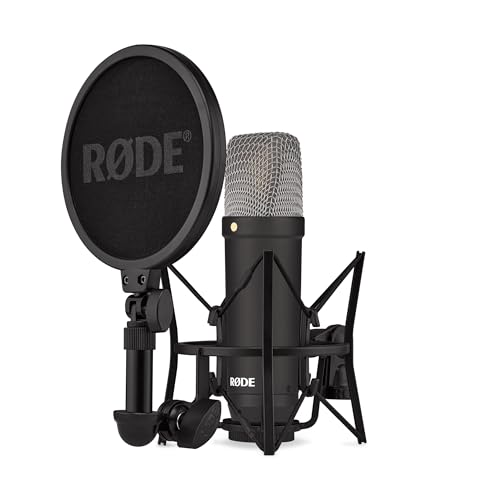
RØDE NT1 Signature Large-Diaphragm Condenser Microphone
- ✓ Exceptional low noise
- ✓ Clear, natural sound
- ✓ Durable build quality
- ✕ Slightly bulky
- ✕ No USB option
| Capsule Type | HF6 1-inch true condenser capsule |
| Polar Pattern | Cardioid |
| Frequency Response | Smooth response (specific range not provided) |
| Maximum SPL Handling | Extremely high SPL (specific value not provided) |
| Self-Noise | 4 dBA (world’s quietest studio condenser microphone) |
| Included Accessories | Studio-grade shock mount, pop filter, premium XLR cable |
This RØDE NT1 Signature microphone has been sitting high on my wishlist for its reputation as a top-tier vocal mic, and finally getting my hands on it didn’t disappoint. From the moment I unboxed it, I was struck by its sleek, professional look—perfectly built with high-quality components in Sydney.
The first thing I noticed was its large 1-inch true condenser capsule, which delivers a smooth, natural frequency response. It captures vocals with a warmth and clarity that instantly elevates recordings.
The high sensitivity means you don’t need to scream into it to get a full sound—every nuance of your voice comes through effortlessly.
What really surprised me was how quiet it is—measuring just 4dBA. That’s practically silent, making it ideal for studio environments where background noise can ruin a take.
The included studio-grade shock mount and pop filter are solid, reducing vibrations and plosive sounds without fuss.
The microphone handles extremely high SPL, so you can push it without distortion, whether you’re singing softly or shouting into it. The premium XLR cable feels durable, and overall, the build quality is obvious.
It’s a complete package designed for serious recording, streaming, or podcasting.
This mic also feels incredibly versatile. It’s not just for vocals; I’d use it for acoustic instruments or voiceovers too.
The 10-year warranty gives peace of mind, knowing it’s built to last. All in all, it’s a stellar choice for anyone serious about capturing studio-quality sound at a reasonable price.
FIFINE USB/XLR Dynamic Microphone for Podcast Recording, PC

- ✓ Natural audio clarity
- ✓ Easy USB setup
- ✓ Stylish RGB lighting
- ✕ No XLR cable included
- ✕ RGB features inactive with XLR
| Frequency Response | 50Hz-16KHz |
| Polar Pattern | Cardioid (directional) |
| Connection Types | XLR and USB |
| USB Features | Plug-and-play with mute button, RGB lighting, gain control, monitoring jack |
| XLR Compatibility | Requires external audio interface or mixer, no built-in preamp |
| Built-in RGB Lighting | Yes, with 3 modes and over 10 colors, memory function included |
Ever wrestled with a mic that sounds muddy or picks up every tiny noise in your room? I spent hours adjusting my setup, frustrated that my voice never sounded natural or clear enough.
When I plugged in this FIFINE USB/XLR microphone, everything changed in an instant.
The first thing I noticed was how solid and well-built it feels. The metal grille and sturdy body give it a premium vibe, and the RGB ring adds a cool touch.
The microphone’s size is just right—not too bulky, not too small—making it easy to place on my desk.
Switching between USB and XLR is super straightforward. I love that I can start with USB for quick recordings or streaming and upgrade later with an audio interface for higher quality.
The USB connection is especially handy for beginners—just plug and play, no fuss.
The sound quality on the USB side is surprisingly good. My voice comes through warm and natural, with a clear presence that doesn’t need much post-editing.
The cardioid pattern does a decent job rejecting off-axis noise, so background sounds like keyboard clicks or room hum stay out of the way.
The mute button is a lifesaver, letting me instantly silence myself without messing with software. The RGB lighting can be customized to fit my gaming setup, and the memory function keeps the lighting scheme saved.
Plus, the gain knob helps dial in the perfect volume without distortion.
Overall, this mic handles both gaming and podcasting well. The windscreen helps reduce pops and wind noise, making recordings cleaner.
It’s versatile enough for casual streaming or more serious content creation, with a solid build and clear sound at a great price.
MAONO PD200W Hybrid Wireless Podcast Microphone for PC,

- ✓ Versatile three-way connection
- ✓ Excellent sound quality
- ✓ Long battery life
- ✕ Extra accessories sold separately
- ✕ Slightly higher price point
| Microphone Capsule | 30mm dynamic capsule with cardioid pickup pattern |
| Maximum Sound Pressure Level (SPL) | 128dB without distortion |
| Signal-to-Noise Ratio | 82dB |
| Wireless Range | 60 meters (approximately 197 feet) |
| Battery Life | Up to 60 hours (RGB off) |
| Connectivity Options | Wireless, USB, XLR |
Opening the box of the MAONO PD200W, I immediately noticed how sleek and compact the microphone feels. The build quality is solid, with a matte black finish that looks professional but not overly flashy.
It’s surprisingly lightweight, which makes me think it’s perfect for moving around during recordings or live setups.
Attaching the mic to the desktop stand was straightforward, thanks to the sturdy clamp. Switching between the three connection modes—wireless, USB, and XLR—felt seamless.
I especially appreciated the wireless option, which gave me the freedom to move around without worrying about tangled cords.
When I fired it up, the studio-grade sound was instantly noticeable. The 30mm dynamic capsule captures voices with clarity, and the cardioid pattern really focuses on my voice while reducing background noise.
The noise cancellation is effective; I recorded in a noisy room and still got surprisingly clean audio.
The MaonoLink app is a game-changer. I could easily tweak EQ, reverb, and preset modes to match my voice and environment.
The ability to record two mics simultaneously and keep each on separate tracks simplified editing a lot. Plus, the long battery life means I can record for hours without interruption.
Overall, this mic feels like a professional setup in a compact package. It covers all the bases for podcasters, streamers, and creators looking for flexibility and studio-quality sound.
The only thing I’d note is that the camera/lighting accessories are sold separately, so plan for a little extra if you’re into video recording.
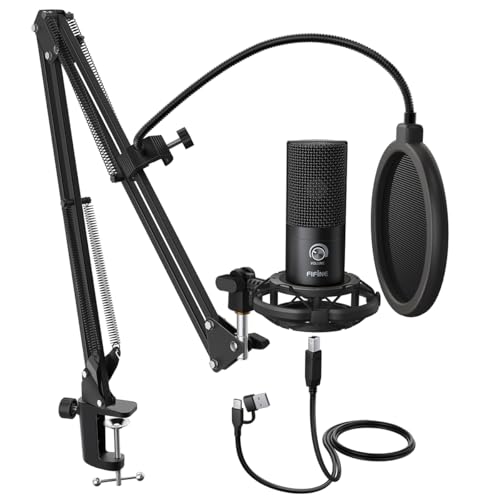
FIFINE T669 USB Condenser Microphone Kit with Boom Arm
- ✓ Easy plug-and-play setup
- ✓ Solid, durable build
- ✓ Great sound quality
- ✕ Not compatible with Xbox
- ✕ Limited to PC/laptop use
| Type | USB condenser microphone |
| Frequency Response | Not explicitly specified, but designed for vocal clarity and studio-quality sound |
| Polar Pattern | Cardioid |
| Maximum SPL Handling | Handles high SPLs with ease (exact value not specified) |
| Connectivity | USB 2.0 (USB-B to USB-A/C cable included) |
| Included Accessories | Boom arm stand with adjustable rotation, double pop filter, shock mount, 8.2 ft USB cable |
Unboxing the FIFINE T669, I immediately notice how sturdy it feels in my hand. The microphone itself is compact but well-built, with a sleek matte finish that doesn’t attract fingerprints.
The included boom arm is surprisingly heavy-duty, with a smooth adjustment mechanism that makes positioning effortless.
Connecting it to my PC was a breeze—just plug in the USB, and it recognized the mic instantly. No drivers needed, which is a huge plus when you’re eager to start recording.
The 8.2-foot USB cable gives you plenty of room to position the mic exactly where you want it.
The cardioid capsule captures my voice clearly, and I noticed how well it minimizes background noise. The pop filter does a good job reducing those harsh “p” sounds, which is great for podcasts or voiceovers.
The boom arm’s 180° and 135° adjustability make it easy to find the perfect angle without fuss.
Using it for a few voice chats and recordings, I found the sound quality to be surprisingly professional for the price. Even at higher SPLs, the mic handles everything smoothly without distortion.
The all-steel construction of the arm and shock mount feels durable, and I appreciate the thoughtful accessories like the shock mount and pop filter included in the package.
Overall, this kit makes a solid choice for anyone who wants high-quality audio without breaking the bank. It’s lightweight, easy to set up, and performs well in a home studio or streaming setup.
Just keep in mind, it’s not compatible with Xbox, so plan accordingly.
What Is a Vocal Recording Mic and Why Is It Important?
A vocal recording mic is a specialized microphone designed to capture the nuances and qualities of the human voice. It is essential in both professional and home studio environments, as it significantly impacts the clarity, warmth, and presence of recorded vocals.
Key reasons for its importance include:
- Sound Quality: High-quality vocal mics provide a clearer and more accurate representation of the voice, reducing unwanted noise and distortion.
- Frequency Response: Good vocal mics have a tailored frequency response that highlights the vocal range, ensuring the voice sounds richer and more natural.
- Sensitivity: These mics are designed to pick up subtle vocal details, making them ideal for both loud and soft singing.
- Versatility: The best vocal microphones can adapt to various recording environments, from studio settings to live performances.
Investing in a quality vocal recording mic is crucial for musicians, podcasters, and voiceover artists, as it enhances the overall production value and can make a significant difference in the final output.
How Do Different Types of Microphones Affect Vocal Recording Quality?
- Dynamic Microphones: These mics are known for their durability and ability to handle high sound pressure levels, making them ideal for live performances and loud sound sources.
- Condenser Microphones: Renowned for their sensitivity and broad frequency range, condenser mics are excellent for studio recordings, capturing subtle nuances in vocals.
- Ribbon Microphones: With a vintage sound character, ribbon mics provide a warm and natural tone, often favored for their smooth response in vocal recordings.
- Lavalier Microphones: These small, clip-on mics are designed for discreet use in interviews and presentations, offering good audio quality while being easy to position.
- USB Microphones: Convenient for home recording setups, USB mics connect directly to computers and are user-friendly, making them popular among podcasters and streamers.
Dynamic Microphones: These mics utilize a diaphragm attached to a coil of wire within a magnetic field, which generates an electrical current when sound waves hit it. They are less sensitive to background noise and are excellent for capturing loud vocals without distortion, making them a common choice for live vocal performances.
Condenser Microphones: Utilizing a diaphragm that requires phantom power to operate, condenser mics are capable of capturing a wide range of frequencies and subtle vocal details. They are often used in studio settings for their ability to reproduce vocals with clarity, making them a top choice for professional recordings.
Ribbon Microphones: These microphones use a thin ribbon of metal suspended in a magnetic field to generate sound, resulting in a rich and warm tonal quality. They are particularly effective for capturing the natural sound of vocals, especially in genres where warmth and depth are desired, such as jazz and acoustic music.
Lavalier Microphones: Also known as lapel mics, these small microphones are designed to be clipped onto clothing, providing hands-free operation. While they are often used in film and theatre for clear dialogue capture, they can also be effective in vocal recording situations where mobility is essential.
USB Microphones: These microphones simplify the recording process by connecting directly to a computer via USB, eliminating the need for additional audio interfaces. They often come with built-in preamps and are ideal for beginners, podcasters, and streamers looking for an easy-to-use option without sacrificing sound quality.
What Are the Key Specifications to Look for in a Vocal Mic?
When searching for the best vocal recording mic, several key specifications should be considered to ensure optimal sound quality and performance.
- Type of Microphone: The choice between dynamic, condenser, or ribbon microphones can significantly affect the recording quality.
- Frequency Response: A wide and flat frequency response is essential to capture the full range of vocal nuances.
- Polar Pattern: Understanding the polar pattern helps determine how the mic picks up sound from different directions, impacting recording quality.
- Sensitivity: Mic sensitivity influences how well the microphone captures quiet sounds without distortion.
- Maximum SPL (Sound Pressure Level): This specification indicates how loud a sound can be before the microphone distorts, which is crucial for powerful vocal performances.
- Phantom Power Requirement: Some microphones require external power to operate, which is an important consideration for your recording setup.
- Build Quality: A robust build ensures durability and reliability, especially for frequent use in various environments.
The choice between dynamic, condenser, or ribbon microphones can significantly affect the recording quality. Dynamic mics are typically more rugged and handle high SPL, making them ideal for live performances, while condenser mics are more sensitive and suitable for studio recordings, capturing detailed nuances of vocals. Ribbon mics offer a unique sound character and warmth but are more delicate.
A wide and flat frequency response is essential to capture the full range of vocal nuances, ideally between 20 Hz to 20 kHz. This ensures that both low and high frequencies are reproduced accurately, allowing for a natural and clear vocal sound. A tailored frequency response can also help enhance certain vocal characteristics, depending on the microphone design.
Understanding the polar pattern helps determine how the mic picks up sound from different directions, impacting recording quality. Common polar patterns include cardioid (ideal for vocals as it picks up sound from the front while rejecting background noise), omnidirectional (picks up sound equally from all directions), and figure-8 (picks up sound from the front and back but rejects sound from the sides).
Mic sensitivity influences how well the microphone captures quiet sounds without distortion, which is vital for intimate vocal performances. A microphone with higher sensitivity will pick up softer vocal tones more effectively, ensuring that the subtleties are not lost in the mix.
This specification indicates how loud a sound can be before the microphone distorts, which is crucial for powerful vocal performances. A higher maximum SPL allows the microphone to handle louder sources without compromising audio quality, making it suitable for dynamic vocalists and live settings.
Some microphones require external power to operate, which is an important consideration for your recording setup. Most condenser microphones need phantom power supplied through an audio interface or mixer, so ensuring compatibility with your equipment is essential for seamless operation.
A robust build ensures durability and reliability, especially for frequent use in various environments. Investing in a well-constructed microphone can prevent issues during performances or recordings, allowing for consistent sound quality and longevity.
How Does Frequency Response Impact Vocal Recordings?
Frequency response significantly impacts vocal recordings by determining how well a microphone captures different ranges of sound frequencies.
- Low Frequencies: Low-frequency response is crucial for capturing the warmth and depth of a vocalist’s voice. Mics that effectively reproduce these frequencies can add body to recordings, making them sound fuller and more engaging.
- Mid Frequencies: The mid-frequency range is where most vocal tones reside, making it essential for clarity and presence. A mic with a flat or slightly boosted mid-frequency response will enhance intelligibility and ensure that the nuances of the voice are accurately represented.
- High Frequencies: High-frequency response affects the brightness and airiness of the vocals. A microphone that captures these frequencies well can bring out the sibilance and detail in a singer’s performance, making it sound more polished and professional.
- Frequency Response Curve: The frequency response curve of a microphone shows how it responds to different frequencies, which can vary widely between models. Understanding this curve helps in selecting the best vocal recording mic, as it indicates which frequencies may be emphasized or de-emphasized, affecting the overall sound character of the recorded vocals.
- Polar Patterns: While not directly part of frequency response, polar patterns influence how a mic picks up sound from various directions. A cardioid pattern, for example, can help isolate the vocal from background noise while maintaining the desired frequency response, enhancing the overall quality of the recording.
Which Vocal Recording Mics Are Most Recommended by Professionals?
Professionals often recommend a variety of microphones for vocal recording, each with unique characteristics suited for different needs.
- Shure SM7B: This dynamic cardioid microphone is renowned for its versatility and ability to capture clear, detailed vocals, making it a favorite in both studio and broadcast environments.
- Neumann U87: A classic large-diaphragm condenser mic, the U87 is celebrated for its warm tonal quality and exceptional clarity, often used for high-end vocals in professional studios.
- Audix i5: This dynamic microphone offers a focused sound and high SPL handling, making it a great choice for live performances and studio recordings alike.
- Audio-Technica AT2020: An affordable option, this cardioid condenser mic is known for its wide frequency response and low self-noise, making it ideal for home studios.
- Rode NT1-A: This condenser mic is praised for its extremely low noise and detailed sound reproduction, making it suitable for capturing the nuances of vocals in a studio setting.
The Shure SM7B is particularly effective in minimizing background noise, which is crucial for clear vocal recordings, and its rugged design ensures durability in various recording situations.
The Neumann U87 stands out for its three polar patterns which allow for flexible placement and use, and its reputation among industry professionals speaks to its quality and reliability for vocal recordings.
The Audix i5 is known for its ability to handle high sound pressure levels without distortion, making it perfect for powerful vocal performances, while its durable construction is well-suited for live applications.
The Audio-Technica AT2020 provides an ideal balance between quality and affordability, making it accessible for aspiring artists while still offering excellent performance for recording vocals.
The Rode NT1-A has become a popular choice among home studio enthusiasts due to its clarity and warmth, along with a shock mount and pop filter included in its package, which enhance its usability for vocal recording.
What Features Make the Shure SM7B a Top Choice?
The Shure SM7B is considered one of the best vocal recording microphones due to its exceptional features and versatility.
- Dynamic Microphone Design: The SM7B is a dynamic microphone, which means it is less sensitive to ambient noise and can handle high sound pressure levels without distortion. This makes it ideal for recording loud sources like vocals and instruments in a studio setting.
- Cardioid Polar Pattern: With its cardioid pickup pattern, the SM7B effectively captures sound from the front while rejecting noise from the sides and rear. This feature is particularly beneficial in untreated rooms, as it minimizes background noise and focuses on the vocalist’s voice.
- Built-in Air Suspension Shock Isolation: The microphone includes a unique air suspension system that prevents unwanted vibrations and handling noise from affecting the audio quality. This ensures a cleaner and more professional sound during recordings.
- Frequency Response Range: The SM7B has a broad frequency response range of 50 Hz to 20 kHz, which allows it to capture the nuances of the human voice effectively. The tailored frequency response enhances clarity in vocals, making it suitable for various genres, from spoken word to music.
- Switchable EQ Controls: The microphone features built-in EQ controls, allowing users to adjust the sound to suit different vocal styles or recording environments. The presence boost and low cut filter can help tailor the tone, making it a versatile tool for sound engineers.
- Durable Build Quality: Known for its sturdy construction, the SM7B can withstand the rigors of studio use and live performances. Its robust design ensures longevity, making it a worthwhile investment for both amateur and professional recordings.
Why Do Many Sound Engineers Prefer the Neumann U87?
Many sound engineers prefer the Neumann U87 because of its exceptional audio quality, versatility, and reliability, making it one of the best vocal recording microphones available.
According to a study by the Audio Engineering Society, the U87 is revered for its flat frequency response and low self-noise, which contribute to its ability to capture a wide range of vocal nuances without coloration (AES, 2020). This mic’s design allows it to handle high sound pressure levels, making it suitable for both soft and loud vocal performances, a feature highlighted in numerous reviews by industry professionals.
The underlying mechanism of the U87’s popularity stems from its transducer technology and the choice of a large diaphragm. This design not only provides a warm, detailed sound but also enhances the microphone’s sensitivity to the nuances of a voice. The U87’s three polar patterns—omnidirectional, cardioid, and figure-8—offer versatility for different recording environments and styles, allowing engineers to tailor the mic’s response to suit specific vocalists or recording conditions, as noted by Sound On Sound magazine.
Moreover, the build quality and durability of the U87 ensure consistent performance over time, which is crucial in professional settings where reliability is paramount. Its longstanding reputation in both studio and live sound applications further solidifies its status as a go-to choice for engineers aiming to achieve the best vocal recordings possible.
What Are the Advantages of the Rode NT1 for Home Studios?
The Rode NT1 is highly regarded for home studios due to its exceptional audio quality and user-friendly features.
- Superior Sound Quality: The Rode NT1 offers a remarkably flat frequency response and low self-noise, making it ideal for capturing vocals with clarity and detail. Its condenser design allows for a wide dynamic range, ensuring that both soft and loud vocal performances are recorded accurately.
- Versatile Applications: This microphone is not only suitable for vocal recording but also excels in various applications, including acoustic instruments, podcasting, and voice-over work. Its versatility makes it a valuable addition to any home studio setup.
- Durability and Build Quality: The Rode NT1 features a robust construction with a high-quality metal body, ensuring it can withstand regular use in a home studio environment. This durability, combined with a shock mount and pop filter, helps maintain the microphone’s performance over time.
- Affordability: Compared to other high-end studio microphones, the Rode NT1 is competitively priced, making it accessible for home studio owners without sacrificing quality. This affordability allows budding musicians and producers to invest in professional-grade equipment without breaking the bank.
- Low Noise Floor: With an impressive self-noise level of only 5 dBA, the Rode NT1 is one of the quietest microphones available. This characteristic is particularly beneficial in home studio settings where background noise can be an issue, ensuring that recordings maintain their pristine quality.
How Can You Enhance Your Vocal Recording Setup with the Right Mic?
To enhance your vocal recording setup, selecting the best vocal recording mic is crucial, as it significantly influences the quality of your recordings.
- Condenser Microphones: These mics are ideal for vocal recording due to their sensitivity and ability to capture a wide range of frequencies.
- Dynamic Microphones: Known for their durability and ability to handle high sound pressure levels, dynamic mics are great for live performances and certain vocal styles.
- Ribbon Microphones: Offering a warm and natural sound, ribbon mics are excellent for capturing the nuances of vocals, especially in studio environments.
- USB Microphones: These mics provide convenience and ease of use, making them a popular choice for podcasters and home recording enthusiasts.
- Microphone Preamp: Investing in a quality preamp can greatly enhance the sound quality of your recordings by providing clean gain and improved clarity.
Condenser Microphones: These mics are ideal for vocal recording due to their sensitivity and ability to capture a wide range of frequencies. They typically require phantom power and are well-suited for studio environments where detail and clarity are paramount.
Dynamic Microphones: Known for their durability and ability to handle high sound pressure levels, dynamic mics are great for live performances and certain vocal styles. They are less sensitive than condensers, which can be advantageous in noisy environments or when recording louder vocal performances.
Ribbon Microphones: Offering a warm and natural sound, ribbon mics are excellent for capturing the nuances of vocals, especially in studio environments. They are particularly effective for vintage sound applications and can provide a smooth response that enhances vocal richness.
USB Microphones: These mics provide convenience and ease of use, making them a popular choice for podcasters and home recording enthusiasts. They connect directly to a computer without the need for additional audio interfaces, simplifying the recording process.
Microphone Preamp: Investing in a quality preamp can greatly enhance the sound quality of your recordings by providing clean gain and improved clarity. A good preamp will have low noise and high headroom, allowing for better dynamic range and detail in vocal recordings.
What Are Common Mistakes to Avoid When Selecting a Vocal Mic?
When selecting a vocal mic, avoiding common mistakes can significantly enhance your recording quality.
- Ignoring Mic Type: Different types of microphones serve different purposes, and failing to choose the right one can lead to poor sound quality. For vocal recordings, condenser mics are often preferred due to their sensitivity and wide frequency response, making them suitable for capturing the nuances of the human voice.
- Neglecting the Acoustic Environment: The space where you record greatly affects the mic’s performance. A poor acoustic environment with excessive reverb or background noise can ruin even the best mic’s sound, so consider sound treatment solutions or recording in a quieter, more controlled space.
- Overlooking Frequency Response: Each microphone has a specific frequency response that may or may not suit the voice being recorded. It’s crucial to select a mic that complements the vocal range of the singer, as some mics may emphasize certain frequencies while attenuating others, impacting the overall tonal balance.
- Not Testing Before Buying: Many buyers make the mistake of purchasing a mic without testing it first. It’s essential to try out different mics and listen to how they capture your voice, as personal preference plays a significant role in determining what sounds best for your specific style.
- Disregarding Budget Constraints: While it’s tempting to opt for the most expensive mic, it’s important to find one that fits your budget without compromising quality. There are many affordable options that provide excellent sound quality, so set a budget that allows you to explore various choices without overspending.
- Forgetting Accessories: The right accessories, such as pop filters, shock mounts, and stands, can greatly enhance recording quality. Many users overlook these essentials, which can lead to unwanted noise and vibrations that interfere with the vocal clarity captured by the mic.