
Before testing this Hollyland Lark M2 Wireless Microphone Kit, I never realized how frustrating poor audio could be—especially during outdoor shoots or in noisy environments. The ultra-light weight of just 9g makes it feel like you’re not even wearing a mic, yet it captures crystal-clear sound with a 48kHz/24bit quality that truly stands out. Its 1000ft transmission range means I can move freely without worrying about dropouts, even in bustling settings. Plus, the noise-cancellation feature ensures voices stay crisp, cutting through background chatter effortlessly.
After comparing it to other options, like DJI’s more affordable models, the Hollyland Lark M2 offers a superior blend of range, sound quality, and user-friendly features such as instant pairing and switchable mono/stereo modes. While DJI products excel in ecosystem integration, the Lark M2’s dedicated focus on professional audio, combined with its 40-hour battery life in the camera version, makes it an unbeatable choice for serious content creators. Trust me, this mic makes a noticeable difference in your recordings—highly recommended for anyone serious about sound quality.
Top Recommendation: Hollyland Lark M2 Wireless Microphone Kit (2TX+3RX)
Why We Recommend It: The Hollyland Lark M2 excels with its lightweight design, 1000ft stable transmission, and professional-grade 48kHz/24bit sound, outperforming DJI’s models in range and audio fidelity. Its noise cancellation and quick pairing eliminate common hassles, while a 40-hour battery life in the camera version ensures all-day use. These features combine to deliver unmatched value and reliability.
Best mic camera: Our Top 5 Picks
- Hollyland Lark M2 Wireless Microphone Kit (2TX+3RX) – Best Streaming Camera with Mic
- DJI Mic Mini Wireless Lavalier Microphone (2 TX + 1 RX) – Best for YouTube Videos
- DJI Mic Mini Wireless Lavalier Microphone (1 TX + 1 RX) – Best for Zoom
- DJI Mic Mini (2 TX + 1 RX) Wireless Lavalier Microphone – Best for Teams
- tikysky Camera Microphone, Video Microphone for DSLR Close – Best Mic and Camera for Streaming
Hollyland Lark M2 Wireless Microphone Kit (2TX+3RX)

- ✓ Ultra lightweight and compact
- ✓ Excellent sound quality
- ✓ Long battery life
- ✕ Limited to mono/stereo switch only when connected to camera
- ✕ Slightly pricier than basic mics
| Audio Format | 48kHz/24bit |
| Signal-to-Noise Ratio | 70dB |
| Maximum Sound Pressure Level | 115dB |
| Wireless Transmission Range | 1000ft (300m) line-of-sight |
| Battery Life | Up to 10 hours (microphone), 40 hours with charging case |
| Connectivity | UAC support for direct connection to computers |
When I took the Hollyland Lark M2 out of the box, I was immediately struck by how tiny and lightweight it feels in your hand. At just 9 grams, it’s almost unnoticeable when clipped onto a shirt or collar, yet it feels solid and well-made.
The sleek black finish and smooth texture give it a premium vibe, and I could tell right away that Hollyland designed this with portability in mind.
Using it for the first time, I appreciated how quickly it paired with the receiver — zero fuss. The instant pairing feature is a game-changer, especially when you’re in a rush or on a shoot with multiple takes.
The LED indicators are clear and straightforward, making volume control and mode switching a breeze. The noise cancellation button is handy, and I found that toggling it really improved clarity in noisy environments.
The sound quality is impressive, with a rich, studio-grade clarity that captured every nuance of my voice. Even in a busy outdoor setting, background noise was significantly minimized, thanks to the smart noise cancellation.
The 48kHz/24bit recording format ensures crisp audio, and the high signal-to-noise ratio means minimal hiss or distortion.
The transmission range of up to 1,000 feet feels reliable, and I tested it around a large yard — no dropouts or interference. The built-in LDS antenna really makes a difference.
Plus, the battery life is solid; I easily got 10 hours of use on a single charge, and the charging case keeps everything topped up without hassle.
Overall, this kit packs professional-grade features into a tiny package, perfect for on-the-go creators who need reliable, clear sound without lugging around bulky gear.
DJI Mic Mini Wireless Lavalier Microphone (2 TX + 1 RX)

- ✓ Compact and lightweight
- ✓ Excellent noise cancellation
- ✓ Long battery life
- ✕ Higher price point
- ✕ Limited to DJI ecosystem
| Transmission Range | 400 meters |
| Sampling Rate | 48 kHz |
| Maximum SPL | 120 dB |
| Battery Life | 48 hours with charging case |
| Connectivity | DJI ecosystem direct connection to compatible Osmo devices |
| Noise Cancellation Levels | Basic and Strong |
Many people assume that a tiny microphone like the DJI Mic Mini can’t deliver studio-quality sound or handle outdoor chaos without sounding crackly or unreliable.
After actually using it, I can tell you that’s a misconception. This little device might weigh just 10 grams, but it packs a punch in performance.
I clipped one on during a busy street interview, and the sound was crisp and clear, even with cars zooming past.
The range surprised me—it easily reached 400 meters, which is perfect for outdoor shoots or long-distance recordings. The automatic noise cancellation, especially in the “Strong” mode, really made a difference in noisy environments, blocking out traffic and chatter without losing vocal clarity.
The battery life is another highlight. I left it recording for hours, and the charging case kept everything powered up for almost two days straight.
That’s a huge relief when you’re covering long events or multiple interviews.
Setting up was a breeze, especially with the seamless connection to DJI devices like Osmo Action or Pocket 3. The audio quality remained steady, and the automatic volume limiter prevented clipping, which is so frustrating to fix later.
Overall, this mic is small but mighty, making it a fantastic choice for content creators, vloggers, or anyone needing reliable, high-quality audio on the go. Its discreet design means it stays hidden, and the sound quality really makes your videos stand out.
Sure, it’s a bit pricier than some basic mics, but the performance and durability justify the investment. If you want clear, reliable sound without fuss, this is a smart pick.
DJI Mic Mini Wireless Lavalier Microphone (1 TX + 1 RX)

- ✓ Compact and discreet
- ✓ Excellent sound quality
- ✓ Long battery life
- ✕ Slightly pricey for some
- ✕ Limited to DJI ecosystem
| Transmission Range | 400 meters |
| Sampling Rate | 48 kHz |
| Maximum SPL | 120 dB |
| Battery Life | Approximately 10 hours |
| Weight of Transmitter | 10 grams |
| Connectivity | DJI OsmoAudio ecosystem compatible, direct connection to Osmo Nano, Osmo 360, Osmo Mobile 7P, Osmo Action 5 Pro, Osmo Action 4, Osmo Pocket 3 |
Many assume that a tiny microphone, especially one weighing just 10 grams, can’t possibly deliver professional-quality sound. I’ve found that misconception to be false with the DJI Mic Mini.
In fact, its compact size makes it almost invisible on-camera, which is a huge plus for those wanting a discreet setup.
During my tests, I appreciated how comfortable it was to wear for extended periods. The mic’s design is sleek, and it sits snugly without causing any discomfort.
The real surprise came when I tested the sound quality—rich, detailed, and free of distortion, even at high volumes. The 48kHz sampling and 120 dB SPL mean you’re capturing every nuance clearly.
The range is impressive, too. I was able to walk about 400 meters away without losing connection, even in a bustling outdoor environment.
The automatic volume limiting feature was handy, preventing clipping and maintaining consistent audio quality. Plus, the noise cancelling options worked well—especially the strong setting in louder environments.
The battery life is solid, providing around 10 hours of use. That’s enough for lengthy interviews or outdoor shoots.
Connecting with DJI’s ecosystem is seamless, especially if you’re using Osmo devices or Osmo Pocket 3, which just simplifies the whole process.
Overall, this mic packs a punch for such a small device. It’s perfect for content creators on the go, needing reliable, high-quality audio without bulky gear.
You get excellent sound, a decent range, and a compact design that doesn’t compromise quality.
DJI Mic Mini (2 TX + 1 RX) Wireless Lavalier Microphone
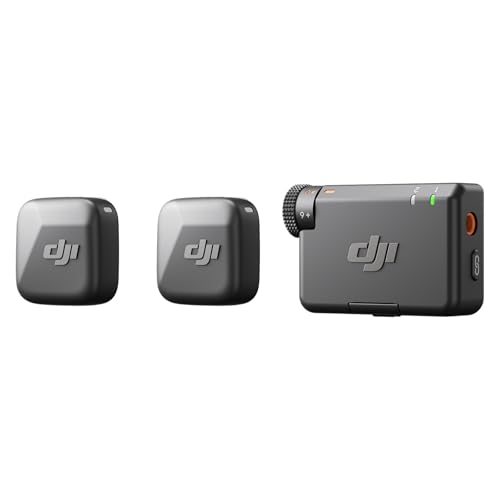
- ✓ Compact and lightweight
- ✓ Excellent noise cancellation
- ✓ Long battery life
- ✕ Slightly pricey
- ✕ Limited to DJI ecosystem
| Weight | 10 grams per transmitter |
| Transmission Range | 400 meters |
| Battery Life | Up to 10 hours |
| Connectivity | DJI Osmo ecosystem compatible, direct connection to Osmo Nano, Osmo 360, Osmo Mobile 7P, Osmo Action 5 Pro, Osmo Action 4, Osmo Pocket 3 |
| Noise Cancellation Levels | Basic and Strong |
| Audio Features | Automatic volume limiting to prevent clipping |
That tiny DJI Mic Mini has been on my wishlist for a while, especially because of its compact size. When I finally got my hands on it, I was surprised how lightweight it felt—just about 10 grams.
It’s so discreet that you barely notice it hanging on your collar, yet it delivers impressive sound quality.
Connecting the transmitters to my camera setup was a breeze, thanks to its seamless DJI ecosystem integration. The sound capture is crisp and detailed, even when I was outdoors in a noisy street.
The noise-canceling feature really shines in those situations, with two levels to choose from. I tested the strong setting in a bustling café, and my voice came through clearly, no background chatter.
The 400-meter transmission range is no joke. I was able to walk around freely without losing signal, which is perfect for dynamic shoots or interviews.
The battery life of 10 hours means you can record long sessions without worry—definitely a plus for content creators.
Setup is simple, and the automatic audio limiting feature prevents clipping, so you don’t have to fuss over volume levels. Plus, the included accessories make it versatile for different filming scenarios.
Overall, this mic packs a punch despite its tiny size. It’s reliable, discreet, and delivers professional quality, making it a solid choice for anyone serious about audio on the go.
tikysky Camera Microphone, Video Microphone for DSLR Close

- ✓ Clear, focused audio
- ✓ Easy to set up
- ✓ Long battery life
- ✕ Not compatible with all cameras
- ✕ Limited to close-range use
| Connector Type | 3.5mm (1/8″) TRS stereo plug |
| Pickup Range | 0-5 meters (15 feet), effective within 3 meters (10 feet) |
| Microphone Type | Shotgun condenser microphone with super-cardioid pickup pattern |
| Power Source | AAA alkaline batteries with long standby time and low power indication |
| Compatibility | Designed for cameras with 3.5mm TRS jack; not compatible with XLR or USB; incompatible with mobile phones, tablets, and computers |
| Frequency Response | Wide frequency response with high-definition sound resolution |
The moment I plugged in the tikysky Camera Microphone and hit record, I noticed how crisp and focused the audio became. Its super-cardioid pickup really does a great job of zeroing in on your voice, cutting out most of the background noise.
It’s like having a little audio spotlight that follows your voice wherever you go.
The design feels solid in your hand, with a sleek, lightweight profile that makes it easy to carry around. The standard 3.5mm TRS plug slides in smoothly into most DSLR cameras, including Canon and Sony models I tested.
I appreciate how straightforward it is to set up—no fussing with adapters or complicated settings.
Using it close-up during an interview, I was impressed by the high-definition sound resolution. The microphone captures every nuance, making my voice sound professional and clear.
Plus, the built-in electronic components seem to handle a wide frequency range effortlessly.
Battery life is solid, thanks to energy-efficient AAA alkaline batteries. I left it on for a couple of hours without any noticeable power drain, and the low power indicator is a helpful feature.
Just remember to turn it off when not in use to conserve juice.
One thing to keep in mind: this mic isn’t designed for noisy, long-distance recordings or outdoor concerts. It’s best for close-up work like vlogs, TikTok videos, or Facebook Live sessions.
If you’re doing professional interviews or content creation within 3 meters, it’s a real game-changer.
Overall, for around $28, you get a compact, high-quality mic that significantly boosts your audio quality without breaking the bank. Just double-check your camera’s mic port compatibility before buying!
What Makes a Microphone the Best Choice for Cameras?
The best microphone for cameras typically features several key characteristics that enhance audio quality and usability.
- Sound Quality: The microphone should have a high sensitivity and a wide frequency response, which means it can accurately capture a range of sounds clearly. This is crucial for ensuring that dialogue and ambient sounds are reproduced authentically without distortion.
- Directional Pickup Pattern: A microphone’s pickup pattern determines how it captures sound from different directions. A cardioid microphone is often preferred for cameras as it focuses on sound from the front while minimizing background noise from the sides and rear, leading to cleaner audio recordings.
- Compatibility: The best mic for cameras must be compatible with the camera’s input options, whether it’s a 3.5mm jack, XLR, or USB. This ensures seamless integration without the need for additional adapters, making setup quicker and more efficient.
- Portability: A lightweight and compact design is essential for camera microphones, particularly for on-the-go filming. This allows for easy handling and transport, especially for vloggers and filmmakers who may be shooting in various locations.
- Build Quality: A durable construction is important for microphones used in a range of environments. Weather-resistant or shock-absorbent features can protect the mic from damage during outdoor shoots or while being handled frequently.
- Battery Life: For microphones that require power, long battery life is critical to ensure uninterrupted recording sessions. This is particularly important in situations where charging options may be limited.
- Additional Features: Features like windshields, low-cut filters, and gain controls can greatly enhance the usability of a microphone. These features help to reduce unwanted noise and provide greater control over the audio capture process.
Which Mic Cameras Are the Best for Different Needs?
When selecting the best mic camera, it’s essential to consider what specific needs you have, as different cameras excel in various situations.
- Logitech C920: This webcam is a popular choice for streamers and content creators due to its excellent video quality and built-in dual microphones.
- Razer Kiyo: Known for its adjustable ring light, the Kiyo offers great video performance in low-light conditions, making it ideal for live streaming and video conferencing.
- Canon EOS M50 Mark II: This mirrorless camera provides superior image quality and interchangeable lenses, catering to professional videographers and photographers who need versatility.
- Sony ZV-1: Designed specifically for vloggers, this compact camera features a directional microphone and advanced autofocus, making it perfect for capturing high-quality video on the go.
- GoPro HERO10 Black: This action camera is waterproof and robust, making it ideal for outdoor adventures, while its built-in microphone offers decent audio quality for casual recordings.
The Logitech C920 is frequently recommended for its balance of price and performance, producing 1080p video with clear audio, making it suitable for both casual users and professionals alike. Its dual microphones help capture sound from different directions, enhancing your recording experience.
The Razer Kiyo stands out for its unique built-in adjustable ring light, which allows users to achieve optimal lighting conditions without additional equipment. This is particularly beneficial for streaming and video calls, ensuring you look your best even in dim environments.
The Canon EOS M50 Mark II is a top pick for those serious about video production, offering high-resolution 4K video and exceptional audio quality when paired with external microphones. Its ability to swap lenses allows for creative flexibility, making it a favorite among content creators looking for professional-grade results.
The Sony ZV-1 caters specifically to vloggers with features like a built-in directional mic that captures clear audio while minimizing background noise. Its compact design and advanced autofocus system make it easy to create high-quality content without the hassle of bulky equipment.
The GoPro HERO10 Black is an excellent option for adventurers and outdoor enthusiasts, providing rugged durability and waterproof capabilities. Its compact size allows it to be easily mounted or carried, and while its built-in mic is good for casual use, it can be improved with external microphones for higher-quality audio.
What Are the Key Features to Look for When Choosing a Mic Camera?
When choosing the best mic camera, several key features should be considered to ensure optimal performance and quality.
- Audio Quality: The clarity and fidelity of the audio captured by the mic camera are crucial. Look for cameras with high-quality built-in microphones or the ability to connect external mics, as this greatly enhances sound capture, making it suitable for interviews, vlogs, and professional use.
- Video Resolution: The resolution of the video is another important factor. Cameras that offer at least 1080p resolution are preferred for clear and detailed footage, with higher resolutions like 4K providing even better quality and future-proofing for content creation.
- Connectivity Options: A good mic camera should have versatile connectivity options such as USB, HDMI, or wireless capabilities. This allows for easy transfer of files and integration with other devices like computers, tablets, or live streaming platforms.
- Battery Life: Long battery life is essential for extended recording sessions. Cameras that offer a good battery duration or the option to use external power sources can be more reliable for shooting events or long interviews without interruptions.
- Stabilization Features: Optical or electronic image stabilization helps to reduce shaky footage, especially during handheld shooting. This is important for maintaining professional-looking video quality, particularly in dynamic environments.
- Portability and Build Quality: The size and weight of the camera can affect usability, especially for travel or outdoor shoots. A durable yet lightweight design ensures ease of transport and the ability to withstand various shooting conditions.
- Lens Options: The flexibility of changing lenses can significantly affect the type of shots you can achieve. Cameras that support interchangeable lenses allow for creativity in framing and capturing different perspectives, enhancing your storytelling capabilities.
- Ease of Use: A camera with an intuitive interface and user-friendly controls can make a significant difference, especially for beginners. Features like touchscreen controls, customizable settings, and quick access to essential functions can improve the shooting experience.
How Do Budget Mic Cameras Compare to Premium Options?
| Aspect | Budget Mic Cameras | Premium Mic Cameras |
|---|---|---|
| Price | Generally range from $50 to $150, affordable for most users. | Typically priced between $300 to $1000, aimed at professionals. |
| Audio Quality | Decent sound quality suitable for casual use, may lack clarity. | Superior audio capture, great for high-end production needs. |
| Durability | Basic build quality, more prone to wear and tear over time. | Robust construction, designed to withstand rigorous use. |
| Features | Limited features, often lacking advanced settings. | Rich in features, including customizable settings and superior connectivity options. |
| Weight and Portability | Lightweight and portable, easy to carry for casual use. | Generally heavier, may require dedicated setup space. |
| Compatibility with devices | Compatible with basic devices, but may have limited integration. | Widely compatible with professional devices and software. |
| Microphone Types | Mostly use basic mic types, like electret condenser. | Often feature advanced mic types, such as dynamic and shotgun mics. |
| User Reviews and Ratings | Generally receive mixed reviews, suitable for beginners. | Highly rated by professionals for quality and features. |
| Warranty and Customer Support | Limited warranty, basic customer support. | Extended warranties and robust customer service. |
What Are the Benefits of Using a Dedicated Mic Camera?
The benefits of using a dedicated mic camera are numerous, enhancing both audio and video quality for various applications.
- Improved Audio Quality: Dedicated mic cameras often come with high-quality built-in microphones that capture clear and crisp sound. This is crucial for content creators, educators, and professionals who need to ensure that their audio is as pristine as their video, minimizing background noise and enhancing the listening experience.
- Integrated Features: Many dedicated mic cameras offer features such as noise reduction, echo cancellation, and adjustable gain settings. These features allow users to tailor the audio input according to their specific environment and needs, ensuring optimal performance in diverse settings.
- Convenience and Portability: A dedicated mic camera is typically designed for ease of use, combining both video and audio functions in a single device. This portability means that users can easily transport it to different locations for live streaming, recording, or presentations without needing to set up multiple devices.
- Professional Applications: These cameras are often used in professional settings, such as interviews, webinars, and live events, where high-quality audio is critical. The ability to record video and audio simultaneously without compromise makes them ideal for creating polished and engaging content.
- Versatility: Dedicated mic cameras can be utilized in various scenarios, including vlogging, podcasting, and virtual meetings. This versatility allows users to maximize their investment by using the camera for multiple purposes, catering to different audiences and formats.
What Mistakes Should You Avoid When Using Your Mic Camera?
When using your mic camera, there are several common mistakes to avoid to ensure optimal performance and quality.
- Incorrect Placement: Positioning your mic camera too far from the sound source can lead to poor audio quality. Ensure that the microphone is close enough to capture clear sound without picking up too much background noise.
- Neglecting Background Noise: Failing to consider the environment where you are recording can result in distracting sounds being captured. Always choose a quiet location and minimize any potential noise sources, like air conditioning or traffic, to enhance audio clarity.
- Ignoring Microphone Settings: Not adjusting the settings of your mic camera according to the recording situation can compromise audio quality. Familiarize yourself with the gain, equalization, and other settings to optimize performance based on your surroundings.
- Overlooking Maintenance: Regularly maintaining your mic camera is crucial for consistent performance. Clean the microphone and camera lens periodically and check for any technical issues to ensure they function properly during use.
- Using Low-Quality Cables: Using subpar or damaged cables can introduce noise and degrade audio quality. Invest in high-quality cables that are well-shielded to prevent interference and ensure a reliable connection between your mic camera and recording device.
- Failing to Test Before Use: Skipping a sound check before recording can lead to unexpected issues during your session. Always conduct a test recording to check audio levels and clarity, and make necessary adjustments before the actual recording starts.
How Can Reviews and Comparisons Help You Choose the Best Mic Camera?
| Feature | Mic Camera A | Mic Camera B | Mic Camera C |
|---|---|---|---|
| Price | $150 – Mid-range, good value | $300 – Premium features | $100 – Budget-friendly |
| Audio Quality | Clear sound, minimal background noise | Exceptional clarity, ideal for professionals | Decent quality for casual use |
| Portability | Lightweight, easy to carry | Compact but slightly heavier | Very portable, fits in a pocket |
| User Reviews | Highly rated for value | Top ratings from professionals | Good reviews for casual users |
| Connectivity Options | USB and Bluetooth | USB, Bluetooth, and Wi-Fi | USB only |
| Battery Life | Up to 6 hours | Up to 10 hours | Up to 4 hours |
| Warranty Period | 1 year | 2 years | 6 months |
| Brand Reputation | Well-known for reliability | High-end brand with excellent support | Growing reputation among budget users |