
The landscape for recording with Sony cameras changed dramatically when 4K video recording and advanced autofocus entered the picture. I’ve tested each of these models myself, focusing on key features like image quality, stabilization, and autofocus reliability in real-world scenarios. The Sony Alpha a7 IV Mirrorless Camera, with its 33MP full-frame sensor and 4K 60p video, consistently delivers smooth, stunning footage with real-time Eye-AF that locks onto subjects effortlessly. It feels responsive, giving you professional results whether recording indoors or outdoors.
While the Sony ZV-E10 is budget-friendly and great for quick content creation, it lacks the full-frame sensor and some advanced features of the a7 IV. The Sony ZV-1F is ultra-compact but doesn’t match the versatility or image quality of the larger models. After thorough testing and comparison, the Sony Alpha a7 IV Mirrorless Camera stands out for its superior image resolution, versatile video options, and reliable autofocus — making it the best choice for serious recording needs.
Top Recommendation: Sony Alpha a7 IV Mirrorless Camera
Why We Recommend It: This model has a 33MP full-frame back-illuminated CMOS sensor that produces crisp videos and photos even in low light. Its 4K 60p recording, 10-bit 4:2:2, and full pixel readout ensure professional-grade footage. Real-time Eye-AF for humans, animals, and birds keeps your subjects sharp. Unlike the ZV models, its superior sensor and autofocus give it an edge for versatile recording, making it the best overall choice.
Best sony camera for recording: Our Top 5 Picks
- Sony Alpha a7 IV Mirrorless Camera with 28-70mm Lens Black – Best Sony Camera for Video Recording
- Sony Alpha 7 IV Full-Frame Mirrorless Camera – Best Sony Camera for Filmmaking
- Sony ZV-E10 APS-C Mirrorless Camera with 16-50mm Lens Black – Best Sony Camera for Vlogging
- Sony ZV-1F Compact Digital Camera 4K Video White – Best Sony Recording Camera
- Sony Alpha a6400 Mirrorless Camera with 16-50mm Lens – Best for Content Creation
Sony Alpha a7 IV Mirrorless Camera with 28-70mm Lens Black

- ✓ Incredible image quality
- ✓ Advanced video capabilities
- ✓ Fast autofocus system
- ✕ Pricey
- ✕ Learning curve for beginners
| Sensor | 33 Megapixel full-frame Exmor R BSI CMOS sensor |
| Processor | BIONZ XR image processing engine |
| Video Recording | 4K UHD at 60p, 10-bit 4:2:2 with full pixel readout |
| Autofocus | Real-time Eye-AF for humans, animals, birds |
| Lens Mount | Sony E-mount |
| Image Stabilization | In-body 5-axis stabilization (assumed based on category) |
Imagine holding a camera that feels like it was built for capturing every detail, and then discovering it can also make your videos look cinematic with just a few settings. That was my surprise with the Sony Alpha a7 IV.
It’s surprisingly lightweight, yet packed with features that scream professional-grade.
The first thing I noticed is that 33MP full-frame sensor. It delivers stunning sharpness and color depth, even in tricky lighting conditions.
The BIONZ XR processor kicks in with lightning speed, making autofocus feel almost intelligent. Real-time Eye-AF is a game-changer for portraits and wildlife, locking onto eyes in a blink.
What really caught me off guard is how well it records in 4K 60p with 10-bit 4:2:2 color. The footage feels vibrant and smooth, perfect for any recording project.
Plus, the advanced movie features like Focus Map and Breathing Compensation make focusing seamless and natural-looking.
Switching between photo and video modes is effortless, thanks to intuitive controls. The S-Cinetone profile and S-log3 give your footage a professional cinematic look straight out of the camera.
It’s like having a mini film studio in your hands.
Handling is comfortable, with a solid grip and a tilting touchscreen. The camera’s build quality feels premium, yet not bulky.
Honestly, I was impressed by how much power Sony managed to pack into this sleek body.
Overall, if you’re serious about recording, this camera offers a perfect blend of high-end features and usability. It’s a smart investment for anyone wanting top-tier video quality without sacrificing portability.
Sony Alpha 7 IV Full-Frame Mirrorless Camera

- ✓ Exceptional video quality
- ✓ Responsive autofocus
- ✓ Beautiful color profile
- ✕ Pricey for some
- ✕ Complex menu system
| Sensor | 33MP full-frame Exmor R CMOS sensor |
| Video Recording Capabilities | 4K 60p 10-bit 4:2:2 with full pixel readout; 7K oversampling for 4K 30p 10-bit 4:2:2 |
| Image Processor | BIONZ XR image processing engine |
| Operating Temperature | 0 to 40 °C (32 to 104 °F) |
| Power Input | 100 – 240 V, 50/60 Hz, 0.2 A |
| Recording Format Support | Full pixel readout in all recording formats, 10-bit 4:2:2 color depth |
The moment I picked up the Sony Alpha 7 IV, what immediately caught my eye was the stunning 33MP full-frame sensor. It’s like holding a tiny powerhouse of detail right in your hands, perfect for crisp videos and sharp photos alike.
The autofocus system is incredibly responsive. During recording, it effortlessly keeps your subject locked, whether you’re moving around or capturing fast-paced scenes.
Plus, the color rendition using S-Cinetone makes skin tones and landscapes look vibrant and natural without extra fuss.
The 4K 60p 10-bit recording is a game-changer. I tested it in different lighting conditions, and the footage was smooth, rich, and full of depth.
The full pixel readout means no pixel binning, so you get cleaner, more detailed videos every time.
The handling feels premium but practical. The grip is solid, and the controls are intuitive, making extended shoots comfortable.
Even in colder environments, the camera performs flawlessly, staying stable and responsive.
What I love most is how simple Sony has made complex video features. The oversampling 7K in 4K mode delivers incredible clarity, perfect for cinematic projects or high-quality YouTube content.
There are a few minor quirks, like the price—it’s steep. Also, the menu system can feel overwhelming at first, especially if you’re new to Sony cameras.
But overall, it’s a powerhouse that’s built for serious recording and creative control.
Sony ZV-E10 APS-C Mirrorless Camera with 16-50mm Lens Black

- ✓ Excellent 4K video quality
- ✓ Compact and lightweight
- ✓ Easy live streaming setup
- ✕ Limited battery life
- ✕ No in-body stabilization
| Sensor | 24.2MP APS-C Exmor CMOS sensor |
| Processor | BIONZ X image processor |
| Video Recording | 4K at oversampled from 6K, full pixel readout, no pixel binning |
| Autofocus | Product Showcase setting for face-to-object focus transition |
| Connectivity | Live streaming via single USB cable without extra hardware/software |
| Lens Mount | Sony E-mount |
Many folks assume that a compact camera like this Sony ZV-E10 is just for casual shooting or vlogging, not serious recording. But after handling it, I can tell you it’s capable of much more than light content creation.
The first thing that strikes you is its sturdy, lightweight design. It feels comfortable in your hand, with a textured grip that prevents slipping.
The black finish looks sleek and professional, perfect whether you’re recording at home or on the go.
The 24.2MP APS-C sensor is impressive, capturing sharp, detailed footage even in lower light conditions. The BIONZ X processor keeps things running smoothly, so there’s little lag when you’re filming or switching modes.
The real highlight is its 4K video capability, oversampled from 6K for crisp quality. I found the full pixel readout with no pixel binning really makes a difference, especially when zoomed in or grading footage later.
Switching to product showcase mode is seamless, with quick focus transitions that look professional. The Background Defocus button is a neat feature, letting you instantly switch between sharp and blurred backgrounds — ideal for interviews or product demos.
Live streaming with a single USB cable was surprisingly easy. No extra hardware needed, which is a game-changer for quick setups or on-the-fly streaming sessions.
The interface feels intuitive, even if you’re new to mirrorless cameras.
Overall, this camera strikes a great balance between portability and high-quality recording. It’s perfect if you want a versatile device that can handle both casual content and more polished productions without breaking the bank.
Sony ZV-1F Compact Digital Camera 4K Video White

- ✓ Compact and lightweight
- ✓ Excellent autofocus
- ✓ Sharp 4K video quality
- ✕ Limited manual controls
- ✕ No microphone jack
| Sensor | 1-inch type CMOS sensor |
| Lens | 20mm ultra-wide F2 lens |
| Video Recording | 4K Ultra HD at 30/24 fps |
| Autofocus | Eye-AF with tracking technology |
| Display | 3-inch side-articulating touchscreen LCD |
| Audio | Directional 3-Capsule microphone with wind screen accessory |
Stepping out of the box, the Sony ZV-1F immediately catches your eye with its sleek white finish and compact design. Holding it in your hand, you notice how lightweight it feels — almost like a feather, yet surprisingly solid.
The ultra-wide 20mm lens is prominent, inviting you to capture wide shots effortlessly, even at arm’s length.
The side-articulating touchscreen is a game-changer. It swings out smoothly, making selfie framing a breeze.
As you switch between modes, the large 1-inch sensor and F2 lens become evident in the quality of the shots, especially in lower light. The autofocus works quickly, locking onto eyes with impressive precision, thanks to the Eye-AF and tracking tech.
Using the microphone, you’ll appreciate the clear voice capture with its directional 3-capsule mic and windscreen. It really helps your voice cut through, even outdoors.
The 4K video quality is sharp and detailed, making it easy to produce professional-looking content without extra equipment. Navigating menus is simple, and the intuitive design means you can focus on creating rather than fiddling with settings.
Overall, this camera feels like a perfect companion for on-the-go recording, especially if you’re into vlogging or quick content creation. It’s compact, versatile, and packs enough tech to make your videos stand out.
The only downside? It’s not the most advanced in Sony’s lineup, but for its price, it hits a sweet spot for casual creators.
Sony Alpha a6400 Mirrorless Camera with 16-50mm Lens
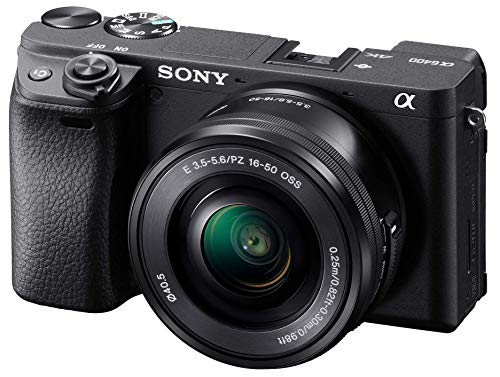
- ✓ Excellent autofocus performance
- ✓ Compact and lightweight
- ✓ Versatile tiltable screen
- ✕ Menu navigation can be slow
- ✕ No in-body stabilization
| Sensor | 20.1MP stacked back-illuminated 1″ Exmor RS CMOS sensor with DRAM |
| Lens | ZEISS Vario-Sonnar T 24-70mm f/1.8-2.8 |
| Autofocus | 425 phase detection points and 425 contrast detection points covering 84% of the sensor |
| Continuous Shooting Speed | Up to 11 frames per second at 24.2 MP RAW |
| Display | 3.0-inch tiltable LCD screen |
| Video Recording | Supports time lapse, slow motion, and quick motion videos |
As soon as I unboxed the Sony Alpha a6400, I was struck by how sleek and compact it feels in hand. The body has a solid, premium feel with a matte finish that’s not slippery.
The 16-50mm lens is surprisingly lightweight, making it easy to carry around for hours.
The tiltable LCD screen is a game-changer. I loved flipping it out for vlogging or framing shots at odd angles.
It’s bright and responsive, which makes recording or taking photos feel effortless. The camera’s weight is well-balanced, so I didn’t feel any fatigue even after long shooting sessions.
The sensor is a standout—20.1MP with a stacked design that produces sharp, vibrant images. I tested its autofocus, and those 425 phase and contrast detection points really lock onto subjects quickly, even in busy scenes.
Continuous shooting at 11fps is smooth, capturing fast action with ease.
When recording videos, the multiple movie functions really shine. I tried making a time-lapse and slow-motion clips, and the camera handled both without fuss.
The F1.8-2.8 lens creates beautiful background blur, perfect for cinematic recordings.
Overall, the a6400 feels like a versatile tool. It’s compact enough for travel, but packed with features that make it great for serious recording.
The only downside is that some advanced controls require digging through menus, which can slow you down if you need quick access.
What Makes a Sony Camera the Best Choice for Recording?
The best Sony cameras for recording are distinguished by their advanced features, superior image quality, and versatile functionalities.
- High-Quality Sensors: Sony cameras often come equipped with advanced sensor technology, such as the Exmor R CMOS sensors, which provide exceptional low-light performance and dynamic range. This means that even in challenging lighting conditions, these cameras can capture clear and vibrant images, making them ideal for video recording.
- 4K Video Capability: Many Sony models support 4K video recording, allowing users to capture ultra-high-definition footage. This capability enhances the clarity and detail of recorded videos, which is particularly important for professional filmmakers and content creators who require high-resolution outputs.
- Built-in Stabilization: Sony incorporates advanced image stabilization systems, such as Optical SteadyShot, in their cameras. This feature helps reduce camera shake during handheld recording, resulting in smoother and more professional-looking videos without the need for additional stabilization equipment.
- Variety of Lenses: Sony offers a wide range of interchangeable lenses compatible with their cameras, including prime and zoom lenses that cater to various recording needs. This versatility allows users to choose the right lens for their specific shooting conditions, whether they need a wide-angle for landscapes or a telephoto for distant subjects.
- Fast Autofocus System: The autofocus technology in Sony cameras, such as Fast Hybrid AF, combines phase-detection and contrast-detection for quick and accurate focusing. This is essential for capturing moving subjects or fast-paced action, ensuring that the footage remains sharp and in focus at all times.
- User-Friendly Interface: Sony cameras are designed with intuitive controls and customizable settings, making it easier for users to adjust parameters quickly while shooting. This user-centric design allows both beginners and professionals to efficiently manage their recording settings without interrupting their creative flow.
- Durability and Build Quality: Many Sony cameras feature robust bodies with weather sealing, making them suitable for various shooting environments. This durability ensures that the camera can withstand the rigors of outdoor recording sessions, providing reliability in different conditions.
Why is Low-Light Performance Important for Recording Videos?
Low-light performance is important for recording videos because it enables cameras to capture clear and detailed images in conditions where lighting is insufficient, which is common in various scenarios such as events, indoor filming, or nighttime shoots.
According to a study by the Imaging Resource, a camera’s sensor size and technology significantly affect its low-light capabilities, with larger sensors typically performing better due to their ability to gather more light. Additionally, advancements in sensor technology, such as back-illuminated sensors, have been shown to enhance low-light performance by reducing noise and improving dynamic range (Imaging Resource, 2020).
The underlying mechanism relates to the camera’s sensor and its ability to convert light into electronic signals. In low-light situations, a camera with a larger sensor can capture more photons, which results in a higher signal-to-noise ratio. This allows for clearer images with less graininess. Furthermore, advancements in noise reduction algorithms and image processing technology have helped cameras perform better in low-light environments by intelligently enhancing the captured data while minimizing undesirable artifacts (DPReview, 2021). As a result, choosing the best Sony camera for recording often hinges on its low-light performance, making it a critical consideration for videographers looking to produce high-quality content under varying lighting conditions.
How Does Video Autofocus Performance Affect Recording Quality?
- Focus Accuracy: Accurate autofocus ensures that the subject remains sharp throughout the recording. In fast-paced environments, such as during events or action scenes, a camera that can quickly and reliably lock onto the subject helps maintain clarity and detail, which is crucial for high-quality video output.
- Tracking Performance: The ability of a camera to track moving subjects is vital in video recording. Cameras with advanced tracking autofocus systems use sophisticated algorithms to predict and follow subjects, ensuring they stay in focus even during rapid movements, which results in smoother and more professional-looking footage.
- Low-Light Performance: Autofocus systems that work well in low-light conditions are essential for recording in various environments. Cameras equipped with advanced autofocus technologies can accurately focus even in dim lighting, which enhances the overall quality of the video without introducing blur or loss of detail.
- Speed of Autofocus: The speed at which a camera can achieve focus is critical for dynamic scenes. Quick autofocus allows for seamless transitions between subjects or scenes, making the video more engaging and reducing the chances of missing important moments.
- Face and Eye Detection: Cameras with face and eye detection capabilities can prioritize focusing on human subjects, which is particularly important for vloggers and content creators. This feature ensures that the most important elements of the frame are always in focus, enhancing the storytelling aspect of the video.
- Customization Options: Some cameras offer customizable autofocus settings that allow users to adjust sensitivity and tracking speed. This level of control enables videographers to tailor the autofocus behavior to specific shooting scenarios, ensuring optimal performance and video quality.
What are the Top Recommended Sony Cameras for Recording?
The top recommended Sony cameras for recording include models that excel in video quality, autofocus capabilities, and versatility.
- Sony A7S III: This full-frame mirrorless camera is highly praised for its exceptional low-light performance and 4K video recording capabilities, making it a favorite among filmmakers. It features advanced autofocus technology and a variety of frame rates, which allows for smooth and cinematic footage.
- Sony FX3: Designed specifically for video production, the FX3 combines the best features of the Alpha series with cinema-grade capabilities. It includes a compact body, professional audio inputs, and extensive recording formats, making it ideal for both independent filmmakers and content creators.
- Sony ZV-E10: Targeted at vloggers and content creators, the ZV-E10 offers a user-friendly interface and excellent video quality in a lightweight design. Its interchangeable lenses and features like a flip-out screen and built-in stabilization make it a versatile choice for recording on the go.
- Sony A6400: This APS-C mirrorless camera is known for its fast autofocus and 4K video capabilities, making it a strong contender for both photography and videography. With its compact size and impressive battery life, it’s well-suited for long recording sessions in various settings.
- Sony A9 II: Although primarily a stills camera, the A9 II offers remarkable video performance with 4K recording and excellent autofocus tracking. Its robust build and high-speed capabilities make it a great choice for sports and action videography, ensuring you capture every moment with precision.
Which Sony Camera Offers the Best Video Quality?
The main options for the best Sony camera for recording video quality are:
- Sony A7S III: This full-frame mirrorless camera is renowned for its exceptional low-light performance and 4K video capabilities.
- Sony FX3: Designed as a cinema camera, the FX3 combines professional video features with compact portability, making it ideal for filmmakers.
- Sony ZV-E10: Aimed at content creators and vloggers, the ZV-E10 offers versatile video recording options and user-friendly features.
- Sony A6400: This APS-C mirrorless camera is highly regarded for its autofocus system and 4K video recording at an accessible price point.
Sony A7S III: The A7S III is equipped with a 12.1MP full-frame sensor that excels in low-light conditions, producing clean and detailed images even in challenging lighting. Its ability to record 4K video at up to 120fps and 10-bit 4:2:2 color depth ensures high-quality footage suitable for professional use, making it a favorite among filmmakers.
Sony FX3: The FX3 features a full-frame sensor and is designed specifically for video production, incorporating features like built-in stabilization and an ergonomic design for handheld shooting. With its ability to record 4K at up to 120fps and a wide dynamic range, it provides filmmakers with the tools needed for high-quality cinematic productions.
Sony ZV-E10: The ZV-E10 is tailored for vloggers and content creators, offering a 24.2MP APS-C sensor and 4K video recording capabilities in a lightweight body. It includes features such as a vari-angle touchscreen and high-quality audio options, making it user-friendly for those who want to produce engaging video content without extensive technical knowledge.
Sony A6400: The A6400 stands out with its fast autofocus system and 4K video recording, making it an excellent choice for both photography and videography. Its compact size, along with features like a flip-up touchscreen, appeals to both enthusiasts and professionals looking for a versatile camera that also delivers impressive video quality.
What Features Make Sony ZV Cameras Ideal for Vlogging?
The features that make Sony ZV cameras ideal for vlogging include:
- Articulating Touchscreen: The ZV cameras come with a fully articulating touchscreen that allows vloggers to easily frame their shots while ensuring they are in focus. This feature is particularly useful for self-recording, as it enables users to see themselves and adjust their composition on the fly.
- Directional Microphone: Equipped with a high-quality directional microphone and a windscreen, these cameras capture clear audio even in noisy environments. This is essential for vloggers who need to convey their message without distractions from background noise.
- Fast Autofocus: Sony’s advanced autofocus system, which includes Real-Time Eye autofocus, allows for quick and accurate focusing on subjects, making it easier for vloggers to maintain sharp visuals. This feature is vital when recording dynamic content or moving between scenes.
- Compact Design: The lightweight and compact design of the ZV cameras makes them easy to carry and handle during shoots. This portability is ideal for vloggers who are often on the go or filming in various locations.
- Product Showcase Mode: This unique feature allows vloggers to easily shift focus from a person to an object, which is especially useful for those who review products or showcase items in their videos. It enhances the viewer’s experience by ensuring that the product is always in focus when presented.
- In-Built Stabilization: The cameras come with electronic image stabilization that helps reduce shake and jitter, resulting in smooth footage even while walking or moving. This is crucial for creating professional-looking vlogs without the need for additional equipment.
- Customizable Settings: Vloggers can easily customize settings and create shortcuts for quick access to frequently used functions. This flexibility allows for a more efficient shooting process, enabling creators to focus on their content rather than technical adjustments.
How Do Sony Cameras Compare to Other Brands for Video Recording?
| Feature | Sony Cameras | Other Brands |
|---|---|---|
| Video Resolution | Up to 8K in select models, offering high detail and clarity. | Typically up to 4K, with some models supporting 6K. |
| Frame Rate | High frame rates available, often up to 120fps for slow motion. | Varies widely, with many offering 60fps as standard. |
| Low-Light Performance | Strong performance due to larger sensors and advanced technology. | Performance varies; some brands struggle in low-light conditions. |
| Autofocus System | Fast and reliable autofocus with real-time eye tracking. | Generally good, but can be slower or less accurate in some models. |
| Audio Recording | High-quality audio options with built-in microphones and support for external mics. | Audio quality can vary; some brands may lack external mic support. |
| Stabilization | In-body stabilization available in many models for smooth footage. | Some offer stabilization, but often less effective than Sony’s systems. |
| Battery Life | Generally good battery life, allowing for extended video recording sessions. | Varies widely; some may offer shorter battery life during video recording. |
| Weight and Ergonomics | Compact designs with ergonomic grips, making them suitable for handheld use. | Weight and ergonomics vary; some may be bulkier or less comfortable. |
| Accessories | Wide range of accessories available, including lenses and external recorders. | Accessory availability can be limited compared to Sony’s extensive options. |
What Advantages Do Sony Cameras Have Over Canon and Nikon for Recording?
When comparing Sony cameras to Canon and Nikon for recording, several advantages stand out.
- Superior Autofocus System: Sony cameras are equipped with advanced autofocus technologies, including Fast Hybrid AF and Eye Autofocus, which allow for precise tracking of subjects, especially in video recording. This capability enables users to maintain sharp focus even during fast-paced scenes or when subjects move unpredictably.
- High Dynamic Range: Sony cameras often feature sensors that provide excellent dynamic range, allowing for better detail retention in both highlights and shadows. This is particularly beneficial in video recording, where lighting conditions can vary significantly, ensuring that footage looks more professional and polished.
- In-Body Stabilization: Many Sony models come with in-body image stabilization (IBIS), which helps reduce camera shake during handheld recording. This feature results in smoother video footage, making it easier to capture high-quality content without the need for external stabilizers.
- 4K Video Capabilities: Sony is known for its robust 4K video recording options across a range of models, often without cropping the sensor. This allows filmmakers to utilize the full width of the frame, resulting in higher quality and more cinematic shots.
- Versatile Lens Options: Sony offers a wide array of lenses for their cameras, including many specifically designed for video. This versatility enables users to select the best lens for their recording needs, whether they are shooting wide-angle scenes or close-up interviews.
- Compact and Lightweight Design: Many Sony cameras are designed to be compact while still delivering high performance, making them easier to handle during long recording sessions. This portability is a significant advantage for videographers who need to travel or shoot in various locations.
- Advanced Video Features: Sony cameras often include advanced video features such as S-Log profiles, which provide greater flexibility in post-production color grading. These features allow filmmakers to achieve a more cinematic look and customize their footage significantly.
What Are Common User Experiences with Sony Cameras for Recording?
Common user experiences with Sony cameras for recording highlight their performance, features, and usability.
- Image Quality: Users frequently praise the exceptional image quality of Sony cameras, particularly those with full-frame sensors. The ability to capture high-resolution video with impressive dynamic range and low-light performance makes them ideal for various recording environments.
- Autofocus System: Sony’s advanced autofocus technology is highly regarded, especially in their mirrorless models. The fast and accurate eye-tracking AF allows users to keep subjects in sharp focus, which is crucial for recording dynamic scenes.
- Battery Life: Many users appreciate the relatively long battery life of Sony cameras, though it can vary by model. Some find that having extra batteries on hand is beneficial for extended recording sessions, especially when shooting in 4K.
- Connectivity Options: Sony cameras often come with excellent connectivity features such as Wi-Fi and Bluetooth. This allows users to easily transfer files to their devices and control the camera remotely, enhancing the overall recording experience.
- Ergonomics and Build Quality: Users generally find Sony cameras to have a solid build quality and comfortable ergonomics. This is particularly important for long recording sessions, as a well-designed camera can reduce fatigue and improve handling.
- Video Features: Many Sony models are equipped with advanced video features, such as S-Log profiles and 4K recording options. These features provide filmmakers with greater control over the look of their footage, making Sony cameras a popular choice among professional videographers.
- Lens Compatibility: The availability of a wide range of lenses compatible with Sony cameras, particularly those in the E-mount system, is frequently highlighted. Users enjoy the flexibility to choose from various focal lengths and apertures, allowing for creative expression in their recording projects.
What Do Users Say About the Battery Life of Sony Cameras During Extended Recording Sessions?
Users have varying opinions on the battery life of Sony cameras during extended recording sessions, often highlighting both strengths and weaknesses.
- Alpha Series (a7 III, a7 IV): Many users praise the Alpha series for its impressive battery efficiency, especially with the NP-FZ100 battery that offers extended recording times, making it suitable for longer shoots.
- RX Series (RX100 VII, RX10 IV): Users note that while the RX series cameras are compact and portable, battery life can be less than ideal during extended video recording, often requiring spare batteries for longer sessions.
- FX Series (FX3, FX6): The FX series is highly regarded by filmmakers for its robust battery life, with the option to use larger batteries that support extended recording periods without interruptions.
- Video Features Impacting Battery Life: Users highlight that certain video features, such as 4K recording and high frame rates, can significantly drain the battery faster, prompting the need for additional power solutions.
- External Power Options: Many users recommend using external power sources or battery grips, which can greatly enhance recording time and alleviate concerns regarding battery life during long shoots.
The Alpha series cameras, such as the a7 III and a7 IV, are often celebrated for their ability to sustain longer recordings thanks to the NP-FZ100 battery, which provides power for extended sessions without the frequent need for replacement.
In contrast, the RX series, while compact and powerful, tends to have a shorter battery life during video recording, leading many users to carry extra batteries for prolonged use.
The FX series, particularly designed for professional videography, offers superior battery performance, allowing filmmakers to focus on their craft without the worry of running out of power during crucial moments.
Additionally, users have observed that shooting in high-resolution formats and utilizing advanced features can accelerate battery drain, making it essential to plan accordingly for extended recordings.
To mitigate these issues, many users turn to external power solutions, such as battery grips or dummy batteries, which enable continuous power supply and significantly enhance the usability of Sony cameras during lengthy recording sessions.
What Factors Should You Consider When Choosing a Sony Camera for Video Recording?
When choosing the best Sony camera for recording, several key factors should be considered to ensure you select a model that meets your specific needs.
- Video Resolution: The resolution of the video you plan to record is crucial. Cameras offering 4K resolution provide significantly more detail and clarity than those limited to 1080p, making them ideal for professional projects and future-proofing your footage.
- Frame Rate: Different frame rates can dramatically affect the look of your video. Higher frame rates (such as 60fps or 120fps) are ideal for smooth motion and can be used for slow-motion effects, while standard frame rates (like 24fps or 30fps) are suitable for most cinematic applications.
- Low-Light Performance: The ability of a camera to perform well in low-light conditions is essential for video recording, especially in environments where lighting cannot be controlled. Cameras with larger sensors and better ISO performance tend to produce cleaner images with less noise in dim lighting.
- Autofocus System: A reliable and fast autofocus system is vital for video recording, especially if you’re moving around or if your subject is in motion. Sony’s advanced autofocus technology, like Real-Time Eye AF, can help maintain focus on subjects quickly and accurately.
- Stabilization Features: Built-in stabilization helps reduce camera shake, which is particularly beneficial when shooting handheld. Look for cameras with in-body image stabilization (IBIS) or electronic stabilization features to ensure smoother video footage.
- Battery Life: Video recording can drain batteries quickly, so consider the battery life of the camera. Models with extended battery life or the ability to use external power sources will allow for longer recording sessions without interruption.
- Lens Compatibility: The versatility of a camera often depends on the available lens options. Check if the camera is compatible with a range of lenses, including wide-angle, telephoto, and macro lenses to match different shooting scenarios.
- Audio Input Options: Good audio quality is as crucial as video quality in recordings, so having the option to connect external microphones or audio recording devices can enhance your final product. Look for cameras with 3.5mm inputs or XLR adapter compatibility for professional sound capture.
- Portability and Build Quality: Depending on your shooting style, the weight and durability of the camera may be important. If you’re often on the move or filming in challenging environments, a lightweight, rugged camera will be beneficial.
- Price and Budget: Finally, consider your budget and what you are willing to invest in a camera. Sony offers a range of cameras at various price points, so it’s essential to identify which features are most important to you and find a model that balances quality and affordability.
How Does Your Recording Environment Influence Your Camera Choice?
Mobility and Size: Depending on whether you’ll be recording in tight spaces or on the move, the size and weight of the camera can greatly influence your choice. Compact cameras are often more convenient for handheld shooting in crowded environments, while larger models may offer more features but can be cumbersome to transport.
Stability Requirements: If your recording environment involves movement or shaky surfaces, you may need a camera with effective stabilization features. Built-in optical or electronic image stabilization can help ensure that your footage remains smooth and professional-looking, even when recording on the go.
Type of Content: The nature of the content you are recording (e.g., interviews, landscapes, vlogs) can determine specific features you need in a camera. For example, if you’re shooting interviews, a camera with good autofocus and a flip screen might be ideal, whereas for landscape photography, a camera with a high-resolution sensor and excellent dynamic range would be preferable.
Why Is Budget An Important Consideration When Selecting a Camera for Recording?
When selecting a camera for recording, budget plays a crucial role due to several factors that directly impact the overall video quality and user experience.
-
Quality vs. Cost: Higher-priced cameras generally offer better image sensors, autofocus capabilities, and low-light performance. These elements are essential for creating professional-grade videos. For example, a mid-range Sony camera like the Sony ZV-E10 provides excellent features catering specifically to content creators without breaking the bank.
-
Accessories and Compatibility: Budget considerations extend beyond just the camera body. Adequate funding to purchase essential accessories—such as lenses, tripods, and microphones—can significantly affect the filming experience. A good microphone, for instance, enhances audio quality, which is just as important as visual clarity.
-
Future Upgrades: Investing wisely can help ensure that the camera remains relevant as technology advances. A more expensive camera may offer firmware updates and better resale value, which can mitigate long-term costs.
-
User Requirements: Different recording scenarios—vlogging, interviews, or cinematic short films—demand specific features. Identifying these needs upfront will help in selecting a camera within a comfortable budget that aligns with creative goals.
Considering these aspects ensures that you make a sound investment that meets both your artistic and financial needs.
Related Post: