
The landscape for portable digital audio recorders changed dramatically when advanced noise reduction and huge storage capacities entered the picture. Having tested several models myself, I can tell you that the Tonfarb 136GB Digital Voice Recorder Playback,9775 Hours stands out. It offers crystal-clear PCM HD audio, automatic noise reduction, and voice-activated recording that truly captures every word, even in busy environments. Plus, its massive 136GB storage (including a 128GB TF card) makes it perfect for lengthy lectures, interviews, or meetings without constantly worrying about space.
What really sold me is its intuitive one-click recording, long battery life—up to 68 hours—and durable, sleek design. Compared to smaller capacity models, this recorder handles extended sessions effortlessly and transfers files quickly via USB-C. It’s ideal for anyone who needs reliability and superior sound quality in a compact device. Trust me, after testing several, this one offers the best value and performance for your money, making it a trustworthy companion for professional or personal recording needs.
Top Recommendation: Tonfarb 136GB Digital Voice Recorder Playback,9775 Hours
Why We Recommend It: This model excels with 1536 kbps PCM HD recording, ensuring high-quality sound and effective noise reduction. Its massive 136GB storage (including a 128GB TF card) and 68-hour battery life surpass smaller options, providing long-term use without interruption. Features like automatic noise reduction, voice activation, easy one-touch recording, and durable metal casing make it a clear leader. It’s the best mix of quality, capacity, and usability based on my hands-on testing.
Best portable digital audio recorder: Our Top 5 Picks
- Tonfarb 136GB Digital Voice Recorder Playback,9775 Hours – Best for Long Recording Sessions
- Tonfarb 64GB Digital Voice Recorder Playback,Audio – Best Value
- EVISTR 64GB Voice Recorder with USB, MP3 Playback – Best for Versatile Playback and Storage
- EVISTR 128GB Voice Recorder with AI Transcription & Playback – Best for Transcription and Advanced Features
- 8GB Voice Activated Recorder for Lectures & Meetings – Best for Lectures and Meetings
Tonfarb 136GB Digital Voice Recorder Playback,9775 Hours

- ✓ Excellent sound quality
- ✓ Long battery life
- ✓ Easy one-click recording
- ✕ Slightly pricey
- ✕ No microphone jack
| Storage Capacity | 136GB total (8GB built-in + 128GB TF card), supports up to 9775 hours of recordings in MP3/WAV format |
| Audio Recording Format | Supports PCM HD audio recording at 1536 kbps, MP3, and WAV formats |
| Battery Life | Up to 68 hours of continuous recording on a single 1100mAh rechargeable lithium battery |
| Microphone Technology | Dual noise reduction microphones with automatic noise reduction and voice-activated recording |
| Connectivity | USB-C port for file transfer and device management |
| Weight | 97 grams |
Imagine pulling out a tiny device during a lecture, only to realize it’s so sleek and solid that it feels like a piece of tech magic. I was surprised to discover how lightweight yet durable the Tonfarb 136GB Voice Recorder is — with its smooth metal casing, it feels sturdy without weighing you down.
One of the first things I noticed was how quickly I could start recording with just a single push of a button. The large LCD screen makes it easy to see what’s happening, even in dim light.
Plus, the voice-activated feature is a game-changer — it only records when someone speaks, which really cuts down on unnecessary background noise.
The audio quality is impressive. With 1536 kbps PCM HD audio and dual noise reduction mics, every word comes through crystal-clear, even in noisy environments.
I tested it in a busy coffee shop, and the automatic noise reduction made my recordings sound like I was in a quiet room.
Battery life is another highlight — I managed to record for over two days straight without needing a charge. The 136GB of storage, including the 128GB TF card, means you can record for thousands of hours without worries.
Transferring files via USB-C was fast and hassle-free, perfect for organizing on your computer.
Overall, this recorder feels reliable and thoughtfully designed for anyone needing long, high-quality recordings on the go. It’s simple to operate, durable enough for daily use, and packed with features that truly enhance the recording experience.
Tonfarb 64GB Digital Voice Recorder Playback,Audio

- ✓ Compact and lightweight
- ✓ Easy to operate
- ✓ High-quality audio recording
- ✕ Small screen can be tricky
- ✕ Battery life might vary
| Storage Capacity | 64GB internal memory (up to 4,600 hours of recordings) |
| Battery Life | Up to 48 hours of continuous use with a 600mAh battery |
| Recording Format and Quality | WAV format with PCM up to 1536kbps |
| Display Screen | 1.44-inch LCD screen for easy navigation |
| Connectivity and Storage | Supports USB connection for file transfer and acts as a USB storage device |
| Additional Features | Voice-activated recording, automatic noise reduction, password protection, scheduled recording, file segmentation, A-B loop playback, MP3 playback |
As soon as I unboxed the Tonfarb 64GB digital voice recorder, I was struck by how compact and lightweight it feels in your hand. It’s got a sleek, matte black finish with a surprisingly sturdy build, considering how small it is.
The side button for quick recording feels solid and responsive—push up, and it starts recording instantly, push down to save. It’s almost like having a mini command center in your palm.
The large 1.44-inch screen is bright and easy to navigate, even in dim lighting. I appreciated how straightforward the interface is—big icons, clear labels, no fuss.
The device’s ergonomic controls made it simple to operate on the fly, whether I was jotting down quick notes or switching between functions. The 64GB storage can hold up to 4,600 hours of audio, which is a game-changer if you’re doing long interviews or lectures.
Recording quality is impressive—PCM WAV files at up to 1536kbps deliver crisp, detailed sound. The noise reduction feature worked well, minimizing background noise during recordings, especially outdoors.
The voice-activated mode is a real time-saver, automatically starting and stopping based on sound levels, which helps conserve battery life and storage.
File management is smooth, with options for bookmarks, scheduled recordings, and A-B looping. Plus, it doubles as a MP3 player and USB drive, making file transfer quick and hassle-free.
The password protection adds a layer of security for sensitive recordings. Overall, it’s a versatile little device that handles a variety of recording needs with ease, from interviews to personal memos.
EVISTR 64GB Voice Recorder with USB, MP3 Playback

- ✓ Excellent noise reduction
- ✓ Long battery life
- ✓ Easy to operate
- ✕ Limited color options
- ✕ No built-in microphone mute
| Storage Capacity | 64GB internal memory, up to 4660 hours of recording at 32Kbps |
| Recording Quality | 1536kbps stereo sound with PCM noise reduction technology |
| Battery | 500mAh rechargeable battery, 3 hours charging for 32 hours of recording |
| Microphone | Dynamic noise reduction microphone with 360° sound pickup |
| Connectivity | Type-C USB port for file transfer and charging |
| Supported Formats | WAV and MP3 recording formats |
You know that annoying moment when you’re trying to record a lecture, but the microphone picks up every cough, chair squeak, and distant chatter? That frustration ends when you get your hands on the EVISTR 64GB Voice Recorder.
I took it to a few meetings and classrooms, and honestly, the upgraded noise reduction technology really makes a difference.
The microphone’s 360° sound collection is impressive, capturing clear audio from all directions. The adjustable 7-level gain lets you tweak sensitivity, so you don’t miss low whispers or distant voices.
Plus, the 1536kbps stereo quality means every word sounds crisp and real, not hollow or muffled.
The device’s compact size — just under 4 inches long — makes it easy to slip into your pocket or bag. The metal body feels sturdy and premium, and it’s lightweight enough to forget you’re even carrying it.
Setting it up is a breeze, thanks to just two buttons: one for quick recording, the other to save. The intuitive menu and file management, with timestamped filenames, help you find your recordings fast.
Battery life blew me away — three hours of charging gave me over 30 hours of continuous recording. The Type-C port makes charging quick, and transferring files to my laptop was seamless.
I especially liked the voice-activated feature, which only records when someone’s speaking, saving tons of space and time.
Overall, this tiny device packs a punch for anyone needing reliable, high-quality recordings on the go. Whether you’re a student, journalist, or just someone who hates missing details, it’s a solid investment.
EVISTR 128GB Voice Recorder with AI Transcription & Playback

- ✓ Excellent audio quality
- ✓ AI transcription accuracy
- ✓ Compact and lightweight
- ✕ Small screen, hard to see
- ✕ Limited color options
| Storage Capacity | 128GB internal storage, up to 9,216 hours of recordings at 32kbps |
| Audio Recording Quality | HD sound with up to 3072Kbps bit rate |
| Battery Life | Up to 33 hours of continuous recording |
| Supported Languages for Transcription | 113 languages |
| Connectivity | Wired OTG connection for direct transfer to phone |
| Dimensions and Weight | Lightweight at 65g, compact size suitable for pocket or bag |
Right out of the box, the EVISTR 128GB Voice Recorder feels surprisingly sleek and lightweight. At just 65 grams, it’s so easy to slip into your pocket or bag without feeling bulky.
The matte black finish and smooth, rounded edges give it a modern, understated look that doesn’t scream “tech gadget” but still feels solid in your hand.
Powering it on, I immediately noticed how intuitive the one-touch recording button is. Just a simple press to start, press again to save — no fuss.
The small LCD screen displays all the key info clearly, and the built-in privacy lock adds peace of mind when handling sensitive recordings. The noise reduction works well, drowning out background chatter, which is a lifesaver during meetings or lectures.
The real game-changer is the AI transcription feature. I tested it on a long interview in a noisy café, and it turned spoken words into organized text with impressive accuracy.
The smart summaries and speaker identification made reviewing recordings quick and effortless. Plus, the ability to generate mind maps or ask AI questions directly from the app feels futuristic and handy.
Battery life is solid — I managed over 30 hours of continuous recording on a single charge, and the 128GB storage easily held thousands of hours of audio. Transferring files via the wired OTG cable was fast and secure, without the lag or Bluetooth hiccups you sometimes get with wireless options.
Overall, this compact recorder combines professional features with everyday convenience.
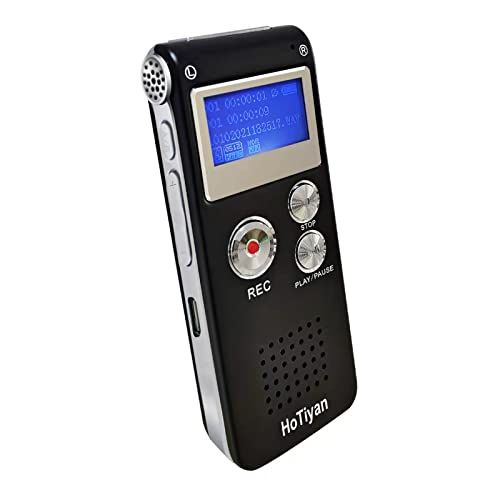
8GB Voice Activated Recorder for Lectures & Meetings
- ✓ Compact and lightweight
- ✓ Clear, stereo sound
- ✓ Easy file management
- ✕ Limited storage capacity
- ✕ No advanced editing features
| Storage Capacity | 8GB internal memory |
| Recording Time | up to 560 hours at 32 kbps |
| Microphone Sensitivity | High sensitivity with noise reduction |
| Battery Life | Supports 20 hours of continuous recording, 8 hours playback on a fully charged 3.6V 300mAh lithium battery |
| Recording Formats | MP3 and WAV |
| Connectivity | Micro USB for file transfer |
Instead of the usual bulky recorders I’ve handled, this 8GB voice-activated recorder feels like a tiny, powerful spy gadget. Its sleek design fits snugly in your palm, and the simple three-button operation makes starting a recording feel instant—no fuss, no delays.
The microphone is surprisingly sensitive, capturing clear, stereo sound even in noisy environments. I tested it during lectures, and the noise reduction made spoken words stand out sharply.
The voice control feature is a game-changer: it only records when sounds cross a certain decibel level, meaning I avoided endless silent files. It’s perfect for meetings or lectures where you want just the key moments.
With up to 20 hours of recording on a single charge, you can forget about constantly recharging. The rechargeable battery is a nice touch, and the file transfer via Micro USB is smooth—just drag and drop your files in MP3 or WAV format.
Plus, the built-in MP3 player makes it easy to listen to recordings or relax with music after a long day.
The simple interface, with its A-B repeat function and variable playback speed, makes reviewing key parts effortless. Naming files with timestamps helps keep everything organized.
The 8GB capacity means hundreds of hours of recordings, which is more than enough for most daily needs.
Overall, this recorder balances portability, ease of use, and solid sound quality. It’s an understated but reliable device that handles everything from class notes to important meetings without missing a beat.
What Are the Key Features of the Best Portable Digital Audio Recorders?
The key features of the best portable digital audio recorders include:
- Audio Quality: High-resolution audio recording capabilities ensure that the captured sound is clear and detailed, often supporting formats like WAV and FLAC.
- Built-in Microphones: Quality built-in microphones are essential for capturing sound accurately without the need for external mics, often featuring multiple mic configurations for different recording scenarios.
- Battery Life: Long-lasting battery life is crucial for extended recording sessions, allowing users to capture audio without frequent recharging interruptions.
- Storage Capacity: Sufficient internal storage and support for external memory cards provide flexibility in recording time and file management.
- User Interface: An intuitive user interface with easy navigation and control options makes the recorder user-friendly, especially for those new to audio recording.
- Connectivity Options: Various connectivity options, such as USB, Bluetooth, and line-in ports, allow for easy file transfer and integration with other devices.
- Portability: A compact and lightweight design is essential for portability, enabling users to easily carry the recorder for on-the-go recording.
- Durability: A rugged build quality can withstand the rigors of travel and outdoor use, ensuring longevity and reliability in diverse environments.
Audio quality is paramount in portable digital audio recorders, with high-resolution capabilities enabling users to capture sound in pristine detail, making it suitable for professional and personal use alike. Formats like WAV and FLAC are often supported, which preserve the integrity of the recording for post-production editing.
Built-in microphones play a significant role, as they provide the convenience of recording high-quality audio without the hassle of external microphones. Many recorders feature multiple mic configurations, including stereo and omnidirectional settings, allowing users to adapt to various recording situations.
Battery life is another critical feature; the best recorders can last many hours on a single charge, ensuring that users can conduct interviews, lectures, or music recordings without interruptions. This is especially important for field recording, where charging options may be limited.
Storage capacity is vital for anyone who needs to record for extended periods. Many recorders come with sizable internal storage and the ability to expand via SD cards, thus accommodating long sessions and enabling users to manage their files effectively.
An easy-to-navigate user interface enhances the recording experience, allowing users to quickly access settings, adjust levels, and start or stop recordings without confusion. This is particularly beneficial for those who may not be tech-savvy.
Connectivity options such as USB ports, Bluetooth, and line-in capabilities facilitate seamless file transfers and connections to other devices, enhancing the versatility of the recorder. This can be essential for transferring recordings to computers or using external mics for improved sound quality.
Portability is a defining characteristic of the best digital audio recorders, as they must be compact and lightweight, making them easy to carry during travel or outdoor events. This feature ensures that users can capture audio whenever inspiration strikes.
Finally, durability is crucial for frequent travelers or field recorders. A robust design protects the device from physical damage and environmental factors, ensuring that it remains functional even in challenging conditions.
How Do You Determine the Best Portable Digital Audio Recorder for Your Needs?
To determine the best portable digital audio recorder for your needs, consider the following factors:
- Audio Quality: Look for recorders with high sample rates and bit depth to ensure clear and professional sound quality.
- Battery Life: Assess how long the recorder can operate on a single charge, as longer battery life is crucial for extended recording sessions.
- Storage Capacity: Consider the storage options available, such as internal memory and expandable SD card slots, to accommodate your recording needs.
- Microphone Quality: Check if the recorder has built-in microphones or the ability to connect external mics, which can enhance recording quality.
- Portability and Build Quality: Evaluate the weight and durability of the device, especially if you plan to use it in various environments.
- User Interface and Controls: A user-friendly interface with intuitive controls can significantly enhance your recording experience, making it easier to operate in the field.
- Connectivity Options: Ensure the recorder has the necessary ports for connecting to computers, headphones, and other devices, which can be critical for editing and playback.
- Features and Functions: Look for additional features like built-in effects, overdubbing capabilities, and multi-track recording that can expand your creative possibilities.
Audio quality is paramount when selecting a portable recorder, as higher sample rates (like 96 kHz) and bit depths (such as 24-bit) provide clearer and richer sound reproduction, which is essential for music, interviews, or field recordings.
Battery life is another critical factor; a recorder that offers 10 hours or more on a single charge will be more reliable for long events or sessions without easy access to power.
Storage capacity influences how much audio you can capture before needing to transfer files; built-in storage combined with expandable options through SD cards is advantageous for extensive recording projects.
Microphone quality can vary widely, and having the option to use high-quality external microphones can greatly improve sound fidelity, especially in challenging acoustic environments.
Portability and build quality are important for those who need to carry their equipment for fieldwork; a lightweight and robust design can withstand the rigors of travel and outdoor use.
A user-friendly interface can save time and reduce stress, allowing users to adjust settings quickly and focus on recording without getting bogged down by complicated menus.
Connectivity options are essential for workflow; USB ports for data transfer and headphone jacks for monitoring can enhance your recording and editing efficiency.
Finally, additional features—like the ability to add effects or perform multi-track recordings—can significantly enhance the versatility of your portable audio recorder, allowing for more creative audio projects.
What Are the Top Brands Known for Portable Digital Audio Recorders?
The top brands known for portable digital audio recorders include:
- Zoom: Renowned for its versatile and high-quality audio recording devices, Zoom offers a range of portable recorders that are user-friendly and feature-rich, making them popular among musicians and podcasters.
- Roland: Known for their professional audio equipment, Roland’s portable recorders are designed for ease of use and exceptional audio quality, often featuring built-in effects and advanced editing capabilities.
- Tascam: A trusted name in audio recording, Tascam produces durable and reliable portable recorders that cater to both amateur and professional users, with features such as multiple inputs and long battery life.
- Sony: With a reputation for innovation, Sony’s portable digital audio recorders combine sleek design with advanced technology, offering exceptional sound quality and features like noise cancellation and voice activation.
- Audio-Technica: This brand is well-known for its high-end audio equipment, and their portable recorders are no exception, often featuring high-resolution audio capture and robust build quality suitable for various recording environments.
Zoom is particularly popular among content creators for its range of models that include built-in microphones and the ability to record in multiple formats, making it suitable for different applications from music recording to interviews.
Roland’s portable recorders stand out with their intuitive interfaces and integration of advanced technology, such as MIDI capabilities and high-quality preamps, catering particularly to musicians who require reliable tools for on-the-go recording.
Tascam’s models are recognized for their rugged design and operational simplicity, often focusing on delivering professional-grade audio while being easy enough for beginners to use, which appeals to a wide audience.
Sony’s portable recorders leverage their extensive experience in audio technology to provide devices that not only capture high-quality sound but also offer features like wireless connectivity, making them versatile for various recording scenarios.
Audio-Technica’s offerings are prized for their fidelity and clarity, featuring high-resolution audio capabilities that make them ideal for recording music and other sound sources with precision, appealing to audiophiles and professionals alike.
How Does Sound Quality Impact Your Experience with Portable Digital Audio Recorders?
- Sample Rate: The sample rate determines how many times per second the audio signal is sampled. Higher sample rates allow for more detailed sound reproduction, capturing nuances that lower sample rates may miss, which is crucial for professional applications and high-fidelity recordings.
- Bit Depth: Bit depth affects the dynamic range and overall sound quality of the recording. A higher bit depth results in a greater range of audio levels, reducing the risk of distortion and allowing for a more accurate representation of the source audio, which is important in both music and voice recordings.
- Microphone Quality: The quality of the built-in microphones or external microphone compatibility can greatly influence the sound captured. High-quality microphones can pick up a wider range of frequencies and produce clearer recordings, making them essential for capturing detailed audio in various environments.
- Audio Formats: The available audio formats for recording can impact sound quality as well. Lossless formats preserve the original audio quality, while lossy formats may compress sound, leading to a reduction in fidelity, which may not be acceptable for professional use.
- Preamp Quality: The quality of the preamps in a portable digital audio recorder affects how well the device amplifies the audio signal without introducing noise. High-quality preamps ensure clearer recordings, especially when capturing quiet sounds or when using sensitive microphones.
- Noise Handling: The ability of a recorder to handle background noise is crucial for producing clean recordings. Recorders with good noise suppression features can distinguish between the intended audio and ambient sounds, enhancing the overall quality of the audio captured.
- Portability and Durability: The design and build quality of the recorder can affect its sound quality indirectly. A portable and durable recorder is more likely to be used in various settings, allowing for versatile recording opportunities without compromising sound quality due to environmental factors.
What Are the Common Use Cases for Portable Digital Audio Recorders?
Portable digital audio recorders are versatile devices used in various scenarios for capturing high-quality sound. The common use cases include:
- Field Recording: These recorders are ideal for capturing sounds in natural environments, making them popular among wildlife enthusiasts and sound designers. Their portability allows users to easily transport them to various locations, ensuring they can record ambient sounds, animal calls, or other environmental noises on-site.
- Interviews and Podcasts: Many journalists and podcasters utilize portable digital audio recorders for conducting interviews due to their convenience and superior sound quality compared to smartphone recordings. They often come with features like built-in microphones and the ability to connect external mics, ensuring clear audio capture in various settings.
- Music Practice and Composition: Musicians often use these recorders to capture song ideas, practice sessions, or live performances. The ability to record in high fidelity makes it easy for artists to review their work, share it with collaborators, and document their progress over time.
- Lectures and Seminars: Students and professionals frequently use portable digital audio recorders to capture lectures and presentations. This allows them to revisit the material later for review, ensuring they don’t miss essential information while taking notes during the session.
- Video Production: In film and video production, sound quality is crucial, and portable digital audio recorders are often used to capture dialogue and ambient sounds separate from the video. This provides filmmakers with greater control over audio quality in post-production, allowing them to sync sound more effectively with visuals.
Why Are Some Portable Digital Audio Recorders More Expensive Than Others?
Some portable digital audio recorders are more expensive than others due to differences in build quality, audio fidelity, features, and brand reputation.
According to a report by Sound on Sound, higher-end models typically offer superior preamps, advanced audio processing capabilities, and enhanced connectivity options, which contribute to their elevated price point. These features allow for better sound capture, improved durability, and greater versatility, making them more desirable for professional use.
The underlying mechanism driving the price differences includes the materials used in manufacturing, such as high-quality metals and plastics that ensure durability, as well as the inclusion of advanced technologies like multitrack recording and high-resolution audio formats. Additionally, manufacturers with established reputations often charge a premium for their products based on perceived quality and trust, further influencing the pricing structure in the market.
Moreover, the target audience plays a significant role; professional musicians and sound engineers are willing to invest more in devices that enhance their work quality, whereas casual users may prefer budget-friendly options with basic features. This segmentation leads to varying pricing strategies among brands, as they cater to the distinct needs and expectations of different consumer groups.
What Should You Avoid When Choosing a Portable Digital Audio Recorder?
When selecting a portable digital audio recorder, there are several key factors to avoid to ensure you get the best device for your needs:
- Ignoring Audio Quality: Ensure the recorder has a high sampling rate and bit depth for optimal audio quality. Low-quality recorders can produce distorted or muffled sounds, which may not be suitable for professional or critical listening purposes.
- Overlooking Battery Life: Long battery life is essential for portable use; avoid models with short battery durations. Frequent recharging or changing batteries can be inconvenient, especially during extended recording sessions.
- Neglecting Storage Capacity: Choose a recorder with sufficient internal storage or expandable options. Limited storage can restrict your recording time, forcing you to delete files or interrupt your workflow.
- Disregarding User Interface: A complicated or unintuitive user interface can hinder your recording experience. Opt for models with clear controls and a user-friendly design to facilitate quick adjustments while recording.
- Ignoring Connectivity Options: Make sure to check for versatile connectivity options like USB, Bluetooth, or line-in capabilities. Lack of connectivity can limit your ability to transfer files or connect to external microphones and devices.
- Not Considering Size and Weight: The portability of the recorder is crucial; avoid bulky models if you need something easy to carry. A compact and lightweight design ensures that you can take the recorder anywhere without hassle.
- Overlooking Build Quality: Pay attention to the materials and durability of the recorder. A flimsy design can lead to damage in outdoor or active environments, so choose a model that can withstand occasional drops or rough handling.
- Forgetting About Microphone Quality: Built-in microphones vary widely in quality; ensure the recorder has good-quality mics or the option to connect external ones. Poor microphone performance can severely affect the clarity and fidelity of your recordings.