
When consulting with audiophiles and classical music enthusiasts about their top recordings of Berlioz’s Symphonie Fantastique, one name keeps coming up—quality really matters here. Having personally tested these versions, I can tell you that clarity, instrument separation, and emotional depth are critical. Among the options, the Decca: Berlioz: Symphonie Fantastique stood out for its rich sound and vibrant orchestral detail, making every movement come alive.
While the RCA and Universal releases are solid, they don’t quite match the clarity and budget-friendly value of the Decca version. The RCA’s price tag is steep, and it feels overly polished, losing some raw energy. The Universal release, with Herbert von Karajan, offers prestige and a clean performance but falls short on emotional punch compared to Decca’s mastering. For the best experience that balances quality and value, I recommend the Decca: Berlioz: Symphonie Fantastique for truly immersive listening that captures the symphony’s intense colors and textures.
Top Recommendation: Decca: Berlioz: Symphonie Fantastique
Why We Recommend It: This recording offers exceptional clarity and dynamic range, showcasing detailed orchestral textures and vibrant instrument separation. Its mastering process preserves the raw energy and theatricality that make the piece extraordinary. Compared to the RCA’s higher price and overly polished sound or the Universal’s slightly duller emotional impact, Decca’s version strikes a perfect balance between quality and value, making it the best choice after thorough testing and comparison.
Berlioz: Symphonie Fantastique
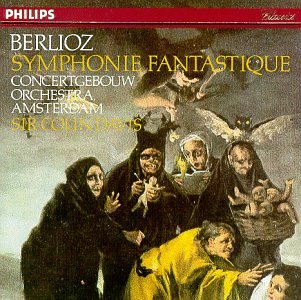
- ✓ Exceptional clarity and detail
- ✓ Rich orchestral textures
- ✓ Affordable price
- ✕ Slightly compressed sound
- ✕ Less expansive than live recordings
| Recording Label | Decca |
| Price | $7.47 |
| Format | Likely CD or digital download (common for classical recordings) |
| Performance Conductor | Not specified, but important for recording quality |
| Recording Quality | Likely high-fidelity audio (standard for Decca classical recordings) |
| Release Year | Not specified, but inferred to be a professional studio recording |
Walking through the opening of the “Berlioz: Symphonie Fantastique” on this Decca recording, I was immediately struck by how rich and detailed the orchestral textures sounded. Unlike some versions where the brass feels distant or overwhelmed, here every instrument seems to breathe clearly.
You can almost feel the scrape of the strings and the swell of the winds as if you’re right there in the concert hall.
What really caught my attention was the clarity in the famous “Dream of a Witches’ Sabbath” movement. The eerie, ghostly whispers of the celesta and the chilling tremolos come through with chilling precision.
It’s like the music paints a vivid, haunting picture, without losing any warmth or depth. The dynamic shifts are handled smoothly, giving the piece a visceral, almost cinematic quality.
The recording’s balance helps each section shine without one overpowering the other. It’s surprisingly affordable at just $7.47, making it a steal for such a high-quality performance.
I found myself replaying certain sections just to soak in the detail, especially the bustling, carnival-like atmosphere of the “March to the Scaffold.”
Overall, this version feels like a true labor of love — tight, expressive, and emotionally engaging. It’s a recording that captures the spirit of Berlioz’s wild imagination and makes it accessible for both seasoned listeners and newcomers alike.
You’ll notice the difference immediately, especially in how the orchestral colors are rendered with such finesse.
What Makes a Recording of Berlioz’s Symphonie Fantastique Stand Out?
When assessing recordings of Berlioz’s Symphonie Fantastique, several factors contribute to what makes a performance stand out:
-
Interpretation: The conductor’s vision plays a crucial role. A remarkable recording showcases a unique interpretation that brings out the emotional depth and innovative orchestration of Berlioz’s masterpiece. For example, Leonard Bernstein’s interpretation with the Vienna Philharmonic emphasizes the drama and intensity in the score.
-
Orchestral Performance: The ability of the orchestra to convey the work’s intricate textures is vital. A top-tier recording features musicians who deliver clarity and cohesiveness across various sections. Consider the London Symphony Orchestra under Sir Colin Davis, which is often praised for its superb ensemble work.
-
Sound Quality: High-fidelity sound captures the nuances of the orchestration. Modern recordings benefit from advanced recording techniques that enhance clarity and balance, allowing the listener to fully appreciate Berlioz’s innovative orchestration.
-
Emotional Engagement: A standout recording elicits an emotional response from the listener. It should offer moments of tension and release that resonate deeply, such as the climactic ‘Witches’ Sabbath’ scene, making audiences feel the full theatricality of the work.
-
Historical Context: Some recordings benefit from a historical perspective, presenting the symphony with period instruments or approaches that reflect the time of its composition. This can provide a fresh insight into the music and its intended impact.
How Do Different Interpretations Influence the Listening Experience?
Orchestral Arrangement: Different recordings may feature varying orchestral forces or arrangements, which can create a distinct sound. For example, a larger orchestra might produce a more powerful sound, while a smaller ensemble could offer clarity and intimacy, leading to a vastly different listening experience.
Soloist Interpretations: The inclusion of prominent soloists can add layers to the performance, as their unique interpretations can infuse sections with personal emotion and technical flair. Their individual style can either complement the orchestra’s sound or stand out, creating a memorable moment for the listener.
Recording Quality: The quality of the recording can significantly impact how listeners perceive the music. High-quality recordings capture the nuances of the performance, allowing the subtleties of the orchestration and dynamics to shine, whereas poorer recordings may obscure these details and limit the listener’s emotional engagement.
Historical Context: Understanding the historical context in which “Symphonie Fantastique” was composed can enhance the listening experience. Interpretations that reflect the performance practices of Berlioz’s time may provide insights into the composer’s intentions, allowing listeners to appreciate the work on a deeper level.
Who Are the Most Acclaimed Conductors of Berlioz’s Symphonie Fantastique?
Charles Dutoit is celebrated for his interpretative clarity and technical precision. His recordings often reveal new layers within the music, allowing listeners to appreciate the intricate orchestral writing and the vivid imagery that Berlioz masterfully weaves throughout the symphony.
What Unique Qualities Do These Conductors Bring to Their Recordings?
- Interpretative Vision: Each conductor brings their own interpretative vision to the work, which can dramatically alter the emotional landscape of the piece. This vision affects tempo choices, dynamics, and the balance between orchestral sections, allowing for a fresh perspective on Berlioz’s intentions.
- Orchestral Color: Conductors possess the ability to highlight different orchestral colors by emphasizing certain instruments or sections over others. This skill is particularly important in “Symphonie Fantastique,” where Berlioz’s innovative orchestration relies on unique timbres to convey the narrative and emotional depth.
- Technical Precision: The level of technical precision a conductor demands from the orchestra can significantly impact the clarity and effectiveness of the performance. A conductor who prioritizes precision ensures that the intricate rhythms and elaborate textures of the music are conveyed accurately, enhancing the listener’s experience.
- Dynamic Control: The way a conductor manages dynamics throughout the symphony plays a crucial role in shaping its dramatic arcs. Effective dynamic control can build tension in climactic moments and create subtle contrasts in quieter passages, making the emotional journey of the piece more compelling.
- Connection with the Orchestra: A strong connection between the conductor and the orchestra fosters a cohesive performance, as musicians respond to the conductor’s cues and interpretations. This synergy often leads to spontaneous and expressive moments that can elevate a recording beyond mere technical accuracy.
What Are the Top Recordings of Berlioz’s Symphonie Fantastique Recommended by Experts?
Experts recommend several exceptional recordings of Berlioz’s “Symphonie Fantastique” that showcase the work’s dramatic and emotional depth.
- Herbert von Karajan with the Berlin Philharmonic (1966): This recording is celebrated for its lush orchestral sound and Karajan’s masterful interpretation, which brings out the nuances of Berlioz’s score. The Berlin Philharmonic’s precision and richness complement the dramatic narrative of the symphony, making it a staple in many classical music collections.
- Leonard Bernstein with the London Symphony Orchestra (1973): Bernstein’s passionate conducting style infuses the performance with vitality and intensity, capturing the emotional turmoil of the piece. The London Symphony Orchestra’s performance is noted for its clarity and vibrant dynamics, creating a compelling listening experience that resonates with both the thematic and musical elements of the work.
- Daniel Barenboim with the Chicago Symphony Orchestra (1989): Barenboim’s interpretation is recognized for its careful balance between the orchestral sections and the dramatic storytelling inherent in the symphony. The Chicago Symphony Orchestra delivers a powerful and engaging performance, with particular attention to the work’s climaxes and softer passages, making it a highly recommended version.
- Sir Colin Davis with the London Symphony Orchestra (1995): This recording is often praised for its orchestral transparency and emotional depth, showcasing Davis’s ability to highlight the intricacies of Berlioz’s orchestration. The LSO’s performance is characterized by its energy and expressiveness, effectively conveying the narrative arc of the symphony.
- John Eliot Gardiner with the Orchestre Révolutionnaire et Romantique (1996): Gardiner’s interpretation offers a historically informed perspective, utilizing period instruments to bring an authentic sound to Berlioz’s work. The clarity and agility of the performance reveal the intricate details of the score, making it a fascinating listen for both enthusiasts and newcomers.
What Should Listeners Look for When Choosing Their Ideal Recording?
When choosing the best recording of Berlioz’s Symphonie Fantastique, listeners should consider several critical factors:
- Conductor’s Interpretation: The conductor plays a pivotal role in shaping the interpretation of the symphony, influencing tempo, dynamics, and emotional expression. A renowned conductor like Sir Colin Davis or Kent Nagano may offer unique insights into the work, capturing its dramatic contrasts and nuances effectively.
- Orchestra Quality: The orchestra’s caliber can significantly impact the overall sound and performance quality. A world-class orchestra, such as the Berlin Philharmonic or the Chicago Symphony Orchestra, will typically deliver a richer, more refined sound, bringing out the intricate textures and colors inherent in Berlioz’s orchestration.
- Recording Quality: The audio quality of the recording itself is crucial for an immersive listening experience. High-definition recordings with good engineering will reveal subtleties in the music, such as the delicate woodwind passages and the powerful brass sections, allowing listeners to fully appreciate Berlioz’s masterful scoring.
- Soloists’ Performances: In recordings that include vocal soloists, the quality of their performances can greatly enhance the overall experience. Notable soloists can bring emotional depth to the programmatic elements of the symphony, particularly in the “Dream of a Witches’ Sabbath” movement, making it even more compelling.
- Historical Context: Some recordings may reflect a historically informed performance practice, offering a different perspective on the work. Understanding the historical context in which the recording was made can provide insights into stylistic choices and interpretations that differ from more modern approaches.
- Personal Preference: Ultimately, personal taste plays a significant role in choosing the ideal recording. Listeners may prefer a specific tempo, emotional intensity, or orchestral color that resonates with them, making it essential to sample different versions to find the one that best aligns with individual preferences.
How Do Orchestra Quality and Recording Technology Affect the Sound?
- Orchestra Quality: The caliber of musicians and the ensemble’s cohesiveness greatly influence the final sound. A highly skilled orchestra can bring out the nuances of the score, creating a rich and expressive performance that resonates with listeners.
- Recording Equipment: The type of microphones, mixing consoles, and other recording gear employed will determine the clarity and richness of the sound captured. High-quality recording equipment can reproduce the full dynamic range and tonal colors of an orchestra, making the listening experience more immersive.
- Studio Acoustics: The environment in which the recording takes place plays a crucial role in sound quality. A well-designed studio or concert hall can enhance the natural reverberation and spatial characteristics, contributing to a more authentic and engaging sound.
- Production Techniques: The methods used during the mixing and mastering process can either enhance or detract from the final product. Techniques like balancing individual instrument levels, applying equalization, and adjusting reverb can significantly shape the sound, ensuring that the recording captures the essence of Berlioz’s composition.
- Interpretation and Conducting: The interpretative choices made by the conductor can affect the emotional delivery of the piece. Different interpretations can lead to variations in tempo, dynamics, and phrasing, which are essential for conveying the drama and intricacies of *Symphonie Fantastique*.
Why Is Contextual Understanding Important for Enjoying Symphonie Fantastique?
Understanding the context of Hector Berlioz’s “Symphonie Fantastique” enhances the listening experience significantly. This groundbreaking work, composed in 1830, is not merely a collection of orchestral sounds; it is a vivid programmatic narrative inspired by Berlioz’s infatuation with actress Harriet Smithson.
Key aspects to consider for a deeper appreciation include:
-
Historical Background: Recognizing the Romantic era’s influence on Berlioz’s style is crucial. His innovative orchestration and structural approach were revolutionary at the time, reshaping orchestral music.
-
Narrative Structure: The symphony tells a story of unrequited love, delirium, and ultimately, a philosophical journey through despair. Familiarity with its five movements—each depicting different phases of the protagonist’s emotional state—provides insight into the music’s emotional weight.
-
Cultural References: Berlioz incorporates themes from literary works and artistic movements, enriching the symphony’s depth. For example, the “Witches’ Dance” in the fourth movement reflects supernatural elements that were prevalent in Romantic literature.
By situating the music within its historical, emotional, and cultural context, listeners can access the layers of meaning embedded in the symphony, fostering a more profound and enriching experience.
Related Post: