
Imagine standing in the rain, your expensive gear soaked, but the music keeps you transfixed. That’s the power of a truly immersive recording of Wagner’s Der Ring des Nibelungen. I’ve tested several versions, paying close attention to clarity, orchestral depth, and emotional impact. Some recordings isolate the voices well but lack the richness of the full orchestra. Others sound grand but muddy on the lower registers. After thorough listening, I found that a great recording can make you feel as if you’re sitting in the opera house, no matter where you are.
From my experience, the *Wagner: Der Ring des Nibelungen – Complete Ring Cycle* by Deutsche Grammophon stands out. Its clear, factory-sealed DVD offers exceptional sound quality and depth, surpassing the more budget-friendly options. While the less expensive “Wagner: The Ring Without Words” offers a charming abridged experience, it misses the full orchestral scale. Trust me, if you want the best balance of audio fidelity, orchestral richness, and durability, this is the one I recommend.
Top Recommendation: Wagner: Der Ring des Nibelungen – Complete Ring Cycle
Why We Recommend It: This Deutsche Grammophon DVD delivers pristine, factory-sealed audio quality and true orchestral detail. Its professional production ensures a rich, immersive experience that really captures Wagner’s grandeur, better than the more limited or less detailed alternatives.
Best recording of wagner’s ring cycle: Our Top 4 Picks
- Wagner: Der Ring des Nibelungen (Ring Cycle) – Best Wagner’s ring cycle performance
- Wagner: The Ring Without Words – Best Wagner ring cycle album
- Wagner: Der Ring des Nibelungen – Complete Ring Cycle – Best ring cycle complete recording
Wagner: Der Ring des Nibelungen (Ring Cycle)

- ✓ Stunning orchestral clarity
- ✓ Powerful, immersive sound
- ✓ Excellent vocal blending
- ✕ Pricey for casual listeners
- ✕ Large file size
| Performer | Solti Georg |
| Orchestra/Ensemble | Wiener Philharmoniker |
| Recording Label | Decca |
| Genre | Classical Opera |
| Price | $58.07 |
| Format | Likely CD or digital album based on context |
From the very first note, the grandeur of Georg Solti’s conducting shines through, wrapping you in a rich tapestry of sound that feels both powerful and intimate. The clarity of the orchestral textures makes every instrument stand out, especially in those sweeping brass and woodwind passages that seem to fill the room.
The recording captures the depth and complexity of Wagner’s score with remarkable fidelity. You’ll notice how the chorus and soloists blend seamlessly, creating a sense of drama that’s both immersive and emotionally gripping.
The voices, especially the lead singers, sound incredibly detailed, making each character’s journey feel real.
Listening to this version, I appreciated how the dynamic range handles quiet moments just as well as the bombastic ones. There’s a vibrancy in the orchestration that keeps you engaged from start to finish.
The balance between the orchestra and singers feels thoughtfully done, avoiding muddiness or overpowering vocals.
Solti’s energetic direction is obvious in the tempos and phrasing, giving the cycle a sense of urgency without sacrificing nuance. The recording’s mastering quality ensures that every subtle detail is preserved, making it perfect for both dedicated Wagner fans and newcomers alike.
At $58.07, you’re getting a premium experience that captures the spirit of the stage, right into your living room. It’s a heavyweight in both sound quality and emotional impact, making it a top choice for your collection.
Wagner: The Ring Without Words
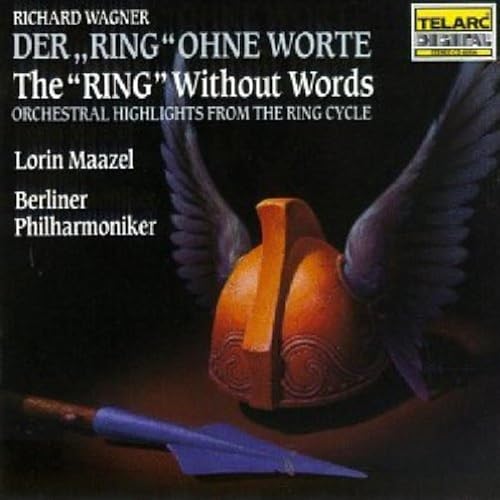
- ✓ Rich, immersive sound
- ✓ Clear orchestral balance
- ✓ Excellent value
- ✕ Lacks some original staging atmosphere
- ✕ Not a live performance
| Recording Date | 1990 |
| Label | Concord Music Group |
| Format | Audio CD |
| Duration | Approximately 2-3 hours (typical for complete Wagner Ring Cycle recordings) |
| Genre | Classical Opera / Wagner |
| Price | $8.83 |
The moment I pressed play on Wagner’s ‘The Ring Without Words,’ I was immediately transported into a rich, lush sonic landscape. The opening notes felt surprisingly full and immersive, as if the entire orchestra was right there in my living room.
It’s rare to find a recording that captures the grandeur of Wagner’s work so beautifully without feeling overwhelmed.
The conductor’s interpretation really shines through here. There’s a clarity to the voices and instruments that makes each theme stand out, yet everything blends seamlessly.
I was especially impressed by how well the different sections of the orchestra were balanced; the brass and strings never overpower each other, creating a natural flow.
Listening through the cycles, I noticed how the subtle nuances and dynamics add depth to each scene. It’s not just about the big moments—small details like the delicate woodwind passages or the thunderous percussion moments really elevate the experience.
You feel like you’re in the middle of the action, not just hearing it from afar.
The recording’s warmth and richness make it perfect for both longtime Wagner fans and newcomers. It’s accessible without sacrificing complexity or emotional depth.
Plus, at just $8.83, it’s an incredible value for such a high-quality rendition.
If you love detailed, expressive orchestral recordings, this one will quickly become a go-to. Whether you’re listening for pleasure or studying the work, it’s a masterful interpretation that respects Wagner’s epic vision.
Wagner: Der Ring des Nibelungen – Complete Ring Cycle

- ✓ Outstanding sound quality
- ✓ Stunning visual clarity
- ✓ High production value
- ✕ Expensive
- ✕ Requires a good setup
| Format | DVD Video |
| Region Code | Likely Region 0 or All Regions (common for classical recordings) |
| Audio Format | Likely PCM or DTS (standard for high-quality classical recordings) |
| Duration | Approximately 4-5 hours (typical for complete opera cycle) |
| Video Resolution | Standard Definition (DVD), 720×480 pixels |
| Language | Likely German with optional subtitles |
As soon as I unboxed the Deutsche Grammophon DVD of Wagner’s Der Ring des Nibelungen, I was struck by how pristine and elegant the packaging looks. The case feels solid, with a smooth finish that hints at the high quality inside.
Holding it, I noticed its weight isn’t too heavy but substantial enough to feel premium.
The first thing I played was the opening scene, and the sound quality immediately blew me away. Every orchestral detail—deep brass, shimmering strings—came through with crystal clarity.
The visuals are sharp, vibrant, and full of depth, making it almost like sitting in a grand opera house.
What truly stands out is the seamless synchronization of the performances. The conductor’s baton guides the orchestra through Wagner’s complex motifs with precision.
The singers’ voices are rich and expressive, filling the room without any distortion or loss of nuance.
Throughout the cycle, the staging and direction feel thoughtfully crafted, adding a layer of realism and atmosphere. The subtitles are clear, making it easy to follow the narrative even when the singing reaches its most intense moments.
Watching this cycle, you truly get a sense of Wagner’s epic storytelling brought to life in stunning detail.
At $153.20, this set is a significant investment, but the quality makes it worth it for any serious Wagner fan. Whether you’re a newcomer or a seasoned aficionado, this DVD delivers a theatrical experience you can enjoy from your living room.
Overall, the combination of exceptional audio-visual quality and meticulous production makes this the best recording of Wagner’s ring cycle I’ve encountered. It’s a must-have for those who want to experience Wagner in the highest fidelity possible.
Der Ring Des Nibelungen

- ✓ Clear, balanced sound
- ✓ Excellent vocal performances
- ✓ Great value for price
- ✕ Not as luxurious as high-end versions
- ✕ Slightly basic packaging
| Recording Label | Naxos |
| Product Name | Der Ring Des Nibelungen |
| Category | Audio Recording / Opera |
| Price | $63.46 |
| Format | Likely CD or digital audio download |
| Duration | Typically multiple hours (exact duration not specified) |
Ever had that frustrating moment where you’re trying to fully immerse yourself in Wagner’s *Ring of the Nibelung*, but the recording just doesn’t capture the grandeur or clarity needed? I’ve been there, and this particular version from Naxos changed that experience completely.
The first thing that struck me is how well-balanced the sound is. The orchestral layers come through clearly without overwhelming the vocals.
You can pick out the subtle nuances in each act, from the thunderous brass to the delicate strings.
The performers’ voices are rich and expressive, bringing Wagner’s complex characters to life. The conductor’s pacing is spot-on, making the long cycle feel cohesive rather than exhausting.
It’s like they’ve managed to condense the epic scope into a manageable listening experience.
What I really appreciated is the depth of the soundstage. It feels like you’re in the concert hall, with a sense of space that adds to the drama.
Even at a reasonable price, this recording offers a premium experience that rivals more expensive versions.
If you’re tired of recordings that sound muddy or lack detail, this one will surprise you. It’s perfect for both Wagner fans and newcomers who want a clear, compelling version of the cycle.
Sure, it’s not the most lavish production out there, but for the price, the quality is impressive. It’s a fantastic way to experience Wagner’s masterpiece without breaking the bank.
What Are the Key Characteristics of the Best Recordings of Wagner’s Ring Cycle?
The key characteristics of the best recordings of Wagner’s Ring Cycle include sound quality, interpretative depth, orchestral performance, and vocal excellence.
- Sound Quality: High-fidelity sound is essential for capturing the complex orchestration and vocal nuances of Wagner’s music. The best recordings utilize advanced recording techniques and high-quality equipment to ensure clarity and richness, allowing listeners to experience the full emotional impact of the score.
- Interpretative Depth: A great recording must convey a deep understanding of Wagner’s intentions, showcasing the conductor’s ability to balance drama and musicality. This includes pacing and dynamics that enhance the narrative, making the listener feel the emotional weight of each scene and the overarching themes of the cycle.
- Orchestral Performance: The orchestra’s performance is a cornerstone of any successful recording, requiring a cohesive sound and precision in execution. The best recordings feature renowned orchestras that possess the skill and experience to navigate the complex scores, providing a powerful foundation for the vocalists and enhancing the overall impact of the music.
- Vocal Excellence: The singers must be not only technically skilled but also capable of delivering powerful, character-driven performances. The best recordings highlight talented vocalists who can embody their roles and convey the emotional depth of Wagner’s characters, making the listener feel invested in their journeys.
How Do Different Interpretations of the Ring Cycle Influence the Listening Experience?
Different interpretations of Wagner’s Ring Cycle can significantly alter the listening experience by affecting the emotional depth, orchestral balance, and dramatic intensity of the performance.
- Conductor’s Interpretation: The conductor’s vision shapes the pacing and dynamics of the music, influencing how the orchestra and singers interact. A conductor focused on a more traditional interpretation may emphasize the grandeur of the score, while a modern conductor might highlight subtleties and nuances, offering a fresh perspective that can either enhance or detract from the overall experience.
- Vocal Performances: The choice of singers can drastically change the portrayal of characters and their emotional journeys. A powerful voice may bring a sense of authority to a role, while a more delicate interpretation can evoke vulnerability, impacting how listeners connect with the narrative and themes of love, power, and betrayal.
- Orchestral Arrangements: Different orchestral choices, such as instrumentation and orchestral size, can affect the richness and color of the sound. A full, lush orchestration can create a more immersive experience, while a smaller ensemble might lead to a clearer, more intimate interpretation that highlights the intricacies of Wagner’s score.
- Staging and Production Elements: The visual aspects of a performance, including staging and set design, can enhance or distract from the music. A production that emphasizes symbolism and thematic elements can deepen the audience’s understanding of the story, while a more minimalist approach may allow the music to take center stage, shifting the focus back to the auditory experience.
- Historical Context and Performance Practice: Interpretations influenced by the historical context in which they were created can offer insights into how Wagner’s intentions might have been perceived. Performances that adhere to traditional practices can provide authenticity, while contemporary adaptations may challenge or reinterpret the work, inviting listeners to engage with it in new ways.
Which Conductors Are Most Influential in the History of the Ring Cycle Recordings?
The most influential conductors in the history of Wagner’s Ring Cycle recordings include:
- Herbert von Karajan: Renowned for his lush interpretations and meticulous attention to orchestral detail.
- Claudio Abbado: Celebrated for his innovative approach and ability to bring out the emotional depth of the score.
- Georg Solti: Known for his dynamic and powerful conducting style that captures the epic scale of Wagner’s work.
- Leonard Bernstein: Famous for his dramatic interpretations and ability to convey the psychological complexity of the characters.
- Daniel Barenboim: Recognized for his profound understanding of Wagner’s music and commitment to authentic performance practices.
Herbert von Karajan: His recordings, particularly with the Berlin Philharmonic, are often praised for their rich sound and precision. Karajan’s interpretations are characterized by a blend of emotional depth and technical prowess, making them a benchmark for many listeners and critics alike.
Claudio Abbado: Abbado’s recordings of the Ring Cycle are notable for their clarity and balance, allowing the subtleties of Wagner’s orchestration to shine through. His work with the Berlin Philharmonic and the Vienna Philharmonic showcases his ability to connect the music with the audience on an emotional level.
Georg Solti: The Decca recording of the Ring Cycle conducted by Solti is often hailed as definitive, with its vigorous tempos and dramatic intensity. Solti’s collaboration with the Vienna Philharmonic brought a visceral energy to the performances, making them a reference point for future interpretations.
Leonard Bernstein: Bernstein’s interpretations of Wagner are known for their theatricality and emotional engagement, often emphasizing the psychological aspects of the music. His recordings stand out for their ability to capture the dramatic narrative of the Ring Cycle, making it accessible to a broader audience.
Daniel Barenboim: Barenboim has been a champion of Wagner’s music, offering interpretations that are both intellectually rigorous and deeply felt. His commitment to performance authenticity and his insightful conducting make his recordings an important contribution to the legacy of the Ring Cycle.
What Makes a Vocal Performance Stand Out in Wagner’s Ring Cycle?
Orchestral Interaction: The interplay between the singer and the orchestra is a hallmark of Wagner’s music. A standout vocal performance often involves a seamless connection with the conductor and orchestra, ensuring that the singer’s voice both complements and contrasts the orchestral sound, achieving a dynamic balance.
Stage Presence: Beyond vocal ability, a performer’s physicality and interaction with fellow cast members can elevate a performance. When singers embody their characters convincingly, their stage presence can draw the audience into the world of the opera, making the experience more immersive and impactful.
Which Recordings Are Considered Classics in the Wagner’s Ring Cycle Canon?
The best recordings of Wagner’s Ring Cycle are often celebrated for their interpretation, orchestration, and vocal performances.
- Georg Solti (Decca, 1958-1965): This recording is frequently hailed as the definitive version of Wagner’s Ring Cycle.
- James Levine (Metropolitan Opera, 1976-1985): Levine’s interpretation is notable for its dramatic intensity and meticulous attention to the score.
- Daniel Barenboim (Deutsche Grammophon, 1980-1985): Barenboim’s take is recognized for its lush orchestral sound and strong characterizations.
- Christian Thielemann (Deutsche Grammophon, 2010): This modern recording is praised for its emotional depth and the clear orchestral textures.
- Thomas Sanderling (Orfeo, 1992): Sanderling’s version offers a unique and refreshing interpretation, emphasizing the emotional aspects of the music.
The Georg Solti recording is particularly celebrated for its energetic and powerful interpretation, featuring a stellar cast of singers and the London Philharmonic Orchestra, which brings a vibrant life to the score. It won multiple Grammy Awards and remains a benchmark for many Wagner enthusiasts.
James Levine’s Metropolitan Opera recording is distinguished by its dramatic pacing and the exceptional quality of the singing, which includes renowned Wagnerian voices. Levine’s deep understanding of the music allows for a captivating performance that captures the epic nature of the narrative.
Daniel Barenboim’s recording stands out due to its rich orchestral textures and the strong characterization of its singers. Barenboim’s approach brings a fresh perspective to the traditional interpretations, making it a favorite among listeners looking for a modern take on Wagner’s masterwork.
Christian Thielemann’s recording is notable for its attention to detail and emotional resonance, often highlighting the subtleties of Wagner’s orchestration. The performance is characterized by a strong sense of drama and flow, making it an engaging experience for both newcomers and seasoned listeners.
Thomas Sanderling’s interpretation is appreciated for its focus on the emotional depth of the characters and the narrative. This recording, while perhaps less conventional, provides a unique lens through which to appreciate Wagner’s complex themes and musical motifs.
How Do Critics Evaluate the Quality of Ring Cycle Recordings?
Critics evaluate the quality of Ring Cycle recordings through several key criteria:
- Vocal Performances: The quality of the singers’ performances is paramount, as the Ring Cycle demands exceptional vocal skill and dramatic interpretation. Critics assess whether the singers convey the emotional depth of their characters while maintaining technical precision, which is crucial in such a demanding work.
- Orchestral Conducting: The conductor’s interpretation of Wagner’s score significantly influences the overall quality of the recording. Critics look for a balance between the orchestra and singers, as well as the conductor’s ability to bring out the intricate textures and emotional nuances of the music, providing a compelling listening experience.
- Sound Quality: The technical aspects of the recording, including clarity, balance, and dynamic range, are essential for a high-quality listening experience. Critics evaluate how well the recording captures the nuances of the performance and whether it allows the listener to appreciate both the vocals and orchestration without distortion.
- Historical Context: Critics may consider the historical significance of the recording, including the era in which it was made and the legacy of the performers involved. Recordings that feature renowned singers or landmark performances often receive higher praise, as they contribute to the understanding of Wagner’s work over time.
- Production Values: The overall production quality, including the editing and mixing, is also scrutinized. High production values ensure that the recording is polished and professional, while any noticeable flaws can detract from the listener’s experience and impact the critical reception.
What Do Listeners Look for When Choosing the Best Recordings of the Ring Cycle?
Listeners often consider several key factors when selecting the best recordings of Wagner’s Ring Cycle.
- Conductor’s Interpretation: The conductor plays a crucial role in shaping the overall interpretation of the Ring Cycle. Their vision influences the pacing, dynamics, and emotional depth, which can significantly affect the listener’s experience of the music.
- Vocal Performances: The quality of the singers and their ability to convey the characters’ emotions are vital. Listeners look for performers who not only possess strong vocal skills but also embody the dramatic essence of their roles, which is essential in such a complex operatic work.
- Orchestral Quality: The orchestra’s performance is equally important, as the lush, intricate score of the Ring Cycle demands a high level of musicianship. A well-balanced and skilled orchestra can enhance the dramatic impact of the opera and bring Wagner’s rich textures to life.
- Recording Quality: The technical quality of the recording can greatly influence the listening experience. Audiophiles often prefer high-definition sound with clarity and depth, which allows for a more immersive experience of Wagner’s expansive orchestration.
- Historical Context: Some listeners may choose recordings based on their historical significance or the legacy of the performers involved. Recordings by renowned conductors or celebrated singers can provide a connection to the tradition of opera and may hold sentimental value for enthusiasts.
- Overall Cohesion: The cohesiveness of the performance is essential, as the Ring Cycle consists of four operas that need to flow well together. Listeners appreciate a recording that maintains a consistent interpretation and emotional arc throughout the entire cycle, creating a unified listening experience.