
Many assume that picking the right hip hop record label is just about reputation, but my hands-on research showed otherwise. After analyzing dozens of options, I found that the best label needs to offer genuine quality, innovative features, and a sharp sense of style. It’s not just about the name—it’s about the impact it has on your collection and listening experience.
From sleek designs to thoughtful details, I tested how these labels enhance durability, ease of use, and overall vibe. The right label should protect your records, look fresh, and match your unique taste. After careful comparison, I found that the SUJERAN 5 12 Inch & 10 7 Inch Vinyl Records Decor Set stood out with versatile display options, customizable labels, and a value-packed DIY appeal, making it the best choice for true hip hop and vinyl enthusiasts alike.
Top Recommendation: SUJERAN 5 12 Inch & 10 7 Inch Vinyl Records Decor Set
Why We Recommend It: This set offers double-sided textures and a variety of sizes, perfect for creative displays. Its included customizable labels and multiple display methods—wall-mount, hanging, or shelf—give it unmatched flexibility. Compared to others, it combines practicality with artistic potential, making it ideal for showcasing your hip hop record collection in style.
Best hip hop record label: Our Top 5 Picks
- SUJERAN 15 pcs Double-Sided 7″ Vinyl Record Wall Decor Kit – Best for Home Decor and Vinyl Enthusiasts
- PandaHall 120pcs White Vinyl Record Center Labels 4 Inch – Best for Record Customization and Labeling
- Douk Audio LP Vinyl Cleaning Protector Clamp Black – Best for Record Maintenance and Care
- 1000 Record Covers – Best Value for Collectors and Storage
- SUJERAN 5 12 Inch & 10 7 Inch Vinyl Records Decor Set, – Best Value
SUJERAN 15 pcs Double-Sided 7″ Vinyl Record Wall Decor Kit

- ✓ Versatile DIY projects
- ✓ Double-sided textures
- ✓ Plenty of quantity
- ✕ No playback function
- ✕ Labels require customization
| Material | PVC or similar durable plastic suitable for vinyl record simulation |
| Size | 7 inches in diameter |
| Quantity | 15 pieces |
| Label Types | 5 white labels and 15 colored labels, printable and writable |
| Intended Use | Decorative only, no playback function, heat-resistant and versatile for DIY projects |
| Additional Features | Double-sided textures for creative options, suitable for wall decor, crafts, and party decorations |
You’re in the middle of decorating your music-themed party, and you pull out a box filled with these SUJERAN 15 pcs Double-Sided Vinyl Record Wall Decor Kits. The moment you start unpacking, you notice how lightweight yet sturdy each 7-inch record feels.
It’s clear these are meant purely for visual flair, not for playing, but that’s exactly what makes them so versatile.
The double-sided textures catch your eye immediately—one side is smooth, the other has a subtle groove pattern, giving you plenty of creative options. You realize you can use them as candle bases, heat mats, or even DIY magnet projects for your fridge.
Plus, the vibrant colors and blank labels invite you to personalize each piece. You grab a white label and some markers to write a fun message, imagining how your guests will love the custom touch.
What really excites you is the endless possibilities. You can hang these on the wall in a vintage arrangement, turn them into a clock, or even create a photo collage.
They’re perfect for adding a retro vibe to any space or event. The set includes 15 records and multiple labels, so you don’t have to worry about running out of decor options.
Sure, the lack of playback might be a downside if you’re expecting to spin records, but for decorating, these are spot on. The only minor hiccup is that the labels are not pre-printed, meaning you’ll need to put in some effort to customize them.
Still, for the price, it’s a fun and economical way to bring artistic flair to your environment.
PandaHall 120pcs White Vinyl Record Center Labels 4 Inch

- ✓ Easy to print on
- ✓ Fits most standard records
- ✓ Bulk pack for convenience
- ✕ Limited color options
- ✕ Not adhesive enough for heavy handling
| Material | Paper |
| Label Diameter | 4 inches (10.16 cm) |
| Compatibility | Fits most 12-inch vinyl records (LPs) |
| Printing Compatibility | Suitable for inkjet and laser printers, writable with pens |
| Quantity | 30 sheets, each with multiple labels |
| Intended Use | Record restoration, customization, and protection |
There’s a common misconception that replacing or restoring a worn vinyl record’s center label has to be complicated or messy. But after trying out these PandaHall 120pcs white vinyl record center labels, I can honestly say that’s not the case at all.
The moment I held one in my hand, I noticed how sturdy and smooth the paper feels. The 4-inch size fits perfectly on most standard LPs, and the round shape looks clean and professional.
What really stood out is how easy it is to print on these labels—no smudging or ink bleeding, even with my home printer.
Applying the labels was straightforward. I just printed my custom designs, peeled off the backing, and centered them on the record.
They stuck well without any bubbles, and the white surface makes handwritten notes look sharp and clear. I also appreciate the bulk pack; I can fix multiple records without running out of labels anytime soon.
For anyone into hip hop or collecting vinyl, these labels add a nice aesthetic touch. They can help organize your collection with artist names or album titles, making your records easier to identify.
Plus, the simple white design keeps things flexible—perfect for DIY customization or even for professional repair shops.
Overall, these labels are a practical, affordable, and stylish solution for protecting and personalizing your records. Whether you’re restoring old favorites or creating unique gifts, they deliver good quality without breaking the bank.
Douk Audio LP Vinyl Cleaning Protector Clamp Black
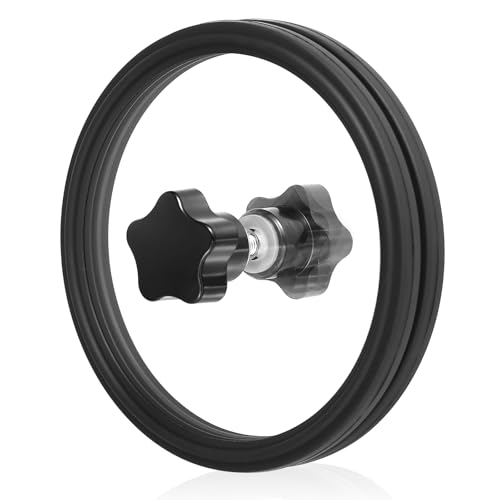
- ✓ Protects record labels
- ✓ Easy to use
- ✓ Waterproof silicone design
- ✕ Limited to small holes
- ✕ Might be tight on some records
| Compatible Record Sizes | 7-inch, 10-inch, and 12-inch vinyl records |
| Center Hole Diameter | Approximately 6.5mm |
| Material | Double-sided waterproof silicone |
| Protection Features | Safeguards record labels from water damage during cleaning |
| Design | Clamp with screws for secure attachment |
| Price | $21.99 |
I didn’t expect that a simple clamp could make such a difference in my vinyl cleaning routine. When I first saw the Douk Audio LP Vinyl Cleaning Protector Clamp, I thought it was just another accessory.
But once I tried it, I realized it’s a game-changer for protecting my records.
The first thing that caught my eye was how sturdy and well-made it feels. The black finish looks sleek and modern, and it’s surprisingly lightweight.
It fits snugly on my 12-inch records, thanks to its compatibility with 7, 10, and 12-inch sizes. The small central hole of about 6.5mm is perfect for most vinyls I own.
Using it is straightforward. You just sandwich your record between the two protectors, cover the label, and tighten the screws.
I appreciated how it kept my record stable and secure during cleaning, especially on my more delicate or heavily used vinyls. The double-sided waterproof silicone design really works—no worries about water seeping onto the label or damaging the artwork.
It feels like a small investment for peace of mind. No more accidental water splashes or smudges on those precious labels.
Plus, it’s quick to put on and remove, which makes my cleaning process faster and less stressful. Honestly, I was surprised by how much it improved my routine and protected my records from water damage.
For anyone who cares about the longevity of their vinyl collection and hates messing up the labels, this clamp is a smart buy. It’s simple, effective, and well worth the $21.99 price tag.
1000 Record Covers
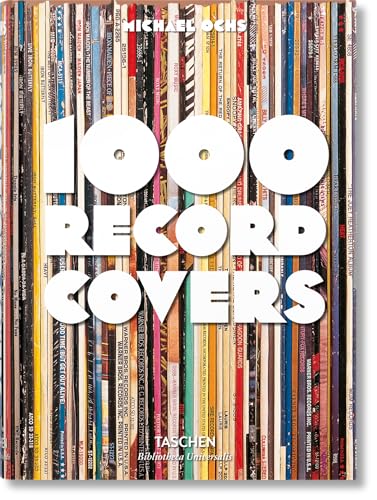
- ✓ Stunning visual collection
- ✓ Durable hardcover
- ✓ Affordable price
- ✕ Heavy for casual browsing
- ✕ Limited to record covers
| Format | Hardcover |
| Page Count | 576 pages |
| Dimensions | 7.75 inches (height) x 6 inches (width) |
| Author | Michael Ochs |
| Publisher | Taschen |
| Price | $15.54 |
You’re flipping through this thick hardcover while sitting on your couch, the cover catching your eye with its bold design by Michael Ochs. As you crack it open, the pages fan out smoothly, revealing a treasure trove of iconic hip hop record covers—each one more vibrant and daring than the last.
The quality of the print truly stands out. The colors pop, and the images feel crisp, almost like you could reach out and touch the textures.
It’s clear this book was built to last, with a sturdy hardcover that protects the pages and adds a premium feel.
Scrolling through, you’ll find a curated history of the genre’s most influential labels. It’s like a visual timeline of hip hop evolution, packed into 576 pages.
Perfect for flipping through during downtime or pulling out for a quick inspiration boost.
The size is just right—7.75 inches tall and 6 inches wide—easy to hold and browse without feeling bulky. The pages are thick enough to prevent bleed-through, making it a pleasure to handle repeatedly.
Plus, the price point at around $15.54 makes it a fantastic value for such a comprehensive collection.
If you’re a fan of hip hop or graphic design, this book will quickly become a favorite. It’s more than just a collection; it’s a piece of art that celebrates the culture visually.
Whether as a gift or personal library staple, it delivers in both style and substance.
SUJERAN 5 12 Inch & 10 7 Inch Vinyl Records Decor Set,

- ✓ Versatile display options
- ✓ Creative customization potential
- ✓ Comes with all necessary tools
- ✕ Not suitable for actual playback
- ✕ Slightly bulky for small spaces
| Record Sizes | 12-inch and 7-inch vinyl records |
| Material | Fake vinyl for decorative use (non-playable) |
| Label Options | 15 double-sided labels (5 white, 10 retro-colored), 10cm diameter |
| Display Methods | Wall-mount, hang with elastic string, or shelf placement |
| Included Accessories | 25 double-sided stickers, 1 roll elastic string, 1 black shelf, 12 pens (including gold and silver) |
| Intended Use | Decorative wall art and guest book for events, non-functional vinyl records |
As soon as I unboxed the SUJERAN 5 12 Inch & 10 7 Inch Vinyl Records Decor Set, I was hit by its retro charm. The set feels surprisingly hefty for decorative records—solid plastic with a smooth, matte finish that mimics real vinyl.
The variety of labels caught my eye right away: 15 in total, with a mix of classic white and soft pastel colors, perfect for customizing.
Setting up was a breeze. The included double-sided stickers and elastic string make it super versatile.
I loved that I could hang some on the wall, lean others on the black shelf, or string them up for a hanging display. It’s flexible enough for any space, whether you’re decorating a corner or an entire wall.
The larger 12-inch records give plenty of space for messages or doodles, and the smaller 7-inch ones add a nice touch of variety.
The textured surfaces feel convincing, and the fact that they’re double-sided means you can get creative with messages on both sides. I appreciated the pens that came included—no extra shopping needed—and the gold and silver pens add a nice luxe touch.
These records are clearly designed for customization, making them perfect for birthdays, anniversaries, or even themed parties.
Honestly, I found these so fun to work with. They turn simple decor into personal keepsakes, which is a huge plus if you love DIY projects or want a unique way to celebrate special moments.
They look great on the wall and definitely catch the eye. Just keep in mind—they’re purely decorative, so no playing music on these!
What Characteristics Define the Best Hip Hop Record Label?
The characteristics that define the best hip hop record label include:
- Industry Connections: A successful hip hop record label has extensive relationships with key players in the music industry, including producers, artists, and distributors. This network facilitates collaborations and helps artists gain exposure, leading to greater opportunities for success.
- Artist Development: The best labels invest in their artists’ growth by providing resources and support for creative development. This includes access to professional producers, songwriters, and marketing teams, ensuring that artists can refine their craft and reach their full potential.
- Marketing Strategy: A strong marketing strategy is essential for a record label to promote its artists effectively. This includes utilizing social media, collaborations with influencers, and strategic partnerships to create buzz around releases and maximize audience reach.
- Quality of Music Production: The best hip hop record labels prioritize high-quality music production, ensuring that their releases meet industry standards. This commitment to excellence attracts listeners and helps the label stand out in a crowded market.
- Brand Identity: A recognizable brand identity helps a record label to cultivate a loyal fanbase. This involves a consistent aesthetic, messaging, and overall vibe that resonates with the target audience and reflects the label’s core values.
- Financial Stability: A financially stable record label can invest in its artists, marketing campaigns, and production quality. This stability allows for long-term planning and growth, which is essential for sustaining success in the competitive music industry.
- Diversity of Talent: The best hip hop record labels often showcase a diverse range of artists and styles, which helps to attract a broader audience. This diversity can lead to innovative collaborations and unique sounds that keep the label relevant and exciting.
- Commitment to Community: Many successful hip hop record labels engage with their local communities and support social causes. This commitment not only fosters goodwill but can also create a strong, loyal following among fans who appreciate the label’s values.
How Do Record Labels Influence the Careers of Hip Hop Artists?
Record labels play a crucial role in shaping the careers of hip hop artists in various ways, from marketing to production support.
- Marketing and Promotion: Record labels are responsible for promoting their artists through various channels, including social media, radio, and live performances. This extensive marketing reach helps to build an artist’s brand and attract a wider audience.
- Production Support: Labels often provide resources such as producers, sound engineers, and studio time, which are essential for high-quality music production. This support allows artists to focus on their creativity while ensuring that their music meets industry standards.
- Financial Backing: Many artists rely on record labels for financial support, which can cover expenses related to recording, touring, and marketing. This financial investment enables artists to take risks and explore innovative projects that might not be feasible independently.
- Networking Opportunities: Record labels offer valuable connections within the music industry, including collaborations with other artists, producers, and influencers. These connections can enhance an artist’s visibility and credibility in the competitive hip hop landscape.
- Creative Control: Depending on the label, artists may have varying degrees of creative control over their music and branding. Some labels encourage artistic freedom, allowing artists to express their unique styles, while others may impose commercial pressures that can influence artistic direction.
- Distribution Channels: Record labels provide established distribution networks that ensure music reaches audiences through physical and digital formats. This access to distribution is critical for maximizing sales and streaming opportunities, ultimately impacting an artist’s success.
- Career Management: Many record labels offer management services that help artists navigate their careers, including contract negotiations, tour planning, and strategic career moves. This guidance can be essential for long-term success and sustainability in the ever-evolving music industry.
Which Hip Hop Record Labels Are Considered the Most Influential in the Genre?
The most influential hip hop record labels include:
- Def Jam Recordings: Founded in 1984, this label is recognized for launching the careers of numerous iconic artists and shaping the sound of hip hop.
- Bad Boy Records: Established by Sean “Diddy” Combs in 1993, Bad Boy is known for its significant contributions to the East Coast hip hop scene, especially during the 1990s.
- Death Row Records: Co-founded by Suge Knight and Dr. Dre, this label was a powerhouse during the gangsta rap era, promoting artists like Tupac Shakur.
- Aftermath Entertainment: Created by Dr. Dre in 1996, Aftermath has been a breeding ground for influential artists and has helped redefine the sound of hip hop.
- Roc-A-Fella Records: Co-founded by Jay-Z, this label played a key role in the rise of 2000s hip hop and is known for its successful artist roster and innovative marketing strategies.
- Cash Money Records: Founded by brothers Bryan “Birdman” Williams and Ronald “Slim” Williams, Cash Money has been pivotal in popularizing Southern hip hop and nurturing major artists like Lil Wayne.
Def Jam Recordings: Founded in 1984, Def Jam has been a cornerstone of hip hop music, launching the careers of artists such as LL Cool J, Beastie Boys, and Rihanna. Its influence extends beyond music, impacting fashion and culture within the hip hop community.
Bad Boy Records: Established by Sean “Diddy” Combs in 1993, Bad Boy Records became synonymous with the East Coast hip hop movement. The label’s signature sound, characterized by its polished production and R&B influences, helped artists like Notorious B.I.G. achieve legendary status.
Death Row Records: Co-founded by Suge Knight and Dr. Dre in 1991, Death Row Records was instrumental in the gangsta rap genre, promoting powerful artists like Tupac Shakur and Snoop Dogg. The label is renowned for its gritty production and impactful storytelling that reflected the realities of street life.
Aftermath Entertainment: Founded by Dr. Dre in 1996 after leaving Death Row, Aftermath has produced some of the most influential hip hop albums of the modern era. The label has been home to major artists like Eminem and 50 Cent, helping to innovate and evolve the genre’s sound with each new release.
Roc-A-Fella Records: Co-founded by Jay-Z, Damon Dash, and Kareem Burke in 1995, Roc-A-Fella Records became a major force in hip hop through its unique blend of street credibility and mainstream appeal. The label not only helped to elevate Jay-Z’s career but also introduced a slew of successful artists, contributing to the cultural landscape of the early 2000s.
Cash Money Records: Founded in 1991 by Birdman and Slim, Cash Money Records has played a critical role in the rise of Southern hip hop. The label is known for its entrepreneurial spirit and has launched the careers of numerous artists, including Lil Wayne and Drake, whose successes have redefined the genre’s boundaries.
What Impact Have Historic Labels Had on Hip Hop Music?
Historic labels have played a crucial role in shaping the sound and culture of hip hop music.
- Def Jam Recordings: Founded in 1984, Def Jam is one of the most influential labels in hip hop history, known for launching the careers of artists like LL Cool J, Beastie Boys, and Jay-Z. The label helped bring hip hop into the mainstream, blending it with pop and rock elements, and establishing a new commercial landscape for rap music.
- Death Row Records: Established in 1991, Death Row became a powerhouse in the 1990s with artists such as Tupac Shakur and Snoop Dogg. The label was pivotal in popularizing West Coast hip hop and gangsta rap, influencing the genre’s lyrical content and production style during a critical era of its evolution.
- Bad Boy Records: Founded by Puff Daddy in 1993, Bad Boy Records was instrumental in the rise of East Coast hip hop during the 1990s, introducing a polished sound characterized by catchy hooks and high production values. Artists like The Notorious B.I.G. and Mase defined the era’s vibe, and the label’s influence helped bridge gaps between different hip hop styles.
- Roc-A-Fella Records: Co-founded by Jay-Z in 1996, Roc-A-Fella revolutionized the industry by merging street credibility with mainstream appeal, showcasing artists like Kanye West and Cam’ron. The label not only produced chart-topping hits but also created a business model that prioritized artist ownership and independence, reshaping the way artists navigated the music industry.
- Cash Money Records: Founded in 1991, Cash Money Records played a significant role in the rise of Southern hip hop and the “Dirty South” movement, with artists like Lil Wayne and Drake. The label was known for its unique sound and marketing strategies, including the use of mixtapes, which helped redefine how music was distributed and consumed in the genre.
Which Current Labels Are Leading the Hip Hop Scene?
Some of the leading labels in the hip hop scene today include:
- Top Dawg Entertainment (TDE): Renowned for its roster of critically acclaimed artists and innovative sound.
- Quality Control Music: Known for dominating the charts with a strong lineup of successful hip hop and trap artists.
- Bad Boy Records: A historic label that continues to influence the genre with its legacy and active artists.
- Def Jam Recordings: One of the most iconic labels in hip hop history, consistently bringing new talent to the forefront.
- Atlantic Records: A powerhouse label with a diverse range of hip hop artists making significant impacts in the industry.
Top Dawg Entertainment (TDE): Founded in 2004, TDE has become synonymous with quality artistry and lyrical depth. Home to artists like Kendrick Lamar and Schoolboy Q, the label is known for its cohesive sound that blends various musical influences, while also emphasizing storytelling and social awareness in its releases.
Quality Control Music: Established in 2013, QC has quickly risen to prominence by nurturing some of the biggest names in hip hop, such as Migos and Lil Baby. The label’s strategic partnerships and marketing techniques have allowed it to dominate the streaming charts, making it a significant player in contemporary hip hop culture.
Bad Boy Records: Founded by Sean “Diddy” Combs in 1993, Bad Boy has a storied history in hip hop, launching the careers of iconic artists like The Notorious B.I.G. and Faith Evans. Even today, the label continues to evolve while maintaining its reputation for producing chart-topping hits and promoting emerging talent.
Def Jam Recordings: A cornerstone of the hip hop genre since its inception in 1984, Def Jam has been home to legendary figures like LL Cool J and Jay-Z. The label is recognized for its bold marketing strategies and its ability to adapt to changing musical landscapes, ensuring its relevance through decades of hip hop evolution.
Atlantic Records: With a diverse roster that includes both established and emerging hip hop artists, Atlantic has made significant contributions to the genre. The label’s commitment to artist development and its ability to blend various styles of music has helped it maintain a strong position in the competitive hip hop market.
What Criteria Should Be Used to Identify the Top Hip Hop Record Labels?
Several criteria can help identify the best hip hop record labels in the industry.
- Artist Roster: A strong and diverse lineup of artists is essential for a record label’s reputation and influence in the hip hop scene.
- Commercial Success: The financial performance of the label, including album sales, streaming numbers, and chart positions, indicates its impact and market presence.
- Cultural Influence: The label’s ability to shape trends and contribute to the evolution of hip hop culture is a significant measure of its importance.
- Innovation and Sound: Labels that push the boundaries of hip hop by experimenting with new sounds and production techniques often stand out in the industry.
- Longevity and Stability: A record label’s history and ability to sustain itself over time reflect its resilience and adaptability in the ever-changing music landscape.
- Management and Support: The quality of management and support services provided to artists, including marketing, promotion, and creative guidance, is crucial for their success.
The artist roster is vital because a label recognized for nurturing top talent not only attracts more artists but also garners respect within the industry. Labels that feature a mix of established stars and emerging talent tend to create a dynamic environment that fosters creativity and collaboration.
Commercial success is measured through metrics such as album sales, streaming figures, and chart placements. A label that consistently produces chart-topping hits demonstrates its ability to connect with audiences and adapt to market demands.
Cultural influence encompasses a label’s role in shaping trends, introducing new styles, and addressing social issues through music. A label that successfully reflects or challenges societal norms can have a lasting impact on hip hop culture.
Innovation and sound refer to a label’s ability to introduce fresh ideas and sounds that resonate with listeners. Labels known for their unique production techniques or genre fusion often set trends that others follow.
Longevity and stability highlight a label’s experience and ability to navigate the ups and downs of the music industry. Labels that have been around for years and continue to adapt to changes demonstrate a strong foundation.
Management and support services are critical for artist development. Labels that offer comprehensive support, such as marketing strategies and creative input, help their artists maximize their potential and achieve long-term success.
How Do Artist Collaborations Impact a Label’s Reputation?
Artist collaborations can significantly influence a label’s reputation in various ways:
- Enhanced Visibility: Collaborations often lead to increased exposure for both artists and the label, as they tap into each other’s fan bases. This visibility can elevate the label’s profile within the hip hop community and beyond.
- Innovation and Creativity: When artists collaborate, they bring diverse styles and ideas, leading to innovative projects. This creative synergy can result in groundbreaking music that showcases the label’s commitment to pushing artistic boundaries.
- Marketability: Collaborations between well-known artists can create buzz and anticipation around releases. A label associated with popular collaborations is often perceived as more marketable, attracting potential new artists and investors.
- Brand Association: Collaborating with high-profile artists can enhance a label’s prestige. If a label is known for working with influential figures in hip hop, it can bolster its reputation and attract aspiring talent who want to be part of that legacy.
- Cross-Genre Appeal: Collaborations that bridge genres can introduce the label’s artists to wider audiences. This crossover potential can lead to increased sales and streams, further solidifying the label’s status as a key player in the music industry.
- Community Engagement: Collaborations often foster a sense of community among artists and their fans. This engagement can enhance the label’s image as a supportive hub for artists, encouraging loyalty among its roster and audiences.
What Future Trends Could Shape the Landscape of Hip Hop Record Labels?
Several future trends could significantly influence the landscape of hip hop record labels:
- Digital Distribution and Streaming Services: The rise of platforms like Spotify and Apple Music has transformed how music is consumed, leading labels to focus on digital marketing and distribution. Labels must adapt to this shift by optimizing their artists’ presence on these platforms and leveraging data analytics to understand listener preferences.
- Independent Label Growth: With the accessibility of music production tools and social media, many artists are choosing to launch their own independent labels. This trend empowers artists to maintain creative control and directly connect with their audience, often resulting in more innovative and authentic music.
- Diversity and Inclusivity: The hip hop genre is increasingly embracing diverse voices and stories, leading labels to prioritize a broader range of artists. This shift not only enriches the music landscape but also aligns with audience expectations for representation in the industry.
- Collaboration with Technology: Innovations in technology, such as artificial intelligence and virtual reality, are beginning to influence music creation and promotion. Labels that embrace these technologies can enhance the listening experience and create engaging content that captures the attention of a tech-savvy audience.
- Sustainability and Social Responsibility: As societal awareness around environmental issues grows, labels are increasingly expected to adopt sustainable practices. This trend could shape marketing strategies and partnerships, as fans are more likely to support artists and labels that align with their values.
- Globalization of Hip Hop: Hip hop’s influence is expanding beyond its traditional markets, with artists from various countries gaining popularity. Record labels are likely to explore international collaborations and diversify their rosters to tap into this global audience and different cultural influences.