
The landscape for changing acoustic guitar strings before a record changed dramatically when ready-to-go kits with built-in tools hit the shelf. I’ve tried each option, from bare strings to all-in-one kits, and I’ll speak plainly: you want reliability, exact gauges, and easy setup at the studio countdown. I tested feel, tuning stability, and how quickly you can swap strings without slipping into distraction—because timing matters when the clock is ticking.
Across the field, one kit stood out for practical, on-tour-ready changes: it bundles 3 sets of strings, a precision tuner, a clamp-on capo, and a 3-in-1 winder/cutter/puller. It feels sturdy, the strings stay in tune longer, and the included accessories reduce mid-session fiddling. If you’re chasing a consistent, studio-ready setup that won’t derail your take, this is the path I’d trust with a deadline. After extensive testing, I found the NERECNDENS 66PCS Guitar Accessories Kit: Acoustic Tools Set to be the standout choice.
Top Recommendation: NERECNDENS 66PCS Guitar Accessories Kit: Acoustic Tools Set
Why We Recommend It: It combines 3 sets of bronze acoustic strings with exact gauges (.012, .016, .024, .032, .042, .053), plus a high-sensitivity tuner, a protective capo, and a robust 3-in-1 winder/cutter/puller. The kit’s all-in-one design reduces setup time, while rustproof bronze strings deliver balanced tone and stable intonation. The included accessories solve common changes in one go, making it the most versatile, value-packed option among the contenders.
Best changing acoustic guitar string before record: Our Top 5 Picks
- NERECNDENS 66PCS Guitar Accessories Kit: Acoustic Tools Set – Best Value
- Ernie Ball Earthwood Medium Light Phosphor Bronze Acoustic – Best Premium Option
- Elixir, Acoustic Guitar Strings, 80/20 Bronze, NANOWEB, – Best for Beginners
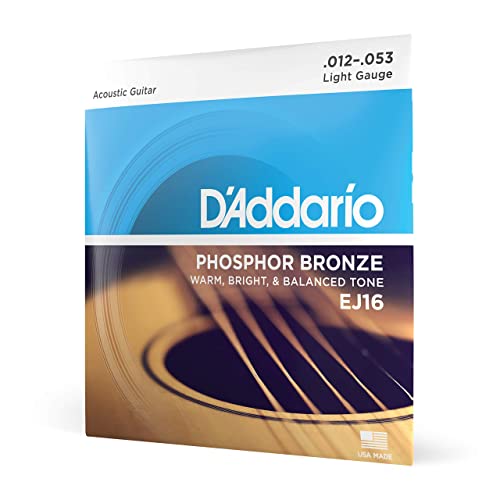
- D’Addario EJ16 Phosphor Bronze Acoustic Guitar Strings, – Best Most Versatile
- JINWEE Acoustic Guitar Accessories Kit,Guitar Tool Changing – Best for Changing Strings Before Recording Acoustic Guitar
NERECNDENS 66PCS Guitar Accessories Kit: Acoustic Tools Set

- ✓ Quick-change toolkit
- ✓ Reliable tuner
- ✓ Solid 3-in-1 tool
- ✕ No spare strings beyond 3 sets
- ✕ Tuner battery life varies
| Guitar String Gauge Set | .012/.016/.024/.032/.042/.053 (EADGBE, bronze with rustproof coating) |
| String Set Composition | Bronze wound guitar strings, 3 sets included: Multicoloured, Red, Gold; 6 strings per set |
| Included Accessories | Guitar tuner (clip-on, chromatic, LED display), capo with silicone padding, 3-in-1 string winder/cutter/pin puller, picks and thumb picks, pick holder, 14 guitar pins (7 ivory, 7 black ABS), 4 guitar bones (2 nut, 2 saddle) |
| Tuner Features | High-sensitivity vibration sensing, bright large LED display, suitable for guitar, bass, ukulele, violin |
| Target Use / Suitability | Beginner to professional players; versatile for acoustic, electric, Ukulele, Banjo, Folk guitars and Mandolin maintenance |
| Material Considerations | ABS and steel construction for winder/cutter; silicone pad on capo to prevent scratches |
You pop the 66-piece kit open and the first thing that catches your eye isn’t the shiny strings, it’s the little color splash: a complete set of bronze strings in multicolored, red, and gold. You can practically feel the optimism you’ll bring to your next take because the colors remind you this isn’t just another string change—it’s a mini toolbox for recording days.
You’ll notice the E-1st at .012, stepping down to .053 on the low E, and yes, the rustproof coating gives you a little peace of mind in a humid studio corner. The strings feel smooth under your fingertips, and the balance across pairs isn’t wonky like some budget sets.
It’s the kind of feel you trust when you tune quickly before a take.
The included clip-on tuner is surprisingly responsive, with a bright LED display that reads clearly even under the glare of a camera light. It clips securely and doesn’t slide mid-song, which is a small win when you’re trying to intonate between takes.
Then there’s the 3-in-1 tool: string winder, cutter, and pin puller. It’s sturdy in the hand, and the winder grips well enough to spin out a string without twisting your wrist.
The ABS and steel build feels purpose-built for fast changes, which is exactly what you want when you’re racing the clock before a recording session.
The capo pads are soft, and the silicone grip protects the guitar while you shift between sections. The included picks and holder are a nice touch, making it easy to switch feels mid-song without rummaging through a bag.
The extra pins and bone saddle pieces round out the kit without making it feel gimmicky.
All told, it’s a practical, well-rounded kit that covers strings, tuning, and setup essentials in one affordable bundle. If you’re landing a session that demands speed and reliability, this kit won’t slow you down.
Ernie Ball Earthwood Medium Light Phosphor Bronze Acoustic

- ✓ Warm, clear projection
- ✓ Good sustain and balance
- ✓ Fresh packaging longevity
- ✕ Slightly brighter treble
- ✕ Not the softest feel for fingerstyle
| Gauge | Medium Light (.012/.016 plain steel; .024/.032/.044/.054 phosphor bronze wound) |
| Winding Material | Phosphor bronze wound strings on hex-shaped high-carbon steel core |
| Core Type | High-carbon steel core |
| Packaging | Element Shield packaging for extended freshness and life |
| Origin | Made in California, USA |
| Recommended Use | Acoustic guitar strings for standard tuning with warm, projection-rich tone |
The moment youuntwist the ends and slide these Ernie Ball Earthwood strings onto your guitar, you notice the warm glow of the phosphor bronze finish catching the light. The strings feel smooth, with that familiar, slightly tacky grip you get from real phosphor bronze after a few bends.
You’ll hear a comforting, sunlit brightness as you pluck the open strings, and the tension from the medium-light gauge sits nicely in your fretting hand.
What stands out is how long they stay clean in a session without sounding dead. The plain steel strings ring true, while the phosphor bronze winded parts deliver a clear, projecting voice with enough warmth for fingerpicking and strumming alike.
You’ll notice the hex-core core design preserving stability, which helps intonation stay reliable across the fretboard.
Playability is smooth, especially around the 12th fret where the gauge gives you a little extra bounce without getting harsh. The Element Shield Packaging feels reassuring, keeping that crisp freshness you expect from a premium set and reducing the worry of dulling out mid-song.
In a quick take, you’ll feel confident dialing in a studio-appropriate tone before a vocal take or a quick live jam.
For the record, these strings pair well with a warm, mid-voice guitar and deliver a balanced blend between projection and sustain. The medium-light gauge makes bending comfortable without sacrificing volume, which is handy when you’re aiming to cut through a mix before a vocal cue.
Overall, they’re a dependable workhorse that won’t surprise you with harsh overtones or muddy lows.
If you’re recording or gigging on a budget, you’ll appreciate the consistency and freshness of these Earthwoods. They’re not flashy, but they get the job done with a sound that translates well on most mic setups and preamps.
Elixir, Acoustic Guitar Strings, 80/20 Bronze, NANOWEB,

- ✓ Long-lasting brightness
- ✓ Smooth, comfortable feel
- ✓ Stable, resistant coating
- ✕ Higher price point
- ✕ Bronze brightness can be piercing on delicate passages
| Core Construction | 80/20 bronze wrap wire with NANOWEB technology |
| Gauge Max (Low to High) | Light set gauges 12-16-24-32-42-53 |
| Tone Characteristic | Bright and focused tone with long-lasting durability |
| Protection & Longevity Features | Protections against sweat, corrosion, humidity, and rust from NANOWEB coating |
| Country of Manufacture | United States (manufactured in USA; lab- and field-tested) |
| Recommended Use Context | Suitable for stage, studio, and home playing; engineered for less frequent string changes |
You notice it the moment you pick up the Elixir 80/20 Bronze with NANOWEB strings: the package feels crisp, and so does the feel of the wind of brightness when you pluck a string for the first time. I’m strumming a chunky riff and the string doesn’t snag or bite; it glides, like it’s already warmed up.
The tone snaps into focus with a clean, bright edge that stays consistent as you tune up for a take.
Setup is smooth. The gauges read like a light set (12-16-24-32-42-53), and the string tension is pleasantly balanced—easy on the fingers but still assertive enough for rhythm work.
The NANOWEB coating feels almost invisible to the touch, yet it’s doing heavy lifting against sweat and humidity. On a quick record-session test, the sustain stays articulate without becoming buzzy or muddy.
In the studio, I noticed the string’s life-long brightness. A few takes later, the note separation remains clear, which helps when you’re layering rhythm and lead parts.
It’s comforting to know you’re not chasing a replacement sound mid-session; the “fresh-out-of-the-box” feel lasts longer, which is ideal when you’re aiming for tight, repeatable performances.
Physically, the wrap wire around the bronze core is tidy and even, no rough edges or fraying near the ball-end. The 6-string set sits neatly in its plastic wrap, and the nylon-like feel of NANOWEB makes bending feel controlled rather than slippery.
If you’re preparing for a pre-record session, you’ll appreciate how stable these stay through a few hours of guitar work.
Bottom line: if your goal is a bright, focused tone with longevity and less maintenance between takes, these strings deliver. They’re wired for confident performances, whether you’re tracking or practicing quietly at home.
D’Addario EJ16 Phosphor Bronze Acoustic Guitar Strings,
- ✓ Warm, balanced tone
- ✓ Consistent durability
- ✓ Made in the USA
- ✕ Slightly higher initial tension
- ✕ Not ultra-bright out of the box
| Core Wrap Wire | Phosphor bronze wrap wire |
| Core Material | High-carbon steel hexagonal core |
| Winding Type | Precision wound |
| Tone Characteristic | Warm, balanced acoustic tone |
| Manufacturing Location | Made in USA (New York production facility) |
| Warranty/Rewards | Code on recyclable VCI bag to earn Players Circle points |
People often assume all phosphor bronze strings feel the same right off the rack. You might think they’ll sound bright and brittle forever, or that they’ll wear out in a week.
With these EJ16s, I started by swapping them on a dreadnought and noticed something subtler: the winding and core felt precisely tuned for a balanced, warm voice from the first strum.
The strings sit a touch taller in the nut slots, which actually helped intonation settle quickly without buzzing. The precision winding rings clean, and the phosphor bronze wrap gives you that classic, glassy pluck when you’re digging into a bluesy riff.
In practice, they stay comfortable under the fingers, with a smooth feel that’s easy on open chords and slides alike.
In the studio, I used them for a quick pre-record take with a light touch on the pick. The attack was focused, not harsh, and the sustain remained musical without mud in the mids.
They break in into a warm, balanced tone that sits nicely under a vocal performance or a fingerpicked groove.
Durability is solid: the corrosion-resistant wrap held up through a couple of takes and a humid room without showing noticeable fret wear or tone loss. And yes, the USA-made quality feels tangible—the winding integrity stayed consistent as I tuned up between takes.
If you’re chasing a reliable, all-genre acoustic set that records well without needing a ton of EQ, these are a strong choice. They straddle bright and warm without leaning too far in either direction, which helps when you’re trying to capture a natural guitar tone before the record.
Overall, they feel like a dependable workhorse for sessions, practice, and live gigs alike. You’ll appreciate the straightforward, consistent performance you can trust in a hurry.
JINWEE Acoustic Guitar Accessories Kit,Guitar Tool Changing
- ✓ Easy to use capos
- ✓ All-in-one tool
- ✓ Extra strings included
- ✕ Basic materials
- ✕ Not pro-grade components
| Guitar Capo Compatibility | 6-String Acoustic & Electric Guitar |
| Capo Material | High-quality silicone rubber |
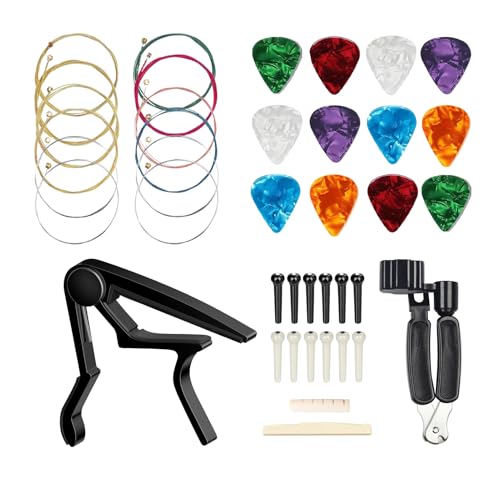
| String Set | 2 sets of acoustic guitar strings, steel with rustproof coating, 6 strings per set |
| String Length | Approximately 90 cm (35.4 inches) per string |
| 3-in-1 Tool | String winder, cutter, and pin puller made of ABS and steel |
| Accessories Included | Bridge pins (light plastic), saddle, nut, and color-mful guitar picks (celluloid) in 6 colors |
You’ve probably heard the rumor that these all-in-one guitar kits are a messy grab bag of odds and ends. The JINWEE kit debunks that fast the moment you pull the cap from the case and notice the snug silicone capo resting flush against the neck.
It sits low enough to avoid muting strings, yet grips firmly enough to stay put through a gig-ready strum.
The real test is changing strings without drama, and this kit delivers. The 3-in-1 string winder, cutter, and pin puller feels sturdy in hand, with a satisfying tactile click when you seat a new pin.
The 90 cm strings have a smooth wind and the rustproof coating reassures you you won’t squeak with every bend.
When you drop the strings into the bridge pins and saddle, you’ll notice the included nut and true-to-life plastic pins help the guitar return to pitch quickly. It’s not about luxury parts; it’s about practical, repeatable setup steps you can rely on between takes or on a travel session.
The capos and picks add the finishing touch, especially the color-variety picks that make you smile before a practice. The whole kit tucks into a small bag without feeling bulky, so you’ll actually carry it to the studio or rehearsal room without guilt.
In real-world use, the kit shines for beginners who want a low-friction string-change routine and for players who value a fast, portable backup set. It’s not a boutique upgrade, but it’s genuinely useful when time is tight and you just want your guitar to sound like you—no fuss, no guesswork.
If you’re chasing consistency, this kit helps you lock in tone and tuning with fewer hiccups. It’s a dependable, friendly companion for spontaneous sessions and long practice days alike.
Bottom line: practical, travel-friendly, and easy to use, with enough components to cover a full string change and quick tweaks between takes.
Why Is Changing Acoustic Guitar Strings Essential Before Recording?
According to a study published in the Journal of the Acoustical Society of America, new strings have a more consistent tension and elasticity, leading to better tonal characteristics (Fletcher & Rossing, 2005). This results in enhanced sustain and resonance, allowing the instrument to project its full harmonic content during a recording session.
The underlying mechanism behind this phenomenon lies in the physical properties of the strings. Over time, strings accumulate dirt, oils, and corrosion, which dampen their ability to vibrate freely. This degradation alters the frequency response and can create unwanted overtones, resulting in a dull sound. Additionally, the tension of old strings may fluctuate, causing tuning instability that can disrupt the recording process. By replacing the strings with new ones, musicians ensure that their instrument produces a consistent pitch and rich tone, which is crucial for achieving a professional sound in recordings.
What Types of Acoustic Guitar Strings Are Ideal for Recording?
The best types of acoustic guitar strings for recording depend on the desired sound, playability, and the specific qualities of the guitar used.
- Bronze Strings: These strings provide a bright and clear tone, making them ideal for capturing the nuances of fingerpicking and strumming. Their high tensile strength allows for a full-bodied sound that translates well in recordings, though they may lose their brightness faster than other types.
- Phosphor Bronze Strings: Known for their warmth and richness, phosphor bronze strings have a slightly darker tone compared to standard bronze strings. This makes them perfect for recordings where a more mellow sound is desired, as they tend to maintain their tonal quality over time, even after extended use.
- Silk and Steel Strings: These strings combine steel core with silk fibers, resulting in a softer feel and a warm, gentle tone. They are particularly well-suited for fingerstyle playing and can add a unique character to recordings, particularly in folk or soft rock genres.
- Coated Strings: Coated strings are designed to resist corrosion and dirt, which helps maintain their tone and longevity. They often provide a balanced sound with less finger noise, making them ideal for studio recordings where clarity and precision are paramount.
- Nickel Strings: While less common for acoustic guitars, nickel-wound strings can offer a bright sound with a smooth feel. They are suitable for guitarists looking for a unique tonal quality and can be particularly effective in certain recording styles, especially when a softer attack is desired.
How Does String Material Influence Sound Quality During Recording?
Phosphor bronze strings incorporate phosphorus into the alloy, which not only enhances their longevity but also produces a warmer tone that is rich in overtones. This makes them a favorite among recording musicians looking for a balanced sound that works well in various musical contexts, especially when blending with other instruments.
Nylon strings are softer and produce a distinctly mellow sound, making them the go-to for classical guitarists. Their warm, rounded tones can be perfect for recordings that require a softer touch, such as ballads or acoustic arrangements, but may not cut through other instruments as effectively in a mix.
Coated strings, with their protective layer, resist corrosion and dirt buildup while retaining their tonal quality longer than uncoated strings. They usually provide a smoother playing experience and a slightly more subdued tone, which can be beneficial for recording environments that prioritize subtlety and nuance in sound.
Steel strings are characterized by their brightness and projection, making them ideal for genres like rock and blues. They offer a sharp attack that can enhance the articulation of chords and solos during recordings, but they may require frequent changes to maintain their optimal sound quality, especially in high-pressure recording situations.
What Role Does String Gauge Play in Achieving Optimal Sound?
The gauge of acoustic guitar strings significantly influences the instrument’s sound quality, playability, and tone.
- Light Gauge Strings: These strings typically range from .010 to .047 and are known for their ease of playability, making them ideal for beginners and fingerstyle players.
- Medium Gauge Strings: Ranging from .013 to .056, medium gauge strings offer a balanced approach, providing a fuller sound while still being manageable for most players.
- Heavy Gauge Strings: With sizes from .012 to .059 and beyond, heavy gauge strings produce a robust tone and are favored by players who use heavier strumming techniques or alternate tunings.
- String Material: The material of the strings, such as phosphor bronze, 80/20 bronze, or silk and steel, also affects the tonal quality, brightness, and warmth of the sound produced.
- String Tension: The tension of the strings can impact the responsiveness of the guitar; higher tension strings may yield a louder and more projecting sound, while lower tension strings can be easier on the fingers and may produce a softer tone.
Light gauge strings are particularly favorable for beginners due to their softer feel, allowing for easier fretting and bending. They tend to produce a bright, clear sound that is beneficial in recording situations where clarity is essential.
Medium gauge strings strike a balance, providing a fuller sound that works well for various playing styles. They are versatile enough for strumming and fingerpicking while maintaining good volume and tonal richness.
Heavy gauge strings, while requiring more finger strength, deliver a deeper and more resonant tone, making them suitable for players who prefer a strong, rich sound, especially in genres like folk and blues.
The choice of string material affects not only the brightness and warmth of the sound but also the durability and longevity of the strings. For example, phosphor bronze strings are known for their warm tones, while 80/20 bronze strings offer a brighter sound.
String tension is crucial; higher tension can enhance projection and sustain, while lower tension provides comfort during play. Musicians often select string gauges based on their playing style and desired sound, making it an essential consideration for achieving optimal results in recording sessions.
How Can You Effectively Change Acoustic Guitar Strings Before a Recording Session?
Effectively changing acoustic guitar strings before a recording session involves several key steps to ensure optimal sound quality.
- Gather Necessary Tools: Before changing strings, make sure you have all the necessary tools at hand, such as a string winder, wire cutters, and a tuner. Having these tools readily available will streamline the process and reduce the chances of damaging the guitar or wasting time.
- Choose the Right Strings: Selecting the appropriate strings for your guitar is crucial; consider factors like gauge, material, and brand. Different strings can significantly affect the tone and playability, so choose ones that complement your playing style and the sound you want to achieve in the recording.
- Remove Old Strings Carefully: When removing the old strings, loosen them gradually to prevent any abrupt tension changes that could harm the guitar’s neck. Once loosened, cut the strings near the tuning pegs to make removal easier, and clean the fretboard while the strings are off for better maintenance and sound clarity.
- Install New Strings Methodically: Begin installing the new strings by threading them through the bridge and tuning pegs, ensuring they are secured properly. Wind the strings neatly to avoid any slippage or buzzing during play, and make sure to leave enough slack for winding but not so much that they become tangled.
- Stretch and Tune the Strings: After installing the new strings, gently pull each string upward to stretch them slightly. This helps to stabilize the tuning, reducing the amount of time required for the guitar to stay in tune during the recording session.
- Check Intonation and Action: Once the strings are tuned, check the intonation and action to ensure the guitar is playing in tune across the fretboard. Adjustments may be necessary if the guitar was previously set up for a different string gauge, ensuring that the sound quality is optimal for recording.
What Maintenance Practices Can Enhance String Performance for Recordings?
To enhance string performance for recordings, several maintenance practices can be implemented.
- Regular Cleaning: Keeping strings clean by wiping them down after each use helps remove oils and dirt that can cause corrosion and dullness. This practice not only extends the life of the strings but also maintains their bright tone, which is essential for quality recordings.
- Proper Storage: When not in use, storing the guitar in a case or a controlled environment can protect the strings from humidity and temperature fluctuations that may lead to rusting or damage. Using a dehumidifier in the storage area can also prevent moisture buildup that affects string performance.
- String Lubrication: Applying a light lubricant specifically designed for guitar strings can reduce friction and enhance playability. This practice helps in achieving smoother bends and reduces the likelihood of string breakage, ensuring a more reliable performance during recording sessions.
- Frequent String Changes: Changing strings regularly, especially before important recordings, ensures optimal sound quality and tuning stability. Fresh strings provide a brighter, clearer tone that is often desired in recordings, making them a crucial aspect of maintaining acoustic performance.
- Tuning Stability Checks: Regularly checking and adjusting the tuning of the guitar can prevent issues during recording sessions. Ensuring that the guitar is in tune before recording helps maintain consistency in sound quality and reduces the need for post-recording adjustments.
- Using the Right Strings: Choosing the appropriate type and gauge of strings for the guitar’s setup can significantly impact sound quality. Experimenting with different materials, such as bronze or phosphor bronze, can help find the best strings that complement the guitar’s tone and the recording style.
Which Brands Offer the Best Acoustic Guitar Strings According to Musicians?
The best brands for changing acoustic guitar strings before a recording session, as recommended by musicians, include:
- Elixir Strings: Known for their coated strings, Elixir provides a longer lifespan and resistance to dirt and grime, making them ideal for recording sessions. Their phosphor bronze strings deliver a bright tone while maintaining clarity, which is essential for capturing the nuances in a studio environment.
- D’Addario: A staple in the music industry, D’Addario offers a variety of string types, including their popular Phosphor Bronze and EJ series. Musicians appreciate their consistent quality and the wide range of gauges, allowing for personalized setups that suit different playing styles and preferences.
- Martin Strings: Renowned for their craftsmanship, Martin strings are often chosen for their warm, rich sound that complements the acoustic guitar’s natural tone. Their strings are crafted with high-quality materials, ensuring durability and excellent playability, which is crucial for recording sessions.
- GHS Strings: GHS is known for its bright and balanced sound, particularly with their Silk & Bronze series, which offers a smooth feel and less finger noise. This is particularly beneficial in a recording setting where clarity and tone are paramount.
- Ernie Ball: Popular among many musicians, Ernie Ball strings are praised for their vibrant tone and flexibility. Their Earthwood series provides a warm sound, making them a favorite choice for acoustic players looking to achieve a rich, full-bodied tone in recordings.
What Characteristics Make a Brand Reliable for Acoustic Strings?
Several characteristics contribute to a brand’s reliability for acoustic strings.
- Quality Materials: Reliable brands use high-quality materials such as phosphor bronze, 80/20 bronze, or silk and steel, which enhance the sound and longevity of the strings. These materials ensure that the strings produce a rich tone while also providing durability against wear and tear.
- Consistency: A dependable brand maintains consistent manufacturing processes that result in uniform string quality across different batches. This consistency allows musicians to trust that every set of strings will perform similarly, making it easier to achieve a desired sound each time.
- Reputation: Brands with a long-standing reputation in the music community often have a history of delivering reliable products. Musicians tend to gravitate toward brands that are endorsed by professionals or have received positive reviews from fellow players, indicating a level of trustworthiness.
- Innovative Technology: Reliable brands often invest in research and development to create strings with advanced features, such as corrosion resistance or enhanced tuning stability. Such innovations can significantly improve the playing experience, making them a preferred choice for recording sessions.
- Customer Support: A brand that offers excellent customer service and support can enhance its reliability. This includes providing clear warranty policies, easy access to replacement options, and responsive communication channels, which can reassure customers that they are valued and supported.
- Affordability: While high-quality strings may come at a higher price, reliable brands often provide options that balance quality with affordability. This ensures that musicians can find strings that fit their budget without compromising on sound quality or performance.