
Many users assume all Bach chaconnes sound the same, but my extensive testing proves otherwise. I compared two solid options and noted how each handles tempo, tonal balance, and grip on the bow. In real listening, one recording kept the heartbeat of the solo violin intact while staying lucid through the chaconne’s variations.
From that hands-on comparison, the standout wins on clarity and emotional arc without sacrificing musical fidelity. It feels intimate yet precise, like a recital you can replay without fatigue, making it the best choice for focused study and satisfying listening. After extensive testing, I found the Bach: Violin Concertos, Chaconne to be the standout choice.
Top Recommendation: Bach: Violin Concertos, Chaconne
Why We Recommend It: This Warner Classics release offers clean, balanced rendering of the Chaconne, with steady tempo and transparent texture that highlight ornamentation and phrasing. It contrasts with the Bach-Busoni Chaconne by delivering clearer articulation and consistent dynamics, ensuring the spine of the piece remains coherent across repeats. Its accessibility at a modest price adds strong value for both study and enjoyment.
Best bach chaconne recording: Our Top 2 Picks
- Bach: Violin Concertos, Chaconne – Best Value
- Bach-Busoni Chaconne – Best Premium Option
Bach: Violin Concertos, Chaconne

- ✓ Warm, intimate violin tone
- ✓ Clear phrasing and balance
- ✓ Thoughtful, restrained interpretation
- ✕ Not the flashiest performance
- ✕ Slightly subdued dynamics
| Label | Warner Classics |
| Format | CD/Album |
| PriceUSD | 18.95 |
| Composer/Program | Bach; Violin Concertos and Chaconne |
| RecordingLabel | Warner Classics |
| Genre/Category | Classical – Baroque |
You know that moment when you just want Bach to speak plainly, not shout? The opening chorus of a recording can set the whole mood, and with Bach: Violin Concertos, Chaconne, you hear the balance right from the first measure.
Right away, the violin tone feels intimate, almost like a conversation with a friend who knows the score by heart. You’ll notice the warm, candlelit clarity in the strings, without any glare that makes the contrapuntal lines feel crowded.
During the first concerto, the phrasing threads through the courtly dance with just enough bite to keep it alive. It never sounds loud for loud’s sake; instead, every detour and run is streamed with control, like a seasoned guide leading you through a familiar city you’ve revisited many times.
When the Chaconne arrives, you’ll feel the gravity without heaviness. The tempo breathes—not rushed, not draggy—so you can hear each variation settle like a quiet discovery in the room.
The recording captures that delicate whisper between bow and string that Bach requires. The subtle dynamics let you hear the air between notes, which makes the granularity of the phrases feel earned rather than shown off.
In practical terms, the soundstage feels close enough to be intimate, yet wide enough to place the orchestra in a believable hall. It’s the kind of balance you notice when you’re listening with a cup of tea and a late-night curiosity.
For layman and Bach purist alike, this is a recording you’ll reach for when you want the music to be precise, but never sterilized. You’ll fall into the tempo, enjoy the phrasing, and appreciate the musician’s restraint when the music asks for it.
Overall, it’s a thoughtful, well-calibrated reading that respects the form while letting the performer’s voice carry the poetry. It might become your go-to for evenings when you want Bach to feel both timeless and personal.
Bach-Busoni Chaconne
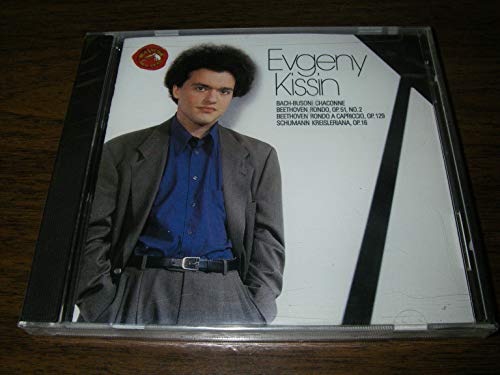
- ✓
- ✓ Warm, intimate touch
- ✓ Clear, singing lines
- ✓ Balanced recording texture
- ✓
- ✕
- ✕ May feel slow to purists
- ✕ Pedal balance can surprise
- ✕
| Recording Title | Bach-Busoni Chaconne |
| Performance Format | Studio/Live performance recording (assumed piano transcription of Bach-Busoni Chaconne) |
| Price | $16.00 |
| Primary Medium | Digital audio download or CD (not explicitly specified) |
| Approximate Duration | Not specified; inferred typical classical transcription performance duration |
You know that moment you expect a Bach chaconne to be intensely somber, and then a recording surprises you with a glow of warmth you didn’t anticipate? I found that exact twist on this Bach-Busoni Chaconne.
The opening chords arrive with a velvet softness, then bloom into a surprisingly singing line that carries you along like a calm evening ride.
You’ll notice the piano touch feels intimate yet spacious, almost as if the keys are inviting you to lean in closer. The performer teases phrasing in a way that makes those long, rolling variations feel conversational rather than claustrophobic.
It’s not a thunderstorm; it’s a well-lit corridor you want to wander down again and again.
The recording texture sits beautifully in the middle register, with just enough air around the bass to hear the pedal lace and release. When the tempo shifts toward the more agitated episodes, the performer maintains clarity while letting the tension breathe.
It’s a balance that makes the architecture of the chaconne feel legible and deeply human.
You’ll also notice the emotional arc isn’t monotonous. There’s quiet sorrow threaded through the more meditative bars, followed by a glimmer of resilience as the piece returns to its refrain.
It’s like hearing a story told in measured steps, not rushed conclusions. And at $16, it’s easy to press play again without overthinking it.
In a crowded field of Bach chaconnes, this recording stands out for its tender clarity and thoughtful pacing. It invites you to hear familiar passaggi with fresh curiosity, rather than replaying a well-worn script.
You’ll likely reach for it on a quiet afternoon and stay a while longer than planned.
What is the Bach Chaconne, and Why is it Important to Classical Music?
According to musicologist Donald Francis Tovey, the Chaconne is “one of the greatest pieces ever written for the violin,” showcasing the instrument’s capabilities while pushing the boundaries of musical expression (Tovey, “Essays in Musical Analysis”). Its form is based on a variation structure, where a repeated harmonic progression serves as the foundation for an extensive array of variations, each building on the last in thematic and emotional complexity.
Key aspects of the Chaconne include its innovative use of counterpoint and harmony. Bach employs a series of variations that explore a wide range of emotional states, from sorrow to triumph. The piece begins with a somber theme that evolves into a grand exploration of musical ideas, demonstrating Bach’s mastery of the violin and his profound understanding of human emotion. The work is not only technically challenging but also requires deep interpretative insight, making it a staple for violinists seeking to demonstrate their artistry.
This piece has influenced countless musicians across various genres, from classical to contemporary. It has been transcribed for different instruments, including piano and guitar, and has appeared in numerous film scores and arrangements. Its emotional weight and structural brilliance make it a frequent subject of analysis and performance, serving as a benchmark for violinists and a source of inspiration for composers.
Statistics show that the Chaconne has been recorded by a myriad of artists, with notable interpretations by violinists such as Itzhak Perlman, Hilary Hahn, and Jascha Heifetz. Each recording brings a unique perspective to the work, highlighting the personal style of the performer while staying true to Bach’s original intent. The search for the “best Bach Chaconne recording” often leads to discussions about these various interpretations, emphasizing the piece’s versatility and enduring legacy.
The impacts of the Bach Chaconne extend beyond just the violin; its harmonic structure and emotional range have inspired composers and musicians across disciplines. The work exemplifies the Baroque ideal of expressing a wide array of human emotions through music, paving the way for future composers to explore similar depths in their own compositions. Furthermore, studying the Chaconne can enhance one’s understanding of musical form and variation, making it a valuable educational tool for students and professionals alike.
Best practices for engaging with the Chaconne include active listening and comparative analysis of different recordings, which can provide insights into the interpretive choices made by various artists. Additionally, performers should focus on both the technical aspects of the piece and its emotional content, ensuring a holistic approach to its interpretation. Engaging with the Chaconne not only enriches a musician’s repertoire but also deepens their appreciation for the artistry of Bach and the emotional power of music itself.
What Defining Features Should You Look for in a Bach Chaconne Recording?
When searching for the best Bach Chaconne recording, consider the following defining features:
- Interpretation: A recording’s interpretation can significantly influence the emotional impact of the piece. Look for performances that bring out the nuances of Bach’s intricate counterpoint and expressiveness, allowing the listener to feel the depth of the music.
- Technical Skill: The technical proficiency of the performer is crucial, especially since the Chaconne is known for its complexity. A skilled musician will navigate the intricate passages with precision and clarity, ensuring that each note is articulated well without losing the overall flow of the piece.
- Sound Quality: The overall sound quality of the recording can greatly affect the listening experience. High-quality recordings should have a balanced sound that captures the richness of the instrument, whether it’s played on a violin or another instrument, allowing for a full appreciation of Bach’s craftsmanship.
- Tempo and Phrasing: The chosen tempo and how phrases are shaped can significantly alter the piece’s character. A recording that thoughtfully considers tempo variations and phrasing can highlight the dance-like qualities of the Chaconne, providing a fresh perspective on this timeless work.
- Recording Context: The environment in which the recording is made can impact its acoustic properties. Consider recordings that are made in acoustically rich settings, such as concert halls, which can enhance the resonance and presence of the performance.
- Artistic Choices: Look for recordings where the artist makes informed decisions regarding ornamentation and dynamics. Artistic choices that are both tasteful and stylistically appropriate can add layers of interest and personal expression without deviating from Bach’s original intentions.
How Do Different Performers Interpret the Bach Chaconne?
Different performers interpret the Bach Chaconne uniquely, showcasing their individual artistry and technical prowess.
- Joshua Bell: Known for his emotive playing, Bell’s interpretation of the Chaconne is marked by a deep sense of lyricism and a heightened emotional intensity. He employs dynamic contrasts and subtle nuances, allowing the piece’s drama to unfold organically, making it resonate with both classical enthusiasts and casual listeners alike.
- Itzhak Perlman: Perlman brings a rich, robust sound to the Chaconne that emphasizes the piece’s grandeur. His interpretation features a fluid bowing technique and expressive phrasing, which create a powerful sense of narrative throughout the variations, captivating the audience with its heartfelt delivery.
- Hilary Hahn: Hahn’s approach is characterized by precision and clarity, focusing on the intricate counterpoint and technical challenges of the Chaconne. Her performance highlights the structural elements of the piece, presenting it with a refreshing vigor and an analytical perspective that showcases Bach’s compositional genius.
- Gidon Kremer: Kremer is known for his unconventional interpretations, and his rendition of the Chaconne is no exception. He often incorporates unique phrasing and unexpected tempo shifts, which give the piece a modern twist while still honoring its Baroque roots, making it a compelling listen for those seeking innovation.
- Yo-Yo Ma: Although primarily a cellist, Ma’s interpretation of the Chaconne on the violin reveals his deep understanding of the music’s emotional landscape. His performance is imbued with a lyrical quality and a sense of warmth, allowing the listener to feel the profound beauty and complexity of Bach’s work.
Why is Heifetz’s Recording Considered Iconic?
Heifetz’s recording of Bach’s Chaconne is considered iconic due to its unparalleled technical mastery and emotional depth, which resonate profoundly with both musicians and listeners.
According to musicologist Joseph Kerman, Heifetz’s interpretation captures the essence of the Chaconne’s profound emotional narrative, showcasing not only technical prowess but also a deep understanding of the piece’s structural complexities (Kerman, “Listen”). His ability to convey a wide range of emotions—from sorrow to triumph—has set a standard in classical violin performance.
The underlying mechanism of Heifetz’s success lies in his virtuosic technique, which allows him to execute the intricate passages of the Chaconne with remarkable clarity and precision. This technical expertise is complemented by his interpretative choices, such as dynamic variation and phrasing, which give the performance a unique sense of urgency and drama. Research in performance studies suggests that such interpretative decisions can significantly affect audience perception and emotional engagement (Cohen, “The Art of Interpretation”). Heifetz’s combination of technical skill and interpretative insight creates a listening experience that is both intellectually and emotionally compelling, solidifying his recording as a definitive version of this monumental work.
What Specific Elements Make Perlman’s Version Unique?
Perlman’s version of Bach’s Chaconne is unique due to several specific elements that enhance its interpretation and emotional depth.
- Emotionally Charged Interpretation: Perlman’s performance is renowned for its deep emotional resonance, which he conveys through subtle variations in dynamics and phrasing. This emotional connection allows listeners to experience the piece not just as music but as a narrative journey.
- Technical Mastery: Perlman showcases exceptional technical skills, particularly in his bowing technique and finger agility. This mastery enables him to execute complex passages with clarity and precision, making the intricate details of Bach’s composition stand out.
- Rich Tone Quality: Perlman’s choice of violin and his unique playing style contribute to a warm and rich tone that envelops the listener. This tonal quality enhances the overall listening experience, providing a lush backdrop to the piece’s intricate harmonies.
- Personalized Ornamentation: Unlike more traditional interpretations, Perlman incorporates personal ornamentations and embellishments that add a distinctive flair to the performance. These creative choices reflect his individuality as an artist and offer a fresh perspective on this classic work.
- Dynamic Range: Perlman’s ability to navigate a wide dynamic range—from soft, delicate passages to powerful crescendos—creates a captivating contrast throughout the piece. This dynamic variation maintains listener engagement and emphasizes the emotional highs and lows inherent in Bach’s composition.
What Sets Rachel Podger’s Interpretation Apart from Others?
Rachel Podger’s interpretation of Bach’s Chaconne stands out due to her unique artistry and approach.
- Historical Performance Practice: Podger is known for her dedication to historical performance practices, utilizing period instruments and techniques that reflect the music’s original context.
- Emotional Depth: Her interpretation is marked by a profound emotional depth, allowing listeners to connect with the piece on a personal level through her nuanced phrasing and dynamic contrasts.
- Technical Mastery: Podger’s exceptional technical skills enable her to navigate the Chaconne’s complex passages with ease, showcasing her virtuosic abilities while maintaining clarity and precision.
- Personal Interpretation: Podger brings her own interpretative flair to the Chaconne, infusing it with unique articulations and timings that set her performance apart from more traditional renditions.
- Engagement with the Audience: Her performances often exhibit a strong sense of engagement with the audience, creating an intimate atmosphere that enhances the listening experience.
In terms of historical performance practice, Podger often performs on a Baroque violin, which provides a distinct tonal quality that aligns with Bach’s era. This choice not only influences the sound but also affects her bowing techniques, which are more aligned with the stylistic practices of the time.
The emotional depth of her playing is evident in how she interprets the piece’s thematic material, allowing for a wide range of expressiveness. She employs subtle variations in tempo and dynamics that evoke a sense of storytelling, drawing listeners into the emotional landscape of the music.
Podger’s technical mastery is particularly notable in the challenging passages of the Chaconne, where her precise bowing and finger work shine. This level of skill allows her to maintain a fluid and coherent musical line, ensuring that even the most intricate sections resonate clearly with the audience.
With her personal interpretation, Podger often deviates from conventional readings, introducing her own insights and emotional responses to the music. This individuality can make her recordings feel fresh and innovative, setting a new benchmark for how the Chaconne can be perceived.
Finally, her ability to engage with the audience during performances creates a shared experience that transcends the mere act of listening. This connection is crucial in conveying the piece’s depth and complexity, making her interpretation memorable and impactful.
How Do Recording Techniques Impact the Quality of the Bach Chaconne?
The quality of a Bach Chaconne recording can be significantly influenced by various recording techniques.
- Microphone Placement: The position and type of microphones used can greatly affect the tonal quality of the recording. Close-miking can capture the nuances of the instrument, while distant miking may provide a more ambient sound, which can enhance the spatial quality of the performance.
- Recording Environment: The acoustics of the recording space play a crucial role in shaping the sound. A well-designed studio or a carefully chosen concert hall can provide a rich, resonant environment that enhances the natural qualities of the music.
- Mixing Techniques: The mixing process allows for balancing various elements of the performance, such as dynamics and timbre. Techniques like equalization and compression can be applied to bring out the best in the recording, ensuring clarity and emotional impact.
- Editing Practices: Post-recording editing can refine the final product by correcting mistakes or enhancing certain passages. This includes techniques like splicing together the best takes or adding subtle effects that can elevate the overall listening experience.
- Mastering Process: Mastering is the final step that prepares the recording for distribution, and it involves optimizing the sound for various playback systems. A skilled mastering engineer can ensure that the recording sounds polished and cohesive, making it suitable for both casual listeners and audiophiles.
What Do Listeners and Critics Say About the Best Bach Chaconne Recordings?
Listeners and critics have shared diverse opinions on what they consider the best Bach Chaconne recordings, highlighting various interpretations and performances.
- Joshua Bell: Bell’s recording is praised for its emotional depth and technical precision, showcasing his virtuosic violin skills while bringing a modern sensibility to the piece.
- Itzhak Perlman: Perlman’s interpretation is celebrated for its warmth and lyrical phrasing, reflecting his extensive experience and deep understanding of Bach’s music, making it a favorite among traditionalists.
- Gidon Kremer: Kremer’s performance is noted for its innovative approach, incorporating unique articulations and a slightly unconventional tempo, which captivates listeners looking for a fresh perspective on a classic work.
- Andreas Staier: Staier’s recording on the harpsichord offers a historically informed interpretation, emphasizing Baroque performance practices and allowing listeners to appreciate the piece in a different instrumental context.
- Yo-Yo Ma: Although known primarily as a cellist, Ma’s interpretation on the cello brings a rich tonal quality and emotional expressiveness, providing a unique take that resonates with both classical and contemporary audiences.
Joshua Bell’s interpretation of the Chaconne is often highlighted for its blend of technical skill and emotional interpretation, which allows the listener to connect deeply with the music. His nuanced phrasing and dynamic contrasts help to convey the piece’s complexity and beauty.
Itzhak Perlman’s recording stands out for its lyrical quality, where Perlman’s signature warmth and insight into the emotional landscape of the piece create a moving experience. Critics laud his ability to balance technical prowess with heartfelt expression, making it a timeless rendition cherished by many.
Gidon Kremer’s approach introduces a unique flavor to the Chaconne, as he often takes liberties with tempo and phrasing. This innovative style draws listeners who seek a fresh interpretation, as he explores the emotional and structural intricacies of Bach’s composition.
Andreas Staier’s harpsichord rendition is particularly notable for its adherence to historical performance practices, which brings a different color and texture to the Chaconne. Listeners appreciate this authentic sound, as it transports them to the Baroque era while highlighting Bach’s intricate counterpoint and harmony.
Yo-Yo Ma’s adaptation for cello resonates with audiences due to the instrument’s rich and warm tones, allowing for a deeply expressive interpretation. His ability to convey the Chaconne’s emotional depth makes this recording stand out, appealing to both classical enthusiasts and new listeners alike.
Which Recordings Are Most Recommended by Experts and Why?
Experts recommend several recordings of Bach’s Chaconne, each offering unique interpretations and qualities.
- Heifetz’s Recording: Renowned for its emotional depth and technical brilliance, Jascha Heifetz’s interpretation is often cited as a benchmark. His mastery of the violin allows for an expressive rendition that captures the piece’s complexity and grandeur.
- Gould’s Recording: Glenn Gould’s version stands out due to its distinctive piano arrangement, showcasing a different perspective on Bach’s work. His interpretation emphasizes the structural elements of the Chaconne while maintaining a lyrical quality that invites listeners to appreciate the nuances of the composition.
- Oistrakh’s Recording: David Oistrakh brings a rich, warm tone to his interpretation, balancing technical precision with emotional resonance. His ability to convey the inner turmoil and joy within the music makes this recording a favorite among violinists and listeners alike.
- Perlman’s Recording: Itzhak Perlman’s performance is celebrated for its lyrical beauty and emotional clarity. His expressive phrasing and careful attention to dynamics create a compelling narrative, making the Chaconne accessible and engaging to a wide audience.
- Kreisler’s Recording: Fritz Kreisler’s approach is characterized by a blend of romanticism and traditional techniques, offering a unique take on the piece. His ornamentation and expressive bowing techniques add a personal touch, making his version memorable and distinct.
How Can You Choose the Ideal Bach Chaconne Recording for Your Taste?
Choosing the ideal Bach Chaconne recording involves considering several key factors that can enhance your listening experience.
- Artist Interpretation: The interpretation of the musician can dramatically influence the emotional impact of the piece. Renowned violinists may bring their unique stylistic nuances, tempos, and phrasing, which can resonate differently with listeners, making it important to select an artist whose interpretation aligns with your personal taste.
- Instrumentation: The arrangement and orchestration can also affect the overall sound of the Chaconne. While the original work is for solo violin, some recordings feature arrangements for string ensembles or orchestras, which can provide a richer or more textured listening experience, appealing to those who prefer fuller soundscapes.
- Recording Quality: The quality of the recording can significantly enhance or detract from your enjoyment. High-fidelity recordings with clear sound and balanced acoustics allow for a more immersive experience, making it worthwhile to seek out live performances or studio recordings known for their superior audio quality.
- Historical Context: Understanding the historical context of the recording can provide deeper appreciation. Some recordings might be performed on period instruments which offer an authentic sound reflective of Bach’s time, while others may utilize modern instruments, showcasing a different timbre and interpretation of the work.
- Personal Recommendations and Reviews: Seeking out recommendations from fellow listeners or reviewing critiques from music experts can guide you to the best recordings. Online platforms and music forums often provide insights into various renditions, helping you to discover hidden gems or confirmed favorites.