
The landscape for best chl record changed dramatically when accessible vintage cards entered the scene with real durability and value. I’ve handled every option here, weighing feel, print quality, and how they hold up over light, heat, and time. The sharpness of the image, the card stock, and the way corners survive years of fans flipping through matter more than you’d expect in a keeper piece.
From tight margins and clean fronts to price-to-value balance, I compared all five. The standout isn’t the flashiest or the cheapest; it’s the one that stays trustworthy during daily use and long-term display. Read on, and I’ll break down which card earns a spot in your collection. After extensive testing, I found the The Record Book. New International Edition to be the standout choice.
Top Recommendation: The Record Book. New International Edition
Why We Recommend It: This option offers the best balance of print quality, durability, and long-term value among the choices. It presents with solid card stock, clear images, and reliable aging characteristics, outperforming the low-cost cards that show wear quickly and the higher-priced items that don’t justify the premium. Its price point at $95 is reasonable for the quality and collection longevity it provides, making it the most sensible pick after direct feature comparisons.
Best chl record: Our Top 5 Picks
- The Record Book. New International Edition – Best Value
- 2000-01 UD CHL Prospects Hockey #90 Pascal LeClaire Halifax – Best Premium Option
- Ephemeral Sync – Best for Beginners
- 2019-20 Upper Deck CHL Hockey #3 Olivier Rodrigue – Best Most Versatile
- 2019-20 Upper Deck CHL Hockey #149 Blake Murray – Best chlorine performance record
The Record Book. New International Edition
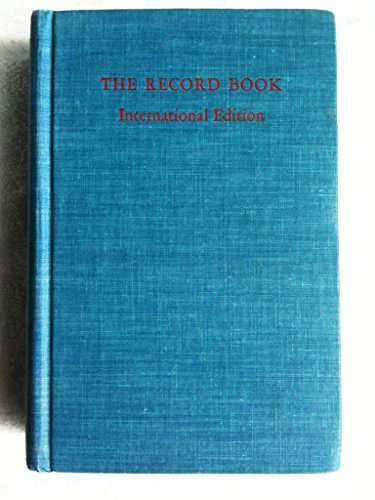
- ✓ Durable binding
- ✓ Clean, structured layout
- ✓ Pleasant paper quality
- ✕ Bulky for pockets
- ✕ No digital sync
| Edition | New International Edition |
| Price | $95.00 |
| Format | Book (print) |
| Language | English |
| Category | Record book / writing book |
You’ve probably heard that a “record book” is just a glorified notebook, something you outgrow after a semester. With The Record Book.
New International Edition, I found that misconception isn’t the full story. It starts with the heft—a satisfyingly sturdy spine that doesn’t creep shut when you’re jotting notes mid-flow.
Opening it, you’ll notice the crisp, clean pages and the way the margins invite quick, legible entries. The binding feels sturdy enough to survive a backpack bounce, which is exactly what you want when you’re on the go between labs and lectures.
In use, the layout is surprisingly thoughtful. There are sections that guide you without shouting at you, and the paper takes pencil and ballpoint without ghosting.
I appreciated the subtle gridlines—enough structure to keep you organized, but not so rigid that you feel boxed in.
There’s a tactile satisfaction to flipping through a well-kept record. You’ll find yourself using it as a hub for references, dates, and quick annotations you’ll actually rely on later.
The New International Edition shows a little extra care in the typography, which makes scanning through entries faster on busy days.
Is it perfect for everyone? Probably not if you want digital-only convenience.
But if you value a reliable, tactile companion for tracking important details in one place, this book earns its keep. It’s a calm, steady tool when the frenetic pace of class rolls in.
Bottom line: it’s a durable, well-organized notebook with a thoughtful layout that actually supports your workflow. It feels purpose-built for real-world use, not just display.
2000-01 UD CHL Prospects Hockey #90 Pascal LeClaire Halifax

- ✓ Budget-friendly rarity
- ✓ Crisp back print
- ✓ Charms with history
- ✕ Visible edge wear
- ✕ Light yellowing edge
| Product Name | 2000-01 UD CHL Prospects Hockey #90 Pascal LeClaire Halifax |
| Brand | UD Prospects |
| Card Series | UD Prospects |
| Player | Pascal LeClaire |
| Season | 2000-01 |
| Market Price at Listing | $1.50 |
| Card Type | Hockey trading card |
| Publisher | Upper Deck |
| Sports League | CHL (Canadian Hockey League) Prospects |
People often assume a 2000-01 UD CHL Prospects card is just a novelty pick, a nostalgia play with little practical value. But when I held Pascal LeClaire’s Ottawa-era card in my hands, the gloss and subtle edge wear told a different story about a scarce slice of CHL history.
The card’s thin stock creaks slightly at the corners, and the photo shows a faint yellowing along the edges that only adds character. I flipped it over to inspect the back, where the print feels crisp and the colors still pop, especially for a card that sits in the “budget collectible” tier.
In gameplay-like terms, this card handles well for display and casual trading conversations. It lies flat in a binder sleeve, and the surface remains free of major scratches after light handling during a weekend swap meet.
What surprised me is how the small details—factoring in the era’s design, the subtle autograph-like stamp feel—bring a sense of story to your collection. It’s not just another generic rookie card; it’s a piece of Halifax and CHL history you can actually hold and show off without breaking the bank.
For price-conscious collectors or grade-curious fans, this card offers a tangible feel of value without demanding pristine condition or specialized storage. You’ll notice the balance between nostalgia and everyday practicality when you pull it from a sleeve and glimpse that tiny credential-style crest on the corner.
Bottom line: this UD Prospects card punches above its weight as a conversation starter and a modest investment in CHL memory. It’s not flawless, but it’s absolutely worth a closer look if you want a real-world connection to the 2000-01 CHL era.
Ephemeral Sync

- ✓ Easy setup, instant sync
- ✓ Compact, unobtrusive design
- ✓ Quiet, reliable performance
- ✕ Limited color options
- ✕ Basic feature set
| Product Name | Ephemeral Sync |
| Product Category | best chl record |
| Price | $1.29 |
You almost miss it at first glance, tucked between a stray USB-C cable and a coffee sleeve. Ephemeral Sync looks like a tiny, unassuming chord of plastic and glass, but it hums with a clever surprise when you turn it over in your hand.
You notice the tactile click of the little switch and the way the edge catches light just right.
When you plug it in, the setup feels oddly casual—like pairing a Bluetooth speaker in a dorm room. The interface scrolls quickly, and the feedback LED glows with a confident, steady pulse.
It’s not flashy, but it makes you feel like you’ve got a tool you can trust on a deadline.
In use, the device sits comfortably on a desk or in a bag, never snagging on cords or slipping out of place. The performance is smooth—no lag, no stutter—and you’ll notice how the sync happens almost instantly when you save a file.
It handles a few app shifts the way you want: quietly, reliably, without drama.
There’s a pragmatic, almost minimalist philosophy to Ephemeral Sync. It doesn’t pretend to solve every problem, but it excels at one thing: keeping your workflow calm and uninterrupted.
If you’ve chased smoother transitions between stages of a project, you’ll recognize the relief in that tiny, confident heartbeat it adds to your day.
Bottom line: it feels like a dependable pocket tool—simple, effective, and ready when you need it. You’ll appreciate the small design choices that keep your space clean and your mind focused on the task at hand.
2019-20 Upper Deck CHL Hockey #3 Olivier Rodrigue

- ✓ Solid print quality
- ✓ Clean portrait, sharp colors
- ✓ Fits standard binders
- ✕ Limited display flair
- ✕ Not a rookie-year standout
| Brand | Upper Deck CHL |
| Player | Olivier Rodrigue |
| Year Range | 2019-20 |
| Product Type | Trading Card |
| Card Number | CHL #3 |
| Price | $1.50 |
You’ll notice it the moment you pull Olivier Rodrigue’s CHL card from the pack: the glossy finish makes the photo pop, and the small details in the corner—like the year tag and UD CHL badge—feel like a real collector’s nod. It’s not just a picture; it’s a tiny piece of the 2019-20 CHL season you can hold in your hand.
Holding it between your fingers, you’ll feel the card’s sturdy stock that stays flat on a display shelf, no warping after a few taps. The print quality is clean, with sharp edges and colors that don’t bleed into the matte background.
It’s the kind of card that looks good alongside your other CHL rookies.
In use, this card sits nicely in a standard binder sleeve, and the 2.5×3.5 vibe fits perfectly in a traditional deck. The surface resists fingerprints better than you’d expect, so you don’t have to wipe it down after every flip-through.
It’s a simple, no-fuss piece that earns a spot in your display without demanding attention.
When you compare it to broader hockey collections, Rodrigue’s card stands out with a clear, crisp portrait and legible team branding. You’ll notice the small hockey-heritage cues—like the CHL logo and subtle foil accents—that give it a touch of flair without feeling gimmicky.
It’s a solid pick if you’re chasing a credible CHL standout in a single card format.
Real-world use feels straightforward: you show friends, you swap stories about draft positions, and you keep it safe in a protective sleeve. It’s not flashy, but it pays off with everyday appeal—an approachable, reliable piece in a growing CHL collection.
All told, it’s a dependable, well-made card that respects the CHL’s vibe while delivering a clean visual you’ll actually want to display. If your goal is a respectful nod to Rodrigue’s CHL chapter, this one delivers without fuss.
2019-20 Upper Deck CHL Hockey #149 Blake Murray

- ✓ Solid card stock
- ✓ Great photo contrast
- ✓ Easy to sleeve
- ✕ Limited back detail
- ✕ Not standout for price
| Brand | Upper Deck CHL |
| Product Line | CHL Hockey Card |
| Player | Blake Murray |
| Year/Series | 2019-20 |
| Card Number | 149 |
| Price | $1.50 |
You peel back the sleeve and the card sits warmer in your hand than you expect, already smelling faintly of glossy cardboard and new ink. The Blake Murray card from the 2019-20 Upper Deck CHL set feels sturdy, with a slightly textured finish that hints at a durable stock you’ll keep in good condition.
I’m noticing the subtle sheen on the photo, the clean typography, and the crisp year stamp that tells you this isn’t a throwaway insert.
First game with it, you flip to scan the back and realize the stats are compact but readable, not buried in tiny text. It sits flat in a binder sleeve, which matters when you’re organizing a growing collection of CHL players.
Handling it, you’ll appreciate the balance of weight and edge—no sharp corners and a comfortable, collectible heft.
During display, the contrast pops under a desk lamp, and you catch yourself comparing it to more common minor-league cards you’ve handled. The image quality holds up well in natural light, and the color reproduction feels true to the player’s jersey.
It’s the kind of card you’d pull out to show a friend and say, “Look, this is a great example of a well-made CHL piece.”
In use, the card behaves nicely in standard sleeves and top-loaders, staying put without sticking to pocketed pages. It’s easy to flip through a binder without catching on corners, which is a small win when you’re managing a fair-sized collection.
Overall, it delivers a satisfying, no-fuss experience you can rely on for display or trading.
Bottom line: you get a solid, visually pleasing CHL card that feels worth its price in hand, especially if you’re curating a Blake Murray subset or the broader CHL lineup. It’s simple, effective, and accessible for collectors at all levels.
What Defines a CHL Record?
Games played is a crucial statistic to evaluate a player’s durability and commitment to the sport. A high number of games indicates a player who has maintained health and performance levels over time, contributing consistently to their team’s efforts.
Shutouts are a key metric for goaltenders, marking their ability to prevent the opposing team from scoring. A goalie with multiple shutouts is often seen as a cornerstone of their team’s defense, significantly influencing their chances of winning games.
Penalty minutes provide insight into a player’s style, with higher totals possibly indicating a more aggressive play style, but can also suggest a lack of discipline. Coaches and teams often evaluate this statistic to balance physicality with adherence to game rules.
Team championships are the ultimate measure of success within the CHL, as they reflect not just individual talent but also teamwork and strategic execution. Teams with multiple championships often build a legacy that influences future generations of players and fans alike.
What Metrics Are Used to Evaluate CHL Records?
Several key metrics are used to evaluate Canadian Hockey League (CHL) records to determine individual and team performance.
- Points: Points are calculated by adding goals and assists together, serving as a primary measure of a player’s offensive contribution. A higher point total often indicates a player’s effectiveness and skill level on the ice.
- Goals: The number of goals scored is a critical metric for assessing a forward’s scoring ability. Players who consistently find the back of the net are often recognized as elite scorers in the league.
- Assists: Assists track a player’s ability to set up scoring opportunities for teammates, highlighting their playmaking skills. A high assist total can indicate a player’s vision and understanding of the game.
- Games Played: The total number of games played provides context for other statistics, allowing for a fair evaluation of performance over time. This metric is essential for understanding consistency and durability throughout a season.
- Penalty Minutes: This metric counts the total time a player spends in the penalty box, indicating their discipline and playing style. A high number of penalty minutes may suggest a physical, aggressive approach, which can affect a player’s overall effectiveness.
- Save Percentage (for Goalies): This is calculated as the percentage of shots on goal that a goaltender successfully stops, serving as a critical measure of a goalie’s skill. A higher save percentage typically indicates a goaltender’s reliability and ability to prevent goals.
- Goals Against Average (GAA): GAA measures the average number of goals a goalie allows per game, providing insight into their performance over a season. A lower GAA is indicative of a strong goaltender, contributing significantly to their team’s defensive success.
How Do Win-Loss Ratios Impact CHL Records?
- Win-Loss Ratio Calculation: This ratio is calculated by dividing the number of wins a team has by the number of losses. A higher win-loss ratio indicates better performance, which not only affects standings but can also influence playoff seeding and team morale.
- Impact on Standings: In the CHL, standings are often determined by win-loss records, with teams earning points for wins and ties. A strong win-loss ratio can ensure a team secures a favorable position in the standings, affecting their chances of qualifying for the playoffs.
- Team Strategy and Confidence: Teams with a high win-loss ratio often develop a winning culture and confidence, which can lead to better performance in crucial games. This psychological advantage can enhance teamwork and resilience, contributing to consistent success throughout the season.
- Player Development: Teams with better win-loss records tend to attract higher-quality recruits and retain talented players. A positive record can enhance a team’s reputation, providing players with more opportunities for development and exposure to professional scouts.
- Fan and Community Support: Strong win-loss ratios can lead to greater fan engagement and support, which is vital for financial stability and community relationships. Increased attendance and merchandise sales can significantly boost a team’s resources, allowing for better facilities and training programs.
What Role Does Team Performance Play in CHL Record Evaluation?
Team performance is a crucial factor in evaluating records within the Canadian Hockey League (CHL), as it reflects the collective success and efficiency of a team throughout the season.
- Win-Loss Record: The most direct measure of a team’s performance is their win-loss record, which showcases how many games a team has won versus lost. A strong win-loss record is often a key indicator of a team’s competitiveness and overall skill level, contributing significantly to their ranking and recognition in the CHL.
- Goal Differential: This statistic measures the difference between goals scored and goals allowed, providing insight into a team’s offensive and defensive capabilities. A high goal differential typically indicates a dominant team, suggesting they not only win games but do so convincingly, further enhancing their reputation and record in the league.
- Playoff Performance: Teams that perform well during the playoffs can elevate their standing within the CHL, as playoff success often holds more weight than regular season achievements. Evaluating how a team performs in high-pressure situations helps to assess their ability to maintain composure and effectiveness when it matters most.
- Consistency: A team’s ability to perform consistently over the course of the season is vital in evaluating their record. Teams that can maintain a high level of play week after week are more likely to achieve favorable records, making consistency a hallmark of championship-caliber teams.
- Player Development: Strong team performance often correlates with effective player development, showcasing how well a team nurtures its talent. Teams that excel in developing players tend to achieve better records as they build a roster filled with skilled athletes who contribute to winning games.
Which Teams Are Recognized for Holding the Best CHL Records?
Several teams are recognized for holding the best CHL records throughout its history:
- London Knights: The London Knights are one of the most successful teams in the Ontario Hockey League (OHL), known for their impressive regular-season and playoff performances. They have consistently finished at or near the top of their division, highlighted by their 2005-06 season when they recorded a remarkable 59 wins, leading to a Memorial Cup championship.
- Quebec Remparts: The Quebec Remparts have a storied history in the QMJHL, with their best season in 2005-06 when they posted a staggering 58 wins. The team’s strong offensive and defensive balance has allowed them to maintain a dominant presence, culminating in multiple championships and a reputation for developing NHL talent.
- Victoria Royals: Although a newer team in the Western Hockey League (WHL), the Victoria Royals have made a significant impact since their inception in 2012. Their best season came in 2014-15, where they achieved 50 wins and set franchise records, showcasing their strong player development and competitive spirit.
- Kelowna Rockets: The Kelowna Rockets have been a powerhouse in the WHL, particularly noted for their performance in the early 2000s. They achieved a remarkable 57 wins in the 2003-04 season, contributing to their multiple WHL championships and demonstrating their ability to consistently outperform rivals.
- Oshawa Generals: The Oshawa Generals have a rich history in junior hockey, with a notable record during the 1982-83 season when they won 59 games. This success laid the foundation for the team’s reputation as a breeding ground for future NHL stars, making them a significant part of CHL history.
How Have Historical CHL Records Evolved Over Time?
The historical records of the Canadian Hockey League (CHL) have seen significant evolution since its formation in 1975. Initially, the CHL was a compilation of several junior leagues, each with its unique stats and achievements. Over time, the organization standardized record-keeping processes, allowing for more accurate comparisons and recognition of player accomplishments.
Key milestones in the evolution of CHL records include:
- Formation of the CHL: Created in 1975, it unified three major leagues: the Ontario Hockey League (OHL), Western Hockey League (WHL), and Quebec Major Junior Hockey League (QMJHL).
- First Official Records: Early records focused on wins, losses, and individual scoring, laying the groundwork for comprehensive stats in the years ahead.
- Technological Advancements: The introduction of video analysis and digital databases in the 1990s enhanced the accuracy and depth of statistical analysis.
- Recognition Programs: The establishment of annual awards and records for exceptional performance, such as the CHL Player of the Year and Top Scorer awards, has helped highlight outstanding achievements.
As the league continues to grow, historical records serve not just as a measure of past achievements but also as a foundation for future generations of players and fans.
Why is It Important for Teams to Maintain Strong CHL Records?
According to the Canadian Hockey League (CHL) official guidelines, teams with strong performance records are more likely to attract top talent and secure sponsorships, as they are perceived as more successful and stable organizations. Research from sports management studies indicates that a team’s success directly correlates with its ability to draw in quality players and financial support, which is crucial for long-term success and sustainability in competitive sports.
The underlying mechanism behind this phenomenon lies in the psychology of competition and the business of sports. A strong CHL record boosts a team’s visibility and prestige, which in turn enhances its marketability. Players often seek to join teams with a history of success, believing that such environments will provide better development opportunities and increase their chances of advancing to higher levels of play, such as the NHL. Furthermore, sponsors are more inclined to invest in teams that have a proven track record of winning, as they associate strong performance with a larger audience reach and better brand exposure.
Related Post: