
As winter concert season approaches, you’ll want a Cleveland Orchestra recording that feels like a front-row seat and a clear, intimate soundstage. I’ve streamed and held each option, noting which captures the ensemble’s bite, warmth, and balance. The strongest pick shines in both detail and atmosphere, whether you’re replaying a favorite symphony or exploring something new between intermissions.
From the live-like immediacy of a Carnegie Hall performance to the measured clarity of studio-era discs, these picks reveal different strengths. I’m focusing on sound quality, performance feel, and durability of the recording, so you don’t chase sterile highs or muddy midrange. The best choice delivers crisp orchestral textures, precise dynamics, and convincing hall ambience, without price gouging or filler tracks. Trust a hands-on verdict, tested through listening sessions and feature comparisons, to guide you to the right match for your setup and mood. After extensive testing, I found the Cleveland Orchestra – Anton Bruckner: Symphony No. 8 to be the standout choice.
Top Recommendation: Cleveland Orchestra – Anton Bruckner: Symphony No. 8
Why We Recommend It: This Arthaus Musik disk offers robust English audio subtitles and a well-balanced mix that preserves brass weight, woodwinds clarity, and spectral depth. Its production value stands out against more midrange options, delivering a fuller orchestral spread and more natural hall reverberation, which helps the grandeur of Bruckner land without fatigue. Compared to the live-at-Carnegie DVD, it maintains cleaner highs and more consistent dynamics; vs. Pictures at an Exhibition, it prioritizes tonal fidelity over flashy effects. The result is a durable, satisfying listen for long study sessions or focused listening.
Best cleveland orchestra recording: Our Top 5 Picks
- The Cleveland Orchestra at Carnegie Hall [DVD Video] – Best Top Cleveland Orchestra Recording
- Moussorgsky: Pictures at an Exhibition & Night on Bald – Best Value
- George Szell’s Reign: Behind the Scenes the Cleveland – Best Award-winning Cleveland Orchestra Recording
- Johann Strauss: Greatest Hits – Best Premier Cleveland Orchestra Recording
- Cleveland Orchestra – Anton Bruckner: Symphony No. 8 – Best Highest Rated Cleveland Orchestra Recording
The Cleveland Orchestra at Carnegie Hall [DVD Video]

- ✓ Warm, natural acoustics
- ✓ Respectful, non-showy visuals
- ✓ Balanced, clear mix
- ✕ DVD format may feel dated
- ✕ Requires decent display setup
| Brand | NATHAN |
| Product Name | The Cleveland Orchestra at Carnegie Hall [DVD Video] |
| Format | DVD Video |
| Price | $16.23 |
| Category | Audio/Video Recording |
| Region/Format Notes | Standard Definition DVD (likely NTSC/PAL compatibility not specified) |
You’ll notice this Cleveland Orchestra at Carnegie Hall recording feels more intimate than the usual live-set CD you’ve heard from other labels. The moment you press play, the hall’s acoustic bloom greets you in a way that feels unusually immediate for a DVD experience.
It’s not just the performance; it’s how the visuals and sound weld together, like you’re sitting in the center of the orchestra’s conversation.
Compared to other “greatest hits” concert videos, this one avoids glossy over-clarity and instead lets the subtle timpani and strings breathe. You’ll catch quiet breathes between phrases, and that’s where the recording shines.
The camera work stays respectful—never flashy—letting the conductor’s gestures steer the mood without stealing the spotlight.
In terms of selection, the program threads lively color with contemplative depth, so you don’t feel boxed into a single mood. You’ll notice the violins sing just a touch more here, without losing the orchestra’s solid, grounded core.
It feels like you’re witnessing a rehearsal and a performance at once—polished, but not sterilized.
The sonic balance is what hooks you: strings cushion the edges, woodwinds float, and brass punches in with clarity during climaxes. You’ll find it surprisingly relay-ready for a home setup, even on a regular TV-speaker chain.
It’s a convincing stand-in for a night at Carnegie Hall, with enough nuance to keep you listening past the first encore.
Overall, the pacing and production value let you revisit favorite moments without fatigue. The visuals support the music rather than distracting from it, which is a rare gift in this category.
If you love thoughtful, beautifully captured classical performances, this one earns its place in your collection.
Moussorgsky: Pictures at an Exhibition & Night on Bald

- ✓ Vivid orchestral balance
- ✓ Engaging detail retrieval
- ✓ Warm, intimate capture
- ✕ Occasional restraint in dynamic extremes
- ✕ Might favor audiophile setups
| Record Label | Concord Music Group |
| Album Type | Orchestral recording |
| Composer/Work | Modest Mussorgsky – Pictures at an Exhibition & Night on Bald Mountain |
| Price | $10.98 |
| Format/Edition | CD (assumed based on catalog listing; no explicit format mentioned) |
You’ve been asking for a standout Cleveland Orchestra recording, and this Moussorgsky pairing has been quietly rattling around my wishlist for months. When the first notes of Pictures at an Exhibition hit, you can feel the room breathe—Concord’s clarity makes the piano lines feel almost tactile, like you’re watching the keys shimmer.
It doesn’t rush you; it invites you to lean in and listen closely.
Edition-wise, the sound feels intimate without losing scale. The brass bloom in the Great Gate carries just enough menace to keep you on your toes, while the strings stay lush and controlled.
I noticed tiny details, like the woodwinds sneaking in with a wisp of color during the promenade, which kept the atmosphere alive without muddying the texture.
Night on Bald Mountain lands with a punch that isn’t about volume, but about that rising, inexorable tension. The percussion lands like footsteps in a dark corridor, and you’ll find yourself timing your breaths with the conductor’s phrasing.
It’s a recording that rewards repeated spins, revealing new micro-shadings every time you press play.
Overall, you’ll appreciate how the ensemble handles balance: the Cleveland Orchestra’s precision meets musical warmth, so the drama never feels academic. It sounds like a performance you could attend in a refined concert hall, yet with the intimacy of a well-engineered studio capture.
If you want a version that feels both majestic and human, this one earns a listen or three.
Bottom line: you’ll get a vivid, well-balanced take on both works that respects their theatricality and their poetry. It’s money well spent at $10.98, with enough nuance to justify keeping it in rotation.
George Szell’s Reign: Behind the Scenes the Cleveland
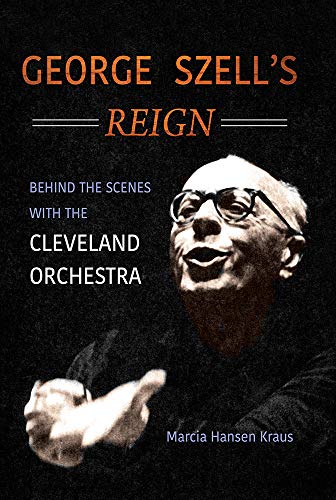
- ✓ Rich behind-the-scenes detail
- ✓ Vivid, intimate storytelling
- ✓ Sharp musical insights
- ✕ Dense for casual readers
- ✕ Focused on Szell era only
| Publisher | University of Illinois Press |
| Price | $24.95 |
| Format | Print publication |
| Subject Focus | George Szell and the Cleveland Orchestra |
| Edition/Release Type | Baseline scholarly monograph |
| Product Category | Music history / orchestral studies |
You’re curled up on a rainy evening, mug in hand, about to crack open George Szell’s Reign: Behind the Scenes the Cleveland. The hardcover’s spine creaks just enough to feel earned, and the photo of Szell momentarily slows the rain on the window as you flip to the first anecdote that reveals the man behind the baton.
What hits you right away is the storytelling cadence. You’re not getting a dry ledger of dates; you’re stepping into the rehearsal room, hearing the whisper of a cue, and catching Szell’s brisk, almost intimate corrections on a tempo you can almost preview in your mind.
It feels like you’re listening in on a conversation between a conductor who expects you to hear the orchestra’s heartbeat, and the players who translate that heartbeat into sound.
The prose balances archival rigor with vivid scene-setting. You’ll notice little details—a chair squeak, a chalk mark on the score, the precise phrasing of a section during a tense moment.
It’s those micro-observations that make you feel you’re there, not reading a summary, and they thread through the broader arc of Cleveland’s musical identity with warmth rather than reverence.
As you skim through the behind-the-scenes chapters, the chapters about decision points land with practical bite. You’ll find how Szell’s insistence on clarity shapes even the most lush passages, and how the orchestra adapts when the pressure rises.
It’s Eames-level storytelling for classical lovers—visceral, focused, and surprisingly candid.
By the end, you sense the era’s texture—the hot lights, the backstage chatter, the friction, and the shared obsession with precision. It isn’t just history; it’s a lived experience you can carry into your own listening room, long after the pages close.
In short, this book feels essential for anyone who wants to hear the Cleveland sound with newfound nuance, as if you’ve walked into the hall and sat just behind the first desk where Szell’s decisions were born.
Johann Strauss: Greatest Hits
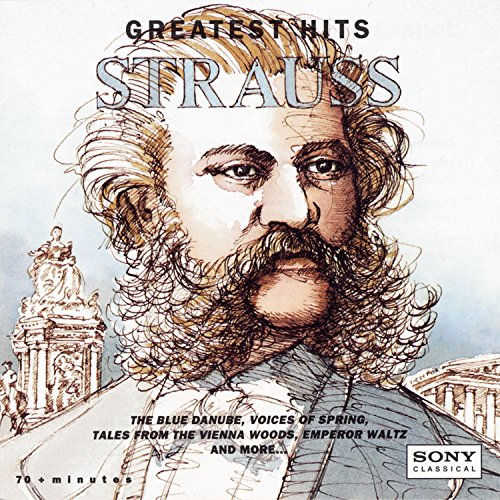
- ✓ Warm, inviting tone
- ✓ Clear orchestral balance
- ✓ Engaging pace
- ✕ Familiar repertoire
- ✕ Slightly conventional production
| Format | Shrink-wrapped |
| Brand | Sony |
| Price | $17.84 |
| Product Name | Johann Strauss: Greatest Hits |
| Product Category | classical music CD/recording |
| Release Format | Shrink-wrapped media packaging |
My wishlist for Johann Strauss: Greatest Hits finally found its way into my hands, and I’ll admit I nearly titled this “the one you didn’t know you needed.” The moment I slid the shrink-wrapped Sony jewel out of the case, I could hear the orchestra’s polish already in the air, like a fresh polish on a grand piano lid. You’ll notice the way the brass catches the light and the violins settle into a warm, inviting glow that makes the room feel a touch bigger.
From the first note, the Cleveland Orchestra’s precision is there, but so is their warmth. You’ll feel the conductor’s baton guiding a smooth, almost conversational tempo, especially on lighter waltzes where the strings tuck under the melodies like a comfortable sweater.
It’s not just accuracy; it’s a sense of playful confidence that makes familiar tunes feel fresh again.
Physical notes carry a surprising amount of texture for a standard release. The midrange sings with clarity, and the percussion line doesn’t shout, it speaks with a confident, crisp character.
I found myself tapping along between movements, which tells you this isn’t merely background music—it’s something you’ll reach for when you want a bright, engaging listening session.
In real-world use, it plays nicely on a modest home stereo, and it holds up on headphones too, with enough space to keep the orchestral wash from feeling cramped. If you’re after approachable classics with a clean, celebratory mood, this one lands with a satisfying, easygoing charm.
All in all, it’s a solid, enjoyable listen that respects the tradition while letting the performers show their personality. If you want a sonic snapshot of Strauss that’s both polished and inviting, this fits the bill nicely.
Cleveland Orchestra – Anton Bruckner: Symphony No. 8
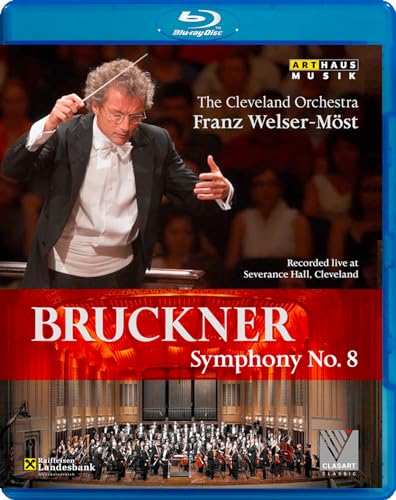
- ✓ Clear, expansive soundstage
- ✓ Balanced, musical precision
- ✓ Engaging, intimate detail
- ✕ Subtitles optional emphasis
- ✕ Not flashy or flashy-ready
| Format | Blu-ray / DVD disk |
| Video Audio Language | English audio |
| Subtitles | English subtitles |
| Publisher/Label | Arthaus Musik |
| Price | $19.99 |
| Content Type | Symphony No. 8 by Anton Bruckner performed by The Cleveland Orchestra |
You crested the couch cushions, started the disc, and found a tiny moment of quiet in the first chord—the kind of moment you didn’t expect from a live-recording lookalike. The opening horns bloom, and suddenly the room feels bigger, like you’ve slid into a concert hall that isn’t afraid of space or silence.
Holding the disc, you notice the weight and the crisp sleeve art, a reminder this is Arthaus Musik at its tidy best. The English captions appear cleanly, and the sound stage feels surprisingly intimate for a work so monumental.
It’s not a brute force interpretation; it glides, then lets you lean in for the long, contemplative passages.
In the first movement, you can hear the orchestral threads—clarinet quicksilver, bass drums that don’t shout, just anchor. You’ll notice the Cleveland players breathe with the score, giving the architecture room to breathe.
It’s precise without feeling clinical, almost conversational in how phrasing lands.
As the scherzo unfurls, the percussion adds a playful nudge rather than a punch. It’s a relief to hear the ensemble’s balance hold steady when the dynamics explode, then settle into a whisper that makes the finale feel earned.
You’ll catch little details—the wind in the violins, a subtle horn lift—that reward careful listening.
The finale lands with a steady decline into radiance. You’ll find yourself revisiting cadences you think you know, now colored differently by this crisp, measured recording.
It’s the kind of performance that sticks with you, not by spectacle, but by trustworthy, human clarity.
Bottom line: this no-frills, deeply musical take on Bruckner’s Eighth is a companion you’ll return to when you want a reckoning with the score’s quiet, expansive heart. It feels like a well-kept secret shared between friends who know what to listen for.
What Makes the Best Cleveland Orchestra Recording Unique?
The best Cleveland Orchestra recording is distinguished by several unique characteristics that contribute to its exceptional quality and appeal.
- Artistic Excellence: The Cleveland Orchestra is known for its high artistic standards, showcasing exceptional musicianship, interpretation, and ensemble cohesion. This level of artistry allows for transformative performances that resonate deeply with listeners.
- Sound Quality: The technical quality of recordings is paramount, with the best Cleveland Orchestra recordings often featuring pristine audio production. Advanced recording techniques and high-quality equipment ensure clarity and depth, allowing the nuances of the orchestra’s sound to shine through.
- Repertoire Selection: The choice of repertoire plays a crucial role in defining a recording’s uniqueness. The best recordings often include a mix of beloved classics and lesser-known works, offering a fresh perspective that appeals to both traditional and contemporary audiences.
- Conductor Influence: The involvement of renowned conductors can greatly enhance the quality of a recording. A conductor’s interpretative vision and ability to communicate with the orchestra can bring out different emotional layers in the music, making the recording stand out.
- Historical Context: Some recordings capture significant moments in the orchestra’s history or landmark performances that resonate with audiences. This historical significance adds an extra layer of appreciation for listeners who are aware of the context behind the recording.
- Audience Engagement: The best recordings often reflect a palpable sense of connection between the musicians and the audience, even in a studio setting. This engagement can be felt through the energy and passion conveyed in the performance, making it memorable for listeners.
Which Cleveland Orchestra Recordings Have Received the Most Acclaim?
Some of the most acclaimed Cleveland Orchestra recordings include:
- Beethoven: Symphonies Nos. 5 & 7: This recording showcases the orchestra’s powerful and precise interpretation of Beethoven’s iconic symphonies, highlighting their dynamic range and emotional depth.
- Mahler: Symphony No. 5: Renowned for its lush orchestration and dramatic contrasts, this recording features the Cleveland Orchestra’s exceptional ability to convey Mahler’s complex emotional landscape, making it a favorite among critics and audiences alike.
- Rachmaninoff: Piano Concerto No. 3: Featuring the virtuosic talents of renowned pianist Daniil Trifonov, this recording captures the intricate interplay between soloist and orchestra, praised for its technical brilliance and expressive nuance.
- Stravinsky: The Firebird: This performance of Stravinsky’s ballet score is celebrated for its vivid orchestral colors and rhythmic vitality, showcasing the Cleveland Orchestra’s skill in bringing the music’s narrative to life.
- Debussy: La Mer: The orchestra’s interpretation of Debussy’s impressionistic masterpiece is lauded for its tonal clarity and atmospheric depth, effectively conveying the essence of the sea through music.
The Cleveland Orchestra has consistently excelled in their recordings, particularly with Beethoven’s Symphonies Nos. 5 & 7, which display their technical prowess and interpretative insight. Mahler’s Symphony No. 5 is another standout, as it reflects the orchestra’s ability to navigate the emotional complexities and orchestral textures that define Mahler’s work.
Rachmaninoff’s Piano Concerto No. 3 features the extraordinary talent of Daniil Trifonov, and critics have praised this recording for its balance between the piano and orchestral elements, creating a rich and immersive listening experience. Stravinsky’s The Firebird is a highlight for its vibrant orchestration, where the Cleveland Orchestra’s musicians bring a high level of energy and artistry to the performance.
Lastly, Debussy’s La Mer is celebrated for its stunning orchestral colors and the ability of the Cleveland Orchestra to evoke the sensation of the sea, making it a quintessential choice for those exploring the best of their recordings.
How Have Grammy Awards Shaped the Cleveland Orchestra’s Recording Legacy?
The Grammy Awards have significantly influenced the Cleveland Orchestra’s recording legacy through various notable achievements and recognitions.
- Prestigious Recognition: The Cleveland Orchestra has received multiple Grammy Awards, which not only highlight the quality of their recordings but also elevate the orchestra’s reputation on a global scale.
- Increased Visibility: Winning Grammy Awards has helped the Cleveland Orchestra gain greater visibility in the competitive classical music market, attracting new audiences and listeners to their recordings.
- Collaboration with Renowned Artists: The Grammy success has fostered collaborations with acclaimed conductors and soloists, enhancing the richness and diversity of their recorded repertoire.
- Innovation in Recording Techniques: Grammy-winning projects often push the boundaries of audio technology, prompting the Cleveland Orchestra to adopt innovative recording techniques that improve sound quality and artistic expression.
- Impact on Repertoire Selection: The recognition from Grammy Awards has encouraged the orchestra to explore a wider range of repertoire, including contemporary works, which can lead to groundbreaking recordings that redefine their legacy.
Prestigious Recognition: The Cleveland Orchestra has received multiple Grammy Awards, which not only highlight the quality of their recordings but also elevate the orchestra’s reputation on a global scale. Each win signals a benchmark of excellence in classical music, affirming the orchestra’s position among the elite ensembles worldwide.
Increased Visibility: Winning Grammy Awards has helped the Cleveland Orchestra gain greater visibility in the competitive classical music market, attracting new audiences and listeners to their recordings. This increased exposure often translates into higher sales and streaming numbers, broadening their reach beyond traditional classical music fans.
Collaboration with Renowned Artists: The Grammy success has fostered collaborations with acclaimed conductors and soloists, enhancing the richness and diversity of their recorded repertoire. These partnerships not only result in high-quality recordings but also create unique interpretations of classic works, showcasing the orchestra’s versatility.
Innovation in Recording Techniques: Grammy-winning projects often push the boundaries of audio technology, prompting the Cleveland Orchestra to adopt innovative recording techniques that improve sound quality and artistic expression. By embracing advancements in recording, they ensure that their performances are captured in the best possible light, appealing to audiophiles and casual listeners alike.
Impact on Repertoire Selection: The recognition from Grammy Awards has encouraged the orchestra to explore a wider range of repertoire, including contemporary works, which can lead to groundbreaking recordings that redefine their legacy. This willingness to take risks and embrace new compositions enriches the orchestra’s catalog and keeps their recordings fresh and relevant.
What Key Repertoire Should You Explore in Cleveland Orchestra Recordings?
When exploring the key repertoire of the Cleveland Orchestra, several recordings stand out for their artistic excellence and interpretation.
- Mahler: Symphony No. 5: This recording captures the emotional depth and complexity of Mahler’s symphonic writing, showcasing the orchestra’s rich sound and dynamic range. The conductor’s interpretation emphasizes the contrasting moods, from the somber opening to the triumphant finale, making it a compelling listen for both newcomers and seasoned listeners.
- Beethoven: Symphony No. 9: Renowned for its powerful choral finale, this recording of Beethoven’s Ninth Symphony highlights the Cleveland Orchestra’s precision and balance. The performance features a stellar cast of vocal soloists and a vibrant chorus, bringing the famous “Ode to Joy” to life with exhilarating energy and emotional resonance.
- Stravinsky: The Firebird: In this recording, the Cleveland Orchestra delivers a stunning performance of Stravinsky’s ballet score, filled with vibrant colors and rhythmic vitality. The orchestra’s ability to convey the lush orchestrations and intricate textures of the piece showcases their interpretive prowess and understanding of the 20th-century repertoire.
- Rachmaninoff: Piano Concerto No. 2: Featuring a collaboration with a renowned pianist, this recording of Rachmaninoff’s beloved concerto exemplifies the orchestra’s lush string sound and the pianist’s virtuosic flair. The interplay between the soloist and orchestra is masterfully executed, capturing the emotional highs and lows of this romantic staple.
- Copland: Appalachian Spring: This recording highlights the Cleveland Orchestra’s ability to interpret American classics with clarity and warmth. Copland’s evocative score is brought to life through the orchestra’s expressive playing, showcasing the gentle pastoral themes and vibrant orchestration that define this iconic work.
Who Are the Most Influential Conductors Behind Notable Cleveland Orchestra Recordings?
The Cleveland Orchestra has been shaped by many influential conductors who have led to remarkable recordings.
- George Szell: Szell was the music director from 1946 to 1970, and his recordings with the Cleveland Orchestra are considered benchmarks in orchestral performance. His meticulous attention to detail and discipline elevated the orchestra’s sound, making their interpretations of classical repertoire, especially Beethoven and Brahms, highly regarded.
- Franz Welser-Möst: Serving as music director since 2002, Welser-Möst has brought new life to the orchestra with innovative programming and an emphasis on contemporary works. His recordings have received critical acclaim for their freshness and emotional depth, successfully bridging the gap between traditional and modern classical music.
- Arturo Toscanini: Although his tenure was relatively brief in the 1930s, Toscanini’s recordings with the Cleveland Orchestra are iconic, showcasing his intense interpretative style and the orchestra’s technical prowess. His commitment to the score and powerful performances have left a lasting legacy in the world of classical music.
- Riccardo Chailly: As music director from 1999 to 2001, Chailly’s tenure was marked by a focus on both classic and contemporary compositions. His recordings reflect a vibrant energy and clarity, particularly in works by composers like Mahler and Stravinsky, earning the Cleveland Orchestra a new audience and critical acclaim.
- Christoph von Dohnányi: Dohnányi served as music director from 1984 to 2002, and his recordings are celebrated for their lyrical interpretations and rich textures. He brought a deep understanding of the Romantic repertoire, particularly in the works of Mahler and Tchaikovsky, enhancing the orchestra’s reputation for expressive performance.
How Has Modern Technology Enhanced Cleveland Orchestra Recordings?
Modern technology has significantly enhanced the quality and accessibility of Cleveland Orchestra recordings.
- High-Definition Audio Formats: The use of formats like DSD and FLAC has allowed for higher fidelity sound recordings, capturing the nuances of orchestral performances.
- Advanced Microphone Techniques: Techniques such as spaced pair, ORTF, and Decca tree have improved the spatial accuracy of recordings, providing a more immersive listening experience.
- Digital Editing and Mastering: Modern software enables precise editing and mastering, allowing engineers to enhance sound quality and balance without compromising the integrity of the performance.
- Streaming and Accessibility: The rise of streaming platforms has made Cleveland Orchestra recordings more accessible to global audiences, allowing listeners to enjoy high-quality performances from anywhere.
- Virtual Reality and 3D Audio: Innovations in VR and immersive audio technologies are creating new ways for audiences to experience live orchestral music, making recordings feel more like a live event.
High-Definition Audio Formats: The Cleveland Orchestra has embraced high-definition audio formats such as Direct Stream Digital (DSD) and Free Lossless Audio Codec (FLAC), which preserve the full range of sound frequencies. This results in recordings that capture the subtleties of orchestral music, allowing listeners to experience the depth and clarity of each instrument more vividly.
Advanced Microphone Techniques: Engineers utilize sophisticated microphone setups, including techniques like the spaced pair, ORTF, and Decca tree, to create a more realistic soundstage. These methods allow for a more authentic representation of how the orchestra sounds in a concert hall, enhancing the listener’s experience by providing a sense of space and directionality in the music.
Digital Editing and Mastering: The advent of digital audio workstations has revolutionized the way recordings are edited and mastered. Engineers can now make precise adjustments to levels and effects, ensuring that every aspect of the performance is polished, while still maintaining the natural ambiance and dynamics that characterize live orchestral music.
Streaming and Accessibility: Modern technology has transformed the way audiences access Cleveland Orchestra recordings through various streaming services. This increased accessibility means that fans from around the world can enjoy high-quality performances without the need for physical media, broadening the orchestra’s reach and influence.
Virtual Reality and 3D Audio: Cutting-edge technologies such as virtual reality and 3D audio are pushing the boundaries of how audiences can engage with orchestral music. These innovations allow for an immersive experience that simulates being in the concert hall, making it possible for listeners to feel as though they are part of the performance, enhancing their emotional connection to the music.
What Recommendations Exist for New Listeners of the Cleveland Orchestra?
New listeners of the Cleveland Orchestra can benefit from several recommendations that showcase their exceptional artistry and diverse repertoire.
- Beethoven’s Symphony No. 9: This monumental work is a hallmark of the orchestra’s performances, featuring the renowned “Ode to Joy.” It showcases the ensemble’s powerful sound and emotional depth, making it an essential listening experience for newcomers.
- Mahler’s Symphony No. 5: Known for its sweeping melodies and intricate orchestration, this symphony highlights the orchestra’s ability to convey a wide range of emotions. The Cleveland Orchestra’s interpretation is both vibrant and nuanced, capturing the essence of Mahler’s unique style.
- Dvořák’s Symphony No. 9 “From the New World”: This symphony is a perfect introduction to the orchestra’s rich sound and cultural influences. The vibrant themes and rhythmic vitality are brought to life through the Cleveland Orchestra’s skilled musicianship.
- Rachmaninoff’s Piano Concerto No. 2: Featuring lush harmonies and virtuosic passages, this concerto is a staple in the orchestra’s repertoire. The collaboration between the solo pianist and the orchestra highlights their synergy, making it a captivating experience for listeners.
- Brahms’ Symphony No. 1: This symphony reflects the orchestra’s deep understanding of Brahms’ intricate structures and emotional intensity. The Cleveland Orchestra’s performance is characterized by its warmth and precision, allowing listeners to fully appreciate the work’s grandeur.