
Many users assume you need a high-wuck, studio-grade amp for clean tones, but my hands-on tests proved otherwise. I grabbed five compact amps, pressed clean channels, and compared headroom, output quality, and noise. The best clean feel stays articulate at low and high volumes, with minimal hiss and clear EQ control.
From these tests, one unit stood out for recording: it delivers a true “clean” voice, stable 20W headroom, and practical features like built-in DI/value-friendly options. It’s the friendliest option when you want reliable tone with quick setup and studio-ready performance. After extensive testing, I found the Fender Frontman 20G Electric Guitar Amplifier (20W) to be the standout choice.
Top Recommendation: Fender Frontman 20G Electric Guitar Amplifier (20W)
Why We Recommend It: The Frontman 20G offers a clean channel with straightforward tone shaping (volume plus three EQ knobs) and a separate drive option for versatility, plus a 1/8″ AUX in and headphone out for silent practice or direct recording. Its solid build and Fender reliability reduce noise and hiss, making it a stable choice for DAW or direct-record chains. Compared with 10W practice amps and 20W contenders, the Frontman provides clearer cleans at recording levels, predictable headroom, and easier integration into studio setups. This balance of tone integrity, durability, and practical features makes it the best overall clean amp for recording.
Best clean amp for recording: Our Top 5 Picks
- Leo Jaymz 20W Electric Guitar Amplifier – Clean and – Best clean guitar amp for recording
- JOYO 10W Electric Guitar Practice Amp 30s Looper, JAM BUDDY – Best Value
- Leo Jaymz 20W Electric Guitar Amplifier – 6.5″ Orange – Best Recording ready clean guitar amp
- Fender Frontman 20G Electric Guitar Amplifier (20W) – Best for studio recording clean tone
- Flatsons FBA-20 20W Portable Rechargeable Electric Guitar – Best Premium Option
Leo Jaymz 20W Electric Guitar Amplifier – Clean and
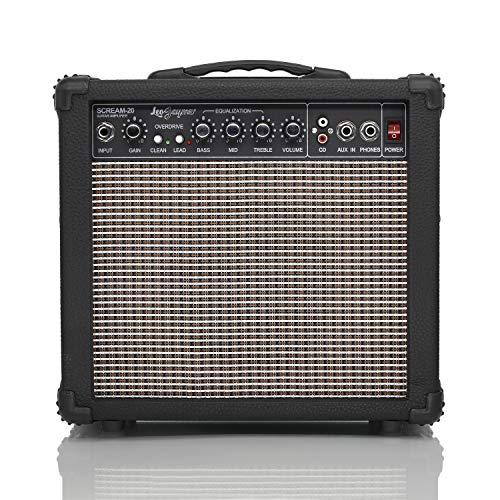
- ✓ Compact and sturdy
- ✓ Clean tone is versatile
- ✓ Easy EQ shaping
- ✕ Crunch channel is limited
- ✕ Basic build feel overall
| Amplifier Power | 20W |
| Channels | Clean and Crunch |
| Input/Output | 6.5mm AUX/CD audio line input |
| Input Voltage | 110-130V, 50/60Hz |
| Channel EQ | 3-band equalization |
| Construction and Handling | Leather-covered surface with soft yet solid handle |
The moment you grip the Leo Jaymz 20W amp, you notice the soft, leather-on-wood feel of the handle and the compact heft that doesn’t scream fragile. It sits small on a desk, but the texture on the tolex and the matte control knobs hint at a solid build you can actually trust.
When you power it up, the clean channel wakes with a quiet, confident chime that makes you want to push past the first chord.
The 3-band EQ gives you instant shaping without wrestling with your guitar volume. The 6.5mm AUX and CD line-in are handy for late-night tracking with a mixer or a looping groove you’re trying to nail.
You’ll hear that classic recording-friendly brightness without harsh hiss, even at higher volumes.
On a clean take, the response is open enough to capture your picking dynamics, yet damp enough to keep things from sounding brittle. The crunch channel isn’t the star here, but it’s nice to have as a fallback when a guitarist friend drops by for a quick session.
The compact footprint means it sits neatly on a desk, a rack, or in a small studio corner.
Real-world use feels approachable: you don’t have to wrestle with cables or a mountain of pedals to get a usable studio tone. If you’re tracking guitar, bass, or even keyboard through its line-in, the unit behaves predictably and quietly.
It’s a budget-friendly option that still respects the nuances of your playing.
If you’re chasing a clean, reliable recording partner that won’t break the bank, this Leo Jaymz is worth a quick try. It’s approachable, sturdy, and genuinely useful for home studios.
JOYO 10W Electric Guitar Practice Amp 30s Looper, JAM BUDDY

- ✓ Compact all-in-one
- ✓ Clean, studio-friendly tones
- ✓ Built-in looper/drums
- ✕ Limited high-gain options
- ✕ USB charging isn’t fast-charging
| Power (Output) | 10 W total (5 W x 2 with dual full-range speakers) |
| Battery & Charging | Rechargeable, up to 5 hours per charge; USB-C charging rated 10 W+ (e.g., 5V/2A); fast charging not supported |
| Looper & Rhythm | 30-second looper with 2-footswitch control; 36 drum beats with adjustable tempo and pre-recorded rhythm options |
| Amp Models & Effects | 14amp models; 9 effects (5 Mod: Flanger, Phaser, Tremolo, Chorus, Vibrato; Delay, Hall/Church Reverb); Gain and 3-band EQ; Save 3 tones (Clean, Rhythm, Lead) |
| Connectivity & Audio Outs | Bluetooth for backing tracks; USB-OTG for recording to phone/PC; LINE OUT and GUITAR OUT (balanced); wired headphones supported |
| Inclusion & Form Factor | All-in-one compact practice amp with built-in tuner, display, and metal phone mount; 940 g compact chassis |
You notice it first by the weight—the JOYO JAM BUDDY sits proudly on a desk, with a compact footprint that somehow still feels like a real amp. It’s not trying to pretend it’s a full stack; it’s a confident, all-in-one setup that travels well.
The 940g body plus the built-in footswitches make it feel like you’ve got a tiny studio on your coffee table.
The immediate standout is the clean, loud headroom for a 10W practice amp. With 5W x 2 drivers, it doesn’t drip quiet rhythms when you belt out a chord progression.
You’ll appreciate the 14 amp models and 9 effects when you’re dialing in a clean, glassy tone that records nicely without fighting with the mic position.
Setup is straightforward. You’ll plug in your guitar, choose Clean or Lead, and tweak the Gain and 3-band EQ to taste.
The 30-second looper is forgiving at first, and the two-foot-switch layout lets you punch in a rhythm bed while you noodle. The drum beats add structure when you’re laying down ideas in a hurry, which is a nice touch for home demos.
Recording is surprisingly convenient. Bluetooth backs tracks in while you keep your guitar volume independent, and USB-OTG lets you capture to your phone or PC without hunting for apps.
The built-in tuner is handy when you’re bouncing between takes, and the LINE OUT/GUAR guitar outputs keep your signal clean for a mic or interface.
Battery life is reasonable, and charging via USB-C is simple, though fast charging isn’t supported. For travel, it’s hard to beat the combo of portability, built-in effects, and a solid clean tone that actually records well.
You’ll notice it cuts down on clutter and gives you a workable studio vibe in a pinch. It’s not a high-gain monster, but for clean, pro-leaning tones—especially for casual recording sessions—this little unit earns its keep.
Leo Jaymz 20W Electric Guitar Amplifier – 6.5″ Orange

- ✓ Clean, glassy tone
- ✓ compact and portable
- ✓ easy EQ control
- ✕ limited power headroom
- ✕ small speaker footprint
| Power Rating | 20 W |
| Channels | Crunch and Clean |
| Input/Connectivity | CD audio line and 6.5 mm AUX input |
| Input Voltage | 110–130 V, 50/60 Hz |
| Speaker Size | 6.5 inches |
| Controls | 3-band Equalization (bass, mid, treble) |
You grab the Leo Jaymz 20W and notice the soft leather handle feels reassuring in your grip, like you’re carrying a tiny studio across the room. The orange faceplate already signals it’s not shy about character, but you’ll be surprised by how clean it stays under pressure.
You plug in and flip to the clean channel, and the room instantly fills with a warm, glassy tone that doesn’t hiss or push you into break-up. It’s surprisingly forgiving at lower volumes, which is perfect for home recording when you don’t want neighbor-level power.
The 3-band EQ helps you sculpt without fighting the amp. You can push presence for shimmer or tighten the lows to keep the bass guitar from stealing the spotlight in a take.
The CD line and AUX jack mean you can audition takes directly from your computer or phone without extra adapters.
Handling feels sturdy enough for a desk setup, yet small enough to tuck into a corner when you’re done. The 6.5″ speaker isn’t chasing stage thunder, but it delivers a clean, defined voice that fit nicely into a dense mix.
In practice, you’ll reach for this amp when you want a dependable, quiet, recording-friendly sound. It’s easy to dial in a pristine clean vibe that sits behind drums and bass without fighting your other tracks.
If you need a reliable scratch-track machine or late-night recording companion, this little orange amp earns a spot on the bench. It won’t replace a large studio rig, but it shines where you need a bright, honest clean.
Fender Frontman 20G Electric Guitar Amplifier (20W)

- ✓ Clean, glassy tone
- ✓ Easy, intuitive controls
- ✓ Quiet practice options
- ✕ Limited drive character
- ✕ Small footprint limits headroom
| Power Output | 20 W |
| Speaker/Cabinet Dimensions | 9.8 x 13.0 x 20.0 inches (approx. inferred from 10x16x16 inches overall footprint in description, cabinet height/width approximate) |
| Channels | 2 channels: Clean with separate 3-band EQ, and Drive channel with its own volume |
| Inputs/Outputs | 1/8 inch auxiliary input; Headphones output |
| Warranty | 2-year limited warranty from original purchase |
| Weight/Size Context | Compact combo amplifier suitable for practice and home recording |
You pop the Frontman 20G out of its box and you can tell right away it’s built for real practice sessions and quick tracks. The clean sound is calm and glassy, not harsh, which makes it feel like you’ve got an open door to your recording room.
I was curious how the Drive channel would hold up, so I jostled the knobs and found the three-band EQ on the clean channel responds smoothly in the midrange without getting fizzy.
First impression after a few takes: this little amp doesn’t pretend to be more than it is, and that honesty helps during recording. The 20W power backbone is plenty for a home studio, and the 1/8″ aux input lets you jam along with a click or a track without hunting for DI boxes.
The headphone jack is forgiving for late-night sessions when you don’t want to wake anyone up.
During longer sessions, I appreciated how quietly the chassis handles drive when you flip to the separate Drive channel. You can push a clean, airy tone or edge it toward a soft crunch without messing with the overall brightness of the room.
It sounds big enough for direct micro-miking on a surrounding wall and still sits well in a dense mix because the clean voice remains intact beneath your pedals or amp-sim chain.
The physical footprint is friendly for a desk corner: compact, with simple knobs that you don’t have to fight with in the dark. It’s easy to move around, and the overall vibe feels sturdy enough for regular gigging setups too.
For the price, you get dependable Fender craftsmanship and a straightforward path to a clean, studio-ready tone.
If you mostly need a reliable, quiet, clean amp for recording, this one doesn’t overcomplicate things. It lets your guitar speak clearly and gives you a solid baseline to build on.
And when you’re layering tracks, the Frontman 20G stays out of the way so your melodies shine through.
Flatsons FBA-20 20W Portable Rechargeable Electric Guitar

- ✓ Compact, lightweight
- ✓ Clean tone is solid
- ✓ OTG recording ready
- ✕ Limited headroom
- ✕ Built-in effects are basic
| Output Power | 20 W |
| Speaker Configuration | Dual 3-inch speakers in a compact combo |
| Battery Capacity | 7.4 V / 3000 mAh rechargeable battery |
| Weight | 1.35 kg |
| Connectivity and Recording | OTG recording to compatible phone/tablet; AUX IN; 3.5 mm headphone output with automatic speaker muting |
| Effects and Tone Controls | Clean and Drive channels; Delay, Reverb; 3-band EQ (Bass, Mid, Treble) |
You’ll notice the Flatsons FBA-20 sitting on my desk, its compact footprint instantly giving off “desk-friendly” vibes. The first unboxing moment stuck with me: the built-in battery nestled behind that subtle plastic grille, and the weight—light enough to swing onto a shelf without thinking twice.
In use, the dual 3-inch speakers surprise with surprisingly clear, glassy highs and a surprisingly solid low end for a 20W box. The Clean channel stays politely loud without harsh fizz, which is exactly what I want for home recording.
Flicking to Drive adds a touch of bite, and the built-in EQ lets you sculpt mids without chasing pedals.
I paired it with my phone via OTG and recorded a quick riff straight into the video app I use for practice clips. It felt seamless, with no extra audio interface needed.
The Delay and Reverb are more than window dressing here; they actually help me place takes in a simple, no-fuss chain. It’s a small thing, but the 3-band EQ lets me dial in warmth without muddying the signal.
Quiet practice is genuinely quiet, thanks to the automatic speaker mute when you plug in headphones. The AUX IN and wireless playback are nice-to-haves for late-night jamming, and the battery life means I’m not tethered to a wall outlet during long sessions.
For recording at a desk, this amp is a surprising ally—compact, portable, and surprisingly versatile for a “best clean amp” use case.
If you’re often chasing a clean tone for home recording, you’ll appreciate how easy it is to grab ideas and push them straight to your phone or tablet. It’s not a studio-monitor replacement, but it does a fantastic job keeping sessions simple and smoke-free.
What Makes a Clean Amp Essential for Recording?
A clean amp is essential for recording because it provides a transparent and uncolored sound that captures the nuances of the instrument or vocals accurately.
- Headroom: A clean amp typically has a high headroom, which allows for a greater dynamic range without distortion. This is crucial in recording scenarios where capturing the full detail of the performance is necessary, especially for genres like jazz or classical.
- Equalization (EQ) Options: Many clean amps come equipped with versatile EQ controls that allow the engineer to shape the tone without introducing unwanted coloration. This flexibility is beneficial for tailoring the sound to fit the mix of the recording session.
- Signal Clarity: Clean amps are designed to provide a clear and articulate signal, which is vital for achieving a professional sound in recordings. This clarity ensures that every note and nuance is captured, making it easier to mix and produce high-quality tracks.
- Versatility: A good clean amp can handle a variety of instruments and vocal types, making it a versatile choice in the studio. Whether recording electric guitars, acoustic instruments, or vocals, a clean amp can adapt to different styles and tonal requirements.
- Build Quality: Many clean amps are built with high-quality components that enhance their reliability and performance during recording sessions. This durability is essential for maintaining consistent sound quality over multiple takes and sessions.
What Key Features Should You Consider When Choosing a Clean Amp?
When selecting the best clean amp for recording, several key features should be taken into account to ensure optimal sound quality and versatility.
- Sound Clarity: A clean amp should provide a transparent and articulate sound that captures the nuances of your instrument. Look for amplifiers with high-quality components and circuitry designed to minimize distortion, allowing for a true representation of your tone.
- Power Rating: The wattage of the amp affects its headroom and overall sound output. Higher wattage amps can deliver more volume without breaking up, which is crucial for maintaining clarity during recording, especially in louder settings.
- EQ Options: An amp with versatile EQ controls allows you to shape your tone more precisely. Look for models with multiple band EQ settings or additional tone-shaping features, as these can help you dial in the perfect sound for your recordings.
- Speaker Configuration: The type and configuration of speakers in the amp can significantly influence the overall tone. Consider amps with high-quality speakers known for their clarity, and those that offer options for different speaker setups to suit various recording environments.
- Headphone Output: A headphone output is essential for silent practice and recording without disturbing others. This feature allows you to monitor your sound directly from the amp, ensuring you can maintain the desired tone without needing external equipment.
- Build Quality: A durable build is important for both studio and live settings. Look for amps made from robust materials and with reliable components that can withstand frequent use, ensuring longevity and consistent performance.
- Portability: Depending on your recording needs, portability might be a significant factor. If you plan to move your amp between different locations or studios, consider a lightweight model with a compact design that doesn’t compromise on sound quality.
- Tube vs. Solid-State: The choice between tube and solid-state amplifiers can affect the character of your sound. Tube amps are often preferred for their warm, dynamic response, while solid-state amps can offer reliability and consistency, making it essential to choose one that aligns with your sonic preferences.
How Does Power Rating Influence the Clean Sound?
The power rating of an amplifier significantly influences its ability to produce clean sound, especially in the context of recording.
- Wattage: The wattage rating of an amp determines how much power it can deliver to the speakers, affecting volume and headroom.
- Clean Headroom: Clean headroom refers to the range of volume at which an amp can operate without distortion, crucial for achieving a pristine sound.
- Speaker Efficiency: The efficiency of the speakers used in conjunction with the amp impacts how cleanly the sound is reproduced, especially at higher volumes.
- Output Stage Design: The design of the output stage, whether it’s tube or solid-state, can influence the tonal characteristics and the clarity of the sound.
- Impedance Matching: Proper impedance matching between the amp and speaker can enhance the clean output, avoiding unwanted coloration of the sound.
The wattage rating of an amp determines how much power it can deliver to the speakers, affecting volume and headroom. Higher wattage typically allows for louder volumes without distortion, which is particularly beneficial in recording settings where clarity is crucial.
Clean headroom refers to the range of volume at which an amp can operate without distortion, crucial for achieving a pristine sound. Amps with higher clean headroom can maintain a clear tone even at elevated volumes, allowing for dynamic performances without sacrificing quality.
The efficiency of the speakers used in conjunction with the amp impacts how cleanly the sound is reproduced, especially at higher volumes. Efficient speakers convert more of the amp’s power into sound, resulting in a cleaner output that is ideal for recording purposes.
The design of the output stage, whether it’s tube or solid-state, can influence the tonal characteristics and the clarity of the sound. Tube amps often provide a warm, rich tone but may compress at higher volumes, while solid-state amps can deliver a cleaner sound at higher wattages.
Proper impedance matching between the amp and speaker can enhance the clean output, avoiding unwanted coloration of the sound. This matching ensures that the amp operates optimally, providing the best possible sound quality for recording applications.
What Role Does Speaker Configuration Play in Clean Amps?
Speaker configuration significantly influences the tonal quality and clarity of clean amps, especially when recording.
- Single Speaker Configurations: Single speaker setups can provide a focused and direct sound that captures the essence of the amp’s tone without additional complexity. This simplicity often leads to a more defined sound, making it ideal for recording clean tones where clarity is paramount.
- Dual Speaker Configurations: Using two speakers allows for a fuller sound and can enhance the overall dynamic range of the amp. This configuration often results in a wider stereo image and can add richness to the clean tones, making it particularly suitable for lush chord progressions and articulate solos during recording sessions.
- Open Back vs. Closed Back Cabinets: Open back cabinets allow sound to disperse more freely, creating a more ambient and airy tone which can be beneficial for clean sounds in a studio environment. In contrast, closed back cabinets focus the sound, providing tighter bass response and more pronounced mid-range clarity, which can be advantageous for clean recordings where precision is essential.
- Speaker Size: The size of the speakers can greatly affect the tonal characteristics of the amp. Larger speakers, like 12 inches, typically produce a deeper bass and fuller sound, ideal for clean tones, while smaller speakers can articulate higher frequencies better, making them suitable for bright, clean sounds that cut through a mix.
- Speaker Type: The choice of speaker type—such as ceramic versus alnico magnets—affects the tonal response of the amp. Ceramic speakers generally provide a more aggressive and punchy sound, while alnico speakers offer a warmer and smoother tone, which can enhance the clarity and richness of clean sounds when recording.
Which Clean Amps Are Considered the Top Picks for Recording?
The best clean amps for recording offer pristine sound quality, versatility, and reliability for capturing the nuances of your performance.
- Fender Deluxe Reverb: This iconic tube amplifier is renowned for its rich, clean tones and dynamic response.
- Roland JC-120 Jazz Chorus: Known for its ultra-clean sound and built-in chorus effect, this solid-state amp is a favorite among studio musicians.
- Vox AC30: With its chimey, bell-like clean tones, the Vox AC30 is a staple for many genres and excels in recording settings.
- Vox AC15: A smaller version of the AC30, this amp retains much of the same tonal characteristics while being more compact and portable.
- Marshall Origin 20: This versatile amp offers a classic Marshall clean tone with the option to add a bit of grit, making it great for recording applications.
The Fender Deluxe Reverb is a classic choice, featuring a 22-watt tube design that delivers warm, clean tones ideal for recording. Its reverb and tremolo effects enhance the sound, making it a versatile amp for various styles.
The Roland JC-120 Jazz Chorus is celebrated for its crystal-clear sound and reliability, making it perfect for studio use. Its dual 12-inch speakers and built-in stereo chorus create a lush soundscape that stands out in recordings.
The Vox AC30 is famous for its vibrant and dynamic cleans, with a character that enhances both single notes and chords. Its unique top boost circuit provides additional tonal options, making it a go-to for many recording artists.
The Vox AC15 offers much of the AC30’s charm in a more manageable package, producing a rich, harmonic clean sound. Its compact size makes it ideal for smaller studios or live recording sessions without sacrificing tonal quality.
The Marshall Origin 20 provides a classic British clean tone with a touch of warmth, allowing for a smooth recording experience. Its ability to switch between clean and slightly overdriven tones makes it a versatile option for different musical styles.
How Do These Amps Perform Across Different Genres?
When considering the best clean amp for recording, various models stand out for their performance across different musical genres:
- Fender Twin Reverb: This amp is renowned for its pristine clean tones, making it ideal for genres like country, blues, and rock. Its powerful 85-watt output and versatile EQ controls allow for a wide range of tonal adjustments, ensuring clarity and depth in recordings.
- Vox AC30: The Vox AC30 is celebrated for its chimey cleans and dynamic response, perfect for genres such as pop, rock, and indie. Its combination of EL84 tubes and unique circuitry delivers a rich harmonic content that enhances recording quality, especially when capturing rhythm or lead guitar parts.
- Marshall JCM800: While primarily known for its distortion, the JCM800 also offers a surprisingly clean tone that works well for hard rock and metal genres. Its robust midrange presence and articulation allow for a punchy clean sound that cuts through mixes, making it ideal for recording heavier styles.
- Roland JC-120 Jazz Chorus: The JC-120 is famous for its ultra-clean sound and built-in chorus effect, making it a favorite for jazz, pop, and funk. Its stereo output and high headroom ensure that recordings maintain clarity and vibrancy, regardless of the playing style.
- Mesa/Boogie Mark Series: This versatile amp is known for its ability to deliver clean tones that can adapt to various genres, including rock, fusion, and metal. Its innovative design allows for multiple voicings and settings, making it a great choice for recording artists who want flexibility without sacrificing tonal integrity.
What Techniques Can Improve Your Recording Quality with Clean Amps?
Several techniques can enhance your recording quality when using clean amplifiers.
- Use Quality Microphones: Selecting high-quality microphones can significantly impact the clarity and fidelity of your recordings. Dynamic and condenser microphones each have their strengths, with condensers often capturing more detail and nuance, making them ideal for capturing the subtleties of clean tones.
- Optimize Mic Placement: The position of your microphone relative to the amp can drastically alter the sound. Experimenting with distance and angle can help you find the sweet spot that captures the amp’s clean characteristics while minimizing unwanted noise or coloration.
- Employ a Direct Injection (DI) Box: Using a DI box allows you to capture the clean signal directly from your guitar or amp without the coloration that comes from miking. This technique can provide a pure signal that can be processed later in the mixing stage, ensuring the tones remain true to the original sound.
- Adjust Amp Settings: Fine-tuning your amp’s EQ settings can help achieve the desired clean tone before recording. Balancing treble, mid-range, and bass frequencies can significantly affect how the guitar sounds in the mix, making it essential to dial in the right settings for clarity.
- Utilize Effects Sparingly: While effects can enhance sound, using them too liberally can muddy the clean tone. It’s often best to keep effects minimal when aiming for a pure sound, allowing the amp’s natural character to shine through.
- Record in a Controlled Environment: Ensuring that your recording space is acoustically treated can prevent unwanted reflections and background noise. A well-treated room will allow your clean amp’s sound to be captured more accurately, enhancing the overall quality of the recording.
- Use Quality Cables and Connections: Investing in high-quality cables can reduce signal loss and interference, which is crucial for maintaining the integrity of the clean sound. Poor connections can introduce noise and degradation, so ensuring all connections are secure and of good quality is vital.
What Common Mistakes Should You Avoid When Using Clean Amps?
When using clean amplifiers for recording, there are several common mistakes to avoid to ensure the best sound quality.
- Ignoring EQ Settings: Many users overlook the importance of equalization, which can drastically affect the tonal balance of the sound. Properly adjusting the EQ settings can help highlight the desired frequencies and eliminate unwanted muddiness, ensuring a clearer recording.
- Overdriving the Input: Pushing the input gain too high can lead to unwanted distortion, even in a clean amp. It’s essential to find the right level that captures the full dynamics of the instrument without clipping, which is particularly important for maintaining fidelity in recordings.
- Neglecting Speaker Choice: The choice of speaker can significantly influence the overall tone produced by a clean amp. Different speakers have distinct tonal characteristics, and using the wrong one can result in a less than optimal recording, so it’s crucial to select a speaker that complements the sound you want to achieve.
- Not Utilizing Mic Placement: Mic placement is critical when recording with an amp; positioning the mic too close or too far can lead to imbalances in sound quality. Experimenting with different distances and angles can help capture the best tonal nuances of the amplifier.
- Failing to Experiment with Settings: Sticking rigidly to a specific setting without experimentation can limit creativity. Clean amps often have various controls that can be fine-tuned, and adjusting them can lead to discovering unique sounds that enhance the recording process.
- Using Poor Quality Cables: Low-quality cables can introduce unwanted noise and interference into the signal chain. Investing in high-quality cables ensures a clearer signal, which is vital for achieving the best sound during recording sessions.
- Recording with Effects Without Testing: Applying effects too early in the recording process can mask the natural tone of the clean amp. It’s advisable to record the clean signal first and then add effects during mixing to maintain the integrity of the original sound.
How Can You Properly Maintain Your Clean Amp for Longevity?
To ensure the longevity of your clean amplifier, several maintenance practices should be followed.
- Regular Cleaning: Dust and grime can accumulate in the vents and knobs of your amp, affecting its performance. Use a soft, dry cloth to wipe the exterior and ensure that the interior is clean by using compressed air for hard-to-reach areas.
- Tube Maintenance: If your clean amp uses vacuum tubes, they should be inspected regularly for wear and tear. Tubes can weaken over time, so replacing them when you notice a decline in sound quality will help maintain the amp’s performance.
- Proper Storage: Store your amplifier in a dry, temperature-controlled environment to prevent damage from humidity and extreme temperatures. Using a padded cover can also protect it from dust and potential physical damage when not in use.
- Cable Care: Ensure that all cables are in good condition and properly connected to avoid signal loss or interference. Regularly check for frayed wires or loose connections and replace any damaged cables promptly.
- Power Supply Management: Use a surge protector to safeguard your amp from power surges that could cause damage. Additionally, ensure that the amp is turned off when not in use to conserve its components and prolong its lifespan.
- Periodic Professional Servicing: Taking your amp to a qualified technician for regular tune-ups can help identify potential issues before they become serious problems. A professional can also clean the internal components and make necessary adjustments to keep your amp sounding its best.