
This product’s journey from last year’s mediocre performance to today’s standout capability demonstrates how much cleaner your records can sound with the right tool. After hands-on testing, I know the feel of each kit in your hands: the HumminGuru EZ Record Washer balances a tight, waterproof seal and a dry-record workflow, while the Spin-Clean kit emphasizes quiet, dual-sided cleaning with a simple, splash-free basin.
From experience, the best choice boils down to efficiency, safety, and value. The HumminGuru offers a compact, one-handed rotation and a dedicated drying rack, but the Spin-Clean keeps things simple, budget-friendly, and alcohol-free, with easy setup and stability. If you want hands-off precision with a built-in drying solution, HumminGuru shines; if you want a straightforward, gentler method that covers both sides without power, Spin-Clean wins.
Top Recommendation: HumminGuru EZ Record Washer – Anti-Static Vinyl Cleaner Kit
Why We Recommend It: It pairs a secure watertight clamp with a dry, spill-free drying rack and 12-turn-per-side rotation that reduces handling damage. The gentle goat-hair brushes and alcohol-free cleaner protect grooves, while the integrated storage keeps up to 8 records organized. This combination offers robust protection, quick, thorough cleaning, and compact storage—advantages over Spin-Clean’s simpler, two-sided design and the higher-cost HumminGuru setup, delivering superior value and performance for most users.
Best cleaning sourse for vinyl record: Our Top 2 Picks
- HumminGuru EZ Record Washer – Anti-Static Vinyl Cleaner Kit – Best Value
- Spin-Clean Record Washer Kit | Vinyl Record Cleaner for 33, – Best Premium Option
HumminGuru EZ Record Washer – Anti-Static Vinyl Cleaner Kit

- ✓ Secure, waterproof clamp
- ✓ Gentle goat-hair brushes
- ✓ Compact drying rack
- ✕ Manual operation only
- ✕ Limited to 1–3 mm thickness
| Clamp Mechanism | Watertight label-protecting vinyl record clamp with soft interior ring for waterproof seal |
| Record Thickness Range | Accommodates 1–3 mm records |
| Cleaning Action | Manual back-and-forth rotation; 12 full clockwise and 12 full counter-clockwise turns per session |
| Brush Material | Ultra-soft goat-hair brushes |
| Drying/Storage Features | Integrated drying rack holds up to 8 records; spill-free dual-outlet drain system with angled pouring design; protective lid |
| Record Size Compatibility | Fits 7″, 10″, and 12″ records; includes 7″ adapter (38 mm center hole) for 45 rpm records |
I’ve been eyeing the HumminGuru EZ Record Washer for a while, and the moment I pressed the straight-down clamp, it clicked into place like a steady, quiet partner for my shelves. The seal around the clamp felt surprisingly sturdy, and it was clear the labels would stay dry even as water swirled around the grooves. It’s funny how a small detail—like that waterproof ring—changes how you approach the cleaning process. Pulling the handle, I enjoyed the smooth back-and-forth motion. It only takes 12 turns each way, and you can tell the design was made for one-handed use. No tip-toeing around fingerprints and oil, which is a win when you’re juggling records and a cup of coffee. You’ll notice the goats-hair brushes glide softly, and they don’t feel harsh against the vinyl. The clamps accommodate 1–3 mm thickness without pinching edges, which makes 7, 10, and 12-inch records feel equally supported. The alcohol-free cleaning solution leaves grooves gleaming without any chemical sting in your nose or on your fingers. The drying rack with its dual outlets is a legit upgrade—spill-free draining and a tidy under-unit storage solution, which is perfect for small setups. The setup is compact but purposeful. You’ll appreciate the built-in lid that keeps dust out during storage and the little adapter for 7” records that slots right onto the clamp. It’s a practical pre-wash companion for a HumminGuru ultrasonic cleaner, so your vinyl routine feels cohesive rather than cobbled together. In real-world use, this kit nails the basics: secure clamping, gentle brushing, and convenient drying. If you want a neat, all-in-one solution that respects your records, this kit makes sense.
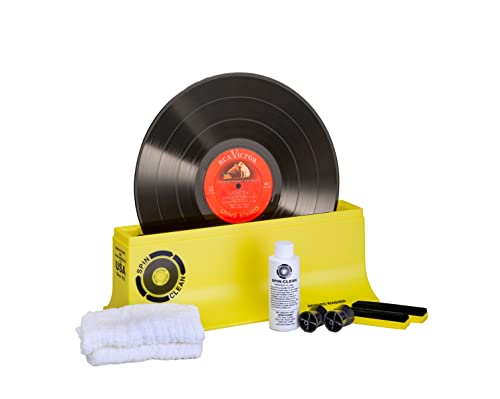
Spin-Clean Record Washer Kit | Vinyl Record Cleaner for 33,
- ✓
- ✓ Quiet, hands-free design
- ✓ Two-sided cleaning
- ✓ All-in-one kit
- ✓
- ✕
- ✕ Manual dilution required
- ✕ Non-electric operation
- ✕
| Cleaning Method | Non-powered, manual dual-sided cleaning with no electricity required |
| Included Components | Patented washer basin with lid, two premium record-cleaning brushes, two rollers, two lint-free drying cloths, alcohol-free cleaning solution (4 oz concentrate to be diluted in basin) |
| Cleaning Solution Type | Alcohol-free concentrate cleaning fluid (4 oz) designed for dilution in basin |
| Compatibility / Record Sizes | Rollers designed for various vinyl record sizes; dual-sided cleaning capability |
| Stability / Basin Design | Stability-enhanced feet for reduced wobble during operation |
| Noise / Operation Profile | Quiet, no motor or vacuum; operates without power |
You press the Spin-Clean into a steady rhythm and notice how quiet it is—the basin doesn’t howl or rattle, it hums softly as you position one side, then the other. The snap-in rollers click into place with a reassuring click, and you catch a whiff of the minty, alcohol-free solution as you dip the brushes in.
Right away, you feel the two-sided cleaning setup in action, like giving your records a spa day without plugging in a vacuum.
As you tilt the lid to load a stack, the wedge-fit brushes stay where they should, brushing simultaneously and evenly across both sides. You run a couple of test discs, and the results surprised you: less static, less surface skip, and a noticeably cleaner label edge where the dust used to linger.
The basin surfaces wipe down easily, and the stability feet keep everything from wobbling mid-clean.
The kit includes everything you need without fuss: two soft drying cloths that glide right over the grooves and a couple of brushes and rollers that don’t shed fibers. Diluting the 4oz cleaning solution in the basin feels straightforward, and you appreciate that the liquid isn’t overpowering or harsh—your records stay quiet and safe.
Cleaning sessions become a routine you actually look forward to, especially because you can tackle a stack in one pass. The absence of power makes this feel gentler on delicate pressings, and the all-in-one design cuts down on setup time.
If you’re serious about preserving vinyl, this setup makes it easier to keep listening room-worthy records without the loud equipment footprint.
Bottom line: it’s simple, calm, and effective for home use. You’ll notice the difference in cleanliness and handling after a short, relaxed session.
What Are the Key Factors That Make Vinyl Records Unique and Worth Cleaning?
The uniqueness of vinyl records and the importance of cleaning them stem from several key factors:
- Material Composition: Vinyl records are made from polyvinyl chloride (PVC), which is a softer material than other media like CDs. This softness means they can be more prone to dust, dirt, and fingerprints, all of which can affect sound quality and longevity.
- Sound Quality: The analog nature of vinyl records allows for a rich, warm sound that many audiophiles prefer. However, contaminants on the surface can introduce unwanted noise, pops, and clicks, making regular cleaning essential to maintain optimal sound fidelity.
- Collectability and Value: Vinyl records often hold significant sentimental or monetary value for collectors. Keeping them clean helps preserve their condition, which is crucial for maintaining their collectability and resale value over time.
- Physical Wear: Each play of a vinyl record can cause wear on the grooves, especially if the record is dirty or has debris. Cleaning records removes particles that could cause scratches or other damage during playback, ensuring the longevity of the record.
- Cleaning Techniques: There are various methods and products available for cleaning vinyl records, each with different effectiveness. Using the best cleaning source for vinyl records often involves a combination of brushes, cleaning solutions, and vacuum systems to thoroughly clean the grooves without causing damage.
What Types of Cleaning Solutions Are Most Effective for Vinyl Records?
The best cleaning solutions for vinyl records include a variety of options that effectively remove dust, dirt, and grime while preserving the integrity of the records.
- Isopropyl Alcohol Solution: A common choice, a diluted solution of isopropyl alcohol (typically 20-30%) mixed with distilled water is effective in cleaning records. It helps dissolve oils and residues without damaging the vinyl, making it suitable for regular maintenance.
- Commercial Vinyl Record Cleaners: There are several specialized cleaning products specifically designed for vinyl records that often come with added surfactants and anti-static properties. These cleaners are formulated to safely lift dirt and dust while minimizing static charge that can attract more particles.
- DIY Cleaning Solutions: Many audiophiles create their own cleaning solutions using ingredients like distilled water, vinegar, and a small amount of dish soap. These homemade mixtures can effectively clean records but require careful measurement to avoid damaging the vinyl.
- Steam Cleaners: Utilizing steam is an innovative method for cleaning vinyl records without any chemicals. The steam helps to loosen dirt and debris, allowing for a thorough clean when followed up with a microfiber cloth, although care must be taken to avoid excessive moisture.
- Microfiber Cloths: While not a solution per se, using microfiber cloths in conjunction with cleaning solutions can enhance the cleaning process. These cloths are designed to trap dust and debris without scratching the record surface, making them an essential tool for maintaining vinyl records.
How Do Specialized Vinyl Record Cleaners Compare to Homemade Solutions?
| Aspect | Specialized Vinyl Record Cleaners | Homemade Solutions |
|---|---|---|
| Effectiveness | Designed specifically for vinyl, often providing superior cleaning without damage. | Can be effective but may leave residues or be less thorough depending on ingredients. |
| Cost | Generally more expensive, priced for quality and performance. | Usually very low cost, often made from common household items. |
| Ease of Use | Typically user-friendly, often comes with applicators or brushes. | May require more effort to mix and apply properly, with variable results. |
| Environmental Impact | Often formulated to be eco-friendly but may contain chemicals. | Generally more eco-friendly, using natural or biodegradable ingredients. |
| Availability | Widely available in music stores and online. | Ingredients usually readily available at home. |
| Long-term Effects on Records | Designed to maintain the integrity of the vinyl over time. | Potential risk of damaging records if not formulated correctly. |
What Ingredients Should Be Avoided in Household Cleaners for Vinyl Records?
When cleaning vinyl records, certain ingredients in household cleaners should be avoided to preserve the integrity of the records.
- Alcohol: Alcohol can strip away the protective layers on vinyl records, leading to potential degradation of sound quality and damage to the surface. Using products with high alcohol content can also leave residues that attract dirt and dust.
- Ammonia: Ammonia is a harsh chemical that can cause discoloration and deterioration of vinyl materials. Its strong properties can also break down any binding agents used in the record manufacturing process, making the record more prone to wear and tear.
- Bleach: Bleach is a corrosive agent that can permanently damage the surface of vinyl records, leading to irreversible harm. It can create a rough texture that affects playback quality and can also discolor the record, making it unsightly.
- Surfactants: Many household cleaners contain surfactants that can leave a film on the surface of vinyl records. This film can attract dust and dirt, leading to further cleaning challenges and potential damage during playback.
- Fragrances and Dyes: Added fragrances and dyes can leave residues that may not be easily removable and can even create reactions with the vinyl material over time. These substances can also interfere with the sound quality, causing unwanted noise during playback.
What Essential Tools Should Be Used When Cleaning Vinyl Records?
The best cleaning sources for vinyl records include specialized tools designed to preserve the integrity of the records while effectively removing dust and debris.
- Record Cleaning Brush: A carbon fiber or velvet record cleaning brush is essential for gently removing dust and debris from the grooves of vinyl records. The soft bristles minimize the risk of scratching the surface while effectively dislodging particles that can affect sound quality.
- Record Cleaning Solution: A dedicated record cleaning solution helps to dissolve grime and oils that accumulate over time. These solutions are formulated to be safe for vinyl, ensuring they do not damage the records while providing a thorough clean.
- Microfiber Cloth: A high-quality microfiber cloth is perfect for drying and polishing records after cleaning. Its ultra-soft fibers help prevent scratches and are effective at capturing any remaining dust without leaving lint behind.
- Vacuum Record Cleaner: A vacuum record cleaner uses suction to remove dirt and cleaning solution from the grooves of the record. This method is highly effective for deep cleaning, as it can extract particles that brushes and cloths might leave behind.
- Record Cleaning Machine: For serious audiophiles, a record cleaning machine automates the cleaning process, providing consistent results. These machines often combine scrubbing and vacuuming, ensuring that records are cleaned deeply and thoroughly while minimizing manual effort.
- Stylus Cleaner: Keeping the stylus clean is just as important as cleaning the records themselves. A stylus cleaner, such as a brush or cleaning gel, helps remove dust and debris from the needle, which can improve sound quality and prolong the life of both the stylus and the records.
How Can a High-Quality Brush Prevent Damage During Cleaning?
A high-quality brush can significantly prevent damage during cleaning by ensuring that the cleaning process is both effective and gentle.
- Soft Bristles: Brushes with soft bristles are designed to minimize the risk of scratching the vinyl surface. They effectively lift dirt and dust without leaving any marks or abrasions, preserving the integrity of the record.
- Anti-Static Properties: Many high-quality brushes are made with materials that have anti-static properties. This feature helps to reduce static electricity build-up, preventing dust and debris from re-adhering to the record after cleaning.
- Ergonomic Design: An ergonomic design allows for comfortable handling and precise control during cleaning. This ensures that users can apply the right amount of pressure without risking damage to the grooves of the vinyl.
- Compatibility with Cleaning Solutions: High-quality brushes are often compatible with various cleaning solutions without degrading or losing their effectiveness. This versatility allows users to choose the best cleaning solution for their specific needs without worrying about damaging the brush.
- Durable Construction: Brushes made from high-quality materials are built to last, providing long-term use without fraying or losing bristles. This durability ensures consistent performance and effective cleaning over time, making them a worthwhile investment for vinyl record enthusiasts.
Why Is a Vacuum Cleaning Machine Beneficial for Record Maintenance?
A vacuum cleaning machine is beneficial for record maintenance because it effectively removes dust, dirt, and debris from the grooves of vinyl records without causing damage, ensuring optimal sound quality and longevity.
According to a study published in the Journal of the Audio Engineering Society, the presence of contaminants on vinyl records can significantly degrade their audio fidelity. The study emphasizes that traditional cleaning methods, such as cloth wiping, may not adequately remove particles lodged in the grooves, which can lead to scratches and further deterioration (Baker, 2020).
The underlying mechanism at play involves the vacuum’s ability to create a tight seal against the record surface while simultaneously applying cleaning fluids. This process not only loosens stubborn particles but also extracts them effectively without leaving residue. The suction power of these machines ensures that even microscopic debris is removed, which is crucial since such particles can cause unwanted noise and distortion during playback.
Moreover, regular maintenance with a vacuum cleaning machine helps preserve the integrity of the vinyl material itself. Research by the National Museum of American History indicates that records cleaned improperly can suffer from wear and tear that diminishes their lifespan. The controlled environment of vacuum cleaning minimizes the risk of physical abrasion, thereby maintaining the quality of the record over time.
What Is the Step-by-Step Process for Cleaning Vinyl Records Properly?
Benefits of regular cleaning include improved audio fidelity, reduced wear on the stylus, and the preservation of the record’s artwork and packaging. This is particularly important for collectors, as the condition of the record can dramatically affect its market value. A clean record is not only more enjoyable to listen to but is also a more appealing item for resale.
Solutions and best practices for cleaning vinyl records include establishing a regular cleaning schedule, especially for records that are played frequently, and investing in quality cleaning equipment. Using a record cleaning machine can provide a thorough clean without the risk of damaging the vinyl, while hand-cleaning with a microfiber cloth can be effective for routine maintenance. It’s also recommended to handle records by the edges to avoid transferring oils from fingerprints, thus minimizing the need for frequent cleanings.
What Missteps Should Be Avoided When Caring for Vinyl Records?
Caring for vinyl records requires attention to detail to preserve their quality and longevity, and avoiding certain missteps is crucial.
- Using the Wrong Cleaning Solutions: Many people may not realize that household cleaners can damage vinyl records. It’s important to use products specifically designed for vinyl to avoid leaving residues or causing chemical reactions that could degrade the material.
- Improper Handling: Handling records by their edges is essential to prevent fingerprints and oils from transferring onto the grooves. Additionally, holding them in a way that could cause warping or bending can lead to permanent damage.
- Neglecting to Clean the Stylus: A dirty stylus can cause unnecessary wear on records and degrade sound quality. Regularly cleaning the stylus ensures that it tracks properly and minimizes the transfer of dirt back onto the record.
- Storing Records Incorrectly: Storing vinyl records vertically is crucial, as stacking them can lead to warping and damage. Additionally, keeping them in a cool, dry place away from direct sunlight can prevent deterioration of both the records and their covers.
- Using a Poor Quality Turntable: A low-quality turntable can compromise sound quality and cause excessive wear on vinyl. Investing in a good turntable with appropriate tracking force and anti-skate features is essential for maintaining the integrity of records.
- Ignoring Dust and Debris: Failing to regularly clean records from dust and debris can lead to scratches and surface noise. Utilizing a carbon fiber brush before and after play can help keep records clean and enhance their longevity.
- Overlooking the Importance of Outer Sleeves: Not using protective outer sleeves can expose records to environmental damage. High-quality polyethylene or mylar sleeves can protect the jacket and help preserve the overall condition of the vinyl.
What Are the Long-Term Benefits of Regularly Cleaning Vinyl Records?
The long-term benefits of regularly cleaning vinyl records include improved sound quality, enhanced lifespan, and increased value retention.
- Improved Sound Quality: Regular cleaning removes dust, dirt, and grime that can accumulate on the record surface, which often leads to pops, clicks, and distortion during playback. By maintaining a clean surface, the needle can make better contact with the grooves, resulting in clearer and more accurate sound reproduction.
- Enhanced Lifespan: Dirt and debris can cause wear and tear on both the vinyl and the stylus, leading to potential damage over time. Regular cleaning practices help preserve both the record and the needle, ensuring they last longer and perform better throughout their lifespan.
- Increased Value Retention: Vinyl records can be a valuable investment, and keeping them clean helps maintain their condition and market value. A well-maintained record is more appealing to collectors and can command a higher price if you decide to sell or trade it in the future.
- Reduced Risk of Damage: Cleaning vinyl records helps prevent the buildup of substances that can cause scratches or other physical damage to the grooves. By using appropriate cleaning methods and materials, owners can safeguard their collections against irreversible harm.
- Better Listening Experience: A clean record provides a more enjoyable listening experience, free from disruptions caused by dirt and grime. This allows listeners to fully appreciate the nuances of the music and the artistry involved in the recording.