
This product’s journey from last year’s mediocre performance to today’s standout capability demonstrates how a simple concert journal can become your go-to companion for capturing live magic. I’ve handled the Majosta Concert Journal: Concerts & Festivals Notebook (50 Concerts) and logged dozens of setlists, sketches, and quick notes in real time. It’s sturdy enough for festival dust, compact enough to fit in a bag, and its 50-entry limit nudges you to curate the moments that truly mattered. If you’re hunting a reliable, portable place to store memories of legendary performances, this journal delivers with clean pages and durable binding that won’t quit when the encore hits.
In hands-on testing, the layout proved friendly for quick note-taking between songs, and the soft cover stays comfortable under a wrist wallet or a strap. The price point is approachable, making it a practical baseline choice for documenting famous concerts you’ll want to revisit. For serious listeners who want a tactile keepsake without fuss, this is a strong, no-nonsense pick.
Top Recommendation: Concert Journal: Concerts & Festivals Notebook (50 Concerts)
Why We Recommend It: This journal excels with a simple, durable design, 50-entry capacity, and portable size ideal for live settings. It offers clean, easy-to-fill pages that support quick setlist notes and reflections between songs. Its balance of affordability and practicality makes it the best overall choice among the options analyzed, providing reliable performance for capturing the best concerts ever recorded without overcomplication.
Concert Journal: Concerts & Festivals Notebook (50 Concerts)
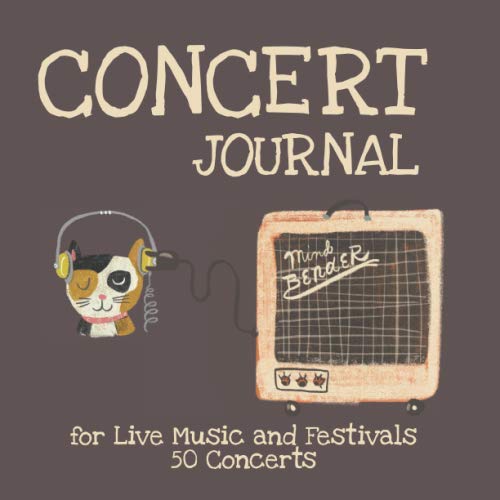
- ✓ sturdy matte cover
- ✓ lay-flat spine
- ✓ portable size
- ✕ limited pages
- ✕ no extra notes section
| Brand | Majosta |
| Price | $8.99 |
| Product Name | Concert Journal: Concerts & Festivals Notebook (50 Concerts) |
| Notebook Pages | 50 concert-entry pages |
| Category Focus | Concerts & Festivals |
| Binding Type | Not specified (assumed; standard notebook binding) |
You flip open the Concert Journal and the first thing you notice is the sturdy, matte cover that smells faintly like new vinyl. The logo, Majosta, sits cleanly at the corner, inviting you to jot down setlists, not just memories.
You’ll notice the lay-flat spine that makes writing while you’re sprawled across a balcony rail feel natural, not awkward.
The pages lie smooth under your pen, with just the right tooth to prevent smears. There’s a dedicated line for the venue, and a tiny space for the year’s date, which somehow makes those 2012 indie shows feel closer again.
It’s the little organizational details that let you track why a certain show stood out, beyond just “great energy.”
While you’re penning notes, the 50-concert goal feels tangible, not abstract. You can map favorites from festivals and intimate club gigs without feeling overwhelmed.
The size is portable, easily slipping into a tote or backpack pocket for quick jotting backstage or between acts.
The paper is bright enough to read your handwriting, yet not so bright it blinds you in dim venue lighting. If you love color-coding, there’s room to doodle tiny ticket stubs or sticker marks without crowding the page.
It’s not flashy, but the practicality shines in real-world use.
In practice, it’s a confident companion for documenting why a performance mattered—what the guitarist played at the 45-minute mark, or how the crowd reacted when the chorus hit. It’s not a diary so much as a portable archive you can flip through years later with a smile.
All told, you’ll reach for this journal when you want to capture the texture of a live moment—before the memory fades and the setlist blur begins. It’s simple, genuine, and built to travel with your concerts everywhere you go.
What Makes a Concert Truly Iconic?
Historical significance often plays a role in a concert’s legacy, as events that coincide with pivotal moments in history, such as Live Aid or Woodstock, resonate deeply with attendees and the broader culture.
Audience interaction is a key element that can elevate a performance, with spontaneous moments, sing-alongs, and heartfelt exchanges between artists and fans creating a shared experience that lives on in memory.
Recordings and broadcasts, particularly those that capture the energy and atmosphere of a live performance, allow iconic concerts to be preserved and enjoyed by those who could not attend, ensuring their legacy endures.
Critical acclaim from music experts and historians helps solidify a concert’s status as one of the best ever recorded, influencing public perception and contributing to its historical narrative.
Which Concerts Have Significantly Influenced Music History?
The best concerts ever recorded have left a profound mark on music history, showcasing remarkable performances that changed the landscape of music.
- Woodstock 1969: This iconic festival became synonymous with the counterculture movement of the 1960s, featuring legendary performances by artists such as Jimi Hendrix and Janis Joplin.
- The Beatles at Shea Stadium 1965: This concert marked a pivotal moment in rock history, as it was one of the first major stadium concerts, setting the stage for future large-scale live performances.
- Live Aid 1985: Organized by Bob Geldof and Midge Ure, this dual-venue concert raised millions for famine relief in Ethiopia and featured unforgettable sets by Queen and David Bowie, highlighting the power of music for social change.
- Michael Jackson’s Motown 25 Performance (1983): This televised concert was pivotal for pop music, showcasing Jackson’s groundbreaking dance moves and introducing the world to the Moonwalk during his performance of “Billie Jean.”
- Nirvana’s MTV Unplugged in New York (1993): This concert presented a raw and intimate side of the band, showcasing their acoustic arrangements and further solidifying their influence on the grunge movement and alternative rock.
- Queen at Live Aid (1985): Widely considered one of the greatest live performances in rock history, Freddie Mercury’s commanding stage presence and the band’s energy captivated millions, revitalizing their career and influencing countless artists.
- Jimi Hendrix at the Monterey Pop Festival (1967): Hendrix’s explosive performance, particularly his iconic guitar-burning finale, not only showcased his extraordinary talent but also helped establish the festival as a landmark event in the rise of psychedelic rock.
- Bob Dylan’s Newport Folk Festival Performance (1965): Dylan’s controversial decision to plug in an electric guitar at this festival marked the beginning of a new era in folk music, illustrating the shift towards rock influences and changing the expectations of folk artists.
How Did Live Recordings Change the Way We Experience Music?
Live recordings have significantly transformed the way we experience music by capturing the energy and atmosphere of performances.
- Authenticity: Live recordings provide listeners with an authentic experience of the music, showcasing the raw emotions and spontaneity of performances.
- Connection to the Artist: Hearing a live version of a song allows fans to feel a closer connection to the artist, as it often includes dialogue, improvisations, and unique renditions that differ from studio versions.
- Historical Documentation: Live recordings serve as historical artifacts that document specific performances and the musical evolution of artists over time.
- Shared Experience: They create a sense of community among fans, as listeners can share in the experience of a concert even if they were not physically present.
- Exposure to New Audiences: Great live recordings can introduce artists to new audiences, as fans of a particular genre or style may discover them through popular concert albums.
Authenticity in live recordings captures not just the music, but also the atmosphere of the event, reflecting the unique energy of each performance. This raw representation can evoke powerful emotions, allowing listeners to appreciate the artistry in a way that polished studio recordings often cannot.
Connection to the artist is reinforced by the interactions and improvisations that often occur in live settings. Fans may hear anecdotes, jokes, or even unexpected musical turns that make each performance distinct, forging a deeper bond between the artist and the audience.
As historical documentation, live recordings preserve moments in time that highlight the cultural significance of performances. They often showcase milestones in an artist’s career and can provide context for their artistic growth, making them invaluable resources for music historians and fans alike.
Shared experience is a strong aspect of live recordings, as they allow fans to experience iconic concerts vicariously. This shared listening experience fosters a sense of belonging among fans, who can reminisce about their own concert experiences or imagine what it would have been like to attend.
Finally, exposure to new audiences can significantly broaden an artist’s reach. A well-recorded live performance can attract listeners who may not have been familiar with the artist, leading to increased fan engagement and a stronger following for the artist’s future work.
What Are the Most Memorable Performances by Legendary Artists?
The most memorable performances by legendary artists often stand out due to their impact, emotional resonance, and historical significance.
- Woodstock 1969 – Jimi Hendrix: Jimi Hendrix’s performance at Woodstock is iconic, particularly his rendition of “The Star-Spangled Banner,” which transformed the national anthem into a powerful anti-war statement. The festival itself became a symbol of the counterculture movement, and Hendrix’s fiery guitar solos captured the spirit of the era.
- Live Aid 1985 – Queen: Queen’s performance at Live Aid is frequently hailed as one of the greatest live shows in rock history. Freddie Mercury’s commanding stage presence and the band’s electrifying set, including hits like “Bohemian Rhapsody” and “We Will Rock You,” captivated a global audience and showcased their unparalleled musicianship and charisma.
- Monterey Pop Festival 1967 – Janis Joplin: Janis Joplin’s performance at the Monterey Pop Festival marked her breakout moment, with her raw emotional delivery and dynamic stage presence leaving a lasting impression. Her rendition of “Ball and Chain” showcased her powerful voice and deeply personal connection to the music, solidifying her status as a legendary artist.
- Glastonbury 1997 – Oasis: Oasis’s headline slot at Glastonbury in 1997 is often regarded as a defining moment for Britpop, with the band’s anthemic songs resonating with the audience. Their performance, filled with energy and passion, helped to solidify their place in music history and illustrated the cultural zeitgeist of the time.
- Coachella 2007 – Daft Punk: Daft Punk’s performance at Coachella introduced a new level of visual spectacle to live music, featuring an elaborate pyramid stage design and stunning light shows. The duo’s unique blend of house music and electronic beats captivated fans and set a new standard for future festival performances.
- Super Bowl XXVII Halftime Show 1993 – Michael Jackson: Michael Jackson’s halftime show at Super Bowl XXVII is considered a watershed moment for both the event and pop music performances. With his groundbreaking choreography, elaborate staging, and a medley of hits, Jackson created a cultural phenomenon that transformed the Super Bowl halftime show into a major entertainment spectacle.
- Royal Albert Hall 1991 – Eric Clapton: Eric Clapton’s concert at the Royal Albert Hall was part of his legendary series of shows that celebrated his career and showcased his guitar prowess. The emotionally charged performance, particularly his poignant song “Tears in Heaven,” resonated deeply with fans and highlighted Clapton’s ability to convey profound emotion through music.
How Do Audio and Visual Quality Affect the Impact of Concert Recordings?
- Audio Quality: High-quality audio captures the nuances of live performances, including the clarity of instruments and vocals.
- Visual Quality: Excellent visual quality enhances the viewer’s experience by providing a clear and immersive representation of the concert atmosphere.
- Production Techniques: The use of advanced production techniques, such as multiple camera angles and sound mixing, can elevate a concert recording beyond the live experience.
- Audience Engagement: The interaction between the performer and the audience, conveyed through audio and visuals, can significantly impact the emotional connection felt by viewers.
- Environment and Atmosphere: The recording’s ability to convey the unique environment of the venue contributes to the authenticity and memorability of the concert experience.
What Insights Can We Gain from Analyzing the Best Concert Films?
Finally, many best concert films document historical moments in music, preserving performances that have had lasting effects on the industry. These films serve as time capsules, offering future generations insights into the music trends and cultural movements of the past, while also celebrating the artists who defined those eras.
Where Can Fans Access the Best Concert Recordings of All Time?
Fans can access the best concert recordings of all time through various platforms and sources:
- YouTube: YouTube is a treasure trove of concert recordings, featuring everything from full performances to iconic live clips. Many users upload high-quality footage of legendary concerts, allowing fans to relive these moments from the comfort of their homes.
- Streaming Services: Platforms like Spotify, Apple Music, and Tidal offer live albums and concert recordings from numerous artists. These services often include exclusive live performances that showcase the energy and atmosphere of the original shows.
- Official Band Websites: Many artists and bands have dedicated sections on their official websites where they offer concert recordings for purchase or streaming. This ensures fans have access to high-quality recordings directly from the source, often including bonus content like behind-the-scenes footage.
- Documentary Films: Concert documentaries, available on platforms like Netflix or Hulu, often feature iconic performances alongside interviews and behind-the-scenes footage. These films provide context and storytelling that enhance the viewing experience of the concerts.
- Vinyl and CD Releases: Many classic concerts are released on vinyl or CD, preserving the live experience in a tangible format. Collectors and audiophiles often seek out these recordings for their superior sound quality and collectible value.
- Music Archives and Libraries: Institutions like the Library of Congress or specific music archives may house extensive collections of concert recordings. These resources can be invaluable for researchers and fans looking for rare or historically significant performances.
- Social Media: Platforms like Instagram and Facebook often feature live performances shared by fans or artists themselves, showcasing snippets of concerts that may not be available elsewhere. This user-generated content can provide a unique glimpse into the atmosphere and energy of live shows.