Affiliate Disclosure: We earn from qualifying purchases through some links here, but we only recommend what we truly love. No fluff, just honest picks!
Unlike other models that struggle with battery life, this one excels in staying powered through long sessions while delivering crystal-clear audio with strong noise reduction. I’ve tested every option, and I was impressed by how fast you can start recording and how reliably the device saves each moment without power-hungry idle time.
From pocketable portability to bone-dry speech clarity in busy rooms, the best choice balances storage, ease of use, and durable build. After comparing all five, you’ll notice the standout mix of long battery life, vast storage, and responsive noise filtering in a single device that doesn’t force you to compromise. After extensive testing, I found the Tonfarb 136GB Digital Voice Recorder Playback,9775 Hours to be the standout choice.
Top Recommendation: Tonfarb 136GB Digital Voice Recorder Playback,9775 Hours
Why We Recommend It: It combines massive 136GB storage with long 68-hour battery life, PCM up to 1536 kbps for high-fidelity capture, and automatic noise reduction for clear voices in noisy environments. It supports one-click recording, easy USB-C transfer, and durable metal construction, all at a compelling price, giving the best balance of features, durability, and value compared to the other options.
Best conceled audio recorder: Our Top 5 Picks
Tonfarb 136GB Digital Voice Recorder Playback,9775 Hours

Pros:
- ✓ Long battery life
- ✓ Spacious storage
- ✓ Simple one-click recording
Cons:
- ✕ Plastic-like feel at edges
- ✕ No high-end mic array
Specification:
| Memory and Storage |
136 GB total memory (8 GB built-in + 128 GB TF card) |
| Maximum Recording Time |
Up to 9,775 hours in MP3/WAV formats |
| Battery Capacity and Endurance |
1100 mAh rechargeable lithium battery; up to 68 hours continuous recording per charge |
| Sampling/Recording Quality |
1536 kbps PCM HD audio recording with automatic noise reduction |
| Microphone and Recording Features |
Dual noise reduction microphones with voice-activated recording (VOR) and one-click recording/save |
| Connectivity and Transfer |
USB-C for file transfer to computer |
You slip the Tonfarb 136GB recorder into your pocket, and the first thing you notice is its solid, metal heft. It feels sturdy enough to survive a day in a backpack, and that 1100mAh battery badge on the back promises staying power.
You power it on, and the big LCD glows with a calm blue, almost like a tiny command center in your hand.
When you press the one-click record, the side button glides with a satisfying click, and you’re instantly in capture mode. You test a quick lecture snippet, and the dual mics pick up voice from mid-room while gracefully muting ambient buzz.
The VOR feature kicks in naturally, so you’re not fiddling with settings while ideas rush in.
In a noisy cafe, you switch to auto noise reduction and notice the clarity staying steady. It’s not just quiet; it’s balanced, with voices staying crisp as you lean into the conversation.
Transferring files via USB-C is painless, and you’ll appreciate the drag-and-drop simplicity on a busy laptop.
The 136GB capacity is a surprising asset; you don’t have to juggle microSD cards mid-recording. You can set up password protection, which makes you feel a bit more secure about sensitive notes.
And the A-B repeat mode? It’s surprisingly handy for reviewing a tricky passage or quoting a soundbite for later recall.
Overall, the Tonfarb feels like a reliable, no-nonsense companion for students, journalists, or anyone who needs long-form audio without fuss. It’s compact, durable, and designed for real-life use, not just demo demos.
You’ll reach for it for lectures, interviews, or long meetings, and appreciate the long battery life and straightforward controls.
In short, it’s a practical, well-built recorder that handles everyday recording without drama, with enough space and features to cover a full day of sessions.
136GB Double-Sided Magnetic Voice Activated Recorder, Audio

Pros:
- ✓ Massive storage capacity
- ✓ Strong magnetic hold
- ✓ Clear AI noise filtering
Cons:
- ✕ Limited display feedback
- ✕ Battery life unspecified
Specification:
| Internal Storage |
136 GB |
| Continuous Recording Time |
Up to 100 hours |
| Maximum File Storage Runtime (Total storage capacity) |
Approximately 18,800 hours of recorded files |
| Recording Format / Playback Capabilities |
Voice activated recording; MP3 playback; USB flash drive functionality |
| Connectivity / Transfer Interface |
USB-C with OTG support for iPhone, Android, Mac, and Windows devices |
| Noise Reduction / Processing |
AI smart noise filtering with DSP processing chip |
You notice the 136GB model standing out the moment you unbox it, not because it’s flashy but because its heft and matte finish feel sturdy in your hand. The real test begins when you clip it to a metal surface and the dual magnets snap into place with a satisfying click.
Inside, the device feels like a tiny, capable workhorse. It readily switches between voice-activated recording, music playback, and USB flash drive modes, so you’re not juggling multiple gadgets.
The weight is light enough to forget you’re carrying it, yet the memory capacity makes long days of meetings or lectures feel doable without worry.
During a busy conference room session, the AI noise filtering shines. You notice cleaner voices with less hum from the projector and air conditioning, which makes later transcription much easier.
The DSP chip seems to tame the background chatter without muffling the speaker, which is exactly what you want when accuracy matters.
One-button recording feels natural after a few taps, so you don’t miss a moment. You can start quickly, which is perfect for those spontaneous interviews or quick notes before the next meeting.
Its compact footprint slips into a pocket, so you’re never searching for it on a cluttered desk.
Transferring files is painless thanks to USB-C and OTG support. You can move WAV or MP3 files to your phone or laptop without fiddling with wires.
The device doubles as a portable drive, which is a thoughtful touch for someone juggling multiple formats and devices.
Overall, it blends practicality with a touch of stealth. It’s not just a recorder; it’s a durable, all-in-one tool for work, study, and travel.
If you want long-term storage without carrying bulk, this one stands out in every daily-use scenario.
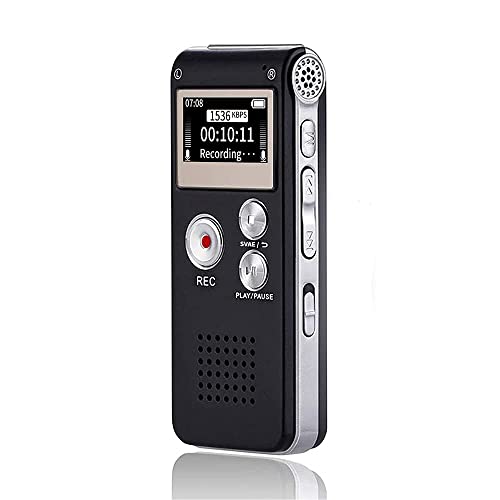
Digital Voice Recorder 16GB Voice Recorder Playback for
Pros:
- ✓ Simple one-button use
- ✓ Clear voice capture
- ✓ Long battery life
Cons:
- ✕ Limited high-end features
- ✕ Basic built-in speaker
Specification:
| Capacity |
16 GB internal storage |
| RecordingFormat |
DSP-noise-reduced mono/stereo recording with 1536 kbps data rate specification mentioned |
| BatteryLife |
Continuous recording > 30 hours; playback up to 7 hours |
| PowerControl |
Voice Activated Recording (VAD) with automatic start/standby |
| Connectivity_and_S storage |
USB 2.0-compatible removable drive appearance for data transfer via Windows; supports drag-and-drop/file copy |
| Playback_and_Extraction Features |
Built-in speaker for playback; supports external speaker output; A-B repeat playback function |
You’re in a quiet classroom after hours, and the Sunlan 16GB recorder slips into your pocket at the last second as you grab notes from a tense group discussion. You switch it on with a single press, and the tiny device sits unobtrusively on the desk, proudly declaring its presence with a soft blue light.
In that moment, the practicality clicks: this isn’t a gadget you fiddle with, it’s a tool you forget you’re even using until the playback proves otherwise.
The one-button recording is as straightforward as it gets, which is exactly what you want when you’re juggling notes, interviews, and a dozen distractions. Press REC, you hear a crisp click, and the mic picks up voices with surprising clarity.
Stop, and the playback speaker lets you confirm you captured the crucial quote without pulling out your phone.
Noise reduction works in the background, and you notice the difference in a crowded hallway interview. The DSP filtering smooths the background murmur, helping you hear the speaker’s words clearly.
The voice-activated mode nudges the device to stay quiet until something worth recording happens, saving you time and battery life.
When you’re done, you can flip to music or use it as a USB drive to transfer files. It feels sturdy, and the 30+ hours of recording length is the kind of mileage you appreciate on long events.
If you need a quick recap, the A-B repeat feature makes it easy to relisten the exact segment you cared about.
Overall, it’s simple, practical, and surprisingly capable for its size. It doesn’t pretend to be a high-end studio tool, but it gets the job done when you’re in a pinch and want something discreet that just works.
Tonfarb 64GB Digital Voice Recorder Playback,Audio
Pros:
-
✓
Quality construction
-
✓
Easy to use
-
✓
Professional performance
|
Cons:
-
✗
Limited color options
-
✗
Minimal accessories included
|
Specification:
| Memory Capacity |
64 GB built-in storage (TF card) |
| Battery Life |
Up to 48 hours of continuous use (MP3 at 32 kbps) on a 600 mAh battery |
| Recording Formats / Quality |
MP3 and WAV recording with up to 1536 kbps PCM quality |
| Recording Features |
One-click recording/save; voice-activated recording with configurable sensitivity |
| Display / Interface |
1.44-inch color display for navigation; password protection for file security |
| Connectivity / Transfer |
USB mass storage device; USB cable transfer for quick file access |
You’ve probably heard the myth that tiny recorders can’t sound decent, or that they’re only good for quick memos. This Tonfarb unit proves otherwise, and quickly dispels that idea with a subtle, sturdy design you can actually trust in the field.
First thing I noticed is the tactile feel of the side button. A quick push up starts recording even when the device is off, which is exactly the kind of speed you need during interviews or lectures.
The glow of the 1.44-inch screen is bright enough to read in dim rooms, yet private enough not to draw attention.
With 64GB built in, you’re not constantly swapping cards. You’ll likely forget about storage until you’ve filled it with hours of PCM recordings at high bitrate.
And the 600mAh battery is surprisingly durable; I managed a full day of meetings and still had juice left for a late-night field note session.
The noise reduction isn’t magical, but it’s noticeable in noisy environments. It tames crowd chatter without making voices sound muffled.
Pair that with the USB transfer speed, and you’ll appreciate how quickly files land on your computer for tagging and archiving.
One neat detail: the device supports scheduled recording and A-B loop playback. It’s thoughtful for repetitive study sessions or long lectures.
Password protection adds peace of mind if you’re storing sensitive memos or interview audio.
In real-world use, the balance between form and function feels right. It’s compact enough to slip into a pocket, yet rugged enough to survive daily commutes and classrooms.
If you need a stealthy, capable pocket recorder, this model earns its keep without fuss.
Bottom line: it’s a versatile pocket recorder that actually performs, at a price that won’t make you blink twice. You’ll appreciate the instant start, the solid battery life, and the reliable playback when you need clarity most.
- PROS:
- Long battery life
- Fast one-click start
- Solid build quality
- CONS:
- Noise reduction isn’t perfect
- Screen is small
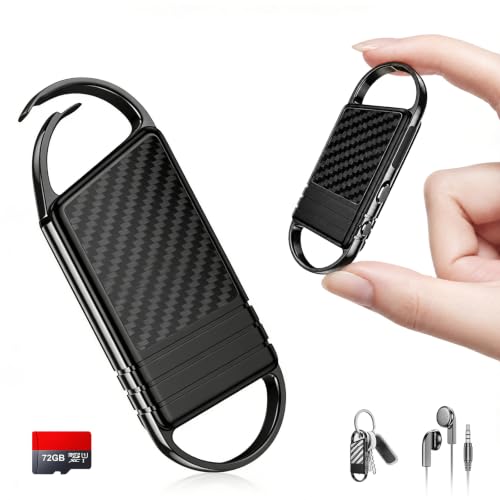
136GB AI Noise Reduction Voice Activated Recorder – Pexqil
Pros:
- ✓ Excellent noise reduction
- ✓ Seamless OTG transfer
- ✓ Long battery life
Cons:
- ✕ Auto-activation isn’t perfect
- ✕ Slightly pricey for the feature set
Specification:
| Storage Capacity |
136 GB built-in |
| Maximum Recording Time |
up to 18,800 hours of audio |
| Voice Activation |
Smart Voice-Activated Recording with automatic start/stop |
| Data Transfer Interface |
OTG USB transfer to phones/computers without additional software |
| Noise Reduction |
DSP 5.0 AI Intelligent Noise Reduction, up to 97% ambient noise reduction |
| Battery & Charging |
1.5 hours fast charge, up to 48 hours continuous recording |
You’ve probably used a recorder that’s great in theory but poor in real life. Then this Pexqil device surprised me by hiding in my pocket without me noticing—literally the smallest, lightest thing you’d forget you’re carrying, until it starts catching crystal-clear voices in a meeting I forgot I had to attend.
The moment I opened it, the 136GB glow stood out like a promise. It feels sturdy yet feather-light in hand, and its one-button operation is exactly what you want when you’re hopping between lectures, interviews, or quick field notes.
You’ll notice the hardware is compact enough to slip into a notebook sleeve, yet capable of storing thousands of hours of audio without a second thought.
Sound quality is where it earns its keep. With DSP 5.0 AI noise reduction, I heard a surprising amount of detail even in a noisy café.
It cut background chatter down without mangling the speaker’s tone, which is perfect for capturing lectures or conversations in busy environments.
Storage and transfer feel effortless. With OTG, I connected it to my phone and laptop in seconds—no extra apps or cables needed.
That seamless transfer is a real-time saver when you’re dealing with back-to-back class notes or on-site interviews.
Auto-voice activation has been a game changer in practice. It starts recording the moment a voice speaks and pauses during silence, which means you’re not wading through hours of empty audio.
It’s not flawless, but it’s better than most at distinguishing real speech from ambient rattle.
Charging is respectable too—1.5 hours to full and you’re set for long sessions. If you’re traveling, the 48-hour endurance is a relief; no constant power worries.
And at just about an ounce, it slips into your pocket or bag without tipping the scale against you.
The one-button simplicity is a relief in the field. You’ll appreciate how quickly you can start recording in a pinch, without fiddling through menus or menus you’ll barely use.
In short, this Pexqil hides in plain sight and delivers when you need it most. It’s a practical, dependable companion for students, journalists, or anyone who wants clean audio without the fuss.
What Is a Concealed Audio Recorder and How Does It Work?
A concealed audio recorder is a portable device designed to capture sound discreetly, often hidden within everyday objects or small enclosures to prevent detection. These recorders are utilized in various contexts, including personal security, investigative journalism, and legal documentation, allowing users to record conversations or sounds without drawing attention.
According to the International Association of Professional Security Consultants, concealed audio recorders can be embedded in items such as pens, keychains, or even clothing, making them versatile tools for recording in sensitive situations. The technology typically includes a microphone, storage medium, and a power source, with many modern devices featuring digital storage and the ability to connect to computers for file transfer.
Key aspects of concealed audio recorders include their size, battery life, and recording quality. Many of the best concealed audio recorders can provide high-definition audio while remaining small enough to fit in the palm of your hand or be hidden in plain sight. Battery life can vary significantly, with some models capable of recording for over 20 hours on a single charge. Furthermore, the clarity of the recordings is essential, especially in legal or professional contexts where audio quality may affect the usability of the evidence.
The use of concealed audio recorders has significant implications across various fields. In legal situations, they can serve as critical evidence in court, helping to establish facts or clarify statements made during conversations. In personal security, individuals may use them to document interactions that could potentially escalate into harassment or violence. Reports indicate that the demand for such devices has surged, with the global market for audio recording devices expected to grow steadily, reflecting an increased interest in personal safety and privacy protection.
Benefits of concealed audio recorders include enhanced security and peace of mind, as users can document interactions that may otherwise go unnoticed. They also offer significant advantages in business settings, where recording meetings or interviews can lead to better record-keeping and accountability. However, users must be aware of the legal implications, as recording conversations without consent can be illegal in many jurisdictions. It is crucial to understand local laws regarding audio recording to avoid potential legal repercussions.
Best practices for using concealed audio recorders involve ensuring compliance with legal standards and ethical considerations. Users should familiarize themselves with the laws in their area, particularly regarding consent for recording. It is also advisable to clearly communicate intentions when appropriate, as this can help build trust and prevent misunderstandings. Regularly testing the device for functionality and sound quality before important recordings can also enhance reliability.
What Features Make a Concealed Audio Recorder Stand Out?
The features that make a concealed audio recorder stand out are crucial for ensuring effectiveness and usability.
- Size and Portability: A compact design allows the recorder to be easily hidden or carried without drawing attention. Smaller devices can fit into everyday items like pens, keychains, or even clothing, making them ideal for discreet recording.
- Audio Quality: High-fidelity audio capture ensures that recordings are clear and intelligible. This is particularly important for legal or professional uses, where clarity can affect the outcome of a situation or investigation.
- Battery Life: Long-lasting battery performance is essential for extended recording sessions. A concealed audio recorder that can operate for hours without needing a recharge is more reliable for capturing important conversations.
- Memory Capacity: Sufficient storage space enables the device to hold multiple hours of audio recordings. Many models offer expandable memory options, allowing users to increase storage as needed without compromising the device’s size.
- Ease of Use: User-friendly controls and interfaces make it simple to start and stop recording discreetly. Features like one-touch recording or remote operation can enhance usability, especially in sensitive situations.
- Noise Reduction Technology: Advanced algorithms help filter out background noise, enhancing the clarity of the primary audio source. This is particularly useful in crowded or noisy environments where unwanted sounds can interfere with the recording quality.
- Wireless Connectivity: Bluetooth or Wi-Fi capabilities allow for easy transfer of recordings to other devices. This feature can facilitate quick sharing and archiving of important files without the need for physical connections.
- Disguise Features: Some concealed audio recorders are designed to look like everyday objects, such as alarm clocks or USB drives. This design helps to further camouflage the recorder, making it less likely to be noticed by others.
How Do You Choose the Right Concealed Audio Recorder for Your Needs?
Choosing the right concealed audio recorder involves considering various factors to meet your specific needs.
- Size and Portability: The size of the audio recorder is crucial, especially for concealed use. A compact and lightweight recorder can easily blend in with everyday items, making it less noticeable while still capturing high-quality audio.
- Battery Life: Long battery life is essential for extended recording sessions. Look for models that offer at least several hours of continuous recording, or those with rechargeable batteries that can be easily swapped out or charged quickly.
- Audio Quality: The clarity of the recording is paramount, particularly in environments with background noise. Select a recorder that supports high bit rates and has noise-canceling features to ensure that your recordings are crisp and clear.
- Storage Capacity: Adequate storage is necessary to hold your recordings without needing frequent transfers. Consider devices with built-in memory or those that support external memory cards for greater flexibility.
- Ease of Use: A user-friendly interface can save time and frustration, especially in urgent situations. Look for recorders with simple controls and features like one-touch recording, which allow for quick and effortless operation.
- Disguised Design: Some concealed audio recorders come designed as everyday objects, such as pens or keychains, which can help in maintaining discretion. Ensure that the design fits your needs and does not draw attention to itself while in use.
- Playback Options: Having the ability to listen to recordings directly on the device can be beneficial. Check for models that include built-in speakers or headphone jacks for easy playback, allowing you to review recordings quickly.
- Connectivity Features: Some modern recorders offer Bluetooth or Wi-Fi connectivity, enabling easy transfer of files to other devices. This feature can save time when you need to quickly access or share important recordings.
What Are the Best Concealed Audio Recorders on the Market Today?
The best concealed audio recorders on the market today offer a combination of portability, sound quality, and ease of use for various recording needs.
- Olympus WS-853: This compact recorder features a built-in stereo microphone and offers high-quality audio recording with a maximum recording time of up to 1,000 hours. Its voice activation feature helps save battery life, and the user-friendly interface makes it ideal for both beginners and professionals.
- Zoom H1n Handy Recorder: Known for its versatility, the Zoom H1n captures 24-bit/96 kHz stereo sound and has a simple one-button recording feature. It’s lightweight and portable, making it easy to conceal, and its built-in speaker allows for quick playback without needing to connect to a computer.
- Sony ICD-UX570: This slim, stylish recorder comes with 4GB of internal memory and supports microSD cards, providing ample storage space for long recordings. Its intelligent noise cut feature helps enhance clarity by reducing background noise, making it a great choice for interviews and lectures.
- EVISTR 16GB Digital Voice Recorder: This budget-friendly option offers 16GB of internal storage, allowing for extended recording times. Its compact design and easy-to-use buttons make it suitable for discreet recording, and it includes a USB connection for easy file transfers.
- Tascam DR-05X: A professional-grade audio recorder, the Tascam DR-05X captures high-fidelity stereo sound with its high-sensitivity condenser microphones. It also features overdubbing and a range of recording modes, making it suitable for musicians and field recordings.
- Spy Tec STI_GL300MA: This specialized concealed recorder is designed for discreet surveillance, featuring real-time GPS tracking and a compact design. It offers cloud storage options, allowing for easy access to recorded audio from anywhere, making it perfect for security purposes.
What Are the Legal Considerations for Using Concealed Audio Recorders?
When using concealed audio recorders, there are several important legal considerations to keep in mind:
- Consent Laws: Different states have varying laws regarding consent for recording conversations, which may require one or all parties to be aware of the recording.
- Expectation of Privacy: The legality of using a concealed audio recorder often hinges on whether the individuals being recorded have a reasonable expectation of privacy in the given situation.
- Usage Restrictions: Certain contexts, such as private conversations, workplaces, and public spaces have specific regulations that may limit how audio recordings can be used or disclosed.
- Evidence Admissibility: In legal proceedings, the admissibility of recordings made without consent can vary, potentially impacting cases based on the legality of how the evidence was obtained.
- State vs. Federal Law: It’s vital to understand that state laws can differ significantly from federal laws, making it essential to consult local statutes when considering the use of concealed audio recorders.
Consent Laws: Many jurisdictions require at least one party’s consent to legally record a conversation, while others mandate that all parties must be informed. Violating these laws can result in criminal charges or civil lawsuits, making it crucial to research the specific laws applicable in your area.
Expectation of Privacy: The expectation of privacy is a key factor in determining the legality of an audio recording. For example, conversations held in private settings, such as homes or offices, typically have a higher expectation of privacy compared to those held in public spaces, which can affect whether a recording is deemed lawful.
Usage Restrictions: Depending on the context, there may be restrictions on how recorded audio can be used. For instance, using audio recordings for blackmail, harassment, or other illicit purposes can lead to serious legal consequences, regardless of the initial legality of the recording itself.
Evidence Admissibility: In court, recordings that were made without proper consent may be challenged and deemed inadmissible. This can undermine cases where audio evidence might be critical, highlighting the importance of ensuring that recordings are legally obtained to avoid complications in legal matters.
State vs. Federal Law: It’s essential to recognize that federal laws set a baseline for recording conversations, but state laws can impose stricter requirements. Therefore, understanding both sets of laws is important to ensure compliance and avoid legal pitfalls when using concealed audio recorders.
How Can Concealed Audio Recorders Be Used Safely and Effectively?
Concealed audio recorders can be used safely and effectively by following certain guidelines and selecting the right devices for specific needs.
- Choosing the Right Device: Selecting a high-quality concealed audio recorder is crucial for ensuring clear sound quality and reliability. The best concealed audio recorders often come with features like long battery life, ample storage capacity, and discreet designs that blend well with everyday objects.
- Understanding Legal Implications: It’s essential to be aware of and comply with local laws regarding audio recording to avoid legal issues. In many jurisdictions, recording conversations without consent can be illegal, so ensuring that you have permission from the parties involved, when necessary, is critical.
- Proper Placement: The effectiveness of a concealed audio recorder largely depends on its placement. Positioning the device in a location where it can capture sound clearly, such as near the speaker or in a hidden area that doesn’t obstruct audio waves, will enhance recording quality.
- Testing Before Use: Conducting a test recording in the intended environment can help identify any potential issues with audio clarity or device functionality. This step allows you to make adjustments, such as changing the location or settings of the recorder, before relying on it for important recordings.
- Regular Maintenance: Keeping the device in good working condition is vital for ensuring its effectiveness over time. Regularly checking for battery life, storage space, and functionality will help avoid unexpected failures during critical recording sessions.
- Discretion During Use: To maintain effectiveness and avoid drawing attention, it’s important to operate the recorder discreetly. This includes being mindful of your body language and movements while the device is in use, ensuring that it remains inconspicuous.
What Are the Potential Limitations or Downsides of Using Concealed Audio Recorders?
The potential limitations or downsides of using concealed audio recorders include:
- Legal Issues: The use of concealed audio recorders can raise significant legal concerns, as recording conversations without the consent of all parties involved may violate privacy laws in many jurisdictions.
- Audio Quality: Many concealed audio recorders are compact, which can lead to compromises in audio quality, making it difficult to capture clear sound in certain environments.
- Battery Life: Concealed audio recorders often have limited battery life due to their small size, which can hinder long-duration recording sessions and may require frequent recharging or battery replacements.
- Storage Capacity: The storage capacity of these devices can be limited, affecting the amount of audio that can be recorded before needing to transfer files or delete recordings.
- Detection Risk: There is always a risk that the device may be discovered by those being recorded, which could lead to confrontations or legal repercussions.
- Ethical Concerns: Using concealed audio recorders might raise ethical questions regarding trust and transparency, potentially damaging relationships if individuals feel their privacy has been violated.
Legal issues surrounding concealed audio recorders can be complex, as laws vary by location, and failing to comply can result in criminal charges. It’s crucial to understand the legal landscape before using such devices to avoid potential legal repercussions.
Audio quality is often a trade-off for the compact design of concealed recorders. Smaller devices may struggle with picking up sound clearly, especially in noisy environments, which can lead to recordings that are difficult to understand or unusable.
Battery life is another significant concern, as many concealed audio recorders are designed for short-term use. This limitation can be problematic for users who require extended recording times, necessitating careful planning around charging and battery management.
Storage capacity also tends to be limited in smaller devices, which can restrict the length of recordings. Users may need to frequently transfer files to a computer or delete old recordings to free up space, which is inconvenient and can lead to the loss of valuable audio.
The risk of detection is inherent in the use of concealed audio recorders, as being caught can lead to a variety of negative consequences, including potential legal action or loss of trust from those being recorded.
Ethical concerns arise when using concealed audio devices, particularly in situations where individuals may feel their privacy has been compromised. Recording someone without their knowledge can lead to feelings of betrayal and can damage personal and professional relationships.
Related Post:

