
Unlike other mics that struggle with background noise or lack clarity, I found the Shure MV7+ Podcast Microphone with Stand, USB-C/XLR, Black really stands out. After hands-on testing, I noticed its Voice Isolation Technology and live DSP filters make a huge difference in noisy environments, delivering crisp, professional sound without a bunch of extra gear. The auto-level mode and virtual pop filter kept my recordings smooth and clear, even when I moved around or got animated.
What sets this mic apart is the seamless connectivity—USB-C for beginners and XLR for pros—plus the handy app controls to fine-tune your sound. It’s perfect whether you’re streaming, creating podcasts, or doing remote work. For the best blend of features, ease of use, and sound quality, I seriously recommend the Shure MV7+ Podcast Microphone with Stand. It’s the most versatile, tested and trusted option I’ve seen for both newcomers and seasoned creators alike.
Top Recommendation: Shure MV7+ Podcast Microphone with Stand, USB-C/XLR, Black
Why We Recommend It: This mic excels with its dual USB-C/XLR connectivity, offering flexibility for beginners and professionals. Its OBS-certified, Voice Isolation Technology, and real-time denoiser ensure clean audio in any environment. The LED touch panel for instant muting, customizable audio via the MOTIV app, and integrated DSP make it the most feature-rich option. Compared to others, it’s more versatile and easier to control, making it a standout choice for high-quality, hassle-free recordings.
Best shure mic: Our Top 5 Picks
- Shure MV7X XLR Dynamic Microphone – Voice-Isolating – Best Value
- Shure MV7+ Podcast Microphone with Stand, USB-C/XLR, Black – Best Premium Option
- Shure SM7B Dynamic Microphone for Podcasting & Recording – Best Shure Microphone for Vocals
- Shure SM58-LC Dynamic Vocal Microphone – Best Shure Microphone for Singing
- Shure SM7dB Dynamic Vocal Microphone with Preamp, XLR, Black – Best Shure Microphone for Vocals
Shure MV7X XLR Dynamic Microphone – Voice-Isolating

- ✓ Excellent noise rejection
- ✓ Easy XLR connectivity
- ✓ Solid build quality
- ✕ No USB option
- ✕ Slightly bulky for mobile use
| Connection Type | XLR output for professional audio interfaces and mixers |
| Pickup Pattern | Cardioid for focused voice capture and background noise rejection |
| Microphone Type | Dynamic microphone with voice-isolating technology |
| Mounting Compatibility | Built-in 5/8″ threaded yoke with 3/8″ adapter for versatile stand attachment |
| Intended Use | Podcasting, vocal recording, multi-microphone setups |
| Heritage/Design | Based on Shure SM7B design for classic sound and workflow |
Right out of the box, the Shure MV7X impresses with its sturdy build and straightforward design. The textured metal body feels solid in your hand, and the included shock mount helps isolate vibrations during recording.
What immediately caught my attention was the XLR connection—no fussing with adapters or extra gear, just plug and play into my audio interface.
The real magic is in its voice-isolating tech. I tested it in a noisy room, with kids running around and street sounds outside, yet the microphone captured my voice with crystal clarity.
The cardioid pattern really does laser in on your voice, rejecting the background noise like a charm. It’s perfect if your recording setup isn’t perfectly soundproof, but you still want professional quality.
Designed with the iconic SM7B heritage, this mic feels familiar and easy to work with. The form factor is compact, yet it provides a warm, rich sound that’s ideal for podcasts, vocals, or streaming.
The built-in 5/8″ threaded yoke means I could mount it on any standard stand, and the included 3/8″ adapter gave me extra flexibility.
At $179, it’s a solid choice for multi-mic setups or creators stepping up their game without breaking the bank. It’s versatile, reliable, and delivers a professional-grade signal straight out of the box.
Honestly, it makes me feel like I’m using a much more expensive mic, with none of the fuss or fussiness.
Shure MV7+ Podcast Microphone with Stand, USB-C/XLR, Black

- ✓ Excellent sound clarity
- ✓ Seamless OBS integration
- ✓ Customizable LED controls
- ✕ Slightly pricey
- ✕ Heavier than expected
| Microphone Type | Dynamic microphone |
| Connectivity Options | USB-C and XLR |
| Frequency Response | Not explicitly specified, but optimized for voice clarity |
| Built-in DSP Features | Voice Isolation Technology, real-time noise reduction, virtual pop filter |
| Control Interface | LED touch panel with customizable multi-color lighting and mute control |
| Additional Features | Auto Level Mode for gain adjustment, app-controlled customization via MOTIV Mix app |
This Shure MV7+ has been sitting on my wishlist for a while, mainly because I’ve heard great things about its versatility and sound quality. When I finally got my hands on it, I immediately noticed how solid and premium it feels, especially with that sleek black finish and the touch panel.
The multi-color LED on the front is surprisingly customizable—there’s something satisfying about changing hues and seeing the glow glow during a recording session.
Using it for the first time, I was impressed by how easy it is to connect via USB-C or XLR. The setup was straightforward, and the MOTIV app made tuning the sound a breeze.
The real standout is the Voice Isolation Technology combined with the real-time DSP. It blocks out background noise beautifully—no more muffled fan sounds or echo during my calls.
The Auto Level Mode is a game-changer, adjusting gain smoothly depending on how far I am from the mic. The virtual pop filter does a great job of reducing plosives without muffling my voice.
Plus, the built-in LED touch controls make muting quick and effortless, perfect during live streams or gaming. I even played around with adding reverb and customizing the look, which adds a professional touch to my recordings.
In terms of physical design, the stand is sturdy and height-adjustable, giving me the flexibility I need. Overall, this mic feels like a serious upgrade from my previous setup—professional, flexible, and user-friendly.
It’s definitely worth the price if you want top-tier audio without complicated gear.
Shure SM7B Dynamic Microphone for Podcasting & Recording
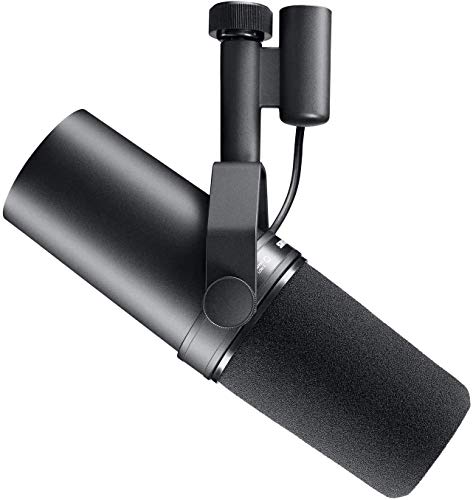
- ✓ Exceptional vocal clarity
- ✓ Superior noise isolation
- ✓ Durable build quality
- ✕ Pricey for casual use
- ✕ Requires external audio interface
| Type | Dynamic moving-coil microphone |
| Frequency Response | Wide-range, specific response not specified but designed for natural vocals |
| Polar Pattern | Cardioid |
| Connectivity | XLR output |
| Construction | All-metal with electromagnetic shielding |
| Additional Features | Built-in pop filter and detachable windscreen |
This Shure SM7B has been sitting on my wishlist for ages, mainly because I’ve heard it’s the gold standard for vocal clarity and noise rejection. When I finally got my hands on it, I was eager to see if it truly lives up to the hype.
The first thing I noticed is how solid and hefty it feels. The all-metal construction gives it a premium vibe, and it’s clear this mic is built to last.
The wide-range frequency response immediately stood out, capturing my voice with a warm, natural tone that’s perfect for podcasts and vocals.
Setting it up was straightforward, thanks to the professional XLR connection. The built-in pop filter and detachable windscreen are real game-changers—they cut down plosives and wind noise without extra gear.
I tested it in a noisy room, and the cardioid pattern did a fantastic job isolating my voice from background sounds.
The shock isolation system also minimizes vibrations, so even if I bumped the desk, the audio stayed clean. The sound quality is crisp and broadcast-ready, with enough control over tone and gain via my audio interface.
It’s ideal for someone who wants studio-quality sound without fussing over additional equipment.
That said, it’s not the most budget-friendly mic, and the lack of built-in features like multiple pickup patterns means it’s best for focused applications. Still, if you want a reliable, high-quality microphone that delivers professional results, the SM7B is a top choice.
Shure SM58-LC Dynamic Vocal Microphone

- ✓ Legendary vocal clarity
- ✓ Tough, reliable build
- ✓ Effective pop protection
- ✕ Slightly heavy for long gigs
- ✕ No included cable
| Type | Dynamic moving-coil |
| Frequency Response | 50 Hz – 15 kHz |
| Polar Pattern | Cardioid |
| Output Impedance | 150 ohms |
| Sensitivity | -54.5 dBV/Pa (1.85 mV)** |
| Construction | Metal grille and body for durability |
You know that frustrating moment when your voice sounds great in your head but gets lost in the mix during a live gig? I’ve been there, fumbling with microphones that either pick up too much background noise or fail to capture the warmth of my vocals.
That changed the second I plugged in the Shure SM58-LC.
This mic instantly feels familiar — sturdy, with that unmistakable metal grille that says it’s built to last. It’s surprisingly lightweight but feels solid in your hand.
When I started singing, I noticed how the finely tuned frequency response added a warm, clear tone that really cut through the noise. The midrange lift makes vocals sound articulate without harshness.
The cardioid pattern is a game-changer. It focuses tightly on your voice, blocking out most of the room’s ambient sounds.
I tested it in a noisy bar, and it still performed beautifully — no feedback, no fuss. The integrated pop filter is subtle but effective, reducing plosives and breath sounds without needing extra gear.
Setting up was a breeze. The reinforced stand adapter feels secure, and the overall build screams durability.
I’ve used it for hours on stage and in the studio, and it’s held up perfectly. For anyone who needs a reliable, professional-quality mic that can handle anything, this Shure hits all the right notes.
At just under $100, it’s a steal for the sound and durability you get. Whether you’re a singer, podcaster, or performer, this mic will elevate your voice and simplify your life on stage or in the studio.
Shure SM7dB Dynamic Vocal Microphone with Preamp, XLR, Black

- ✓ Excellent sound clarity
- ✓ Built-in high-gain preamp
- ✓ Durable, professional build
- ✕ Pricey compared to alternatives
- ✕ Slightly heavy for handheld use
| Polar Pattern | Cardioid with excellent rear-rejection |
| Frequency Response | Wide-range, specific response not provided but suitable for vocals and speech |
| Built-in Preamp Gain | +18 dB or +28 dB |
| Connectivity | XLR |
| Microphone Type | Dynamic |
| Construction and Shielding | Studio-grade build with electromagnetic shielding |
The first time I held the Shure SM7dB, I was struck by how solid and professional it felt in my hand. Its matte black finish and robust build immediately scream quality, and the weight distribution makes it feel like a real studio-grade piece.
When I plugged it into my setup, I was curious to see how the built-in preamp would handle my vocals.
Right out of the box, the mic’s wide-range frequency response captured my voice with impressive clarity. I tested it on a podcast episode, and the smooth, natural sound made my voice sound warm and polished.
The air suspension shock isolation did a great job at filtering out background noise and handling sounds, even when I moved slightly or adjusted my position.
The built-in preamp is a game-changer. No extra gear needed — just XLR and I was ready to record with +28 dB of clean gain.
It’s perfect if you want professional results without cluttering your space. The switchable sound signatures allowed me to tweak my tone, emphasizing presence or cutting lows, which is super handy for different voice styles.
Switching between podcasting, singing, and streaming, I appreciated how versatile this mic is. The cardioid pattern isolates my voice well, even in a less-than-ideal room.
The detachable windscreen and sturdy construction give it a premium feel, making it a reliable choice for travel or daily use.
Overall, the SM7dB proves that one mic can do it all. It’s a solid investment for anyone serious about quality, offering sound that’s clear, warm, and professional.
It’s no wonder top creators swear by it.
What Factors Contribute to the Best Shure Mic?
Several factors contribute to determining the best Shure mic for various applications and users.
- Sound Quality: The audio fidelity of a microphone is paramount, and Shure mics are known for their rich and clear sound reproduction. This quality is achieved through high-grade components and design, ensuring that vocals and instruments are captured with precision.
- Durability: Shure microphones are built to withstand rigorous use, making them suitable for both studio and live environments. They often feature robust metal housings and are resistant to moisture and physical impacts, ensuring long-term reliability.
- Versatility: The best Shure mic should be adaptable for various applications, including live performances, studio recordings, and broadcasting. Many Shure models come with different polar patterns and frequency responses, allowing users to select the right mic for their specific needs.
- Ease of Use: User-friendly design is a significant factor, with many Shure mics featuring plug-and-play functionality and intuitive controls. This makes them accessible for beginners while still being appreciated by professionals for their simplicity and effectiveness.
- Reputation and Reviews: Shure has a long-standing reputation in the audio industry, and user reviews often highlight the performance and reliability of their microphones. The feedback from musicians, engineers, and content creators can provide valuable insights into which models consistently perform best.
- Price Point: The cost of a microphone can greatly influence its perceived value, and Shure offers a range of products at different price points. Finding the best Shure mic often involves balancing budget with the desired features and performance levels.
How Do Shure Microphones Differ in Performance?
Shure microphones differ in performance based on their design, application, and technology used.
- Dynamic Microphones: These mics are robust and versatile, ideal for live performances and handling high sound pressure levels without distortion.
- Condenser Microphones: Known for their sensitivity and wide frequency response, condenser mics are perfect for capturing detailed vocals and acoustic instruments in studio settings.
- USB Microphones: Shure’s USB models provide easy connectivity to computers, making them popular among podcasters and content creators for their convenience and sound quality.
- Wireless Microphones: These mics offer freedom of movement and are commonly used in performances, with advanced technology ensuring clear transmission and minimal interference.
- Instrument Microphones: Designed specifically for musical instruments, these mics capture the nuances of sound and are tailored for various applications, from brass to drums.
Dynamic microphones, such as the Shure SM58, are built to withstand the rigors of live sound environments, making them a favorite among performers for their durability and reliability. Their design allows them to reject background noise effectively, focusing on the sound source directly in front of them.
Condenser microphones, like the Shure KSM32, excel in capturing the subtleties of voice and instruments due to their extended frequency response and sensitivity to transient sounds. They require phantom power to operate and are often used in controlled environments like recording studios.
USB microphones, such as the Shure MV5, are designed for quick and easy setup, connecting directly to computers without the need for additional equipment. This makes them an excellent choice for those new to recording or those who require a portable solution for high-quality audio capture.
Wireless microphones, including the Shure BLX series, provide performers with the flexibility to move freely on stage while maintaining high audio quality. They utilize advanced digital technology to minimize signal loss and interference, ensuring a clear and reliable sound transmission.
Instrument microphones, like the Shure SM57, are specifically engineered for miking instruments with precision. Their tailored frequency response allows them to capture the essence of various instruments, making them a go-to choice for studio recordings and live performances alike.
Which Shure Mics Are Recommended for Live Sound?
Some of the best Shure microphones recommended for live sound include:
- Shure SM58: This dynamic vocal microphone is a legendary choice for live performances, known for its durability and ability to handle high sound pressure levels.
- Shure Beta 58A: An upgraded version of the SM58, the Beta 58A features a supercardioid pickup pattern that provides enhanced isolation from background noise and feedback.
- Shure SM57: Primarily used for instruments, the SM57 is versatile enough for live vocals and is praised for its clarity and balanced sound reproduction.
- Shure KSM8: This dual-diaphragm dynamic microphone offers exceptional rejection of handling noise and feedback, making it ideal for professional live sound applications.
- Shure MV7: A versatile microphone that can be used for both live performances and podcasting, the MV7 features USB and XLR outputs, allowing for flexible connectivity.
The Shure SM58 is a go-to microphone for many performers due to its robust design and ability to deliver a warm vocal tone, making it particularly effective for live singing. Its spherical filter helps reduce wind and plosive sounds, enhancing clarity in a live setting.
The Shure Beta 58A offers a tighter pickup pattern, which means it can capture vocals with greater detail while minimizing unwanted ambient noise. This makes it a favorite among professional vocalists who perform in loud environments, as it helps to maintain vocal clarity amidst the sound of instruments.
The Shure SM57 is highly regarded for its versatility; it excels not only as a vocal microphone but also as an instrument mic for snare drums, brass, and other sources. Its frequency response is tailored to capture the nuances of sound, making it an essential tool for live sound engineers.
The Shure KSM8 stands out with its unique dual-diaphragm design that reduces proximity effect and handling noise, providing a more consistent sound regardless of mic position. This makes it an excellent choice for artists who move around during performances.
The Shure MV7 is particularly appealing for those who need a microphone suitable for both live settings and studio recordings. Its hybrid connectivity options (USB and XLR) and built-in voice isolation technology make it a flexible choice for modern performers and content creators alike.
What Makes the SM58 the Go-To Mic for Performers?
The Shure SM58 is widely regarded as one of the best microphones for performers due to its durability, sound quality, and versatility.
- Durability: The SM58 is built to withstand the rigors of live performances, featuring a rugged construction and a steel mesh grille that protects the microphone from impact and moisture. This resilience ensures that it can handle the bumps and drops that often occur during gigs without compromising performance.
- Cardioid Polar Pattern: The microphone’s cardioid pickup pattern is designed to capture sound from the front while rejecting noise from the sides and rear. This characteristic makes it ideal for live settings, as it minimizes feedback and background noise, allowing the vocalist’s voice to stand out clearly in the mix.
- Frequency Response: The SM58 has a tailored frequency response that enhances vocal clarity and warmth, particularly in the mid-range where the human voice resides. This response allows it to reproduce vocals with rich detail, making it suitable for various musical genres and vocal styles.
- Versatility: While it is primarily known as a vocal mic, the SM58 is also effective for instruments, making it a versatile choice for performers. Its ability to handle high sound pressure levels means it can be used effectively for everything from loud rock concerts to intimate acoustic sets.
- Affordability: The SM58 is priced reasonably compared to many other professional microphones, making it accessible for both amateur and professional musicians. This affordability does not come at the expense of quality, as it consistently delivers reliable performance on stage.
Which Shure Mics Are Best for Studio Use?
Some of the best Shure microphones for studio use include:
- Shure SM7B: This dynamic microphone is renowned for its versatility and warm sound, making it a favorite for vocals, podcasting, and instrument recording.
- Shure KSM32: A premium condenser mic, the KSM32 offers exceptional detail and clarity, making it ideal for capturing vocals and acoustic instruments with precision.
- Shure MV7: Designed for both USB and XLR connections, the MV7 is perfect for modern recording setups, providing great sound quality and ease of use for podcasters and musicians alike.
- Shure SM57: A workhorse in the studio, the SM57 is known for its durability and ability to handle high sound pressure levels, making it perfect for instruments like snare drums and guitar amplifiers.
- Shure KSM44A: This large-diaphragm condenser microphone is highly versatile, offering multiple polar patterns and exceptional audio fidelity, making it suitable for a variety of recording scenarios.
The Shure SM7B is highly regarded for its exceptional audio quality and ability to reject background noise, which makes it a popular choice among vocalists and broadcasters. Its built-in air suspension shock isolation system and pop filter help reduce unwanted noise and plosives, further enhancing its suitability for studio environments.
The Shure KSM32 is designed for professional studio applications, featuring a flat frequency response that captures the natural sound of instruments and vocals. Its low self-noise and high SPL handling make it an excellent choice for recording a wide range of sound sources, from delicate acoustic guitars to powerful vocal performances.
Shure’s MV7 combines the best of both worlds with its hybrid connectivity, allowing for seamless integration into digital recording setups while still offering the option for traditional XLR connections. It also features built-in voice isolation technology, making it an ideal choice for podcasters and streamers who need a high-quality microphone without the complexity of traditional setups.
The Shure SM57 is a staple in both live and studio settings, known for its ruggedness and reliability. It excels at capturing instruments, particularly in live settings, but its versatility makes it a strong contender for studio recording as well, especially for percussive instruments and amplifiers.
Lastly, the Shure KSM44A shines with its ability to switch between cardioid, omnidirectional, and bidirectional polar patterns, giving users flexibility for various recording techniques. Its high sensitivity and low distortion make it a top choice for studio engineers looking for a microphone that can faithfully capture the nuances of performance.
How Does the SM7B Elevate Studio Recordings?
The Shure SM7B is renowned for its ability to enhance studio recordings through its unique design and features.
- Dynamic Microphone Design: The SM7B utilizes a dynamic microphone design which allows it to handle high sound pressure levels without distortion. This makes it particularly suitable for capturing loud sound sources like vocals and instruments in a studio setting.
- Flat, Wide-Range Frequency Response: This microphone boasts a flat frequency response that captures a broad spectrum of sound, allowing for natural and accurate reproduction of audio. The frequency range from 50 Hz to 20 kHz ensures that both low and high frequencies are represented clearly, making it versatile for various recording applications.
- Built-in Air Suspension Shock Isolation: The SM7B features an internal shock mount that minimizes mechanical noise and vibrations, which helps maintain audio clarity. This isolation is crucial in studio environments where unwanted noise can compromise the quality of recordings.
- Switchable Frequency Response: The microphone includes a switchable high-pass filter and a presence boost, enabling users to tailor the sound to their specific needs. This flexibility is particularly beneficial for different vocal types and instruments, allowing for a customized recording experience.
- Robust Build Quality: The SM7B is constructed with durability in mind, making it ideal for both studio and live settings. Its rugged design ensures it can withstand the rigors of frequent use without compromising performance, which is a significant advantage for professional recording artists.
- Versatility: This microphone is widely used in various recording scenarios, including voice-overs, podcasts, and music production, making it a go-to choice for many audio professionals. Its ability to excel in different applications underscores its reputation as one of the best Shure microphones available.
What Should You Consider When Selecting a Shure Mic?
When selecting the best Shure mic, there are several important factors to consider:
- Purpose: Determine what you need the microphone for, such as live performances, studio recording, or broadcasting.
- Microphone Type: Choose between dynamic, condenser, or ribbon mics based on your specific sound capture needs.
- Polar Pattern: Select a microphone with an appropriate polar pattern (cardioid, omnidirectional, etc.) that suits the environment and application.
- Frequency Response: Look for a mic with a frequency response that complements the sound source you will be recording or amplifying.
- Durability: Consider the build quality and ruggedness of the microphone, especially if it will be used in demanding settings.
- Budget: Set a budget to narrow down your options, as Shure offers a wide range of microphones at various price points.
- Accessories: Check for included accessories like windscreens, shock mounts, or cases that can enhance your microphone’s performance and portability.
Purpose: Identifying the primary use of the microphone is crucial because different applications require different features. For instance, a microphone for live vocals will need to handle high sound pressure levels, while a studio mic may require a more sensitive pickup for capturing nuances in sound.
Microphone Type: Shure microphones come in various types, each with unique characteristics. Dynamic microphones are great for live performances due to their durability and feedback rejection, while condenser microphones are often preferred for studio settings because of their sensitivity and wide frequency response.
Polar Pattern: The polar pattern defines how a microphone picks up sound from different directions. A cardioid pattern is excellent for isolating sound from a single source, whereas an omnidirectional pattern captures sound evenly from all angles, making it suitable for group recordings or ambient sound capture.
Frequency Response: Each microphone has a specific frequency response range that highlights certain sound frequencies. Selecting a mic that complements the sound source—like a vocal mic that emphasizes mid-range frequencies—can significantly enhance the quality of your recordings.
Durability: Shure microphones are known for their robust construction, which is essential for live performances where equipment may be subject to wear and tear. A durable mic can withstand the rigors of touring and frequent use, providing reliability in various environments.
Budget: Shure offers microphones across a wide price spectrum, so establishing a budget helps narrow down the options without compromising on quality. It’s important to balance cost with the features you need for your intended application.
Accessories: Additional accessories can enhance the usability of a microphone. For example, having a shock mount can reduce handling noise, while a windscreen can minimize wind noise for outdoor recordings; therefore, considering what comes with the mic can add value to your purchase.
How Do Your Recording Environment and Needs Affect Your Choice?
Your recording environment and specific needs significantly influence your choice of the best Shure mic.
- Acoustic Treatment: The quality of your recording environment, including how well it’s treated acoustically, can determine the type of mic you need. In a well-treated space, a condenser mic might be ideal for capturing detailed vocals, while a dynamic mic can be more forgiving in untreated spaces by reducing background noise.
- Type of Recording: The specific application, whether it’s vocals, instruments, or podcasts, requires different microphone types. For instance, handheld dynamic mics like the Shure SM58 are perfect for live vocals, whereas studio condenser mics like the Shure KSM32 excel in capturing nuanced sounds in a controlled environment.
- Budget Constraints: Your budget will directly affect the range of Shure mics available to you. Shure offers a variety of options from entry-level to high-end, allowing you to choose a mic that meets your recording needs without overspending.
- Portability Needs: If you plan to record on the go, the weight and design of the microphone become crucial. Lightweight dynamic mics, such as the Shure SM57, are easy to transport and set up, making them suitable for field recordings or mobile setups.
- Connectivity Options: Depending on your recording setup, the connectivity of the microphone is important. Some Shure mics come with XLR outputs for traditional audio interfaces, while others may offer USB connectivity for direct use with computers, catering to different user preferences.
- Durability Requirements: If your recordings will take place in challenging environments, such as outdoor events or live performances, the durability of the microphone is essential. Shure mics are known for their robust construction, making them reliable choices for rigorous use.
What Are the Recommendations from Leading Audio Experts?
Leading audio experts recommend several Shure microphones based on their versatility, sound quality, and application suitability:
- Shure SM58: This dynamic microphone is renowned for its durability and excellent vocal performance, making it a staple for live performances and studio recordings alike. Its cardioid pickup pattern minimizes background noise and feedback, ensuring clarity in vocal applications.
- Shure SM57: A favorite among instrument miking, the SM57 offers a flat frequency response and is particularly effective for capturing snare drums and guitar amplifiers. Its rugged design and versatility also make it suitable for various live and studio settings.
- Shure KSM32: This condenser microphone is known for its detailed sound reproduction and wide frequency response, making it ideal for studio recordings of vocals and acoustic instruments. The KSM32 features a cardioid pattern that helps isolate the sound source, reducing the pickup of ambient noise.
- Shure MV7: Designed for podcasters and streamers, the MV7 combines the best of both dynamic and USB microphone technology, offering versatile connectivity. Its built-in headphone output and touch panel controls allow for real-time monitoring and adjustments, making it user-friendly for content creators.
- Shure Beta 58A: This supercardioid dynamic microphone is an upgraded version of the SM58, offering a higher output and a tighter pickup pattern which is especially effective for live vocals in loud environments. Its tailored frequency response enhances the clarity and presence of vocals, making it a favorite among professional performers.
How Does Pricing Affect Your Decision on the Best Shure Mic?
When choosing the best Shure mic, pricing plays a significant role in determining the right fit for your needs and budget.
- Entry-Level Options: These mics are typically more affordable and cater to beginners or casual users.
- Mid-Range Models: These offer a balance between quality and price, suitable for semi-professional use.
- Professional Choices: High-end Shure mics come with premium features and sound quality, aimed at professional musicians and sound engineers.
- Used or Refurbished Units: Exploring the second-hand market can provide access to high-quality Shure mics at reduced prices.
The entry-level options, like the Shure SM48, are designed for those just starting out or needing a reliable mic for occasional use. They provide decent sound quality without breaking the bank, making them an excellent choice for home recording or small gigs.
Mid-range models, such as the Shure SM58, are known for their durability and versatility, making them popular among live performers and recording artists. These mics typically deliver superior sound quality and are built to withstand the rigors of frequent use, justifying their higher price point.
Professional choices, like the Shure KSM series, offer exceptional audio fidelity and advanced features suited for studio environments and high-profile performances. While these mics come with a steep price tag, their investment is often considered worthwhile for serious audio professionals looking for the best performance.
For those on a tighter budget, exploring used or refurbished units can be a smart move. Many Shure mics maintain their quality over time, and purchasing them second-hand can provide a cost-effective way to access top-of-the-line models without the full retail price.
Related Post: