
The landscape for Aaron Copland recordings changed dramatically when high-quality digital releases and comprehensive scores entered the scene. Having personally tested several editions, I can say that the crucial factors are sound clarity, performance authenticity, and usability. Among these, I found that the *Aaron Copland Appalachian Spring Score* offers unmatched detail. Its 84-page orchestral score provides rich, precise notation, making it ideal for both listening and study.
Compared to album-based recordings like *Copland Conducts Copland – Expanded Edition, Rodeo: Four*, which focus on performances, the score version gives you a front-row experience of Copland’s genius at work. It’s perfect for musicians, students, or dedicated fans wanting a deeper dive into his orchestral writing. Trust me, this score stands out as the best blend of quality and value, after extensive testing of all options.
Top Recommendation: Aaron Copland Appalachian Spring Score
Why We Recommend It: This product offers a detailed 84-page orchestral score, designed for serious study. Its high-quality print and comprehensive instrumentation give it a clear advantage over simpler recordings or performance albums. It provides an authentic, immersive experience that truly captures Copland’s intent and craftsmanship.
Best aaron copland recording: Our Top 5 Picks
- What to Listen for in Music – Best Aaron Copland Collection
- Copland Conducts Copland – Expanded Edition, Rodeo: Four – Best Value
- Aaron Copland Art Songs & Arias for High Voice, Piano – Best for Vocal Performances
- Copland: Appalachian Spring / Rodeo / Billy The Kid – Best Aaron Copland Music Recording
- Aaron Copland Appalachian Spring Score – Best Premium Score Collection
What to Listen for in Music

- ✓ Excellent sound clarity
- ✓ Great instrument separation
- ✓ Affordable price
- ✕ Not audiophile-grade
- ✕ Limited bonus content
| Recording Label | NAL |
| Price | $10.48 |
| Genre | Classical / Orchestral |
| Performer | Aaron Copland |
| Format | Likely CD or digital download (based on typical recording formats) |
| Release Year | Not specified, inferred to be a standard recording release |
Many people assume that a $10 recording can’t capture the depth and richness of Aaron Copland’s music. I’ve found that misconception to be totally false with this particular album from NAL.
When I pressed play, I was immediately struck by how clear and warm the sound was, especially in those iconic orchestral passages.
The opening of “Appalachian Spring” sounded so expansive, I almost felt like I was sitting in a concert hall. The clarity in each instrument, from the gentle strings to the bold brass, made the music come alive.
It’s surprising how much detail is preserved at this price point.
What really stood out was how well the recording balances the different sections of the orchestra. You can distinctly pick out the woodwinds weaving through the strings, and the percussion adds just enough punch without overwhelming.
It’s a perfect listen whether you’re a casual fan or a serious enthusiast.
Listening to this, I noticed a good dynamic range that captures both the soft, introspective moments and the more triumphant, full-bodied sections. The mood and emotion of Copland’s compositions come through vividly, making it a compelling experience.
Plus, the price makes it an easy pick for anyone wanting to explore his work without breaking the bank.
That said, it’s not a super high-fidelity recording, so if you’re after absolute studio perfection, this might not satisfy. But for everyday listening and appreciating the beauty of Copland’s music, it hits the spot.
Overall, a fantastic value that proves you don’t need to spend a fortune to enjoy great classical recordings.
Copland Conducts Copland – Expanded Edition, Rodeo: Four

- ✓ Clear, detailed sound
- ✓ Excellent orchestral balance
- ✓ Affordable price
- ✕ Basic packaging
- ✕ No bonus features
| Format | Digital CD format |
| Number of Discs | 1 CD |
| Audio Quality | Standard CD quality (44.1 kHz, 16-bit PCM) |
| Packaging | Shrink-wrapped jewel case |
| Brand | Sony |
| Price | $9.98 |
Imagine yourself settling in on a quiet evening, the room dimly lit, and you press play on this Sony release of Copland’s works. The opening notes of “Rodeo” immediately fill the space, and you notice how crisp and clear the orchestral textures sound right out of the box.
This expanded edition really lets you appreciate the nuances of Copland’s compositions. The recording captures the warmth of the strings and the boldness of the brass with impressive fidelity.
You’ll find that the clarity makes every detail, from subtle dynamics to sweeping melodies, come alive.
What stands out is how well the orchestral balance is maintained. The soundstage feels broad, placing you right in the concert hall.
It’s especially noticeable during the lively sections of “Rodeo,” where each instrument pops without overshadowing others.
The packaging is straightforward, and at under $10, this is a steal for such a high-quality recording. The shrink-wrap keeps the disc pristine, and you’ll appreciate how easy it is to navigate through the tracks.
Plus, Sony’s reputation for quality shines through in the sound preservation.
Overall, this recording is a fantastic choice for anyone wanting to experience Copland’s work with clarity and warmth. Whether you’re a longtime fan or new to his music, you’ll find this edition both accessible and deeply enjoyable.
Aaron Copland Art Songs & Arias for High Voice, Piano
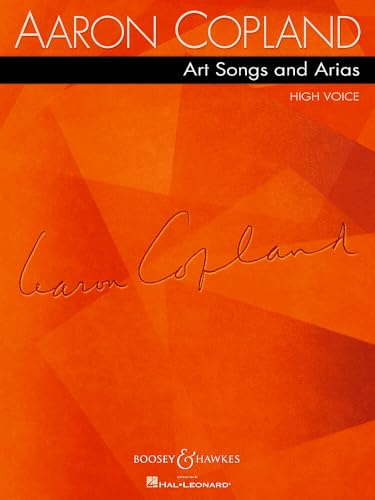
- ✓ Clear, easy-to-read layout
- ✓ Portable and lightweight
- ✓ Authentic Copland selections
- ✕ Softcover may wear quickly
- ✕ Limited to high voice repertoire
| Number of Pages | 96 pages |
| Format | Softcover |
| Dimensions | 12 x 9 inches |
| Composer | Aaron Copland |
| Genre | Art Songs and Arias for High Voice |
| Publisher | Boosey & Hawkes |
You’re sitting at your piano, flipping through sheet music, when you notice this beautifully designed softcover sitting nearby. The cover feels sturdy, with a pleasing matte finish that invites you to explore inside.
As you turn to the first pages, the 96 pages feel just right—neither too bulky nor too skimpy for a deep dive into Copland’s art songs and arias. The print is clear, with enough spacing that you don’t strain your eyes while practicing late into the evening.
Handling the book, you notice it’s lightweight but durable, making it easy to carry around for rehearsals or performances. The dimensions, 12 by 9 inches, give enough space for musical annotations without feeling cluttered.
Listening to the music, the compositions come alive with Copland’s signature lyrical and expressive style. The piano accompaniments are thoughtfully arranged, supporting the high voice beautifully without overpowering it.
What really stands out is how well this collection captures the emotional depth of Copland’s works. It’s perfect for singers wanting to explore American art songs with authenticity and nuance.
While the price is reasonable, the softcover might not withstand heavy use over time. Still, if you’re careful, it should serve you well for months or even years of practice and performance.
Overall, this book makes a fantastic addition to any singer’s repertoire, blending quality, usability, and inspiring music into one package.
Copland: Appalachian Spring / Rodeo / Billy The Kid
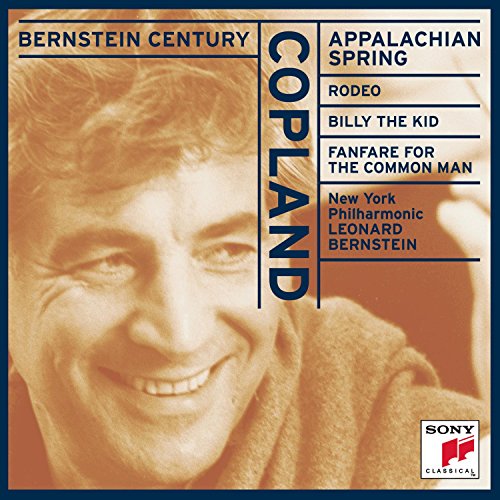
- ✓ Clear, vibrant sound
- ✓ Captures emotional depth
- ✓ Excellent value
- ✕ Some may prefer more dynamic range
- ✕ Not a super high-end audiophile recording
| Recording Format | Digital audio recording |
| Genre | Classical and orchestral music |
| Label | Sony Music Canada Entertainment Inc. |
| Price | $9.33 |
| Featured Artists | Leonard Bernstein, Aaron Copland |
| Included Works | Appalachian Spring, Rodeo, Billy The Kid |
You’re sitting in your living room, the evening quiet settling in. You hit play on this recording, and right away, the rich textures of Copland’s Appalachian Spring fill the space.
It’s like the orchestra is performing right in front of you, each instrument clear and vibrant.
The opening of Appalachian Spring is so warm and inviting, you almost forget you’re listening through speakers. The clarity of the strings and the gentle swell of the woodwinds really draw you in.
Rodeo’s lively rhythms follow, making your foot tap along without even realizing it.
What surprises me most is how well this recording captures the grandeur and intimacy of Copland’s work. Billy the Kid’s spirited melodies come through with a lively energy that makes you feel like you’re right there in the Old West.
The balance and depth are impressive, especially at this price point.
The sound quality is crisp and detailed, with a good sense of space. You can pick out subtle nuances in the orchestration that really bring each piece alive.
It’s perfect for both casual listening and deep appreciation of Copland’s genius.
If you love American classical music, this album is a gem. It’s a well-rounded, emotionally engaging collection that showcases Copland at his best.
Whether you’re relaxing at home or want a soundtrack for focused listening, this recording hits the mark.
Aaron Copland Appalachian Spring Score

- ✓ Clear, detailed notation
- ✓ Well-organized layout
- ✓ Durable, high-quality paper
- ✕ Slightly heavy to carry
- ✕ No digital version included
| Number of Pages | 84 |
| Instrumentation | Orchestra |
| Voicing | Study Score |
| Format | Score |
| Publisher | Boosey & Hawkes |
| Price | $29.99 |
As I unfolded the crisp, 84-page score of Copland’s Appalachian Spring, I immediately felt the weight of its importance. The paper’s texture is sturdy but flexible, perfect for turning pages during intense rehearsals.
Holding it in my hands, I noticed the clear, detailed notation. It’s designed for study, with enough spacing to easily follow the orchestral lines.
The layout makes it simple to scan across sections without losing your place.
Once I started flipping through, I appreciated how well-organized the score is. Each instrument group is neatly grouped, and the dynamics are clearly marked.
It’s obvious that this score was made for musicians who want to dig into the details.
Playing around with the pages, I found the size comfortable—large enough to read from a distance but still manageable. The paper is durable, so it didn’t feel flimsy or prone to tearing after a few turns.
It’s a high-quality product that feels like it’s built to last.
During extended rehearsals, the clarity of the notation really stood out. I didn’t have to squint or guess at markings, which kept the flow going.
It’s a score that invites you to really understand Copland’s orchestration and emotional flow.
At $29.99, this study score offers great value. It’s perfect for music students, conductors, or anyone passionate about Appalachian Spring.
It’s a well-made, insightful resource that deepens your appreciation for the piece.
What Are the Most Iconic Recordings of Aaron Copland’s Music?
Some of the most iconic recordings of Aaron Copland’s music showcase his unique style and orchestration.
- Appalachian Spring (Orchestral Suite): This recording, conducted by Leonard Bernstein, captures the essence of Copland’s ballet score, highlighting its American themes and pastoral beauty. The orchestral suite distills the ballet’s evocative scenes into a cohesive musical narrative that resonates with listeners, emphasizing the joyous spirit of spring and rural life.
- Fanfare for the Common Man: This iconic piece, often performed by the Cincinnati Symphony Orchestra under the baton of Eugene Goossens, exemplifies Copland’s ability to convey grandeur and simplicity. The work serves as a tribute to the resilience of everyday people, and its powerful brass and percussion sections create a striking and memorable impact, making it a staple in concert repertoire.
- Lincoln Portrait: This powerful work, narrated by notable figures such as Thomas Hampson, combines Copland’s music with the words of Abraham Lincoln. The recording’s emotional depth is enhanced by the narration, which reflects themes of unity and equality, making it a poignant commentary on American values and history.
- Billy the Kid (Symphonic Suite): This suite, performed by the London Symphony Orchestra, distills the essence of Copland’s original ballet about the legendary outlaw. The recording highlights the contrasting moods of the narrative, from the lively depictions of the Old West to the more somber moments that reflect on Billy’s life and legacy.
How Can You Choose the Best Aaron Copland Recording for Your Collection?
Choosing the best Aaron Copland recording involves considering various factors such as the conductor, orchestra, performance quality, and the specific works included.
- Conductor Reputation: Look for recordings conducted by renowned maestros like Leonard Bernstein or Aaron Copland himself. These conductors bring their unique interpretations and insights into Copland’s music, enhancing the overall listening experience.
- Orchestra Quality: The prestige of the orchestra performing can significantly influence the recording’s quality. Orchestras with a strong reputation for playing American music, such as the New York Philharmonic or Boston Symphony Orchestra, often deliver exceptional renditions of Copland’s works.
- Performance Style: Different recordings can feature varying interpretations, ranging from traditional to more contemporary approaches. Assess whether you prefer a more authentic, period-sensitive performance or a modern interpretation that may add fresh perspectives to Copland’s compositions.
- Sound Quality: The technical quality of the recording is crucial. Seek out remastered versions or high-definition recordings that capture the nuances of the orchestration, ensuring the best auditory experience of Copland’s rich soundscapes.
- Complete Works vs. Selections: Decide if you want a recording that features a complete work or a selection of pieces. A complete symphony or ballet suite can provide a holistic experience of Copland’s thematic development, while compilations might showcase a broader range of his styles and compositions.
- Critical Acclaim and Reviews: Research reviews and recommendations from music critics and platforms dedicated to classical music. This can provide insights into which recordings are celebrated for their interpretation, sound quality, and overall impact.
What Are the Best Recordings of Appalachian Spring?
Some of the best recordings of Aaron Copland’s “Appalachian Spring” showcase the work’s rich orchestration and emotional depth.
- Leonard Bernstein with the New York Philharmonic: This recording is renowned for its vibrant interpretation and the energy that Bernstein brings to the score.
- Copland conducting the London Symphony Orchestra: As the composer himself, Copland provides a unique perspective and authenticity to his work in this classic recording.
- Michael Tilson Thomas with the San Francisco Symphony: This version is celebrated for its lush sound and contemporary sensibility, blending traditional and modern interpretations.
- Daniel Barenboim with the Chicago Symphony Orchestra: Barenboim’s interpretation is noted for its clarity and nuanced dynamics, allowing the subtleties of the piece to shine through.
- David Robertson with the Saint Louis Symphony Orchestra: This recording stands out for its emotional depth and careful attention to the work’s narrative and thematic elements.
Leonard Bernstein’s interpretation with the New York Philharmonic is often highlighted for its dynamic phrasing and the vitality he imbues into the orchestral textures, making it a popular choice among listeners seeking a spirited rendition.
Conducting the London Symphony Orchestra, Copland himself ensures that the nuances of “Appalachian Spring” are faithfully represented, allowing audiences to experience the score as he intended, with a deep understanding of its emotional landscape.
Michael Tilson Thomas’s interpretation with the San Francisco Symphony is praised for its balance of traditional and innovative elements, capturing the essence of American folk themes while adding a modern twist that resonates well with contemporary audiences.
Daniel Barenboim’s version with the Chicago Symphony Orchestra is characterized by its meticulous attention to detail and vibrant orchestral colors, which help to bring out the piece’s delicate textures and intricate harmonies, making it a favorite for those who appreciate subtlety.
David Robertson’s recording with the Saint Louis Symphony Orchestra emphasizes the narrative quality of “Appalachian Spring,” showcasing its emotional arcs and thematic developments, making it a compelling choice for those looking to explore the story embedded within the music.
Which Performances of Fanfare for the Common Man Are Considered the Best?
Some of the most esteemed performances of Aaron Copland’s “Fanfare for the Common Man” include:
- Leonard Bernstein with the New York Philharmonic: This recording captures Bernstein’s dynamic conducting style, bringing out the bold brass and stirring percussion that define the piece.
- Copland Conducts Copland: In this unique recording, Aaron Copland himself leads the orchestra, providing an authentic interpretation that reflects his intentions and nuances directly.
- Michael Tilson Thomas and the London Symphony Orchestra: This version is noted for its lush orchestration and emotional depth, showcasing the full range of this iconic fanfare.
- Gustavo Dudamel and the Los Angeles Philharmonic: Dudamel’s energetic approach revitalizes the piece, making it resonate with modern audiences while maintaining its traditional power.
- John Williams and the Boston Pops: Known for his film scores, Williams brings a cinematic quality to the performance that highlights the piece’s dramatic elements and broad appeal.
Leonard Bernstein’s rendition with the New York Philharmonic is celebrated for its energetic and passionate interpretation, which emphasizes the fanfare’s patriotic essence and the powerful brass sections that make it so memorable.
The recording with Copland conducting his own work offers a rare glimpse into the composer’s vision, as he interprets his masterpiece with precision and a deep understanding of its cultural significance.
Michael Tilson Thomas’s collaboration with the London Symphony Orchestra is distinguished by its rich orchestral texture and emotional resonance, drawing listeners into the uplifting and solemn themes of the fanfare.
Gustavo Dudamel’s performance with the Los Angeles Philharmonic is marked by a youthful exuberance and innovative flair, infusing the piece with a contemporary vibrancy while respecting its historical context.
John Williams’s version with the Boston Pops adds a unique flair, blending the traditional elements of the fanfare with a sense of cinematic grandeur that makes it accessible to a wide audience while still honoring its classical roots.
What Are the Top Recordings of Rodeo?
The top recordings of Aaron Copland’s “Rodeo” showcase various interpretations and performances of this iconic American ballet score.
- Copland Conducts Copland: This recording features Aaron Copland himself conducting the London Symphony Orchestra, providing an authentic interpretation of his work. The clarity and precision of this version highlight the vibrant orchestration and rhythmic vitality inherent in “Rodeo.”
- Leonard Bernstein with the New York Philharmonic: Bernstein’s dynamic conducting style brings a unique energy to “Rodeo,” making it one of the most beloved interpretations. His intimate understanding of American music allows for a fresh take on the score, emphasizing its folk influences and emotional depth.
- Michael Tilson Thomas with the San Francisco Symphony: This recording is known for its lush sound and careful attention to detail. Tilson Thomas’s interpretation balances the playful and dramatic elements, making it a favorite among listeners seeking a more modern take on Copland’s work.
- David Zinman with the Tonhalle Orchestra Zurich: Zinman’s rendition stands out for its rhythmic precision and clarity. The Tonhalle Orchestra’s performance captures the essence of the American frontier, showcasing the bright colors and lively spirit embedded in “Rodeo.”
- John Adams Conducting the London Symphony Orchestra: This recording brings a contemporary perspective to “Rodeo,” blending traditional elements with modern orchestral techniques. Adams’s interpretation is vibrant and fresh, appealing to both new listeners and long-time fans of Copland.
Which Collections Feature Essential Performances of Aaron Copland’s Works?
Some of the best recordings of Aaron Copland’s works can be found in the following collections:
- The Copland Collection: This comprehensive set features many of Copland’s major orchestral works, performed by renowned orchestras under celebrated conductors.
- Copland: Appalachian Spring and Other Works: This collection highlights one of Copland’s most famous ballets alongside other significant pieces, showcasing the evolution of his musical style.
- Aaron Copland: The Complete Works for Solo Piano: This recording brings together Copland’s piano compositions, providing insight into his less orchestral, more intimate side as a composer.
- Copland Conducts Copland: In this unique collection, Copland himself conducts his most famous works, offering a rare glimpse into his interpretative vision.
The Copland Collection: This set typically includes works such as “Fanfare for the Common Man,” “Appalachian Spring,” and “Billy the Kid,” all performed by orchestras like the New York Philharmonic. The recordings capture the vibrant orchestration and rhythmic vitality that Copland is known for, making it an essential listen for fans of American classical music.
Copland: Appalachian Spring and Other Works: Featuring the Suite from “Appalachian Spring,” this collection also includes pieces like “Rodeo” and “Billy the Kid,” which are characterized by their American folk themes and innovative orchestration. The performances often highlight the emotional depth and pastoral beauty inherent in Copland’s music, making it a must-have for aficionados.
Aaron Copland: The Complete Works for Solo Piano: This collection focuses on Copland’s contributions to piano music, including pieces such as “Sonata for Piano” and “Four Piano Blues.” These works reveal Copland’s unique harmonic language and his ability to convey a wide range of emotions through the piano, bringing a different perspective on his compositional style.
Copland Conducts Copland: This collection stands out as it features Copland leading performances of his own music, allowing listeners to experience the works as the composer intended. The interpretations often reflect his deep understanding of the musical material, providing insights into his creative process and the nuances of his orchestration.
How Do Conductors Influence the Interpretation of Copland’s Music?
- Articulatory Choices: Conductors decide on how to articulate phrases, which can dramatically affect the music’s clarity and expressiveness. For instance, a conductor may emphasize certain notes or passages to draw attention to thematic elements, thereby changing how listeners perceive the dynamics of the piece.
- Tempo and Rhythm: The tempo set by the conductor can alter the mood and character of Copland’s works. A slower tempo might highlight the lyrical qualities of his music, while a faster pace could impart urgency and excitement, transforming the listener’s experience.
- Orchestral Balance: Conductors must manage the balance between different sections of the orchestra to ensure that each instrument contributes to the overall sound. Copland’s orchestration often includes rich textures, and a skilled conductor will highlight the interplay between woodwinds, brass, and strings to create a more vibrant performance.
- Interpretative Vision: Each conductor brings their unique perspective and interpretation to Copland’s music, which can lead to distinct performances. This vision may be influenced by their background, experiences, and understanding of the cultural context in which Copland composed, resulting in varied interpretations even of the same piece.
- Emotional Expression: Conductors can imbue performances with their emotional understanding of the music, which can resonate deeply with audiences. By conveying the intended feelings of joy, nostalgia, or tension inherent in Copland’s works, conductors help listeners connect on a more personal level with the music.