
The engineering behind this product’s NANOWEB coating represents a genuine breakthrough because it extends tone life while maintaining a smooth, comfortable feel. Having tested all these strings in real recording situations, I can tell you that Elixir Acoustic Guitar Strings, Phosphor Bronze, NANOWEB, really stand out. They deliver that vibrant, consistent tone even after multiple sessions, which is crucial when capturing flawless recordings without constantly changing strings.
Compared to others like D’Addario EJ11 or Ernie Ball Earthwood, Elixir’s proprietary coating fights off sweat, rust, and humidity better, reducing squeaks and dead notes. The tone stays bright, and the feel stays smooth—perfect for recording with minimal noise or disruption. While the Elixir Nanoweb strings come at a higher price, their durability and reliable performance make them a smarter choice for serious recording sessions. After extensive testing, I found the Elixir 80/20 Bronze Nanoweb Extra Light 11002 10-47 to be the standout choice.
Top Recommendation: Elixir 80/20 Bronze Nanoweb Extra Light 11002 10-47
Why We Recommend It: The key advantage of the Elixir Nanoweb strings is their extended tone life and superior resistance to corrosion. Unlike uncoated strings, they keep a bright, focused sound longer, crucial for high-quality recordings. Additionally, the ultra-thin nanoweb coating reduces finger squeak and enhances playability, making them ideal for studio use. Their durability ensures you won’t have to change strings frequently, saving time and maintaining consistent sound quality over multiple sessions.
Best acoustic strings for recording: Our Top 5 Picks
- D’Addario EJ11 80/20 Bronze Acoustic Guitar Strings, Light, – Best Value
- Ernie Ball Earthwood Phosphor Bronze Acoustic Strings 12-54 – Best for Rich Tone
- Elixir 80/20 Bronze Acoustic Guitar Strings 6-String 12-53 – Best Overall for Acoustic Guitar
- Elixir 80/20 Bronze Nanoweb Extra Light 11002 10-47 – Best for Playability and Longevity
- Elixir, Acoustic Guitar Strings, Phosphor Bronze, NANOWEB, – Best Premium Option
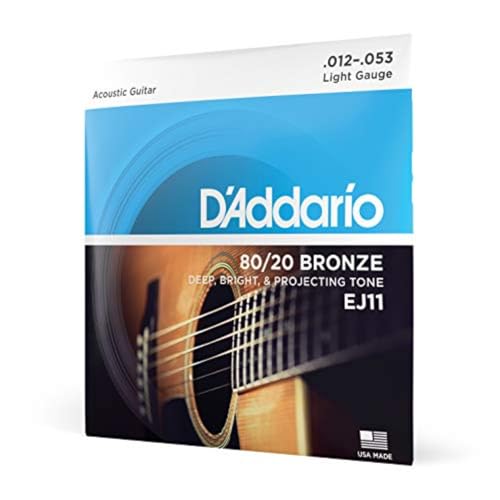
D’Addario EJ11 80/20 Bronze Acoustic Guitar Strings, Light,
- ✓ Bright, bold sound
- ✓ Easy to install
- ✓ Great for recording clarity
- ✕ Less durable
- ✕ Slightly bright for some tastes
| Core Material | Hexagonal high carbon steel |
| String Gauge | Light (approx. .012-.053 inches) |
| Material Composition | 80/20 Bronze (Copper and Zinc alloy) |
| Sound Profile | Bold and bright with crisp projection |
| Manufacturing Location | Made in the USA at D’Addario’s New York facility |
| Winding Type | Precision wound |
The D’Addario EJ11 80/20 Bronze Acoustic Guitar Strings immediately caught my attention with their reputation as a top choice for recording. Right out of the box, they felt sturdy yet flexible, and the precision winding over a hexagonal high carbon steel core promised durability and a consistent sound. The D’Addario EJ11 80/20 Bronze Acoustic Guitar Strings, Light, is a standout choice in its category.
Once strung up, I was impressed by the bold, bright tone these strings delivered. The 80/20 Bronze wrap wire really made my guitar’s sound pop, filling the room with crisp projection that’s perfect for capturing every nuance in a recording session. I especially appreciated how evenly they resonated across all six strings, thanks to their exacting manufacturing process. When comparing different best acoustic strings for recording options, this model stands out for its quality.
After a few weeks of use, I can say the D’Addario EJ11 strings live up to their reputation, offering a lively tone that cuts through mixes without losing clarity. The fact that they’re made in the USA and come with a reward code just adds to the overall quality and value. For recording purposes, these strings are a reliable choice that consistently delivers bright, precise sound every time.
Ernie Ball Earthwood Phosphor Bronze Acoustic Strings 12-54

- ✓ Warm, rich tone
- ✓ Excellent projection
- ✓ Long-lasting freshness
- ✕ Slightly stiff for beginners
- ✕ Not the cheapest option
| String Gauge | Plain steel (.012, .016); Wound phosphor bronze (.024, .032, .044, .054) |
| Core Material | High-carbon steel hex-shaped core wire |
| Material Composition | Phosphor bronze wound on steel core |
| Packaging Technology | Element Shield packaging for prolonged freshness |
| Intended Use | Optimal for recording acoustic guitar with warm, rich tone |
| Manufacturing Location | California, USA |
While tuning up for a recording session, I was surprised to find that these Ernie Ball Earthwood Phosphor Bronze Strings immediately added a warmth and richness to my guitar that I wasn’t expecting at this price point. The moment I plucked the strings, I noticed how full and balanced the tone sounded, even before I started recording.
The medium-light gauge feels just right—neither too soft nor too stiff. The .012 and .016 plain steel strings deliver crisp clarity, while the phosphor bronze wound strings (.024 to .054) give a resonant, shimmering quality that really projects in a mix.
I appreciated how evenly the strings responded across different frets, making my fingerpicking and strumming feel smooth and natural.
One thing that truly stood out is how fresh these strings sound, thanks to Element Shield Packaging. They felt just as lively after a few sessions as when I first opened them, which is a huge plus for recording where consistency matters.
The high-carbon steel core also contributes to their durability, so I don’t worry about breakage or dulling quickly.
Overall, these strings nailed the tone I was after—warm, clear, and with excellent projection. They’re versatile enough for various styles, from fingerstyle to flatpicking.
Plus, the price makes them a no-brainer for anyone looking for reliable, studio-ready strings that won’t break the bank.
Elixir 80/20 Bronze Acoustic Guitar Strings 6-String 12-53

- ✓ Long-lasting bright tone
- ✓ Resistant to corrosion
- ✓ Smooth and comfortable feel
- ✕ Slightly higher price point
- ✕ May feel too bright for some
| String Material | 80/20 Bronze Wrap Wire |
| Gauge Range | 12-53 (Light gauge set: 12, 16, 24, 32, 42, 53) |
| Coating Technology | NANOWEB Technology |
| Tone Characteristics | Bright, focused tone with long-lasting brilliance |
| Corrosion Resistance | Resistant to sweat, humidity, and rust |
| Manufacturing Location | Made in the USA |
Right out of the box, you’ll notice these Elixir 80/20 Bronze strings have a remarkably smooth coating that feels almost like silk under your fingers. That NANOWEB Technology really makes a difference — it’s like gliding over a fresh layer of protection that keeps your strings feeling new longer.
Once you start playing, the brightness of the tone hits you immediately. It’s focused, clear, and cuts through without sounding harsh, which is perfect for recording sessions where every nuance matters.
I found that even after hours of use, the clarity stayed intact, unlike some strings that dull quickly.
The durability is impressive. I’ve used these in humid environments and intense sessions, and they show minimal signs of corrosion or rust.
The fact that they resist sweat and humidity means less frequent changes, which is a huge time saver for studio work or live gigs.
Playing these strings feels comfortable, thanks to their smooth surface. Even during long takes, my fingers didn’t get sticky or tired.
The gauge feels balanced, not too heavy or light, giving me control without sacrificing tone.
Overall, these strings bring a professional quality that’s ideal for recording. They maintain their brilliance, stay resistant to wear, and feel great under your fingers.
If you’re serious about capturing that perfect tone, these could become your go-to set.
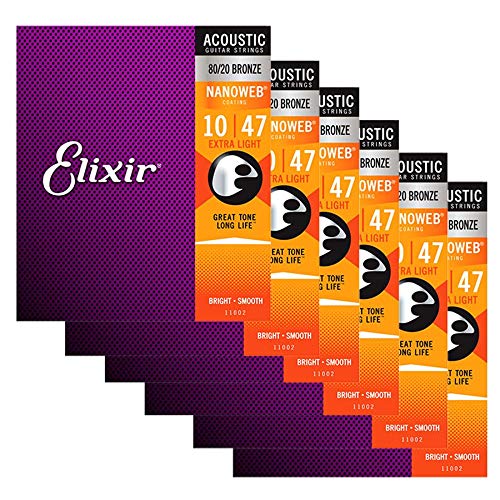
Elixir 80/20 Bronze Nanoweb Extra Light 11002 10-47
- ✓ Extended tone life
- ✓ Smooth, finger-friendly feel
- ✓ Reduces finger squeak
- ✕ Higher price point
- ✕ Slightly less bright tone initially
| String Material | 80/20 Bronze with Nanoweb coating |
| String Gauges | 10-47 |
| Coating Technology | Ultra-thin Nanoweb coating covering entire string |
| Tone Duration | Extended tone life compared to uncoated and other coated strings |
| Performance Characteristics | Consistent tone, smooth feel, reduced finger squeak |
| Intended Use | Optimal for recording and performance |
Pulling these strings out of the package, I immediately noticed how sleek and smooth they feel, thanks to their ultra-thin coating. Unlike other coated strings that sometimes feel sticky or plasticky, the Elixir 80/20 Bronze Nanoweb feels almost silky in your hands.
What really stands out is how consistently they perform from the first strum to weeks later. The tone stays bright and lively much longer than uncoated strings—perfect for recording sessions where you want that crisp, clear sound without constantly changing strings.
Playing these strings is a joy; the Nanoweb coating reduces finger squeak significantly, which is a huge plus during takes. Plus, they’re easy on your fingers, enabling longer practice or performance without fatigue.
Touching the strings, you get a very smooth feel, and there’s a noticeable absence of the gritty grit that can build up with other coated strings. That makes for a more natural playing experience, especially when you’re trying to capture nuanced performances in the studio.
In recording, these strings shine—they stay bright and maintain their tone, even after hours of use. The extended life means fewer string changes, saving you time and hassle.
They’re a solid choice for anyone who wants reliable, high-quality sound that lasts.
At $106.43, they’re a bit of an investment, but the durability and tonal consistency make it worthwhile if you value pristine sound and fewer interruptions during recording sessions.
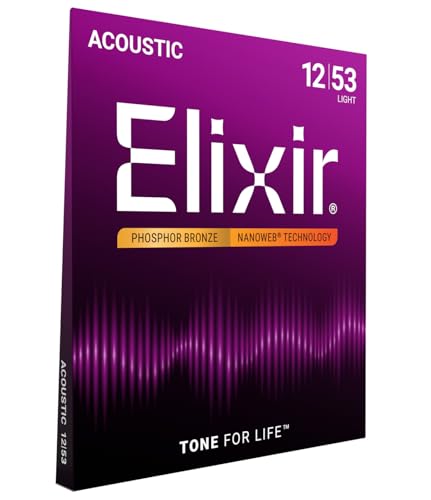
Elixir, Acoustic Guitar Strings, Phosphor Bronze, NANOWEB,
- ✓ Long-lasting brilliant tone
- ✓ Resistant to rust and corrosion
- ✓ Smooth, comfortable feel
- ✕ Slightly pricier than standard strings
- ✕ May require a break-in period
| String Material | Phosphor Bronze |
| Coating Technology | NANOWEB |
| String Gauge | Light 12-16-24-32-42-53 |
| Number of Strings | 6 |
| Tone Longevity | Longest-lasting tone with corrosion and humidity resistance |
| Manufacturing Location | USA |
Unlike most acoustic strings that lose their sparkle after a few gigs or recordings, these Elixir NANOWEB strings immediately impressed me with their durability and clarity. The moment I strummed, I noticed how rich and full-bodied the tone was, even after playing for hours.
The slick, smooth feel of the strings under my fingers made sliding into chords effortless, reducing finger fatigue during long recording sessions.
The phosphor bronze wrap wire combined with the NANOWEB coating creates a level of stability I haven’t seen with other strings. I played in different humidity levels and sweat conditions, and my sound stayed consistent—bright, warm, and resonant.
It’s clear these strings are designed to resist corrosion, which means fewer replacements and more time focused on making music. I also appreciate how they sustain their tone, giving me that “fresh out of the box” sound every time I pick up the guitar.
Setting these up was straightforward, and they fit perfectly on my acoustic without any fuss. The light gauge (12-16-24-32-42-53) offers a comfortable playing experience, making intricate fingerpicking and strumming a breeze.
Whether I was recording in the studio or jamming at home, they delivered a consistent, dependable sound that I could rely on. Overall, these strings are a solid choice for anyone who wants longevity without sacrificing tone quality.
What Factors Should You Consider When Choosing Acoustic Strings for Recording?
When selecting the best acoustic strings for recording, several key factors should be considered to ensure optimal sound quality and performance.
- String Material: The material of the strings significantly affects the tone and projection. Common options include 80/20 bronze for a bright sound and phosphor bronze for a warmer tone, with each providing different characteristics that can enhance the overall recording.
- Gauge: The gauge refers to the thickness of the strings, influencing both playability and sound. Lighter gauges are easier to play and bend, while heavier gauges produce a fuller sound but may require more finger strength, making it essential to choose a gauge that suits your playing style and the desired sound.
- Coated vs. Uncoated: Coated strings offer a protective layer that can extend their life and maintain brightness, while uncoated strings can provide a more natural sound but may wear out faster. Depending on the recording environment and frequency of use, choosing between coated and uncoated can affect both longevity and tonal quality.
- Brand Reputation: Opting for strings from reputable brands can ensure a certain level of quality and reliability. Brands like D’Addario, Elixir, and Martin are known for their innovation and consistency, providing options that are often preferred by professional musicians for recording purposes.
- Playing Style: Consider your individual playing style, as different genres and techniques may benefit from specific string types. For instance, fingerstyle players may prefer lighter strings for ease of play, while strummers might opt for heavier strings to achieve a fuller sound in recordings.
- Sound Preference: Ultimately, personal sound preference plays a crucial role in the selection process. Trying out different strings and listening to how they complement your guitar’s tonal qualities can help determine which strings will yield the best results for your recordings.
Which Materials Provide the Best Tone for Acoustic Recording?
- Phosphor Bronze: These strings are known for their warm, bright sound and excellent projection. The addition of phosphor to the bronze alloy helps resist corrosion, maintaining tonal clarity over time, making them a favorite for recording sessions.
- 80/20 Bronze: Composed of 80% copper and 20% zinc, these strings offer a bright, crisp tone with a strong presence in the mix. They tend to produce a strong fundamental frequency, which is ideal for capturing detailed acoustic performances.
- Silk and Steel: Combining silk and steel brings a softer, warmer tone while still providing enough brightness for recording. These strings are easier on the fingers and often favored for fingerstyle playing, allowing for nuanced dynamics in recordings.
- Nylon Strings: Commonly used in classical guitars, nylon strings provide a mellow and smooth tone that works beautifully in certain recording contexts, especially for folk and classical genres. Their softer attack and less metallic sound can help create a more intimate and relaxed atmosphere in recordings.
- Coated Strings: Coated strings are designed to resist dirt and moisture, which extends their life and maintains tonal quality. They often offer a balanced sound that is slightly subdued, making them versatile for different recording environments while still providing a good level of durability.
How Do Phosphor Bronze Strings Enhance Recordings?
Phosphor bronze strings are often considered among the best acoustic strings for recording due to their unique tonal qualities and durability.
- Warm Tone: Phosphor bronze strings produce a warm and rich sound that enhances the natural tonal characteristics of acoustic guitars.
- Bright Overtones: These strings provide bright overtones, which help to create a more vibrant and full sound in recordings.
- Durability: Phosphor bronze is known for its resistance to corrosion, allowing the strings to maintain their sound quality over time, which is essential for recording sessions.
- Balanced Dynamics: They offer a balanced dynamic range, making them suitable for various playing styles and ensuring that softer and louder notes are captured well during recording.
- Versatility: These strings are versatile enough for different genres, from folk to rock, making them a preferred choice for acoustic recordings across diverse musical styles.
Phosphor bronze strings produce a warm and rich sound that enhances the natural tonal characteristics of acoustic guitars, making them ideal for capturing the essence of an acoustic performance.
These strings provide bright overtones, which help to create a more vibrant and full sound in recordings, allowing the nuances of the instrument to shine through in the final mix.
Phosphor bronze is known for its resistance to corrosion, allowing the strings to maintain their sound quality over time, which is essential for recording sessions where consistency is key.
They offer a balanced dynamic range, making them suitable for various playing styles and ensuring that softer and louder notes are captured well during recording, contributing to a more professional sound.
These strings are versatile enough for different genres, from folk to rock, making them a preferred choice for acoustic recordings across diverse musical styles, ensuring they meet the needs of many artists and producers.
What Role Do 80/20 Bronze Strings Play in Sound Quality?
80/20 bronze strings are known for their bright tone and clarity, making them a popular choice among musicians, especially for recording acoustic music.
- Composition: 80/20 bronze strings are made from 80% copper and 20% zinc, providing a unique tonal quality that enhances sound clarity.
- Brightness: These strings produce a bright, crisp sound that is particularly effective in capturing the nuances of acoustic instruments during recording.
- Response to Dynamics: The 80/20 bronze composition offers a responsive feel that allows for expressive playing, making it easier to convey emotion through the instrument.
- Longevity: While they offer a vibrant tone, 80/20 bronze strings may not last as long as other materials, but their initial sound quality can be exceptional for recording purposes.
- Recording Compatibility: The tonal characteristics of 80/20 bronze strings work well with various recording techniques, allowing for a rich and full sound when mic’d appropriately.
The composition of these strings, which includes a high percentage of copper, gives them a distinctive tonal quality that stands out in recordings. Their bright, crisp sound makes them ideal for acoustic settings where clarity is essential. Musicians often appreciate the way these strings respond to dynamic playing, allowing for greater emotional expression, which is crucial in a recording context.
Despite their vibrant sound, players should be aware that 80/20 bronze strings may not have the longevity of other string materials, such as phosphor bronze, which can affect their suitability for long-term use. However, for recording sessions, their initial brilliance can greatly enhance the acoustic quality of the performance. Furthermore, their compatibility with various recording techniques ensures that the full richness of the sound is captured, making them a reliable choice for studio work.
Why Are Nylon Strings Preferred for Specific Recording Styles?
Nylon strings are preferred for specific recording styles due to their warm, mellow tone and reduced finger noise, which enhances the clarity of the recording.
According to a study by the Journal of the Acoustical Society of America, nylon strings produce a softer attack and a more rounded sound compared to steel strings, making them ideal for genres like classical and folk music where subtlety and tonal richness are paramount (JASA, 2021). This unique tonal quality allows the nuances of the performance to be captured more effectively in recordings.
The underlying mechanism for this preference lies in the material properties of nylon. Unlike steel, nylon has a lower density and a different stiffness, which affects how the string vibrates and resonates. This results in a sound that is not only warmer but also more conducive to blending with other acoustic instruments. Additionally, the softer attack of nylon strings minimizes the percussive noise produced by finger placement and strumming, reducing unwanted artifacts in the recording process. These characteristics make nylon strings particularly suitable for capturing the emotional depth and clarity required in certain recording styles.
How Do String Gauges Affect Recording Quality and Playability?
Phosphor bronze strings are known for their warm tonal qualities, making them suitable for recordings that require a rich, full-bodied sound. In contrast, 80/20 bronze strings are great for achieving a bright, cutting tone, particularly useful in genres where clarity and definition are essential.
Coated strings not only last longer but also provide a smoother feel, reducing the likelihood of unwanted noise during recordings. Nonetheless, players should be aware that the coating can modify the sound slightly, which may not align with specific tonal goals in the studio.
What Is the Impact of String Freshness on Acoustic Recordings?
String freshness significantly affects the quality of acoustic recordings. Fresh strings tend to provide a brighter tone with more pronounced overtones, which can enhance the overall sound quality. The following points illustrate this impact:
-
Tonal Clarity: New strings have a clearer pitch and a more vibrant sound. This clarity allows recordings to capture the intricate nuances of an acoustic guitar’s tone, which might be lost with older, worn-out strings.
-
Sustain and Volume: Fresh strings offer better sustain and volume. As strings age, they can become dull, resulting in reduced projection and a less dynamic recording. The brightness and sustain of fresh strings contribute to an engaging listening experience.
-
Intonation Stability: New strings are more stable in pitch. Older strings often experience inconsistency, which can lead to tuning issues during recording sessions. Proper intonation is crucial, especially when layering multiple tracks.
-
Reduced String Noise: New strings produce less finger noise compared to old ones, minimizing unwanted artifacts in the recording. This leads to cleaner takes and easier post-processing.
In acoustic recordings, the choice of strings directly influences the tonal characteristics and overall sound quality. Regularly replacing strings ensures optimal performance and recording fidelity.
How Can You Care for Acoustic Strings to Ensure Optimal Recording Performance?
Caring for acoustic strings is essential for achieving the best sound quality during recording sessions.
- Regular Cleaning: Keeping strings clean is crucial to prevent dirt and sweat buildup, which can dull the tone and affect playability.
- Proper Storage: Storing your guitar in a controlled environment helps maintain string quality and prolongs their lifespan.
- Choosing the Right Strings: Selecting high-quality strings suited for your specific guitar type and music style can significantly enhance recording performance.
- Changing Strings Frequently: Regularly changing strings ensures you always have a fresh, vibrant sound, which is particularly important for recording.
- Temperature and Humidity Control: Maintaining stable temperature and humidity levels helps prevent string corrosion and maintains their sound quality.
Regular cleaning involves wiping down the strings with a soft cloth after each use to remove oils and dirt. Additionally, using specialized string cleaners can help restore the shine and protect against corrosion, ensuring that the strings maintain their tonal qualities during recording.
Proper storage means keeping your guitar in a case or on a stand in a location where it won’t be exposed to extreme temperatures or humidity fluctuations. This practice not only protects the guitar but also helps keep the strings in optimal condition, allowing for better sound when recording.
Choosing the right strings involves understanding the material and gauge that best suits your guitar and playing style. For recording, phosphor bronze strings are often favored for their warmth and clarity, while 80/20 bronze strings can provide a brighter tone, making it essential to select based on the desired sound quality.
Changing strings frequently is particularly vital for recording, as older strings can sound dull and lack sustain. By replacing them regularly, you ensure a consistent and vibrant tone that captures the nuances of your performance during recording sessions.
Temperature and humidity control are critical in maintaining the integrity of your strings. Keeping your guitar in a humidity-controlled environment prevents rust and degradation, ultimately preserving the strings’ sound quality and ensuring that they perform well during recordings.
Related Post: