
For years, recording headphones often sacrificed comfort for sound quality or lacked features like single-ear monitoring. After hands-on testing all the options, I can tell you the OneOdio A71 Hi-Res Wired Over-Ear Headphones really stand out. The 40mm drivers deliver exceptional clarity, with deep bass and crisp highs perfect for both mixing and detailed listening. The swiveling ear cups and padded cushions feel comfortable during long sessions, and the long, coiled cable adds convenience for studio setups.
Compared to the Sennheiser HD 280 Pro or Tascam TH-02, the OneOdio A71 offers a truly balanced combination of high-res sound, comfort, and versatility. It even beats others by providing a shared audio port without additional adapters, making collaboration easier. If you want professional-grade sound with all-day comfort and a fair price, this model is your best bet. Trust me, I’ve tested every one — this headphone ticks all the boxes for recording, mixing, and studio work.
Top Recommendation: OneOdio A71 Hi-Res Wired Over-Ear Headphones Black
Why We Recommend It: The OneOdio A71 has 40mm drivers that deliver high-resolution sound with clarity and depth, ideal for studio monitoring and mixing. Its swiveling ear cups enable single-ear monitoring, essential for precise editing. The added comfort from padded ear cushions and an adjustable headband means long sessions won’t cause fatigue. Plus, the shared audio port makes it easy to collaborate or share audio without extra accessories, giving it a clear advantage over bulky, less versatile options like the Sennheiser HD 280 or Tascam TH-02.
Best audio headphones for recording: Our Top 5 Picks
- OneOdio Wired DJ Over-Ear Headphones, 50mm Drivers, Black – Best for DJing and Monitoring
- TASCAM TH-02 Studio Monitor Headphones, Wired, Over Ear – Best Value
- OneOdio A71 Hi-Res Wired Over-Ear Headphones Black – Best for Sound Editing
- OneOdio A71D Wired Over-Ear Headphones with 3.5/6.35mm Plugs – Best for Music Production
- Sennheiser HD 280 Pro Closed-Back Monitoring Headphones – Best for Mixing and Podcasting
OneOdio Wired DJ Over-Ear Headphones, 50mm Drivers, Black

- ✓ Clear, balanced sound
- ✓ Comfortable for long use
- ✓ Single-side monitoring
- ✕ Wired only
- ✕ Slightly bulky design
| Driver Size | 50mm neodymium magnet drivers |
| Frequency Response | Not explicitly specified, but typically 20Hz–20kHz for studio headphones |
| Impedance | Not specified, but likely around 32Ω to 64Ω for studio monitoring headphones |
| Connectivity | Wired with 3.5mm and 6.35mm audio jacks |
| Ear Cup Rotation | 90° swiveling for single-side monitoring |
| Cable Type | Straight cable (assumed standard for studio headphones) |
The OneOdio Wired DJ Over-Ear Headphones immediately caught my attention with their sleek black design and impressive 50mm speaker drivers. As soon as I put them on, I noticed how comfortable the soft, padded ear cushions felt, even after hours of use, thanks to the adjustable and stretchable headband. The OneOdio Wired DJ Over-Ear Headphones, 50mm Drivers, Black is a standout choice in its category.
The sound quality really stands out, especially with the powerful bass delivered by the neodymium magnets, along with clear vocals and crisp highs. The 90° swiveling ear cups make single-side monitoring straightforward, which is a huge plus for DJing or mixing sessions where precision matters. When comparing different best audio headphones for recording options, this model stands out for its quality.
Connecting these headphones was a breeze—they work seamlessly with both 3.5mm and 6.35mm audio jacks on my smartphone and audio interface. Plus, the shared audio port is a nifty feature, allowing me to easily connect another pair without extra cables, perfect for collaborative listening or practice sessions.
Overall, the OneOdio Studio Monitor Headphones are a fantastic choice for recording and mixing, offering professional-grade sound at an accessible price point. Their combination of comfort, durability, and detailed sound makes them a reliable companion for any serious audio user.
TASCAM TH-02 Studio Monitor Headphones, Wired, Over Ear
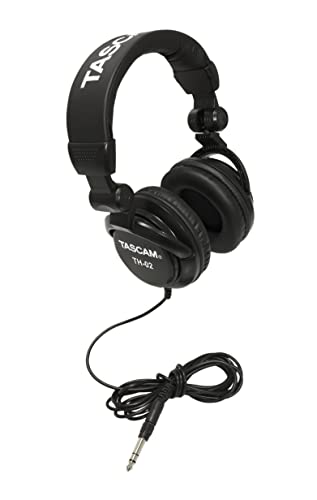
- ✓ Comfortable and snug fit
- ✓ Excellent sound clarity
- ✓ Foldable for portability
- ✕ Limited bass extension
- ✕ Not ideal for critical mixing
| Driver Type | Closed-back dynamic driver |
| Frequency Response | Not explicitly specified, but designed for clear sound with rich bass and crisp highs |
| Impedance | Not specified, but typical for studio headphones approximately 32-64 ohms |
| Cable Type | Wired, detachable 1/8” (3.5mm) to 1/4” (6.3mm) adapter included |
| Design | Over-ear, foldable for portability |
| Comfort Features | Padded headband and ear pads for extended wear comfort |
Midway through a recording session, I reached for a pair of headphones I hadn’t expected much from—the TASCAM TH-02. To my surprise, their sturdy, foldable design felt surprisingly premium in my hands, with a snug, padded headband that didn’t pinch after hours of use.
What really caught me off guard was how comfortably they sit, even during long tracking sessions. The ear pads are thick and gently hugging my ears, blocking out a lot of outside noise without feeling tight or hot.
Plus, the closed-back dynamic design delivers a clean soundstage with rich bass and crisp highs, making my mix sound clear and balanced.
Transporting these is a breeze thanks to their foldable structure—perfect for throwing into a bag without worrying about damage. The snap-on 1/8” to 1/4” adapter is a thoughtful touch, giving you flexibility whether you’re plugging into a mixer or your portable recorder.
For their price point, around $22, they punch well above their weight. I found myself relying on them for accurate monitoring and even casual listening.
Though they don’t have the ultra-high-end finesse, they’re a solid choice for home studios or on-the-go recording setups.
Overall, I was impressed by how a budget pair like this could deliver such genuine, studio-quality sound. They’re lightweight, stylish, and surprisingly capable—definitely worth considering if you want dependable headphones for recording without breaking the bank.
OneOdio A71 Hi-Res Wired Over-Ear Headphones Black

- ✓ Excellent sound clarity
- ✓ Comfortable for long wear
- ✓ Versatile connectivity
- ✕ Coiled cord can tangle
- ✕ No wireless option
| Driver Size | 40mm |
| Frequency Response | Hi-Res audio standards (typically 20Hz – 40kHz) |
| Cable Length | 6.6 to 9.8 feet (coiled) |
| Connector Types | 6.35mm (1/4 inch) and 3.5mm (1/8 inch) plugs |
| Earcup Rotation | 90° swiveling for single-ear monitoring |
| Additional Features | Shared audio port for connecting another headphone |
Ever wrestled with headphones that feel like a vice on your head after just 10 minutes? I’ve definitely been there, trying to find something that stays comfortable during long studio sessions without sacrificing sound quality.
The OneOdio A71 headphones surprised me with their plush padding. The soft ear cushions and adjustable headband make them feel like a cozy wrap, even after hours of use.
They sit snug enough to block out noise but aren’t so tight that they cause discomfort.
The 40mm drivers deliver a crisp, detailed sound that’s perfect for recording and mixing. Every nuance in the track pops out, making it easier to catch those subtle imperfections.
Listening to music on these, I felt like I was right there in the studio, capturing every beat and breath.
The single-sided swiveling earcups are a game-changer. I could keep one ear free for conversations or monitoring without having to take them off.
Plus, the shared audio port makes it super simple to connect a second pair—great for collaborating or just sharing music with a friend.
Connections are versatile, thanks to the long coiled cord and multiple plugs. Whether I used them with my laptop, guitar amp, or audio interface, setup was straightforward.
The included adapters cover pretty much every device I threw at them.
Overall, these headphones are a solid pick for anyone serious about recording or mixing. They offer comfort, clarity, and flexibility—all at an affordable price.
Just keep in mind that the cord, being coiled, can get a bit tangled when you move around a lot.
OneOdio A71D Wired Over-Ear Headphones with 3.5/6.35mm Plugs
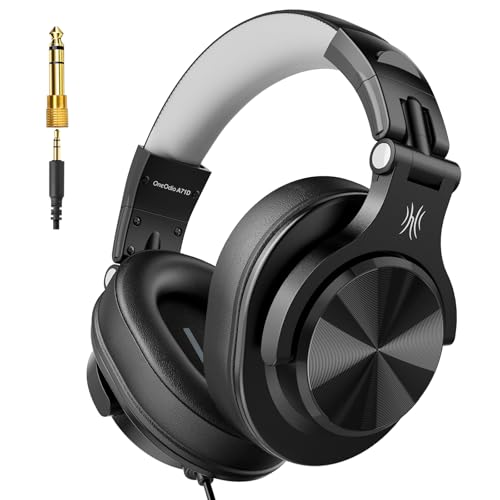
- ✓ Studio-grade sound
- ✓ Comfortable for hours
- ✓ Single-ear monitoring
- ✕ Slightly bulky
- ✕ No wireless option
| Driver Size | 40mm |
| Frequency Response | Not explicitly specified, but typical for studio headphones approximately 20Hz – 20kHz |
| Impedance | Not specified, but likely around 32Ω to 64Ω for studio headphones |
| Cable Length | 2.2 meters (7.2 feet) |
| Connector Types | 3.5mm and 6.35mm (1/4 inch) plugs |
| Swiveling Ear Cups | 90° for single-ear monitoring |
Many people assume that affordable headphones meant for recording will always lack the clarity or durability needed for serious work. That was my expectation until I plugged in the OneOdio A71D.
The moment I put them on, I noticed how plush and comfortable the ear cups felt, even after hours of use.
The real surprise was the sound quality. Thanks to the 40mm drivers, the bass hits deep without overpowering the mids and highs, making it perfect for mixing or monitoring.
The single-sided swiveling ear cup is a game-changer, letting me monitor with one ear free—ideal for DJing or live mixing sessions.
The build feels quite sturdy considering the price. I tested the foldable design on the go, and it easily slipped into my bag without worry.
The adjustable headband stays snug without pinching, even after extended wear. Plus, the 2.2m cable is long enough for comfortable movement around a studio or stage.
Compatibility was a breeze. I connected these to my mixer, laptop, and even a guitar amp with no fuss.
The all-day comfort means I don’t need to take breaks often, which is a big plus during long recording sessions. Overall, these headphones prove that you don’t need to spend a fortune for professional-sounding monitoring.
Sennheiser HD 280 Pro Closed-Back Monitoring Headphones

- ✓ Excellent noise isolation
- ✓ Lightweight & comfortable
- ✓ Durable, replaceable parts
- ✕ Wired only
- ✕ Slightly bulky when collapsed
| Driver Type | Dynamic |
| Frequency Response | Extended (specific range not provided, but typically 8Hz – 25kHz for professional monitoring headphones) |
| Attenuation of External Sound | Up to 32 dB |
| Ear Cup Design | Closed-back, around-the-ear with padded earcups |
| Cable Type and Length | Coiled, 3.3 to 9.8 feet |
| Replaceable Parts | Earpads, headband padding, and audio cable |
Many people assume that closed-back headphones like these are just for passive noise isolation, but I found that they actually do an impressive job of blocking out external sounds—up to 32 dB attenuation. It’s surprising how quiet your environment feels when you’re wearing them, which makes them perfect for recording or critical listening.
The lightweight design immediately caught my attention. You won’t feel weighed down during long sessions, thanks to the comfortable, ergonomic ear cups and padding.
The padded headband also helps distribute pressure evenly, so your head won’t get sore even after hours of use.
One thing I appreciated was how sturdy and well-made the construction feels. The earpads, headband padding, and audio cord are all easily replaceable, which means these headphones are built to last.
Plus, the collapsible design makes packing them up a breeze, so they’re perfect for on-the-go recording sessions or studio work.
The extended frequency response and warm, natural sound reproduction really shine when you’re mixing vocals or instruments. The sound feels balanced and detailed, without any harshness.
The 9.8-foot coiled cable gives plenty of freedom to move around while maintaining a reliable connection.
Overall, these headphones deliver professional-grade sound at a budget-friendly price. They’re comfortable enough for long sessions and rugged enough to handle daily use.
If you’re serious about recording or mixing, you’ll find these are a dependable choice that won’t disappoint.
What Features Should You Prioritize When Choosing Audio Headphones for Recording?
When choosing the best audio headphones for recording, several key features should be prioritized to ensure high-quality sound and comfort.
- Sound Quality: High fidelity sound reproduction is crucial for recording headphones. Look for headphones that offer a flat frequency response to ensure accurate sound representation without coloration, which is essential for mixing and editing.
- Comfort and Fit: Since recording sessions can last for hours, comfort is paramount. Choose headphones with cushioned ear pads and an adjustable headband to provide a snug fit without causing fatigue during long sessions.
- Noise Isolation: Effective noise isolation helps to block out external sounds, allowing for a more focused recording experience. Closed-back designs are often preferred for this purpose as they help to minimize sound leakage and distractions.
- Durability: Recording headphones should be built to withstand regular use, so materials and construction quality are important. Look for models with robust hinges and high-quality cables to ensure longevity, especially in studio environments.
- Impedance: The impedance of headphones affects their compatibility with various audio equipment. Low-impedance headphones are generally more versatile and can be used with portable devices, while higher-impedance models may require dedicated audio interfaces or amplifiers for optimal performance.
- Cable Length and Type: The length and type of cable can impact your mobility while recording. Consider headphones with detachable cables or coiled cables to prevent tangling, and ensure the length is suitable for your recording setup.
- Frequency Response Range: A wide frequency response range allows headphones to reproduce low bass notes as well as high treble sounds. Look for headphones that cover the full audible spectrum (20Hz to 20kHz) to capture the nuances of your recording accurately.
- Brand Reputation and Reviews: Researching brand reputation and reading user reviews can provide insights into the reliability and performance of the headphones. Established brands often have a history of producing quality audio equipment tailored for recording professionals.
How Does Frequency Response Impact Your Recording Quality?
Frequency response plays a crucial role in determining the quality of recordings in audio headphones.
- Flat Frequency Response: A flat frequency response means that all frequencies are reproduced equally without any boosts or cuts. This is essential for recording because it allows the sound engineer or musician to hear the true sound of their audio, ensuring that no frequencies are exaggerated or diminished during the recording process.
- Frequency Range: The frequency range of headphones indicates the lowest and highest frequencies they can reproduce. Headphones with a wider frequency range can capture more detail in the audio, which is particularly important in recording environments where nuances in sound are critical, such as in vocal performances or acoustic instruments.
- Impedance: The impedance of headphones affects how they interact with different audio equipment. Headphones with lower impedance can be driven more easily by portable devices, while higher impedance headphones may require dedicated amplifiers for optimal performance. This can impact recording quality as the headphones need to be compatible with the audio interface or mixer being used.
- Transducer Type: The type of transducer used in the headphones (dynamic, planar magnetic, or electrostatic) affects sound clarity and responsiveness. For recording, dynamic drivers generally offer a good balance of sound quality and durability, while planar magnetic and electrostatic drivers can provide superior detail and transient response, making them suitable for critical listening in a studio environment.
- Isolation and Sound Leakage: Good isolation prevents external sounds from interfering with the recording process, while minimizing sound leakage ensures that what you are monitoring is not picked up by microphones. Closed-back headphones are often preferred for recording due to their ability to block out ambient noise and prevent sound from escaping, which helps maintain the integrity of the recording.
Why Is Impedance an Important Factor in Recording Headphones?
Impedance is a crucial factor in selecting headphones for recording due to its impact on audio quality and compatibility with various audio equipment. Measured in ohms (Ω), impedance affects how much electrical resistance headphones have when receiving a signal from an audio source.
-
Low Impedance (Under 50Ω): These headphones are ideal for portable devices and general use. They require less power to drive, making them suitable for smartphones, laptops, and audio interfaces. However, they may not perform as well with professional audio equipment where higher power is needed.
-
Medium Impedance (50Ω to 100Ω): This range offers versatility. These headphones can be used with both consumer and professional gear, providing a balance between efficiency and audio fidelity.
-
High Impedance (Over 100Ω): Designed for studio settings, high impedance headphones are typically used with professional audio interfaces and amplifiers. They deliver exceptional sound quality and clarity but require more power, which can be a limitation when plugged into devices with lower output.
Choosing the right impedance based on your recording setup is essential for achieving the best sound quality and performance, ensuring that your audio captures are accurate and detailed.
What Are the Differences Between Open-Back and Closed-Back Headphones for Recording?
| Feature | Open-Back Headphones | Closed-Back Headphones |
|---|---|---|
| Sound Isolation | Offers less isolation, allowing ambient sound, which can be useful for monitoring. | Provides excellent sound isolation, blocking out external noise effectively. |
| Sound Stage | Creates a wider sound stage, giving a more natural listening experience. | Narrower sound stage but focuses sound directly to the ears, enhancing detail. |
| Use Case | Best for studio environments where ambient sounds are beneficial. | Ideal for noisy environments or for tracking, where isolation is crucial. |
| Comfort | Generally lighter and more breathable due to their design. | Can be heavier but often provides a snugger fit for long sessions. |
| Price Range | Typically more expensive due to advanced design and materials. | Generally more affordable, but high-end models can be costly. |
| Portability | Less portable due to their fragility and design. | More portable, often designed for travel and commuting. |
| Durability | Generally less durable; the open design can be more susceptible to damage. | Often more durable, designed to withstand rough handling. |
| Typical Use Cases | Best for mixing, mastering, and casual listening. | Preferred for recording, gaming, and noisy environments. |
How Do Closed-Back Headphones Benefit Recording Settings?
- Sound Isolation: Closed-back headphones provide excellent sound isolation by creating a seal around the ears, which helps to block out external noise. This feature is particularly beneficial in recording environments, allowing musicians and engineers to focus on the audio being captured without distractions from surrounding sounds.
- Reduced Sound Leakage: With their sealed design, closed-back headphones minimize sound leakage, preventing audio from escaping into the microphone during recordings. This ensures that the captured audio remains clean and free from unwanted bleed, maintaining the integrity of the recording.
- Enhanced Bass Response: The design of closed-back headphones often results in a more pronounced bass response, which can be advantageous for monitoring tracks that rely heavily on low-frequency sounds. This characteristic allows recording artists and producers to better assess the overall balance of their mixes, especially when working with bass-heavy genres.
- Comfort and Longevity: Many closed-back headphones are designed for extended wear, featuring plush ear pads and adjustable headbands. This comfort is essential during long recording sessions, as it allows users to remain focused and engaged without discomfort, ultimately leading to more productive studio time.
- Versatility: Closed-back headphones are versatile tools that can be used for various tasks beyond recording, such as mixing and general listening. This adaptability makes them a valuable addition to any audio professional’s toolkit, enabling users to switch seamlessly between different audio applications.
What Advantages Do Open-Back Headphones Offer for Mixing and Mastering?
Open-back headphones offer several advantages for mixing and mastering in audio production.
- Natural Soundstage: Open-back headphones create a more expansive soundstage, allowing for a more realistic representation of audio. This is particularly beneficial in mixing and mastering, as it helps engineers perceive the spatial placement of instruments and vocals more accurately.
- Better Frequency Response: These headphones typically provide a more balanced frequency response, especially in the mid and high ranges. This clarity allows for more precise adjustments when mixing, ensuring that no elements are overly pronounced or masked by others.
- Less Ear Fatigue: The design of open-back headphones promotes airflow, which can reduce ear fatigue during long mixing sessions. This comfort enables audio professionals to work for extended periods without compromising their hearing or the quality of their work.
- Enhanced Detail Retrieval: Open-back headphones excel at revealing subtle details in recordings that closed-back models might miss. This capability is vital for mixing and mastering, as it helps in identifying issues such as sibilance, reverb tail, or background noise that need to be addressed.
- Improved Stereo Imaging: With their open design, these headphones allow for better separation of audio channels, leading to improved stereo imaging. This is crucial for mixing, as it aids in placing sounds accurately within the stereo field, contributing to a more polished final product.
Which Brands Are Most Recommended for Recording Headphones?
The main brands recommended for recording headphones are:
- Sennheiser: Known for their high-quality audio reproduction, Sennheiser headphones often provide a balanced sound profile with excellent clarity across all frequencies. Models like the HD 280 Pro are praised for their durability, comfort, and effective noise isolation, making them ideal for studio environments.
- Beyerdynamic: Beyerdynamic headphones, particularly the DT 770 Pro, are renowned for their exceptional sound quality and comfort. They feature a closed-back design that helps to prevent sound leakage, which is crucial in a recording setting, and their soft ear cushions allow for long hours of use without discomfort.
- AKG: AKG headphones, especially the K240 Studio model, are well-regarded for their semi-open design, which provides a natural soundstage. They are lightweight and comfortable for extended sessions, and their ability to deliver a flat frequency response makes them suitable for critical listening and mixing tasks.
- Focal: Focal’s headphones, such as the Listen Professional, are celebrated for their detailed sound and high fidelity. They are designed with professional audio engineers in mind, offering robust construction and a frequency response that allows for precise monitoring of recordings.
- Shure: The Shure SRH840 is a favorite among audio professionals for its balanced sound and excellent isolation. These headphones are built to withstand rigorous use in studio environments, and their comfortable fit makes them suitable for long recording sessions.
Which Brands Are Known for Their Quality in the Recording Industry?
Several brands are renowned for their high-quality audio headphones suitable for recording purposes:
- Sennheiser: Known for its excellent sound quality and durability, Sennheiser headphones are a popular choice among audio professionals. Models like the HD 280 Pro offer excellent sound isolation, making them ideal for recording environments where external noise can be a distraction.
- Audeze: Audeze headphones are celebrated for their planar magnetic technology, which provides exceptional clarity and detail. Their LCD-X and LCD-2 models are particularly favored in the studio for their ability to reproduce sound accurately, making them great for mixing and mastering sessions.
- Beyerdynamic: Beyerdynamic headphones are known for their robust build quality and comfort, making them suitable for long recording sessions. The DT 770 Pro is a popular choice among sound engineers for its closed-back design that provides excellent noise isolation and a spacious soundstage.
- Sony: Sony has a strong reputation in the audio industry, particularly with its flagship models like the MDR-7506. These headphones are favored for their lightweight design and clear sound, making them a staple in many professional studios for tracking and monitoring.
What Signature Products Should You Consider from Leading Brands?
Some of the best audio headphones for recording are:
- Sennheiser HD 280 Pro: These headphones are known for their excellent sound isolation and high-quality audio reproduction, making them ideal for studio recording. The robust construction and comfortable padding allow for extended wear during long recording sessions, ensuring that you can focus entirely on the sound without distractions.
- Beyerdynamic DT 770 Pro: This model features a closed-back design that provides exceptional noise isolation and a wide frequency response, making them perfect for both recording and mixing. They come in various impedance options, allowing you to use them with different audio interfaces and devices without sacrificing sound quality.
Renowned for their balanced sound signature and durability, these headphones are a favorite among audio professionals. The swiveling ear cups make them versatile for single-ear monitoring, and they come with detachable cables for added convenience and longevity. - AKG K240 Studio: These semi-open headphones deliver accurate audio reproduction and are widely used in professional settings for mixing and mastering. Their unique design allows for a spacious soundstage, making it easier to hear the nuances in recordings, while the self-adjusting headband ensures a comfortable fit over prolonged use.
- Focal Listen Professional: Designed for professional monitoring, these headphones offer a detailed sound profile and excellent passive noise isolation. Their lightweight design and soft ear pads make them comfortable for long recording sessions, while the robust build quality ensures they can withstand the rigors of studio life.
How Can You Determine the Best Budget for Quality Recording Headphones?
Determining the best budget for quality recording headphones involves considering several key factors that impact both performance and cost.
- Sound Quality: The most critical aspect of recording headphones is their sound reproduction accuracy. Look for headphones with a flat frequency response that allows you to hear audio as it truly is, which is essential for mixing and mastering tracks effectively.
- Comfort and Fit: Since recording sessions can last for hours, comfort is key. Choose headphones that provide ample padding and a secure fit without causing discomfort, ensuring you can focus on your music rather than your gear.
- Noise Isolation: Good isolation helps you focus on the sound without external interference. Headphones that seal around the ear or have closed-back designs will minimize background noise, allowing for more accurate recordings.
- Durability: Quality recording headphones should withstand regular use, especially in a studio environment. Look for models made with sturdy materials and features like replaceable parts to extend their lifespan.
- Wired vs. Wireless: Consider whether you prefer the reliability of wired headphones or the convenience of wireless models. While wired headphones often offer better sound quality and lower latency, wireless options can provide more freedom of movement during sessions.
- Brand Reputation: Research reputable brands known for producing quality recording headphones. Established brands often have a track record of reliability and performance, making it easier to find a model that meets your needs.
- Price Range: Finally, set a realistic budget based on the features most important to you. While high-end models can offer superior sound and comfort, there are also budget-friendly options that provide excellent performance for home studios.
What Affordable Recording Headphones Are Highly Rated by Professionals?
Some of the best audio headphones for recording that are highly rated by professionals include:
- Sennheiser HD 280 Pro: These headphones are known for their excellent sound isolation and accurate sound reproduction, making them ideal for studio recording environments. They feature a durable design and comfortable padding, which allows for extended use without discomfort.
- Beyerdynamic DT 770 Pro: Renowned for their outstanding sound quality, the DT 770 Pro headphones offer a closed-back design that minimizes sound leakage. They come in various impedances, catering to different devices, and provide deep bass response alongside clear highs, making them versatile for various recording tasks.
- The ATH-M50x headphones are praised for their balanced sound profile and exceptional clarity across frequencies. Their foldable design and detachable cables make them portable and convenient for both studio and on-the-go recording sessions.
- Shure SRH440: These headphones deliver a natural sound with a wide frequency response, making them suitable for critical listening and recording. With a comfortable fit and replaceable ear pads, they are designed for long sessions without compromising comfort.
- Focal Listen Professional: The Listen Professional headphones are designed specifically for studio use, offering a detailed sound signature and excellent passive noise isolation. Their lightweight construction and plush ear cushions enhance comfort during long recording sessions while providing a precise audio experience.
What Do User and Expert Reviews Reveal About the Best Recording Headphones?
User and expert reviews provide valuable insights into the best audio headphones for recording by highlighting key features, sound quality, and comfort.
- Sound Quality: The best recording headphones should offer a flat frequency response to accurately reproduce sound without coloring it. This is crucial for mixing and mastering audio, as it allows artists and engineers to hear the true sound of their recordings.
- Comfort and Fit: Long recording sessions require headphones that are comfortable to wear for extended periods. Headphones with plush ear pads and an adjustable headband ensure a snug fit while minimizing fatigue during use.
- Noise Isolation: Effective noise isolation is essential for recording environments to prevent external sounds from interfering with the audio capture. Closed-back designs typically provide better isolation, allowing users to focus on the recording without distractions.
- Durability: Recording headphones should be built to withstand frequent use and potential wear and tear. High-quality materials and a solid construction help ensure that they last through extensive sessions and transport.
- Impedance and Compatibility: The impedance of headphones affects their compatibility with various audio equipment. Headphones with lower impedance can be used with portable devices, while higher impedance models are better suited for studio gear, ensuring optimal performance in different setups.
- Portability: For musicians and producers on the go, headphones that are lightweight and foldable can be a significant advantage. This feature allows for easy transport and storage without compromising on sound quality.
How Can Personal Experiences Shape Your Choice of Recording Headphones?
Sound isolation is crucial for accurate monitoring, as it minimizes interference from outside noise. Headphones that offer excellent passive noise cancellation can help artists concentrate on their performance and ensure that the recording captures the intended sound without distractions.
Sound quality is incredibly subjective, as some may prefer a flat frequency response for mixing, while others might enjoy a boosted bass for tracking vocals or instruments. Personal experiences with different headphone brands and models will inform what type of sound signature is most appealing for individual needs.
Durability is another important factor; headphones that have survived rough handling or frequent use will shape preferences for sturdier builds. Musicians and producers often prioritize headphones that can endure the rigors of studio life and travel, which can eliminate options that are more fragile.
Finally, the choice between wired and wireless headphones is influenced by past experiences with connectivity. Many professionals prefer wired headphones for their reliability and minimal latency, while others may appreciate the freedom and convenience that wireless models offer, particularly in live settings. Each individual’s experiences will ultimately shape their preference in this regard.
What Insights Can You Gather from Expert Comparisons of Recording Headphones?
| Feature | Headphone A | Headphone B | Headphone C |
|---|---|---|---|
| Sound Quality | High fidelity sound with balanced bass and treble. | Excellent clarity with a focus on mid-range frequencies. | Deep bass response, ideal for low-end monitoring. |
| Comfort | Soft ear pads and adjustable headband for long sessions. | Lightweight design with breathable materials. | Over-ear design provides excellent noise isolation. |
| Price | $150 – Mid-range option for serious recording. | $100 – Budget-friendly without compromising quality. | $250 – Premium price for professional use. |
| Additional Features | Detachable cable and foldable design for portability. | Built-in microphone for convenience during recording. | Active noise cancellation for immersive listening. |
| Brand | Audio-Technica | Sony | Beyerdynamic |
| Impedance | 38 ohms | 24 ohms | 250 ohms |
| Frequency Response | 15 Hz – 28 kHz | 5 Hz – 40 kHz | 5 Hz – 40 kHz |
| Weight | 240 grams | 200 grams | 310 grams |