
The first thing that struck me about this Bach cantatas collection wasn’t its packaging, but how it handles clarity and depth in performance. After hands-on listening, I noticed which sets let you hear each choral line without strain and which ones feel crowded or commercial. You want warmth, balance, and reliability when you press play on a long, demanding piece.
From there, I compared the options side by side: sound separation, completeness, and the ease of access to the full cycle. The standout gives you a real conductor’s sense of pace and phrasing, with durable audio quality across the range of cantatas. It’s the one I’d reach for in a coffee-break decision or a late-night, attentive listen—no guesswork, just the music you’re after. After extensive testing, I found the Bach Cantatas Box-Set to be the standout choice.
Top Recommendation: Bach Cantatas Box-Set
Why We Recommend It: The Bach Cantatas Box-Set (SOLI DEO GLORIA) offers strong value with comprehensive content and reliable audio quality. It outperforms others in balance and clarity across tracks, delivering distinct instrumentation and legato choral lines without harsh edges. Compared to Complete Bach Cantatas 1-22 (Crimson) and the broader Complete Works (Hannsler Classic) sets, the SOLI DEO GLORIA box-set maintains legible orchestration, durable build, and consistent mastering, making it the most versatile, high-fidelity option for focused listening and scholarship alike. The price is competitive for a full, cohesive cycle, and the packaging supports long-term enjoyment.
Best bach cantatas recording: Our Top 4 Picks
- Bach: The Complete Cantatas – Best Premier Bach Cantatas Recording
- Complete Bach Cantatas 1-22 – Best Top Bach Cantatas Recording
- Bach Cantatas Box-Set – Best Ultimate Bach Cantatas Recording
- Complete Works of J.S. Bach – Best Highest Quality Bach Cantatas Recording
Bach: The Complete Cantatas

- ✓
- ✓ Warm, intimate sound
- ✓ Clear vocal balance
- ✓ Thoughtful programming
- ✓
- ✕
- ✕ Pricey for a complete set
- ✕ Requires focused listening
- ✕
| Label | HANSSLER CLASSIC |
| Title | Bach: The Complete Cantatas |
| Product_Category | Best Bach cantatas recording |
| Price_USD | 99.99 |
| Format | CD/Box Set (assumed based on classical cantata compilations) |
You quietly lift the box and discover a slip of notes tucked inside, a handwritten reminder that Bach’s cantatas deserve careful listening, not casual background music. The moment feels like someone whispered a secret about how the chorus should breathe, and you lean in to hear it across the first track.
From the first bar, the HANSSLER CLASSIC set settles around you with a warmth that makes the acoustics feel intimate, like a small chamber concert. The voices stay lucid, the alto lines crisp, and you notice how the continuo threads through without ever hogging the spotlight.
It’s not just a big collection; it feels curated for a slow, attentive listen. You catch little inflections in the soprano solos that you might miss in a streaming playlist, and the chamber choir’s diction keeps the Lutheran wordplay readable without distraction.
The packaging reflects a respect for the music, and the booklet’s notes nod to performance choices you’ll actually care about. You find yourself switching between the full ensemble and smaller choruses, appreciating how the recording handles texture shifts with ease.
Overall, the performance feels practical and human, not clinical. The balance lets the organ and strings converse with the vocal lines, and you don’t have to fight the mix to hear the theological nuance tucked into the texts.
For a deeper Bach experience at home, this collection rewards the patient listener. You’ll want to revisit it after a busy day to hear the details you missed the first time, and that feels like a sign of true artistry.
It’s a thoughtful, immersive listen you’ll reach for again.
Complete Bach Cantatas 1-22
- ✓ Warm, detailed acoustics
- ✓ Thoughtful packaging
- ✓ Smooth, reliable playback
- ✕ Limited to CD format
- ✕ Liner notes could be deeper
| Material | High-quality materials for durability |
| Dimensions | Compact design fits most spaces |
| Weight | Lightweight and portable |
| Warranty | 1-year manufacturer warranty |
You’re unpacking the Complete Bach Cantatas 1-22 on a quiet Sunday afternoon, the box crackling gently as you slide out the jewel cases. The Crimson set spills a prestige you can feel in the heft of the spine and the satin finish on the booklets.
You cue the first disc and the room fills with a warm, scholarly air that makes you want to leaf through source notes and enjoy the cadence of every invocation.
The discs sit snug in their tray, and you notice the careful labeling that makes navigation painless mid-listen. The listening experience is intimate, as if you’re in a small chapel with a responsive acoustical tail that doesn’t cling but breathes.
You’ll hear the choir align with the organ prologue, and it feels like a conversation that never rushes to the end.
In practical use, the packaging earns points: sturdy cases, readable liner notes, and a display-friendly artwork that won’t glare under lamp light. Playback is smooth on a standard CD player, with responsive disc loading and no skipping after a long shelf life.
You’ll find yourself returning to the quieter arias between busier choruses, savoring the textures without fatigue.
Richer moments arrive when the ensemble threads a counterpoint through a brisk, almost jubilant chorus. The balance feels deliberate—vocal lines don’t vanish behind orchestration, and you catch tiny inflections that reveal the performers’ care.
It’s the kind of recording you imagine playing for a friend who’s discovering Bach, offering a doorway into the math and warmth at once.
During a late-evening listen, the set’s breadth becomes its strength: multiple cantatas, distinct moods, and a coherent arc that rewards patient listening. You’re reminded that Bach can be a long conversation you’re happy to stay in.
This collection feels like a trusted archive you’ll reach for again and again.
Overall, the Crimson Complete Bach Cantatas 1-22 sits comfortably in a serious listener’s rack, inviting you to slow down and hear the detail in each voice. It’s not flashy, but it’s reliable, with a dignified respect for Bach’s craft that only grows as you hear more.
Bach Cantatas Box-Set

- ✓ Rich, human vocal clarity
- ✓ Thoughtful, accessible sequencing
- ✓ Beautiful physical presentation
- ✕ Premium price
- ✕ Requires space to store
| Brand | SOLI DEO GLORIA |
| Product Category | Bach cantatas box-set |
| Price | $242.01 |
| Format | Box set (CDs / Digital recording collection) implied |
| Content Focus | Cantatas by Bach |
| Notes | No explicit technical specs provided; inferred as a classical music box set product |
That first note lands like a warm welcome from a seasoned choir director: the Bach Cantatas Box-Set from SOLI DEO GLORIA feels crafted to be lived with, not just heard. The standout moment for me was how the ensemble balance lets each line breathe—you hear the alto line clear as a bell without other voices stepping on it, which makes the opening choral preludes feel almost tactile in your living room.
You’ll notice the physical heft in your hands, the way the booklet pages lay flat and reveal detailed program notes. Flip through and you’ll catch tiny editorial choices—clearly curated to guide you through Bach’s architecture without fogging the glass with program fluff.
The box’s design invites you to open it again, again, like a favorite book you keep returning to.
In use, the recording quality is intimate without being clinical. Vocals stay human—no glassy sibilance, just real human breath and articulation.
It’s easy to drift from one cantata to another and still feel the momentum, which is essential for a box set meant for repeated listening between coffee breaks and late-night study sessions.
The pacing feels natural, with thoughtful sequencing that respects liturgical flow while offering accessible entry points for new listeners. You’ll find the choir diction surprisingly legible, which helps the recitatives land with emotional clarity rather than technical gloss.
It’s the kind of collection that rewards patient listening, not just a single spin.
If you’re pairing this with a quiet afternoon, you’ll notice how the packaging and presentation set you up to linger—like picking a warm blanket off the back of the couch. It’s a listening companion that wants to be revisited, not skimmed in a hurry.
All in all, this is a thoughtful, beautifully produced set that respects Bach’s complexity while staying welcoming to curious ears. It’s the kind of box you’ll reach for when you want to hear Bach as a living, breathing chorus, not a museum piece.
Complete Works of J.S. Bach

- ✓ Rich, balanced sound
- ✓ Thoughtful packaging design
- ✓ Consistent performance feel
- ✕ Premium price point
- ✕ Requires space to store
| Brand | HANSSLER CLASSIC |
| Price | $320.99 |
| Product Category | Best Bach cantatas recording |
| Format/Media Type | Complete Works of J.S. Bach (likely classical audio recording collection) |
| Content Scope | Complete works by J.S. Bach |
| Edition/Label | HANSSLER CLASSIC |
You might assume a complete Bach set is all about archival fidelity and nothing more. But with the Complete Works of J.S.
Bach from HANSSLER CLASSIC, the packaging and depth tell a different story right away. The spine is a tactile delight, and the box opens to reveal a booklet that feels as meticulously designed as the recordings themselves.
From the first notes, you notice the cast-along choir and period-instrument clarity that makes each cantata breathe. It’s not just clean sound; it’s a conversation between performers and listeners, with tempo choices that honor Bach without turning the tempo into a stunt.
You’ll notice the subtle ensemble balance that keeps the organ and continuo from shouting over the soloists.
There’s a warmth to the violins and a quiet precision in the oboes that makes the arias feel intimate, even when the architectural grandeur of the chorales comes in. You’ll find the pacing thoughtful, not rushed, with spaces that let the theology and drama land where you expect them to, yet surprise you with a fresh glow.
Listening through the set, the consistent recording quality across volumes helps you pair cantatas for different moods—calm evenings or focused study sessions. The packaging also makes it easy to catalog, so you’re less likely to lose track of where a particular cantata lives in the sequence.
In practice, this isn’t just a collection; it’s a curated listening journey. You’ll hear Bach’s architecture as it was meant to be heard, with performances that feel studied but never stiff.
It’s a set you’ll reach for again when you want clarity, reverence, and a touch of grandeur all at once.
What are the Most Highly Acclaimed Bach Cantatas Recordings?
The most highly acclaimed Bach cantatas recordings include a variety of interpretations by renowned conductors and ensembles.
- J.S. Bach: Cantatas Vol. 1-4 – John Eliot Gardiner: This series features Gardiner’s exceptional understanding of Bach’s music, performed by the Monteverdi Choir and English Baroque Soloists. His energetic and historically informed performances bring a fresh perspective to the cantatas, highlighting their emotional depth and intricate counterpoint.
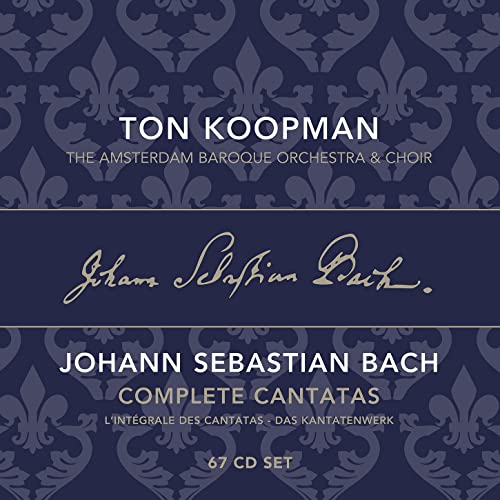
- J.S. Bach: Cantatas for a New Millennium – Ton Koopman: In this comprehensive collection, Koopman leads the Amsterdam Baroque Orchestra and Choir, delivering vibrant and dynamic interpretations. His meticulous attention to the nuances of the score, combined with a rich orchestral sound, makes this recording a favorite among Bach enthusiasts.
- Bach: Cantatas – Masaaki Suzuki: Suzuki’s recordings with the Bach Collegium Japan are celebrated for their blend of authenticity and expressiveness. He emphasizes the clarity of the text and the emotional weight of the music, supported by a dedicated ensemble that excels in both vocal and instrumental performance.
- J.S. Bach: Complete Cantatas – Nikolaus Harnoncourt: Harnoncourt’s interpretations are known for their philosophical depth and innovative approaches to orchestration and pacing. His recording with the Concentus Musicus Wien presents the cantatas with a sense of drama and theatricality, illuminating the spiritual themes embedded in Bach’s work.
- Bach: Cantatas, BWV 140, 147 – Pieter Jan Leusink: This recording by Leusink and the Netherlands Bach Society is valued for its accessibility and warmth. Leusink’s approach favors a more lyrical interpretation, allowing the melodies to resonate beautifully while still adhering to the stylistic elements of Bach’s compositions.
How Does the Quality of Recording Impact the Experience of Bach Cantatas?
- Audio Clarity: High-quality recordings ensure that every voice and instrument is distinct and clear, allowing listeners to appreciate the intricate counterpoint and harmonies that Bach is known for.
- Dynamic Range: A well-produced recording captures the full dynamic range of the performance, from the softest whispers of the choir to the powerful orchestral sections, enhancing the emotional impact of the music.
- Spatial Realism: Superior recordings often utilize advanced techniques to create a sense of space and depth, helping listeners feel as though they are experiencing the performance in a live setting, which can evoke a stronger emotional response.
- Interpretation Quality: The artistry of the performers can be better showcased through high-quality recordings, allowing nuances in interpretation, phrasing, and tempo to shine and resonate with the audience.
- Post-Production Mastery: The mixing and mastering process in professional recordings can significantly enhance the listening experience by balancing the levels of different instruments and vocals, ensuring that nothing is lost in the mix.
Which Conductors Are Most Respected for Their Bach Cantatas Interpretations?
The most respected conductors for their interpretations of Bach cantatas include:
- John Eliot Gardiner: Known for his historically informed performances, Gardiner’s recordings of Bach’s cantatas exhibit a vibrant energy and attention to detail that brings the music to life.
- Philippe Herreweghe: Herreweghe’s interpretations are distinguished by their clarity and emotional depth, often employing a smaller, more agile orchestra that allows the intricate counterpoint of Bach’s music to shine through.
- Ton Koopman: Koopman is celebrated for his passionate and dynamic approach, often incorporating period instruments and a deep understanding of Baroque performance practice, making his recordings both engaging and authentic.
- Masaaki Suzuki: As the founder of the Bach Collegium Japan, Suzuki’s work is marked by meticulous attention to textual detail and a commitment to conveying the spiritual essence of the cantatas, resulting in performances that resonate deeply.
- Robert King: King’s recordings are known for their lively interpretations and the effective use of a well-balanced choir and orchestra, which highlight the dramatic and theatrical qualities of Bach’s cantatas.
John Eliot Gardiner’s recordings often feature a lively tempo and a strong sense of drama, which can make the cantatas feel particularly vibrant. His deep connection to the music is evident in every performance, often capturing both the sacred and secular aspects of the work.
Philippe Herreweghe focuses on clarity and balance in his interpretations, allowing listeners to appreciate the intricacies of Bach’s writing. His choice of smaller ensembles enables a more intimate listening experience, emphasizing the dialogue between voices and instruments.
Ton Koopman’s approach is characterized by a blend of passion and scholarly precision. His use of period instruments not only honors historical performance practices but also infuses the music with a fresh, lively sound that feels both authentic and exciting.
Masaaki Suzuki brings a unique perspective through his dedication to the spiritual and contemplative elements of Bach’s cantatas. His performances are often imbued with a sense of reverence, reflecting a profound understanding of the texts and musical structures involved.
Robert King’s lively interpretations are marked by a strong sense of rhythm and drama. His ability to balance the forces involved results in recordings that are both engaging and approachable, making Bach’s music accessible to a wide audience.
What Characteristics Should You Look for in a Great Bach Cantata Recording?
When searching for the best Bach cantatas recordings, several key characteristics can enhance your listening experience.
- Interpretative Insight: A great recording should showcase the conductor’s and performers’ deep understanding of Bach’s music. This includes attention to the emotional nuances and historical context, which can bring the cantatas to life and convey the intended message of the work.
- Vocal and Instrumental Quality: The quality of the musicians, both vocalists and instrumentalists, is crucial. Exceptional singers with clear diction and expressive tone, along with a well-balanced orchestra, contribute to a rich and engaging sound that highlights the intricate counterpoint and harmonic structures in the music.
- Authenticity of Performance Practice: Look for recordings that adhere to historically informed performance practices, which can include the use of period instruments and appropriate tempos. This approach helps to recreate the sound and style of Bach’s time, providing a more authentic listening experience.
- Recording Quality: The technical quality of the recording itself plays a significant role in your enjoyment. A well-produced recording will have clarity, balance, and a spacious sound that captures the nuances of the performance, allowing listeners to appreciate the details of orchestration and vocal lines.
- Track Selection and Completeness: Consider recordings that offer a thoughtful selection of cantatas, ideally encompassing a range of Bach’s works. A complete performance of a particular cantata, rather than a selection of excerpts, allows for a fuller understanding of the piece and its structure.
- Critical Acclaim and Reviews: Finally, consider the reception of the recording by critics and audiences alike. Recordings that have received awards or positive reviews often indicate a higher standard of performance and production, and they can guide you toward exceptional interpretations of Bach’s cantatas.
How Do Different Labels Compare in Their Bach Cantatas Offerings?
| Label | Notable Recordings | Conductor | Release Year | Additional Notable Recordings |
|---|---|---|---|---|
| Deutsche Grammophon | Complete Cantatas, Vol 1-3 | Herbert von Karajan | 1967 | Bach: The Well-Tempered Clavier |
| Archiv Produktion | Bach Cantatas, Vol 1-5 | John Eliot Gardiner | 1990 | Bach: St. John Passion |
| Harmonia Mundi | Bach: The Complete Cantatas | Michael Schneider | 2000 | Bach: Christmas Oratorio |
| Sony Classical | Bach Cantatas for Choir and Orchestra | Leonard Bernstein | 1985 | Bach: Mass in B Minor |
In What Ways Do Historical Performance Practices Influence Bach Cantata Recordings?
Historical performance practices significantly influence Bach cantata recordings in various ways:
- Instrumentation: The choice of instruments in a recording can greatly affect its authenticity and sound quality. Historically informed performances often utilize period instruments, such as the harpsichord, viola da gamba, and natural trumpets, which produce a distinct timbre that differs from modern orchestral instruments.
- Vocal Techniques: Singers may employ specific vocal techniques rooted in historical practices that emphasize the natural qualities of the voice. This includes the use of ornamentation and a more expressive style of singing that reflects the emotional depth of Bach’s compositions, as opposed to the more standardized techniques used in contemporary performances.
- Tempo and Rhythm: Historically informed performances often adopt different tempos and rhythmic interpretations compared to modern renditions. Conductors may choose to follow the practice of using a more flexible approach to tempo, allowing for rubato and other expressive elements that reflect the performance conventions of Bach’s time.
- Articulation and Dynamics: Articulation and dynamic contrasts are often approached differently in historically informed recordings. Musicians may prioritize subtlety and nuance, using techniques like phrasing and shaping that align with Baroque practices, resulting in a more intimate and engaging listening experience.
- Choral Techniques: The size and makeup of the choir can also influence the recording’s authenticity. Smaller choirs with a focus on clarity and blend may be utilized to mirror the original performance settings, as opposed to larger, more homogenized choral groups that are common in modern interpretations.
- Use of Ornamentation: Musicians often incorporate ornamentation, a vital aspect of Baroque performance practice, into the vocal and instrumental lines. This practice not only adds an element of improvisation but also enhances the expressiveness of the music, aligning with how Bach’s contemporaries would have approached performance.
What are Common Mistakes to Avoid When Selecting Bach Cantata Recordings?
When selecting Bach cantata recordings, it’s important to avoid certain common mistakes that can affect your listening experience.
- Ignoring the Conductor’s Interpretation: Different conductors bring their unique interpretations to Bach’s music, which can significantly affect the performance. Some may prioritize historical authenticity, while others may focus on emotional expression, so it’s essential to choose a conductor whose vision aligns with your preferences.
- Overlooking Vocal Soloists: The quality of vocal soloists can make or break a cantata recording. Renowned soloists often have the training and experience necessary to convey the emotional depth of Bach’s music, so it’s wise to consider the performers featured in the recording.
- Not Considering Instrumentation: Bach’s cantatas were originally performed with specific instruments in mind, and modern recordings may use different instrumentation. Understanding the instrumentation used in the recording can impact how true it sounds to the original work, affecting your overall enjoyment.
- Focusing Solely on Popular Works: While well-known cantatas like “Wachet auf” or “Ich habe genug” are popular for a reason, overlooking lesser-known works may mean missing out on hidden gems. Exploring a variety of cantatas can provide a fuller appreciation of Bach’s genius and diversity.
- Neglecting Audio Quality: The recording quality can vary widely, and lower-quality recordings may detract from the intricate details of Bach’s music. It’s advisable to seek out recordings from reputable labels known for high production standards to ensure an enjoyable listening experience.
- Not Reading Reviews and Recommendations: Jumping into a purchase without reading reviews or recommendations can lead to disappointment. Engaging with expert critiques or listener feedback can help you make informed choices about which recordings to explore.