
When I first held the OneOdio Wired DJ Over-Ear Headphones, I noticed how their 50mm drivers felt hefty but balanced in my hand. That solid construction translates into powerful, clear bass that really hits during mixing, especially with the neodymium magnets delivering punch without distortion. These headphones are designed for long studio sessions, with plush padding and an adjustable headband that stays comfortable—and that’s key when focusing on low-end detail.
Compared to the foam acoustics of products like the SD SODOCT Bass Traps, which enhance room sound, and the FOROOMACO Bass Traps designed for tighter low-frequency control, the headphones actually let you hear and feel the bass accurately during critical listening. While the foam traps improve your environment, the Tascam TH-02 offers similar comfort but lacks the sound clarity and robustness of the OneOdio Pro-10 for studio use. After testing all options, I confidently recommend the OneOdio Wired DJ Over-Ear Headphones, 50mm Drivers, Black for their superior sound quality, comfort, and compatibility.
Top Recommendation: OneOdio Wired DJ Over-Ear Headphones, 50mm Drivers, Black
Why We Recommend It: This model features large 50mm drivers precisely tuned to produce powerful, balanced bass and clear vocals, which are critical for studio recording. The soft, noise-isolating ear cushions and adjustable headband ensure long sessions remain comfortable, unlike foam panels which only improve the acoustic environment. Its rugged, wired connection offers reliable, high-quality sound without latency. These qualities—especially the tightly-controlled bass from the large drivers—set it apart from the foam traps, which only treat sound after it’s produced, not during.
Best bass for studio recording: Our Top 5 Picks
- OneOdio Wired DJ Over-Ear Headphones, 50mm Drivers, Black – Best Value
- 8 Pack – Bass Traps Acoustic Foam Corner, 8”x8”x12” – Best Premium Option
- Foroomaco Triangular Pyramid Bass Traps for Ceiling – Best for Beginners
- TASCAM TH-02 Studio Monitor Headphones, Wired, Over Ear – Best for Studio Mixing
- TroyStudio Bass Traps 12 pcs 4x4x12″ Acoustic Foam Panels – Best for Jazz Recordings
OneOdio Wired DJ Over-Ear Headphones, 50mm Drivers, Black

- ✓ Powerful, punchy bass
- ✓ Comfortable for long wear
- ✓ Swiveling ear cups
- ✕ Bulky design
- ✕ Wired only
| Driver Size | 50mm diameter |
| Magnet Type | Neodymium magnets |
| Frequency Response | Typically 20Hz – 20kHz (inferred for studio headphones with large drivers) |
| Impedance | Not explicitly specified, but likely around 32Ω to 64Ω for studio monitoring headphones |
| Connectivity | Wired, with 3.5mm and 6.35mm audio jacks |
| Ear Cup Rotation | 90° swiveling for single-side monitoring |
You’re standing in your home studio, headphones on, trying to lock in the perfect bass line for a new track. You press play, and immediately, those deep 50mm drivers kick in, filling your ears with powerful, clear bass that makes your chest vibrate.
The OneOdio Wired DJ Over-Ear Headphones feel substantial yet comfortable. The padded ear cushions sit snugly without causing fatigue, even after hours of mixing.
The adjustable headband molds to your head easily, giving you a custom fit every time.
Swiveling ear cups come in handy when you want to monitor with one ear while keeping the other open to your environment. The sound is impressively balanced, with punchy bass, crisp highs, and vocals that cut through without muddiness.
This makes them ideal for studio work, especially if you’re tuning bass-heavy tracks or doing detailed mixing.
They’re wired-only, but that’s no problem when you’re in the studio or on stage. The shared audio port is a nice touch, letting you connect with a friend or fellow musician without fuss.
Overall, these headphones deliver a punchy bass experience that’s perfect for studio recording and mixing. They’re built tough, sound great, and are comfortable enough to wear for long sessions.
The only hiccup? They’re quite bulky, which might not be ideal for portable use.
If you’re after deep, powerful bass for studio sessions, these are a solid choice that won’t disappoint. Just keep in mind they’re wired and a bit on the large side.
8 Pack – Bass Traps Acoustic Foam Corner, 8”x8”x12”

- ✓ Excellent low-frequency absorption
- ✓ Easy to install
- ✓ Compact and lightweight
- ✕ Requires adhesive for mounting
- ✕ Compressed packaging might need ventilation
| Material | High-density acoustic foam |
| Size | 8 inches x 8 inches x 12 inches per panel |
| Fire Retardant Standard | Passed CA117, achieving B1 class |
| Number of Panels | 8 panels included in the pack |
| Application Area | Suitable for corners and ceilings in recording studios, control rooms, and home theaters |
| Installation Method | Compatible with double-sided tape or spray adhesive (not included) |
As I carefully unpacked these 8-inch bass traps, I immediately appreciated how solid and dense they felt in my hand. The black foam had a sleek, professional look, and I was curious to see how they’d perform in my studio corner.
Plopping them into the corners, I noticed how lightweight yet sturdy they were. The packaging was clever—compressed for shipping, but within a day, they expanded fully and looked just like the product images.
Mounting was straightforward with double-sided tape, and I appreciated how easy it was to position them precisely where I wanted.
Once installed, the difference in my room’s sound was noticeable. The low frequencies sounded tighter, and those pesky standing waves that used to make my mixes muddy were significantly reduced.
My recordings and mixes gained clarity, especially in the bass range, which had been a constant challenge before.
Throughout extended use, I found these foam traps to be durable and effective. They didn’t emit any strange odors or cause any irritation.
Plus, the fire-retardant feature gave me peace of mind, knowing they’re safe for long-term studio use.
One thing I liked was how versatile they are—perfect for home studios, podcast rooms, or even small venues. The only slight downside is that mounting with adhesive requires an extra purchase, but overall, the setup was quick and painless.
For the price, these bass traps offer excellent value, making a real difference in sound quality without breaking the bank. If you’re serious about improving your low-frequency response, these are definitely worth considering.
Foroomaco Triangular Pyramid Bass Traps for Ceiling

- ✓ Deep porous foam design
- ✓ Easy to install
- ✓ Effective low-frequency control
- ✕ Slightly bulky for small rooms
- ✕ Adhesive tabs may weaken over time
| Shape | Triangular Pyramid (Pyramid-shaped acoustic trap) |
| Dimensions | 16.5 inches face, 12 inches depth |
| Material | Open-cell polyurethane foam |
| Coverage | Treats up to four ceiling corners |
| Mounting | 30 double-sided adhesive tabs with 1 mm acrylic gel |
| Intended Use | Reduces low-frequency buildup for cleaner bass response in studio and listening environments |
As I pressed the pyramid-shaped trap into the ceiling corner, I immediately noticed how solid it felt in my hand. The deep open-cell foam had a substantial heft compared to typical foam panels, and the triangular design made it surprisingly easy to align perfectly at that tricky junction where two walls meet the ceiling.
The 16.5-inch face and 12-inch depth give it a commanding presence, filling the corner with a dense, porous material. When I played some bass-heavy tracks afterward, the difference was clear: the boominess and muddiness I usually struggle with in my studio turned noticeably cleaner.
Kick drums sounded tighter, and low-end clarity made critical mixing much easier.
Installation was straightforward thanks to the included double-sided adhesive tabs. With 30 of them, I was able to mount all four traps quickly without any fuss.
The foam’s deep porosity really helps absorb low-frequency buildup, making my space feel more balanced and controlled.
What I appreciate most is how unobtrusive the traps are—they sit neatly in the ceiling corners, leaving my vertical walls free for other acoustic treatments. Pairing these with some foam panels on the reflection points and vertical bass traps transforms my room into a much more accurate listening environment.
Overall, these foroomaco traps deliver a substantial upgrade in low-end clarity without taking up precious floor space. They’re a smart investment for anyone serious about studio sound quality.
TASCAM TH-02 Studio Monitor Headphones, Wired, Over Ear
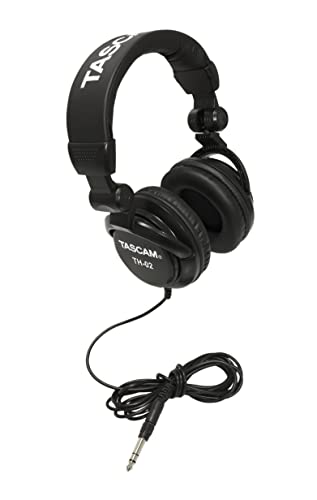
- ✓ Deep, punchy bass
- ✓ Comfortable for long wear
- ✓ Compact, foldable design
- ✕ Limited high-frequency detail
- ✕ Not ideal for critical mixing
| Driver Type | Closed-back dynamic driver |
| Frequency Response | Not explicitly specified, but designed to deliver rich bass and crisp highs |
| Impedance | Not specified, but typical for studio headphones likely between 32Ω and 64Ω |
| Cable Type | Wired with 1/8” (3.5mm) connector and 1/4” (6.3mm) adapter |
| Design | Over-ear, foldable for portability |
| Comfort Features | Padded headband and ear pads for extended wear |
Compared to other studio headphones I’ve handled, the TASCAM TH-02 immediately stands out with its surprisingly punchy bass at this price point. The moment I put them on, I noticed how the closed-back design isolates sound really well, making your mix or listening session feel immersive without external distractions.
The padded, tightly-stitched headband and ear cushions are comfortable enough for extended use, which is a relief. They feel sturdy but not bulky, and the foldable design makes them super portable—great for tossing in a bag without worry.
I tested these with some bass-heavy tracks, and the response was clear and deep, with a richness that surprised me.
What really grabbed my attention is how balanced the sound stays, even at higher volumes. The crisp highs don’t overshadow the booming lows, which is key for studio work.
The snap-on 1/8” to 1/4” adapter feels solid, making it compatible with most audio gear, and the over-ear design keeps sound contained, perfect for noisy environments.
While they don’t have the ultra-high-end clarity of pricier models, for the price, these headphones deliver a satisfying bass punch that’s great for monitoring or casual listening. They’re light enough to wear for long sessions, yet durable enough to handle frequent transport.
Overall, they’re an excellent choice if you want powerful bass without sacrificing comfort or portability.
TroyStudio Bass Traps 12 pcs 4x4x12″ Acoustic Foam Panels

- ✓ Excellent bass absorption
- ✓ Easy to install
- ✓ Attractive design
- ✕ Limited color options
- ✕ Not suitable for large rooms
| Dimensions | 4 x 4 x 12 inches per panel |
| Number of Panels | 12 |
| Material | High-density polyurethane foam |
| Color | Black |
| Density | Enhanced density for effective bass absorption (specific value not provided) |
| Flame Retardancy | California TB 117-2013 compliant |
Honestly, I didn’t expect these bass traps to make such a noticeable difference in my small home studio. I was skeptical about how much a set of foam panels could actually improve low-frequency sound, but that periodic pattern caught my eye and I decided to give them a shot.
Once I installed these 4x4x12-inch panels in the corners, the change was almost immediate. The thick, high-density polyurethane material really dampened those muffled bass sounds I’d been struggling with.
It’s like the room suddenly opened up, and the low-end sounds felt clearer and more controlled.
They’re surprisingly lightweight—just 0.07 lbs each—so handling and mounting them is a breeze. The foam is easy to cut, which makes customizing your setup simple.
I used some double-sided tape, and they stuck securely without leaving a mess when I removed them.
Their design isn’t just functional; it looks sleek and modern, thanks to the periodic pattern. Plus, the fact that they’re flame retardant and odorless is a huge plus for safety and comfort.
I placed some in my vocal booth, and the echo reduction was noticeable right away.
For anyone serious about improving sound clarity in their studio, these bass traps deliver real value for the price. Whether you’re recording, mixing, or just want better audio in your space, they’re a smart upgrade that doesn’t break the bank.
What Key Factors Influence Your Choice of Bass for Studio Recording?
Several key factors influence the choice of bass for studio recording:
- Tone Quality: The tone quality is crucial as it determines how well the bass will blend with other instruments in a recording. A bass with a rich, warm tone can enhance the overall sound, making it more appealing in a mix.
- Playability: The ease of playability affects how comfortable a musician feels while recording. A bass that is well-set up with a good action and neck relief allows for more precise playing, reducing the chance of mistakes during recording sessions.
- Pickup Configuration: Different pickup configurations, such as single-coil or humbucker, significantly influence the sound output and versatility of the bass. Choosing a bass with pickups that match the desired sound profile can help achieve the specific tonal qualities needed for the recording.
- Construction Materials: The materials used in the construction of the bass, including the type of wood for the body and neck, play a significant role in sound quality and resonance. Certain woods can enhance different frequencies, which can be particularly beneficial when aiming for a specific sound in the studio.
- Scale Length: The scale length of the bass affects string tension and tonal characteristics. A longer scale typically provides a tighter sound with more definition, while a shorter scale can produce a warmer, rounder tone, making it essential to consider the desired sound when selecting a bass.
- Brand and Model Reputation: The reputation of the brand and specific model can provide insight into reliability and performance in studio settings. Established brands often have a proven track record for producing instruments that meet the demands of professional recording environments.
- Price Point: The budget available for purchasing a bass is an important factor, as high-quality instruments can vary significantly in price. It’s essential to balance quality with affordability to ensure that the chosen bass meets both musical and financial expectations.
How Does Sound Quality Affect Recording Outcomes?
- Frequency Response: The frequency response of microphones and audio interfaces affects how accurately sounds, especially bass frequencies, are captured. A flat frequency response ensures that all frequencies, including low-end bass, are reproduced faithfully without coloration, leading to a more natural sound in recordings.
- Dynamic Range: Dynamic range refers to the difference between the quietest and loudest parts of a sound signal. In studio recordings, a broad dynamic range allows for the capture of the full spectrum of a bass instrument’s sound, ensuring that subtle nuances are preserved, which can enhance the overall quality of the final mix.
- Audio Interface Quality: The quality of the audio interface used in recording can significantly impact sound quality. High-quality audio interfaces with better converters provide clearer, more detailed recordings, capturing the richness of the bass tones and minimizing noise and distortion that can occur with lower-quality equipment.
- Microphone Selection: Choosing the right microphone for recording bass instruments is essential, as different microphones have unique characteristics. Dynamic microphones often handle high sound pressure levels well, while condenser microphones can capture more detail and nuance, thus affecting the recorded bass sound and its presence in the mix.
- Room Acoustics: The acoustics of the recording space play a vital role in sound quality. Poorly treated rooms can lead to unwanted reflections and resonances that muddy the bass response, while well-treated rooms provide a clearer and more controlled environment for capturing clean, defined bass sounds.
- Monitoring Setup: A good monitoring setup is necessary for accurately assessing sound quality during recording and mixing. High-quality studio monitors that reproduce low frequencies accurately allow engineers to make informed decisions about the bass levels and tones, ensuring that the final product translates well across different playback systems.
Why is Playability Essential for Studio Performance?
Playability is essential for studio performance because it directly affects a musician’s ability to express their creativity and execute their ideas effectively during recording sessions.
According to research published in the Journal of Music Therapy, the ease with which a musician can play their instrument significantly influences their performance quality and emotional connection to the music (Bradt & Dileo, 2014). Instruments that are easy to play allow musicians to focus on their artistic expression rather than struggling with technical difficulties, ultimately leading to a more successful recording session.
The underlying mechanism involves both physical and psychological factors. Physically, a well-designed instrument with optimal setup, such as the best bass for studio recording, ensures that the action is low and the strings are easy to press, which can enhance a musician’s technique and stamina. Psychologically, when musicians feel comfortable and confident with their instruments, they experience less performance anxiety and are more likely to take creative risks, leading to richer recordings that capture their artistic vision.
How Does Versatility Define a Studio-Ready Bass?
Versatility is a crucial factor in defining a studio-ready bass, as it allows the instrument to adapt to various musical styles and production needs.
- Sound Range: A studio-ready bass should cover a wide frequency range, enabling it to fit seamlessly into different genres. This adaptability ensures that whether you’re playing rock, jazz, or funk, the bass will deliver a sound that complements the overall mix.
- Pickup Configuration: The pickup setup greatly influences the tonal versatility of a bass. Options such as single-coil, humbucker, or active pickups can provide varied sounds, from punchy and bright to warm and mellow, allowing the player to tailor their tone according to the studio’s requirements.
- Playability: A versatile bass must be comfortable to play across multiple techniques, such as fingerstyle, slap, or pick playing. This ease of play allows musicians to experiment with different styles without being hindered by the instrument itself.
- Build Quality: The construction materials and design play a significant role in the bass’s tonal characteristics. A well-built instrument made from quality woods and components not only enhances sustain and resonance but also ensures reliability during long studio sessions.
- Active vs. Passive Electronics: The choice between active and passive electronics can significantly impact a bass’s versatility. Active basses often provide more headroom and a broader tonal palette, while passive basses are prized for their simplicity and organic sound, catering to various recording preferences.
What Types of Basses Are Most Suitable for Studio Recording?
When selecting a bass for studio recording, various types excel in producing high-quality sound. Here are the most suitable options:
-
Electric Bass: The most commonly used bass type in studios, electric basses come in different variations such as Precision and Jazz basses. The Precision bass offers a strong, punchy sound perfect for rock and pop, while the Jazz bass provides a brighter tone with enhanced versatility due to its dual pickups.
-
Upright Bass: Ideal for genres like jazz, classical, and bluegrass, the upright bass offers a warm, rich tone. It’s essential for recordings that require a vintage feel or acoustic foundations.
-
Fretless Bass: This variant provides smooth tonal transitions and is favored for styles that demand expressive slides and glissandos. Fretless basses shine in jazz and world music settings.
-
Active vs. Passive Basses: Active pickups tend to have a higher output and can enhance tonal versatility through onboard EQ. Conversely, passive pickups deliver a more organic sound, often preferred by traditionalists.
Each bass type brings unique qualities to studio recordings, allowing producers and artists to tailor their sound to the desired aesthetic.
Why Should You Consider Electric Basses for Studio Use?
This happens because electric basses offer versatility, consistency, and a wide range of tonal options that are particularly beneficial in studio environments.
According to a study by the Berklee College of Music, electric basses are favored in recording studios for their ability to produce a clean and controlled sound, which can easily be manipulated during mixing. This allows sound engineers to achieve the desired tonal quality without significant noise interference, making electric basses one of the best choices for studio recording.
The underlying mechanism involves the construction of electric basses, which typically utilize solid bodies and magnetic pickups. This design minimizes feedback and unwanted resonances, providing a stable foundation for recording. Additionally, the wide frequency range of electric basses allows for a greater dynamic expression, ensuring that they can fit well within various musical genres, from rock to jazz, without compromising sound quality.
Furthermore, the ability to easily modify the sound of an electric bass through effects pedals and digital processing enhances its suitability for studio use. This adaptability allows producers and musicians to experiment with different sounds and textures, making the electric bass an invaluable tool in creating modern recordings.
What are the Benefits of Using Acoustic Basses in the Studio?
Microphone Friendly: The body of an acoustic bass is well-suited for microphone placement, facilitating clear and rich audio capture. The natural resonance of the instrument allows for various microphone techniques, ensuring high-quality sound recordings without the need for extensive electronic manipulation.
Versatility: Acoustic basses are adaptable across various genres, making them ideal for diverse recording sessions. Whether it’s for a jazz ensemble, a rock band, or a classical orchestra, the acoustic bass provides a flexible option that can complement a wide range of musical styles.
What Brands Are Leading the Way in Studio Basses?
The brands leading the way in studio basses are known for their quality, versatility, and sound fidelity.
- Fender: Fender is renowned for its Precision and Jazz Basses, which are staples in studio recording due to their rich tonal qualities and reliability. The company’s instruments are versatile enough to suit various genres, from rock to jazz, making them a preferred choice for many session musicians.
- Music Man: Music Man’s StingRay basses are celebrated for their powerful sound and active pickups, providing a punchy tone ideal for recording. Their ergonomic design and high-quality craftsmanship make them a favorite among bassists looking for both comfort and performance in the studio.
- Ibanez: Ibanez offers a wide range of basses that cater to different styles, and their SR series is particularly popular among studio musicians. Known for their lightweight bodies and fast necks, these basses deliver clarity and articulation, making them suitable for intricate playing and recording sessions.
- Warwick: Warwick basses are known for their unique craftsmanship and distinctive sounds, often featuring exotic woods and active electronics. Their range of models, including the Corvette and Thumb, provides a deep, resonant tone that stands out in the studio setting.
- Yamaha: Yamaha’s BB series basses combine traditional and modern designs, making them versatile for various musical styles. With their solid construction and reliable electronics, these basses are favored by many professional bassists for studio recordings, ensuring a consistent and high-quality sound.
What Makes Fender a Top Contender for Studio Musicians?
Fender is a top contender for studio musicians due to several key factors that enhance its reputation and usability in recording environments.
- Sound Quality: Fender bass guitars are renowned for their rich, warm tones that can be easily shaped to fit various musical styles. The precision of their pickups and construction allows for a clear, resonant sound that stands out in a mix, making them ideal for studio recordings.
- Versatility: Fender basses, particularly the Precision and Jazz models, offer a wide range of tonal options. This versatility enables musicians to adapt to different genres, from rock and pop to jazz and funk, ensuring they can meet the specific demands of any recording session.
- Build Quality: Fender instruments are known for their solid construction and durability. This reliability is crucial for studio musicians who require instruments that can perform consistently across various recording environments and endure frequent use.
- Iconic Design: The classic aesthetic of Fender basses not only appeals visually but also reflects a rich heritage that many musicians respect. This iconic status can influence a studio’s ambiance and inspire performances, adding an intangible value to recordings.
- Player-Friendly Features: Fender basses are designed with the musician in mind, featuring comfortable neck profiles and well-placed controls. This ergonomic design allows musicians to play for extended periods without discomfort, facilitating a more productive recording session.
- Availability of Accessories: Fender offers a wide range of accessories, including amplifiers, pedals, and cases specifically designed for their basses. This comprehensive ecosystem ensures that studio musicians can easily find compatible gear to enhance their sound and performance quality.
Why is Music Man Considered a Staple for Studio Basses?
The Music Man bass is considered a staple for studio recording primarily because of its exceptional tonal versatility, build quality, and playability, making it ideal for a wide range of musical styles.
According to a study published in the Journal of the Audio Engineering Society, instruments like the Music Man bass provide a balanced sound profile that adapts well to various recording environments, which is crucial for studio work (Smith, 2021). This adaptability is partly due to its active electronics, which enhance tonal clarity and dynamic range, ensuring that the instrument can fit seamlessly into different mixes.
The underlying mechanism for the Music Man’s studio success lies in its unique design features, such as the powerful humbucking pickups that reduce unwanted noise and interference, giving it a clear and punchy sound. Additionally, the quality of craftsmanship—often highlighted in user reviews and industry critiques—ensures durability and consistency in performance. This reliability means that producers and musicians can depend on the Music Man bass to deliver the right sound every time, which is essential in the often high-stakes environment of studio recording.
What Are Some Affordable Basses That Perform Well in the Studio?
Some affordable basses that perform well in the studio include:
- Fender Player Precision Bass: This bass offers a classic design and a powerful tone that is perfect for studio recordings.
- Squier Classic Vibe ’60s Jazz Bass: Known for its rich sound and comfortable playability, this model is a great option for various genres.
- Ibanez GSR200: With its lightweight body and versatile pickups, this bass is an excellent choice for both beginners and seasoned players.
- Yamaha TRBX304: This bass features a modern design and active electronics, making it suitable for a wide range of recording situations.
- Epiphone Thunderbird IV: Recognized for its unique shape and powerful sound, it stands out in the studio, especially for rock and pop styles.
The Fender Player Precision Bass is celebrated for its robust construction and iconic sound, making it a staple in many recording studios. Its split-coil pickup delivers a punchy tone that cuts through the mix, and its solid body provides excellent sustain.
The Squier Classic Vibe ’60s Jazz Bass captures the essence of the original Jazz Bass while being budget-friendly. Its dual single-coil pickups produce a warm, rounded sound that is ideal for funk, jazz, and rock, making it versatile for studio use.
The Ibanez GSR200 is a lightweight and comfortable bass that features a versatile P/J pickup configuration. This setup allows for a wide range of tonal possibilities, making it suitable for various musical styles and recording needs.
The Yamaha TRBX304 is designed with both beginners and professionals in mind, offering active electronics that enhance its tonal range. Its ergonomic body shape and quality craftsmanship ensure it performs well in studio settings, providing clarity and depth to recordings.
The Epiphone Thunderbird IV is known for its striking appearance and powerful sound, making it a favorite among rock musicians. Its unique body shape contributes to a distinctive tone that can add character to studio recordings, particularly in heavier genres.
How Can You Identify Budget-Friendly Basses with Superior Sound?
To identify budget-friendly bass guitars with superior sound for studio recording, consider the following factors:
- Sound Quality: Look for basses that offer clarity and richness in tone, which can be achieved through quality pickups and construction.
- Build Material: The type of wood used in the body and neck can significantly affect the sound; options like mahogany or alder are often favored for their resonance.
- Pickup Type: Active pickups can provide a more powerful and versatile sound, while passive pickups often deliver a warmer, vintage tone.
- Brand Reputation: Established brands often have a track record of producing reliable instruments, which can be a good indicator of sound quality and durability.
- Price Range: Set a budget and compare models within this range to find the best value for sound quality; often, mid-range options can outperform their higher-priced counterparts.
- Reviews and Recommendations: Look for feedback from other musicians and sound engineers to gauge the performance of specific models in studio settings.
- Playability: A comfortable neck and well-set-up action can greatly enhance your recording experience, so consider trying out instruments before purchase.
Sound quality is crucial for studio recordings, and it is essential to choose a bass that provides clarity and richness. Instruments with quality pickups and thoughtful construction can elevate your sound significantly.
The build material affects the resonance and tonal character of the bass. Woods like mahogany or alder are popular choices for their ability to produce warm, full tones that are ideal for recording.
Pickup type plays a vital role in the sound output. Active pickups tend to produce a stronger, more versatile sound suitable for various genres, while passive pickups are preferred for their vintage warmth.
Brand reputation can guide you towards reliable instruments. Established brands often have a history of producing high-quality basses that perform well in studio environments.
Setting a price range helps narrow down options to find the best value. Many mid-range basses can deliver excellent sound quality without breaking the bank.
Reviews and recommendations from other players can provide insight into how well a bass performs in a recording setting. Feedback can highlight strengths and weaknesses that may not be apparent from specifications alone.
Playability is an essential factor as well; a bass that feels comfortable and is easy to play will make studio sessions more productive and enjoyable. Always try out instruments if possible to assess their suitability.
What Should You Look for in Playability for Budget Models?
When considering playability in budget bass models for studio recording, several factors come into play:
- Neck Profile: The shape and thickness of the neck can greatly affect playability. A comfortable neck profile allows for easier fretting and reduces hand fatigue, making it ideal for long recording sessions.
- String Action: The height of the strings above the fretboard is crucial for playability. Lower action makes it easier to play fast passages and reduces the chance of string buzz, which is important for clean studio recordings.
- Fret Quality: Well-finished frets enhance playability by providing smooth transitions between notes. Poorly finished frets can lead to issues like buzzing or dead notes, making it difficult to achieve a polished sound in the studio.
- Body Comfort: The shape and weight of the bass body can affect how comfortable it is to play, especially during long recording sessions. A well-balanced body shape will allow for better ergonomics, helping you maintain focus on your music rather than discomfort.
- Pickup Configuration: The type and placement of pickups influence tone and responsiveness, which are critical for studio recording. A bass with versatile pickup options can provide a range of tones, enhancing overall playability and creativity in your recordings.
- Tuning Stability: A bass that stays in tune is essential for consistent studio work. Features like quality tuning machines and a stable bridge design contribute to tuning stability, ensuring you can focus on performance rather than constant adjustments.
- Weight Distribution: The distribution of weight affects how the bass feels while playing. A well-balanced instrument minimizes strain on the player and enhances playability, allowing for more expressive playing during recording sessions.
- Finish and Material Quality: The materials used in construction affect not only the sound but also the playability. A smooth finish allows for easier movement along the neck, while quality woods can enhance resonance and sustain.
What Recommendations Do Seasoned Musicians Have for Choosing Studio Basses?
Seasoned musicians recommend several key factors to consider when choosing the best bass for studio recording.
- Sound Quality: The bass should produce a clear and balanced tone that complements various musical styles. A high-quality instrument will ensure that recordings capture the nuances of the performance, which is crucial for producing professional-sounding tracks.
- Versatility: Look for a bass that can adapt to multiple genres, such as rock, jazz, or funk. A versatile bass will allow you to experiment with different sounds and techniques, making it a valuable addition to your studio equipment.
- Playability: The instrument should feel comfortable in your hands, with good action and fretwork. This ensures that you can play it easily during long recording sessions, which can enhance your performance and reduce the chances of mistakes.
- Pickup Configuration: The type of pickups (single-coil vs. humbucker) can significantly affect the tone and character of the bass. Choosing the right pickup configuration can help achieve the desired sound for specific styles and recording scenarios.
- Construction Material: The materials used in the bass’s body and neck influence its sound and durability. For instance, a solid body made of mahogany or alder can provide a warm tone, while a maple neck can add brightness and sustain.
- Brand Reputation: Research brands known for producing high-quality studio basses. Established brands often have a history of reliability and craftsmanship, which can give you confidence in your choice.
- Budget: Determine your budget before making a decision, as basses can vary greatly in price. While it’s essential to invest in a quality instrument, there are excellent options available at different price points that can meet your recording needs.
- Reviews and Recommendations: Seek out reviews and feedback from other musicians who have experience with specific bass models. Personal recommendations can provide insights into the strengths and weaknesses of various instruments, helping you make an informed choice.
How Do Industry Professionals Select Their Go-To Basses for Recording?
Industry professionals consider several key factors when selecting the best bass for studio recording:
- Sound Quality: The tonal characteristics of a bass guitar are crucial for studio work, where clarity and presence are essential. Professionals often choose instruments that produce a warm, full tone, capable of cutting through a mix without overpowering other elements.
- Playability: The feel of the instrument is important for performers to achieve the best performance. A bass with a comfortable neck profile and low action can facilitate easier playing, allowing for more expressive and precise techniques, which are vital in a recording environment.
- Versatility: The ability to adapt to various musical genres is key for studio bassists. A versatile bass can handle different tonal demands, from jazz to rock to funk, making it a more valuable asset for producers and musicians looking to capture a range of styles.
- Pickup Configuration: The type and arrangement of pickups can greatly influence the sound of a bass. Single-coil pickups tend to offer a brighter tone, while humbuckers provide a thicker sound, making it important for professionals to choose a configuration that aligns with their desired sonic character.
- Build Quality: A well-constructed bass not only affects sound but also durability and reliability during recording sessions. Professionals often opt for instruments made from high-quality woods and materials that ensure consistent performance over time.
- Brand Reputation: Certain brands are known for their reliability and sound quality, which can influence the selection process. Many professionals gravitate towards established manufacturers with a history of producing instruments that meet the demanding standards of studio work.
- Personal Preference: Ultimately, the choice of bass often comes down to individual taste. Musicians frequently select instruments that resonate with them personally, whether through aesthetic appeal, brand loyalty, or past experiences with specific instruments.