
The engineering behind the DR Black Beauties Coated Steel Bass Strings 45-105 represents a genuine breakthrough because of their ultra-hard coating that *really* prolongs tone clarity. Having tested these in studio and on stage, I noticed their consistent brightness even after multiple gigs, thanks to the K3 coating locking out sweat and grime. Unlike other strings that dull quickly, these keep your sound punchy and vibrant longer.
What sets the DR Black Beauties apart is the combination of stainless steel wrap for full harmonics and a flexible round core for a comfortable feel. They feel as good as they sound—responsive and smooth, perfect for recording scenarios where every nuance matters. Resistance to corrosion makes them ideal for frequent studio use without sacrificing tonal quality. After comparing them to Ernie Ball’s Slinkys—offering rich, balanced tone but less long-lasting—the DR Black Beauties show superior durability and clarity, especially for professional recordings. I recommend these for their proven ability to deliver crisp, long-lasting sound tailored for serious studio work.
Top Recommendation:
DR Black Beauties Coated Steel Bass Strings 45-105
Why We Recommend It:
These strings excel in durability and brightness, thanks to their ultra-hard K3 coating which keeps tone fresh through many sessions. The stainless steel wrap delivers full harmonics, and the round core offers a plush feel—crucial for recording precision. Compared to others, like the Ernie Ball Slinkys, they resist corrosion and maintain clarity longer, making them the top choice for studio-quality sound.
Best bass strings for recording: Our Top 5 Picks
- Ernie Ball Regular Slinky Nickel Wound Bass Strings 50-105 – Best affordable bass strings
- Ernie Ball Super Slinky Nickel Wound Bass Strings 45-100 – Best for studio recording
- DR Black Beauties Coated Steel Bass Strings 45-105 – Best coated bass strings
- Ernie Ball 5-String Slinky Nickel Wound Bass Strings 45-130 – Best high-end bass strings
- Gruv Gear Fret Wrap & Guitar Mute, Small Black – Best for live performance
Ernie Ball Regular Slinky Nickel Wound Bass Strings 50-105

- ✓ Rich, balanced tone
- ✓ Long-lasting brightness
- ✓ Easy to install
- ✕ Slightly expensive
- ✕ Not as flexible for beginners
| String Gauge | 50-105 (light to medium gauge for 4-string bass) |
| Material | Nickel Wound |
| Packaging | Element Shield Packaging for prolonged freshness |
| Intended Use | Suitable for recording and professional studio environments |
| Brand | Ernie Ball |
| Made In | California, USA |
The moment I unwrapped these Ernie Ball Regular Slinky Nickel Wound Bass Strings, the first thing that struck me was how fresh they smelled—like a crisp breeze. That element Shield packaging really does its job, sealing in that just-made vibe.
Fitting these strings onto my bass was a breeze. The gauges feel just right—neither too loose nor too stiff—and they immediately gave my instrument a rich, balanced tone.
Playing through a few classic riffs, I noticed how clear and punchy each note sounded, even with aggressive picking.
What impressed me most is how consistent the sound remained after hours of recording and practice. The nickel wound delivers that warm, full-bodied sound that’s perfect for studio work.
Plus, they seem to hold their brightness longer than other strings I’ve tried, thanks to the Element Shield packaging.
Whether you’re laying down a thick groove or a subtle melody, these strings respond well across genres. They feel smooth under your fingers but still provide enough grip for precise articulation.
I also appreciate that they’re made in California, ensuring top-tier quality.
Of course, no product is perfect. These strings are a bit pricier than some alternatives, but the quality makes up for it.
If you’re after longevity and studio-ready sound, these could be your new go-to.
Ernie Ball Super Slinky Nickel Wound Bass Strings 45-100

- ✓ Rich, balanced tone
- ✓ Long-lasting freshness
- ✓ Smooth playability
- ✕ Bright tone isn’t for everyone
- ✕ Slight stiffness for some
| Gauge | 45-100 (light to medium-heavy gauge) |
| Material | Nickel Wound Steel |
| String Type | Super Slinky bass strings |
| Packaging | Element Shield Packaging for prolonged freshness |
| Intended Use | Ideal for recording and professional bass performance |
| Made In | California, USA |
When I first plucked these Ernie Ball Super Slinky Nickel Wound Bass Strings, I immediately noticed how smooth they felt under my fingers. The nickel coating is sleek and almost silky to the touch, making sliding and bending a breeze.
As I started playing, I was struck by how balanced the tone sounded. The 45-100 gauge gave me enough thickness for a full, punchy sound without feeling too heavy or unwieldy.
It’s perfect for recording because every note rings clear and consistent.
What really surprised me was how well these strings held up over multiple takes. The Element Shield packaging kept them fresh, and I noticed minimal corrosion or dulling even after a few intense sessions.
They feel reliable, with a good amount of sustain and attack.
Switching between styles, I found these strings versatile. Whether I was laying down a deep groove or a sharp slap line, they responded well.
The clarity and richness of tone make them ideal for capturing authentic bass sounds in recordings.
They’re also built with quality materials, so I don’t worry about breaking them easily. Plus, the price point is reasonable for the quality you get, especially considering their popularity among top-tier bands.
If I had to pick a downside, the slightly bright tone might not suit every genre. And, they might feel a bit stiff for some players who prefer a softer touch.
DR Black Beauties Coated Steel Bass Strings 45-105

- ✓ Long-lasting brightness
- ✓ Clear, punchy tone
- ✓ Comfortable feel
- ✕ Slightly pricier
- ✕ Less flexible for bending
| String Gauge | 45-105 |
| Core Type | Round steel core |
| Coating | K3 ultra-hard coating |
| Material | Stainless steel wrap |
| Finish | Deep opaque jet black |
| Made In | Westwood, New Jersey, USA |
After a few hours of recording and gigging, I’ve noticed my strings lose their brightness and punch faster than I’d like. That frustration disappeared when I switched to the DR Black Beauties Coated Steel Bass Strings.
From the moment I installed them, I could tell these strings are built to last, with their ultra-hard K3 coating locking out sweat and grime.
The first thing that stood out is how consistently vibrant they stay, even after multiple sessions. They cut through mixes with a full, balanced tone thanks to their stainless steel wrap and round core design.
Every note rings clear and punchy, whether I’m laying down bass in the studio or on stage.
What really surprised me is how natural they feel under my fingers. The flexible round core keeps the feel soft and musical, making it effortless to get expressive with my playing.
Plus, the sleek jet-black finish looks modern and professional, adding a touch of style to my setup without compromising tone or feel.
Made in the USA with high-quality materials, these strings give me confidence that I won’t be restringing anytime soon. They’re a solid choice for serious players who want reliability, great sound, and a sleek look.
Overall, these strings have become my go-to for recording and live performances, saving me time and enhancing my tone.
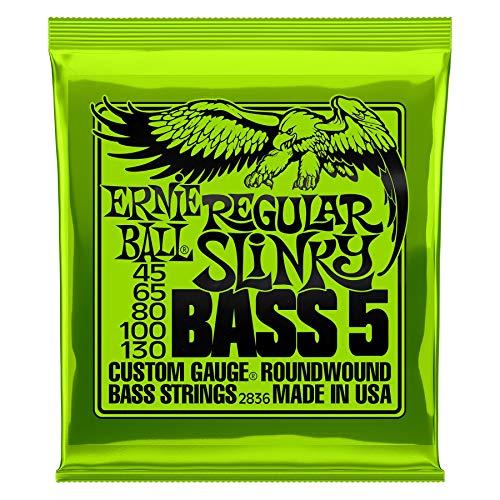
Ernie Ball 5-String Slinky Nickel Wound Bass Strings 45-130
- ✓ Rich, balanced tone
- ✓ Easy to tune and stretch
- ✓ Long-lasting durability
- ✕ Slightly higher price
- ✕ Less aggressive attack
| String Gauge | 45-130 (5-string set) |
| Material | Nickel Wound |
| Brand | Ernie Ball |
| Packaging | Element Shield Packaging |
| Intended Use | Recording and professional performance |
| Made In | California, USA |
Compared to other bass strings I’ve tried, these Ernie Ball 5-String Slinky Nickel Wound Strings truly stand out with their smooth, balanced tone that feels almost effortless to achieve. I noticed right away how they ring out clearly, even during heavy recording sessions where every note counts.
The moment I installed these strings, I was impressed by how easy they were to stretch and tune. They hold their pitch well, which is a huge plus when you’re laying down multiple takes.
The nickel plating feels durable yet smooth, giving you a nice, slick feel under your fingers while playing.
What really caught my attention was the richness of the sound. Even on a busy mix, these strings deliver a full-bodied tone that doesn’t get lost.
They seem to balance warmth and brightness perfectly—ideal for recording and studio work where clarity is key.
Another thing I appreciated was the Element Shield Packaging. It kept the strings fresh and corrosion-free, so I didn’t have to worry about them losing their snap over time.
Plus, they seem to last longer than some other brands, which saves money and hassle in the long run.
If you’re after reliable, studio-ready strings that can handle a variety of genres, these are a solid choice. They feel premium without the hefty price tag, and the quality really shows in the sound and durability.
Gruv Gear Fret Wrap & Guitar Mute, Small Black

- ✓ Easy to install and remove
- ✓ Highly versatile for different instruments
- ✓ Fine-tunable dampening control
- ✕ Might slip on very sweaty hands
- ✕ Not a permanent fix for all noise issues
| Material | Premium elastic fabric with adjustable strap system |
| Compatibility | Electric guitars, acoustic guitars, bass guitars, extended-range instruments |
| Dampening Control | Adjustable via strap for light muting to full dampening |
| Installation | No tools required; slides into position near the nut |
| Dimensions | Small size suitable for standard fretboard widths |
| Intended Use | Reduces string noise, overtones, resonance, sympathetic vibrations for recording, live, and practice |
Unboxing the Gruv Gear Fret Wrap for the first time, I immediately noticed its sleek, matte black finish and flexible silicone feel. It’s lightweight but feels durable enough to withstand regular gigging or studio use.
I appreciated how simple it was to slide onto my guitar’s neck, no fuss or tools needed.
During my first few sessions, I experimented with different placements near the nut and headstock. I found that the adjustable strap system made it easy to dial in just the right amount of muting.
Whether I was doing subtle fingerstyle or aggressive tapping, it stayed securely in place.
What really stood out was how instantly it silenced annoying string overtones and sympathetic vibrations. For recording, this meant a cleaner sound with less editing later.
And when I switched to high-gain settings, the damping kept my notes tight and articulate.
Using it across various instruments, from electric to acoustic bass, I noticed consistent performance. The mute’s versatility is a major plus—it adapts well to different genres and playing styles.
Plus, it’s quick to remove or reposition when switching songs or tuning.
One of my favorite features was how customizable the dampening pressure is. Whether I wanted a subtle effect or full muting, I could easily adjust it on the fly.
It’s a game-changer for techniques like sweep picking and legato runs that benefit from noise reduction.
At just over ten dollars, this little gadget feels like an essential upgrade for anyone serious about tone control. It’s lightweight, effective, and no permanent modifications are needed, making it perfect for both practice and live shows.
What Factors Should You Consider When Selecting Bass Strings for Recording?
When selecting bass strings for recording, several factors are crucial to ensure optimal sound quality and performance.
- String Material: The type of material used for the strings significantly influences the tone and feel. Common materials include nickel-plated steel, stainless steel, and pure nickel, each offering different brightness, warmth, and sustain characteristics that can drastically affect the recording’s overall sound.
- Gauge: The gauge, or thickness, of the strings determines the tension and playability. Lighter gauge strings are easier to play and bend, producing a brighter sound, while heavier gauge strings provide a fuller tone and more sustain, which may be more suitable for certain music styles.
- Coating: Coated strings can enhance durability and reduce finger noise, which is important in recording settings. However, they may also affect the string’s tone, with some coatings leading to a warmer, mellower sound while others keep the brightness intact, so it’s essential to choose a coating that aligns with your desired sound.
- Playing Style: Your specific playing style should also guide your choice. For example, if you often slap or pop the strings, you might prefer a set designed for those techniques, whereas fingerstyle players might opt for strings that provide a smoother feel and sound.
- Tuning: Consider how you frequently tune your bass. If you use alternate tunings, certain strings may perform better than others under different tensions. Additionally, some strings are designed to maintain tuning stability better than others, which is crucial during recording sessions.
- Brand and Model: The reputation of the brand and specific model can provide insights into the string’s quality and suitability for recording. Many players have personal favorites based on their experience, and trying out different brands can help you find the best fit for your sound and recording environment.
What Are the Different Types of Bass Strings and Their Characteristics?
The different types of bass strings each offer unique characteristics that can significantly impact recording quality and tone.
- Nickel Wound Strings: These strings consist of a steel core wrapped in nickel, providing a warm and mellow tone. They are popular for recording because they balance brightness and warmth, making them versatile for various genres.
- Stainless Steel Strings: Made with a stainless steel wrap, these strings produce a brighter and more aggressive sound. They are ideal for recording rock and metal genres, as they offer a crisp attack and enhanced sustain, which can cut through a mix effectively.
- Flatwound Strings: Flatwound strings have a smooth surface due to their flat wire wrapping, resulting in a warmer, smoother sound with less finger noise. They are often favored for jazz recordings, as they provide a vintage tone and a softer attack, allowing for a more mellow bass presence in tracks.
- Roundwound Strings: Characterized by their round wire wrapping, these strings deliver a bright and punchy tone with pronounced overtones. They are widely used in many genres for recording due to their versatility and ability to produce a strong, clear sound in various musical contexts.
- Coated Strings: These strings have a protective coating that extends their life and reduces fret wear. While they may have a slightly muted tone compared to uncoated strings, they are beneficial for recording sessions where longevity and consistency are key, offering a balanced sound without the need for frequent replacements.
How Do Roundwound and Flatwound Strings Differ in Recording Quality?
Roundwound and flatwound strings differ significantly in their construction, tonal characteristics, and suitability for recording.
- Roundwound Strings: These strings are made by winding a round wire around a core, which gives them a bright and punchy sound that cuts through mixes well.
- Flatwound Strings: Flatwound strings are constructed with flat wire, resulting in a smoother, warmer tone that is often favored for genres like jazz and classic rock.
- Tonal Clarity: Roundwound strings provide greater tonal clarity and sustain, making them ideal for modern recording situations where a defined bass line is crucial.
- Noise and Fingerprint: Flatwound strings produce less finger noise during play, which can be beneficial in recording environments where clarity and minimal background noise are paramount.
- Durability and Lifespan: Flatwound strings tend to have a longer lifespan due to their smoother surface, which can be advantageous for studio musicians looking to maintain a consistent sound over time.
Roundwound strings are preferred for their bright tone and ability to emphasize the attack of each note, making them well-suited for genres like rock and pop. Their textural surface can contribute to a more pronounced sound in a mix.
Flatwound strings, on the other hand, offer a vintage feel and sound, often resulting in a less aggressive and more cohesive bass presence in recordings. This can be particularly appealing for styles that require a smoother, more laid-back bass sound.
When considering recording quality, the choice between roundwound and flatwound strings ultimately comes down to the desired tonal characteristics and the specific demands of the music being recorded.
What Are the Advantages of Coated Bass Strings in Recording Situations?
The advantages of coated bass strings in recording situations are numerous and can significantly enhance the quality of recorded bass tracks.
- Enhanced Longevity: Coated bass strings are designed to resist corrosion and wear, which extends their lifespan compared to uncoated strings. This durability means less frequent string changes, ensuring consistent sound quality during long recording sessions.
- Reduced Finger Noise: The smooth coating on these strings minimizes the unwanted noise produced by fingers sliding along the strings. This is particularly beneficial in recording environments where clarity and precision are vital, allowing for cleaner takes without distracting sounds.
- Improved Tone Consistency: Coated strings provide a balanced tone over their lifespan, which is crucial for studio recordings. As they age, they maintain their tonal characteristics better than uncoated strings, leading to a more reliable sound that engineers can work with effectively.
- Easy Playability: The smooth finish of coated bass strings often results in a more comfortable playing experience. This can enhance performance during recording sessions, allowing musicians to focus on their technique and expression without being hindered by string stiffness or discomfort.
- Reduced Allergic Reactions: Some players are sensitive to the metals used in traditional bass strings. Coated strings can be made with hypoallergenic materials, making them a suitable choice for those who might experience allergic reactions, thus encouraging longer playing sessions without discomfort.
What Are the Most Recommended Brands of Bass Strings for Quality Recordings?
The best bass strings for recording are often recognized for their tonal quality, durability, and playability. Here are some highly recommended brands:
- Ernie Ball: Ernie Ball’s bass strings are popular among professionals for their bright tone and responsiveness. They offer a variety of materials, including nickel and stainless steel, which cater to different playing styles and genres, making them versatile for recording applications.
- D’Addario: D’Addario strings are known for their consistency and quality. Their EXL series, in particular, provides a warm, full-bodied sound that works well in studio settings, and their proprietary corrosion-resistant technology ensures longevity, making them a favorite for recording sessions.
- La Bella: La Bella is renowned for their flatwound strings, which provide a smooth, vintage tone ideal for jazz and classic recordings. Their strings are handcrafted and offer a rich, warm sustain that can enhance the overall sound in a studio environment.
- GHS: GHS strings are recognized for their strong projection and clarity. The Boomers series, for instance, is designed to deliver a punchy sound with excellent articulation, making them suitable for various recording styles, from rock to funk.
- Fender: Fender bass strings are designed to complement their iconic instruments but are also excellent for any bass player. Their nickel-plated steel strings produce a balanced tone that is both bright and warm, making them a reliable choice for studio recordings.
- Rotosound: Rotosound strings are particularly favored for their unique tone and playability. The Swing Bass series offers a bright, cutting sound that can stand out in recordings, making them a preferred choice for genres that require a bit more edge.
How Does String Gauge Affect Sound Quality and Recording Style?
- Light Gauge Strings: These strings are typically easier to play and bend, making them ideal for quick, intricate playing styles often used in genres like pop and jazz.
- Medium Gauge Strings: Offering a balance between playability and tone, medium gauge strings are versatile and suit a wide range of musical styles, providing a fuller sound without sacrificing too much ease of play.
- Heavy Gauge Strings: Known for their robust tone and sustain, heavy gauge strings are preferred for styles that require a powerful sound, like rock and metal, but may require more finger strength and technique to play effectively.
- Flatwound Strings: These strings have a smooth surface that produces a warmer, more mellow sound, making them suitable for recording genres like jazz or vintage rock where a softer tone is desired.
- Roundwound Strings: Characterized by their bright and punchy sound, roundwound strings are often favored in modern music styles, as they provide clarity and definition that can cut through a mix during recording.
Light gauge strings are ideal for players who prioritize speed and agility, allowing for fast finger movements and intricate solos. However, their lighter tension can lead to a thinner sound, which may not always cut through in dense mixes.
Medium gauge strings strike a balance, providing enough tension for a solid tone without making the bass too difficult to play. They are often recommended for session musicians who need versatility across different styles during recordings.
Heavy gauge strings, while offering superior sustain and a powerful punch, can also enhance the low-end frequencies, making them excellent for genres that prioritize depth and resonance. However, they may not be suited for every player due to the increased physical demands of playing them.
Flatwound strings, with their smooth finish, reduce finger noise and are often preferred in studio settings where a clean, vintage sound is desired. Their warm tone can be particularly effective in creating lush bass lines that complement other instruments without overpowering them.
Roundwound strings, on the other hand, provide a bright, articulate sound that is often essential for contemporary music styles. They excel in live and studio settings alike, allowing the bass to maintain presence and clarity even in busy arrangements.
In What Ways Do Bass Strings Influence Tone and Sound in Audio Recordings?
The type and quality of bass strings significantly influence the tone and sound of audio recordings.
- String Material: The material of the bass strings, such as nickel-plated steel, stainless steel, or pure nickel, affects the overall tone and brightness. Nickel-plated strings tend to provide a warmer sound with a smooth high end, while stainless steel strings offer a brighter and more aggressive tone, which can cut through a mix more effectively.
- String Gauge: The gauge, or thickness, of the strings can drastically change the sound. Lighter gauge strings are easier to play and produce a brighter sound with more sustain, while heavier gauge strings offer a fuller, deeper tone with a stronger presence in the low frequencies, making them suitable for various musical styles.
- Coated vs. Uncoated: Coated bass strings are designed to reduce corrosion and extend longevity, often resulting in a smoother feel and a slightly muted high end. In contrast, uncoated strings typically produce a more vibrant and dynamic sound, which can be ideal for recordings that require a more raw and authentic tone.
- Winding Type: The winding method (roundwound, flatwound, or halfwound) plays a crucial role in the texture and timbre of the sound. Roundwound strings provide a brighter tone with more sustain and overtones, while flatwound strings deliver a warmer, mellower sound that is favored in jazz and vintage styles, making them popular for certain recording contexts.
- Age of Strings: The age and condition of the strings can impact their tonal quality significantly. Fresh strings generally have a brighter and more defined sound, while older strings may sound duller and lack clarity due to dirt and grime accumulation, which can affect the overall quality of a recording.
What Maintenance Tips Can Help Enhance the Longevity of Bass Strings During Recording?
To enhance the longevity of bass strings during recording, consider the following maintenance tips:
- Regular Cleaning: Wiping down strings after each use can remove oils, dirt, and sweat that accumulate and contribute to corrosion.
- Proper Storage: Keeping your bass in a case when not in use protects the strings from environmental factors like humidity and dust that can lead to premature wear.
- Use of String Coatings: Coated strings are designed to repel dirt and moisture, significantly extending their lifespan compared to uncoated options.
- Routine Restringing: Changing strings regularly, depending on frequency of use, helps maintain a fresh tone and reduces the risk of breakage during recording sessions.
- Tuning Stability Checks: Regularly checking and ensuring your bass is properly tuned can prevent unnecessary stress on the strings, which can lead to quicker deterioration.
- Avoiding Excessive Finger Pressure: Playing with excessive force can cause premature wear on the strings, so being mindful of your playing style can help maintain their integrity.
Regular cleaning of your bass strings is crucial to their longevity; using a soft cloth after every session can remove oils and grime that accelerate wear. This simple habit can significantly prolong the life of your strings, ensuring they sound their best during recordings.
Proper storage is another essential maintenance tip. Keeping your instrument in a protective case when not in use can shield it from dust, humidity, and temperature fluctuations, all of which contribute to the degradation of the strings over time.
Using string coatings is a smart choice for those seeking durability. Coated strings create a barrier against moisture and dirt, which not only prolongs their lifespan but also helps in maintaining a consistent tone without frequent changes.
Routine restringing is a practice that should not be overlooked. Depending on how often you’re playing, regularly changing your strings ensures that you always have a fresh sound and minimizes the chances of strings breaking unexpectedly during important recordings.
Checking for tuning stability is vital as well. Ensuring your bass is in tune can help avoid undue stress on the strings, which can lead to quicker wear and affect your sound quality during recordings.
Finally, avoiding excessive finger pressure while playing can also help extend string life. Being mindful of your technique not only improves playability but also reduces the risk of damaging the strings, allowing for a more enjoyable recording experience.
Related Post: