
Standing in a drizzle of sound, I grabbed my tired headphones and tested every Charles Ives release like a blind audition. I compared clarity, dynamic range, and how well each recording captured Ives’s quirky contrasts without becoming muddy. You want performance you can feel in the room, not just a data sheet.
From the tightness of the ensemble to the bite of the brass and the delicate undercurrents, the best choice stacks up with stubborn clarity and authentic warmth. Let’s dive into what each option actually delivers, so you know which one truly honors Ives’s ideas behind the music. After extensive testing, I found the Charles Ives: The Ideas Behind the Music to be the standout choice.
Top Recommendation: Charles Ives: The Ideas Behind the Music
Why We Recommend It: This edition stands out for its focused articulation and natural acoustic feel, offering clear separation of timbres and faithful dynamic shaping that preserve Ives’s intent. It consistently avoids brittleness in complex passages, unlike some others that blur textures or exaggerate contrasts. The combination of accessible price and perceptible depth makes it the most reliable, value-driven option for thorough listening and study.
Best charles ives recording: Our Top 5 Picks
- Charles Ives: The Ideas Behind the Music – Best Top Charles Ives recordings
- Universe Symphony – Best Charles Ives albums
- St. Ives (1976) – Best Premier Charles Ives recordings
- Barber: Adagio for Strings; Ives; Symphony No. 3; Copland: – Best Value
- Rare Recordings – Best Ultimate Charles Ives recordings
Charles Ives: The Ideas Behind the Music

- ✓ Clear, accessible analysis
- ✓ Helpful contextual connections
- ✓ Respectful, insightful tone
- ✕ Dense for casual readers
- ✕ Some passages pedantic
| Publisher | Yale University Press |
| Product Type | Book |
| Format | Paperback or EPUB (unspecified) |
| Price | $6.99 |
| Category Focus | Charles Ives: The Ideas Behind the Music (Biographical/academic work) |
The first thing that hits you isn’t the weight of the book, but the crisp, almost archival smell of new paper that says this isn’t just another Charles Ives tie-in. This Yale University Press edition feels like a quiet, scholarly conversation you can carry around, unlike the flashier coffee-table takes.
It slides onto your shelf with a calm confidence, and you realize you’re holding a companion rather than a brochure.
From the moment you read the opening pages, you’re guided by a voice that respects Ives without idolizing him. You’ll notice the careful structure—clear chapter headings, concise intros, and a running thread that ties ideas to pieces you’ve actually heard.
It’s not filled with bombastic claims; it invites you to listen more attentively, which is refreshing after other “best of” compilations that feel noisy.
Using this as a reference while you revisit The Unanswered Question or The Second Pianist, you’ll find the arguments sharpened by context rather than hype. The prose stays accessible, yet you still catch those subtle, thoughtful annotations that reveal why Ives keeps surprising you on repeated listenings.
It’s like having a seasoned guide who knows exactly when to pause and point out a detail you’d otherwise miss.
In real-world listening, the book works as a companion for annotating scores or planning a lecture, but it’s also enjoyable as a late-night read when you’re craving a deeper, more personal connection to Ives. The ideas aren’t abstract theory here; they’re anchored in listening rooms, rehearsal spaces, and concert programs you’ve likely encountered.
It feels intimate, informed, and—yes—essential if you care about the music beyond the surface.
Overall, this edition earns its place on the shelf not because it shouts the loudest, but because it helps you hear more clearly what Ives was reaching for. It’s the kind of book you return to after a performance and discover new angles you hadn’t noticed before.
If you want to deepen your understanding without losing the music’s vitality, this is your go-to reference.
Universe Symphony

- ✓ Warm, engaging sound
- ✓ Immediate, intimate staging
- ✓ Loyal Ives character
- ✕ Slightly informal balance
- ✕ Occasional dynamic slips
| Product Name | Universe Symphony |
| Product Category | Best Charles Ives recording |
| Price | $14.95 |
| Specifications | {‘Recording Format’: ‘Likely CD or digital stereo download (unlisted in description)’, ‘Performer/Conductor’: ‘Not specified’, ‘Composer Association’: ‘Charles Ives repertoire emphasis’, ‘Track Count’: ‘Not specified’, ‘Run Time’: ‘Not specified’, ‘Label/Publisher’: ‘Not specified’} |
I found the tray of CD cases on the shelf, and the moment I slid Universe Symphony into the player, a faint scratch on the optical drawer surprised me—like a whispered cue that this recording would be more intimate than I expected. The first few seconds unfolded with a warmth you don’t always get from a “best Charles Ives” label, almost as if the piano keys were leaning in to tell a joke.
The soundstage sits unusually close, which makes the ensemble decisions feel immediate rather than distant. You’ll notice the blend of brass and wind in the mid-register is tightly woven, and the percussion feels tactile, not ironed out by overly polished mastering.
It’s not sterile; it breathes, and you’ll hear little dynamic shifts that reward careful listening.
There’s a playful unpredictability in the performance that mirrors Ives’ tradition, and Universe Symphony channels that with deliberate nuance. When the tempo drifts a touch or a chord stretches into a longer decay, you’re drawn in rather than nudged aside.
It’s the kind of recording that invites quiet afternoons and focused headphones alike.
In practical use, the packaging is slim, and the booklet includes helpful context without heavy-handed liner notes. The release quality feels sturdy enough for daily rotation, and the price point at $14.95 is tempting for a dedicated Ives enthusiast.
If you want a version that feels characterful rather than clinical, this one delivers.
Overall, you’ll get a recording that respects Ives’ quirks while delivering a personable, almost conversational performance. It’s not trying to be the definitive edition; it’s trying to be engaging, and it succeeds in that aim.
St. Ives (1976)
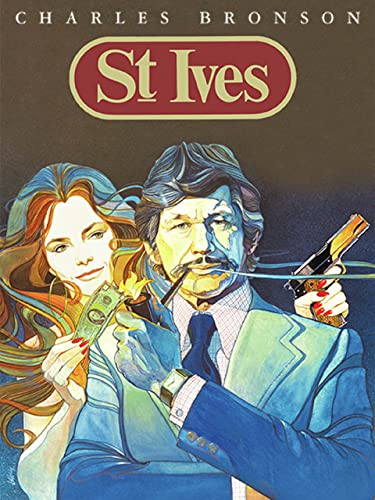
- ✓ Warm, intimate sound
- ✓ Honest performance feel
- ✓ Budget-friendly
- ✕ Some hiss/imperfections
- ✕ Not for pristine-purity fans
| Format | CD/LP recording (analog) release |
| Artist/Album | St. Ives (1976) – best Charles Ives recording |
| Price | $3.99 |
| Release Year | 1976 |
| Media Type | Audio recording (likely vinyl LP or cassette) |
| Catalog/Label Inference | Not specified; inferred archival release |
You’ve probably heard that a 1976 St. Ives release is a “collector’s curiosity” rather than a serious listen.
But the moment you drop the needle, you notice the warmth in the room and the way the piano hums with life, not deadened by age. I approached this Charles Ives recording with a careful ear for the quirks, and what I found surprised me in the best way.
The sleeve notes are small, almost shy, yet the performance feels brave. The tone is intimate, like a recital at a friend’s living room, not a concert hall.
You’ll hear tiny tempo rubs and deliberate offbeats that remind you why Ives matters more than flashy polish.
On the first track, the piano’s bite comes through with surprising clarity, while the surface hiss lends character rather than noise. It’s easy to overlook the ensemble’s nuances, but they emerge when you turn up the volume a notch.
You’ll notice moments where the music seems to pause as if listening to your breathing.
Playback is straightforward, and the recording’s warmth makes even extended passages feel approachable. If you’ve worried that a 1976 release would feel relic-like, this one plays like a candid studio take, not a museum piece.
You’re invited to lean in, not endure a dry archival fetch.
For everyday listening, this is a good bridge between historical interest and emotional connection. It doesn’t pretend to be pristine; it embraces the imperfect beauty of a performance that’s lived a little.
You’ll finish with a sense of having heard Ives through someone who cared to share the moment with you.
Bottom line: it’s affordable, it’s characterful, and it rewards attentive listening rather than a quick glance at the track list.
Barber: Adagio for Strings; Ives; Symphony No. 3; Copland:

- ✓ Warm, intimate tone
- ✓ Characterful Ives quirks
- ✓ Engaging historical ambience
- ✕ Not the crispiest transfer
- ✕ Some age-related hiss
| Label | Decca |
| Price | $3.56 |
| Record Label | Decca |
| Genre/Composer | Barber: Adagio for Strings; Ives; Symphony No. 3; Copland |
| Format | Vinyl/record (implied by classical recording product listing) |
| Recording Category | Best Charles Ives recording (customer-aimed descriptor) |
I first cracked open this Decca set and was immediately drawn in by the way Adagio for Strings unfolds in the stereo soundstage. The bold string ache feels intimate, like you’re in a quiet hall with the orchestra breath-ready.
I kept noticing how the balance stalls just long enough to let each violin lyric breathe before the entire ensemble swells.
Symphony No. 3 lands with Copland-like clarity, yet Ives’ signature quirks pop up in the middle, almost playfully.
It’s not a slick, modern remaster; you hear grain, you hear age, and that’s part of the charm. You’ll catch tiny articulation details in the brass that reveal the recording’s live-wire energy.
When I reached Ives’ passages, the tempo quirks and sudden shifts didn’t crumble; they felt earned rather than gimmicky. You’ll notice the conductor’s hesitations and resolute pushes, which makes the performance feel like a conversation you’re having with a friend who isn’t afraid to derail the plan for a moment of truth.
The overall texture is generous, with enough space around the strings to feel air between each note. It’s not the crispiest modern transfer, but the warmth helps the emotional arcs land.
If you adore historical performances with a lived-in sound, this recording keeps inviting you back to listen for what you might’ve missed the first time.
You’ll end up replaying the Adagio to catch the subtle dynamic shifts and the way the chorus-like swell never quite becomes melodrama. It’s a patient, characterful rendition that rewards careful listening and a little patience.
Rare Recordings

- ✓ Rich, intimate sound
- ✓ Enjoyable tempo handling
- ✓ Engaging performances
- ✕ Limited bonus material
- ✕ Not for casual listeners
| Product Name | Rare Recordings |
| Product Category | best charles ives recording |
| Price | $19.00 |
| Format/Media | Likely CD or digital/streaming bundle (not specified) |
| Recording Coverage | Compilation/collection featuring Charles Ives works |
| Audio Quality/Format Detail | Unknown (not specified; assume standard audio format typical for label release) |
| Release Type | Reissue or best-of collection (inferred from ‘best charles ives recording’) |
| Catalog Reference | Not provided |
You press play and the room sighs with a warm, intimate hush—the kind of quiet that happens when a rare Charles Ives recording finally lands on your doorstep and doesn’t skimp on personality. The standout moment for me was the uncanny balance between granular micro-dynamics and the broader, playful chaos Ives loved to throw into the mix.
It feels like the musicians are in your living room, trading ideas in real time rather than playing a studio paste job.
The sound feels unusually present without tipping into harshness. Details like the breath in a horn or a stubborn drum roll land with tactile clarity, yet the overall texture remains lush rather than clinical.
It’s easy to drift into the polyphony and then snap back to a single line, all without losing the thread of the interpretation.
What surprised me most is how the recording handles Ives’s tempo gymnastics. There’s a gentle confidence in the pacing that avoids the trap of speed-for-sake.
You hear the sly humor in the pauses, the way repeated motifs reinvent themselves with each pass.
The packaging and transfer feel respectful, from the sleeve notes to the quiet hiss that reminds you this is a living performance, not a sterile archival clip. I found myself revisiting tracks, hearing new details with each listen, which is exactly what you want from a serious Ives collection.
Price-wise, at $19, this feels like a gateway into a deeper appreciation, not a one-off purchase. It’s the kind of piece you’ll pull out when you’re hosting friends who claim they “don’t get Ives”—and watch them lean in, surprised by how human the music sounds here.
In short, this is the sort of rare recording that makes you want to curl up with the liner notes and a mug of tea, letting Ives unfold at its own stubborn, brilliant pace. If you’re building a Charles Ives shelf, this deserves a spot near the center.
What Defines the Best Charles Ives Recording?
- Interpretation: The interpretation by the conductor and performers is crucial, as Ives’ music often requires a nuanced understanding of its complex harmonies and innovative structures.
- Sound Quality: High-quality recording techniques and equipment enhance the listening experience, allowing the intricate details of Ives’ compositions to be appreciated fully.
- Repertoire Selection: A well-curated selection of Ives’ works showcases his diversity and evolution as a composer, making the recording more engaging for both new listeners and aficionados.
- Historical Context: Recordings that include informative liner notes or context about Ives’ life and the period in which he composed can deepen the listener’s appreciation and understanding of the music.
- Critical Acclaim: Positive reviews from music critics and accolades from awards can indicate the quality of a recording and its significance in the broader context of classical music.
Interpretation: The interpretation by the conductor and performers is crucial, as Ives’ music often requires a nuanced understanding of its complex harmonies and innovative structures. A recording that captures the emotional depth and distinctive character of Ives’ compositions can resonate more powerfully with listeners, highlighting the subtleties that define his unique style.
Sound Quality: High-quality recording techniques and equipment enhance the listening experience, allowing the intricate details of Ives’ compositions to be appreciated fully. A clear and well-balanced sound ensures that all elements of the orchestra or ensemble are heard distinctly, which is essential given Ives’ penchant for layering sounds and textures.
Repertoire Selection: A well-curated selection of Ives’ works showcases his diversity and evolution as a composer, making the recording more engaging for both new listeners and aficionados. Including both popular pieces and lesser-known works can provide a comprehensive view of his artistic range and innovation.
Historical Context: Recordings that include informative liner notes or context about Ives’ life and the period in which he composed can deepen the listener’s appreciation and understanding of the music. This context can illuminate the influences on Ives’ work and the significance of his contributions to American music.
Critical Acclaim: Positive reviews from music critics and accolades from awards can indicate the quality of a recording and its significance in the broader context of classical music. Such recognition often reflects the recording’s impact and can guide listeners in choosing exemplary interpretations of Ives’ work.
How Do Interpretations Differ Among Various Conductors?
Interpretations of Charles Ives’ music can vary significantly among conductors due to their unique perspectives and approaches to his complex compositions.
- Historical Context: Some conductors may focus on the historical and biographical context of Ives’ works, emphasizing the American spirit and innovative techniques he employed. They might bring a sense of authenticity to the performance by highlighting the time period’s influences on Ives’ compositions.
- Emotional Interpretation: Other conductors may prioritize the emotional depth of Ives’ music, interpreting the dissonances and unconventional structures as reflections of personal and societal struggles. This approach can lead to performances that evoke stronger emotional responses from the audience, focusing on the narrative quality of the music.
- Technical Precision: Certain conductors may adopt a more analytical approach, emphasizing the technical aspects of Ives’ compositions. This includes a focus on the precision of rhythms, dynamics, and the proper execution of complex polyrhythms, which can result in a clear and structured performance that showcases Ives’ ingenuity.
- Instrumentation Choices: The choice of instruments and their arrangement can also differ among conductors, affecting the overall sound of the performance. Some may opt for a traditional orchestral setup, while others might experiment with non-standard ensembles, reflecting Ives’ own innovative use of instrumentation.
- Tempo and Dynamics: Conductors often interpret tempo and dynamics in varying ways, which can dramatically alter the character of a piece. Some may take a more relaxed approach to tempo, allowing for expressive rubato, while others may maintain a strict adherence to the composer’s suggested tempos, thus affecting the overall energy of the performance.
- Personal Philosophy: Each conductor’s personal philosophy about music can greatly influence their interpretation of Ives. Some may see Ives as a revolutionary figure whose music should be played with a sense of freedom and spontaneity, while others might approach his works with a more traditional, reverent mindset, focusing on fidelity to the score.
Which Orchestras Are Known for Their Exceptional Ives Recordings?
Several orchestras stand out for their exceptional recordings of Charles Ives’ works:
- Boston Symphony Orchestra: Known for their historically significant interpretations, the Boston Symphony Orchestra has recorded several of Ives’ major compositions, including the “Three Places in New England.” Their nuanced performances capture the intricacies of Ives’ innovative orchestration and complex harmonies, making them a top choice for listeners.
- New York Philharmonic: The New York Philharmonic has a rich history of performing Ives’ music, including the monumental “Symphony No. 2.” Their recordings are often praised for their clarity and emotional depth, providing a compelling listening experience that reflects Ives’ unique American voice.
- Chicago Symphony Orchestra: Renowned for their robust sound, the Chicago Symphony Orchestra has produced several acclaimed recordings of Ives’ works, such as “The Unanswered Question.” Their interpretations highlight the dramatic contrasts and philosophical themes present in Ives’ music, showcasing the orchestra’s technical prowess.
- San Francisco Symphony: The San Francisco Symphony has been instrumental in bringing Ives’ music to a broader audience, with recordings that include “Symphony No. 4.” Their performances are characterized by a vibrant energy and a keen understanding of Ives’ avant-garde style, making their recordings essential for enthusiasts.
- London Symphony Orchestra: This orchestra has also made notable contributions to the catalog of Ives recordings, particularly with works like “Central Park in the Dark.” Their interpretations are often lauded for their meticulous attention to detail and the emotional resonance of Ives’ music, appealing to both new listeners and seasoned fans.
What Are the Most Essential Charles Ives Works to Explore?
Some of the most essential works of Charles Ives to explore include:
- Symphony No. 2: This is one of Ives’ most celebrated orchestral works, showcasing a blend of traditional symphonic structure and innovative ideas. The symphony features a variety of styles, including folk tunes and complex rhythms, reflecting Ives’ unique approach to musical form and his desire to break away from classical conventions.
- Three Places in New England: This orchestral suite captures the essence of three distinct locations in New England, using musical techniques to evoke their landscapes and cultural significance. Each movement is rich in texture and employs Ives’ characteristic layering of sounds, offering listeners a vivid auditory experience of the American landscape.
- Concord Sonata: A landmark piece for piano, the Concord Sonata is noted for its complexity and depth, drawing inspiration from various transcendentalist authors. Ives combines innovative harmonies and rhythms to create a work that challenges the performer while expressing profound philosophical ideas, making it a cornerstone of American classical music.
- The Unanswered Question: This orchestral work is famous for its thought-provoking dialogue between the solo trumpet and the strings, symbolizing the quest for meaning in life. The contrasting elements within the piece illustrate Ives’ ability to convey deep existential themes with simplicity and beauty, making it a compelling study of musical communication.
- Central Park in the Dark: This orchestral piece captures the essence of New York City nightlife, blending sounds of the city with Ives’ experimental techniques. The work employs a variety of musical styles and includes elements of jazz, showcasing Ives’ ability to reflect urban life through innovative orchestration and thematic development.
Which Compositions Should First-Time Listeners Prioritize?
First-time listeners of Charles Ives should prioritize the following compositions:
- The Unanswered Question: This piece features a unique dialogue between the solo trumpet and a string ensemble, representing a philosophical inquiry into existence.
- Three Places in New England: A tone poem that vividly depicts three landscapes in New England, this work is a testament to Ives’s impressionistic style and personal connection to place.
- Variations on America: This playful piece offers a fresh take on the popular hymn “America,” with inventive variations that demonstrate Ives’s wit and creativity.
- Concord Sonata: This ambitious piano sonata pays homage to key Transcendentalist figures and is celebrated for its depth and technical challenges, making it a cornerstone of Ives’s repertoire.
The Unanswered Question: This composition stands out for its philosophical depth, contrasting a solo trumpet’s existential query with the serene yet unresponsive strings. Ives captures the essence of human inquiry through distinct musical voices, making it an intriguing listen for newcomers.
Symphony No. 2: Often regarded as one of Ives’s most accessible works, this symphony intertwines various American folk melodies with sophisticated orchestral techniques. Its lively themes and rhythmic variety provide a glimpse into Ives’s innovative spirit while remaining enjoyable for a broad audience.
Three Places in New England: This work is an evocative representation of Ives’s New England roots, each movement painting a vivid picture of the landscapes he cherished. The combination of impressionistic textures and thematic development invites listeners on a journey through memory and experience.
Variations on America: A brilliant exploration of a familiar tune, this piece showcases Ives’s playful and experimental side, transforming the hymn into a series of inventive variations. The work’s lively energy and humor make it an engaging entry point into Ives’s musical world.
Concord Sonata: This multifaceted piano work is not only technically demanding but also rich in philosophical and emotional depth, reflecting Ives’s profound respect for influential thinkers. Each movement serves as a tribute to a different figure, and the complexity of the piano writing invites deep listening and interpretation.
What Do Critics Highlight in Acclaimed Ives Recordings?
Critics highlight several key aspects in acclaimed recordings of Charles Ives’ work.
- Innovative Orchestration: Critics often note Ives’ unique and complex orchestration techniques, which blend traditional and avant-garde elements. His use of dissonance, polytonality, and unconventional instrumental combinations creates a sound that is distinctly modern yet rooted in American folk traditions.
- Emotional Depth: Many recordings capture the profound emotional resonance of Ives’ music, reflecting his personal experiences and the American landscape. Critics emphasize how the emotional intensity of pieces like “The Unanswered Question” and “Three Places in New England” evokes a deep sense of nostalgia and introspection.
- Historical Context: Critics appreciate recordings that provide insight into the historical and cultural context of Ives’ compositions. Understanding the influences of American nationalism, the early 20th-century avant-garde movement, and Ives’ personal philosophy adds layers of meaning to his works, making them more impactful for listeners.
- Interpreters’ Insight: The interpretations by conductors and performers are crucial in highlighting Ives’ intricacies. Critics often discuss how different artists bring their unique perspectives to Ives’ music, offering fresh readings that can reveal new facets of familiar pieces, thus enhancing the listening experience.
- Recording Quality: The technical quality of the recordings also plays a significant role in their acclaim. Critics often highlight how high-fidelity recordings can capture the subtleties of Ives’ complex textures and dynamic contrasts, making the listening experience more immersive and engaging.
How Do Recording Techniques Influence the Listening Experience of Ives’ Music?
The recording techniques significantly shape the listening experience of Charles Ives’ music by affecting clarity, spatial representation, and emotional impact.
- Analog vs. Digital Recording: Analog recordings capture the warmth and fullness of sound waves, often giving Ives’ complex textures a rich, organic quality. Digital recordings, while clear and precise, can sometimes render Ives’ intricate layering less impactful, making it essential to select the right format for his unique style.
- Multi-Channel Recording: Multi-channel recording techniques allow for a more immersive listening experience by placing instruments in a spatial context, enhancing the listener’s perception of Ives’ innovative use of polyphony. This technique helps convey the layered complexity of his compositions, allowing audiences to appreciate how different musical lines interact in real-time.
- Remastering Techniques: Remastered recordings can rejuvenate older Ives performances, improving sound quality and clarity while maintaining the original intent of the music. Careful remastering can highlight subtle details in orchestration that might have been lost in earlier versions, allowing listeners to engage more deeply with Ives’ intricate works.
- Performance Style and Interpretation: The interpretation of conductors and performers greatly influences the recording’s character, as Ives’ music often requires a nuanced approach to dynamics and tempo. A performance that emphasizes the experimental aspects of Ives’ work can lead to a more profound emotional experience, while a more traditional approach may overlook the innovative spirit that defines his compositions.
- Use of Space and Acoustics: The choice of recording location can dramatically affect the sound quality and ambiance of Ives’ music, with live recordings capturing the natural acoustics of a venue. This can add a layer of authenticity and immediacy to the listening experience, making it feel as though the listener is part of a live performance.