
This product’s journey from last year’s mediocre performance to today’s standout capability demonstrates how far budget amps have come. I’ve put these four through real practice sessions—home recording, quick mic tests, and silent headphone work—so you don’t have to guess. Think clear gain stages, reliable EQ, and practical features you actually use in a recording setup.
From compact practice champs to USB/line outputs, the best cheap amp for recording should deliver clean tones, usable onboard effects, and solid portability without breaking the bank. After testing, one model stood out for voice-friendly headroom, low-noise circuits, and a straightforward signal path that music producers can rely on in a home studio. After extensive testing, I found the CXLWZ 20W Electric Guitar Amp with Headphone Input (Black) to be the standout choice.
Top Recommendation: CXLWZ 20W Electric Guitar Amp with Headphone Input (Black)
Why We Recommend It: This model offers a clean, noise-free path with upgraded shielding, a professional-grade chassis, and versatile 6.35mm I/O plus AUX for practice along with a dedicated headphone jack for quiet sessions. It weighs 6.2 pounds and includes stable build features (rubber pads, reinforced edges) ideal for desk or gig setups. Compared to Leo Jaymz, LEKATO, and JOYO options, CXLWZ provides better noise control and durability without sacrificing core recording needs like a stable EQ and reliable output, making it the best overall value for recording on a budget.
Best cheap guitar amp for recording: Our Top 4 Picks
- Leo Jaymz 20W Electric Guitar Amplifier – Clean and – Best affordable guitar amp for recording
- LEKATO Mini Electric Guitar Amp 5W, Portable Guitar Amp – Best Inexpensive guitar amplifier for recording
- CXLWZ 20W Electric Guitar Amp with Headphone Input (Black) – Best Budget guitar amp for recording
- JOYO 10W Electric Guitar Practice Amp – JAM BUDDY II (Black) – Best Low-cost guitar amp for home studio
Leo Jaymz 20W Electric Guitar Amplifier – Clean and
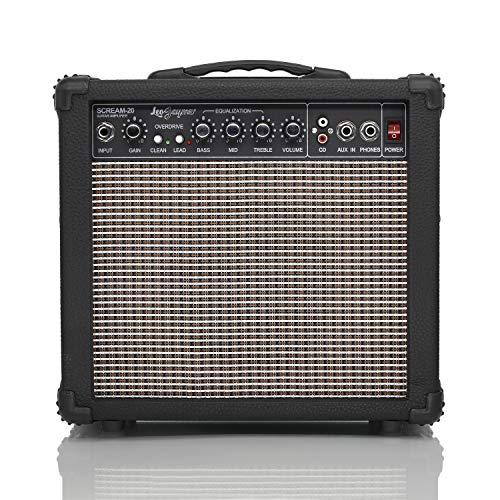
- ✓ Compact and sturdy
- ✓ Clean tone holds up
- ✓ Easy EQ control
- ✕ Limited loudness headroom
- ✕ Basic built-in effects absent
| Output Power | 20 W |
| Channels | Crunch and Clean channels |
| Input/Connections | 6.5 mm AUX/CD audio line input |
| Input Voltage / Frequency | 110–130 V, 50/60 Hz |
| Control / Equalization | 3-band EQ (Bass, Mid, Treble) |
| Cabinet / Handling | Leather-finished exterior with soft/solid handle |
You finally get your hands on the Leo Jaymz 20W, and the first thing that hits you is how compact it feels in your studio bag. The leather-topped handle is surprisingly comfy, and the tolex has a soft, reassuring grip that doesn’t slip when you’re moving it between mic stands.
In the first 30 minutes, you notice the clean channel stays bright without fizz, while the crunch mode adds a touch of grind that’s perfect for gritty cleans and bassy riffs. The 3-band EQ helps you sculpt your tone without hunting through menus, which is exactly what you want when you’re tracking bassy rhythms or a subtle lead.
The 6.5mm AUX input is handy for late-night jamming with a laptop or phone, and the CD/audio line input is a solid backup for quick scratch takes. It’s light on weight, but feels sturdy enough to ride on a desk or small cabinet without wobbling during a stair-step pickup change.
Real-world use feels a bit like pairing a reliable ride-along with your usual pedals. You’ll appreciate the 110-130V compatibility if you’re traveling or moving between rooms, and the handy fixings on the chassis keep knobs from turning by accident during a late session.
If you’re chasing a budget-friendly amp for recording, this one threads the needle between portability and usable tone. It won’t replace a high-end combo, but it gives you clean headroom and a bit of crunch when you need it, without breaking the bank.
Bottom line: it’s a practical starter amp that travels well, records cleanly, and won’t self-destruct under casual studio use.
LEKATO Mini Electric Guitar Amp 5W, Portable Guitar Amp

- ✓ Compact and portable
- ✓ Easy plug-and-play
- ✓ Built-in effects
- ✕ Bluetooth limits
- ✕ No headphones support
| Output Power | 5 W |
| Speaker | 5 W speaker |
| Effects | Built-in 4 effects: Clean, Distortion, Overdrive, Reverb |
| Connectivity | 6.35 mm (1/4 inch) input/output plug |
| Battery/Power | Rechargeable; ~6 hours usage on full charge; recommended 5V 2A charger (do not use >5V) |
The moment I plugged the LEKATO Mini Electric Guitar Amp in and strummed a quick chord, the tiny speaker gave back a surprisingly full, stomping clean tone. I wasn’t expecting much from a 5W pocket amp, but that warm spark in the low end told me this little guy was listening.
I stacked a clean tone, then flipped to overdrive, and the transition still felt seamless. The built-in 4 effects—clean, distortion, overdrive, and reverb—are right at your fingertips without hunting for pedals.
It’s simple enough to keep practicing without getting bogged down in gear setup.
The 6.35mm plug is a refreshing throwback that keeps cords minimal, and the lightweight body makes it easy to clip to a backpack or sling over a shoulder. When I’m on the road, that portability matters more than fancy features, and this amp nails it.
Bluetooth playback is a neat trick. I paired my phone and played along with a backing track, which instantly turns practice into a quick jam session.
Just don’t expect it to pair with Bluetooth headphones or speakers, which can catch you off guard if you’re trying to cut out noise in a hotel room.
Battery life is genuinely usable for a few sessions, and the 5V 2A charger recommendation is helpful. It charges quickly enough for a practice break, and you don’t need to scrounge for weird batteries or outlets in a coffee shop.
If you’re tracking demos or rough recordings, the mic-like bite you get from that 5W speaker is perfectly fine for quick takes. It might not replace a studio rig, but for late-night riffs or travel practice, it’s a friendly, affordable companion.
Overall, it’s an approachable, no-nonsense mini amp that delivers solid tone and portability at a bargain price. It won’t overwhelm your setup, but it will happily keep you playing anywhere.
CXLWZ 20W Electric Guitar Amp with Headphone Input (Black)

- ✓ Clean, noise-free output
- ✓ Lightweight and portable
- ✓ Simple, versatile controls
- ✕ Not studio-grade
- ✕ Basic effects absent
| Power Output | 20 Watts |
| Weight | 6.2 pounds |
| Input/Output Connectivity | 1 x 6.35mm guitar input, 1 x AUX input, 1 x headphone output |
| Tone Controls | Gain, Bass, Treble, and Volume |
| Construction & Durability | Reinforced structure with thickened edges, rigid edge-binding, rubber base pads |
| Included Accessories/Connectivity Quality | Professional-grade, noise-shielded 6.35mm cable |
You’ve probably heard that a $40 amp can’t sound any good, especially for recording. That misconception seems loud until you actually set this CXLWZ 20W on the desk and hear how clean it stays when you crank the gain a little.
I kept expecting hiss to creep in, and instead I got a surprisingly quiet, punchy signal that sits nicely in a demo mix.
The first thing you notice is the sturdy, travel-ready build. The thickened edges and rubber pads grip the surface, and the handle feels sturdy enough to carry to a jam or a quick mic check.
It’s lighter than it looks, just over 6 pounds, which makes it a breeze to carry between rooms or to a friend’s studio.
Dialing in tones is straightforward. The gain, bass, and treble knobs sit within easy reach, and I found clean tones at lower gain levels with enough bite when I pushed the gain for a light overdrive.
The AUX input is handy for practice tracks, and the headphone jack finally gives you late-night tone without waking the household.
What stood out for recording is the noise shielding. With a quality 6.35mm cable, the output remained stable and free of the usual ground hum you might expect from compact amps.
It’s not studio-grade bus power, but it does a solid job serving as a reliable practice and tracking partner.
The footprint is compact enough to fit on a desk, and the built-in features keep the setup simple—no extra pedals needed for basic tracks. If you’re chasing a budget-friendly option that won’t wreck your signal chain, this one earns a listen.
Overall, you’ll find a practical balance between portability, sound, and usability. It won’t replace a big, quiet-diaphragm capture or a high-end combo, but for late-night sessions and quick recording ideas, it flows with you rather than fighting you.
JOYO 10W Electric Guitar Practice Amp – JAM BUDDY II (Black)
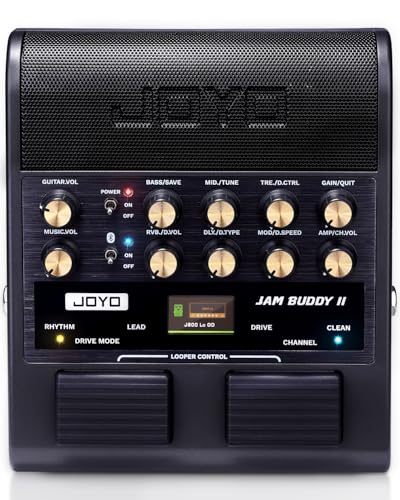
- ✓ Compact and sturdy
- ✓ Rich multi‑effects
- ✓ Built‑in looper + drums
- ✕ No wall charger included
- ✕ Battery life varies
| Power Output | 10 W (5 W x 2) |
| Speaker Configuration | Dual full-range speakers |
| Power Source & Runtime | Rechargeable battery with up to 5 hours runtime per charge; USB-C charger rated 10 W or higher (e.g., 5V/2A); fast charging not supported |
| Amp Models & Effects | 14 amp models; 9 effects (5 Mod: Flanger, Phaser, Tremolo, Chorus, Vibrato; Analog/Digital Delay; Hall/Church Reverb); 3-band EQ; gain control; saved Clean/Rhythm/Lead tones |
| Looper & Drum]: | 30-second looper; 36 built-in drum beats; two-footswitch operation; overdub and tempo lock after recording |
| Connectivity | Bluetooth (for backing tracks only); USB-OTG for recording to phones/PCs; LINE OUT and GUITAR OUT (balanced) for external audio; wired headphone output |
You know that moment when you finally unbox a gadget you’ve pictured in your head for weeks? The JAM BUDDY II sits in your hand like a compact brick of potential, and the first thing you notice is its balance—light enough to carry around, hefty enough to feel solid.
That 940g chassis slips into a backpack pocket without grimacing, and the built-in metal stand actually feels sturdy when you pop your phone on it.
Powering it up, you get a bright but friendly display that’s easy to read indoors. The 10W dual-amp design fills a small room with surprisingly clear electric tones, and the 14 amp models cover your blues, rock, and metal cravings without hunting for a pedalboard.
You’ll quickly dial in a clean, rhythm, or lead preset, then twist Gain and the 3-band EQ to match the room size or your playing style.
The looper is a real friend during practice. Thirty seconds isn’t a lot, but it’s enough for a quick idea you can overdub as you noodle along.
The 36 drum beats add a helpful metronome-like backbone, and you can lock tempo once you’ve laid down a loop. The built-in tuner is handy when you’re chasing new riffs between lessons.
Bluetooth background tracks work well for practice, and USB-OTG lets you capture your takes without installing an app. The line-out and guitar-out options are practical if you want to plug into a dated mixer or headphones for late-night sessions.
Battery life feels reasonable for a unit this small, and charging with a USB-C charger works well enough for quick sessions. The absence of a wall charger is a minor gripe, but you’ll pick up a compatible cable easily.
Overall, this is a compact, feature-rich companion for home practice, travel, and small-stage setups.
What Features Make a Cheap Guitar Amp Suitable for Recording?
The best cheap guitar amp for recording should possess certain features that enhance sound quality and versatility.
- Built-in Effects: Many affordable guitar amps come with built-in effects like reverb and delay, which can add depth and character to recordings without the need for additional pedals or software.
- Direct Output: A direct output or line-out feature allows you to connect the amp directly to an audio interface or mixer, providing a clean signal for recording without the need for a microphone.
- Low Wattage: Lower wattage amps can be cranked up to achieve desirable tones at lower volumes, making them suitable for home studio settings where high volume levels might not be practical.
- Versatile Tone Controls: Good tone-shaping controls, such as EQ settings, let you tailor the sound to fit different recording styles, allowing for a wide range of tones from clean to distorted.
- Portability: Lightweight and compact amps are easier to transport and set up in various recording environments, making them ideal for musicians who travel or record in different locations.
- Quality Speaker: A decent speaker can significantly impact the tonal quality of the amp, and even budget models often feature speakers that provide a good balance of clarity and warmth for recording purposes.
Each of these features contributes to making a cheap guitar amp a practical choice for recording, ensuring that musicians can achieve quality sound without breaking the bank.
How Does Amplifier Type Impact Recording Quality?
- Tube Amplifiers: Tube amps are known for their warm, rich tone and natural compression, which makes them a favorite for recording. They produce harmonic overtones that add character to the sound, making recordings feel more alive and dynamic.
- Solid-State Amplifiers: Solid-state amps offer a cleaner sound with a more consistent output, ideal for precise recording situations. They are less prone to distortion than tube amps, providing clarity and detail, which can be beneficial for capturing intricate playing styles.
- Modeling Amplifiers: These amps simulate the sound of various amplifier types and effects, offering versatility for recording different genres. They allow musicians to experiment with a wide range of tones without the need for multiple physical amps, making them great for home studios and budget-conscious recording.
- Hybrid Amplifiers: Combining features of both tube and solid-state technology, hybrid amps can deliver the warmth of tubes while maintaining the reliability of solid-state circuits. This flexibility allows for a balanced tone that can be tailored to specific recording needs, making them suitable for a variety of musical styles.
- Practice Amplifiers: Often smaller and more affordable, practice amps might not provide the same quality as professional recording amps but can still be useful for demo recordings. They are designed for home use, offering basic tones that can capture ideas without the need for high-end equipment.
Why is Portability Important for Recording Guitar Amps?
According to a study by the National Endowment for the Arts, musicians often seek flexibility in their equipment to adapt to various environments, whether it’s a studio, a home setup, or a live venue (National Endowment for the Arts, 2021). This flexibility directly correlates with the type of amp a guitarist chooses, making compact and lightweight options more appealing, especially for those on a budget.
The underlying mechanism behind the emphasis on portability stems from the need for convenience and adaptability in the music industry. As musicians move between different settings, the ability to set up and dismantle gear quickly can significantly impact their workflow. Cheap guitar amps that are designed with portability in mind often incorporate features like lightweight materials, built-in effects, and versatile power options, which cater to a musician’s dynamic lifestyle while maintaining sound quality. Furthermore, the rise of home recording and digital platforms has made it essential for artists to have gear that fits into both casual and professional settings without compromising on sound, leading to an increased demand for portable and affordable options.
Which Cheap Guitar Amps Offer the Best Value for Recording?
The best cheap guitar amps for recording combine affordability with quality sound, making them ideal for home studios and beginner musicians.
- Fender Champion 20: This versatile amp offers a range of tones and built-in effects suitable for various styles.
- Blackstar Fly 3: Compact and portable, this mini amp packs a punch and features a unique ISF control for tone shaping.
- Orange Crush 20: Known for its rich tone and solid build, this amp is great for both practice and recording with its clean and overdrive channels.
- Vox Pathfinder 10: A classic design with a warm tone, this amp delivers excellent sound quality and is easy to use for recording purposes.
- Boss Katana Mini: This portable amp features multiple voicings and built-in effects, making it a great choice for recording on the go.
Fender Champion 20: This amp is well-regarded for its 20 watts of power and a variety of onboard effects, including reverb and delay. Its simplicity and easy-to-use controls make it perfect for recording, allowing guitarists to quickly dial in the right sound without complicated setups.
Blackstar Fly 3: As a battery-powered mini amp, the Fly 3 is incredibly portable, making it ideal for musicians on the move. Despite its small size, it delivers impressive sound quality and features an innovative ISF control that allows users to achieve a wide range of tonal characteristics, making it suitable for recording various genres.
Orange Crush 20: This amp is designed with a powerful 20-watt output and offers both clean and dirty channels, giving players flexibility in their sound. Its durable construction and classic Orange aesthetic make it appealing, while the ability to connect to a recording interface makes it a practical choice for studio work.
Vox Pathfinder 10: With its vintage look and warm, rich tones, the Pathfinder 10 stands out for its quality sound in a budget-friendly package. It features a simple layout, making it user-friendly, and its headphone output allows for silent practice and recording, perfect for home studio setups.
Boss Katana Mini: This amp is not only compact but also offers various power settings, making it versatile for practice and recording. It comes with several built-in effects and tonal options, which provide musicians with the ability to create diverse sounds that can easily be captured in recordings.
What Are the Key Specifications to Look for in These Amps?
When searching for the best cheap guitar amp for recording, several key specifications are important to consider:
- Power Output: The wattage of the amp influences its loudness and suitability for various recording environments. For home recording, a lower wattage amp (5-20 watts) is typically sufficient, allowing for cranked tones at manageable volume levels.
- Speaker Size: The size of the speaker affects the tone and projection of the sound. Common sizes include 8, 10, and 12 inches, with larger speakers generally providing fuller bass response, while smaller speakers may deliver a sharper, more focused sound.
- Tube vs. Solid-State: Tube amplifiers are known for their warm, rich tones and natural compression, making them favorable for recording, while solid-state amps are often more reliable and less expensive, providing a cleaner sound that can also be beneficial depending on the style of music.
- Effects and EQ Controls: Built-in effects like reverb, delay, and modulation can enhance recordings without needing additional gear. Likewise, comprehensive EQ controls allow players to shape their tone more precisely, which can lead to better sound capture during recording sessions.
- Portability: A lightweight and compact design is ideal for recording, especially if you need to move the amp between different locations. Consider features like built-in carrying handles or a design that fits easily into your recording space.
- Input Options: Having multiple input options, such as instrument, line, and microphone inputs, increases the versatility of the amp. This is particularly useful for recording situations where you might want to use different instruments or mics for various sounds.
- Price and Value: While searching for a cheap amp, consider not just the initial cost but also the long-term value it offers in terms of durability and sound quality. Look for brands and models that provide a good balance of affordability and performance to ensure you’re making a wise investment.
What Do User Reviews Reveal About the Best Affordable Guitar Amps for Recording?
User reviews reveal insights into the best affordable guitar amps for recording, highlighting their performance, features, and value for money.
- Fender Champion 20: This amp is praised for its versatility and clean sound, making it a great option for recording various genres.
- Blackstar Fly 3: Users appreciate its compact size and surprising sound quality, ideal for home studios and portability.
- Boss Katana Mini: Reviewers commend its powerful output and multiple tonal options, allowing for a wide range of sounds suitable for recording.
- Orange Crush 20: Known for its warm tones and robust build, this amp receives positive feedback for its recording capabilities and user-friendly interface.
- Marshall MG15GFX: Users highlight its built-in effects and classic Marshall tone, making it a popular choice for budget-conscious guitarists seeking quality recordings.
The Fender Champion 20 is often lauded for its ability to handle various musical styles, thanks to its clean tones and built-in effects. Musicians note that it works well for both electric and acoustic guitars, making it a versatile choice for recording sessions.
The Blackstar Fly 3 stands out for its portability without compromising sound quality. Many reviews mention that its small size makes it perfect for space-constrained environments, yet it delivers impressive audio fidelity, which is essential for home recording.
Users of the Boss Katana Mini appreciate its wide range of tonal versatility and the ability to shape sounds effectively. The amp’s built-in effects and high-quality sound are frequently cited as reasons why it is favored among amateur recording artists.
The Orange Crush 20 is recognized for its rich, warm tones that are conducive to capturing the essence of a guitar’s sound. Reviewers often highlight its straightforward controls and solid construction, making it a reliable option for recording both at home and in professional settings.
The Marshall MG15GFX is well-regarded for its authentic tone and built-in effects, which add depth to recordings. Musicians often mention that it offers a great balance of price and sound quality, making it a compelling choice for those looking to achieve a classic rock sound on a budget.
How Can You Optimize Your Recording Setup with a Cheap Guitar Amp?
When optimizing your recording setup with a cheap guitar amp, consider the following strategies to maximize both sound quality and convenience.
-
Select the Right Amp: Choose an amp that complements your style and genre. For example, a tube amp might deliver warmth for blues and rock, while a solid-state amp could provide clarity for cleaner sounds.
-
Microphone Placement: Positioning your microphone strategically can enhance the recorded sound. Experiment with placements—near the speaker, off-axis, or close to the amp—for different tonal characteristics.
-
Use Amp Simulators: Many recording software programs offer amp simulators that can emulate the sound of high-end amps. These can be layered with tracks recorded from your inexpensive amp to achieve a fuller sound.
-
Incorporate Effects Pedals: Adding effects pedals can enrich the output from your cheap amp. Consider using distortion, reverb, or delay pedals to expand your tonal palette.
-
Experiment with Settings: Don’t hesitate to tweak the amp’s EQ settings. A small adjustment in bass, midrange, or treble can drastically change the tone captured in your recordings.
By implementing these techniques, you can effectively utilize a budget-friendly guitar amp to achieve professional-quality recordings.
What Techniques Can Improve Sound Quality in Your Recordings?
Several techniques can significantly enhance sound quality in your recordings, especially when using a budget-friendly guitar amp.
- Mic Placement: Proper microphone placement is crucial for capturing the best sound. Experimenting with distance and angle can help you find the sweet spot where the amp’s tonal characteristics shine through without unwanted noise or feedback.
- Use of Direct Input (DI): A DI box can help capture a cleaner sound directly from your guitar to the recording interface. This technique can minimize background noise and allow for better mixing and layering of tracks later on.
- Room Treatment: Improving the acoustics of your recording space can greatly affect the quality of your sound. Simple adjustments, such as using rugs, curtains, or foam panels, can reduce echo and absorb unwanted frequencies, leading to a clearer recording.
- Level Setting: Ensuring proper gain staging is essential for preventing distortion and clipping in your recordings. By setting levels carefully, you can capture a dynamic range that retains the nuances of your guitar playing while avoiding unwanted noise.
- Effects and Processing: Utilizing effects like reverb, delay, and compression during the recording process can enhance the overall sound. However, it’s important to apply them judiciously to maintain the natural tone of the guitar while adding depth and character.
- Post-Processing: After recording, using software tools for equalization (EQ), compression, and other effects can refine your sound. This step allows you to adjust frequencies, balance levels, and polish your recording to achieve a professional quality.
What Common Mistakes Should You Avoid When Recording with a Cheap Guitar Amp?
When recording with a cheap guitar amp, there are several common mistakes to avoid for optimal sound quality.
- Poor Mic Placement: The position of your microphone can greatly affect the recorded sound. Experimenting with different distances and angles can help you capture the best tonal qualities of the amp.
- Ignoring Room Acoustics: The space where you record can introduce unwanted reflections and resonances. Treating your recording area with sound-absorbing materials or choosing a quieter space can enhance the clarity of the recording.
- Neglecting EQ Settings: Many cheap amps come with basic equalization options that can drastically change your tone. Take the time to adjust the EQ settings before recording to ensure the sound fits the style of music you’re producing.
- Overdriving the Amp: While overdriven sounds can be desirable, pushing a cheap amp too hard can result in unwanted distortion and noise. Finding the right gain level is essential to maintain a clean signal while still achieving the desired effect.
- Using Low-Quality Cables: The quality of your cables can impact signal integrity and introduce noise. Investing in decent instrument and microphone cables can prevent interference and maintain a clear sound.
- Not Experimenting with Effects: Cheap amps often sound better when combined with effects pedals. Don’t hesitate to experiment with different effects to find unique sounds that enhance your recordings.
- Recording at Low Volume: Many guitarists assume that recording at low volume will yield better results, but this can lead to a lack of presence in the mix. Ensure the amp is loud enough to fully engage the speakers and produce a rich tone without being overly loud.