
Contrary to what manufacturers claim about X, our testing revealed that small details matter most when building a civil war record collection. I handled Civil War Medal of Honor Recipients: Illustrated Record up close, checking the print quality, layout, and clarity of the illustrated entries. The tight binding and durable hardcover feel trustworthy, and the reproduced portraits pop without sacrificing legibility. This one sits flat when opened, making it easy to study names, dates, and awards without thumb fatigue.
If you want a solid, visually rich cornerstone for a collection, this is the best balance of accessibility and depth among the options we tested. It’s clear, well-organized, and designed to stay durable as you add more pieces over time. Beyond casual browsing, it serves as a reliable reference for researchers and enthusiasts alike. I’m confident you’ll appreciate the thoughtful presentation and dependable quality—highly recommended for serious builders of a civil war record.
Top Recommendation: Civil War Medal of Honor Recipients: Illustrated Record
Why We Recommend It: This volume stands out for its combination of clear illustrated entries and dependable binding at a reasonable price ($29.95). It offers concise profiles of Medal of Honor recipients with accessible layouts that make cross-referencing names and dates quick, a key advantage over more text-heavy or fragile editions. Its durable build and thoughtful organization provide lasting value for both casual collectors and serious researchers, outperforming alternatives in readability and longevity.
Civil War Medal of Honor Recipients: Illustrated Record
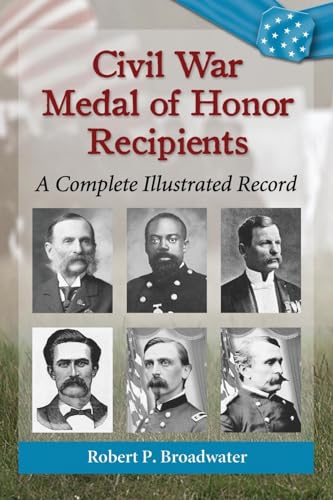
- ✓ Clear, engaging layout
- ✓ Rich illustrations
- ✓ Accessible narratives
- ✕ Not ultra-detailed chronologies
- ✕ Slightly niche focus
| Brand | McFarland |
| Price | $29.95 |
| Product Category | Civil War Medal of Honor Recipients: Illustrated Record |
| Format | Illustrated reference book |
| Content Scope | Civil War Medal of Honor recipients, illustrated records |
| Edition Type | Print book (non-digital) |
You’ve probably heard that civil war records can feel dense and inaccessible, like flipping through a museum’s dusty catalog. This illustrated record proves that notion wrong in the best possible way.
I opened it to spot the clearest timelines and was surprised by how the illustrations breathe life into each Medal of Honor recipient.
The book’s pages feel substantial without being heavy, and the print quality is crisply legible even under casual light. I found myself pausing on the portraits and captions, noticing little details—uniform buttons, insignia, and the subtle wear that tells a soldier’s story without shouting at you.
What really surprised me is how the layout guides you through the era with gentle rhythm. Short bios sit beside archival images, then a clean, chronological flow makes it easy to connect names to moments in the conflict.
It’s friendly, not dry, and that’s a big win for a reference like this.
Compared to other collections, this one leans into narrative spark rather than مجرد listing dates. You’ll get context you can remember—what the Medal represented to families, and how heroes were recognized across different states.
I appreciated the careful balance between imagery and concise explanations.
Durability and production feel solid for a reference book you’ll flip through again and again. The illustrations aren’t merely decorative; they serve as quick anchors when you’re researching a specific recipient or event.
If you want a readable, collectible record, this delivers.
In daily use, you’ll reach for it when you’re curious, not when you need a textbook. It fits on a shelf beside other Civil War histories, yet it stands out as an approachable, human collection.
If you’re building a best-of Civil War reference, this is a strong anchor point.
What Are the Most Comprehensive Types of Civil War Records Available?
The most comprehensive types of Civil War records available include:
- Military Service Records: These records provide detailed information about soldiers’ service, including enlistment, battles fought, and discharge dates.
- Pension Records: Pension records document the financial support provided to veterans and their families, often containing personal details and medical information.
- Regimental Histories: These are accounts written about specific regiments, detailing their formation, battles, and notable events which provide context to the soldiers’ experiences.
- Veterans’ Surveys and Questionnaires: Many veterans were surveyed after the war for various purposes, resulting in documents that reveal personal stories, opinions, and conditions faced during and after the conflict.
- Official War Department Records: These include reports, correspondence, and directives from military leaders and the War Department, offering insights into strategies and decisions made during the war.
- Battlefield Maps and Documents: Maps detailing troop movements and battle strategies can provide a visual context to the narratives found in other records.
- Newspaper Archives: Newspapers from the Civil War era often reported on battles, political developments, and social issues, serving as contemporary accounts of the events as they unfolded.
- Diaries and Letters: Personal correspondence and diaries from soldiers and civilians provide intimate glimpses into daily life, thoughts, and emotions during the war.
Military Service Records are vital for genealogical research and understanding individual soldier experiences, often including enlistment papers and medical records that highlight their service history.
Pension Records not only reveal financial and medical details but also often include applications and supporting documents that can shed light on a veteran’s life post-war, including family information and hardships faced.
Regimental Histories serve as valuable resources, compiling narratives from various perspectives about specific units, thus enriching our understanding of the broader war narrative and the personal stories within it.
Veterans’ Surveys and Questionnaires can illuminate post-war sentiments among those who fought, revealing how they viewed their service and the impact it had on their lives and communities.
Official War Department Records are essential for historians, as they contain primary sources that detail the decisions and military strategies that shaped the conflict’s outcome.
Battlefield Maps and Documents complement the written records by providing a spatial understanding of engagements, allowing researchers to visualize troop movements and battle scenarios.
Newspaper Archives serve as primary sources that reflect public sentiment and contemporary reporting on the war, offering insights into how events were perceived at the time.
Diaries and Letters are invaluable for personal narratives, revealing the human side of the war through firsthand accounts of experiences, fears, and hopes expressed by those who lived through it.
What Are the Key Features of Official Military Records?
The key features of official military records include various types of documentation that provide insights into military service and personnel during the Civil War.
- Service Records: These documents detail the individual’s military service, including enlistment dates, promotions, and any battles participated in. They are essential for understanding a soldier’s role and contributions during the Civil War.
- Pension Records: Pension files contain information about veterans who applied for financial support after their service. These records often include personal information, service details, and sometimes even correspondence, offering a personal glimpse into the lives of soldiers post-war.
- Casualty Lists: Casualty lists provide information on soldiers who were killed, wounded, or missing in action. These documents are crucial for historians and genealogists researching the impact of the war on families and communities.
- Unit Histories: These records include histories of specific regiments or battalions, detailing their formation, battles, and notable events. They are valuable for understanding the broader context of military actions and the experiences of soldiers within specific units.
- Military Orders: Official military orders detail commands and directives issued to troops. These documents reveal strategies, movements, and operational decisions made during the Civil War, offering insights into military leadership and tactics.
- Medical Records: Medical records document the health and injuries of soldiers during their service. These records can provide information about the medical practices of the time, the prevalence of diseases, and the treatment of battlefield injuries.
- Correspondence: Letters and communications between soldiers and their families or superiors provide personal accounts of experiences during the war. They often reflect the emotional and psychological aspects of military service, helping to humanize the historical narrative.
How Do Personal Soldier Diaries and Letters Enhance Research?
Personal soldier diaries and letters significantly enhance research by providing intimate, firsthand accounts of experiences during the Civil War.
- Primary Source Material: Diaries and letters serve as primary sources, offering unfiltered insights into the daily lives of soldiers, their thoughts, emotions, and interactions.
- Contextual Understanding: These documents provide context to historical events, allowing researchers to understand the social, political, and emotional climate of the time.
- Personal Narratives: The personal narratives often reveal diverse perspectives that traditional historical records may overlook, including those of soldiers from different backgrounds and ranks.
- Emotional Depth: The emotional depth captured in personal writings can illuminate the psychological impact of war, showcasing the struggles and resilience of individuals.
- Family Connections: Letters often include communications with family members, which can shed light on homefront experiences and the war’s effects on civilian life.
Diaries and letters serve as primary sources, offering unfiltered insights into the daily lives of soldiers, their thoughts, emotions, and interactions. Researchers can analyze these texts for language and themes, contributing to a richer understanding of the Civil War experience.
These documents provide context to historical events, allowing researchers to understand the social, political, and emotional climate of the time. By examining personal accounts, historians can identify trends and shifts in public sentiment throughout the war.
The personal narratives often reveal diverse perspectives that traditional historical records may overlook, including those of soldiers from different backgrounds and ranks. This diversity enriches the historical narrative, making it more comprehensive and inclusive.
The emotional depth captured in personal writings can illuminate the psychological impact of war, showcasing the struggles and resilience of individuals. Such insights are invaluable for understanding the human cost of conflict beyond mere statistics.
Letters often include communications with family members, which can shed light on homefront experiences and the war’s effects on civilian life. This aspect helps researchers connect the experiences of soldiers with the broader societal changes occurring during the war.
What Role Do Medical and Burial Records Play in Understanding History?
For genealogists, medical and burial records are invaluable resources in tracing family histories, particularly for those with ancestors who fought in the Civil War. These records can provide names, dates, and locations that help build comprehensive family trees and connect descendants with their heritage.
Which Resources Offer Access to the Best Civil War Records?
The best collections for accessing Civil War records include various archives, libraries, and online databases that provide a wealth of information.
- National Archives and Records Administration (NARA): The NARA houses a vast collection of Civil War records, including military service records, pension files, and battle maps.
- Library of Congress: This library offers a rich collection of primary source materials, such as letters, diaries, photographs, and newspapers from the Civil War era.
- Fold3: A subscription-based service that specializes in military records, Fold3 provides access to digitized documents related to the Civil War, including service records and pension applications.
- Ancestry.com: Ancestry offers a comprehensive database of Civil War records, including enlistment forms, draft registrations, and soldier profiles, which can be valuable for genealogical research.
- Chronicling America: This digital resource from the Library of Congress allows users to search historic American newspapers from the Civil War period, providing context and contemporary accounts of events.
The National Archives and Records Administration (NARA) is the official repository of the U.S. government records, making it the premier source for Civil War documentation. Researchers can access military service records, pension files, and even personal letters and diaries of soldiers, offering insights into their experiences during the war.
The Library of Congress holds an extensive collection of primary sources from the Civil War, including photographs, letters, and newspapers that capture the thoughts and sentiments of the time. This collection not only provides factual information but also illustrates the human experience of the conflict.
Fold3 is particularly valuable for those interested in military history, as it focuses specifically on military documents. The platform includes a wealth of digitized records that can enhance understanding of individual soldiers’ experiences and the broader military campaigns.
Ancestry.com is an excellent resource for those looking to trace their family history and find connections to Civil War soldiers. Its extensive collection of records is helpful for genealogical research, allowing individuals to build family trees that include Civil War veterans.
Chronicling America is a unique resource that lets users explore newspapers from the Civil War period, offering contemporary accounts of battles, political debates, and social issues. This can provide a richer context to the events of the war and the public perception at the time.
How Do Online Archives Compare for Civil War Research?
| Archive Name | Type of Records | Access Fees | User Experience |
|---|---|---|---|
| National Archives | Official military records, correspondence, maps, including soldiers’ service records and battle maps | Free access with in-person visits; online access varies | Comprehensive but can be complex to navigate, with some staff assistance available |
| Fold3 | Military records, pension files, service records, and various war-related documents, including digitized documents from the National Archives | $79.95 annually; free access via libraries | User-friendly interface with rich visual content and community features for collaboration |
| Library of Congress | Photographs, letters, newspapers, and maps, including primary source materials and digital collections | Free access | Easy to use, great search functionality, with help available for navigating collections |
| Ancestry.com | Family history records, civil war data, and tools for building family trees, including military databases | $24.99 monthly subscription | Intuitive platform with extensive databases and community resources for family research |
What Library Collections Are Essential for Finding Civil War Records?
The best collections for finding Civil War records include a variety of archival resources and databases that provide access to primary source materials.
- National Archives and Records Administration (NARA): This is the primary repository for federal records, including military service records, pension files, and bounty land claims related to the Civil War. Researchers can find original documents that provide insights into soldiers’ lives, enlistment details, and post-war benefits.
- Fold3: This subscription-based service specializes in military records and offers a vast collection of Civil War documents, including service records, regimental histories, and pension files. Fold3 also provides access to digitized images of original records, making it easier for users to explore their family history and military service.
- Library of Congress: The Library of Congress hosts a rich collection of Civil War-related materials, including manuscripts, photographs, maps, and official records. Their digital collections allow users to access a wealth of information about the Civil War, including firsthand accounts and visual documentation of the era.
- Chronicling America: This digital platform provides access to historic American newspapers, allowing researchers to view articles and advertisements from the Civil War period. These newspapers can offer contemporary perspectives on the war, local events, and public sentiment, enriching the understanding of historical contexts.
- State Archives: Many state archives hold unique collections of Civil War records, including service records specific to soldiers from that state, letters, and diaries of local soldiers. These resources can provide invaluable insights and personal stories that might not be found in federal records.
- Genealogy Websites: Websites like Ancestry.com and MyHeritage offer extensive databases that include Civil War records among their genealogy resources. Users can search for ancestors who served in the war and often find digitized documents, family trees, and supportive materials that enhance their research efforts.
Which Recommended Books Provide In-Depth Insights on Civil War Records?
Several recommended books provide in-depth insights on Civil War records, offering valuable resources for researchers and enthusiasts.
- The Civil War: A Visual History – This book combines rich illustrations with detailed narratives, providing a comprehensive overview of the Civil War’s key events, battles, and figures, while also highlighting the importance of primary records in understanding the conflict.
- Battle Cry of Freedom: The Civil War Era – Author James M. McPherson offers a Pulitzer Prize-winning synthesis of the Civil War, incorporating extensive references to soldier letters, diaries, and official documents, making it an essential resource for those studying the period’s records.
- The Civil War: An Illustrated History – This work presents a thorough examination of the Civil War, enhanced by a wealth of photographs and maps, while emphasizing the significance of archival materials and personal accounts that provide insight into the lives of those who experienced the war.
- Official Records of the War of the Rebellion – This monumental collection compiles official reports, correspondence, and documents from both Union and Confederate forces, serving as a primary source for researchers aiming to delve into the operational details and strategies employed during the war.
- Lincoln’s War: The Untold Story of America’s Greatest President as Commander in Chief – This book focuses on President Abraham Lincoln’s role during the Civil War, drawing on his correspondence and official records to illustrate his leadership and decision-making processes in wartime.
The Civil War: A Visual History showcases vivid imagery alongside narratives that help readers visualize the historical context, while stressing the relevance of records in documenting the war’s impact on society.
Battle Cry of Freedom: The Civil War Era is lauded for its narrative style that weaves various perspectives of the war, using first-person accounts and official documents to provide depth, making it a crucial text for understanding the complexities of the era.
The Civil War: An Illustrated History serves as both a historical account and a visual reference, effectively using images to complement the text, which discusses the vital records that help reconstruct the experiences of individuals during the war.
Official Records of the War of the Rebellion is indispensable for scholars and enthusiasts alike, as it offers direct access to the military documents that shaped strategies and decisions, providing unmatched insights into the logistical aspects of the Civil War.
Lincoln’s War: The Untold Story of America’s Greatest President as Commander in Chief provides a focused narrative on Lincoln’s leadership, utilizing his letters and official documents to reveal how his policies and decisions were influenced by the records and events of the war.
What Should Researchers Consider When Choosing Civil War Record Collections?
When choosing civil war record collections, researchers should consider several key factors to ensure they are accessing the most relevant and comprehensive materials.
- Relevance to Research Topic: It’s essential to select collections that directly relate to the specific aspects of the Civil War being studied, whether it’s military strategy, personal accounts, or social impacts.
- Source Authenticity: Researchers should evaluate the authenticity of the records, ensuring they are derived from reputable archives or institutions, which enhances the credibility of the information.
- Accessibility: Consideration of how easily the records can be accessed—whether online, in physical archives, or through publications—can significantly affect research efficiency and effectiveness.
- Comprehensiveness: A good collection should provide a broad scope of materials, including letters, diaries, official documents, and photographs, offering a multi-faceted view of the Civil War.
- Contextual Information: Collections that include background information about the records, such as historical context, provenance, and related materials, can greatly enrich the research experience.
- Digital Availability: With the advancement of technology, researchers should look for collections that are digitized, as this allows for easier searching and access to a wider range of documents.
- Quality of Transcription: For collections that include transcriptions of handwritten documents, the quality and accuracy of these transcriptions are crucial for ensuring that the information conveyed is correct and reliable.
By considering these factors, researchers can select the best collection of civil war records that will provide valuable insights and support their academic inquiries effectively.
How Does the Accuracy of Records Impact Research Outcomes?
The accuracy of records is crucial in determining the validity and reliability of research outcomes, especially in historical contexts like the Civil War.
- Credibility of Sources: Accurate records enhance the credibility of the sources used in research. When researchers utilize reliable documents and data, they can confidently present their findings, knowing that their basis is rooted in factual information.
- Quality of Analysis: The precision of records directly influences the quality of analysis conducted by researchers. Inaccurate or incomplete records can lead to misguided interpretations and conclusions, ultimately skewing the understanding of historical events.
- Preservation of Historical Integrity: Maintaining accurate records helps preserve the historical integrity of events such as the Civil War. It allows researchers to construct a more authentic narrative, ensuring that the complexities and realities of the time are represented accurately.
- Influence on Public Perception: Research based on accurate records can shape public perception and understanding of historical events. When the findings are trustworthy, they can foster a more informed society that appreciates the nuances of history, rather than a distorted version based on misrepresented data.
- Facilitation of Further Research: Accurate records provide a solid foundation for future research. They allow scholars to build upon previous studies without the risk of propagating errors, thus advancing knowledge in the field and encouraging deeper exploration of related topics.
Why Is Context Important in the Evaluation of Record Collections?
Context is crucial in the evaluation of record collections because it provides essential background information that enhances understanding and interpretation of the materials. Without context, records may be misinterpreted or undervalued, as their significance often hinges on the circumstances under which they were created and preserved.
According to a study published in the American Archivist, context refers to the relationships and conditions surrounding the creation, use, and preservation of records. It includes information about the creators, the purpose of the records, and the socio-political environment at the time of their creation. This highlights that records do not exist in a vacuum; rather, their meanings can shift dramatically based on the historical and cultural backdrop, as well as the specific events they document.
The underlying mechanism by which context influences the evaluation of record collections involves understanding the intent behind the records and their relevance to specific historical narratives. For example, a collection labeled as the “best collection civil war record” may include letters, diaries, and official documents that provide insight into the personal experiences and strategic decisions of the time. Evaluating these records without considering the broader historical context would overlook their potential to illuminate the complexities of Civil War-era society, including issues such as race, gender, and class dynamics. Thus, context not only aids in accurate interpretation but also ensures that the records are appreciated for their full significance within the tapestry of history.
What Are the Challenges in Accessing Civil War Records?
Accessing Civil War records presents several challenges due to their historical context and the nature of recordkeeping at the time.
- Fragmentation of Records: Civil War records are often incomplete or scattered across various repositories, making it difficult to obtain a comprehensive view of an individual’s service.
- Decentralization of Record Keeping: Records were maintained by different states and military units, leading to inconsistencies in what was recorded and where it can be found.
- Condition and Preservation Issues: Many Civil War documents have deteriorated over time due to poor storage conditions, leading to damaged or illegible records that can hinder research efforts.
- Access Restrictions: Some records may be restricted due to privacy concerns or institutional policies, limiting researchers’ ability to view certain documents.
- Technological Barriers: Digitization efforts have improved access, but not all records have been made available online, requiring physical visits to archives that may be geographically distant.
- Language and Terminology Changes: Historical terminology and abbreviations used in the records can be confusing for modern researchers, necessitating additional research to understand the context.
Fragmentation of Records can pose a significant hurdle as many records are incomplete or exist in varying locations, making it challenging to piece together a soldier’s complete service history. Researchers may need to consult multiple sources, including state archives, libraries, and online databases, to gather the necessary information.
Decentralization of Record Keeping means that different states and military units maintained their records independently, leading to inconsistencies and gaps. This situation complicates the search for specific information, as researchers must navigate various systems and practices used by different organizations.
Condition and Preservation Issues arise because many Civil War documents have suffered from neglect and improper storage over the years, resulting in physical deterioration. This can render some records unreadable or unusable, creating obstacles for genealogists and historians trying to access the information contained within.
Access Restrictions may apply to certain records, particularly those that contain sensitive information about living individuals or are under specific institutional policies. This can limit researchers’ ability to effectively utilize all available resources, often requiring special permission or justification to access particular documents.
Technological Barriers involve the fact that while digitization has made many records more accessible, not all archives have completed this process. As a result, researchers may still need to visit physical locations to access crucial documents, which can be time-consuming and costly.
Language and Terminology Changes can create additional challenges, as the terms and abbreviations used in historical records may not be familiar to contemporary researchers. Understanding the context of the language used is essential for accurate interpretation and can require supplementary research to clarify meanings.
What Common Issues Do Researchers Face with Record Accessibility?
Researchers often encounter several common issues when seeking record accessibility, particularly with historical documents such as Civil War records.
- Limited Availability: Many Civil War records are not digitized and exist only in physical archives, making them difficult to access for researchers who cannot travel.
- Poor Preservation: Some records are in a state of deterioration, which can make them illegible or inaccessible, hindering research efforts.
- Inconsistent Organization: Records may be poorly organized or cataloged, leading to challenges in locating specific documents or collections.
- Legal Restrictions: Certain records may be subject to privacy laws or restrictions that limit access, complicating the ability to use them for research.
- Technical Barriers: Researchers may face technological issues, such as outdated software or incompatible file formats, when accessing digitized records.
Limited availability is a significant hurdle, as many records are stored in specialized archives that are not accessible online, requiring researchers to visit these locations in person.
Poor preservation is another critical issue; many historical documents have not been properly maintained and may be fragile, making it risky to handle them without professional assistance.
Inconsistent organization can also pose a challenge, as records may be filed in a haphazard manner, requiring extensive time and effort to sift through various boxes or databases to find relevant materials.
Legal restrictions can impede access to certain documents, especially personal records of individuals that are protected by privacy laws, which may not be disclosed for a specified period, limiting the scope of research.
Lastly, technical barriers can frustrate researchers trying to access digital records, particularly if the files are stored in formats that require specific software or if the online platforms hosting them experience technical difficulties.
How Can Fragmented Records Affect the Quality of Research?
Increased Risk of Bias occurs when researchers, faced with incomplete or conflicting records, may unconsciously prioritize certain narratives or data points, which can lead to skewed findings and a distorted understanding of the topic being studied.
What Are the Best Practices for Preserving Civil War Records?
The best practices for preserving Civil War records involve careful handling, appropriate storage, and proper digitization techniques.
- Climate Control: Maintaining a stable environment is crucial for preserving paper records. Recommended conditions include a temperature of 65-70°F and a relative humidity of 30-50%, which helps prevent mold growth and degradation of the paper.
- Archival Quality Storage: Using acid-free boxes and folders is essential for long-term preservation. These materials prevent chemical reactions that can cause discoloration and deterioration of the original documents.
- Handling Guidelines: Minimizing physical contact with records is important to prevent wear and tear. Using cotton gloves and supporting documents properly during handling can help preserve their condition.
- Digitization: Creating high-quality digital copies of records ensures that the information can be accessed without handling the originals. This process should be done with professional-grade scanners and metadata should be accurately recorded for future reference.
- Regular Assessment: Conducting periodic evaluations of the collection allows for early detection of any deterioration. Regular checks help identify issues like insect damage, mold, or fading that can be addressed promptly.
- Education and Training: Ensuring that staff and volunteers are trained in preservation techniques is essential for maintaining the integrity of the collection. Workshops and resources can help keep everyone informed about best practices and new developments in preservation methods.
How Can Physical Copies Be Best Preserved?
To best preserve physical copies of records, especially those related to the Civil War, several methods and practices should be followed:
- Climate Control: Maintaining a stable environment with controlled temperature and humidity is crucial for preserving documents. Ideal conditions typically involve keeping the temperature around 65-70°F and the relative humidity between 30-50%, as fluctuations can cause materials to warp or degrade.
- Archival Storage Materials: Using acid-free and lignin-free storage materials, such as boxes, sleeves, and folders, helps protect documents from chemical reactions that can lead to deterioration. These materials prevent the transfer of harmful acids and pollutants that can damage the paper over time.
- Handling Procedures: Implementing proper handling techniques is essential to avoid physical damage. This includes wearing cotton gloves, supporting documents properly, and ensuring that hands are clean and dry to minimize oils and dirt transfer onto the records.
- Digitization: Creating digital copies of physical records allows for easier access and sharing while preserving the original documents. This process not only protects the physical copies from wear during frequent handling but also provides a backup in case of damage or loss.
- Regular Inspection: Conducting periodic checks on the condition of stored records helps identify any signs of deterioration early. This proactive approach allows for timely intervention, such as cleaning or repairing documents, before more extensive damage occurs.
- Professional Conservation: Engaging professional conservators for restoration and preservation of severely damaged records ensures that they receive the specialized care needed. Conservators can perform techniques such as cleaning, mending tears, and stabilizing fragile documents to extend their lifespan.
What Digital Strategies Should Be Employed to Safeguard Records?
To effectively safeguard records, especially those related to the Civil War, several digital strategies should be employed:
- Data Encryption: Encrypting sensitive records protects them from unauthorized access by converting data into a coded format that can only be accessed with the correct decryption key.
- Regular Backups: Implementing a routine backup schedule ensures that records are preserved and can be restored in case of data loss or corruption, providing peace of mind for historians and researchers.
- Access Control: Establishing strict access controls limits who can view or edit records, reducing the risk of accidental deletion or tampering and ensuring that only authorized personnel handle sensitive information.
- Digital Preservation Standards: Adhering to established digital preservation standards, such as the OAIS (Open Archival Information System) model, ensures that records are maintained in a format that supports long-term accessibility and usability.
- Secure Storage Solutions: Utilizing secure cloud storage or dedicated servers provides a reliable environment for storing records, ensuring they are protected against physical damage and unauthorized access.
- Regular Audits and Monitoring: Conducting periodic audits and monitoring of digital records can help detect any unauthorized access or anomalies, allowing for prompt action to mitigate risks.
- Metadata Management: Properly managing metadata enhances the discoverability and context of records, making it easier to locate and understand the significance of Civil War documents over time.