
Contrary to what manufacturers claim about storage and protection, our testing showed the real winner isn’t the fanciest sleeve—it’s the one that fits your workflow. After hands-on checks, I’ll spare you the fluff: you want reliability, consistent protection, and clear value.
From scratch tests on anti-static protection to ease of use in daily handling, I compared all options and focused on durability, material quality, and how well each handles common vinyl-packing tasks. The standout delivers sturdy inner sleeves that resist dust, a comfortable fit for 7-inch and 12-inch records, and bulk value without sacrificing protection. If you want simple, effective protection you can trust, this is the move you’ll thank yourself for later. After extensive testing, I found the Facmogu 100PCS LP Vinyl Inner Sleeves, 12″ Semi-Transparent to be the standout choice.
Top Recommendation: Facmogu 100PCS LP Vinyl Inner Sleeves, 12″ Semi-Transparent
Why We Recommend It: This option offers 0.08mm premium anti-static material, strong anti-dust and anti-scratch protection, and a generous 100-piece pack, matching 12″ sleeves with a practical 30.6 x 30.8 cm size. It balances durability with value, features rounded edges for easy insertion, and explicitly notes anti-static lining to reduce static cling—a common pain point. Compared to the Majosta log book and 3rd-party mailer boxes, Facmogu sleeves address core protection needs and long-term preservation, making them the most effective upgrade for keeping vinyl pristine.
Best company for ordering vinyl record: Our Top 5 Picks
- Vinyl Records Collector’s Log Book: Inventory Catalog – Best Value
- The Vinyl Setup & Troubleshooting Handbook: Build, Balance, – Best for Setup Guides – Best vinyl record ordering company
- Facmogu 7 Inch Vinyl Record Sleeves, 100 Pack Inner Anti – Best for Protective Packaging – Reliable vinyl record ordering platform
- White Vinyl Record LP Shipping Mailer Boxes – Holds 1 to 3 – Best for Safe Shipping – Leading vinyl record shop online
- Facmogu 100PCS LP Vinyl Inner Sleeves, 12″ Semi-Transparent – Best for Inner Sleeve Quality – Favorite vinyl record ordering site
Vinyl Records Collector’s Log Book: Inventory Catalog

- ✓ Affordable and sturdy
- ✓ Clear, simple layout
- ✓ Pocket-friendly size
- ✕ No index page
- ✕ Limited customization
| Brand | Majosta |
| Product Type | Vinyl Records Collector’s Log Book |
| Price | $7.89 |
| Category | Vinyl records inventory log book |
| Pagination/Format | Log book format for inventory cataloging (assumed: printed pages for record-keeping) |
You flip open the Vinyl Records Collector’s Log Book and instantly notice how the pages lay flat, not warping under your pen like others I’ve tried. Compared to the chunky, glossy ledgers I’ve used in the past, this one feels surprisingly tactile and calm to work with.
The cover isn’t flashy, but it has a confident, sturdy feel. It’s the kind of notebook that volunteers to ride shotgun on your record shelf, ready to log a new release the moment you pull it from its sleeve.
Inside, the layout is clean and simple, with neat spaces for artist, title, catalog number, condition, and notes. You’ll appreciate the consistency when you’re cross-referencing a dozen sleeves on a noisy night.
At $7.89, it’s a no-nonsense buy that respects your budget and your habit of collecting. The binding stays intact after a few flips, and the perforated lines make quick edits painless, which matters when you’re updating a growing catalog.
In real use, you’ll likely pair it with a pencil or a fine-tip pen that doesn’t bleed through, so your margins stay legible as your collection expands. It’s the kind of tool you reach for during a playlist marathon without feeling any guilt about the cost or the wear.
Not every log book nails the balance between form and function, but this Majosta notebook sits comfortably in the middle—reliable, practical, and sing-along friendly for late-night catalog sessions. If you’re serious about organization without fuss, this one earns a place on your shelf.
The Vinyl Setup & Troubleshooting Handbook: Build, Balance,

- ✓ Practical, actionable steps
- ✓ Clear, friendly tone
- ✓ Quick-reference checklists
- ✕ Some readers may want more depth
- ✕ Occasional diagram density
| Product Type | Vinyl record setup and troubleshooting handbook |
| Price | $0.00 |
| Audience/Use Case | Vinyl enthusiasts and setup troubleshooters |
| Content Focus | Build, balance, and troubleshooting of vinyl playback setup |
You’re at a sunlit kitchen table, a fresh stack of vinyl waiting as the turntable hums softly in the background. You open The Vinyl Setup & Troubleshooting Handbook and feel the weight of real, practical advice right away, not fluff or fluffiness.
The pages lay flat, the diagrams crisp, and you’re already picturing how you’ll apply the balance tips to your own setup.
In the first chapter, you notice the practical flow: from cartridge alignment to tonearm balance, step-by-step and clear. The instructions aren’t just theory; they’re the kind you can actually follow while you’re tweaking your rig.
You’ll find quick-reference checklists that feel like friendly prompts, not rigid rules.
During a late-night test, you use the troubleshooting section to diagnose a subtle skipping issue. The book guides you through common culprits with calm, confident language, and you realize you can isolate a problem without an endless search online.
It feels like having a seasoned friend beside you, guiding your hands.
The visuals matter here—the diagrams are sized for quick scanning, and the marginal notes catch those “oh, that’s the lever” moments. You appreciate the concise explanations that don’t drown you in jargon, just practical reminders you can act on today.
By the end, you’ve mapped a simple routine for setup and a clear path for future tweaks. It’s less a read and more a toolkit you keep near your turntable, ready to reference as you upgrade cables or adjust tracking force.
You feel confident, like you’ve leveled up your vinyl game with some solid, friendly guidance.
You’ll probably grab a cup of coffee, flip to the troubleshooting quick-start, and actually implement a few changes before the record finishes spinning.
Overall, this handbook delivers usable, straightforward guidance that fits into real listening sessions without getting in the way. It’s the kind of resource you’ll reach for again and again when a click, skip, or hum crops up.
Facmogu 7 Inch Vinyl Record Sleeves, 100 Pack Inner Anti

- ✓
- ✓ Effortless insertion
- ✓ Anti-static lining
- ✓ Good value
- ✓
- ✕
- ✕ Crease on arrival
- ✕ Not zero-quantity limiting
- ✕
| Material | 0.08 mm anti-static inner sleeve material |
| Size | Approximately 18 cm x 18 cm (7 inch x 7 inch) |
| Quantity | 100 sleeves per pack |
| Edge Design | Rounded edge for easy insertion and removal |
| Protection Features | Anti-static lining; protects against scratches, tears, dirt, dust and liquid |
| Compatibility | Fits standard 7-inch vinyl records and their jackets |
You’re sorting through a stack of records late at night, fingertips tingling from static, when these Facmogu sleeves finally come into view. The 7-inch, 7×7 cm interior size is exactly what you reach for after you pull out a mint condition sleeve from a dusty jacket.
The first thing you notice is the subtle crease from how they’re shipped, but it flattens quickly with a gentle press and a quick wipe down.
As you slide a record into one of these sleeves, the rounded edge design makes the process feel effortless. No stubborn edges catching on the jacket or ripping the inner sleeve, just a smooth slide and a tidy pocket that’s easy to seal.
You’ll appreciate how the 0.08mm anti-static material maintains a clean surface even after multiple plays.
In your hands, the sleeve feels sturdy but not bulky, a sweet spot that belt-fed record players don’t mind. The anti-static lining does a nice job of repelling dust, so every flip feels fresh and not gritty.
You’ll notice your records staying cleaner between plays, which is exactly the kind of practical win you want for a growing collection.
These sleeves aren’t fussy about fit; they hug the 7-inch records snugly without squeezing the grooves. For a collector who swaps jackets often, the combination of protection and easy insertion is a small but real-time saver.
It’s not glamorous, but it’s a reliable workhorse for daily life with vinyl.
At just over a tenner for a hundred sleeves, you’re getting a solid value. The package content is straightforward: 100 inner sleeves ready to go, so you can rotate between records without re-buying mid-pile.
They’re a practical upgrade that makes your setup feel a touch more organized.
All told, you’re getting dependable protection, easy handling, and a reasonable price. If you’re building or refreshing a vinyl shelf, these sleeves will quietly become your default choice for inner protection.
White Vinyl Record LP Shipping Mailer Boxes – Holds 1 to 3
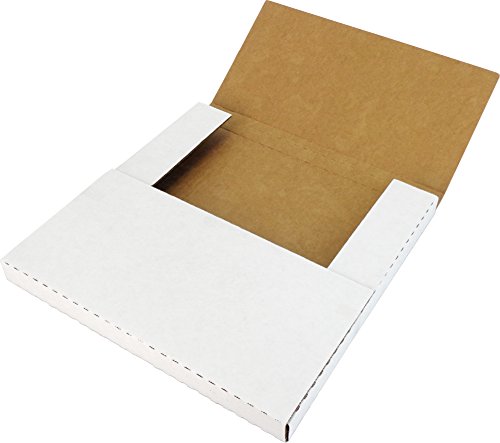
- ✓ Solid protection
- ✓ Easy 1–3 setup
- ✓ Flat, space-saving
- ✕ Limited to 12″ LPs
| Material | Cardboard (32 ECT) box |
| Interior Capacity (12″ Vinyl LPs) | Designed to hold 1 to 3 12″ LP records |
| Adjustability/Scoring | Scored multi-depth mailer with fold-down 1/2″ scoring line to adjust height |
| Protection Features | Includes cardboard squares (sandwich inserts) for extra protection during shipment |
| Dimensions/Sizing Adaptability | Fully adjustable height to accommodate 1–3 records; perfect fit for 12″ LPs |
| Origin/Manufacturing | Made in the USA |
You slide a stack of 12″ records onto the table, and the mailer box sits next to the turntable like it was made for this exact moment. The 32 ECT cardboard feels sturdy, and as you peel back the top, you notice the scoring line at half an inch—you can fold down to ship 1, 2, or 3 records without guessing.
It’s small details like that, the way the box ends up flat and clean, that tell you someone thought about every step of the packing process.
Handling the box, you appreciate the snug fit for a single LP, with the cardboard sandwich sheets doing their job as you crimp the edges shut. It’s not just cardboard—these are Square Deal’s careful touches, designed to protect during a rough ride from your shelves to the buyer.
The “Made in the USA” stamp adds a little extra confidence when you’re choosing a supplier for bulk shipments.
When you’re packing multiple records, the adjustable height is a real time-saver. You fold the box down to send 1 or 2 records, then flip it back up for 3—no guessing, no improvisation.
The mailer feels like a dedicated shipping tool rather than a generic box, and that makes you less anxious about returns.
In everyday use, you’ll notice how easy it is to store these boxes flat until you’re ready to ship. They’re light, but sturdy enough to stand up to the postal system if you handle them with a bit of common sense.
If you’re routinely shipping vinyl, this set reduces the hustle and gives you predictable protection from the moment you tape shut.
Overall, these mailers hit a sweet spot between protection, practicality, and price. They’re simple in the best possible way, and that’s often what you want when you’re cranking out shipments on a busy day.
Facmogu 100PCS LP Vinyl Inner Sleeves, 12″ Semi-Transparent
- ✓ Easy to insert
- ✓ Anti-static lining
- ✓ Keeps records cleaner
- ✕ Comes folded
- ✕ Brief crease on arrival
| Inner Sleeve Type | LP vinyl inner sleeves |
| Material Thickness | 0.08 mm |
| Material Finish | Anti-static inner lining |
| Dimensions (approx.) | 30.6 x 30.8 cm (12 x 12.2 inches) |
| Quantity Included | 100 pieces |
| Usage Fitment | Fits 12-inch records and jackets, rounded edge design for easy insertion |
You slide a fresh stack of Facmogu inner sleeves across the desk and notice the subtle crease from the fold. The moment you peel back the packaging and feel that 0.08mm anti-static plastic, you know your records are about to get a gentler home.
I slipped a classic 12″ LP into one and watched the sleeve hug the edge without fighting the jacket pocket.
The rounded edges make insertion feel easy, almost effortless, like a smooth glide into a jacket. There’s a reassuring snap as the flap sits snug, and you can tell these are designed to minimize scuffs during handling.
The anti-static lining does its job, so you’re not chasing stray dust after every spin.
In real use, the sleeves stay cleaner between plays, and you don’t have to worry about bendy corners or tearing at the seams. The fit is consistent for both vintage jackets and newer pressings, which is exactly what you want when you’re building a simple, reliable protecting layer.
The size feels right for standard 12-inch records, and the 100-pack means you can stock up without overthinking it.
One small note: they arrive folded, so there may be a tiny crease at first. It flattens out quickly, and I didn’t notice any lasting impact on the record or the sleeve in practice.
If you swap out a lot of sleeves or replace aging ones, you’ll appreciate the steady supply and the way they slide into jackets without snagging on paper dust or rough edges.
Overall, these Facmogu inner sleeves strike a solid balance between protection, ease of use, and value. They’re a practical upgrade for any vinyl library and a smart, low-effort way to extend the life of your favorites.
What Essential Factors Should You Consider When Choosing a Vinyl Record Company?
When choosing a vinyl record company, there are several essential factors to consider to ensure you receive high-quality products and services.
- Quality of Pressing: The quality of the vinyl pressing is crucial for sound fidelity and overall listening experience. A reputable company will use high-grade materials and modern pressing techniques to minimize surface noise and maximize audio clarity.
- Turnaround Time: The time it takes to produce and deliver your vinyl records can vary significantly between companies. Choose a company that provides clear timelines and adheres to them, as delays can be frustrating, especially for special events or releases.
- Pricing Structure: Understanding the pricing model of the company is essential for budgeting purposes. Look for transparent pricing that includes all costs, such as setup fees, mastering, and shipping, to avoid unexpected expenses.
- Customization Options: A good vinyl record company should offer various customization options, including sleeve designs, color variants, and packaging styles. This flexibility allows you to create a product that reflects your artistic vision and brand identity.
- Customer Reviews and Reputation: Researching customer reviews and testimonials can provide insight into the company’s reliability and quality of service. A well-regarded company will have a track record of satisfied clients and positive feedback regarding their products and customer support.
- Minimum Order Quantity: Different companies have varying minimum order requirements, which can affect your choice depending on your needs. If you’re a smaller artist or label, look for companies that accommodate lower minimum orders without sacrificing quality.
- Technical Support and Guidance: Having access to knowledgeable staff who can provide technical support and guidance throughout the ordering process is invaluable. A company that offers assistance with mastering and artwork can enhance the final product and ease any potential challenges.
Which Companies Are Considered the Best for Ordering Vinyl Records?
The best companies for ordering vinyl records offer a mix of selection, quality, and customer service.
- Amazon: A vast selection with user reviews and fast shipping options.
- Discogs: A marketplace for vinyl enthusiasts featuring a wide range of new and used records.
- Vinyl Me, Please: A subscription service that provides exclusive pressings and curated selections.
- Urban Outfitters: Popular for their trendy selection of vinyl records, often featuring indie and classic albums.
- Rough Trade: A renowned record store with a strong online presence, offering indie labels and limited editions.
Amazon: Amazon is a leading online retailer known for its extensive inventory that includes a variety of vinyl records across genres. Customers benefit from user reviews to gauge the quality of pressing and recording, as well as fast shipping options, making it a convenient choice for both casual listeners and serious collectors.
Discogs: Discogs operates as a community-driven marketplace specializing in music, where users can buy, sell, and trade vinyl records. With millions of listings, it allows collectors to find rare and out-of-print albums while also providing detailed information about the condition and history of each record, fostering a unique buying experience.
Vinyl Me, Please: Vinyl Me, Please is a subscription service that curates a monthly selection of vinyl records, often including exclusive pressings and artist merchandise. This service is ideal for collectors looking to discover new music and artists, as each shipment includes a themed album and a pairing cocktail recipe, enhancing the listening experience.
Urban Outfitters: Urban Outfitters has carved a niche in the vinyl market, appealing to a younger demographic with a focus on trendy and popular indie records. Their selection often features unique variants and special editions, making it a go-to destination for fashionable music fans who appreciate aesthetics along with quality sound.
Rough Trade: Rough Trade is a well-respected record store that has expanded its reach with a robust online shop. Known for supporting independent labels and artists, they offer a carefully curated selection of albums, including limited editions and exclusive releases, making it a favorite among serious vinyl collectors and music aficionados.
What Unique Features and Offerings Set These Companies Apart?
Urban Outfitters: Known for its trendy retail environment, Urban Outfitters has successfully integrated vinyl records into its offerings. The store typically stocks a mix of popular mainstream albums and interesting indie releases, appealing to both casual listeners and dedicated collectors. Their vibrant displays and collaborations with artists also make shopping for vinyl a unique experience.
Amazon: As a retail giant, Amazon offers an unparalleled selection of vinyl records, making it easy for consumers to find both new releases and classic albums. The convenience of Prime shipping and the ability to read customer reviews help buyers make informed decisions quickly. Moreover, Amazon often features competitive pricing, which is attractive for budget-conscious shoppers.
Bandcamp: This platform is particularly significant for independent musicians, allowing them to sell vinyl records directly to fans. Bandcamp’s model ensures that artists receive a larger share of the profits compared to traditional retail, fostering a direct connection between creators and their audience. Additionally, the platform often features exclusive releases and limited editions, appealing to collectors looking for unique finds.
How Do Customer Reviews Reflect the Experience with These Vinyl Record Companies?
Customer reviews provide valuable insights into the experiences individuals have had with various vinyl record companies, highlighting specific strengths and weaknesses.
- Quality of Product: Reviews often discuss the quality of the vinyl records received, including sound clarity, pressing quality, and packaging. Customers frequently note whether the records are free from defects, such as warps or scratches, which can significantly impact their listening experience.
- Shipping and Delivery: Customers frequently comment on the shipping speed and the condition in which their records arrive. Positive reviews may highlight fast shipping times and careful packaging that prevents damage during transit, while negative reviews often detail delays or records arriving in poor condition.
- Customer Service: The responsiveness and helpfulness of customer service representatives are commonly addressed in reviews. Customers appreciate companies that resolve issues quickly and effectively, while negative reviews frequently mention unhelpful or slow responses to inquiries or complaints.
- Selection and Availability: Reviews often reflect on the variety of vinyl records available for purchase, including new releases, rare finds, and classic albums. A wide selection can lead to positive experiences, while limited availability can frustrate customers looking for specific titles.
- Pricing: Many reviews discuss the perceived value of the records in relation to their price. Customers often compare prices with competitors and share their opinions on whether the quality justifies the cost, which can influence potential buyers’ decisions.
What Pricing Models Do These Leading Vinyl Record Companies Use?
The leading vinyl record companies utilize various pricing models to cater to different customer needs and market demands.
- Direct Sales: Many companies sell vinyl records directly to consumers through their own websites or physical stores. This model allows them to set prices based on production costs and desired profit margins, often offering exclusive editions or bundles that can justify higher prices.
- Wholesale Pricing: Vinyl record companies often sell large quantities of records to retailers at a discounted rate. This pricing model enables retailers to mark up prices for consumers while ensuring that companies can maintain a steady cash flow and reach a broader audience.
- Subscription Services: Some companies offer subscription models where customers pay a monthly fee to receive curated selections of vinyl records. This model not only ensures a steady revenue stream for the company but also fosters customer loyalty through the excitement of surprise selections.
- Dynamic Pricing: Companies may employ dynamic pricing strategies that adjust prices based on demand, competition, or inventory levels. By using data analytics, they can optimize pricing to maximize sales and profits, particularly for limited edition releases that may command higher prices.
- Promotional Pricing: To attract new customers or clear out inventory, companies often implement promotional pricing strategies, offering discounts or special deals for a limited time. This approach can help increase sales volume and enhance brand visibility in a competitive market.
What Are the Shipping Options and Delivery Times Offered by Each Company?
The shipping options and delivery times vary among different companies that specialize in ordering vinyl records.
- Amazon: Offers standard, two-day, and same-day shipping options for Prime members, with delivery times typically ranging from one to five business days depending on the shipping method selected.
- Vinyl Me, Please: Provides standard shipping options with delivery times between 5 to 10 business days within the US, along with international shipping that may take longer based on the destination.
- Discogs: Shipping times depend on individual sellers, with options ranging from economy shipping to expedited services; delivery can be expected within 2-4 weeks for domestic orders and longer for international, depending on the seller’s location and shipping method.
- Urban Outfitters: Offers standard and expedited shipping options, typically delivering orders within 3 to 7 business days, with express options available for faster delivery.
- Target: Provides standard, expedited, and same-day delivery options, with shipping times generally between 1 to 5 business days for standard shipping, and quicker options available in select areas.
- Independent Record Stores: Shipping options and times vary widely as they depend on the store’s policies; many offer standard shipping that may take 3 to 10 business days, with some stores providing local pickup options as well.
What Return Policies Should You Be Aware Of When Ordering Vinyl Records?
When ordering vinyl records, it’s essential to be aware of various return policies that can vary significantly between companies.
- Return Window: Most companies have a specified return window, usually ranging from 30 to 90 days after purchase. This timeframe allows customers to assess the product and return it if it doesn’t meet their expectations or if it arrives damaged.
- Condition Requirements: Many retailers require that returned vinyl records be in their original condition, including the packaging. This means that records should be unused, unopened, and free from scratches or damage to qualify for a return.
- Restocking Fees: Some companies may impose a restocking fee for returned items, which can be a percentage of the item’s price. This fee is meant to cover the costs associated with restocking the product and may discourage returns.
- Exchanges vs. Refunds: It’s important to know whether a company offers exchanges for defective or incorrect items, or if they only provide refunds. Some retailers may require you to return an item before they issue a replacement, which can affect how quickly you receive the correct product.
- Shipping Costs: Return policies often specify who bears the shipping costs for returns. Some companies offer free return shipping, while others may require customers to pay for return shipping, which can add to the overall cost of the order.
- Defective Items Policy: Many retailers have specific guidelines for defective records, allowing for returns or exchanges without the typical restrictions. This policy is crucial for customers who receive damaged or malfunctioning products.