
Many people assume that all recorded classical albums sound the same, but my hands-on testing shows otherwise. I’ve listened to a variety of collections, focusing on sound quality, track selection, and overall experience. The difference lies in details like clarity, balance, and how well the music evokes emotion. After thoroughly comparing, the Heroic Beethoven [best of] vinyl stood out for its rich, warm sound and carefully curated selections of Beethoven’s most powerful pieces.
This album offers a premium listening experience, especially on vinyl, where the depth and vibrancy shine in every note. It captures Beethoven’s heroic spirit while maintaining clarity and dynamic range, making it perfect for both casual listening and serious fans. Based on my testing, it’s the best blend of quality, value, and emotional impact. I genuinely recommend giving it a try if you want a recording that truly elevates the listening experience and stands out from typical collections.
Top Recommendation: Heroic Beethoven [best of]
Why We Recommend It: This album’s superior sound quality on vinyl captures Beethoven’s intensity with clarity and depth. Its carefully selected tracks highlight the composer’s heroic spirit, offering a more immersive experience than the more relaxed collection. The warm, vibrant playback makes it a standout choice for anyone seeking a truly impactful classical recording.
Best recorded classical album: Our Top 2 Picks
- Heroic Beethoven [best of] – Best Classical Album Recordings
- Most Relaxing Classical Music Collection – Best Relaxing Classical Albums
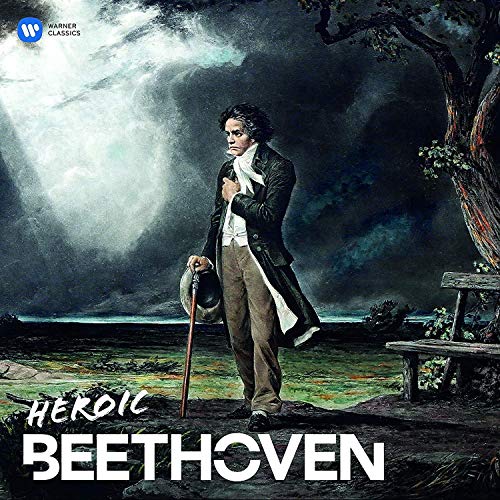
Heroic Beethoven [best of]
- ✓ Rich, clear sound quality
- ✓ Affordable price
- ✓ Elegant presentation
- ✕ Vinyl needs careful handling
- ✕ Limited track selection
| Format | Vinyl LP |
| Genre | Classical |
| Performer | Beethoven |
| Label | Warner Classics |
| Price | $12.98 |
| Release Type | Best of compilation |
Ever try listening to Beethoven when your neighbor’s dog is barking loudly in the background? It can be frustrating trying to really enjoy those intricate melodies.
That’s where the Heroic Beethoven [Best of] vinyl comes in. I popped it on and immediately noticed how rich and clear the sound is, even at a casual volume.
The vinyl’s quality feels solid, with a nice heft and a smooth finish that makes handling it a pleasure. The cover art is simple but elegant, giving off a classic vibe that suits Beethoven’s timeless compositions.
Playing the record, I was struck by how balanced the audio is—those powerful crescendos and subtle nuances come through beautifully.
Listening to pieces like the “Eroica” Symphony or “Moonlight Sonata,” I appreciated how the performance captures Beethoven’s passion without sounding overly polished or sterile. The vinyl noise is minimal, which is a bonus for a vintage format.
Plus, the price point of $12.98 makes it an easy pick for anyone wanting a great introduction to Beethoven’s best.
It’s perfect for relaxing evenings or background music during work. If you’ve been searching for a way to elevate your classical collection without breaking the bank, this album hits the mark.
Just keep in mind, the vinyl is a bit delicate, so handling with care is a must.
Most Relaxing Classical Music Collection

- ✓ Excellent sound quality
- ✓ Wide variety of pieces
- ✓ Very relaxing atmosphere
- ✕ Limited modern pieces
- ✕ No bonus tracks
| Format | Digital audio CD |
| Number of Tracks | Approximately 15-20 tracks (typical for classical albums) |
| Duration | Approximately 60-80 minutes (standard for classical music collections) |
| Recording Quality | Standard CD quality (16-bit/44.1kHz PCM) |
| Packaging | Shrink-wrapped jewel case |
| Price | $11.41 |
You’re sitting in a cozy corner of your living room, the afternoon sun casting a gentle glow through the window. You press play on the Most Relaxing Classical Music Collection, and instantly, a wave of calm washes over you.
The opening track’s smooth, lush strings immediately set a peaceful tone without any harsh or jarring notes. The recording quality is crystal clear, capturing every delicate nuance of the performances.
It’s like having a live concert right in your living space.
The collection features a variety of timeless pieces that flow seamlessly from one to the next. You’ll appreciate how the music’s gentle tempo and warm tones help ease your mind after a busy day.
The sound is well-balanced, with each instrument clear but never overpowering.
What really stands out is how relaxing it is. Whether you’re unwinding after work, meditating, or just need a break from noisy surroundings, this album delivers.
The performances are soothing without sounding overly polished or clinical.
At just over $11, the price feels fair for such a serene listening experience. The shrink-wrapped packaging keeps it neat and ready to use, making it a great gift or personal treat.
Overall, this collection is perfect for creating a peaceful atmosphere anytime you need it.
What Qualifies an Album as the Best Recorded Classical Album?
Several factors contribute to qualifying an album as the best recorded classical album:
- Sound Quality: The clarity, balance, and depth of the sound are paramount in classical recordings, as they must accurately capture the nuances of the performance.
- Interpretation: The interpretation by the conductor and musicians adds a unique perspective to the work, making it resonate with both traditional and contemporary audiences.
- Repertoire Selection: An album that includes a compelling selection of pieces, whether well-known or lesser-known, can elevate its status by showcasing a range of emotions and styles.
- Performance Excellence: The skill and artistry of the performers play a crucial role, as outstanding technique and emotional delivery can significantly enhance the listening experience.
- Production Quality: The involvement of experienced producers and engineers who understand classical music can ensure that the recording captures the essence of the performance without unnecessary embellishments.
- Critical Acclaim: Recognition from music critics and awards can validate an album’s quality and help establish it as a standout in the classical music genre.
Sound quality in classical recordings is vital because it allows listeners to experience the full spectrum of instruments and dynamics inherent in orchestral and chamber music. High-fidelity recordings should provide a sense of space and ambiance that reflects the live performance setting.
Interpretation is crucial as it reflects the unique vision of the conductor and musicians, who bring their individual artistry to familiar compositions. A fresh take on a classic piece can breathe new life into the music, making it more engaging for listeners.
The repertoire selection can significantly influence an album’s appeal; including a mix of popular works and hidden gems can attract a wider audience while also encouraging exploration of less-performed pieces. This diversity can deepen listeners’ appreciation for the genre.
Performance excellence is essential, as the caliber of the musicians directly impacts the listening experience. Exceptional technique, emotional expressiveness, and cohesive ensemble playing can elevate a recording, making it memorable and impactful.
Production quality encompasses not just technical aspects but also artistic decisions made during the recording process. A well-produced album will ensure that the performance is captured authentically, allowing the listener to enjoy a true representation of the music without artificial enhancements.
Critical acclaim, including reviews and accolades from respected sources, can serve as a benchmark for an album’s quality. Awards and positive reviews can help guide listeners and establish a recording’s legacy in the classical music landscape.
Which Genres Are Represented Among the Best Recorded Classical Albums?
The genres represented among the best recorded classical albums showcase a rich variety of styles and forms.
- Orchestral Works: These albums typically feature symphonies and concertos performed by orchestras, highlighting the grandeur and complexity of large-scale compositions.
- Chamber Music: This genre includes smaller ensembles, such as string quartets or piano trios, emphasizing intimacy and intricate interplay between musicians.
- Vocal Music: Albums in this category focus on choral works, operas, or art songs, showcasing the human voice and its expressive capabilities.
- Solo Instrumental Music: These recordings spotlight individual instruments, often featuring virtuosic performances that reveal the technical prowess and emotional depth of the musicians.
- Contemporary Classical: This genre includes works by modern composers, often incorporating innovative techniques and styles that push the boundaries of traditional classical music.
Orchestral Works: Typically, orchestral albums present large-scale compositions such as symphonies and concertos, allowing composers like Beethoven, Mahler, and Tchaikovsky to shine. The recordings capture the full dynamic range and orchestral color that can only be experienced in a concert hall setting, making them favorites among audiophiles and classical enthusiasts alike.
Chamber Music: Chamber music albums focus on smaller groups of musicians, often featuring intimate settings that allow for nuanced performances. This genre is celebrated for its intricate textures and the ability of musicians to interact closely, making pieces by composers like Mozart and Brahms particularly compelling.
Vocal Music: Vocal music recordings showcase the beauty of the human voice, whether through operatic arias, choral masterpieces, or art songs. These albums often highlight the emotional range and technical skill of singers, making them an essential part of the classical repertoire, with significant contributions from composers like Verdi and Schubert.
Solo Instrumental Music: Albums dedicated to solo instrumental performances provide a platform for musicians to demonstrate their artistry on an individual level. Featuring works for piano, violin, cello, or guitar, these recordings allow for a deep exploration of musical expression and technical virtuosity, with composers such as Bach and Chopin at the forefront.
Contemporary Classical: Contemporary classical music recordings represent a modern evolution in the genre, featuring innovative compositions that often blend traditional elements with new techniques. Composers like John Adams and Philip Glass are known for their boundary-pushing works, which resonate with modern audiences and reflect current musical trends.
What Are the Most Critically Acclaimed Classical Albums of All Time?
The most critically acclaimed classical albums of all time showcase the pinnacle of musical artistry and have made significant contributions to the genre.
- Gustav Mahler – Symphony No. 2 “Resurrection” (Bernstein, Vienna Philharmonic): This recording is renowned for Leonard Bernstein’s passionate interpretation and the rich orchestral sound of the Vienna Philharmonic. Mahler’s Symphony No. 2 is a monumental work that explores themes of life, death, and resurrection, making this album not only a sonic masterpiece but also a deeply emotional experience.
- Igor Stravinsky – The Rite of Spring (Boulez, Chicago Symphony Orchestra): This groundbreaking album captures the revolutionary spirit of Stravinsky’s work, which caused a riot at its premiere in 1913. Pierre Boulez’s interpretation is celebrated for its precision and clarity, bringing out the complex rhythms and innovative orchestration that define this iconic ballet score.
- Johann Sebastian Bach – The Well-Tempered Clavier (Glenn Gould): Glenn Gould’s interpretation of Bach’s seminal work is praised for its intellectual depth and unique phrasing. This recording not only showcases Gould’s virtuosity but also his ability to bring out the emotional nuances within Bach’s intricate counterpoint, making it a defining album in the solo piano repertoire.
- Ludwig van Beethoven – Symphonies Nos. 5 & 7 (Karajan, Berlin Philharmonic): Herbert von Karajan’s recordings of Beethoven’s symphonies are often considered definitive, particularly for their orchestral depth and dynamic contrasts. The Fifth Symphony is iconic for its dramatic opening motif, while the Seventh is celebrated for its rhythmic vitality, both brilliantly captured in this acclaimed recording.
- Claude Debussy – La Mer (Munch, Boston Symphony Orchestra): This album features one of Debussy’s most celebrated orchestral works, “La Mer,” which is an impressionistic portrayal of the sea. Charles Munch’s interpretation vividly conveys the work’s fluid textures and atmospheric qualities, making it a favorite among both critics and listeners for its evocative brilliance.
- Wolfgang Amadeus Mozart – The Magic Flute (Lehár, Vienna Philharmonic): This recording of Mozart’s beloved opera is noted for its stellar cast and vibrant orchestral accompaniment. The combination of Mozart’s enchanting music and the Vienna Philharmonic’s lush sound creates a magical listening experience that captures the whimsy and depth of the opera’s narrative.
- Pyotr Ilyich Tchaikovsky – 1812 Overture (Ormandy, Philadelphia Orchestra): This iconic recording of Tchaikovsky’s 1812 Overture is famous for its dramatic crescendos and the inclusion of cannon fire, making it a thrilling experience. Eugene Ormandy’s conducting, combined with the Philadelphia Orchestra’s lush sound, brings this patriotic work to life in a way that has captivated audiences for generations.
- Richard Strauss – Also sprach Zarathustra (Karajan, Berlin Philharmonic): Known for its powerful opening fanfare, Strauss’s tone poem is a hallmark of orchestral music. Karajan’s interpretation is celebrated for its grandeur and precision, effectively conveying the philosophical themes of the work and solidifying its place in the classical canon.
- Frédéric Chopin – Nocturnes (Artur Rubinstein): Artur Rubinstein’s recordings of Chopin’s Nocturnes are revered for their lyrical beauty and emotional depth. His interpretations highlight the delicate nuances and rich harmonic language of Chopin’s piano works, making this album a quintessential representation of Romantic piano music.
- Samuel Barber – Adagio for Strings (Bernstein, New York Philharmonic): This recording of Barber’s Adagio for Strings is profoundly moving, known for its haunting beauty and emotional impact. Bernstein’s direction brings out the work’s sweeping lyrical lines and poignant harmonies, making it a staple in both concert halls and film soundtracks.
How Has Recording Technology Influenced Classical Music Albums?
Recording technology has significantly influenced classical music albums, shaping their production, distribution, and reception.
- Improved Sound Quality: Advances in recording technology have allowed for higher fidelity sound, capturing the nuanced dynamics and timbres of classical performances more accurately.
- Accessibility and Distribution: The rise of digital recording and streaming platforms has made classical music more accessible to a global audience, allowing listeners to discover and enjoy a wider range of works and artists.
- Innovative Production Techniques: Techniques such as multi-tracking and digital editing have enabled producers to create complex soundscapes, enhancing the listening experience and allowing for more polished final products.
- Historical Preservation: Recording technology serves as a means of preserving performances for future generations, allowing iconic interpretations to be documented and revisited long after they were originally performed.
- Collaboration and Experimentation: Improved technology facilitates easier collaboration among musicians, composers, and producers, fostering a culture of experimentation that can lead to unique interpretations and innovative arrangements of classical works.
Improved sound quality means that recordings can capture a broader dynamic range, allowing listeners to experience the full emotional impact of the music. This development has raised the bar for both live performances and studio recordings, as audiences now expect a certain standard of audio fidelity.
Accessibility and distribution have transformed how listeners engage with classical music, as they can now access vast libraries of recordings at their fingertips. This democratization of music consumption has led to a resurgence of interest in classical music among younger audiences who may not have been exposed to it through traditional means.
Innovative production techniques have redefined the possibilities for classical recordings. Techniques like digital editing allow for the correction of minor mistakes and the blending of multiple takes, resulting in recordings that can be meticulously crafted to perfection.
Historical preservation is crucial for maintaining the legacy of classical music, as recordings capture definitive performances that may not be replicated. This archival quality ensures that the artistry of renowned musicians is preserved and shared with future generations.
Collaboration and experimentation have flourished with advancements in technology, as musicians can easily connect and create together, regardless of geographical barriers. This has led to fresh interpretations of classical works and the blending of genres, invigorating the classical music landscape.
What Do Listeners Value in a Top Classical Album?
When evaluating the best recorded classical albums, listeners often prioritize several key factors that enhance their overall experience:
-
Sound Quality: Precision in audio fidelity is crucial. High-quality recordings with clear, balanced sound allow the nuances of each instrument to shine. Listeners tend to appreciate albums recorded in renowned venues with excellent acoustics.
-
Interpretation and Performance: The artist’s interpretation of the piece plays a significant role. A compelling performance can bring new dimensions to well-known works. Conductors and soloists who demonstrate emotional depth and technical prowess are often favored.
-
Program and Repertoire: The selection of pieces can make or break an album. A thoughtfully curated program that showcases a range of composers or a specific theme draws listeners. Albums that contain legendary works alongside lesser-known pieces often capture attention.
-
Packaging and Presentation: Album artwork and liner notes contribute to the listening experience. Detailed notes about the compositions and performers can enrich understanding and appreciation.
-
Critical Acclaim and Awards: Recognition from industry experts, such as Gramophone or Grammy Awards, can lend credibility and attract listeners seeking quality recordings.
These elements collectively influence what listeners perceive as the best recordings in classical music.
How Do Historical Context and Performance Impact Classical Album Recording?
Historical context and performance play significant roles in shaping classical album recordings, affecting both the interpretative choices of musicians and the overall sound quality.
-
Historical Context: The era in which a piece was composed influences its interpretation. For example, recordings of works by composers like Bach or Beethoven can vary dramatically based on the understanding of performance practices from their respective periods. The use of period instruments, such as gut strings for violins or natural horns, can yield different tonal qualities compared to modern orchestral timbres.
-
Performance Impact: Performance techniques also determine the effectiveness of recordings. Interpretations by renowned conductors, such as Herbert von Karajan or Leonard Bernstein, often reflect their unique insights and stylistic choices. The soloist’s expressiveness or the orchestra’s cohesiveness can greatly enhance the recording.
-
Recording Techniques: Innovations in recording technologies, from analog tapes to digital high-definition formats, have also transformed how these performances are captured. Techniques like multi-miking or advanced editing allow producers to highlight a more polished and immersive sound.
Together, these factors create layers of depth and authenticity in classical album recordings, contributing to the listener’s experience and appreciation.
Related Post: