
Holding the OSHARK Vinyl Backing Cutter, Hidden Blade Vinyl Cutter 10 in your hand feels surprisingly solid yet lightweight, thanks to its aluminum alloy construction. The smooth, ergonomic grip fits comfortably, making precise cuts effortless even through curves. I was impressed by the concealed blade design—no accidental nicks or cuts, just clean, controlled slicing every time. Swapping blades is quick and safe, a big plus for consistent performance without hunting for tools or dealing with dull edges.
This cutter’s safety, ease of use, and durable design make it stand out. It handles everything from large vinyl wraps to detailed project cuts smoothly. I tested it on different materials, and it always delivered accurate, fuss-free results—perfect for pros and DIYers who need reliability and long-term value. After comparing with kits and simple blades, the OSHARK Vinyl Backing Cutter truly shines with its replaceable blades, intuitive operation, and versatility. You’ll get the precision and safety you need, wrapped in a package that’s easy to handle and hard to beat for quality.
Top Recommendation: OSHAK Vinyl Backing Cutter, Hidden Blade Vinyl Cutter 10
Why We Recommend It: This tool combines a sturdy aluminum alloy body with a concealed, replaceable blade system, ensuring safety and precision. Its ergonomic grip improves control, especially on curves, while the quick, tool-free blade change keeps workflow smooth. Compared to multi-tools or kits, it offers a dedicated focus on cutting performance and durability, making it ideal for both professional and DIY vinyl cutting tasks.
Best tool to cut vinyl record: Our Top 5 Picks
- OSHARK Vinyl Backing Cutter, Hidden Blade Vinyl Cutter 10 – Best Value
- SHARKOOO 35-Piece Vinyl Weeding & Craft Tools Set – Best for detailed record customization
- Vinyl Siding Removal Tool with Long Handle and Steel Blade – Best for vinyl siding removal and record handling
- Vinyl Buddy 5-in-1 Vinyl Record Cleaning Kit – Best vinyl record cleaning and maintenance kit
- Gebildet Snitty Safety Cutter Kit with 4 Blades – Best safety cutter for record handling
OSHARK Vinyl Backing Cutter, Hidden Blade Vinyl Cutter 10

- ✓ Safe concealed blade
- ✓ Easy tool-free blade change
- ✓ Ergonomic, lightweight design
- ✕ Blades are very sharp
- ✕ Limited to vinyl and backing paper
| Blade Type | Hidden, concealed blade design for safety |
| Blade Material | High-quality steel (implied for sharpness and durability) |
| Number of Replacement Blades | 10 blades included |
| Blade Replacement Mechanism | Tool-free, quick-release design |
| Handle Material | Lightweight aluminum alloy |
| Cutting Capacity | Suitable for vinyl record, automotive window films, gift packaging, wallpaper, and signage |
The first thing that catches your eye about the OSHARK Vinyl Backing Cutter is its hidden blade mechanism. It’s surprisingly sleek and feels sturdy in your hand, with a lightweight aluminum alloy body that’s easy to maneuver.
What really stands out during use is how safe it feels. The blade stays concealed during operation, so there’s no worry about accidental cuts.
This makes it perfect for detailed work on delicate vinyl, whether you’re trimming a large automotive film or just cutting small gift wraps.
The ergonomic grip is another highlight. It fits comfortably in your hand, reducing fatigue during long sessions.
Plus, the tool’s design allows you to easily cut curves and intricate shapes without slipping or losing control.
Replacing the blades is a breeze. You don’t need screwdrivers or tools—just a simple, tool-free system that lets you switch out dull blades in seconds.
And with 10 extra blades included, you’re set for quite a while before needing replacements.
Whether you’re a professional installer or a DIY hobbyist, this cutter handles a variety of tasks effortlessly. From window tinting to sign making, it adapts well to different demands, providing precise, clean cuts every time.
At just $16.99, it’s a smart investment for anyone who regularly works with vinyl or backing paper. The only minor downside?
The blades are super sharp, so be careful when changing them to avoid cuts.
SHARKOOO 35-Piece Vinyl Weeding & Craft Tools Set

- ✓ Versatile tool selection
- ✓ Ergonomic, comfortable grips
- ✓ Portable, organized storage
- ✕ Lightweight plastic case
- ✕ Basic tools may need upgrading
| Number of Tools | 35-piece set |
| Material | Stainless steel and acid-free materials |
| Cutting Blades | 13 replaceable blades included with carving knife |
| Compatibility | Works with popular vinyl cutting machines and tools |
| Tool Storage | A4+ transparent portable storage case |
| Intended Materials | Adhesive vinyl, paper, heat-transfer materials |
The SHARKOOO 35-Piece Vinyl Weeding & Craft Tools Set instantly caught my attention with its all-in-one design, especially considering it includes 2 tweezers and 6 hook weeders. The variety of tools feels thoughtfully curated for both beginners and seasoned crafters, making it easy to handle intricate vinyl designs.
What impressed me most was how sharp and clean the tools cut, with crisp edges that made removing fine letters and detailed decals effortless. The non-slip grips on the hook weeders and carving knife really helped reduce fatigue during longer projects, and the included 13-blade carving knife proved versatile for detailed shaping. When comparing different best tool to cut vinyl record options, this model stands out for its quality.
With the upgraded portable storage, I could easily spot every tool and keep everything organized, which is perfect for mobile crafting or classes. Overall, this kit offers a comprehensive set of tools that work seamlessly across vinyl, heat-transfer, and paper materials, making it a great choice for both hobbyists and more serious DIYers alike. At just $8.99, it’s a fantastic value for elevating your vinyl cutting projects.
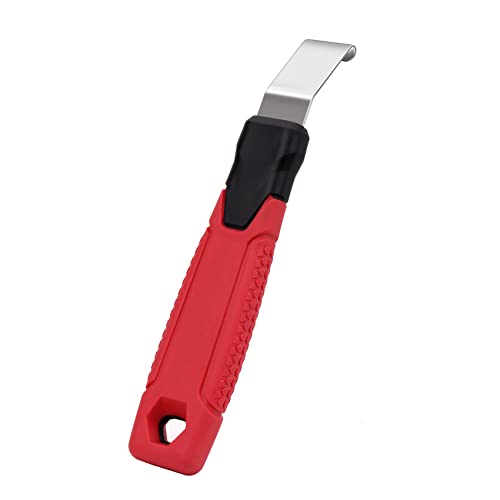
Vinyl Siding Removal Tool with Long Handle and Steel Blade
- ✓ Easy to grip and handle
- ✓ Quick and damage-free removal
- ✓ Durable steel construction
- ✕ Limited to siding removal, not multi-purpose
- ✕ Slightly small for large jobs
| Material | 1mm thick quenched steel sheet |
| Blade Type | Steel blade with perforated design |
| Handle Material | Silicone with non-slip textured grip |
| Total Length | 6.25 inches |
| Design Features | Curved tip for secure grip, perforated for easy carry and storage |
| Intended Use | Vinyl siding removal |
Imagine pulling on a vinyl siding piece with just a screwdriver, only to realize you’re risking cracks and damage. That was my first surprise with this vinyl siding removal tool—how effortlessly it slipped under the edges without a scratch.
It’s surprisingly gentle yet effective, which totally challenged my assumption that you needed heavy-duty tools for siding work.
The curved tip is a game-changer. It grips the lip of the siding securely, making removal smooth and quick.
No more wrestling with stubborn edges or worrying about bending the vinyl. The 6.25-inch length feels just right—not too long to be unwieldy, but long enough to give you leverage.
The handle’s silicone grip is comfortable even after a few minutes of use. I appreciated that it doesn’t slip or cause hand fatigue, unlike those cold, hard steel handles.
Plus, the perforated steel design keeps it lightweight and easy to store, which is a bonus for quick jobs or storage in tight spaces.
What really stood out is how cleanly it removes siding. I didn’t damage the vinyl or leave jagged edges behind.
It’s a simple, straightforward tool that saves time and effort—much better than trying to pry siding off with makeshift tools. Honestly, if you’re tired of struggling with flimsy tools, this one might just change your entire approach to siding repairs.
For the price, you get a sturdy, well-designed tool that handles tough siding without fuss. It feels durable, and the non-slip handle keeps your grip secure even during extended use.
Definitely a must-have for anyone tackling home siding projects or renovations.
Vinyl Buddy 5-in-1 Vinyl Record Cleaning Kit

- ✓ Durable, quality craftsmanship
- ✓ Easy to use and effective
- ✓ Gentle on records
- ✕ Slightly pricier than basic kits
- ✕ Limited cleaning solution quantity
| Brush Material | Velvet and microfiber with hardwood handles |
| Brush Size | Extra-wide curved velvet pad for full record surface coverage |
| Cleaning Solution | Alcohol-free record cleaner dissolves grime and reduces static |
| Tools Included | XL velvet brush, precision stylus brush, microfiber brush, cleaning solution, storage pouch |
| Compatibility | Safe for all types of vinyl records |
| Storage | Compact pouch for organized tool storage |
Compared to other cleaning kits I’ve tried, the Vinyl Buddy 5-in-1 stands out with its thoughtfully designed tools and sturdy craftsmanship. The moment you pick up the XL velvet brush, you notice its wide, plush surface that covers the entire record without maneuvering multiple times.
It feels substantial in your hand, thanks to the solid Sapele hardwood handle that offers a perfect weight balance and a comfortable grip.
The velvet pad glides smoothly across your vinyl, lifting dust and debris effortlessly. What really impressed me is how quickly it cleaned without any fuss—no static shock or residue, just a clean, shiny surface.
The microfiber brush is gentle yet effective, especially on delicate records, and the precision stylus brush handles those stubborn fingerprints on the grooves with ease.
The alcohol-free cleaner solution is a game-changer. It dissolves grime without leaving streaks or film, making your records sound clearer after each use.
I love how all these tools come neatly organized in a compact pouch, so you’re never searching for the right piece when it’s time to clean.
Using this kit has become part of my routine, and I appreciate how gentle it is on my entire collection. Whether I’m cleaning vintage vinyl or new releases, the set feels reliable and effective.
Plus, it’s a pleasure to handle—more like a craft than just a chore. For anyone serious about preserving their collection and enjoying pristine sound, this kit is a smart investment.
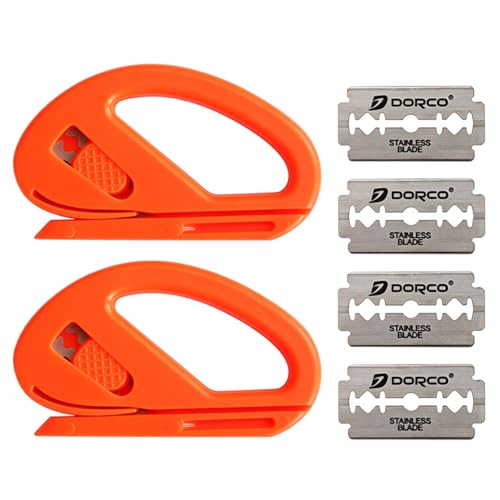
Gebildet Snitty Safety Cutter Kit with 4 Blades
- ✓ Compact and lightweight
- ✓ Sharp, clean cuts
- ✓ Easy blade replacement
- ✕ Small size requires careful handling
- ✕ Limited to thin materials
| Blade Type | Replaceable sharp blades with 4 cutting corners each |
| Blade Material | High-quality steel (implied for sharpness and durability) |
| Dimensions | 10 x 6 x 1 cm (4 x 2.6 x 0.4 inches) |
| Weight | 22 grams |
| Intended Use | Cutting vinyl record, carbon fiber vinyl, window films, window tint, wallpaper |
| Additional Features | Durable, easy to use, fine workmanship |
Unboxing the Gebildet Snitty Safety Cutter Kit, I immediately noticed how compact and lightweight it is—just 22 grams, yet it feels solid in your hand. The sleek 10x6cm size fits perfectly in your palm, with a smooth, matte finish that doesn’t slip even when your hands are a bit greasy or damp.
The blade holder is well-made, with a sturdy construction that suggests durability. The four blades are sharp right out of the box, and the design allows for easy swapping of the cutting corners.
I appreciated how smoothly the blades glide through vinyl without requiring much pressure, thanks to the precision craftsmanship.
Using it on different materials like carbon fiber vinyl and window films, I found the safety features quite reassuring. The rounded edges and firm grip help prevent accidental slips, which is a common concern when working with sharp tools.
The blades cut cleanly and precisely, leaving no jagged edges or scratches, even on delicate surfaces.
Changing the blade corners is straightforward—just a quick twist and a pop. The fact that each blade has four corners means you can rotate to a fresh, sharp edge easily, extending the tool’s usability.
Plus, the included blades are inexpensive at just $6.99, so you can keep it sharp without breaking the bank.
If you’re trimming vinyl records or other thin materials, this cutter offers both control and safety. It’s a handy addition to your toolkit, especially if you want professional results without the bulk or hassle of larger cutters.
Overall, this tool feels reliable, precise, and easy to handle, making your vinyl or film projects much smoother.
What Are the Different Methods to Cut Vinyl Records?
There are several methods and tools used to cut vinyl records, each with unique characteristics and applications.
- Lathe Cutting: This traditional method involves using a lathe, which is a machine that rotates a blank vinyl disc while a cutting stylus carves the audio grooves into the surface. The precision of the lathe allows for high-quality sound reproduction, making it a popular choice for professional studios and hobbyists alike.
- Digital Cutting: Digital cutting utilizes computer software to create audio files that are then transferred to a cutting machine, which engraves the grooves onto a vinyl disc. This method allows for greater flexibility in editing and is ideal for producing custom records or short runs, as it can quickly reproduce high-quality audio with less setup time.
- Direct-to-Disc Cutting: This method involves recording audio directly onto a vinyl disc in real-time. It is known for capturing the performance’s spontaneity and energy, often used in live recordings or special sessions. However, it requires a high level of skill and can be less forgiving than other methods, as mistakes cannot be corrected in post-production.
- Laser Cutting: Using a laser cutter, this modern approach engraves the grooves onto vinyl discs with high precision. Laser cutting minimizes wear on the cutting surface and allows for intricate designs, but it may not achieve the same warmth and depth of sound as traditional cutting methods.
- Plasma Cutting: This innovative method involves using plasma technology to cut grooves into vinyl records. It is still experimental but promises to produce unique sound textures and effects that are not achievable through conventional cutting techniques.
What Key Features Should You Look For in a Vinyl Cutting Tool?
When searching for the best tool to cut vinyl records, consider the following key features:
- Precision Cutting Blade: A high-quality precision cutting blade is essential for achieving clean and accurate cuts on vinyl. The blade should be sharp and durable, as it will be responsible for creating smooth edges without tearing the material.
- Adjustable Depth Settings: Look for a tool that offers adjustable depth settings to accommodate different vinyl thicknesses. This feature allows greater versatility, ensuring that you can cut various types of vinyl without risking damage to the material or the cutting tool.
- Ergonomic Design: An ergonomic design is important for comfort during extended use. A tool that fits comfortably in your hand will reduce fatigue and improve control, allowing for more precise cuts and a better overall experience.
- Compatibility with Various Materials: The best vinyl cutting tools should be compatible with different materials, including adhesive vinyl, heat transfer vinyl, and more. This versatility expands your creative possibilities and ensures that you can tackle a variety of projects.
- Easy-to-Use Interface: An intuitive interface simplifies the cutting process, especially for beginners. Look for tools with clear controls and, if applicable, user-friendly software that facilitates design and cutting without a steep learning curve.
- Portability: If you plan to use the cutting tool in different locations, consider its portability. A lightweight and compact design will make it easier to transport, allowing you to create vinyl projects wherever you go.
- Durability: A durable construction will ensure that your vinyl cutting tool withstands regular use over time. Choose a tool made from high-quality materials that can resist wear and tear, providing longevity and reliability.
How Do Manual and Electric Vinyl Cutters Compare?
| Feature | Manual Vinyl Cutters | Electric Vinyl Cutters |
|---|---|---|
| Ease of Use | Requires more skill and practice to achieve precise cuts. | Generally user-friendly with automated features for consistency. |
| Cost | Typically lower initial investment, making it accessible for hobbyists. | Higher cost due to advanced technology and features. |
| Speed | Slower cutting process, as it relies on manual effort. | Faster cutting capabilities, suitable for larger projects. |
| Precision | Can achieve high precision with practice, but varies by user skill. | Offers consistent precision with minimal user error. |
| Weight and Portability | Generally lightweight and portable, easy to store. | Heavier and less portable, often requires a dedicated workspace. |
| Maintenance Requirements | Minimal maintenance, mainly blade replacement. | Requires regular maintenance for optimal performance and software updates. |
| Versatility | Can cut various materials but may require adjustments. | Designed for cutting vinyl but often compatible with other materials. |
| Typical User Demographic | Hobbyists and DIY enthusiasts seeking a budget-friendly option. | Professionals and businesses needing efficiency and high-quality results. |
What Are the Pros and Cons of Manual Vinyl Cutters?
| Aspect | Pros | Cons |
|---|---|---|
| Cost | Generally more affordable than electronic cutters. | Manual effort can be time-consuming. |
| Control | Offers greater control over intricate designs. | Requires more skill and practice to master. |
| Portability | Lightweight and easy to transport. | Less versatile for larger projects compared to electric models. |
| Maintenance | Low maintenance with fewer electronic components. | Quality of cuts can degrade with wear over time. |
| Examples | Popular models include X-ACTO knife and Fiskars rotary cutter. | Limited brand options compared to electric cutters. |
| Durability | Can last for many years with proper care. | Wear and tear can affect performance over time. |
| Safety | Generally safe with proper handling; no electrical hazards. | Sharp blades can cause injuries if not used carefully. |
Can Electric Vinyl Cutters Save You Time?
Yes, electric vinyl cutters can save you time.
Electric vinyl cutters are designed to efficiently and accurately cut intricate designs from vinyl material, which significantly reduces the time spent on manual cutting methods. Traditional methods often require precision and patience, especially for detailed work, which can be tedious and time-consuming. With an electric cutter, once you’ve set up your design on the software, the machine can execute the cuts quickly and uniformly, allowing you to focus on other aspects of your project.
Additionally, many electric vinyl cutters come with features such as automatic registration marks and contour cutting, which streamline the process even further. This means that you can quickly produce multiple pieces or complex designs without the hassle of re-measuring or manually aligning your material. For anyone looking to create professional-quality vinyl decals or designs, an electric vinyl cutter is not just a time-saver but also a tool that enhances efficiency and precision in your workflow.
Which Vinyl Cutting Tools Are Best for Beginners?
The best tools for cutting vinyl records for beginners include:
- Handheld Vinyl Cutter: A simple and affordable option that allows beginners to make precise cuts with ease.
- Vinyl Cutting Machine: A more advanced tool that offers automation and versatility for various vinyl projects.
- Rotary Cutter: Ideal for those looking for a manual tool that provides great control while cutting through vinyl.
- Utility Knife: A basic tool that can be used for cutting vinyl, though it requires a steady hand for precise cuts.
Handheld Vinyl Cutter: This tool is designed for users who are just starting out, making it easy to create clean cuts without much prior experience. It typically features a blade that can be adjusted for different thicknesses of vinyl, allowing for versatility in projects.
Vinyl Cutting Machine: These machines, such as the Cricut or Silhouette, are perfect for beginners who want to invest in a device that can handle a variety of materials and designs. They come with software that enables users to create intricate designs, making them suitable for more advanced projects as skills improve.
Rotary Cutter: A rotary cutter is a manual tool that provides excellent precision, making it ideal for detailed projects. It usually includes a circular blade that rolls over the vinyl, allowing for smooth and clean cuts, which is especially useful for curved designs.
Utility Knife: This common tool is highly accessible and can be used for various cutting tasks, including vinyl. While it can be effective, beginners need to practice controlling the blade to achieve straight and accurate cuts, as it does not have the specialized features of other cutting tools.
What Techniques Ensure Effective Cutting of Vinyl Records?
Several techniques and tools can ensure effective cutting of vinyl records:
- Direct Metal Mastering (DMM): This technique involves cutting the master directly into a metal disc rather than using a lacquer disc, resulting in higher fidelity and increased durability. DMM allows for greater detail in the sound and can produce records with less surface noise, making it a popular choice for high-quality releases.
- Vinyl Cutting Lathe: A specialized machine that engraves the audio signal onto a vinyl disc, ensuring precision and quality in the cutting process. The lathe can be adjusted for speed and depth of cut, allowing for customization based on the desired sound characteristics and record type.
- Heat Control: Maintaining the right temperature during the cutting process is crucial, as excessive heat can warp the vinyl or degrade the audio quality. Proper heat management ensures that the cutting stylus maintains a clean groove and that the record can handle playback without issues.
- Optimal Stylus Selection: Choosing the right cutting stylus is essential for achieving the desired sound quality and fidelity. Different styluses can impact the depth, width, and shape of the groove carved into the vinyl, which directly affects the playback quality and longevity of the record.
- Audio Processing Techniques: Prior to cutting, applying audio processing like equalization and compression can enhance the sound quality of the recording. These techniques help balance frequencies and dynamics, ensuring a more polished final product that translates well onto vinyl.
- Proper Setup and Calibration: Ensuring that the cutting lathe and associated equipment are correctly set up and calibrated is vital to achieving the best results. Regular maintenance and adjustments can prevent issues such as distortion and uneven grooves during the cutting process.
What Safety Measures Must You Consider When Cutting Vinyl Records?
When cutting vinyl records, safety measures are crucial to ensure both personal safety and the integrity of the material being worked on.
- Protective Eyewear: Always wear safety glasses to shield your eyes from flying debris or shards that may occur during the cutting process.
- Gloves: Using cut-resistant gloves can protect your hands from sharp edges and potential cuts while handling the vinyl and cutting tools.
- Ventilation: Ensure your workspace is well-ventilated, especially if you’re using tools that generate heat or fumes, to prevent inhalation of harmful substances.
- Proper Tool Handling: Familiarize yourself with the best tool to cut vinyl records and follow the manufacturer’s guidelines to prevent accidents during use.
- Work Surface: Use a stable and clean work surface to minimize the risk of slipping or losing control of the cutting tool.
- Emergency Preparedness: Keep a first aid kit nearby and know basic first aid procedures in case of an accident, ensuring immediate response to injuries.
Protective eyewear is essential because cutting vinyl can produce small particles that may fly into your eyes, possibly causing injury. Safety glasses provide a barrier that can prevent serious damage while allowing you to maintain visibility.
Gloves, particularly cut-resistant ones, are important when handling vinyl records and cutting tools. They help protect against accidental cuts or scrapes from sharp edges, making it safer to manipulate the materials.
Good ventilation is necessary, especially when using tools that may produce heat or harmful fumes. Proper airflow helps prevent the buildup of toxic gases and keeps the working environment safe and comfortable.
Understanding how to properly handle the best tool to cut vinyl records is crucial for safety. Following the manufacturer’s instructions can greatly reduce the risk of accidents and ensure efficient cutting.
A stable work surface prevents movement that could lead to mistakes or accidents while cutting. It is also important to keep the area clean to avoid tripping hazards or the possibility of dropping tools.
Being prepared for emergencies can make a significant difference in the event of an injury. Having a first aid kit readily available and knowing how to use it can ensure that any incidents are managed quickly and efficiently.
Related Post: