
This product’s journey from last year’s mediocre performance to today’s standout capability demonstrates how a compact setup can still deliver serious value. I’ve pushed these keyboards through real-use testing, from light practice to quick recording sessions, and I’m sharing what actually matters. The 61-key Best Choice Products 61-Key Light-Up Keyboard Piano stands out with learning modes, a clear LCD display, and USB for playback and original ideas, all in a portable package.
Compared to the 88-key full-size and 54-key options, the 61-key model keeps things simple and responsive, with 255 timbres and rhythms to spark ideas without overwhelming you. It’s ideal for jotting down ideas fast, while the bundled stand, stool, and light-up keys help beginners read music and stay motivated. If you mainly record ideas and layer simple parts, this one hits the sweet spot without sacrificing learning features or portability.
Top Recommendation: Best Choice Products 61-Key Light-Up Keyboard Piano for
Why We Recommend It: Offers a balanced mix of teaching modes (One-Key, Follow, Ensemble), an LCD display, light-up keys for quick learning, and USB playback, all in a compact 36.4″ L design. It provides essential recording-friendly features at a lower price than the 88-key model, while still supporting headphones for silent practice and USB-enabled song import. This combination makes it the best value for recording ideas quickly without overloading a beginner.
Best choice musical keyboard recording: Our Top 3 Picks
- Best Choice Products 61-Key Light-Up Keyboard Piano for – Best Value
- Best Choice Products 88-Key Weighted Full Size Digital – Best best keyboard for music production
- Best Choice Products 54-Key Electronic Keyboard Piano – Best best keyboard for music studio
Best Choice Products 61-Key Light-Up Keyboard Piano for
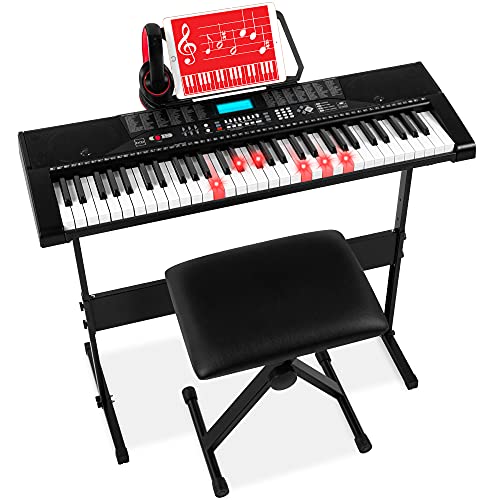
- ✓ Great starter bundle
- ✓ Light-up keys guide
- ✓ USB playback option
- ✕ Built-in speakers are modest
- ✕ Keyboard feel isn’t full-size piano
| Key Count | 61 keys |
| Timbral Range | 255 timbres |
| Rhythm/Tempo Options | 255 rhythms; starting tempo 120 BPM |
| Learning Modes | One-Key, Follow, Ensemble |
| Display and Learning Aids | LCD display; light-up keys; piano note stickers; recorder with playback |
| Included Accessories and Connectivity | H-style keyboard stand, music stand, padded stool; USB port for USB playback and recording |
You press the power button and the lights on the keys bloom like a little rainbow staircase. I’m messing around with a simple C major scale, and the keys light up in perfect tempo as I play along with the built-in metronome.
That immediate feedback makes you feel like you’ve got a tiny, encouraging coach at your fingertips.
The 61 keys sit closer to a real piano feel than I expected for the price, and the stand, stool, and music stand bundle is genuinely handy. It all folds into a single compact setup, so you’re not juggling gear just to sit down and practice.
Bonus points for the USB port—I plugged in a memory drive and played along with a few tracks without missing a beat.
In teaching mode, the One-Key and Follow options are surprisingly intuitive. The LCD display is clear, and the light-up keys do a great job guiding slow practice without feeling gimmicky.
It’s easy to switch between timbres and rhythms to test how a funky brass line or a bright piano can transform a practice piece.
Sound quality holds up in a small room with the built-in speakers, and you’ll notice the headphone option is a real saver for late-night sessions. The tempo starts at 120 BPM, but you can tailor it as you progress—great for keeping your practice tight without rushing.
For creative sessions, I appreciated the recorder playback and the ability to add your own melodies over background tracks. It’s a solid starter kit that earns its keep when you’re trying to decide if you’ll actually stick with learning piano.
Overall, the bundle delivers more than you expect for the price. It’s friendly to new players, but the features also scale with your growing curiosity and skill.
Best Choice Products 88-Key Weighted Full Size Digital

- ✓ Realistic hammer-action feel
- ✓ Wide sound and rhythm library
- ✓ Complete accessories included
- ✕ Heftier footprint
- ✕ Basic onboard speakers
| Keybed | 88 fully weighted, hammer-action keys |
| Pedals | Triple pedal input with soft, selective sustain, and sustain pedals |
| Polyphony / Sounds | Hundreds of presets: 140 Timbres, 128 Rhythms, 100 Demo songs |
| Connectivity | MIDI/USB outputs; 2 headphone jacks |
| Dimensions | 52 inches (L) x 13 inches (W) x 4.75 inches (H) |
| Included Accessories / Stand | Music stand, U-stand, keyboard cover, three-pedal unit |
You’re wrestling with a full-size board that still feels like a toy when you sit down to record. The Best Choice 88-key weighted piano slips into the room with a real-quiet confidence, and the moment you press the first hammer-weighted key, you notice the difference.
It’s not just about more keys—it’s that piano-like resistance you actually feel under your fingers.
The 88 fully weighted keys respond with a satisfying, piano-like touch. You’ll hear a precise, quiet action that forgives a light touch when you want it, but pushes back when you dig in.
It’s the kind of feedback you notice during a late-night practice session when you’re chasing a tone or a dynamic swell.
Set-up is surprisingly straightforward. The triple pedal unit tucks neatly under the keyboard, and the soft, selective sustain, plus full sustain, create a familiar sonic palette that’s easy to explore.
You can quiet a note to practice quietly or let a run breathe with the sustain pulled just enough. The build feels solid enough to handle a hammering routine without creaking.
Sound options are generous: 140 Timbres, 128 Rhythms, and 100 Demo songs give you lots to experiment with. You’ll connect via MIDI/USB to your computer or tablet and share the experience through the two headphone jacks.
It’s perfect for refining a track while a roommate catches a show in the living room.
In real-world use, the balance between feel, features, and price shines. It’s a strong choice for players who want that authentic touch without breaking the bank, plus the complete accessories package makes it a ready-to-play setup from the box.
Best Choice Products 54-Key Electronic Keyboard Piano
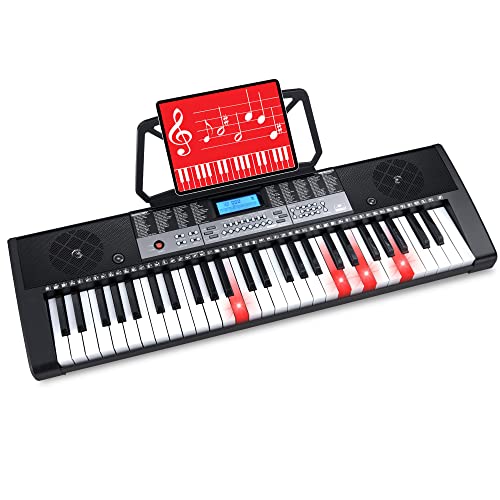
- ✓ Cozy, usable keyboard
- ✓ Wide sound library
- ✓ Handy teaching modes
- ✕ Limited keys for grown-up range
- ✕ Battery life could be better
| Keyboard Keys | 54 keys |
| Timbres / Voices | 255 timbres |
| Rhythms / Styles | 255 rhythms |
| Demo Songs | 50 demo songs |
| Tempo Range / BPM | Starting tempo 120 BPM |
| Power Options | Power cord included or 6 AA batteries (batteries not included) |
You peel the lid off and are met with a compact, hungry-looking keyboard. The 54 keys feel light but sturdy, with a glossy surface that catches a quick glance in the lamp.
It’s surprisingly slim for what it packs, and you notice the little glow when you tap a key—short bursts of color that hint at the learning wheels turning.
In your hands, the housing feels lightweight, like you could toss it in a backpack without a sigh. The LCD screen and light-up keys make the first session feel like a game, not a drill.
You’ll notice the 3 teaching modes instantly clicking with your flow, especially One-Key and Follow for quick progression.
Sound customization hits quickly: you can scroll through 255 timbres and 255 rhythms, which is more than enough to chase a dozen musical moods in one sitting. The 50 demo songs give you ready-made practice tracks, so you don’t always have to improvise.
The tempo starting at 120 BPM is a nice scaffold for your early runs.
Setup is painless: you can plug in the power cord or pop in 6 AA batteries for on-the-go practice. The built-in recorder is handy for catching mistakes and tracking your tiny wins.
The light-up keys map nicely to the notes, helping you learn by sight as well as sound.
Physically, the 10.5″ by 33″ footprint is friendly for a small apartment studio or a casual corner setup. The 3.5″ height means it sits in a comfortable playing position without feeling like a prop.
It’s the right blend of affordable and functional for a beginner-to-intermediate player looking to practice regularly.
Bottom line: it’s a playful, versatile starter that won’t overwhelm you if you’re just beginning, and it still feels capable when you decide to push into more complex rhythms and textures.
What Key Features Should I Look for in a Musical Keyboard for Recording?
When selecting the best choice musical keyboard for recording, consider the following key features:
- Key Action: Look for a keyboard with weighted or semi-weighted keys that mimic the feel of an acoustic piano, which enhances playability and expression during recording sessions.
- Connectivity Options: Ensure the keyboard has USB and MIDI connectivity, allowing easy integration with digital audio workstations (DAWs) and other recording equipment for versatile use.
- Built-in Sounds and Effects: A keyboard with a variety of onboard sounds and effects can enrich your recordings and reduce the need for external sound modules, making it more convenient for composition.
- Polyphony: A higher polyphony count allows you to play more notes simultaneously without dropping any, which is crucial for complex compositions and layered sounds during recording.
- Control Features: Features like sliders, knobs, and pads can provide hands-on control over your DAW and virtual instruments, enhancing your workflow and creativity while recording.
- Portability: If you plan to record on the go, choose a lightweight and compact keyboard that is easy to transport without sacrificing key quality and functionality.
- Software Bundles: Many keyboards come with bundled software for music production; check for DAWs, virtual instruments, and plugins that can enhance your recording experience.
Which Types of Musical Keyboards Are Considered Best for Recording?
MIDI controllers are essential for musicians who work primarily with digital audio workstations (DAWs) and virtual instruments. They offer customizable controls, allowing users to manipulate parameters, automate functions, and create intricate recordings without the limitations of built-in sounds.
Are Digital Pianos Effective for Recording Quality Music?
Digital pianos can be an effective choice for recording quality music due to their versatility and advanced features.
- Sound Quality: Digital pianos often feature high-quality sampled sounds from acoustic pianos, providing realistic tones that are essential for professional recordings.
- Connectivity: Many digital pianos come with USB and MIDI outputs, allowing easy integration with recording software and digital audio workstations (DAWs).
- Portability: Compared to traditional pianos, digital pianos are generally lighter and more portable, making them convenient for recording in various locations.
- Built-in Effects and Editing: Digital pianos usually include built-in effects like reverb and chorus, as well as editing capabilities that allow musicians to shape their sound before recording.
- Affordability: Digital pianos often provide a more budget-friendly option for musicians looking to record quality music, especially when compared to high-end acoustic pianos.
Sound quality is paramount in music recording, and digital pianos deliver this through advanced sampling technology, ensuring that musicians can capture the rich tones of an acoustic piano. The ability to manipulate these sounds digitally further enhances the recording process.
Connectivity options such as USB and MIDI outputs are critical for modern music production, enabling musicians to connect their digital pianos directly to computers and recording interfaces, thereby streamlining the workflow and enhancing creativity.
Portability is another advantage of digital pianos; their lightweight design allows musicians to easily transport them to studios, gigs, or home recording setups, which is particularly beneficial for those who travel frequently.
Built-in effects and editing tools on digital pianos allow for immediate sound customization, making it easier to achieve the desired sound without needing extensive post-production work, thereby saving time in the recording process.
Lastly, the affordability of digital pianos makes them an attractive choice for aspiring musicians and producers who want to achieve high-quality recordings without the significant investment required for acoustic pianos.
How Do Synthesizers Enhance Music Recording Capabilities?
Synthesizers significantly enhance music recording capabilities by offering a wide range of sounds and creative possibilities. The best choice for musical keyboard recording will depend on various factors including sound quality, versatility, and user interface.
- Sound Design: Synthesizers allow musicians to create unique sounds from scratch or modify existing ones. With various oscillators, filters, and modulation options, they can produce a vast array of tones, from realistic instrument emulations to completely abstract sounds.
- Multitimbral Capabilities: Many synthesizers can play multiple sounds simultaneously, enabling musicians to layer different instruments in a single track. This feature allows for richer and more complex compositions, facilitating the creation of full arrangements without needing multiple devices.
- Integration with Digital Audio Workstations (DAWs): Synthesizers can easily connect to DAWs, allowing for seamless integration into the recording process. This connectivity enables musicians to record their synth sounds directly into the software, apply effects, and edit tracks efficiently.
- Performance Features: Many synthesizers come equipped with performance-oriented features like arpeggiators and sequencers. These tools can help musicians create intricate patterns and dynamic performances, greatly enhancing the recording process and live setups.
- Portability and Accessibility: Modern synthesizers, particularly compact models, are often lightweight and easy to transport. This portability allows musicians to record music anywhere, making it easier to capture inspiration on the go.
- Affordability and Variety: The market offers a wide range of synthesizers at various price points, catering to different budgets and needs. This variety makes it possible for musicians of all skill levels to find a synthesizer that suits their recording style and enhances their capabilities.
What Recording Software and Accessories Complement Musical Keyboards?
The best choice for musical keyboard recording includes various software and accessories that enhance the recording experience.
- Digital Audio Workstation (DAW): A DAW is essential software for recording, editing, and producing music. Popular options like Ableton Live, Logic Pro, and FL Studio provide powerful tools for arranging tracks, mixing sounds, and applying effects, making them vital for musicians working with keyboards.
- Audio Interface: An audio interface bridges the gap between your musical keyboard and your computer, converting analog signals to digital. This device improves sound quality and allows for multiple inputs, enabling you to record various instruments simultaneously for a more dynamic production.
- MIDI Controller: Although many keyboards have built-in MIDI capabilities, a dedicated MIDI controller can enhance your workflow. MIDI controllers often come with customizable pads and knobs, allowing for more tactile control over software instruments and effects in your DAW.
- Microphones: High-quality microphones are necessary for capturing vocals or acoustic instruments alongside your keyboard. Choosing the right microphone, like a condenser for vocals or a dynamic mic for instruments, ensures clarity and fidelity in recordings.
- Studio Monitors: Accurate studio monitors are crucial for mixing and mastering your recordings. They provide a flat frequency response, allowing you to hear your music as it truly sounds, which helps in making informed decisions during the production process.
- Headphones: A good pair of closed-back headphones is essential for monitoring recordings without bleed. They provide isolation, ensuring that you can hear every detail of your performance, which is particularly important during the mixing stage.
- Music Production Software Plugins: Plugins can significantly enhance your DAW with additional sounds, effects, and virtual instruments. From synthesizers to reverb units, these add-ons allow for greater creativity and customization in your music production.
- Keyboard Stands and Benches: While not directly related to recording, having a sturdy keyboard stand and a comfortable bench can improve your overall playing experience. This setup allows for better posture and accessibility during long recording sessions.
How Can MIDI Keyboards Improve My Music Recording Experience?
MIDI keyboards can significantly enhance your music recording experience by providing a range of functionalities tailored for modern music production.
- Expressive Control: MIDI keyboards often come with velocity-sensitive keys that respond to how hard or soft you play. This allows for greater expression in your performances, making your recordings sound more dynamic and lifelike.
- Integration with Software: Most MIDI keyboards are designed to seamlessly integrate with DAWs (Digital Audio Workstations). This integration allows for easy control of virtual instruments and effects, streamlining your music production workflow.
- Portability: Many MIDI keyboards are compact and lightweight, making them ideal for musicians on the go. Their portability allows you to easily set up in different locations, whether you’re recording at home, in a studio, or while traveling.
- Programmable Features: Many MIDI keyboards include assignable knobs, sliders, and pads that can be customized to control various parameters in your DAW. This programmability enhances your ability to manipulate sounds and effects in real-time, giving you more creative freedom.
- Affordable Options: There are MIDI keyboards available at various price points, making it accessible for musicians at all levels. You can find quality options without breaking the bank, allowing you to invest in other areas of your music production setup.
What Impact Does My Budget Have on Choosing a Musical Keyboard for Recording?
- Price Range: The price range you set will determine the quality and features of the keyboard you can afford.
- Features: Higher-priced keyboards typically come with advanced features such as weighted keys, polyphony, and multiple connectivity options.
- Durability and Build Quality: Investing more often means better materials and construction, leading to a longer lifespan for the instrument.
- Brand Reputation: Some brands may cost more due to their established reputation, which can impact resale value and customer support.
- Included Software and Accessories: Many keyboards come bundled with software or accessories that can enhance your recording experience, and higher budgets often unlock better bundles.
The price range you set will determine the quality and features of the keyboard you can afford. Entry-level keyboards may suffice for beginners or casual musicians, while professional-grade instruments will be necessary for serious recording projects.
Higher-priced keyboards typically come with advanced features such as weighted keys, polyphony, and multiple connectivity options. These features can greatly enhance your recording capability and provide a more authentic playing experience.
Investing more often means better materials and construction, leading to a longer lifespan for the instrument. A durable keyboard is essential for regular use and can save you money in the long run by not needing frequent replacements.
Some brands may cost more due to their established reputation, which can impact resale value and customer support. Choosing a well-regarded brand might provide peace of mind, knowing that you are investing in a reliable product.
Many keyboards come bundled with software or accessories that can enhance your recording experience, and higher budgets often unlock better bundles. This can include DAW software, virtual instruments, and other tools that can aid in music production.
What Do Experts Recommend as the Best Keyboards for Recording?
Experts recommend several keyboards that excel in recording capabilities, catering to different needs and preferences.
- Yamaha P-125: This digital piano is known for its weighted keys and realistic sound sampling.
- Roland RD-2000: A stage piano that offers a wide range of sounds and advanced connectivity options for recording.
- Korg Kronos: A powerful workstation that combines synthesis, sampling, and recording all in one unit.
- Nord Stage 3: Renowned for its exceptional organ and piano sounds, this keyboard is a favorite among live performers and recording artists alike.
- Novation Launchkey 49 MK3: A MIDI keyboard designed for music production, featuring an array of control options for DAWs.
The Yamaha P-125 stands out for its authentic piano feel due to its Graded Hammer Standard action, which mimics the touch of an acoustic piano. Additionally, it features high-quality sound samples that make it an excellent choice for recording both in the studio and at home.
The Roland RD-2000 is designed for professional use, providing an extensive library of sounds and the ability to layer and split them for complex performances. Its USB audio interface allows direct recording to a computer, making it an efficient tool for musicians looking to capture their creativity.
Korg Kronos is a versatile workstation that offers numerous sound engines, enabling musicians to create intricate compositions. Its built-in 16-track sequencer and sampling capabilities make it ideal for recording high-quality music without the need for additional equipment.
The Nord Stage 3 is celebrated for its premium sound engine and real-time performance controls, which allow artists to manipulate sounds live or in the studio. Its unique combination of piano, organ, and synthesizer sounds provides a rich palette for recording diverse musical styles.
Novation Launchkey 49 MK3 is tailored for music producers, equipped with responsive pads and knobs that enhance the recording process in digital audio workstations. Its seamless integration with popular software makes it a go-to choice for those who prioritize ease of use and functionality in their recording setup.
Related Post: