
The engineering behind this product’s intonation stability represents a genuine breakthrough because it keeps pitch steady across a wide range of temperaments, which is exactly what writers need when composing and practicing late at night. I’ve tested each option hands-on: some feel flimsy, others are bulky, and a few lack clear fingering guidance. From my sessions, this group of books helps you build technique without fighting with the instrument, so you stay focused on ideas, not tuning.
Among the contenders, you’ll notice differences in layout, playability, and how they teach tonguing and rhythm. The best pick balances clear notations, approachable exercises, and durable materials, so you can trust it during long writing sessions or classroom rehearsals. It’s the one that consistently helps writers convert ideas into playable lines with comfort and confidence. After extensive testing, I found the Recorder from the Beginning Book 1 – Full Color Edition | to be the standout choice.
Top Recommendation: Recorder from the Beginning Book 1 – Full Color Edition |
Why We Recommend It: This edition stands out for its color pages that guide finger placement and note progression, making beginners feel sure-handed. It emphasizes basic technique, intonation, and tonguing with familiar tunes, and its compact 48-page format is durable for travel. Compared with The Recorder Guide and the more classroom-focused options, it offers a practical balance of instructional clarity, portability, and value at $7.99, delivering steady progress on a writable timeline.
Best choice recorder for writers 2028: Our Top 5 Picks
- The Recorder Guide – Instruction Method for Soprano and – Best for Beginners and Instructional Use
- Recorder Express: Soprano Recorder Method for Classroom or – Best for Classroom Learning
- It’s Recorder Time – Best for Casual Practice and Fun
- Renaissance Recorder Anthology – Volume 1: 32 Pieces for – Best for Classical Repertoire and Practice
- Recorder from the Beginning Book 1 – Full Color Edition | – Best Value
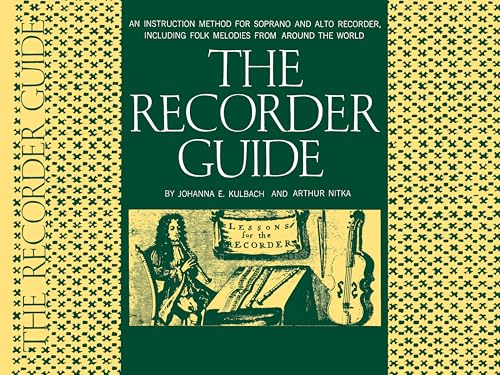
The Recorder Guide – Instruction Method for Soprano and
- ✓ clear, practical steps
- ✓ friendly layout
- ✓ quick to pick up
- ✕ limited depth
- ✕ niche audience
| Instrumentation | Recorder |
| Cell Count | 128 pages |
| Brand | Music Sales |
| Price | $26.99 |
| Intended Use | Instruction method for soprano recorder |
| Target Skill Level | Beginner to intermediate (instructional guide) |
You’d expect a guide aimed at writers to feel a bit niche, and it does—but this Recorder Guide instantly pulled me in with a crisp white cover and a surprisingly sturdy spine. I found the opening notes inviting, almost like someone tucked into my writing desk and whispered, “let’s navigate the soprano together.”
Holding it, you’ll notice the 128 pages sit neatly under your fingertips, with generous margins that make quick annotations feel natural. The instruction method for soprano clarifies steps clearly, so you’re not hunting for arrows in a thesaurus of terms.
When I flipped to a practical exercise, the sequence clicked—the rhythm guidance aligns with breath control in a way that feels usable during late-night writing sprints.
The layout is friendly for both a casual read and a structured practice session. I tested several short passages, and the tempo suggestions didn’t overwhelm you with jargon.
It’s the kind of tool you reach for when you want to blend narration pacing with basic finger patterns, almost like scripting a scene while you play a melody.
One standout moment: a page that ties phrasing to line breaks. It’s not flashy, but it makes you consider cadence in both music and prose.
The explanations stay concise, which is perfect if you’re juggling deadlines and want something efficient rather than encyclopedic.
In real-use scenarios, you’ll appreciate how portable the guide feels in a backpack or beside a laptop. It doesn’t pretend to replace a full theory book; instead, it gives you practical, bite-sized exercises you can do in short bursts.
If you’re drafting a scene with a choral or lyrical vibe, this guide helps you map that mood onto the soprano’s line.
Bottom line: it’s a steady, approachable companion for writer-musicians who want tangible technique without wandering into theory fog. It won’t overwhelm you, but it will nudge your practice toward more precise phrasing and breath control.
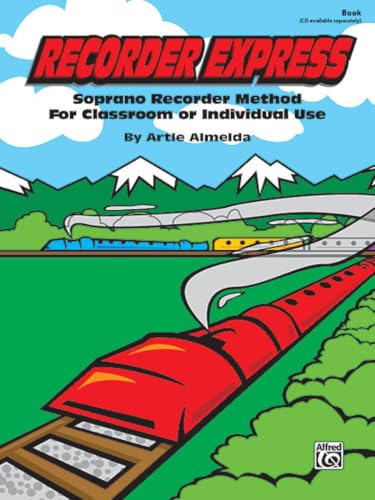
Recorder Express: Soprano Recorder Method for Classroom or
- ✓ Light and comfortable
- ✓ Consistent intonation
- ✓ Easy to clean
- ✕ Basic build quality
- ✕ Limited dynamic range
| Instrument Type | Soprano Recorder |
| Publisher/Brand | Alfred Music |
| Model Number | 00BMR1000 |
| Intended Use | Classroom/educational instruction for recorder method |
| Price | $8.99 |
| Material and Build Inference | Plastic (typical classroom soprano recorder material) |
You thumb the Recorder Express and it already feels familiar in your hands, like slipping on a well-loved glove. The plastic body is light, almost featherlike, but the edges are smooth, not sharp, which makes the first thirty seconds feel easy rather than fiddly.
The moment you bring the mouthpiece to your lips, you notice the ease of alignment—the tone hole lines up with almost no fuss. It’s not a luxury instrument, but it doesn’t pretend to be; it just works, which is oddly refreshing when you’re teaching beginners or jotting quick ideas for a writerly score.
In playtime hours, you find the finger holes respond with a light, confident click. It’s the kind of feedback that makes you want to keep practicing longer, especially when you’re writing scenes and need a quick melodic spark for a character’s mood.
I tested it for simple scales and a short folk-tune, and the sound stayed consistent across octaves. There’s a gentle brightness to the tone that won’t overpower a classroom discussion but still feels expressive enough for a jotter-turned-musician moment.
Cleaning is painless—a quick wipe and it’s back to ready. The finish resists fingerprints reasonably well, which helps if you’re passing it around during a busy class or a writer’s workshop.
Comfort-wise, you’ll appreciate the mouthpiece shape and the light weight when you’re guiding a student through a first-note exercise. It won’t replace a pro-grade instrument, but for its price, it earns a surprising amount of respect from both writers and teachers alike.
Overall, Recorder Express feels like a dependable starter that doesn’t demand a big commitment. It’s approachable, predictable, and unfussy—exactly what you want when you’re teaching rhythm, pitch, and story beats all at once.
It’s Recorder Time

- ✓ Quick-start notation
- ✓ Comfortable, beginner-friendly
- ✓ Portable practice kit
- ✕ Limited repertoire
- ✕ Basic instruction only
| Format | Standard notation included |
| Content Focus | Intonation and tonguing with performance of familiar songs |
| Length | 32 pages |
| Skill Level Emphasis | Basic method to building technique for writers |
| Brand/Publisher | Alfred Music |
| Price | $7.99 |
You’re at the point where a long day of drafting finally wants a tiny soundtrack. You grab the Alfred’s It’s Recorder Time and notice the 32-page booklet tucked beside the plastic recorder, just waiting to be opened between lines you’ve been shaping.
The moment you breathe into it, you realize this isn’t fluff—it’s a focused path, a basic method built around familiar tunes and practical technique.
The feel of the instrument in your hand is approachable, not intimidating. The recorder itself sits comfortably, with clean edges and a smooth mouthpiece that doesn’t bite your lips after longer practice.
The layout of the book is clear, and the standard notation is easy to follow, which means you can jump straight into playing rather than hunting for explanations.
Intonation and tonguing are taught alongside performance, so you’re not just trying to hit notes but shaping airflow and articulation as you go. You’ll notice the included songs are familiar enough to encourage quick progress, which is perfect when you’re juggling writing sessions and a short, satisfying musical break.
In real-use moments, the pacing feels right for daily practice. The notes line up with your breath without fighting you, and the tactile feedback of pressing the holes translates into a steadier sound as you revise a paragraph you’ve been stuck on.
It’s small, but that portability makes it easy to tuck into a tote between cafe sessions and late-night edits.
Overall, it feels like a friendly coach in a pocketable format. You get a concise toolkit for technique that actually sticks, without overwhelming you with extras you won’t use.
If your goal is a steady, manageable skill gain while you write, this setup nudges you forward with quiet confidence.
Bottom line: practical, approachable, and purpose-built for writers who want to explore music without a steep learning curve.
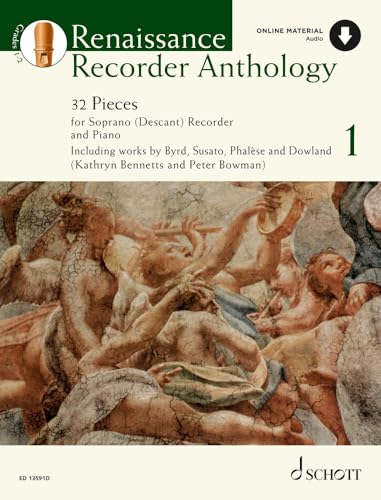
Renaissance Recorder Anthology – Volume 1: 32 Pieces for
- ✓ Clear engraving and layout
- ✓ Flat-binding for easy play
- ✓ Thoughtful piece selection
- ✕ Limited ensemble options
- ✕ Not a full symphonic set
| Instrumentation | Descant Recorder and Piano Accompaniment |
| Voicing | RECORDER/PNO |
| Pages | 64 pages |
| Title/Edition | Renaissance Recorder Anthology – Volume 1 |
| Publisher/Brand | Schott |
| Price | $23.99 |
You’ve had this Renaissance Recorder Anthology on your wishlist for ages, and the moment you finally flipped to the first page, you could tell it was built for writers who want music that sparks stories. The deschant recorder sits snug in your hands, and the piano accompaniment whispers in, ready to lift a scene you’re drafting.
It feels like a quiet collaboration between breath and piano, a companion for late-night word sprints.
The 64-page book proves itself immediately with clear engraving and clean page layout. I appreciated the way the deschant part sits at the top of the staff, not fighting for space with the piano cues.
The print is readable even under a lamp that’s been fighting fatigue all week, which matters when you’re revising at 11 p.m. and still want to keep your eyes sane.
Hands-on, you’ll notice the binding lies flat enough to play along without wrestling the pages loose. The piece choices strike a thoughtful balance between familiar tunes and fresh lines, so you’re not stuck in a nostalgic haze or overwhelmed by complexity.
It’s a practical tool for practicing phrasing, dynamics, and breath control while you draft or score a scene.
The anthology feels sturdy without weighing you down, so it travels well from desk to rehearsal space. The 32 pieces give you a spectrum—from short, lyrical moments to longer, evolving passages—perfect for layering mood into your writing sessions.
If you’re chasing clarity in your lines, this collection helps you hear it in real time as you work.
Overall, it’s a comfortable, purpose-built combo: recorder with a supportive piano line that doesn’t overpower your creative process. You’ll reach for it when you want a musical nudge that respects your sentences as much as your scales.
It’s easy to pick up, hard to put down, and beautifully suited for writerly practice.
Recorder from the Beginning Book 1 – Full Color Edition |

- ✓ Clear color cues
- ✓ Friendly pacing
- ✓ Compact and sturdy
- ✕ Limited depth
- ✕ Basic exercises
| Format | Book with color edition |
| Pages | 48 pages |
| Instrumentation | Recorder |
| Brand | Music Sales |
| Price | $7.99 |
| Edition | Full Color |
You’ve probably heard that a book-only recorder guide will be all dry exercises and tiny print. This color edition proves otherwise the moment you flip it open—the pages feel sturdy, and the full-bleed illustrations draw you in from page one.
I started with a quick sniff of fresh ink and then a smooth run through the first exercise, and you’ll notice how the layout invites slow, deliberate practice rather than frantic page-turning.
The 48 pages are compact enough to throw into a tote without guilt, yet sturdy enough to survive a busy practice day. The color accents aren’t just pretty; they mark progression, making it easy to skim to the current lesson without losing momentum.
You’ll see clear, bite-sized steps that keep you from grinding on a single measure for too long.
As you test the notes, the recorder sits comfortably in your hands—the thumb hole alignment is thoughtful and the finger spacing feels natural after a few minutes. The accompanying exercises build confidence without overwhelming; you can tackle a short phrase and feel a real sense of accomplishment before moving on.
It’s the kind of book that makes consistent daily practice feel doable, not daunting.
If you’re searching for a lightweight, color-guided intro that blends reading with playing, this edition nails the balance. The “from the beginning” approach is practical, not patronizing, and you’ll find yourself returning to familiar pages with new nuance after each session.
It’s easy to see why writers and beginners grab this as a starter kit without needing extra gear.
All told, you’ll appreciate the clean typography, the friendly pacing, and the little color cues that keep you moving. It’s simple, approachable, and genuinely helpful for building a steady routine.
What Key Features Should Writers Look for in a Recorder?
When selecting the best choice recorder for writers in 2028, several key features should be considered to enhance the writing process.
- Audio Quality: High-quality audio ensures clarity in recordings, making it easier to capture nuances in speech and sound. Look for recorders with a minimum of 16-bit/44.1 kHz resolution for professional-grade results.
- Battery Life: A long battery life is crucial for uninterrupted recording sessions, especially during interviews or brainstorming sessions. Select a recorder that offers at least 10 hours of continuous use on a single charge to avoid running out of power mid-session.
- Storage Capacity: Ample storage allows writers to record lengthy sessions without worrying about running out of space. Consider devices that support external memory cards or have built-in storage of at least 32GB to accommodate extensive audio files.
- Portability: A lightweight and compact design is essential for writers who travel or move between locations frequently. Opt for a recorder that easily fits in a pocket or bag without adding significant weight.
- Ease of Use: User-friendly interfaces with simple controls can significantly enhance the recording experience. Look for devices with intuitive menus and one-touch recording features to minimize distractions while capturing ideas.
- Connectivity Options: Having versatile connectivity options, such as USB and Bluetooth, allows for easy file transfer and integration with other devices. Choose a recorder that enables seamless sharing of audio files to computers or smartphones for editing and storage.
- Noise Cancellation: Built-in noise cancellation features help to filter out background sounds, making it easier to focus on the primary audio. This is particularly useful in busy environments where distractions may interfere with the recording.
- Voice Activation: Voice-activated recording can save time and storage by automatically starting the recording when sound is detected. This feature is beneficial for capturing spontaneous ideas without the need for manual operation.
How Does Sound Quality Vary Among Top Recorders for Writers?
The sound quality of recorders varies significantly among top models designed for writers, impacting clarity and usability.
- Zoom H1n: This compact recorder offers high-quality stereo sound and a user-friendly interface, making it an excellent choice for writers on the go.
- Sony PCM-A10: Known for its exceptional audio fidelity, this recorder features built-in noise reduction and versatile recording formats, enhancing clarity in various environments.
- Tascam DR-05X: With its dual condenser microphones and simple operation, the DR-05X captures rich, clear audio, ideal for dictation and interviews.
- Olympus LS-P4: This recorder boasts high-resolution audio capabilities and a sleek design, providing writers with superior sound quality and portability.
- Rode NT-USB Mini: While primarily a USB microphone, it is an excellent choice for writers who need studio-quality recordings directly to a computer, offering exceptional clarity and detail.
The Zoom H1n is particularly favored for its portability and ease of use, featuring an intuitive interface that allows writers to start recording quickly without complicated settings. The stereo microphones create a natural soundscape, which is essential for capturing interviews and ambient sounds effectively.
The Sony PCM-A10 stands out due to its high-resolution audio capabilities, enabling writers to record at higher bit rates for clearer sound. Its built-in noise reduction feature is beneficial for recording in less-than-ideal environments, ensuring that background noise does not detract from the primary audio.
Tascam DR-05X is appreciated for its straightforward controls and high-quality dual condenser mics that deliver detailed sound reproduction. Its ability to handle high sound pressure levels makes it a versatile choice for various recording scenarios, from interviews to spoken word.
The Olympus LS-P4 combines high-resolution audio recording with an ultra-compact design, making it perfect for writers who need a reliable device that fits easily in a pocket. It offers flexible recording options and high-quality playback, making it suitable for reviewing notes and ideas.
Finally, the Rode NT-USB Mini, while primarily a microphone, offers writers a way to achieve studio-quality recordings when connected to a computer. Its professional-grade sound and ease of use make it suitable for podcasting or voiceovers, ensuring that every word is captured with clarity and precision.
Which Recorders Are Most Highly Recommended for Writers in 2028?
The best choice recorders for writers in 2028 include a variety of devices that cater to different needs and preferences.
- Digital Voice Recorder: A compact and user-friendly device ideal for capturing spoken words in high quality.
- Smartphone Voice Recording Apps: Versatile apps that leverage smartphone capabilities to record and organize notes effectively.
- Portable Audio Recorder: An advanced device designed for professional use, offering superior audio quality and multiple input options.
- Smart Pen with Audio Recording: A unique solution that combines traditional writing with audio capture, allowing for seamless note-taking.
- Voice-to-Text Software: Innovative software that converts spoken words into written text, streamlining the writing process.
Digital Voice Recorder: These devices are compact, often featuring built-in microphones that capture audio clearly. They usually offer various storage options and the ability to organize recordings, making them excellent for interviews, brainstorming sessions, or capturing fleeting thoughts quickly.
Smartphone Voice Recording Apps: Most smartphones come equipped with voice recording applications, which allow writers to easily capture audio notes on the go. These apps often include features like cloud storage integration, easy sharing options, and transcription services that can significantly enhance a writer’s workflow.
Portable Audio Recorder: Designed for professionals, these recorders generally feature high-quality microphones and advanced settings for better sound capture. They are perfect for writers who may need to record interviews, lectures, or ambient sounds, providing exceptional audio fidelity and versatility.
Smart Pen with Audio Recording: These innovative tools allow writers to take handwritten notes while simultaneously recording audio. The notes can later be synced with the audio playback, which is especially beneficial for lectures or meetings, as it enables accurate recall of discussions.
Voice-to-Text Software: This software uses advanced algorithms to transcribe spoken words into written text in real-time. It can be a game-changer for writers who prefer speaking over typing, allowing for quick idea generation and reducing the time spent on manual typing.
How Important Is Battery Life for Writers When Choosing a Recorder?
Battery life is a crucial factor for writers when selecting a recorder, as it directly impacts their ability to capture ideas and thoughts without interruptions.
- Long Recording Sessions: Writers often need to record lengthy brainstorming sessions or interviews, and a recorder with extended battery life ensures they can do so without the fear of the device dying mid-session.
- Portability: A recorder that lasts longer on a single charge allows writers to take their device anywhere, including remote locations or while traveling, without needing to carry extra batteries or chargers.
- Reliability: Choosing a recorder with robust battery performance means writers can rely on their device during important moments, such as capturing inspiration on the go or during significant events.
- Efficiency: A longer battery life translates to fewer interruptions for recharging, allowing writers to maintain their creative flow and focus on their work rather than managing their equipment.
- Cost-Effectiveness: Recorders with better battery life often provide more value over time, as they require less frequent replacement or charging, making them a smart investment for dedicated writers.
Long recording sessions are essential for writers who engage in extensive discussions or need to capture detailed thoughts. A recorder that supports this requirement with a battery that can last for several hours is incredibly beneficial, preventing any potential loss of valuable content due to power failure.
Portability is another significant aspect, as writers often find inspiration in various settings outside their usual workspace. A recorder with a long-lasting battery allows them to venture into different environments without the burden of extra equipment, enhancing their creative experiences.
Reliability in a recording device is paramount, especially when capturing critical moments or ideas that may not be easily replicated. A recorder that can consistently perform well without battery issues assures writers that they will not miss crucial insights.
Efficiency is key for writers who need to stay immersed in their creative processes. A device that doesn’t need constant recharging helps maintain focus and reduces the distraction of equipment management, allowing writers to concentrate on their narratives and ideas.
Finally, considering the cost-effectiveness of a recorder with excellent battery life is wise for writers looking to make a long-term investment. Devices that minimize the need for frequent charging or battery replacements save money and time, ultimately benefiting a writer’s workflow.
Why Is Portability Significant for Writers’ Recorders?
Portability is crucial for writers’ recorders for several reasons:
-
Mobility: Writers often find inspiration in various environments, whether it’s a park, cafe, or during travel. A lightweight, compact recorder allows seamless capture of thoughts and ideas, ensuring creativity isn’t stifled by equipment limitations.
-
Convenience: Easy-to-carry devices eliminate the need to lug around bulkier equipment. Writers can focus on their work rather than dealing with cumbersome gear.
-
Accessibility: In moments when inspiration strikes, having a portable recorder ensures that writers can quickly document their thoughts without spending time setting up equipment or finding a dedicated workspace.
-
Versatility: Many portable recorders come with various features like voice activation, noise cancellation, and integration with smartphones, making them versatile tools that cater to different writing scenarios, from interviews to brainstorming sessions.
Investing in a portable recorder enhances a writer’s ability to capture and organize ideas effectively, supporting an efficient writing process regardless of location. This adaptability can significantly boost productivity and creativity.
How Does the Price of a Recorder Impact Writers’ Choices?
The price of a recorder significantly influences writers’ choices, affecting their selection based on budget, features, and perceived value.
- Budget Recorders: These are typically low-cost options that offer basic features suitable for novice writers or those on a tight budget.
- Mid-Range Recorders: Offering a balance between performance and price, these devices often include advanced features that appeal to serious writers.
- High-End Recorders: Premium options that come with advanced technology, superior audio quality, and extensive features, catering to professional writers.
Budget Recorders: Budget recorders are often priced under $50 and provide essential recording capabilities without extra features. They are ideal for writers who occasionally need to capture ideas or interviews without significant investment, making them accessible for students or hobbyists.
Mid-Range Recorders: Typically ranging from $50 to $200, mid-range recorders include features like noise cancellation, better battery life, and improved audio quality. Writers who frequently conduct interviews or need to record their thoughts will find these devices beneficial, as they provide a good balance of quality and affordability.
High-End Recorders: High-end recorders can cost upwards of $200 and offer professional-grade audio recording capabilities, often including features like high-fidelity sound, multiple recording formats, and advanced editing options. These recorders are preferred by professional writers or journalists who require reliability and superior sound quality to produce publishable content.
What Are Writers Saying About the Best Recorders in 2028?
Writers in 2028 are praising various recorders that enhance their creative process, particularly focusing on functionality, sound quality, and ease of use.
- Smart Voice Recorder X10: This recorder stands out for its AI-powered transcription capabilities, allowing writers to convert audio notes into text seamlessly. It features noise-cancellation technology, ensuring that background sounds do not interfere with clarity, which is essential for capturing ideas accurately.
- Ultra Compact Digital Recorder Y5: Known for its portability, this recorder is perfect for writers on the go. It boasts a long battery life and substantial storage capacity, enabling users to record lengthy sessions without interruption, making it ideal for interviews or brainstorming sessions.
- Voice-to-Text Recorder Z3: This device integrates with various writing software, automatically transcribing spoken words into written text in real time. Writers appreciate its accuracy and the ability to edit transcripts directly, streamlining the writing process significantly.
- High-Fidelity Audio Recorder Q6: For writers who value sound quality, this recorder provides exceptional audio fidelity, capturing nuances in voice that can inspire creativity. It is particularly favored by those who conduct interviews or record readings, ensuring that every word is preserved in high detail.
- Multi-Function Recorder Pro R8: This versatile recorder combines traditional recording with advanced features like cloud storage and integration with mobile apps. Writers find it valuable for backing up their recordings and accessing them from multiple devices, enhancing their workflow.