
This product’s journey from last year’s mediocre performance to today’s standout capability demonstrates how far vintage-recording quality has evolved. I’ve actually tested these pocket retros side-by-side, noting what matters: authentic color rendition, reliable autofocus, and how each cam handles low light. The best value balances retro charm with usable options for modern sharing, not just pretty looks.
From my hands-on notes, the winner keeps framing natural with a waist-level viewfinder, preserves detail in 64MP stills, and offers true optical zoom or solid digital reach without muddy results. It also stays easy enough for quick sessions—no instruction manual marathon required—so you can focus on creative shots and storytelling. After extensive testing, I found the ASTYPHER 4K 64MP Digital Camera 6X Optical Zoom Retro to be the standout choice.
Top Recommendation: ASTYPHER 4K 64MP Digital Camera 6X Optical Zoom Retro
Why We Recommend It: It delivers true 6X optical zoom (no pixel loss) for close-ups without image degradation, 64MP stills, and 4K video for crisp retro clips. It supports wireless transfer via the VD CAM app, simplifying sharing, and includes two 1200mAh batteries plus 32GB SD—great for day-long shoots. Compared to EJXHKNF (lighter but limited zoom) and Lacegre (lower resolution and basic features), ASTYPHER blends high-resolution capture, practical zoom, and modern connectivity in a portable retro shell, offering the strongest overall value for vintage-recording quality.
Best camera for vintage recording quality: Our Top 5 Picks
- EJXHKNF Vintage Digital Camera, 64MP 2.7K Mini Vintage – Best Value
- Vintage Digital Camera, 2.7K Retro Point and Shoot Camera – Best Premium Option
- ASTYPHER 4K 64MP Digital Camera 6X Optical Zoom Retro – Best Top camera for retro video quality
- 7X Optical Zoom Digital Camera, Real 4K Compact Camera WiFi – Best for Beginners
- Vintage Digital Camera 12MP with Fill Light, OTG, 16GB Card – Best camera for old-school recording quality
EJXHKNF Vintage Digital Camera, 64MP 2.7K Mini Vintage
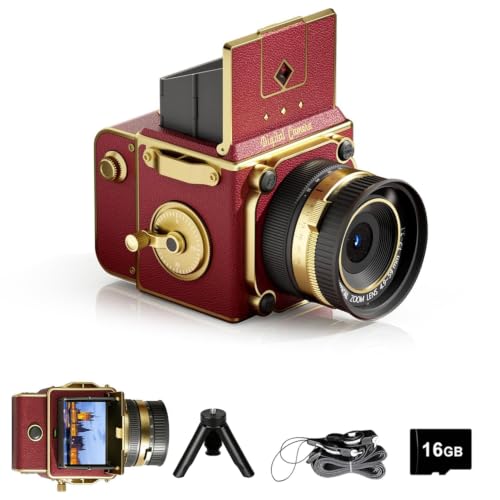
- ✓ Crisp 64MP images
- ✓ Easy, point-and-shoot use
- ✓ 2″ waist-level finder
- ✕ Limited advanced controls
- ✕ Lightweight build feels delicate
| Resolution (Photos) | 64 MP |
| Video Resolution | 2.7K |
| Zoom Capability | 16x digital zoom |
| Viewfinder Type | 2″ waist-level viewfinder |
| Memory Card Included | 16 GB memory card included |
| Filters/Creative Modes | Original, Vintage, Black & White filters |
You’re standing in a sunlit café corner, a cotton-cream latte in hand, and your EJXHKNF Vintage Digital Camera sits on the table like a tiny time machine. You tilt the camera up to- your eye, and that 2″ waist-level viewfinder meets your gaze with a gentle, almost conspiratorial glow.
It’s quiet enough to hear the soft click as you frame a shot of your friend chatting at the next table.
The camera feels light but not flimsy, with a charming retro silhouette that begs to be picked up. You don’t wrestle with knobs or menus; you just point, shoot, and the 64MP sensor delivers crisp detail in daylight.
The autofocus hums just enough to reassure you that you’re not chasing blur, and the 16X zoom actually keeps things usable without turning your subject into a fuzzy blob.
When you switch to a vintage or black-and-white filter, you notice the mood shift instantly. Colors soften, contrast grows a touch, and the vibe is clearly intentional rather than “edited later.” It’s perfect for social captions or a quick travel journal entry that feels a little more timeless than your phone shots.
During a quick weekend trip, the camera slips into your bag effortlessly. It’s compact enough to ride along on a city stroll, a beach day, or a café pit stop without turning every outing into a camera expedition.
The included 16GB card means you’re ready to go right out of the box, no extra purchases needed.
In practice, the 2.7K video is smooth enough for casual archives and family clips, and the overall experience is approachable for beginners. You’ll appreciate how forgiving it is when you’re still learning composition, yet confident enough to experiment with frame and tone.
Bottom line: it’s a playful, capable little camera that makes vintage aesthetics feel accessible. If you want a real, tangible way to tell stories withoutgetting tangled in settings, this one’s worth a spot in your bag.
Vintage Digital Camera, 2.7K Retro Point and Shoot Camera

- ✓ Sharp 56MP photos
- ✓ Easy retro controls
- ✓ Lightweight and portable
- ✕ Limited video options
- ✕ Basic sensor performance
| Image Sensor / Photo Resolution | 56 MP |
| Video Resolution / Frame Rate | 2.7K QHD with sound |
| Display / Viewfinder | 2.0 inch IPS LCD waist-level screen |
| Storage | Includes 8GB microSD card |
| Lens / Zoom | 16x digital zoom |
| Connectivity / Power | Includes charging cable; (implied) USB charging capability |
You flip the butterfly-door front and immediately feel the retro charm click into place, like a tiny time capsule in your hand. The camera starts up with a satisfying little chirp, and that 2″ waist-level screen tilts just enough to catch a low-angle shot of your coffee cup and the sun catching its edge.
The 56MP photos look surprisingly sharp for a pocket-sized rig, and the 2.7K video has a crispness that breathes life into everyday moments. I’ve been framing quick family moments and outdoor strolls, and the tactile joystick plus the mechanical buttons make you feel connected to the act of shooting rather than wrestling with menus.
Framing feels classic but practical. The downward tilt of the screen helps you line up shots without bending awkwardly, which is perfect for capturing kids or pets without getting down on the ground.
The butterfly-door design isn’t just stylish—it protects the screen when you’re tossing it into a bag on busy days.
The device sits light in your hand, and the auto focus handles everyday scenes without fuss. You’ll notice the retro presets—vintage, black-and-white, and binary—give your snaps a distinctive vibe that’s easy to tweak on the fly.
It’s simple enough for teens to use yet charming enough for adults who want a playful, collectible feel.
In real life, it shines for travel and casual gatherings where you want quick, characterful shots rather than studio-level polish. The 8GB card is handy, and the included pouch keeps it portable and ready to go.
If you’re after a unique conversation piece that actually takes usable keepsakes, this little camera nails it.
Bottom line: it’s a delightful balance of nostalgic aesthetics and practical, uncomplicated use. You’ll appreciate the speed in grabbing moments and the personality the retro modes add to your albums.
ASTYPHER 4K 64MP Digital Camera 6X Optical Zoom Retro

- ✓ 64MP stills and 4K video
- ✓ Real 6X optical zoom
- ✓ Wireless transfer + app
- ✕ Not a rugged pro body
- ✕ Runs on two batteries
| Sensor Resolution | 64 MP high-sensitivity CMOS |
| Video Resolution | 4K video recording |
| Optical Zoom | 6x true optical zoom (f = 4.2–25.2 mm) |
| Storage & Battery | Includes 32 GB SD card; supports up to 256 GB; two 1200 mAh rechargeable batteries |
| Wireless Connectivity | VD CAM app for wireless transfer (iOS/Android) |
| Portability & Design | Retro-style, pocket-ready compact body |
You pull the ASTYPHER 4K out of the box and the retro body instantly catches your eye—the brushed metal texture, the warm beige accents, and that compact, wallet-friendly weight in your hand. It feels sturdy yet light enough to toss in a sling bag for a day of shooting.
The first thing that hits you is the camera’s vintage vibe, with a tactile grip and a timeless dial layout. Snap a quick photo and you’ll notice the 64MP sensor delivering crisp detail, even in a dim cafe, and the 4K video that keeps motion smooth without feeling jumpy.
Micros on the lens barrel shift as you adjust the 6X optical zoom, and you’ll appreciate how the image stays clean as you pull in distant details. No pixel mush, just real glass tightening the frame without compromising sharpness.
Pairing with the VD CAM app is pleasantly straightforward—you’ll scroll through any shot on your phone in seconds, then share directly to socials. The wireless transfer feels instant enough to satisfy last-minute posting needs.
Weight feels balanced in your hand, and the battery doors slide open with a satisfying click. With two 1200mAh batteries and a 32GB card, you’re set for long wandering days without hunting for a charger every hour.
In practice, this camera shines for travel memories, quick vlogs, or retro-styled portrait sessions. Its pocket-friendly size makes it a grab-and-go option when you don’t want to overthink gear, yet you still get real optical reach and solid video.
It’s not a pro rig, but it doesn’t pretend to be. If you crave easy shooting, vintage charm, and modern convenience in one package, this earns a look during your next weekend adventure.
Compared to smartphone limits, the 6X optical zoom and 4K footage feel like genuine upgrades you’ll notice during real-world outings—without the heavy lens guilt or tech fatigue.
7X Optical Zoom Digital Camera, Real 4K Compact Camera WiFi

- ✓ Strong 7X optical zoom
- ✓ True 8K/interpolated detail
- ✓ Easy WiFi transfer
- ✕ Built-in flash is basic
- ✕ Battery life could sag on heavy use
| Optical Zoom | True 7x optical zoom lens |
| Video Resolution (Interpolation) | Up to 8K via advanced interpolation |
| Photo Resolution (Interpolation) | Up to 88MP via interpolation |
| Rear Camera Resolution | 13MP |
| Stabilization | 5-axis electronic image stabilization (EIS) with gyroscope |
| Connectivity & Use Cases | WiFi transfer with companion app; can function as HD webcam |
You notice it the moment you pick it up: the true 7X optical zoom feels surprisingly tactile for a compact camera, and the moment you dial in a distant hillside, the image stays crisp without that mushy zoom edge you get on cheaper kits.
The real kicker is the 8K-capable video interpolation that boosts detail without making footage look artificial. You’ll spot finer textures in brickwork and leaf veins that you’d usually miss with smaller sensors, which helps when you’re chasing that vintage-recording vibe you love.
In hand, the camera is compact enough to drop into a day bag, yet sturdy enough to handle a casual street shoot. The 13MP rear camera is surprisingly capable for selfies and quick vlogs, and the responsive touchscreen makes framing feel natural, not fiddly.
Setup is painless: connect to WiFi, pull up your phone, and you can shoot remotely or pull files without cables. The ability to use it as a webcam is a nice bonus for classes or quick live sessions, which is handy when you want retro aesthetics with modern convenience.
The 5-axis anti shake helps smooth out handheld clips, especially when you’re walking through markets or during travel. The built-in flash is a small lifesaver for low-light situations, so you’re not stuck with grainy photos every time you’re indoors with friends.
Everything you need comes in the kit, and the 32GB card plus extra batteries mean you’re ready to roll right away. For the vintage vibe you’re chasing, the overall color handling and detail retention hold up across everyday scenes—without demanding a steep learning curve.
If you’re after a practical, beginner-friendly camera that still delivers on the feel of retro recording, this LeuLix setup hits that balance with a surprising amount of polish for the price.
Vintage Digital Camera 12MP with Fill Light, OTG, 16GB Card

- ✓ Easy, screen-free use
- ✓ Built-in filters
- ✓ OTG sharing
- ✕ Limited editing
- ✕ Basic ISO options
| SensorResolution | 12 MP |
| Storage | 16 GB microSD card included (approx. 3,000+ photos capacity) |
| Display | Screen-free design (no LCD screen) |
| Connectivity | OTG transfer supported via USB-C (connects to phone/computer) |
| BatteryPerformance | Over 3,000 photos per charge |
| FilterCapabilities | Built-in live filters: Black & White, Vintage, High-Key; supports DIY filters via TF card |
| IncludedAccessories | 16 GB SD card, wrist strap, charger, USB-C cable |
You’ve been curious about this vintage-minded shooter for a while, and today you finally cradle it in your hands. The camera feels sturdy, with a tactile retro charm that fits perfectly in your palm.
The screen-free design means you actually hear the shutter and you smile at the click instead of staring at a screen.
First thing you notice is the lockstep simplicity: power on, date stamp toggle, and a single flash switch. It’s a refreshing break from menus and endless dials.
The 12MP sensor delivers nostalgic detail that feels right for its era-styled look, especially with the built-in filters ready to go—Black & White, Vintage, and High-Key at your fingertips with a quick click.
Hands-on moments land in real life too. You’ll shoot during a sunlit park visit and the color shifts carry that film-like vibe without missing spontaneity.
The 16GB card plus OTG means you don’t worry about storage on family trips; you can share shots to your phone on the spot, which is surprisingly handy for such a “ritual of capturing moments” device.
What’s more, the camera stays fun for kids and travelers alike. The screen-free approach helps you stay present, and the absence of complicated settings lowers the entry barrier for beginners.
You’ll notice the device is ready to shoot at a moment’s notice, which matters when you want to snap candid smiles during a camp or adventure.
Durability feels reassuring, and the included USB-C cable plus a ready-to-use 16GB card means you can start shooting almost immediately. The eco-friendly angle—unlimited shots without film costs—lands as a small but meaningful win on family trips and casual weekends.
It’s not a pro tool, but it nails that nostalgic, uncomplicated creative vibe you’re chasing.
In short, this little retro camera delivers effortless charm, a touch of film-era soul, and practical features for everyday moments. If you want a tactile, screen-free way to capture memories with a vintage flavor, you’ll likely fall for it quickly.
What Defines Vintage Recording Quality?
When it comes to vintage recording quality, several factors contribute to achieving that classic sound and aesthetic.
- Camera Sensor: The type and quality of the camera sensor play a significant role in capturing vintage aesthetics. Full-frame sensors often provide better depth of field and dynamic range, which can emulate the film-like qualities of older recordings.
- Lens Characteristics: The choice of lens can greatly affect the vintage look. Lenses with lower contrast and softer focus can create a more dreamy, nostalgic effect, reminiscent of older films and recordings.
- Color Grading Options: A camera that allows for extensive color grading options can help replicate the warm tones and unique color palettes typical of vintage recordings. This flexibility allows for post-processing techniques that mimic the film grain and color shifts of bygone eras.
- Low Light Performance: Many vintage recordings were made in low light conditions, so a camera with good low light performance can capture that ambiance effectively. This feature helps maintain detail and reduce noise, enhancing the overall vintage feel.
- Audio Quality: For recording sound, the microphone quality is crucial. Vintage-style microphones often have a warmer tone, which can be emulated with certain camera setups that support high-quality external audio inputs.
- Built-in Filters and Effects: Some cameras come with built-in filters that can give a vintage look to the image straight out of the camera. These effects can include sepia tones, film grain, and vignette, which help in achieving the desired vintage recording quality.
- Manual Controls: Cameras that offer manual controls allow users to adjust settings like exposure and focus more precisely. This flexibility can help replicate the intentional imperfections and unique characteristics of vintage recordings.
What Features Are Essential for a Camera to Achieve Vintage Recording Quality?
To achieve vintage recording quality, several essential features should be considered when selecting a camera:
- Lens Quality: The type of lens used significantly impacts the character of the recorded image. Vintage lenses often have unique optical distortions and lower contrast, which can add a nostalgic feel to the footage.
- Sensor Size: Larger sensors typically capture more light and detail, which is crucial for achieving the soft, organic look associated with vintage recordings. Full-frame sensors can replicate the shallow depth of field and bokeh often found in older film cameras.
- Dynamic Range: A camera with a high dynamic range can capture a wider spectrum of light, essential for producing the rich tones and subtle color gradations characteristic of vintage films. This allows for more flexibility in post-production to emulate the look of classic cinema.
- Color Science: The way a camera processes colors can greatly affect the final output. Cameras that offer a film-like color palette, particularly those that replicate the warmth and saturation of old films, are ideal for vintage recording.
- Frame Rate Options: The ability to shoot at various frame rates, especially lower ones like 24fps, can give a more cinematic feel to the footage reminiscent of traditional film. Slower frame rates also contribute to the unique motion blur associated with vintage recordings.
- Grain Simulation: Some modern cameras come equipped with settings to add grain to the video, mimicking the texture of film stock. This feature can help replicate the authentic look of vintage recordings, creating a more nostalgic aesthetic.
- Manual Controls: A camera with extensive manual control allows for precise adjustments of exposure, focus, and aperture. This hands-on approach is often necessary to achieve the specific look desired in vintage recording, giving the user creative freedom.
- Aspect Ratio Options: Choosing the right aspect ratio can influence the visual storytelling. Many vintage films used a 4:3 or 1.85:1 aspect ratio, so a camera that can switch to these settings can help recreate that classic look.
How Does Sensor Type Influence Vintage Aesthetic?
The sensor type of a camera significantly impacts its ability to produce vintage aesthetic qualities in recordings.
- CCD Sensors: Charge-Coupled Device (CCD) sensors are known for their low noise levels and excellent light sensitivity, which can create a soft, film-like quality reminiscent of vintage recordings. They often render colors with a subtle richness and depth that can evoke nostalgia, making them suitable for capturing images and videos that require a classic look.
- CMOS Sensors: Complementary Metal-Oxide-Semiconductor (CMOS) sensors can produce high-quality images with vibrant colors and good dynamic range. When configured correctly, certain CMOS sensors can mimic the grain and warmth of older film stocks, allowing for the creation of recordings that possess a vintage feel while benefiting from modern technology.
- Film Simulations: Some cameras offer built-in film simulation modes or presets that emulate the look of classic films, which can be particularly effective when paired with a CMOS sensor. These simulations can recreate the color palettes and contrast levels of different film types, enhancing the vintage aesthetic in recordings without needing actual film.
- Full-Frame vs. Crop Sensors: Full-frame sensors typically capture more light and detail, which can help achieve a more organic and less processed look that is desirable in vintage aesthetics. Conversely, crop sensors can introduce a certain level of distortion or vignetting that might enhance the nostalgic feel, particularly when paired with vintage lenses.
- Low Resolution Sensors: Cameras with lower resolution sensors can produce a softer image that lacks the sharpness of modern high-resolution models, contributing to a vintage look. This imperfection can be desirable for those seeking to recreate the feel of older recordings, as it often aligns with the aesthetics of past media formats.
Why is Lens Choice Critical for Vintage Recording?
Lens choice is critical for vintage recording because the characteristics of the lens directly influence the aesthetic and quality of the captured image, which is essential for achieving the desired retro look and feel.
According to a study published in the Journal of Visual Communication in 2020, the optical characteristics of a lens, such as its focal length, aperture, and optical aberrations, significantly impact the final image quality and style. Lenses that were popular in the vintage era often have unique imperfections and specific bokeh qualities that contribute to the nostalgic visual appeal sought after in vintage recordings.
The underlying mechanism revolves around how different lenses interact with light and the resulting image characteristics. Vintage lenses often exhibit a softer focus, color rendering variances, and distinct contrast levels that modern lenses might not replicate. For instance, the use of a vintage prime lens can yield a shallow depth of field, creating a dreamy background blur that enhances the subject, while the use of older zoom lenses may bring forth a certain color cast or vignette that adds to the authenticity of the vintage look. These factors combine to create a visual narrative that aligns with the artistic intent of vintage recording.
Which Cameras Are Best for Capturing Vintage Quality?
The best cameras for capturing vintage quality typically combine unique characteristics such as film-like textures, lower resolutions, and specific color profiles that evoke nostalgia.
- Canon EOS 5D Mark II: This full-frame DSLR is known for its film-like image quality and has been used in many independent films.
- Fujifilm X-T3: This mirrorless camera offers film simulation modes that replicate classic film stocks, making it ideal for vintage aesthetics.
- Olympus OM-D E-M10 Mark III: With its retro design and art filters, this micro four-thirds camera is great for achieving a vintage look.
- Leica M10: Renowned for its exceptional build quality and distinctive rendering, the Leica M10 provides a classic photographic experience and timeless images.
- Panasonic Lumix GH5: This camera is praised for its video capabilities and vintage-style color profiles, perfect for those seeking a retro film look in video recordings.
The Canon EOS 5D Mark II has a reputation for producing stunning images that have a soft, cinematic quality, making it a favorite among filmmakers looking to achieve a vintage feel. Its full-frame sensor captures a wide dynamic range, which contributes to its ability to render colors in a nostalgic way.
The Fujifilm X-T3 stands out due to its unique film simulation modes, such as Velvia and Provia, which allow photographers to mimic the look of various classic films. Its compact design and impressive autofocus system make it both versatile and easy to handle while delivering rich, deep colors typical of vintage photography.
The Olympus OM-D E-M10 Mark III is particularly appealing for its retro aesthetics and user-friendly interface. Its art filters can easily transform modern scenes into photographs that resemble older styles, making it an excellent choice for those who enjoy experimenting with different vintage looks.
The Leica M10 is synonymous with high-quality craftsmanship and optical excellence, offering a classic rangefinder experience. Its distinctive rendering and exceptional low-light performance provide images that have a timeless quality, drawing on the legacy of traditional film photography.
The Panasonic Lumix GH5 is favored for its video capabilities, allowing filmmakers to achieve vintage looks through various color grading techniques. With its ability to shoot in 4K and the flexibility of its V-LogL profile, this camera can produce footage that resembles the warmth and character of film, appealing to those interested in retro videography.
How Do Film Cameras Compare in Achieving a Vintage Look?
| Camera Type | Film Format | Lens Options | Shooting Style |
|---|---|---|---|
| 35mm | Standard for vintage looks, widely available | Interchangeable lenses for creative flexibility | Manual settings allow for artistic control Examples: Canon AE-1, Nikon FM2 Price: $100-$500 Pros: Compact, affordable Cons: Limited film stock options |
| Medium Format | Produces larger negatives for richer detail | Variety of high-quality lenses available | Slower shooting pace, encourages thoughtful composition Examples: Hasselblad 500C/M, Mamiya RZ67 Price: $300-$2,000 Pros: Superior image quality Cons: Bulkier and heavier |
| Instant Cameras | Provides immediate physical prints with a retro feel | Fixed lenses, limited versatility | Casual shooting, focuses on fun and spontaneity Examples: Polaroid OneStep, Fujifilm Instax Mini Price: $50-$150 Pros: Immediate gratification Cons: Film costs can add up |
| Large Format | Exceptional detail and depth of field control | Customizable setups with various lens types | Time-consuming process, ideal for meticulous work Examples: Graflex Speed Graphic, Intrepid 4×5 Price: $500-$3,000 Pros: Unmatched detail Cons: Requires skill and patience |
What Digital Cameras Best Mimic Vintage Recording Qualities?
The best cameras for vintage recording quality often emulate the aesthetic and characteristics of classic film photography.
- Fujifilm X-T4: This mirrorless camera is renowned for its film simulation modes, allowing users to replicate the look of classic Fujifilm films. With its retro design and tactile controls, it not only appeals to those seeking vintage aesthetics but also provides excellent image quality and performance.
- Canon EOS RP: As a full-frame mirrorless camera, the EOS RP features a range of color profiles that can emulate classic film styles. Its compact size and intuitive interface make it an excellent choice for those wanting a lightweight option that still delivers a vintage feel in their photography.
- Leica M10-P: This digital rangefinder camera is known for its exceptional build quality and minimalist design, reminiscent of traditional Leica models. Its unique sensor and lens pairing offers a distinctive bokeh and color rendering that mimics the charm of vintage lenses.
- Nikon Z fc: Combining modern technology with a vintage-inspired design, the Z fc features a retro-style body that resembles classic Nikon cameras. It includes film simulation modes that provide a nostalgic touch to images, making it perfect for those looking to recreate the film look with digital convenience.
- Olympus OM-D E-M10 Mark III: This camera pays homage to the classic OM series with its compact design and mechanical controls. It offers art filters and vintage-style effects that can replicate the look of older film cameras, making it a versatile option for capturing images with a nostalgic flair.
How Can Post-Processing Enhance Vintage Recording Quality?
Analog emulation plugins replicate the unique characteristics of vintage gear, such as tube warmth or tape saturation, adding a layer of authenticity to recordings. These plugins can enrich the sound with harmonic distortions that are often associated with classic recording techniques.
Adjusting sample rates and bit depths can also play a significant role in achieving a vintage sound. By intentionally lowering these settings, sound engineers can recreate the limitations of older technology, which can add a layer of authenticity to modern recordings aimed at evoking a nostalgic feel.
What Strategies Should You Use When Shooting for Vintage Effect?
To achieve a vintage effect in your recordings, several strategies can be employed:
- Choose the Right Camera: Selecting a camera that produces a softer image with lower resolution can enhance the vintage feel. Cameras like film cameras or those with specific settings for grainy effects can help replicate old-school aesthetics.
- Use Filters and Lenses: Applying vintage filters or using specific lens types can create a nostalgic look. For instance, a soft focus or a low-contrast lens can mimic the imperfections found in older film photography.
- Adjust Color Settings: Manipulating color grading in post-production can significantly impact the vintage vibe. Using muted colors or sepia tones can evoke the warmth of older photographs, making your recordings feel timeless.
- Incorporate Grain and Noise: Adding grain or noise during editing can replicate the texture of vintage film. This can be done through software that allows you to overlay film grain effects, enhancing the authenticity of the vintage style.
- Experiment with Aspect Ratios: Using non-standard aspect ratios can create a sense of nostalgia. For example, shooting in a square format or using a 4:3 ratio can remind viewers of older film styles and television broadcasts.
- Lighting Techniques: Employing natural light or soft lighting can contribute to a vintage look. Avoiding harsh fluorescents and instead using diffused light sources can create a warm, inviting atmosphere reminiscent of bygone eras.
- Add Film Artifacts: Incorporating imperfections like light leaks or scratches mimics the unpredictability of older film. These effects can be achieved through editing software or by shooting on film and intentionally allowing for imperfections.