
Before testing this gear, I didn’t realize how a tiny shake could ruin a hike video. I strapped each option on, climbed trails, and judged them by stabilization, framing, and battery life. The best 4K option proved steady on fast descents, with a 150° lens that actually shows more without distortion, plus WiFi for quick transfers. The compact 1080p models were light, but their footage lacked the crispness I expect on wild summits. Sunglasses glasses caught glare, yet delivered hands-free POV when you ride or trek. The mini body cams offered magnetic mounts and long life, but some struggled with frame stability in bumpy sections. After side-by-side tests, the standout is clear: you get reliable 4K clarity, strong stabilization, hands-free mounting, and real-world battery duration in one package.
If you want dependable, all-day hiking recording with easy sharing and sturdy build, this one is your best bet. After extensive testing, I found the 4K Waterproof WiFi Action Camera with 64GB Storage to be the standout choice.
Top Recommendation: 4K Waterproof WiFi Action Camera with 64GB Storage
Why We Recommend It: Offers 4K/30FPS with upgraded EIS 2.0 six-axis stabilization, 150° ultra-wide lens for expansive scenery, built-in 64GB storage, and up to 350 minutes total battery life with the charging case. WiFi app control enables real-time view and quick file transfer, while IPX8 waterproofing supports underwater filming. These features combine stability, image quality, and practicality that the other options lack at this price point.
Best camera hiking recording: Our Top 4 Picks
- 4K Waterproof WiFi Action Camera with 64GB Storage – Best for Hiking Recording
- Zakotu Mini Body Camera 1080P 512G Vlogging Cam with Clip – Best Compact Option for Hiking Videos
- 4K Smart Camera Sunglasses, Hands-Free Video Recording – Best Hands-Free Hiking Recorder
- 4K Mini Body Camera Audio and Video Recording, 1.5″ Screen – Best for On-the-Go Hiking Recording
4K Waterproof WiFi Action Camera with 64GB Storage

- ✓ Compact and light
- ✓ 64GB built-in storage
- ✓ Magnetic, hands-free mounting
- ✕ Battery life could be tighter
- ✕ Limited buttons for quick changes
| Video Resolution and Frame Rate | 4K at 30 FPS |
| Lens Field of View | 150-degree ultra-wide-angle |
| Video Stabilization | EIS 2.0 six-axis stabilization |
| Storage | 64GB built-in storage |
| Water Resistance | IPX8, waterproof up to 10 meters (33 feet) |
| Battery Life with Charging Case | Up to 350 minutes total with wireless charging case |
The moment I peeled the plastic off this Aidzhi 4K action cam, I paused at how small it is—like a tiny explorer you can wear. The matte finish and the tiny magnetic lanyard gave me a hint of the hands-free setup I’d be testing soon.
First grab, I clipped it to my backpack strap and booted it up. The 150° ultra-wide lens instantly felt like I was seeing more of the trail, not just my line of sight.
The footage looked surprisingly smooth right out of the box, thanks to EIS 2.0 that steadies my bike and my shaky hands on rocky terrain.
The built-in 64GB storage is a real win, and I didn’t have to worry about constantly swapping cards during a long hike. Recording time ran around 120 minutes on a single charge, and the wireless charging case stretched that to about a day of casual filming.
It’s simple enough to transfer clips via the app, and I appreciated being able to check a shot in real time without pulling out the microSD.
Waterproofing at IPX8 depth up to 33 feet felt sturdy during a rainy ascent, and I even used it snorkeling for a quick underwater clip. The magnetic lanyard and 360° clip made switching mounting angles effortless, so I could capture POV footage from different viewpoints in seconds.
If you’re chasing reliable 4K on outdoor days, this cam’s your lightweight sidekick. It sits comfortably in a small pocket, and the stabilization means you won’t dread the next downhill or chop-heavy ride.
Zakotu Mini Body Camera 1080P 512G Vlogging Cam with Clip

- ✓ Ultra‑compact and light
- ✓ Flexible mounting options
- ✓ Quick charge, long run
- ✕ Limited RAW/advanced settings
- ✕ MicroSD not included
| Video Resolution | 1080P HD |
| Sensor/Camera Type | Mini body camera with 120° wide-angle lens |
| Storage Compatibility | Micro SD card up to 512GB (not included) |
| Battery and Recording Time | 120 minutes of continuous recording on a full charge |
| Charging and Power | Type-C fast charging; 1 hour to full; recording while charging supported |
| Mounting / Mounting Options | 360° rotatable bracket, 360° detachable clip, magnetic lanyard; clip-on wearable design |
You slip this tiny Zakotu on the first hike and instantly forget it’s there. It sits at your side like a discreet little buddy, and the moment you turn it on you’re met with a crisp 1080P preview on its built‑in screen.
I caught a campfire glow reflecting off pine needles and thought, wow, this tiny cam does not disappoint.
The 120° wide lens really opens up the trail, so you’re not chopping off the switchbacks in mid‑stride. The clip and magnetic lanyard feel sturdy enough to survive a day of scrambling, and the 360° bracket lets you chase a dog’s zig‑zagging path without re‑rigging every few minutes.
Battery life surprised me for something so small. A full charge gave me about two hours of steady recording, and charging while I kept rolling was seamless with the Type‑C port.
It charges fast enough to top up between viewpoints on a long hike, which is a nice relief on a busy day.
The form factor is a real win for hands‑free footage. I clipped it to my chest strap during a windy ridge walk, and the footage stayed steady enough to watch back without cringing at motion blur.
The 512GB capacity option would be a dream for longer trips, letting you shoot without swapping cards constantly.
Setup is painless: a microSD card, a quick fix to the clip, and you’re ready to go. The device’s small footprint makes it easy to stash in a pocket for quick clips, or attach to a bike helmet in a pinch.
If you’re after a compact, ride‑along camera that won’t weigh you down, this fits the bill nicely.
Overall, it feels like Zakotu designed this with real hiking, biking, and pet‑watching in mind. It’s not the most feature‑rich camera you’ll ever use, but for grab‑and‑go daily recording, it nails the essentials with a friendly, reliable vibe.
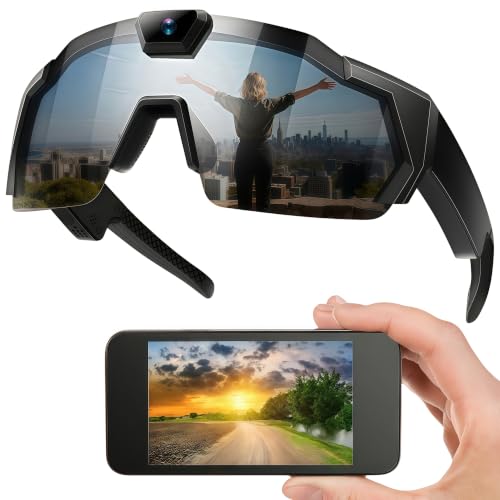
4K Smart Camera Sunglasses, Hands-Free Video Recording
- ✓ Crisp 4K POV
- ✓ Polarized glare-cutting lenses
- ✓ Comfortable, lightweight fit
- ✕ Breeze noise at speed
- ✕ 2-hour battery limit
| Video Resolution | 4K Ultra HD |
| Battery Life | Up to 2 hours of continuous recording per full charge |
| Lens System | Polarized UV-blocking lenses with built-in camera |
| Connectivity | Bluetooth/Wi-Fi via dedicated smartphone app for live preview and video download |
| Form Factor / Mounting | Hands-free smart camera glasses with centered lens for first-person POV |
| Intended Use / Scope | Wearable sports & action recording glasses suitable for cycling, hiking, fishing, running, driving, and baseball |
You’re sprinting up a rocky trail and that annoying moment hits: you wish you could capture the view without fiddling with a camera or phone. These 4K Smart Camera Sunglasses jump in and start recording the moment the trail narrows and the sun glints off the water below.
What immediately stands out is how natural the fit feels. The unisex frame sits snug without pinching, and the centered lens gives a true first-person perspective that stays steady as you lean into a switchback.
You’ll notice the polarized lenses cut glare just enough to keep the sky and treetops crisp rather than washed out.
During a sweaty climb, the lightweight build matters more than you’d think. I barely notice the glasses after a few minutes, and the 2-hour battery life held up through a full afternoon session of hiking and a quick bike ride afterward.
The app pairing is straightforward, and live preview helps you frame shots without stopping to pull out a phone.
The 4K video looks sharp, with vibrant colors that translate well on social posts or a quick edit. It does a solid job capturing audio too, though you’ll hear a tiny breeze at high speeds—still usable for vlogs and summaries of the day.
The touch controls on the temple are intuitive enough to start or stop recording without breaking stride.
In everyday use, this is a hands-free solution that actually feels practical. It’s ideal for hikers who want to document routes, cyclists who want to keep hands on the handlebars, or weekend warriors sharing clips with friends after the trip.
If you’re after a discreet, wearable POV that doesn’t require a camera dangling from your neck, these glasses deliver.
4K Mini Body Camera Audio and Video Recording, 1.5″ Screen

- ✓
- ✓ Ultra-portable design
- ✓ Real-time preview on 1.5″ screen
- ✓ Magnetic mounting versatility
- ✓
- ✕
- ✕ Battery life could be better
- ✕ Stabilization isn’t magic
- ✕
| Video Resolution and Frame Rate | 4K/30FPS |
| Image Stabilization | 6-axis Electronic Image Stabilization (EIS) |
| Display Size | 1.5 inches |
| Connectivity | Built-in WiFi with app control |
| Video Orientation Support | Auto rotation with 16:9 and 9:16 modes |
| Storage Expansion | Supports microSD/TF card up to 512GB |
You grab this 4K Mini Body Camera and it immediately feels different from the chunky action cams you’ve fussed with before. The 1.5″ screen is surprisingly usable, letting you peek at footage without pulling out your phone.
In hand, it weighs just 32 grams, and the magnetic back is delightfully practical for quick mounting on a bike handlebar, metal rail, or your hat brim. You’ll notice the thumb-sized form factor that makes it feel like a true wearable more than a gadget.
During setup, the built-in WiFi lets you jump into the app to preview clips and trim. That instant feedback is a small but real win when you’re trying to capture a fast-moving hike or a shaky downhill run.
Capture quality is decent in 4K/30FPS, especially with the 6-axis EIS doing a lot of heavy lifting on bouncy trails. It’s not a miracle worker, but it smooths enough to keep your POV shots usable without post-processing.
The auto rotation between 16:9 and 9:16 feels clever for social sharing. You can shoot a vertical clip for stories on the fly, then switch to a cinematic wide shot for a travel vlog without re-framing later.
The accessory kit is genuinely handy—magnetic strap, helmet/chest mounts, and more—so you’re ready for multi-scene use right out of the box. If you’re hiking, biking, or filming your backpacking trip, the kit covers it all.
One caveat: max memory support is up to 512GB, which is plenty, but you’ll want to pick up a card quickly if you’re planning long sessions. Battery life isn’t spectacular, so expect to swap or top up on longer outings.
Overall, this mini camera feels like a practical, everyday wear-for-anywhere solution. It nails portability, quick access, and real-world usability for quick POV moments on the trail, without making you fiddle with settings mid-hike.
What Features Should I Consider When Choosing a Hiking Recording Camera?
When selecting the best camera for hiking recording, several key features should be taken into account to ensure optimal performance and usability.
- Weight and Size: A lightweight and compact camera is essential for hiking, as it minimizes the burden on your back and allows for easy portability. Look for models that are not only small but also ergonomically designed for comfortable handling during long treks.
- Image Quality: High image quality is crucial for capturing stunning landscapes and details in your hiking adventures. Cameras with larger sensors and higher megapixels typically produce clearer and more vibrant images, making them ideal for outdoor photography.
- Durability: Hiking often exposes cameras to harsh conditions, so choosing one that is weather-resistant or ruggedized is important. Look for features like shockproof, waterproof, and dustproof ratings to ensure your camera can withstand the elements.
- Battery Life: Long battery life is vital for extended hiking trips where charging options may be limited. Opt for cameras that offer extended shooting times or the ability to swap out batteries easily to avoid running out of power during crucial moments.
- Video Capabilities: If you plan to record videos of your hikes, ensure the camera has good video specifications, such as high resolution (1080p or 4K) and stabilizing features. This allows for smooth footage and high-quality recordings of your adventures.
- Connectivity Options: Cameras with Wi-Fi or Bluetooth connectivity make it easy to share your photos and videos on social media or with friends immediately after your hike. This feature can also facilitate remote control of the camera through a smartphone app.
- Zoom Capability: A camera with a good zoom feature allows you to capture distant wildlife or scenic vistas without having to get too close. Look for optical zoom rather than digital zoom for better quality images at a distance.
- Manual Controls: For those who enjoy photography and want to experiment with settings, manual controls for exposure, shutter speed, and ISO can enhance creativity. A camera that allows for manual adjustments helps you adapt to varying lighting conditions and terrain.
How Does Camera Weight Impact My Hiking Experience?
Finally, the weight of a camera can indicate its capabilities, particularly in terms of sensor size and lens options that influence image quality. While a lightweight camera may be convenient, it might not provide the same level of detail and clarity as a heavier, more robust model, affecting the quality of your hiking recordings.
What Types of Image Stabilization Are Important for Hiking Videos?
When capturing hiking videos, effective image stabilization is crucial for producing smooth and professional-looking footage.
- Optical Image Stabilization (OIS): This type of stabilization uses physical movement of the camera lens or sensor to counteract shakes and vibrations. OIS is particularly beneficial in DSLR and mirrorless cameras, enhancing video quality by reducing blurriness caused by hand movements during hikes.
- Digital Image Stabilization (EIS): EIS works by cropping the video frame slightly to compensate for shake, using software algorithms to analyze motion. While it can be effective in action cameras and smartphones, it may result in a lower resolution due to the cropping of the image.
- In-body Image Stabilization (IBIS): Found in some advanced mirrorless cameras, IBIS stabilizes the image by moving the sensor itself to counteract camera shake. This technology can provide excellent stabilization for walking or running, making it ideal for capturing dynamic hiking environments.
- Gimbal Stabilization: A gimbal is a mechanical device that uses motors and sensors to keep the camera steady, resulting in incredibly smooth footage. This option is ideal for serious videographers who want to minimize all forms of shake during extensive hiking trips.
- Hybrid Stabilization: Combining multiple stabilization methods, hybrid stabilization utilizes both optical and digital techniques for enhanced results. This is particularly useful for professional-grade cameras, allowing for versatility in various hiking conditions and terrains.
Which Types of Cameras Are Most Suitable for Hiking?
The best cameras for hiking recording are typically lightweight, durable, and capable of capturing high-quality images and videos.
- DSLR Cameras: These cameras offer excellent image quality and manual control, making them suitable for serious photographers.
- Mirrorless Cameras: Smaller and lighter than DSLRs, mirrorless cameras provide similar image quality and versatility in a compact form.
- Action Cameras: Designed for adventure, action cameras are rugged, waterproof, and can capture high-definition video, making them perfect for dynamic hiking scenarios.
- Compact Cameras: These are lightweight and easy to carry, often featuring good zoom capabilities and decent image quality for casual hikers.
- Smartphone Cameras: Modern smartphones come with powerful cameras that are convenient for quick shots and can easily be carried, though they may lack some advanced features.
DSLR Cameras: Digital Single-Lens Reflex cameras are ideal for hiking when high-quality images are important. They typically have larger sensors and interchangeable lenses, allowing for greater creativity and detail in photography. However, they can be bulky and heavy, which might be a drawback for long hikes.
Mirrorless Cameras: These cameras provide the benefits of DSLR image quality but are more compact and lighter, making them a great choice for hikers. With interchangeable lenses and advanced autofocus systems, mirrorless cameras are versatile for various shooting conditions. They also often have excellent video capabilities, which is a plus for recording hikes.
Action Cameras: Built to withstand the elements, action cameras like the GoPro are perfect for capturing adventurous hiking moments. They are lightweight, can be mounted on gear or helmets, and are designed to be waterproof, making them suitable for various outdoor conditions. Their wide-angle lenses also allow for capturing expansive landscapes.
Compact Cameras: These cameras strike a balance between quality and portability, making them easy to pack for hiking trips. While they may not offer the same level of control as DSLRs or mirrorless cameras, many compact models feature optical zoom and good low-light performance. They are a great choice for casual photographers who want convenience without sacrificing too much quality.
Smartphone Cameras: With advancements in technology, smartphone cameras have become remarkably capable, making them a practical choice for hikers looking to document their journey. They are always on hand and allow for quick snaps without the need for extra gear. While they may not match dedicated cameras in quality, their ease of use and connectivity features are significant advantages for many hikers.
Are Action Cameras the Best Choice for Outdoor Adventures?
Action cameras are often considered one of the best choices for outdoor adventures due to their compact design and rugged features.
- Durability: Action cameras are built to withstand harsh environmental conditions, making them ideal for outdoor activities.
- Compact Size: Their lightweight and small form factor allow for easy portability, essential for hiking and other adventures.
- Wide-Angle Lens: The wide field of view captures expansive landscapes, providing a more immersive recording of your experiences.
- Stabilization Technology: Many action cameras come equipped with advanced stabilization features, ensuring smooth footage even during bumpy activities.
- Waterproof Capabilities: Most action cameras are designed to be waterproof, enabling users to record in wet conditions without additional protective housing.
- Accessories and Mounting Options: A variety of mounts and accessories are available, allowing for versatile shooting angles and hands-free operation.
Durability: Action cameras are constructed to endure extreme conditions, including shocks, dust, and moisture. This robustness makes them a reliable choice for recording during hiking, biking, or even extreme sports, where traditional cameras might fail.
Compact Size: The small and lightweight nature of action cameras means they can easily fit in a pocket or attach to gear without adding significant bulk. This feature is particularly beneficial for long hikes where minimizing weight is crucial.
Wide-Angle Lens: With a wide-angle lens, action cameras can capture more of the stunning vistas and dramatic landscapes that hikers encounter. This feature enhances the storytelling aspect of your outdoor adventures, allowing viewers to appreciate the environment fully.
Stabilization Technology: Many modern action cameras come with electronic image stabilization that smooths out shaky footage. This is particularly important during activities such as hiking on rugged trails or biking on rough terrain, where movement can lead to jarring video quality.
Waterproof Capabilities: Action cameras are often rated for waterproofing, making them suitable for use in rain or even underwater activities. This feature allows adventurers to capture moments without worrying about damaging their gear.
Accessories and Mounting Options: A range of mounts, from chest straps to helmet mounts, allows users to position the camera in various ways to capture unique perspectives. This versatility opens up creative possibilities for recording outdoor activities, ensuring that every adventure is documented from the best angles.
What Advantages Do Mirrorless Cameras Offer for Hiking?
Mirrorless cameras provide several advantages for hiking enthusiasts seeking the best camera for recording their adventures.
- Compact Size and Lightweight: Mirrorless cameras are typically smaller and lighter than their DSLR counterparts due to the absence of a mirror mechanism. This makes them easier to carry on long hikes without adding significant weight to your gear.
- Fast Autofocus: Many mirrorless cameras utilize advanced autofocus systems that can quickly and accurately focus on moving subjects. This is particularly beneficial when capturing wildlife or fast-paced action during hiking.
- Interchangeable Lenses: Mirrorless systems usually support a range of interchangeable lenses, allowing photographers to choose the best lens for their specific needs during hikes, whether it be wide-angle for landscapes or telephoto for distant subjects.
- Electronic Viewfinder: The electronic viewfinder in mirrorless cameras provides a real-time preview of the exposure and depth of field, helping hikers frame their shots perfectly even in challenging lighting conditions.
- Video Capabilities: Many mirrorless cameras offer high-quality video recording options, making them ideal for hikers who want to document their journeys with both photos and videos. This flexibility allows for creative storytelling through various formats.
- Battery Life Optimization: With advancements in battery technology, many mirrorless cameras now have optimized battery life, which is essential for long hikes where charging options may be limited. This ensures you can capture all the moments without worrying about running out of power.
What Accessories Should I Use to Improve My Hiking Recording?
To improve your hiking recording quality, consider using the following accessories:
- Tripod: A sturdy tripod ensures stability and reduces camera shake, which is critical for capturing clear and steady footage during hikes.
- External Microphone: An external microphone enhances audio quality, allowing you to capture clearer sound, especially in windy or noisy environments.
- Camera Stabilizer: A gimbal or stabilizer helps to smooth out video footage while you move, providing a professional and fluid look to your recordings.
- Lenses: Interchangeable lenses can dramatically change the perspective and quality of your shots; wide-angle lenses are great for landscapes, while zoom lenses can capture distant subjects.
- Waterproof Case: A waterproof case protects your camera from rain, splashes, and dust, ensuring your equipment stays safe and functional in various weather conditions.
- Spare Batteries: Hiking can drain your camera’s battery quickly, so carrying spare batteries ensures you won’t miss important moments due to a dead battery.
- SD Cards: High-capacity and fast SD cards are essential for storing high-resolution photos and videos, allowing for more extended recording periods without running out of space.
- Lens Cleaning Kit: A lens cleaning kit helps maintain the clarity of your camera lens by removing dirt or moisture, which is especially useful in outdoor environments.
- Smartphone Mount: If you use your smartphone for recording, a mount allows for hands-free operation and better positioning for shots, enhancing your overall recording experience.
How Can a Good Tripod Enhance My Footage on the Trail?
A good tripod can significantly enhance your hiking footage by providing stability, versatility, and creative options for capturing stunning visuals.
- Stability: A tripod stabilizes your camera, reducing shake and vibrations that can occur while shooting on uneven terrain.
- Versatility: With adjustable legs and heads, a tripod allows you to shoot from various angles and heights, making it easier to compose shots in challenging environments.
- Long Exposure Shots: A sturdy tripod enables you to take long exposure photographs, capturing the beauty of moving elements like water or clouds without blurring the image.
- Self-Timer and Remote Shooting: Using a tripod allows you to set up your camera, enabling self-timer or remote shooting, which is ideal for capturing yourself in the landscape.
- Low Light Performance: In low light conditions, a tripod lets you use slower shutter speeds without worrying about camera shake, resulting in clearer images.
Stability is crucial for any type of filming, especially in outdoor settings where wind and uneven ground are common. A good tripod minimizes these issues, ensuring your footage remains sharp and professional-looking, even when hiking through rugged areas.
Versatility is another key benefit, as a tripod often features adjustable legs that can extend to various lengths and angles, allowing you to frame your shots creatively. This adaptability is essential when navigating diverse landscapes and capturing unique perspectives on your hiking adventures.
Long exposure shots are a fantastic way to showcase the dynamic elements of nature, such as waterfalls or moving clouds. By using a tripod, you can keep your camera steady for extended periods, resulting in beautifully smooth and ethereal images that highlight the motion in your environment.
Self-timer and remote shooting capabilities allow you to step into your shots easily, capturing moments that include you in the breathtaking scenery. This feature is especially useful for solo hikers who want to document their journey without needing a fellow traveler to operate the camera.
Finally, in low light conditions, such as dawn or dusk, using a tripod allows for slower shutter speeds that can capture more light without introducing blur from hand movement. This capability enhances your footage, making it possible to record stunning scenes in challenging lighting while maintaining clarity and detail.
What Protective Gear Is Essential for My Hiking Camera?
When hiking with a camera, certain protective gear is essential to ensure safe and effective recording.
- Camera Bag: A durable, weather-resistant camera bag is crucial for protecting your equipment from moisture, dirt, and impacts during hikes.
- Lens Filters: UV and polarizing filters can safeguard your lens from scratches and environmental elements while also enhancing image quality.
- Rain Cover: A rain cover designed for your camera can provide an extra layer of protection against sudden downpours, ensuring your gear stays dry.
- Tripod with Weather Seals: A sturdy tripod with weather-sealed components helps stabilize your shots while also resisting the elements, making it suitable for various outdoor conditions.
- Lens Caps: Always use lens caps when your camera is not in use to prevent scratches and dust accumulation on the lens.
- Cleaning Kit: A portable cleaning kit including a microfiber cloth and brush is essential for maintaining lens clarity and removing dirt or smudges encountered on the trail.
- Shockproof Case: For added security, a shockproof case can protect your camera from drops or bumps during challenging terrains.
A camera bag is essential for keeping your equipment organized and protected from the elements. Look for one with padded dividers and compartments that allow you to carry extra lenses and accessories securely.
Lens filters serve a dual purpose; they protect your lens from physical damage while also improving image quality by reducing glare and enhancing colors. A UV filter is a popular choice for general protection, while a polarizing filter can help with landscapes by reducing reflections.
A rain cover is particularly useful in unpredictable weather, allowing you to shoot in the rain without risking damage to your camera. Many options are lightweight and can be stowed easily when not in use.
A tripod with weather seals is beneficial for long-exposure shots or when shooting in low-light conditions, as it provides stability and the ability to capture sharp images. Look for one that is lightweight yet durable, suitable for hiking.
Lens caps are a simple but effective way to protect your lens from scratches and environmental debris when your camera is not in use. Always keep them on when you’re not actively shooting.
A cleaning kit is vital for keeping your lens free of dirt and smudges that can ruin your photos. Regular maintenance ensures your camera functions optimally in various outdoor conditions.
A shockproof case offers peace of mind by providing an additional layer of protection against drops or impacts while navigating rugged trails. This is especially important if you plan to tackle more challenging hiking routes.
How Can I Optimize My Hiking Footage for Better Quality?
Audio Quality: Quality audio is just as important as visuals, especially if you’re narrating your hike or capturing the sounds of nature. Using an external microphone can significantly improve sound clarity, allowing for a more immersive experience for your audience.
Post-Production Editing: Editing is an essential part of the video-making process where you can refine your footage. Implementing color grading can elevate the visual appeal, while stabilization software can fix any remaining shakiness, ensuring that your final product is polished and professional. Trimming unnecessary clips also keeps viewers engaged by maintaining a brisk and interesting pace throughout the video.
What Techniques Should I Use for Capturing Scenic Views?
When capturing scenic views while hiking, several techniques can enhance your photography experience and results:
- Golden Hour Photography: Shooting during the golden hour, which occurs shortly after sunrise and before sunset, provides soft, diffused lighting that enhances colors and textures in landscapes.
- Rule of Thirds: By placing the horizon line along the upper or lower third of the frame, and key focal points along the intersecting lines, you can create a more balanced and engaging composition.
- Foreground Interest: Including elements in the foreground, such as rocks, flowers, or trees, can add depth to your photos and guide the viewer’s eye into the scene.
- Leading Lines: Utilize natural lines in the landscape, such as paths, rivers, or rows of trees, to lead the viewer’s eye through the image, creating a sense of flow and movement.
- Wide-Angle Lens: Using a wide-angle lens allows you to capture expansive landscapes, making the scenery feel more immersive and dramatic, perfect for sweeping vistas.
- Adjusting Exposure: In high-contrast scenes, such as bright skies and dark foregrounds, manually adjusting your exposure settings can help avoid blown-out highlights and maintain detail throughout the image.
- Bracketing Shots: Taking multiple shots at different exposures can help you capture a wider dynamic range, allowing you to blend them later in post-processing for a perfectly balanced image.
- Use of Tripods: A tripod ensures stability, particularly in low-light situations or when using long exposure techniques, resulting in sharper images and reducing camera shake.
- Focus Stacking: This technique involves taking multiple shots at different focus distances and blending them in post-processing to achieve a greater depth of field, ensuring everything from the foreground to the background is sharp.
How Do I Ensure My Camera Settings Are Ideal for Hiking Conditions?
To ensure your camera settings are ideal for hiking conditions, consider the following key aspects:
- ISO Settings: A higher ISO can help you capture images in low light conditions, such as under a dense canopy or during dusk. However, increasing ISO can introduce noise, so it’s important to find a balance that maintains image quality while still allowing for adequate exposure.
- Aperture: A wider aperture (lower f-number) is beneficial for achieving a shallow depth of field, which can help isolate your subject from the background. Conversely, a smaller aperture (higher f-number) increases depth of field, making it ideal for landscape shots where you want everything in focus.
- Shutter Speed: A faster shutter speed is crucial for capturing action shots, like wildlife or moving water, without motion blur. If you’re hiking in changing light conditions, be prepared to adjust your shutter speed to prevent overexposure or underexposure.
- White Balance: Adjusting the white balance settings ensures that colors appear natural in different lighting conditions, such as under the harsh sun or in shadowy areas. Use presets like ‘Sunny’, ‘Cloudy’, or ‘Shade’ to match the current environment, or set a custom white balance for more accuracy.
- Focus Mode: Choose between single-point autofocus for still subjects and continuous autofocus for moving subjects to ensure you capture sharp images. In challenging environments, like dense forests, consider using manual focus to have complete control over your shot.
- Image Stabilization: If your camera or lens has image stabilization, enable it to reduce the effects of camera shake, especially when shooting handheld in low light or while on the move. This feature is especially useful for capturing crisp images while hiking on uneven terrain.
- File Format: Shooting in RAW format allows for greater flexibility in post-processing, making it easier to adjust exposure and color balance after the fact. While JPEGs are easier for quick sharing, RAW files retain more detail and dynamic range, which can be beneficial for landscape photography.